Grains & Rice
Chocolate Malt
Dark-roasted brewing malt that lends stouts and porters deep cocoa-brown color and roasty flavor.
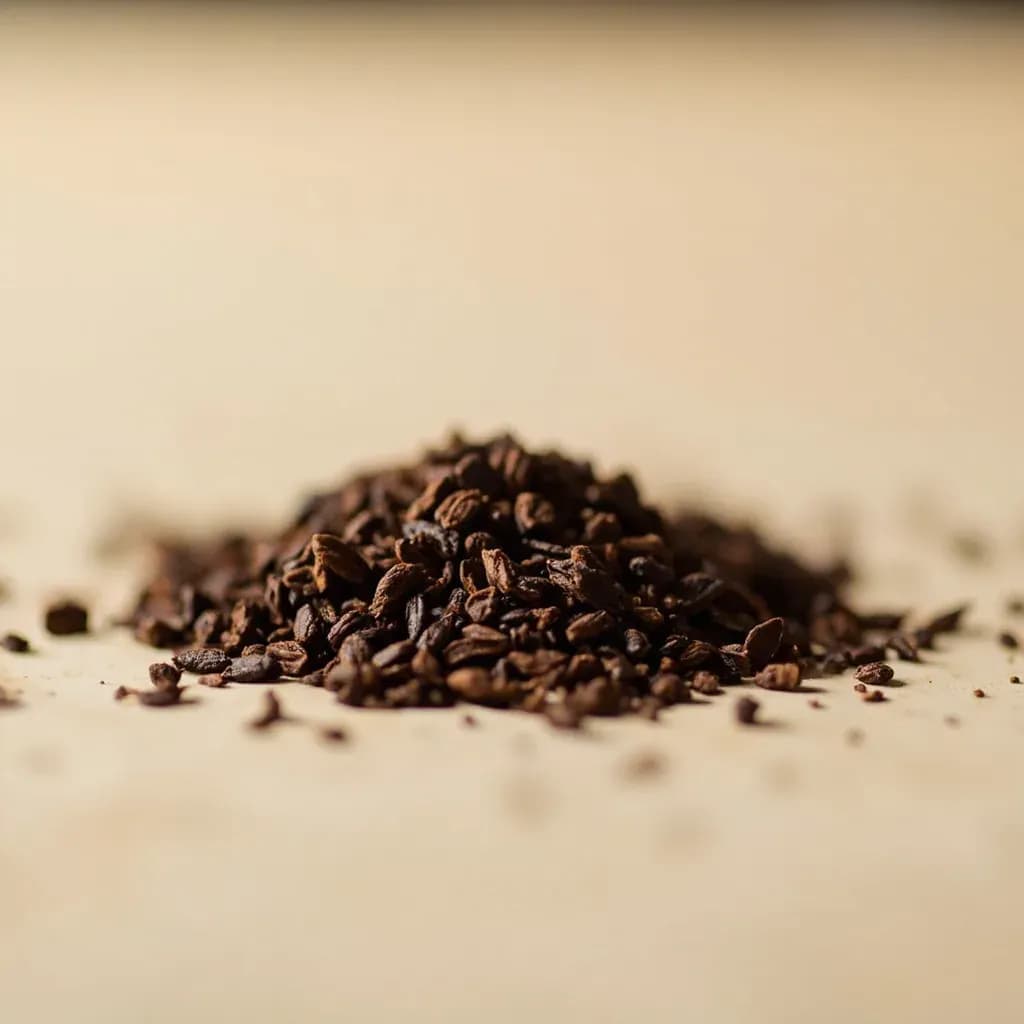
Chocolate malt is a barley malt kiln-roasted to a deep brown, used mainly in brewing dark beers like stouts and porters. It contributes rich chocolate, coffee, and toasted notes plus a dark color without the harsh bitterness of fully black malts. A small amount goes a long way in a grain bill.
Chocolate malt is a roasted barley malt used primarily in brewing to impart deep color and roasty, cocoa-like flavor to dark beers such as stouts and porters. Unlike pale malts used for enzymatic activity, chocolate malt is kilned at high temperatures (400–500°F/200–260°C) after initial malting, which develops its characteristic dark brown hue and concentrated flavor compounds while virtually eliminating diastatic power. The Lovibond scale measures its color range from 200°L for lighter varieties to 550°L for the darkest selections, with flavor intensity scaling accordingly from subtle roasted cocoa to intense espresso and burnt caramel. Though rooted in the British brewing tradition, chocolate malt has carved a modest niche in artisan baking and culinary applications where its grain-derived roast complexity surpasses what cocoa powder alone can provide.
- Measured in
- g
- Storage
- Pantry
Allergens
Types & varieties
200–300°L; lighter roast imparts chocolate nuance without strong bitterness; use when subtle color and flavor needed
300–400°L; subtle roasty notes, mild chocolate character; suitable for brown ales and amber lagers
450–550°L; intense roasted cocoa, espresso, dark chocolate; standard variety for stouts
Lightly roasted; retains color with minimal harsh bitterness; ideal for dark breads and baked goods
Made from rye grain rather than barley; adds spiced, earthy roasty character; popular in rye stouts and specialty breads
Using Chocolate Malt in Baking
Chocolate malt performs differently than cocoa powder in baking. Because it lacks significant enzymatic activity, it contributes no leavening power—treat it purely as a flavor and color agent. The grain's starches behave differently from refined cocoa, requiring careful integration with other ingredients to avoid grittiness. In bread applications, start with 1–3% of flour weight for subtle chocolate undertones; exceed 5% and the flavors become harsh and overly bitter. Always grind whole kernels freshly for baking; pre-ground malt oxidizes rapidly and loses the delicate volatile aromatics that distinguish quality chocolate malt from mere roasted grain powder.
- Grind fresh from whole kernels using a burr grinder; set to coarse grind for steeping, fine for baking incorporation
- Combine with cocoa powder rather than replacing it to layer roasty and acidic chocolate notes
- For dark breads, steep ground malt in 180°F/82°C water for 15–20 minutes, strain, and add liquid to dough
- Store airtight in freezer; oxidation destroys volatile aromatics within weeks of grinding
Common uses
Tips & pitfalls
- Grind freshly from whole kernels for maximum flavor in baking and cooking; pre-ground malt stales within weeks
- Toast whole kernels briefly in a dry skillet before steeping to intensify aromatic compounds
- In bread-making, use 1–3% of flour weight for subtle chocolate undertones; exceed 5% and flavors become harsh
- Steep ground malt in hot water at 180°F/82°C for 15–20 minutes, then strain; use liquid as brewing extract or cooking base
- Store in airtight container in freezer to prevent rancidity; oxidation destroys delicate volatile aromatics
- In brewing, combine with base malts (2-row, Munich) to balance the enzymatic shortfall; do not use as sole grain
- Distinguish between barley-based chocolate malt and chocolate rye malt—they perform differently in recipes due to grain type
- Common mistake: substituting cocoa powder volume-for-volume; use one-third the amount and supplement with malt extract for approximation
Nutrition
Energy
1519 kJ · per 100 g
Where the calories come from
Protein
10.6g
21% DV
Carbs
79.6g
29% DV
Fat
0.8g
1% DV
Fiber
2.8g
10% DV
Sugars
16.6g
of which
Sodium
10mg
0% DV
Source · USDA FoodData Central · approx. Cereals, MALT-O-MEAL, chocolate, dry
View on FDC →In the shops
Matched grocery products
No matched grocery products for Chocolate Malt yet.
Good to know
- Type
- Roasted barley malt (brewing grain)
- Origin
- British brewing tradition; roasting process mirrors medieval malt techniques
- Lovibond Range
- 200–550°L depending on variety; higher °L means darker color and more intense roast
- Processing
- Green malt is kilned, then roasted at 400–500°F (200–260°C) until desired color achieved
- Flavor Profile
- Roasted cocoa, coffee, toffee, burnt caramel; less acidic than cocoa powder
- Enzyme Activity
- Low diastatic power; functions as flavor and color agent, not leavening aid
- Shelf Life
- 6–12 months whole grain; ground malt loses flavor within weeks; freeze to preserve
Substitutes
- Cocoa Powder — Not a direct substitute; lacks grainy depth and malt sweetness; use one-third the amount and add slight malt extract for approximation
- Black Patent Malt — More intensely roasted, bitter, and ashy; use 50% less volume; overwhelms delicate chocolate character in culinary applications
- Roasted Barley — Unmalted roasted barley; similar color and roast but lacks malt sweetness; better for savory applications where sweetness is undesirable
- Dark Malt Extract — Dissolved brewing concentrate; convenient for cooking applications; offers less control over intensity than grinding fresh malt
- Coffee (instant or grounds) — Provides roasty depth but lacks malt sweetness entirely; use sparingly as a flavor enhancer, not an equivalent substitute
Pairs with
Also called
Chocolate Barley Malt
Appears in these dishes
Related

White Rice
Fluffy long-grain rice — the neutral base for almost any meal

White Bread
Soft sandwich loaf for toast, sandwiches, and crumbs
Brown Rice
Nutty, whole-grain rice with chew and extra fiber

Basmati Rice
Fragrant, long-grain rice that cooks up light and separate
Jasmine Rice
Soft, floral-scented rice that's the pillar of Thai meals
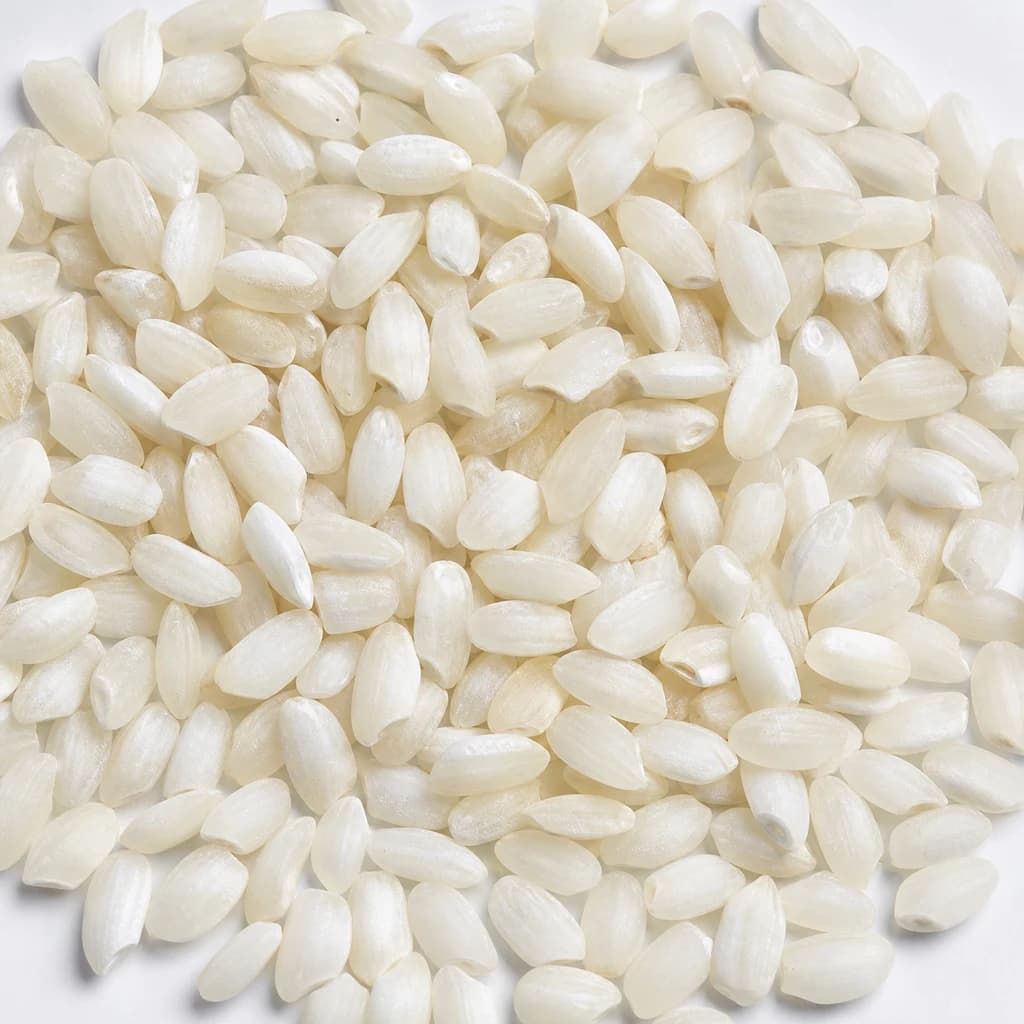
Arborio Rice
Plump, starchy rice that makes risotto creamy
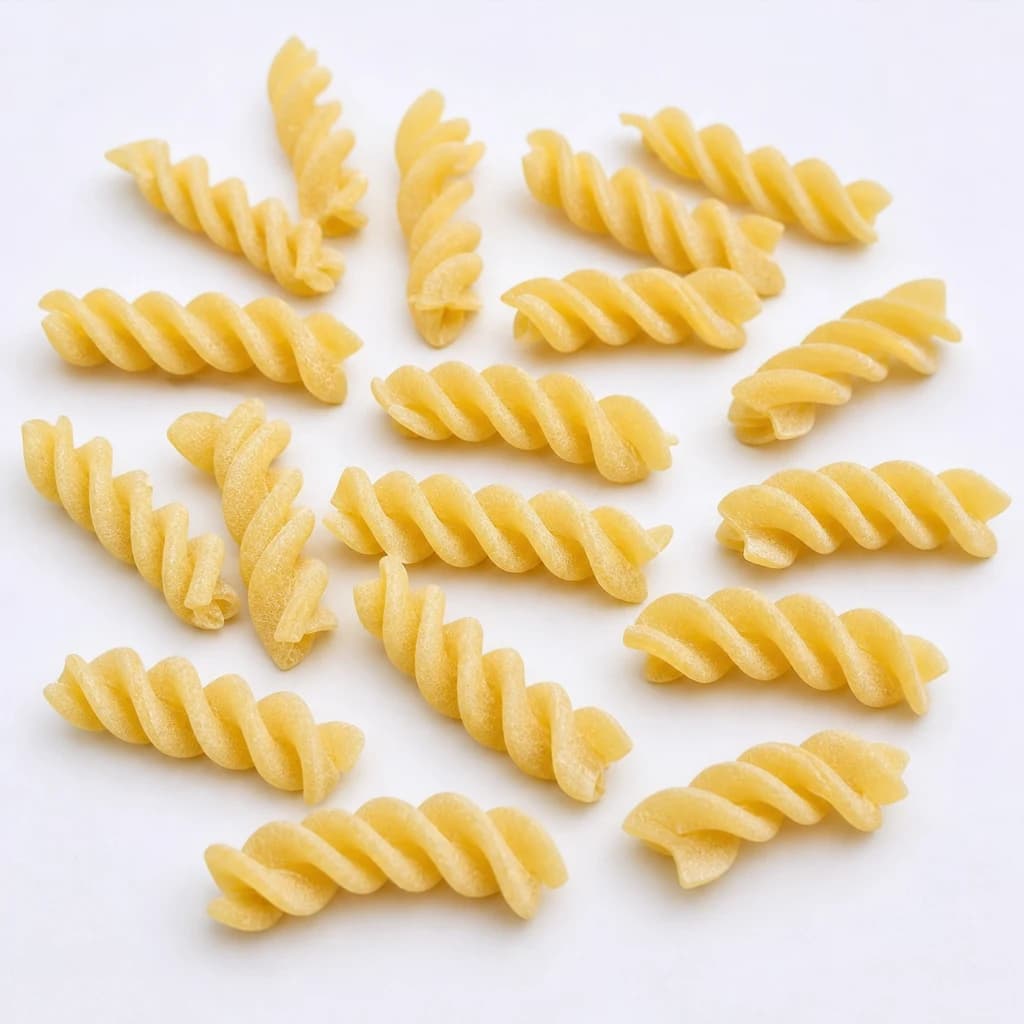
Fusilli
Spiraled pasta that twirls up sauce and dresses cold salads
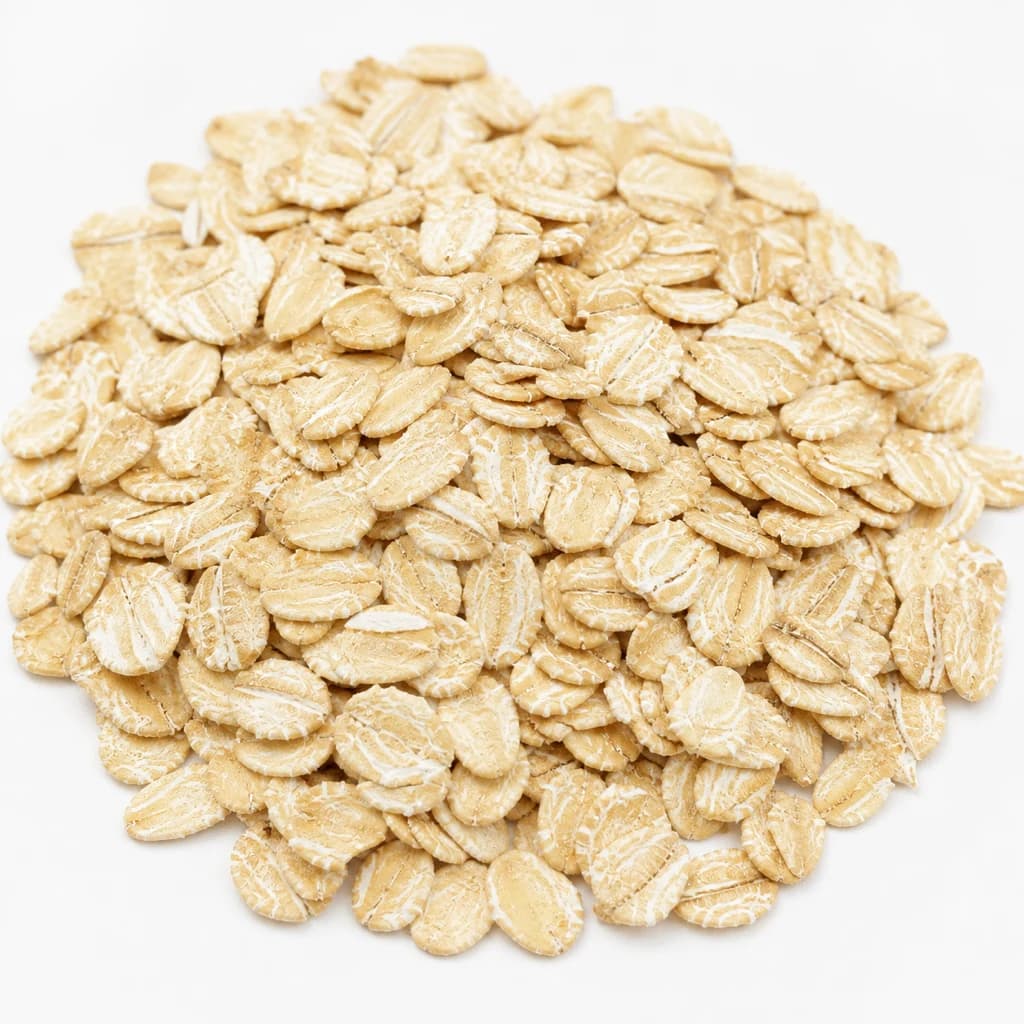
Rolled Oats
Hearty flakes for porridge, granola, and chewy cookies