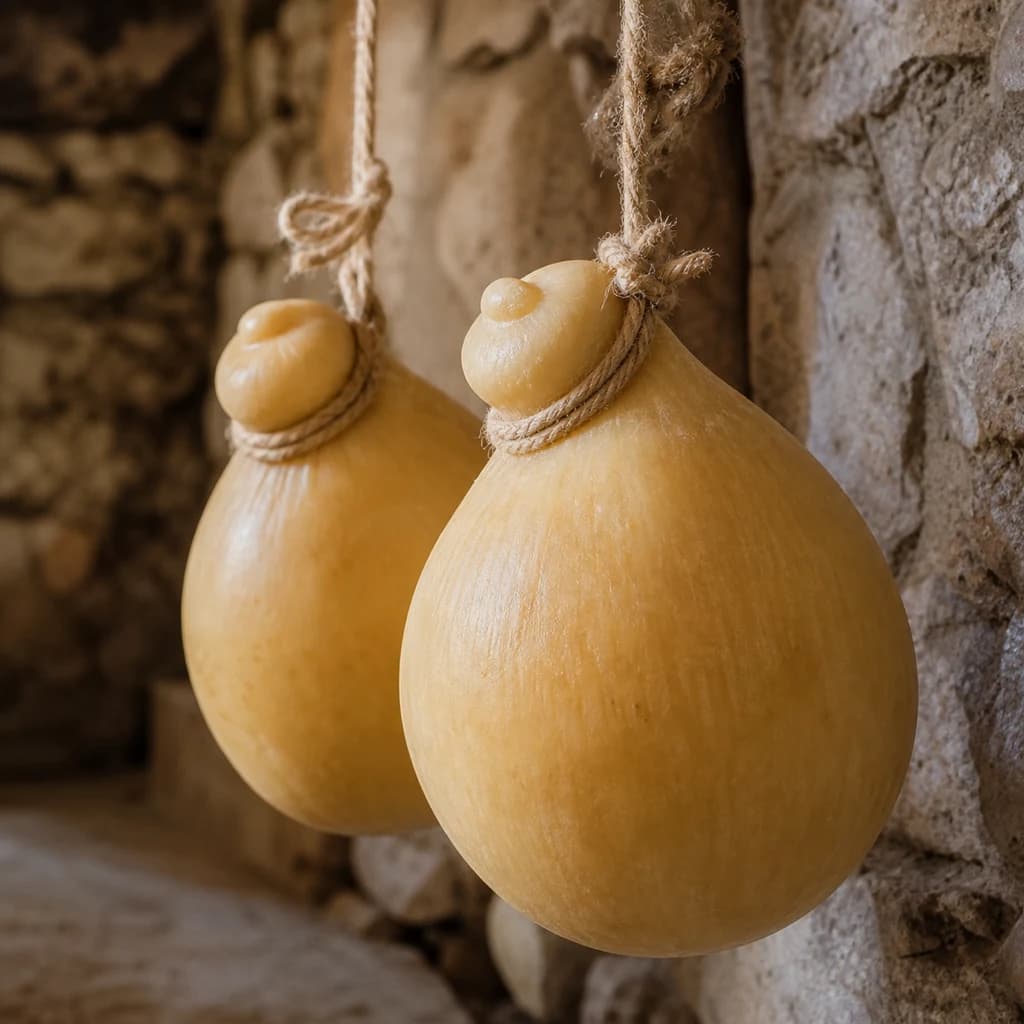
Natural form
Caciocavallo's signature gourd shape, tied at the neck and hung in pairs to age.
The distinctive teardrop silhouette and paired-hanging tradition are the most recognizable features of this cheese and need to be shown first.
Dairy & Eggs
Caciocavallo
Gourd-shaped southern Italian pasta-filata cheese, eaten young and mild or aged and sharp.
Caciocavallo is a southern Italian pasta-filata cheese shaped like a teardrop or gourd and traditionally hung in pairs to age. Young, it is mild and supple for melting and grilling; aged, it turns firm, piquant, and good for grating. The Ragusano variety from Sicily is a prized DOP version with a deep, savory flavor.
Caciocavallo is a southern Italian pasta-filata cheese shaped like a small gourd or pear, with a distinctive "neck" formed where the cheese is tied before aging. The name translates to "cheese on horseback," a reference to the traditional practice of hanging paired cheese forms over horizontal wooden poles to cure—evoking the image of riders straddling a horse. The cheese is made by heating curds in hot water, then stretching and kneading them until smooth and elastic before shaping. This stretching process, characteristic of all pasta-filata cheeses, gives caciocavallo its signature melt and pull properties that make it invaluable in cooking.
The cheese spans a wide range from fresh and mild to aged and intensely flavored. Young caciocavallo (1–3 months) is smooth, elastic, and pleasantly tangy with buttery, milky notes—excellent for grilling where it should hold its shape while developing a golden exterior. Aged caciocavallo (6–18 months) becomes firm and granular with crystalline pockets, its flavor sharpening to a savory intensity that makes it a worthy table cheese and a bold grating choice. This duality is what makes caciocavallo so useful: one cheese handles both roles in a kitchen.
Caciocavallo Silano holds Protected Designation of Origin (DOP) status, meaning authentic wheels must be made from the milk of cattle raised in specified southern regions and aged for a minimum of eight months. The DOP seal guarantees consistent quality and regional authenticity—worth seeking out when you want the genuine article for cheese boards or grating.
- Measured in
- g
- Storage
- Fridge
Allergens
Types & varieties
Protected designation; minimum 8 months aging; produced in specific southern Italian regions. Look for the DOP seal on the rind.
From Le Marche region; traditionally made from sheep's milk; PDO protected.
From Friuli-Venezia Giulia; less common regional specialty.
Fresh, unaged variety from some producers; very mild and soft.
Buying and Storing Caciocavallo
Look for the DOP seal when purchasing Caciocavallo Silano—the designation ensures milk from registered farms and minimum aging standards. Supermarket varieties labeled simply "caciocavallo" may come from variable milk sources and lack the consistency of DOP-certified wheels. For fresh applications (grilling, sandwiches), buy young cheese that smells clean and milky with a slightly springy give when pressed. For grating or the cheese board, seek aged wheels with a dry rind and nutty aroma. Refrigerate wrapped in wax paper or loosely in plastic in the vegetable drawer (the warmest spot) to prevent excessive drying. Use fresh caciocavallo within 1–2 weeks; aged wheels keep for several weeks to months. If an aged cheese develops sharp ammonia odors, it has passed its prime.
- Bring whole wheels or large cuts to room temperature 30–45 minutes before serving for best aroma and texture
- Press gently: fresh cheese should spring back; aged cheese should feel firm with no soft spots
- Check the rind: authentic Caciocavallo Silano has a smooth, slightly waxy rind stamped with the DOP marking
Common uses
Tips & pitfalls
- Tie younger caciocavallo with kitchen twine before grilling to keep it from melting completely through the grates—this also helps maintain its gourd shape during cooking.
- For grating, use only aged caciocavallo (6+ months); younger cheese has too much moisture and will gum up a microplane or box grater, turning rubbery rather than fluffy.
- Store in the warmest part of the refrigerator (vegetable drawer) or a cool cellar to prevent the cheese from drying out and cracking.
- To test freshness: young caciocavallo should smell clean and milky with a hint of tang; aged cheese should smell nutty and pleasantly pungent without ammonia.
- When slicing for a board, bring to room temperature 30–45 minutes before serving—cold cheese releases far less aroma and the texture will be stiff rather than supple.
Nutrition
Nutrition
No USDA FoodData Central match for Caciocavallo yet. We surface a per-100 g profile once a generic whole-food entry is matched and verified.
In the shops
Matched grocery products
No matched grocery products for Caciocavallo yet.
Good to know
- Origin
- Southern Italy (Campania, Basilicata, Calabria, Puglia, Molise, Abruzzo)
- Milk Type
- Cow's milk (occasionally sheep or goat)
- Category
- Pasta filata (stretched-curd cheese)
- Aging Period
- 1–3 months (young/mild) to 6–18 months (aged/sharp)
- Shape
- Gourd or pear-shaped with characteristic "neck"; traditionally tied and hung in pairs
- PDO Status
- Caciocavallo Silano has DOP protection (Calabria, Campania, Puglia, Basilicata, Abruzzo, Molise, Lazio, Sardegna)
- Flavor Profile
- Young: milky, buttery, mild tang; Aged: sharp, savory with crystalline texture
Substitutes
- Provola/Scamorza — Closest textural match; use smoked version for added depth; works for grilling and melting.
- Provolone — Most common commercial substitute; choose young provolone for mild applications, aged for grating. Provolone is often slightly less tangy than caciocavallo.
- Young Piave or Asiago — For grating; similar sharpness and crumble when aged; Italian Alps origin.
- Fresh Mozzarella — Only for fresh applications; lacks the tang and melt properties of aged caciocavallo.
Pairs with
Also called
Caciocavallo Ragusano
Related

Whole Milk
Rich, full-fat milk for drinking, coffee, sauces, and baking
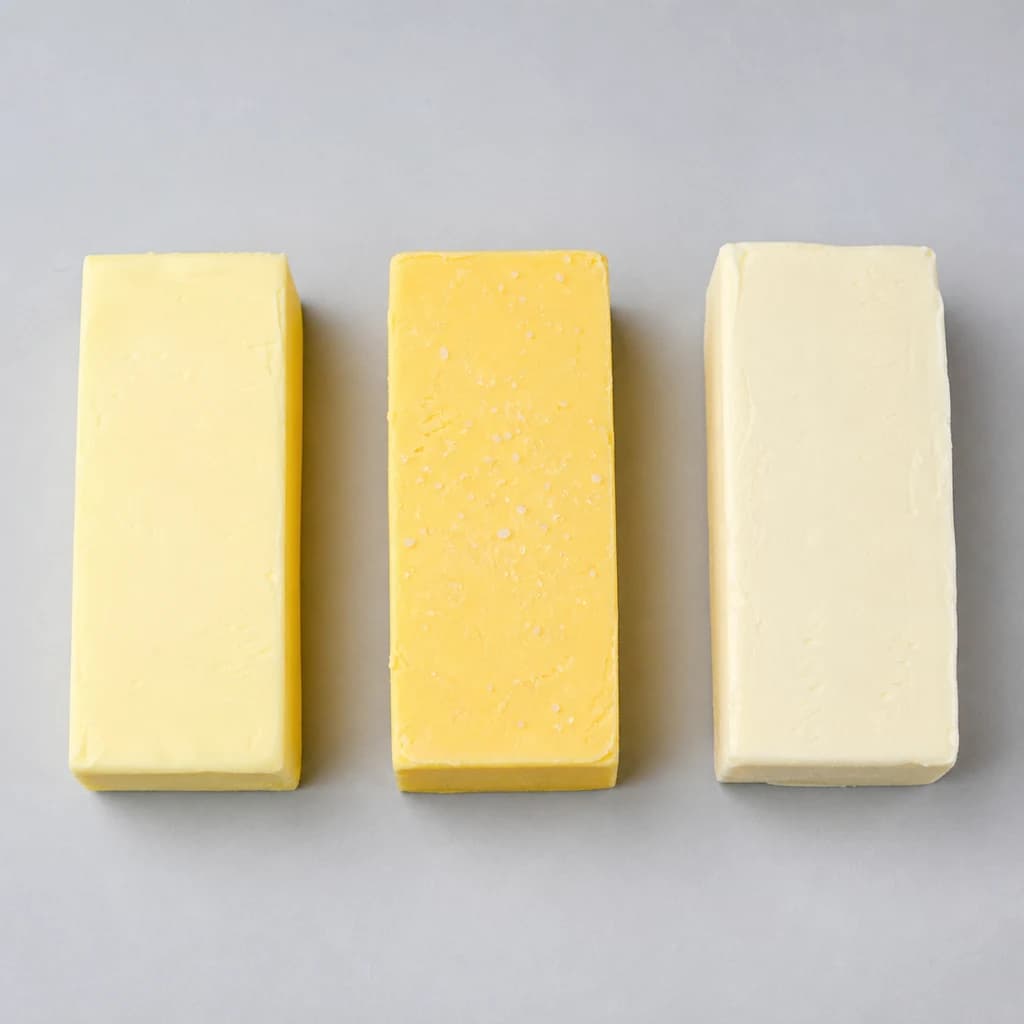
Butter
Golden fat for searing, baking, and finishing a sauce
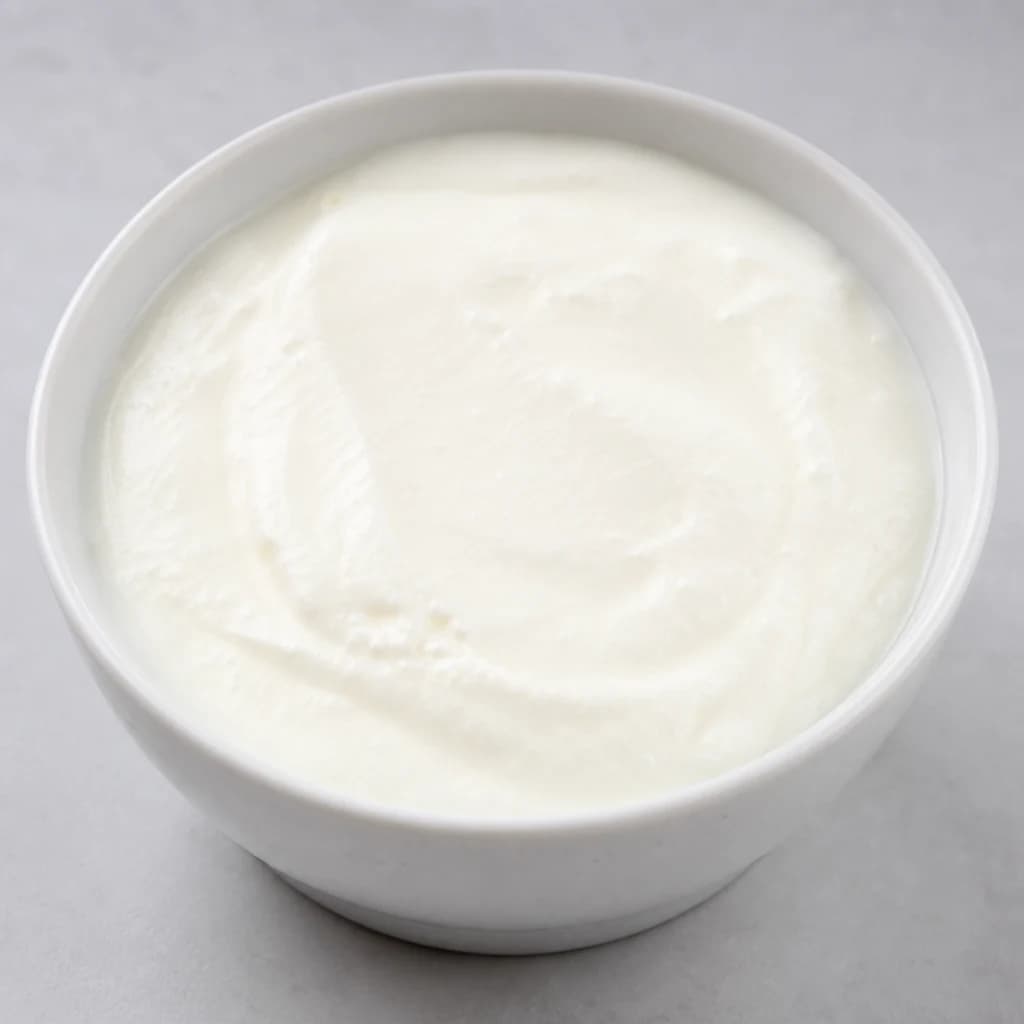
Yogurt
Tangy, creamy culture for breakfast, sauces, and marinades
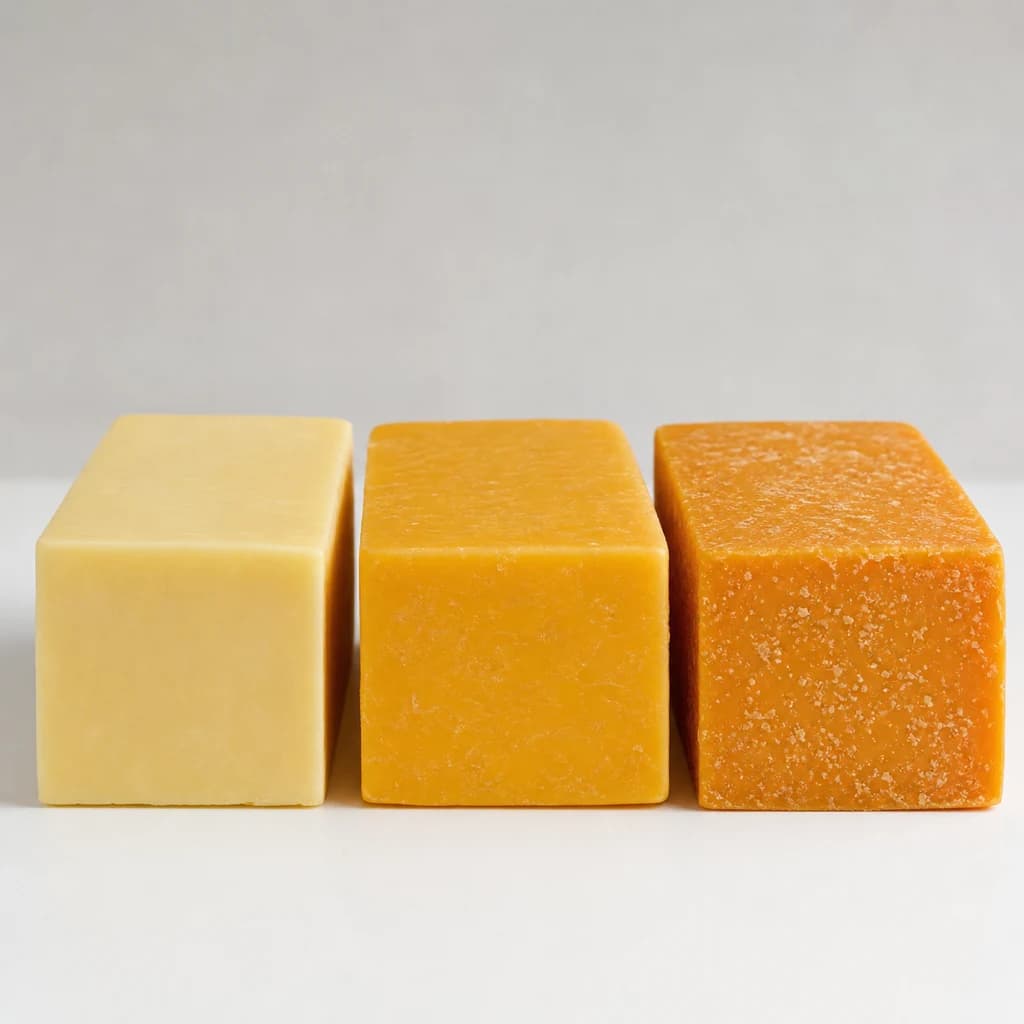
Cheddar Cheese
Sharp, melty cheese for sandwiches, gratins, and grating
Skim Milk
Fat-free milk for lighter drinking, coffee, and cooking
Heavy Cream
Rich cream that whips, enriches sauces, and sets ganache

Sour Cream
Tangy, thick cream for dolloping, baking, and dips
Mozzarella
Soft, milky cheese that melts into stretchy pizza pulls