Proteins
Calamari
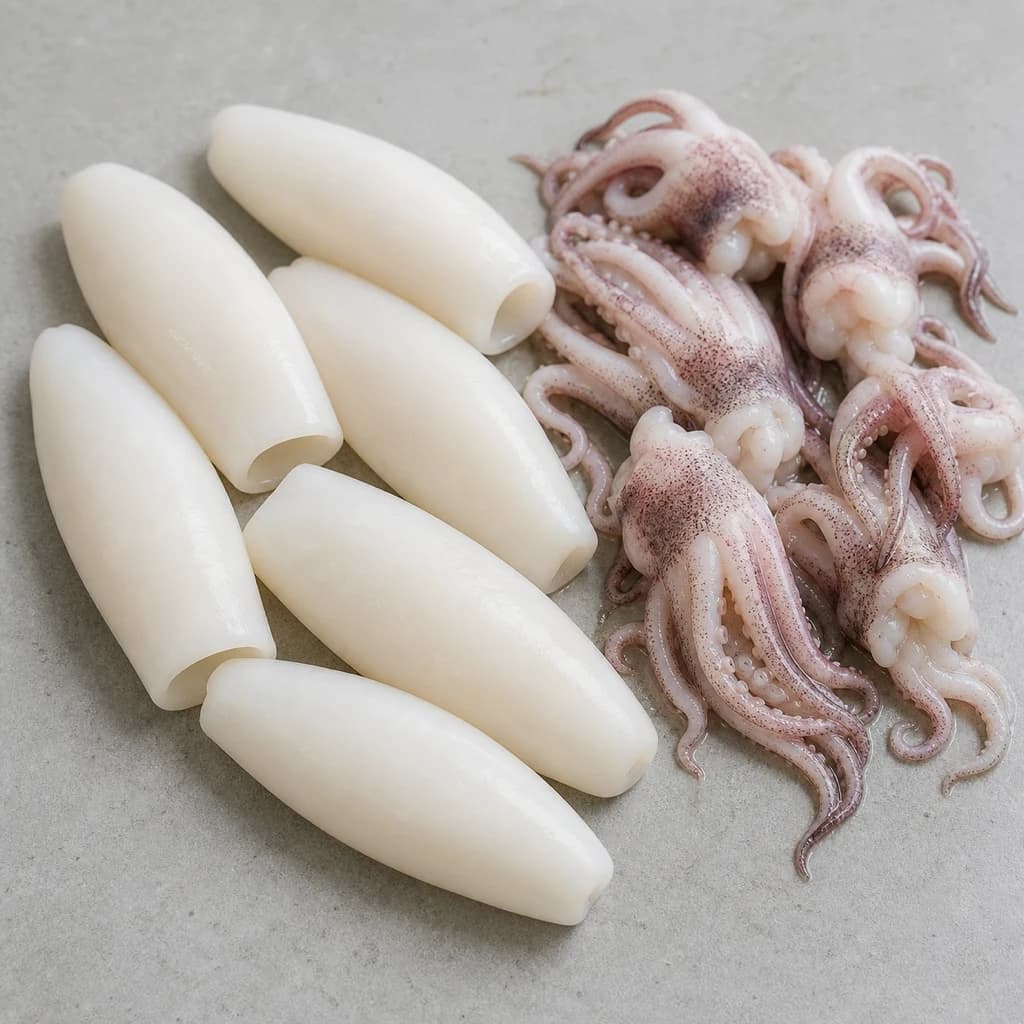
Culinary squid, sold as cleaned tubes and tentacles. Cook either very fast (flash-fry, grill) or long and slow (braise) to stay tender; the middle is rubbery.
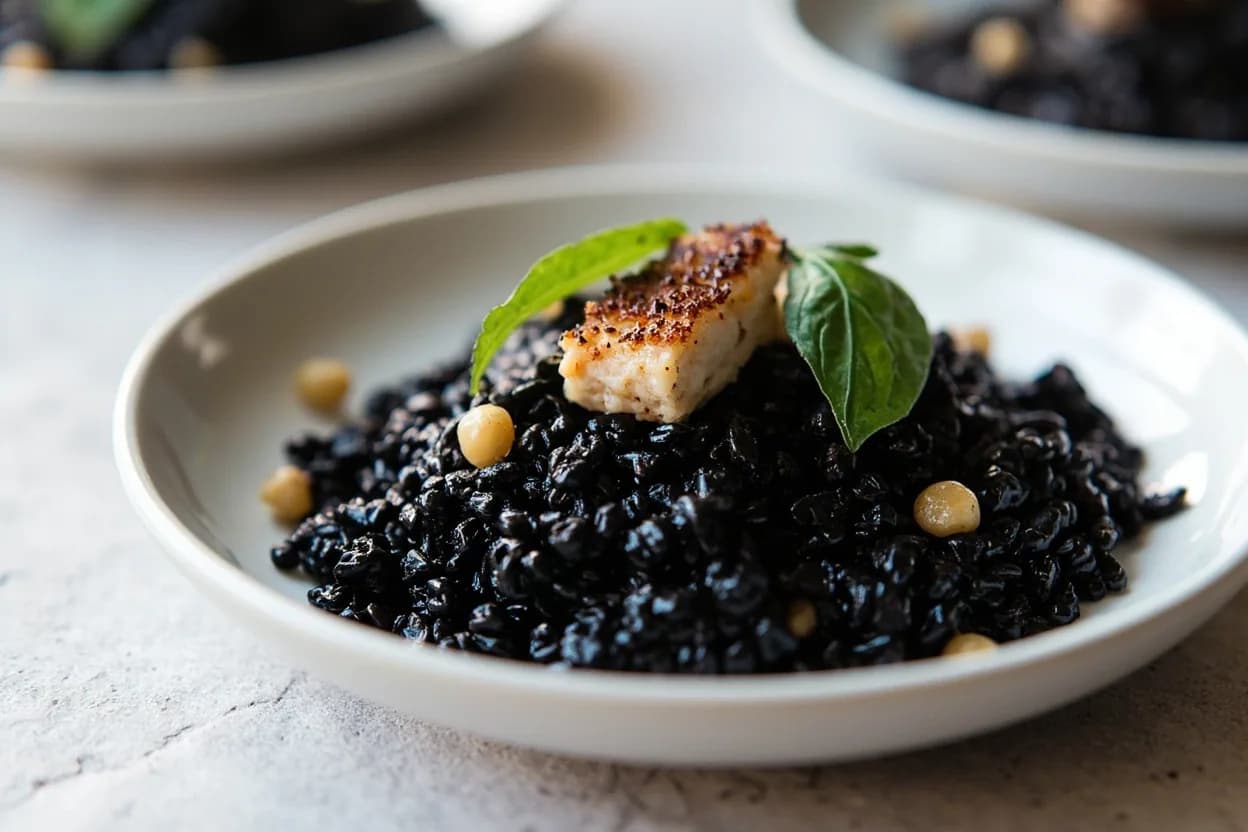
Calamari is the culinary name for squid — a lean, mild-flavored cephalopod sold in two basic forms: cleaned tubes (the mantle) and tentacles, sometimes together, sometimes separately. On menus from Naples to Osaka the word covers everything from tiny whole baby squid fried crisp to large tubes scored and grilled over coals, and from quick stir-fries to slow, ink-black braises. Its appeal is partly flavor — a clean, slightly sweet, briny taste that absorbs sauces and aromatics without competing with them — and partly speed: a screaming-hot pan and ninety seconds can turn it from translucent raw to tender and just-cooked.
The single defining fact about cooking squid is the timing paradox. The mantle's muscle fibers contract tightly between roughly 40°C and 70°C, squeezing out moisture and turning the flesh rubbery. Two paths avoid this: cook for under two or three minutes total, so the fibers relax again almost immediately, or cook for a long time — forty-five minutes and up — so the connective tissue breaks down and the flesh goes meltingly tender. The kitchen-casualty middle zone of five to thirty minutes is where most disappointing calamari lives.
Because squid is highly perishable and most of the supply chain involves freezing anyway, much of the world's calamari is cooked from a frozen-thawed state. Ice crystals damage the muscle during freezing, and paradoxically that often gives a more tender fried or grilled result than a fresh tube that has sat on ice for a day too long. Buy from a counter you trust, keep it cold, use it quickly, and don't be afraid of frozen.
- Measured in
- g
- Storage
- Refrigerate
Allergens
Find it in
Types & varieties
The classic calamari; small to medium tubes, tender and mild — basis of Italian and Spanish preparations.
Small, sweet tubes; the dominant US catch and ideal for fried rings.
Larger, firmer tubes; widely processed and frozen; common in European markets.
Most-consumed squid in the world; sold as 'ika' for sushi, sashimi, and simmered dishes.
Very large Pacific species; firm, sometimes ammoniac in big adults; best braised or thinly sliced.
Whole small squid fried or grilled; prized for tenderness and a thirty-second cook.
Standard retail form; skin-on or skinless, with quill and viscera already removed; sold fresh or frozen.
Cleaning a whole squid
Most fish counters will clean squid on request, but doing it yourself takes five minutes once you have done it twice, and it lets you save the ink sacs and tentacles exactly as you want them. Work over a bowl so any ink you puncture is easy to capture.
- Hold the body in one hand and pull the head and innards out together; the viscera should release in one piece.
- Reach inside the tube and pull out the transparent, plastic-like gladius (the internal 'pen') — discard it.
- Cut the tentacles off just in front of the eyes; squeeze out and discard the small hard beak at the base where they joined.
- Rinse the tube and tentacles under cold running water; pull off the purplish skin if a clean white look matters, though it can stay on for flavor.
- For ink: look for a small silvery-black sac among the innards, snip it, and squeeze the liquid into a jar. Use the same day or freeze in tablespoon portions.
Common uses
Tips & pitfalls
- Cook either very fast (under two or three minutes total) or very slowly (forty-five minutes or more) — the in-between window makes it rubbery, and that is the most common calamari mistake.
- Pat tubes and tentacles completely dry before frying, then dredge in seasoned flour or rice flour straight away so the crust sticks and stays crisp.
- Score thick tubes in a fine crosshatch before grilling; this shortens effective cooking time and keeps them from curling into a ball over the heat.
- Frozen-then-thawed squid is often more tender than fresh, because ice crystals disrupt the muscle structure — buy frozen unless the fresh at your counter is exceptional.
- Keep squid on ice and use it the day you buy it; a strong ammonia smell is the clearest signal that it has passed its peak.
- Marinate in lemon or vinegar only briefly (15–30 minutes); a long acid bath turns the flesh mushy rather than tender.
- Salt the squid only just before cooking; salt drawn too early pulls out moisture and toughens the surface.
- Reserve ink sacs (often sold separately, frozen) for pasta, risotto, or braises — they spoil quickly, so freeze what you don't use in single-portion amounts.
Nutrition
Energy
385 kJ · per 100 g
Where the calories come from
Protein
15.6g
31% DV
Carbs
3.1g
1% DV
Fat
1.4g
2% DV
Fiber
0g
0% DV
Sugars
0g
of which
Sodium
44mg
2% DV
Source · USDA FoodData Central · approx. Mollusks, squid, mixed species, raw
View on FDC →In the shops
Matched grocery products
No matched grocery products for Calamari yet.
Good to know
- Category
- Cephalopod mollusk (squid family)
- Edible parts
- Mantle (tube), tentacles, fins; ink sac used for sauces and pasta; beak and gladius removed
- Common species
- Loligo vulgaris (European), Loligo opalescens (California market), Illex argentinus (Patagonian), Todarodes pacificus (Japanese flying), Dosidicus gigas (Humboldt/jumbo)
- Typical culinary size
- Tubes 7–15 cm for classic fried rings; 20–40 cm tubes for grilling or stuffing; Humboldt can exceed 1 m
- Flavor
- Mild, slightly sweet, briny; more pronounced in larger species
- Lean protein
- About 15–16 g protein per 100 g with under 1.5 g fat
- Yield
- Roughly 60–70% edible weight from a whole cleaned squid (mantle plus tentacles)
- Storage
- Highly perishable; use within 1–2 days fresh on ice, or freeze at –18°C
- Cooking times
- Under 2–3 minutes (flash fry, grill, blanch) or 45 minutes and longer (braise, stew); the 5–30 minute window turns it rubbery
Substitutes
- Cuttlefish — Closest match — similar sweet flavor and tender-when-properly-cooked texture; tubes are meatier and slightly denser.
- Octopus — Works in stews and braises but needs much longer cooking and has a chewier bite; not a one-for-one swap for fried rings.
- Baby octopus — A good stand-in for small fried or grilled calamari, with a slightly firmer, sweeter chew.
- Monkfish (in stews) — Not a textural match, but a reliable fillet for tomato-based seafood stews when cephalopods are unavailable.
Pairs with
Also called
squid · calamares · ika