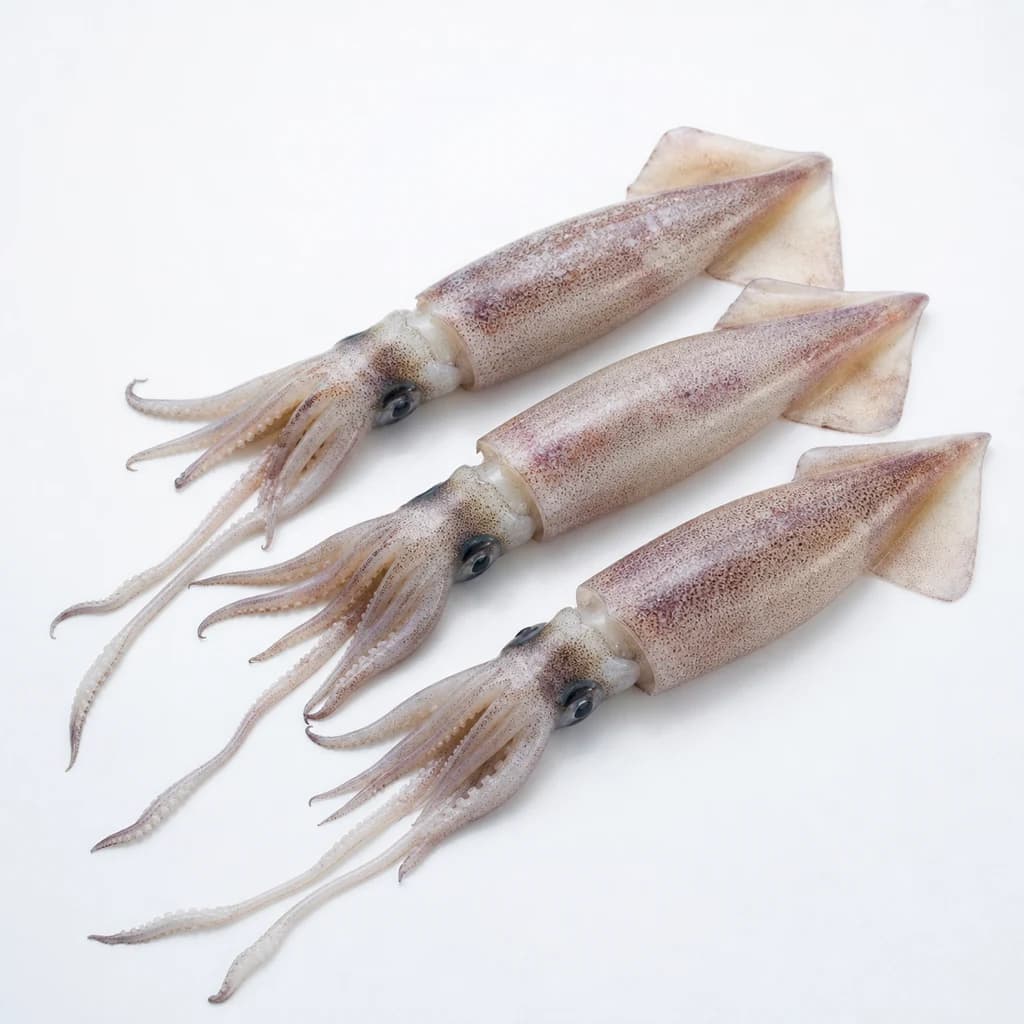
Natural form
Whole fresh squid showing translucent mantle, fins, and trailing tentacles.
Shows the reader the complete unprocessed animal so they can recognize squid at the fish counter.
Proteins
Squid
Tender cephalopod with mild sweet flesh — fried into calamari, stir-fried, grilled, or stuffed.
Squid is a cephalopod with mild, slightly sweet flesh that turns tender when cooked very fast or very slow — anything in between makes it rubbery. It is sliced into rings and fried as calamari, stir-fried, grilled, stuffed, or stewed in its own ink. The tubes and tentacles are both edible and widely used across Mediterranean and Asian cuisines.
Squid belongs to the class Cephalopoda, making it a close relative of octopus and cuttlefish. Its body consists of a tube (mantle), eight arms, and two longer tentacles equipped with suckers. For cooking purposes, the tube is often cut into rings or left whole for stuffing, while the tentacles make an excellent garnish or bar snack when grilled. Squid has been consumed by Mediterranean, East Asian, and Latin American civilizations for millennia—the ancient Greeks used squid ink as a pigment long before it became a culinary ingredient.
The cephalopod's culinary appeal lies in its extraordinary textural transformation under heat. When squid reaches approximately 130–140°F, its proteins tighten and release water, producing that dreaded rubbery chew. This means the difference between a perfectly tender calamari and a jaw-exercise dish is measured in seconds. Cooks who master this single principle unlock a remarkably versatile ingredient. Squid accepts a range of preparations from quick-searing to extended braising, and its mild, subtly sweet flavor acts as a canvas for bold accompaniments without demanding center stage.
Freshness is paramount. Whole squid should have translucent skin, firm flesh that springs back when pressed, and a clean sea-breeze smell—never slimy film, dark discoloration, or a pronounced fishy odor. Because perishability is extremely high, plan to cook squid within 24 hours of purchase. Frozen squid, when properly thawed overnight in the refrigerator, performs admirably in most applications and offers convenience that fresh markets cannot always provide.
- Measured in
- g
- Storage
- Fridge
Allergens
Types & varieties
European market squid, 6–12 inches; sweet, firm flesh; peak winter season in Mediterranean
Western Atlantic; smaller, delicate; excellent fried or sautéed
Western Atlantic; larger, slightly tougher; best sliced and quick-cooked
Pacific coast; small, sweet; primarily used for calamari and bait
Most common globally; versatile; widely used in Japanese cuisine
Australia/New Zealand; large fins; considered premium; mildest flavor
New Zealand; firm, sweet; excellent grilled or fried
Large (up to 5 feet); aggressive flavor; popular in Mexican cuisine; must be bled before cooking
Culinary squid, sold as cleaned tubes and tentacles. Cook either very fast (flash-fry, grill) or long and slow (braise) to stay tender; the middle is rubbery.
Cleaning Whole Squid
Thorough cleaning unlocks the best texture and appearance. Pull the head and entrails away from the tube in one firm motion—reserve tentacles if using them. Inside the mantle, you will find the transparent plastic-like gladius (the squid's internal shell); pull it out and discard. For a cleaner presentation, peel the purple-speckled membrane from the outside of the tube, though this skin is perfectly edible and adds visual drama when left on. Rinse the mantle and tentacles under cold water and pat dry with paper towels. The wings (fins) are entirely edible and become especially crispy when fried.
- Pull head and entrails away from tube together
- Remove the transparent gladius (internal shell) from the mantle
- Peel or retain the purple-speckled outer skin as desired
- Rinse thoroughly and pat completely dry before cooking
Common uses
Tips & pitfalls
- Score the interior surface of squid tubes in a crosshatch pattern before cooking—this prevents curling and dramatically increases surface area for browning
- Never cook squid past 130–140°F internal temperature; the proteins seize and tighten irreversibly, producing rubbery texture
- The most common mistake is overcooking. Err on the side of undercooking—30 more seconds on heat easily fixes it, but rubbery cannot be undone
- For fried squid, cook in two batches to maintain oil temperature above 350°F; dropped temperature results in greasy, pale calamari
- When grilling squid, apply high direct heat just until lightly charred, then allow residual heat to finish cooking during a brief rest
- Squid ink sacs can be punctured directly into sauces, risottos, or pastas—store-bought ink paste is a reliable substitute for fresh
- The wings (fins) are edible and become exceptionally crisp when fried; do not discard them
- To clean whole squid: pull head and entrails from body, remove the transparent quill (gladius) from inside the tube, and peel the purple-speckled skin for a cleaner appearance, though skin is edible and adds color
Nutrition
Energy
385 kJ · per 100 g
Where the calories come from
Protein
15.6g
31% DV
Carbs
3.1g
1% DV
Fat
1.4g
2% DV
Fiber
0g
0% DV
Sugars
0g
of which
Sodium
44mg
2% DV
Source · USDA FoodData Central · approx. Mollusks, squid, mixed species, raw
View on FDC →In the shops
Matched grocery products
No matched grocery products for Squid yet.
Good to know
- Type
- Cephalopod mollusk (class Cephalopoda)
- Primary Species
- Loligo vulgaris (European), Doryteuthis (Americas), Todarodes pacificus (Japanese), Sepioteuthis (Southern calamari)
- Flavor
- Mild, subtly sweet, faintly briny with oceanic umami
- Texture
- Tender when cooked briefly; turns rubbery and chewy when overcooked (over ~90 seconds at high heat)
- Typical Yield
- 95% for cleaned tubes/arms; ~50% for whole squid (body + tentacles)
- Shelf Life
- 1–2 days refrigerated; 2–3 months frozen (thaw overnight in refrigerator)
- Prep Difficulty
- Low skill, requires patience for thorough cleaning
- Active Cook Time
- 30 seconds to 2 minutes for high-heat methods; 30–60 minutes for braising
- Equipment
- No specialized equipment; a sharp knife and paper towels suffice
- Perishability
- Extremely high; use within 24 hours of purchase for best quality
Substitutes
- Cuttlefish — Nearly identical texture and flavor; slightly sweeter; cook times are the same
- Octopus — Longer cooking required (30–45 minutes braising versus 1–2 minutes); more pronounced flavor; not interchangeable for quick-cooked dishes
- Large Shrimp — Can substitute in stir-fries and salads; similar sweet flavor but different texture; cook 2–3 minutes per side
- Scallops — Substitute for sautéed preparations; similar mild sweetness; do not cook past medium-rare
- Chicken Thighs — Poor flavor substitute but acceptable textural stand-in for breaded and fried applications
Pairs with
Also called
Squid (Sotong) · Calamari · Sotong
Appears in these dishes
Related
Egg
The kitchen's everything ingredient — bind, leaven, enrich, or fry
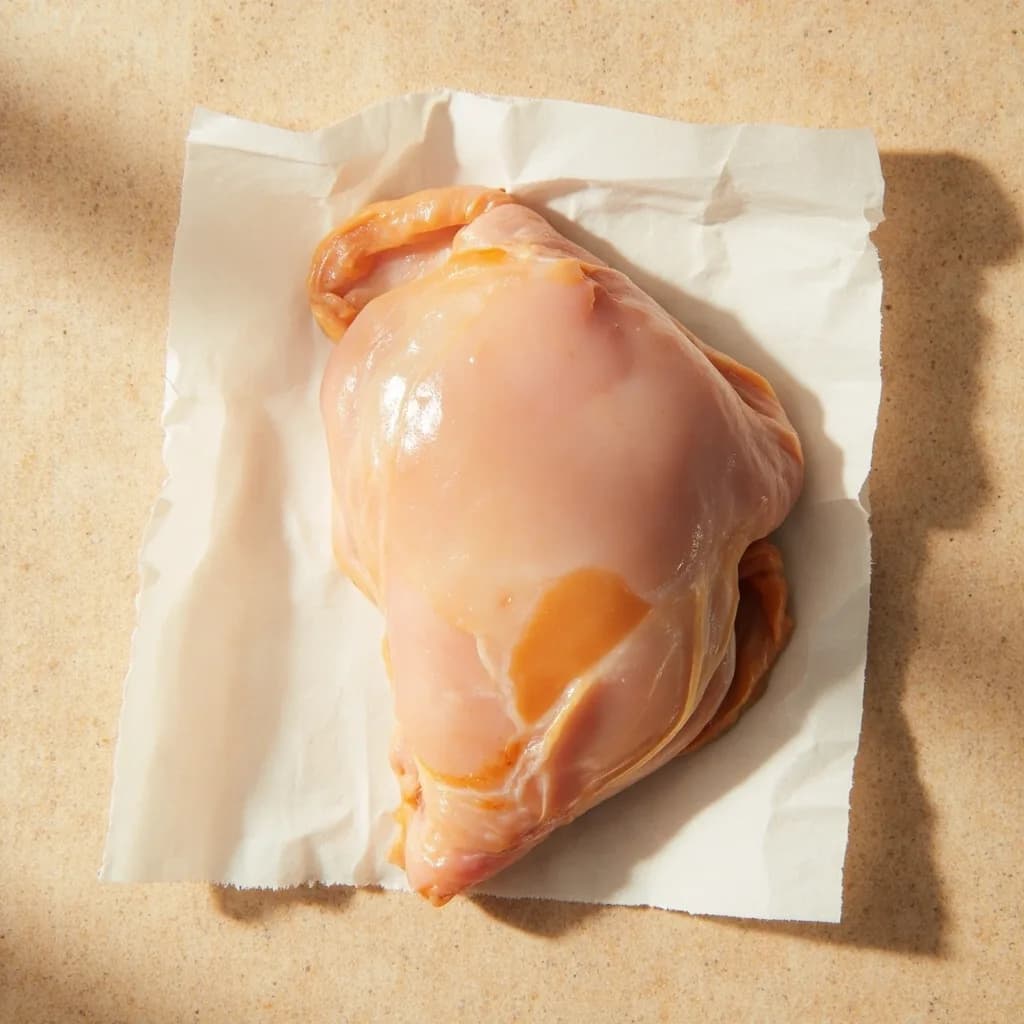
Chicken Breast
Lean, quick-cooking white meat for everyday dinners

Ground Beef
Versatile minced beef for burgers, ragù, tacos, and meatballs
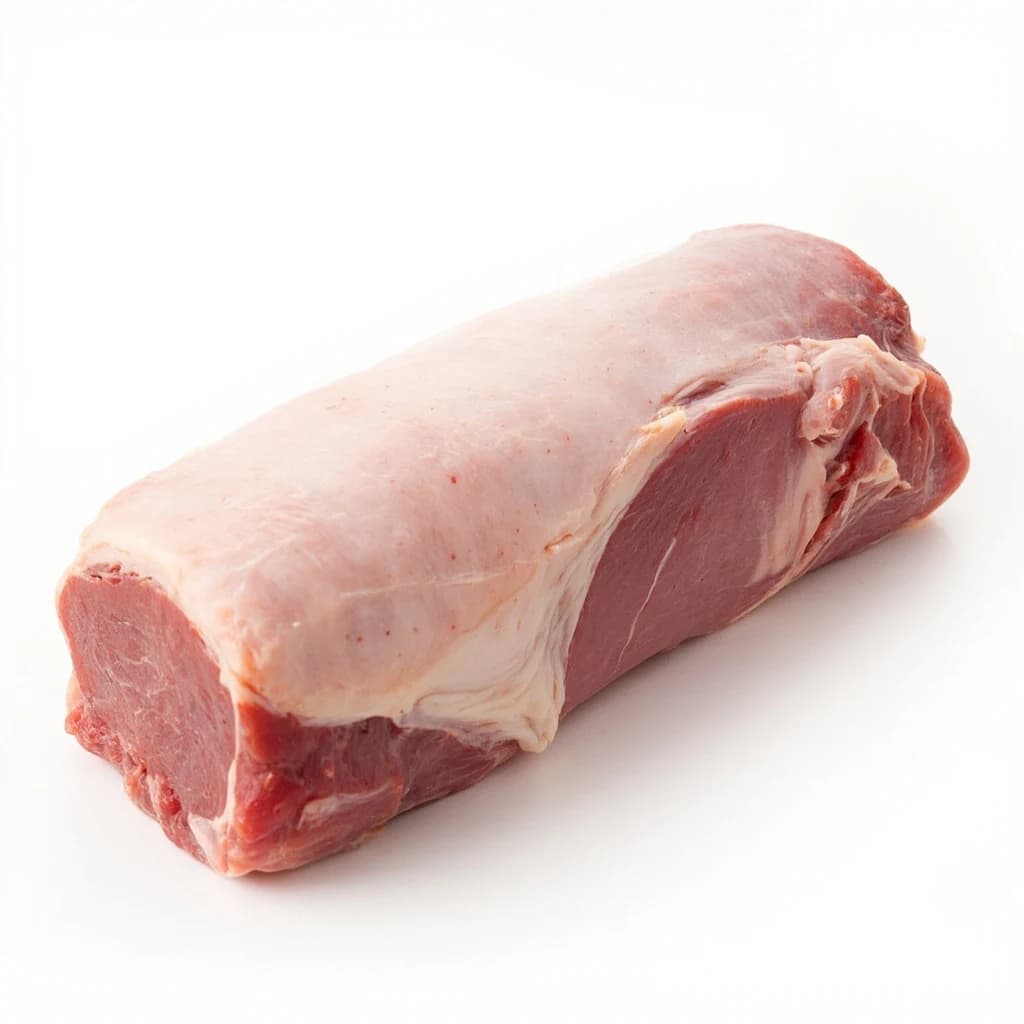
Pork Loin
Lean, tender roasting cut that stays juicy with care
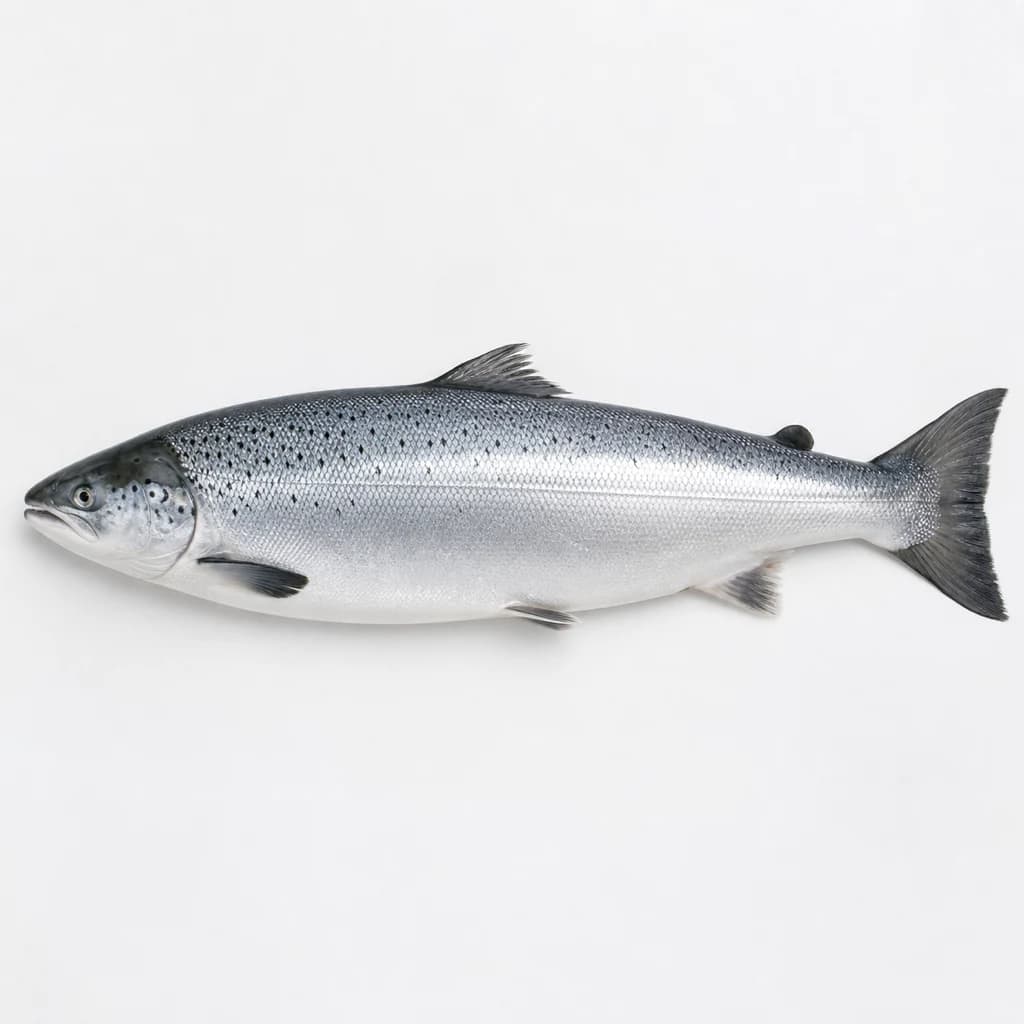
Salmon
Rich, rosy fish that roasts, grills, or cures beautifully

Egg White
Pure protein that whips to airy peaks for meringue and more
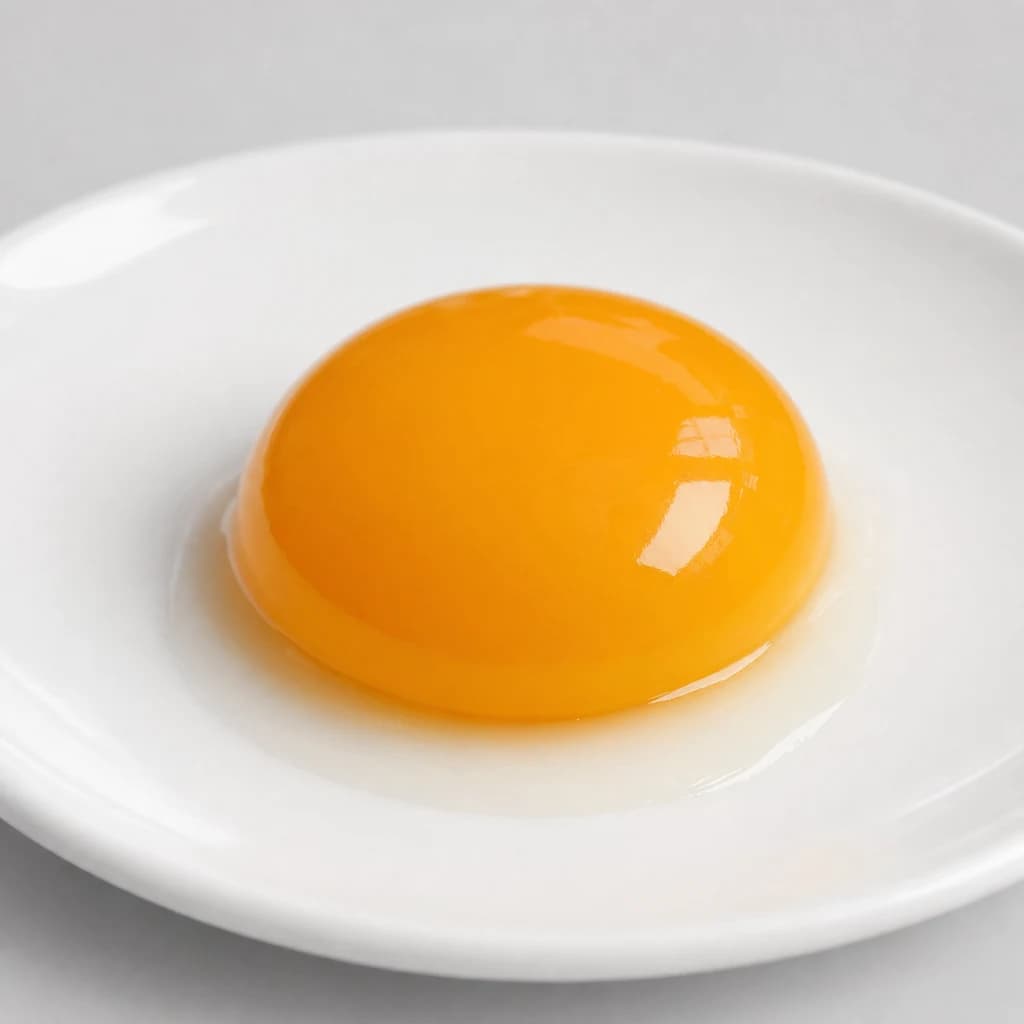
Egg Yolk
Rich, golden yolk for custards, mayonnaise, and pasta

Quail Egg
Tiny, speckled eggs for garnishing and elegant bites