
Natural form
A ripe cashew apple hangs on the tree, the curved nut visible beneath its base.
Shows the defining relationship between the swollen accessory fruit and the nut that hangs below it, which is the cashew apple's most distinctive and unusual feature.
Produce
Cashew Apple
Juicy, astringent tropical fruit attached to the cashew nut, juiced in Brazil.
The cashew apple (maçã de caju) is the swollen, pear-shaped accessory fruit that grows above the cashew nut, with juicy yellow-to-red flesh that is sweet, tangy, and astringent. In Brazil and West Africa it is pressed into juice (cajuína), fermented into drinks, or made into jams and candies. The fruit is highly perishable, so it rarely travels far from where it grows.
The cashew apple is a tropical pseudofruit that develops from the flower receptacle of the cashew tree (Anacardium occidentale), making it technically an accessory fruit rather than a true fruit. The cashew nut itself is the botanical true fruit—a hard-shelled seed that develops at the base of the apple. Despite the apple being far larger and more voluminous than the nut, it has historically been treated as a byproduct because the nut commands higher market value and the apple's extreme perishability makes long-distance transport impractical. Nearly all commercial cashew production discards or underutilizes the apple; estimates suggest less than 5 percent is processed into products, representing significant food waste in producing regions where the fruit is abundantly available.
What makes the cashew apple remarkable is its extraordinary vitamin C content—approximately 261 mg per 100 g of juice, roughly five to ten times more than orange juice, making it one of the most vitamin C-dense tropical fruits. The flavor is sweet with a distinctive spicy note, but the skin and outer flesh contain high concentrations of tannins that produce an intensely astringent, puckering sensation. This astringency is what makes the fruit unsuitable for eating out of hand like a regular apple; it must be processed—typically juiced, strained, and sweetened—to be palatable. The pear-shaped or onion-shaped fruit typically measures 5 to 11 cm and ranges from yellow to reddish-orange when ripe, depending on the variety.
Handle with care: the cashew apple skin contains urushiol, the same compound found in poison ivy, which can cause contact dermatitis in susceptible individuals. Always wash hands thoroughly after handling the fruit, and consider wearing gloves when processing large quantities. The fruit begins deteriorating within 24 to 48 hours after harvest and can start fermenting within hours at room temperature, so immediate processing is essential for any culinary use.
- Measured in
- piece
- Storage
- Fridge
Allergens
Types & varieties
Paler yellow flesh, slightly less astringent, common in northeastern Brazil
Reddish-orange skin and flesh, more intense flavor, higher tannin content
Hybrid varieties developed in Brazil for higher juice yield and reduced astringency
Various unnamed cultivars grown for local consumption and juice production in Goa and coastal Karnataka
Common uses
Tips & pitfalls
- Harvest and remove the nut before processing the apple—the nut is the botanical true fruit and spoils differently; twist or cut it free without crushing the apple to avoid bruising the flesh and introducing bitterness
- Process immediately after picking—the apple begins fermenting within hours at room temperature; if you cannot process right away, refrigerate but use within 24 hours
- Strain juice thoroughly through a fine-mesh strainer or cheesecloth to remove fine tannin particles that cause excessive astringency
- Blanch briefly to reduce astringency—dip the whole apple in boiling water for 30 seconds to loosen the skin and reduce tannin content by roughly 20 percent
- Do not eat raw like a regular apple—the skin and outer flesh contain high concentrations of tannins that cause unpleasant puckering and can upset the stomach
- Sweeten judiciously—the fruit requires sugar to balance its natural astringency; add in small increments to taste rather than measuring upfront
- Watch for allergic reactions—urushiol in the skin can cause dermatitis in susceptible individuals; wear gloves when handling large quantities
- Refrigerate any leftover juice and use within 2–3 days; fresh juice does not keep well and will begin to ferment, so plan accordingly
Nutrition
Energy
218 kJ · per 100 g
Where the calories come from
Protein
0.3g
1% DV
Carbs
13.8g
5% DV
Fat
0.2g
0% DV
Fiber
2.4g
9% DV
Sugars
10.4g
of which
Sodium
1mg
0% DV
Source · USDA FoodData Central · approx. Apples, raw, with skin (Includes foods for USDA's Food Distribution Program)
View on FDC →In the shops
Matched grocery products
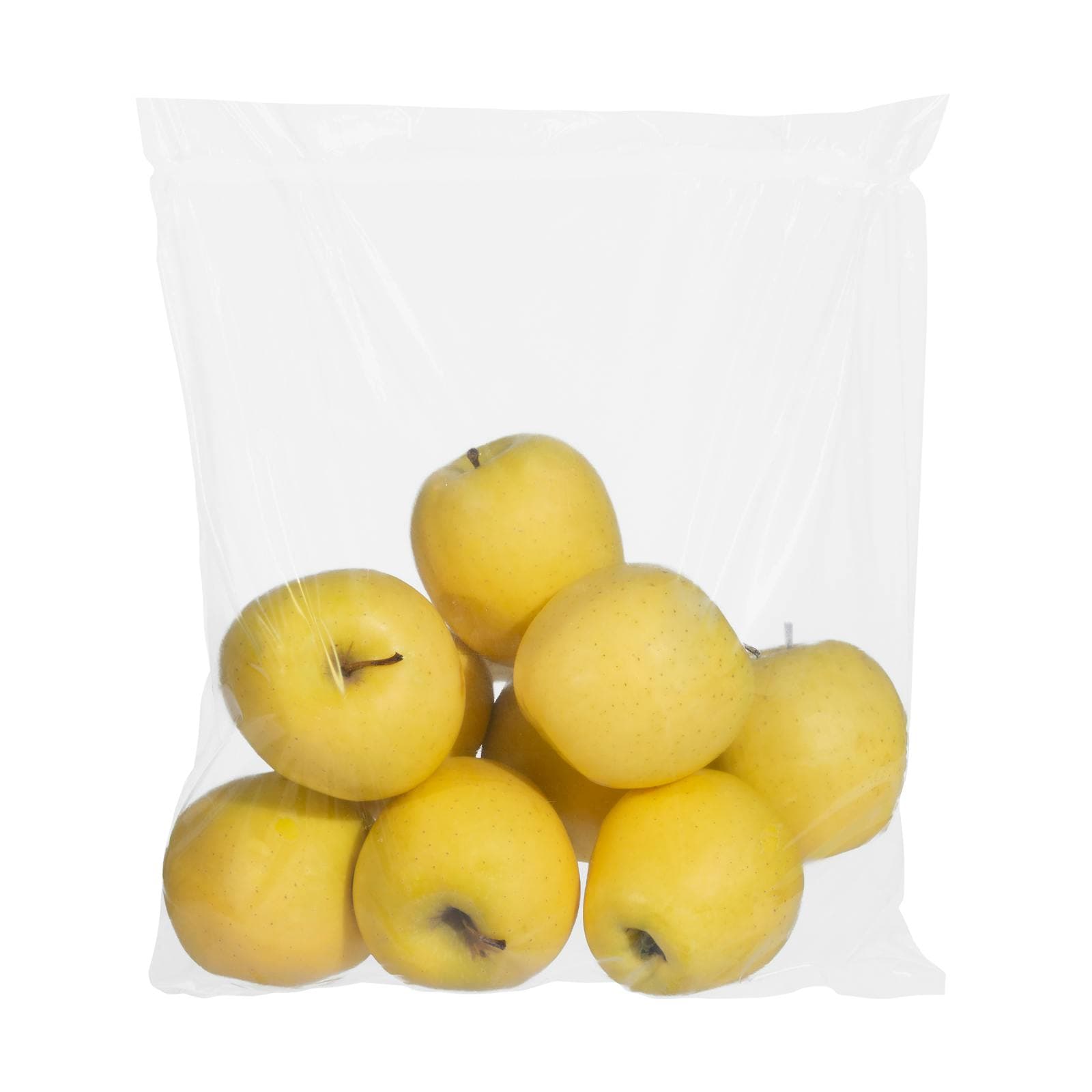 €2.84
€2.84Golden Apples
1.58 kg · Mercadona
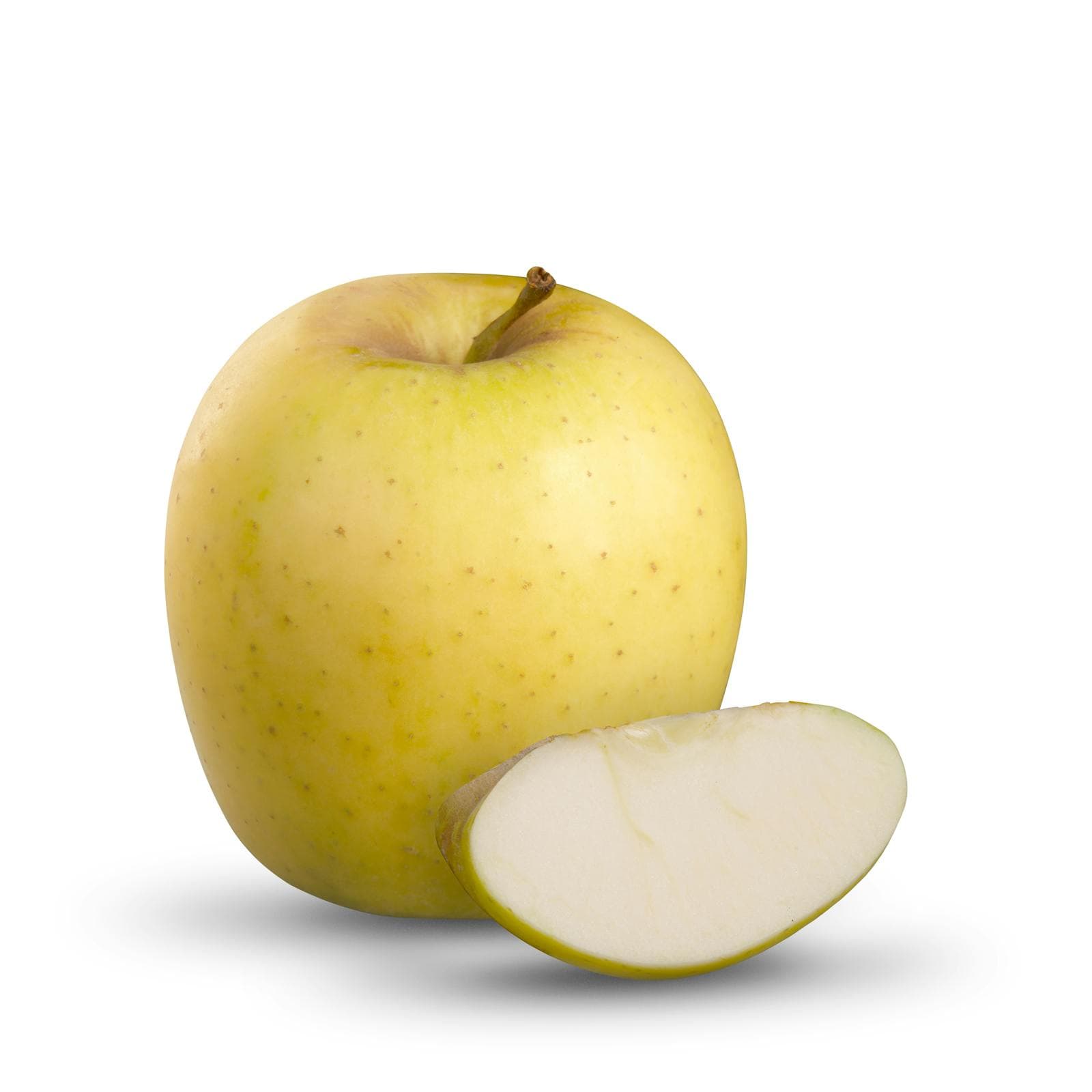 €0.44
€0.44Golden Apple
200 g · Mercadona
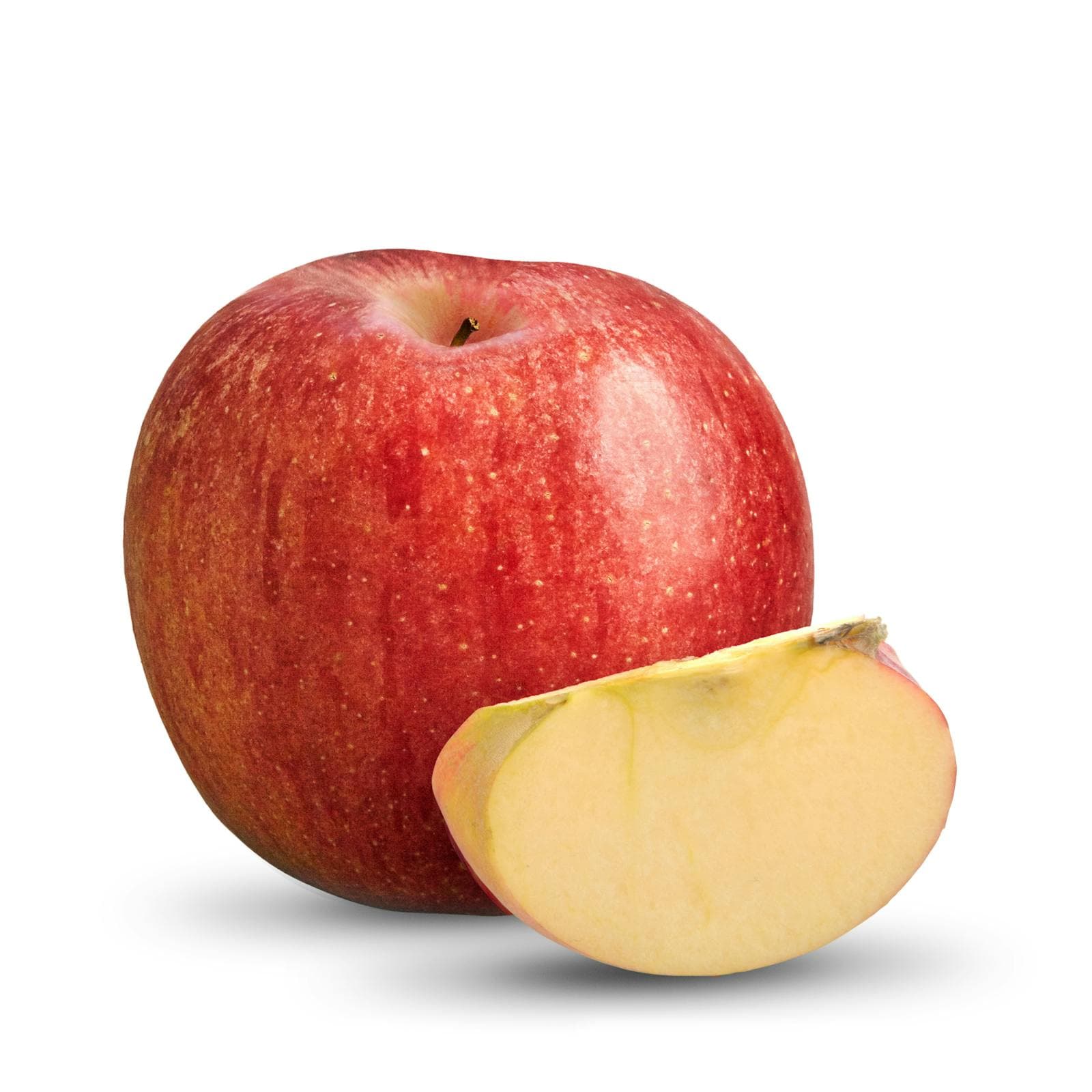 €0.62
€0.62Red Sweet Apple
230 g · Mercadona
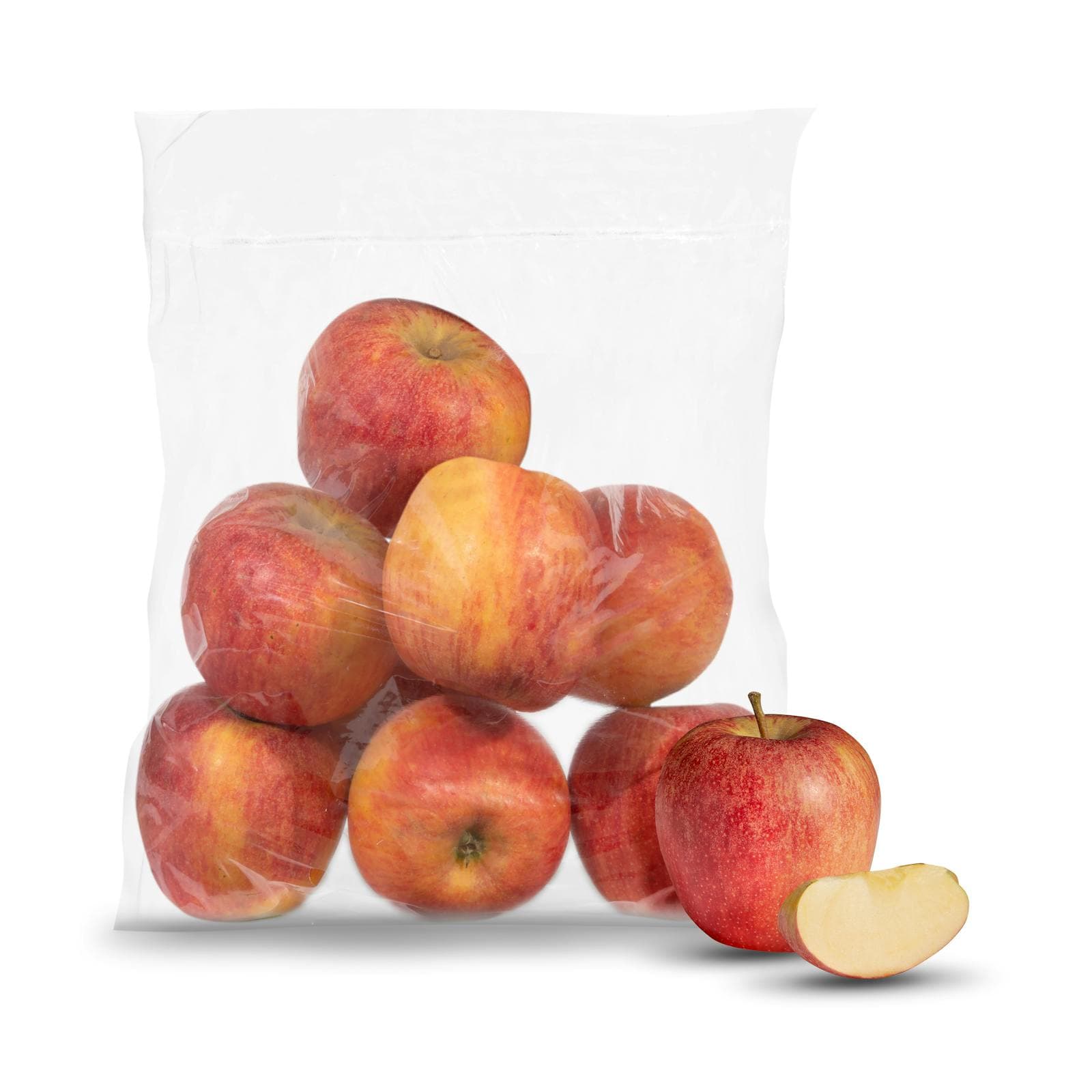 €3.77
€3.77Sweet Red Apples
1.57 kg · Mercadona
 €0.43
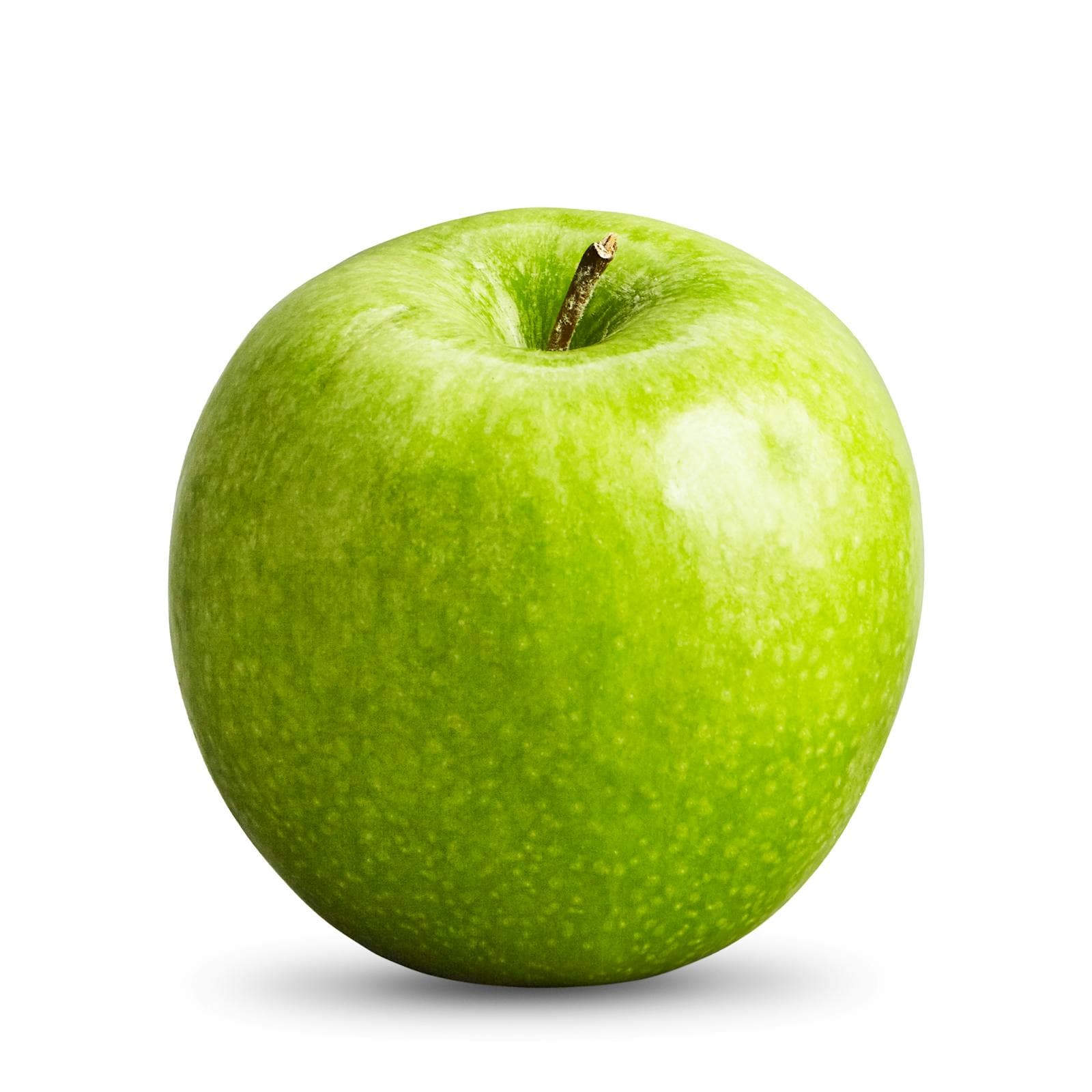
€0.43Granny Smith Apple
180 g · Mercadona
 €0.59
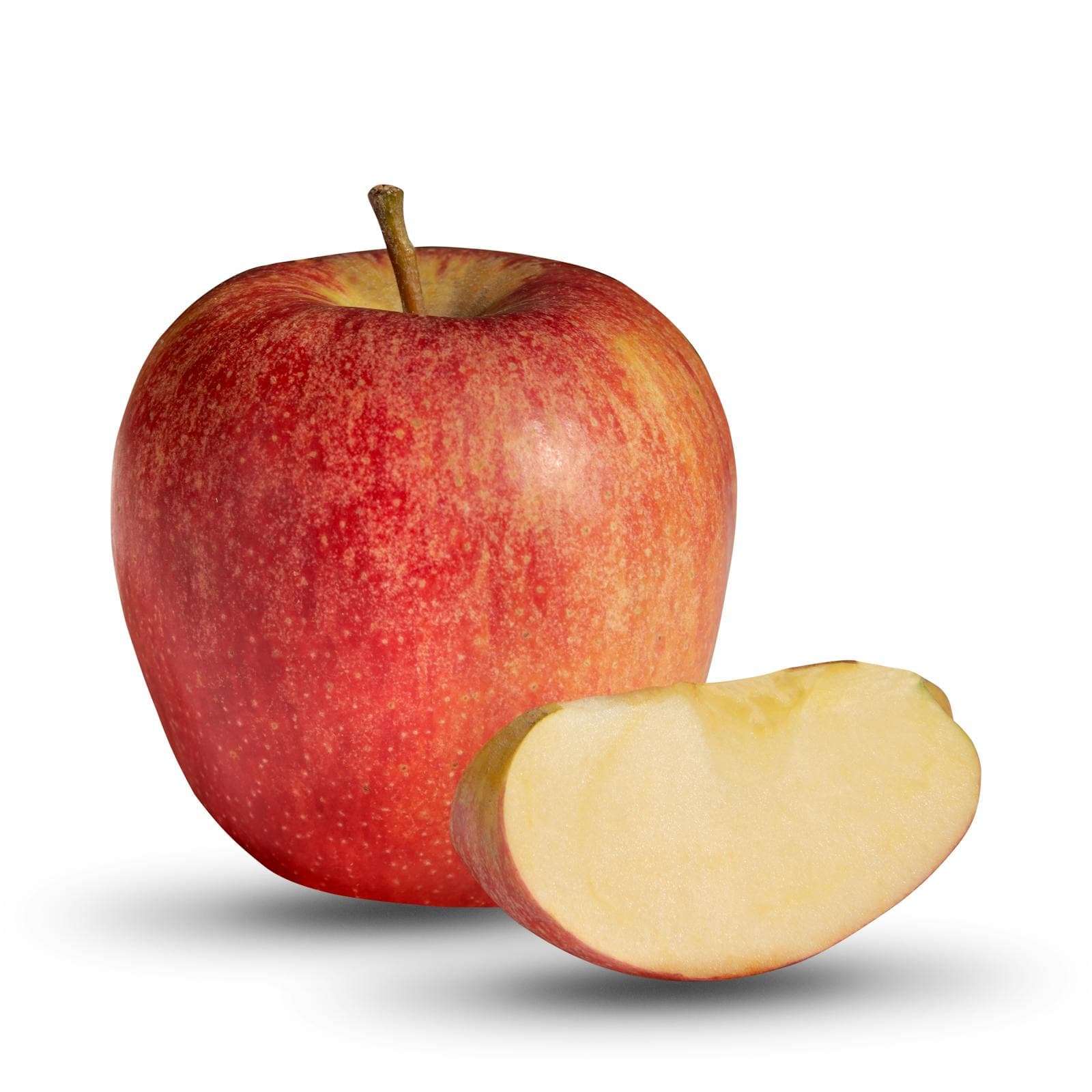
€0.59Semi-Sweet Red Apple
220 g · Mercadona
Good to know
- Origin
- Northeastern Brazil, where indigenous peoples cultivated it for centuries; remains culturally significant in the region
- Scientific name
- Anacardium occidentale (pseudofruit)
- Vitamin C content
- Approximately 261 mg per 100 g of juice—5 to 10 times more than orange juice
- Flavor profile
- Sweet with a distinctive spicy note; highly astringent due to tannins concentrated in the skin
- Perishability
- Begins deteriorating within 24–48 hours after harvest; ferments within hours at room temperature
- Yield
- 30–50 ml of usable juice per apple, depending on size and ripeness
- Skin hazard
- Contains urushiol; can cause contact dermatitis—wash hands after handling
- Shape and size
- Pear-shaped or onion-shaped, typically 5–11 cm long; yellow to reddish-orange when ripe
Substitutes
- Tamarind juice — Provides a similar sweet-sour-tangy profile with astringency; use in equal proportions and adjust sweetness to taste
- Passion fruit juice — Offers comparable tropical intensity and tanginess; excellent for beverages and sauces
- Carambola (starfruit) — Provides a sweet-tart tropical note, though without the same astringency character
Pairs with
Also called
Maçã de Caju · Cashew Apple · Caju Fruit
Related

Tomato
Juicy, sun-sweet fruit for sauces, salads, and slow-cooked depth

Yellow Onion
The aromatic backbone of soups, sofritos, and braises

Garlic
Pungent cloves that perfume nearly every savory dish

Lemon
Bright, acidic citrus that wakes up almost any dish

Potato
Humble, hearty staple — roast, mash, fry, or boil

Carrot
Sweet, crunchy root — raw, roasted, or the base of a sofrito

Cucumber
Cool, crisp, and watery — for salads, pickles, and tzatziki

Lettuce
Crisp leaves for salads, wraps, and a fresh crunch