Produce
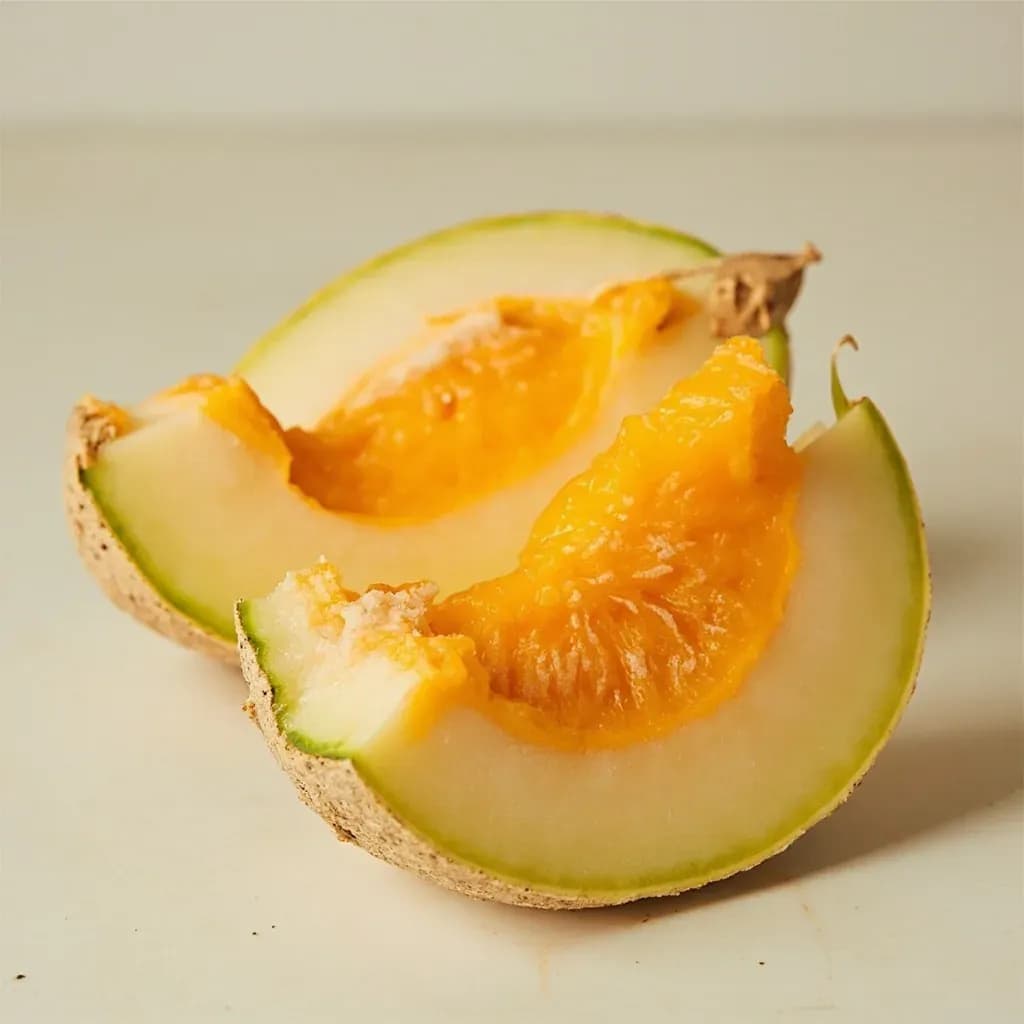
Cavaillon Melon
Intensely sweet, fragrant French cantaloupe-type melon from Provence.
The Cavaillon melon is a small, aromatic Charentais-type cantaloupe from the Provençal town of Cavaillon, famed for its perfume and deep orange, honeyed flesh. It is eaten chilled and fresh, often paired with cured ham or a splash of port in its hollow. Its short season and fragrance make it a celebrated summer fruit in France.
Cavaillon melon is the benchmark French summer melon, a premium subset of the Charentais type grown in and around the town of Cavaillon in the Luberon region of Provence. It differs from common cantaloupe in several important ways: the skin is smooth and finely netted rather than deeply ribbed, the flesh is a deeper, richer orange, and the grain is noticeably finer. Most critically, vine-ripened Cavaillon develops an intensely sweet, floral fragrance that standard cantaloupes rarely achieve. The melon was popularized through mid-20th-century French markets and remains the gold standard against which other European melons are judged. Its reputation is fragile—melons harvested for export are often picked underripe and will never develop their characteristic perfume, which is why sourcing matters and why the term 'melon de Cavaillon' carries regional prestige even without formal protected status.
- Measured in
- piece
- Storage
- Fridge
Types & varieties
The primary commercial designation; sold as 'melon de Cavaillon' in French markets. Refers to Charentais-type melons grown in the Provençal region.
The parent variety; Cavaillon melons are a premium regional subset of this type. Virtually identical in character.
Bright yellow-skinned relative sometimes grouped with Provençal market offerings; different flavor profile but shares the seasonal window.
How to Judge Ripeness
The single most important skill with Cavaillon melon is recognizing when it is ready. Unlike many fruits, melon continues to ripen on the vine but not after harvest. A melon cut before peak ripeness will be bland and watery, with little fragrance. Ripe Cavaillon announces itself in three ways: the blossom end (the opposite end from the stem) should emit a strong, sweet perfume when sniffed directly; the fruit should feel heavy for its size, indicating high juice content; and the stem end should yield slightly to gentle thumb pressure. Avoid any melon with visible cracks, soft spots, or a complete absence of the fine net-like texture on the skin. The longitudinal furrows should be subtle, not deep—the absence of heavy ribbing is a defining characteristic of this type.
- Smell the blossom end before purchasing—fragrance is the most reliable ripeness indicator
- Choose melons that feel heavy and dense, not hollow-sounding
- Press gently at the stem scar; slight give means good ripeness
- Pass on melons with cracks, soft patches, or underdeveloped netting
- Underripe melons at the market will never fully develop at home
Serving Temperature
Temperature profoundly affects Cavaillon melon flavor. Serving it ice-cold straight from the refrigerator numbs the palate and suppresses the aromatic compounds that define this melon. The ideal serving temperature is slightly below room temperature. For a whole, ripe melon, bring it to the table 30–60 minutes before cutting. If you must refrigerate a cut melon, let it rest at room temperature for at least 20 minutes before serving to restore some of the lost fragrance. This is not a matter of fussy precision—it is the difference between experiencing the full floral sweetness the melon is prized for and tasting a generic, flat fruit.
- Never serve Cavaillon ice-cold; let it rest at room temperature before serving
- Refrigeration dulls aroma; plan ahead and bring melon to temperature
- Cut melon loses fragrance faster; serve within 2–3 days and always at room temperature first
Common uses
Tips & pitfalls
- Smell the blossom end before buying: it should emit a strong, sweet fragrance when ripe—this is the most reliable indicator
- A ripe Cavaillon will feel heavy for its size and the stem end will yield slightly to gentle thumb pressure
- Never refrigerate a whole melon; cold stops the ripening process and kills the fragrance entirely
- Bring a whole, ripe melon to room temperature 30–60 minutes before serving for best aroma and flavor
- If you cut open an underripe melon, seal it with plastic wrap and leave it at room temperature overnight—sometimes it will improve enough to use
- The flesh immediately surrounding the seed cavity is the sweetest; discard seeds but consider scraping a thin layer of adjacent flesh for maximum sweetness
- Avoid melons with cracks, soft spots, or a complete absence of net-like texture on the skin
- Melons with deep, pronounced ribbing are not Cavaillon type—look for the smooth, subtly furrowed surface that is characteristic of this melon
- Underripe melons purchased from distant suppliers cannot be rescued; they will never develop the characteristic fragrance regardless of storage conditions
- Season is everything: seek Cavaillon from June through August; outside this window, even well-labeled melons are likely stored or shipped fruit
Nutrition
Energy
142 kJ · per 100 g
Where the calories come from
Protein
0.8g
2% DV
Carbs
8.2g
3% DV
Fat
0.2g
0% DV
Fiber
0.9g
3% DV
Sugars
7.9g
of which
Sodium
16mg
1% DV
Source · USDA FoodData Central · approx. Melons, cantaloupe, raw
View on FDC →In the shops
Matched grocery products
No matched grocery products for Cavaillon Melon yet.
Good to know
- Origin
- Cavaillon, Luberon region, Provence, France
- Season
- Late June through August, peak July–August
- Type
- Charentais melon (French cantaloupe variety)
- Skin
- Smooth, finely netted, pale gray-green with subtle longitudinal furrows; no pronounced ribbing
- Flesh
- Deep orange, smooth, very juicy; fine grain
- Flavor
- Intensely sweet, floral, perfumed; notably higher sugar content than standard cantaloupe
- Aroma
- Pronounced, fruity, fragrant when ripe
- Average Weight
- 0.8–1.2 kg (1.8–2.6 lbs)
- Storage (whole)
- Room temperature until ripe, then refrigerate
- Storage (cut)
- Refrigerate; consume within 2–3 days
- Ideal Serving Temp
- Slightly below room temperature; not ice-cold
Substitutes
- Charentais — The parent variety; virtually identical character and the closest substitute in French markets. Look for melons labeled simply Charentais when Cavaillon type is unavailable.
- True Cantaloupe (North American) — More pronounced ribbing and slightly coarser flesh; acceptable fallback but notably less fragrant and floral than Cavaillon.
- Galia Melon — Green-fleshed with similar sweetness; a decent backup for textural applications but the flavor profile and fragrance are substantially different.
Pairs with
Also called
Cavaillon Melon · Charentais Melon
Related
Tomato
Juicy, sun-sweet fruit for sauces, salads, and slow-cooked depth
Yellow Onion
The aromatic backbone of soups, sofritos, and braises
Garlic
Pungent cloves that perfume nearly every savory dish
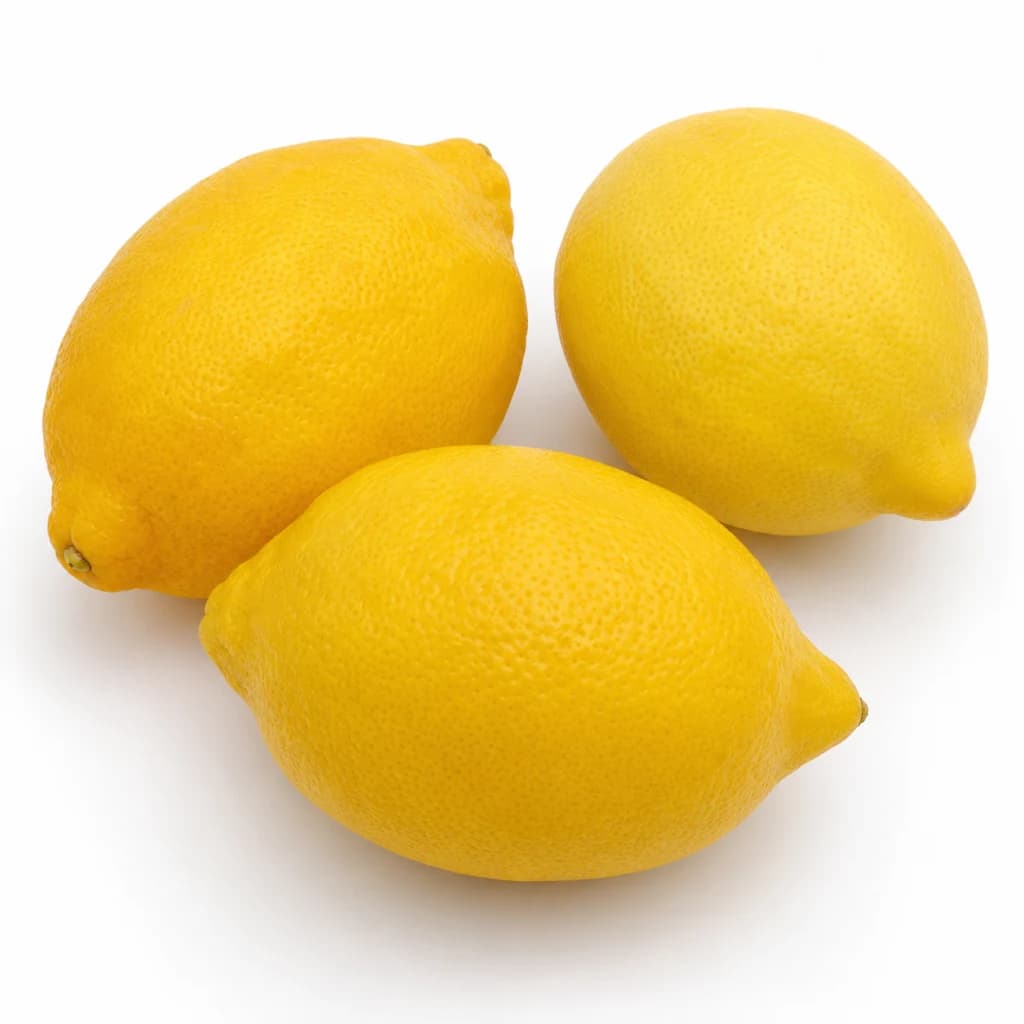
Lemon
Bright, acidic citrus that wakes up almost any dish
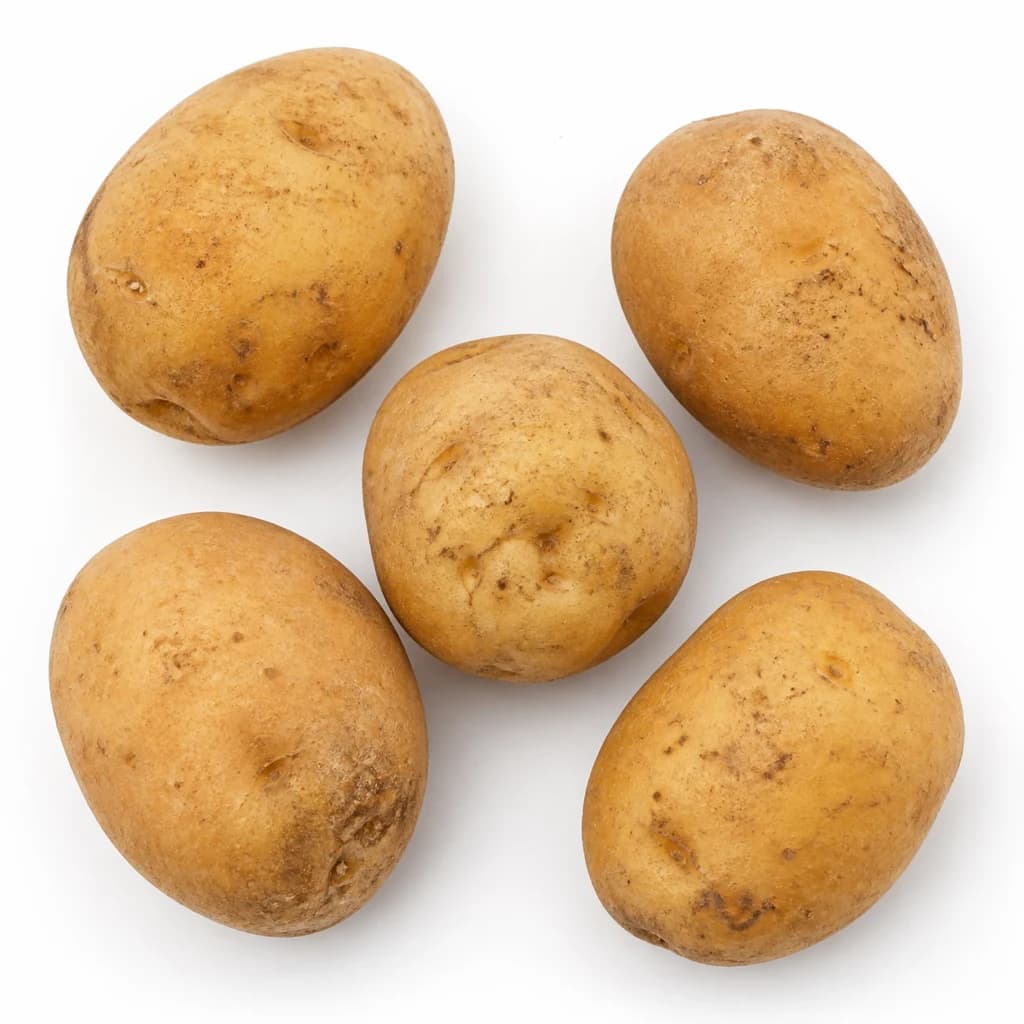
Potato
Humble, hearty staple — roast, mash, fry, or boil
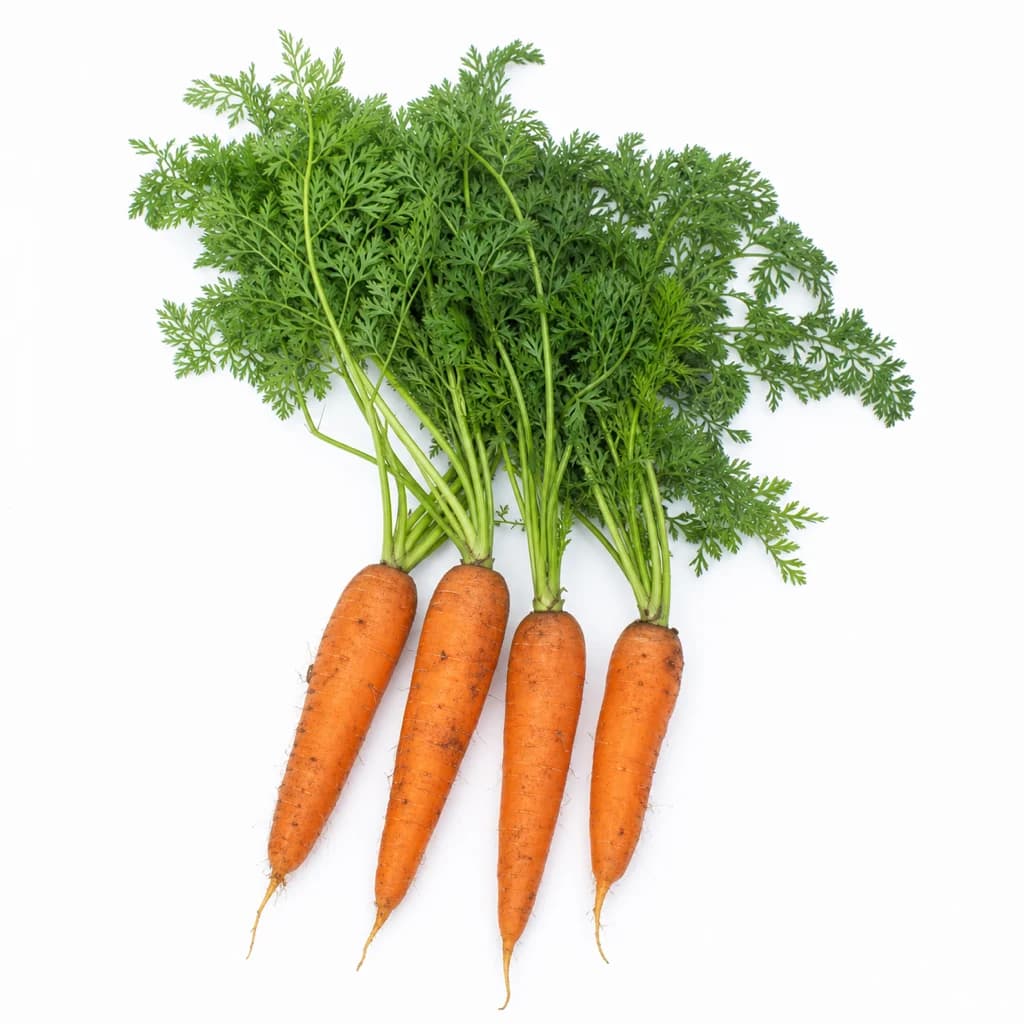
Carrot
Sweet, crunchy root — raw, roasted, or the base of a sofrito
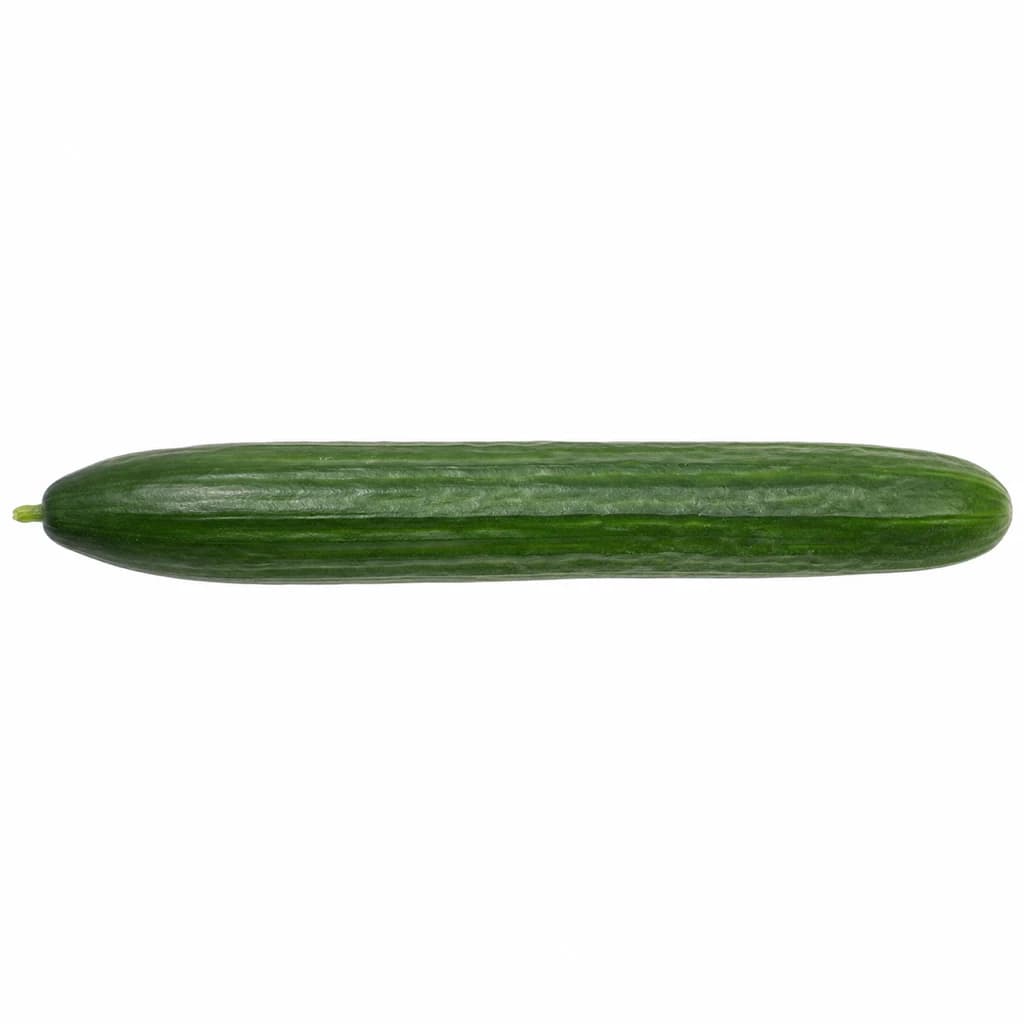
Cucumber
Cool, crisp, and watery — for salads, pickles, and tzatziki

Lettuce
Crisp leaves for salads, wraps, and a fresh crunch