Grains & Rice
Millet Couscous (Chereh)
Tiny steamed pellets rolled from millet flour, a gluten-free Sahelian alternative to wheat couscous.
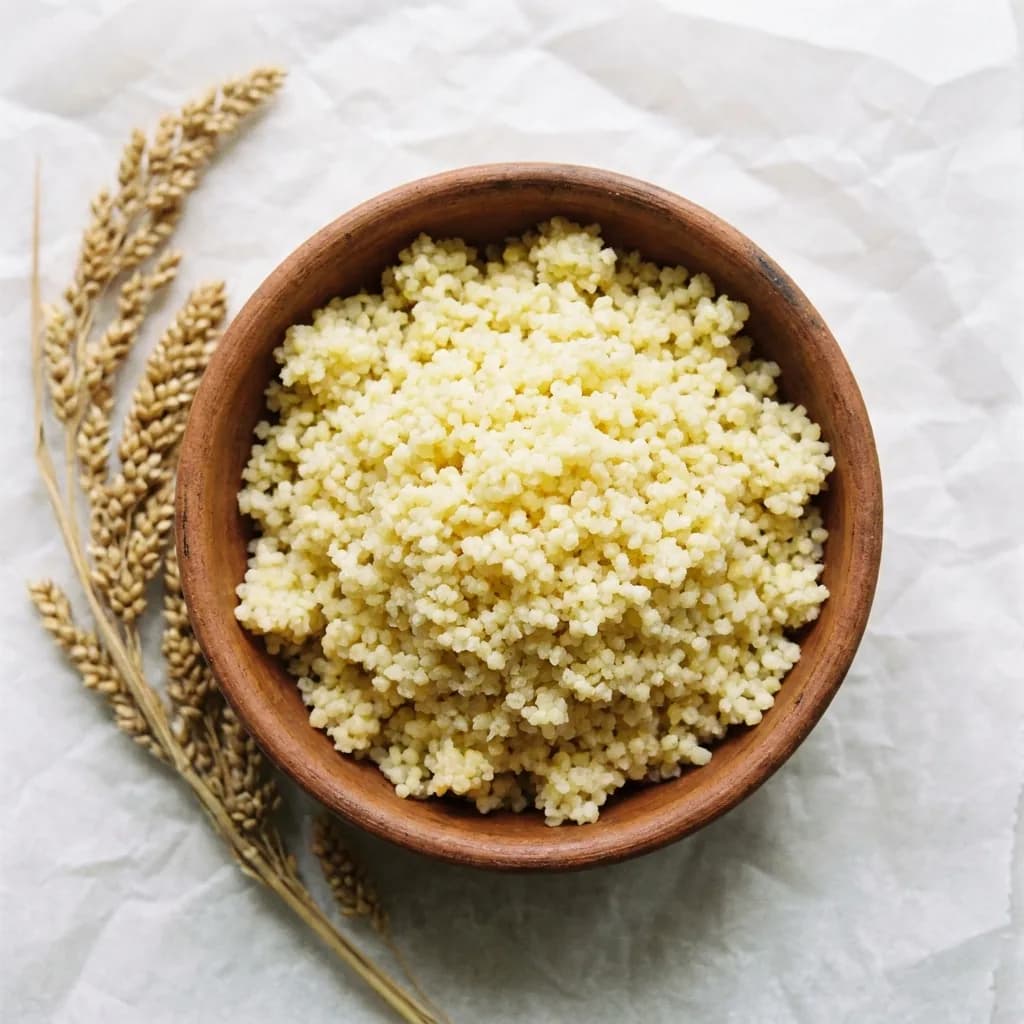
Millet couscous, called chereh in parts of West Africa, is made by rolling and steaming millet flour into small light pellets. It is served much like wheat couscous, mounded under sauces, stews and grilled meats. Naturally gluten-free, it has a delicate, slightly nutty flavor and is a staple across the Sahel.
Millet couscous, known as chereh in Wolof, is a gluten-free grain product rolled from dampened millet flour into tiny pellets roughly 1–2 mm in diameter. Unlike its more famous North African counterpart made from semolina, chereh uses pearl millet (Pennisetum glaucum) — the most widely cultivated millet across the Sahelian region. The pellets are traditionally hand-rolled in a wide shallow bowl using a fine-mesh sieve motion, then steamed in a couscoussier or steamer basket until tender but still distinct. The result is a pale gold to tan grain with a mild, slightly nutty flavor that readily absorbs sauces and seasonings.
Chereh occupies a central place in Mauritanian and Malian cuisine, often served on Fridays and for special occasions. Its slightly drier, earthier texture compared to wheat couscous makes it particularly receptive to rich, saucy preparations — the grain holds its shape well and does not collapse into mush when coated with liquid. The millet base provides more complexity than neutral wheat couscous, adding a subtle earthiness that complements bold West African flavors without overpowering them. Store-bought versions frequently require two to three brief steamings with fluffing between each to achieve proper texture, as the rolling process for commercial varieties differs from traditional hand-rolling.
- Measured in
- g
- Storage
- Pantry
Types & varieties
Smallest pellets; used for everyday meals and quick preparations
Larger pellets; preferred in Mauritania for more substantial texture
Dry-toasted before steaming; yields deeper nutty flavor; common in Senegal
Heritage and Distinction
Chereh is not to be confused with North African wheat couscous, Ethiopian berbere-spiced couscous, or Moroccan berkoukes — a larger pasta-like product often cooked directly in broths. While chereh shares the rolling-and-steaming technique with wheat couscous, the process is adapted for millet flour's finer texture and complete absence of gluten. The millet base gives chereh marginally more earthiness and a drier finished texture than wheat couscous, making it exceptionally well-suited to the saucy stews and peanut preparations typical of Sahelian cooking. In Mauritania and Mali, chereh carries cultural significance extending beyond nutrition — it is often served on Fridays and marks special occasions, functioning as both comfort food and ceremonial dish.
Common uses
Tips & pitfalls
- Fluff chereh with a fork every 8–10 minutes while steaming to prevent clumping and ensure even cooking
- Toast dry millet flour briefly in a dry pan before dampening and rolling for a nuttier, more complex final flavor
- Hydrate pellets evenly by misting with water from a spray bottle while rolling, rather than adding water in batches
- Do not over-steam — pellets should remain distinct and slightly firm, never mushy or gummy
- Allow chereh to rest 5 minutes after steaming before serving so moisture redistributes throughout
- Store-bought chereh often requires 2–3 separate steamings with fluffing between each to fully cook through, unlike the single steaming typical of fresh or well-made versions
- Use immediately after cooking; chereh stiffens noticeably as it cools, losing its desirable light, fluffy texture
- If clumping occurs, break apart with fingers or a fork while still hot rather than forcing it with a spoon which crushes the pellets
Nutrition
Energy
1582 kJ · per 100 g
Where the calories come from
Protein
11g
22% DV
Carbs
72.9g
26% DV
Fat
4.2g
5% DV
Fiber
8.5g
30% DV
Sodium
5mg
0% DV
Source · USDA FoodData Central · Millet, raw
View on FDC →In the shops
Matched grocery products
 €1.95
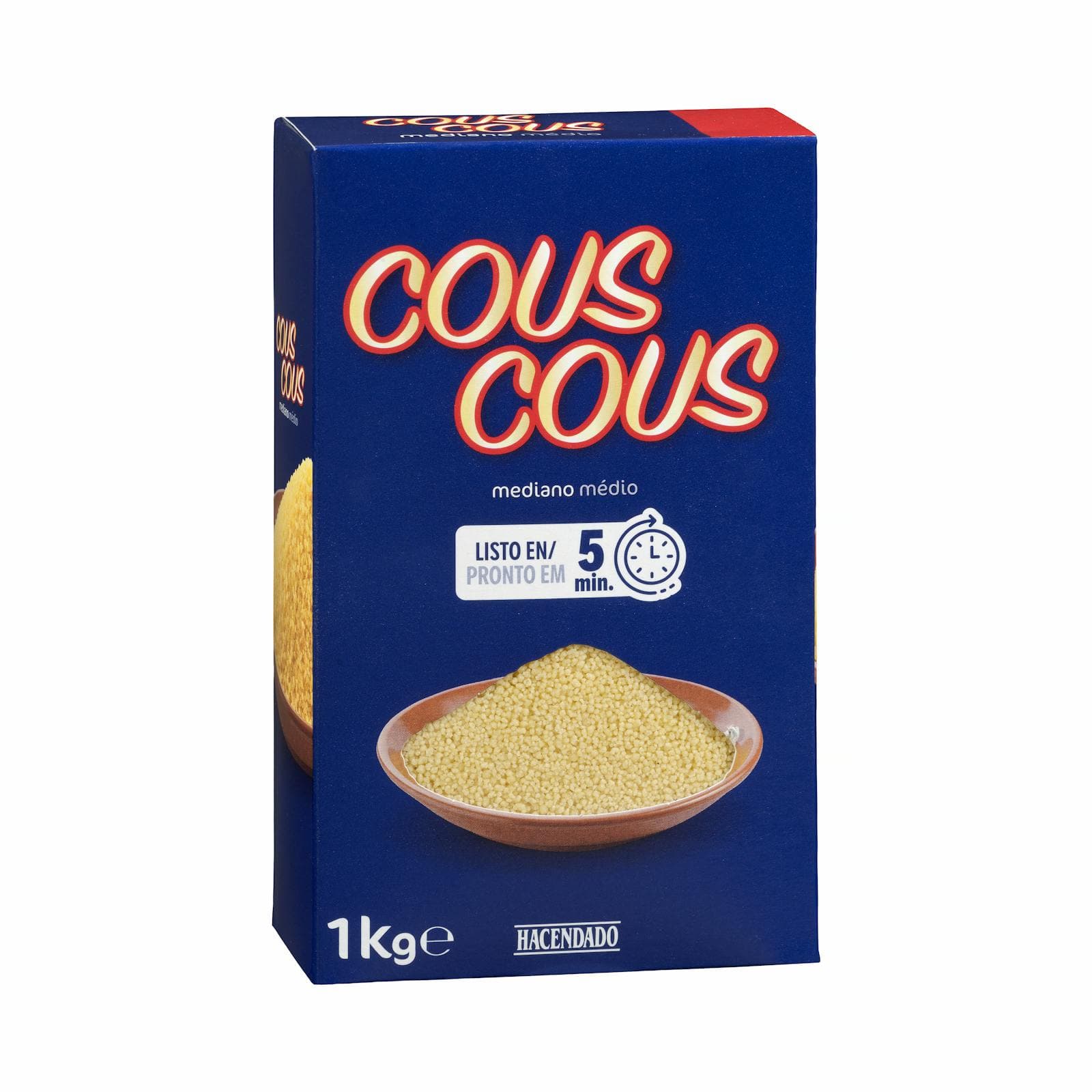
€1.95Medium Couscous
Hacendado · 1 kg · Mercadona
 €1.20
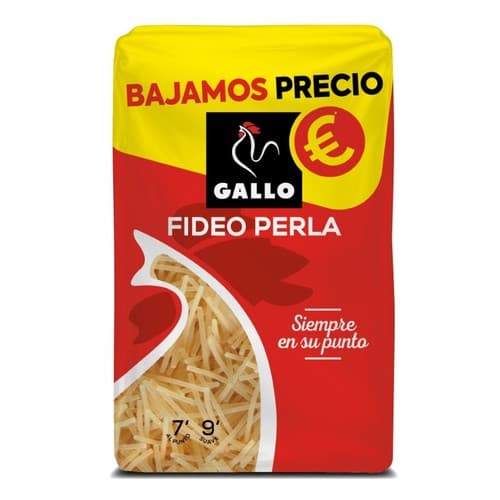
€1.20Gallo Pearl Couscous
GALLO · kg · Bonpreu
 €1.49
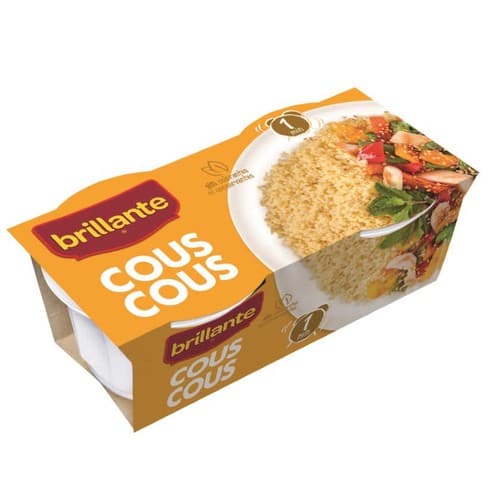
€1.49Brillante Couscous
BRILLANTE · kg · Bonpreu
 €1.99
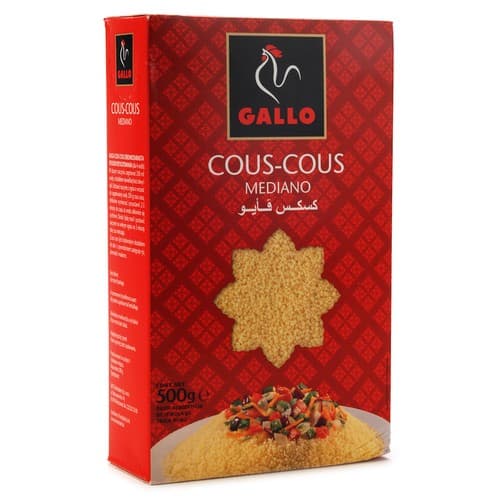
€1.99Gallo Medium Couscous
GALLO · kg · Bonpreu
 €1.99
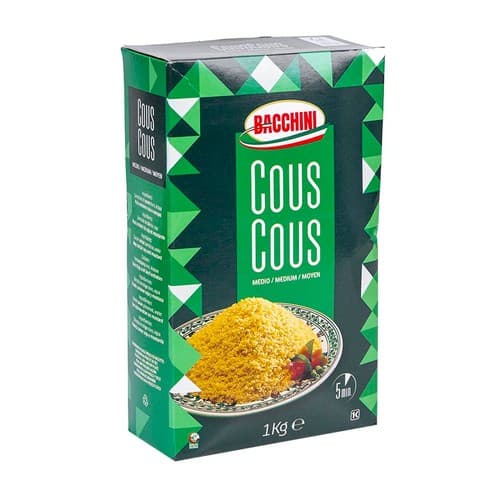
€1.99Precooked Couscous
BACCHINI · kg · Bonpreu
 €3.55
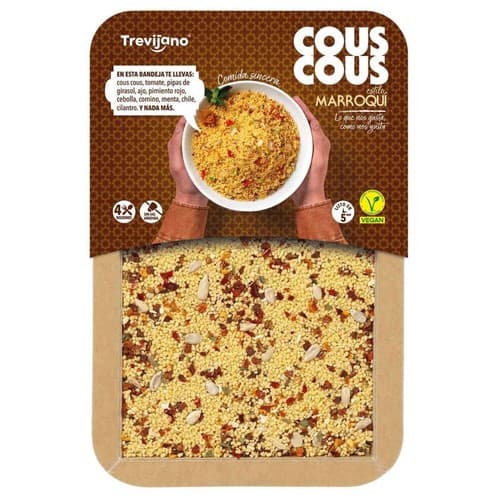
€3.55Trevijano Moroccan Couscous
TREVIJANO · kg · Bonpreu
Good to know
- Base grain
- Pearl millet (Pennisetum glaucum), the staple millet of the Sahel
- Origin
- Sahelian West Africa (Mali, Mauritania, Senegal, Burkina Faso, Niger)
- Form
- Hand-rolled pellets, 1–2 mm; steamed until tender but firm
- Flavor
- Mild, slightly nutty; easily absorbs sauces and aromatics
- Gluten-free
- Yes — safe for celiac and gluten-sensitive diets
- Cooking method
- Steam 15–25 minutes in couscoussier or steamer, fluffing once midway
- Yield (cooked)
- 1 cup dry yields approximately 2.5 cups cooked
- Shelf life
- 6–12 months stored airtight, away from heat and moisture
Substitutes
- Corn couscous — Comparable texture; use interchangeably in West African preparations requiring similar structural integrity
- Brown rice couscous — Slightly chewier; acceptable substitute in grain bowls and salads when gluten-free is required
- Quinoa (cooked) — Not a pellet form, but works as a gluten-free grain base with a similarly mild flavor and quick cooking time
- Fine bulgur — Not gluten-free; acceptable only when wheat is permissible; similar cooking time and slightly firmer texture
Pairs with
Also called
Chereh · Thiakry
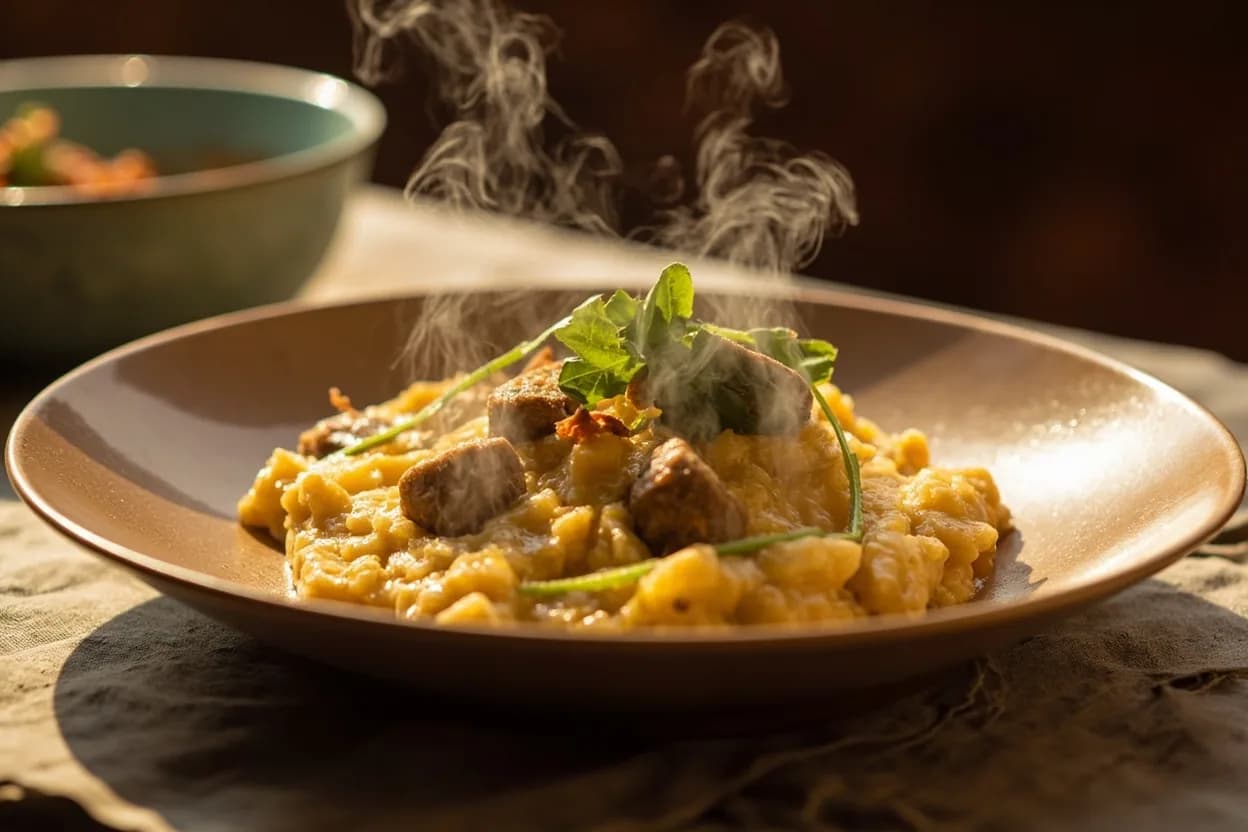
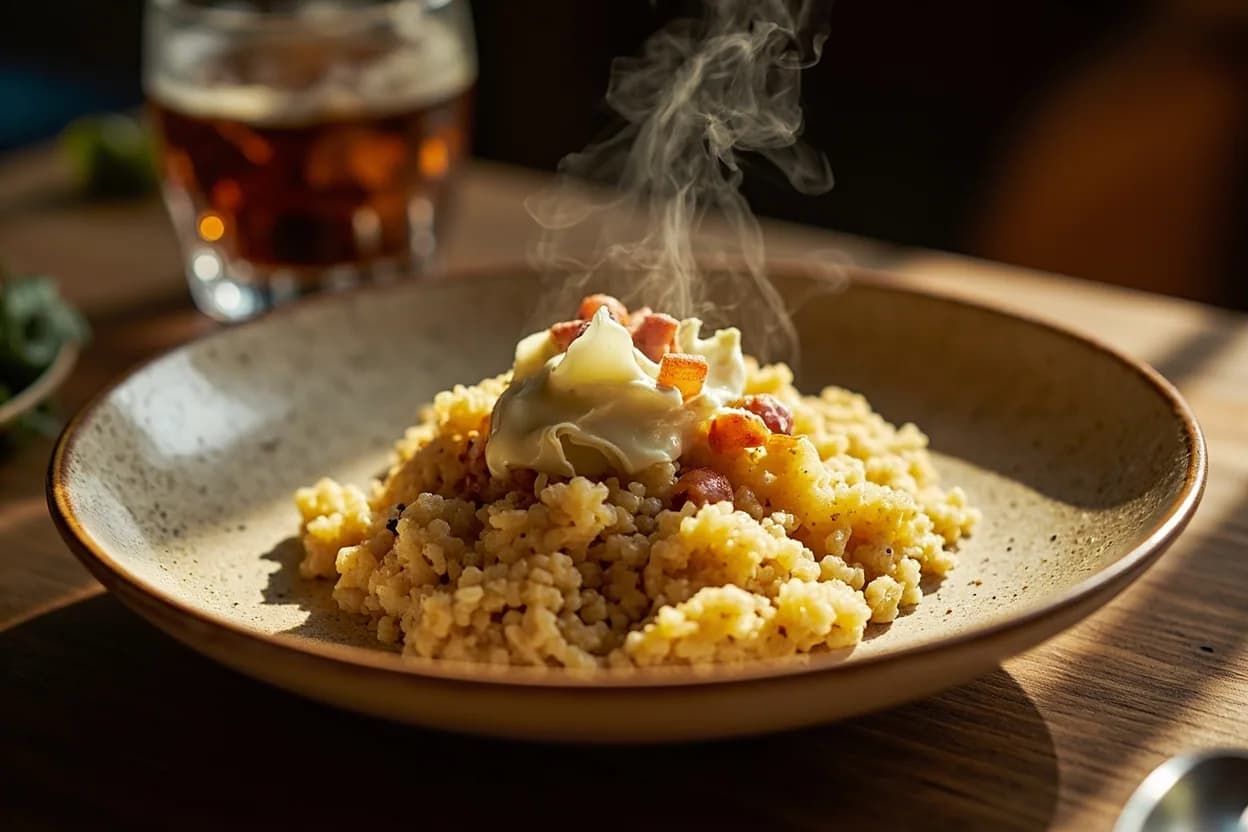
Appears in these dishes
Related

White Rice
Fluffy long-grain rice — the neutral base for almost any meal

White Bread
Soft sandwich loaf for toast, sandwiches, and crumbs
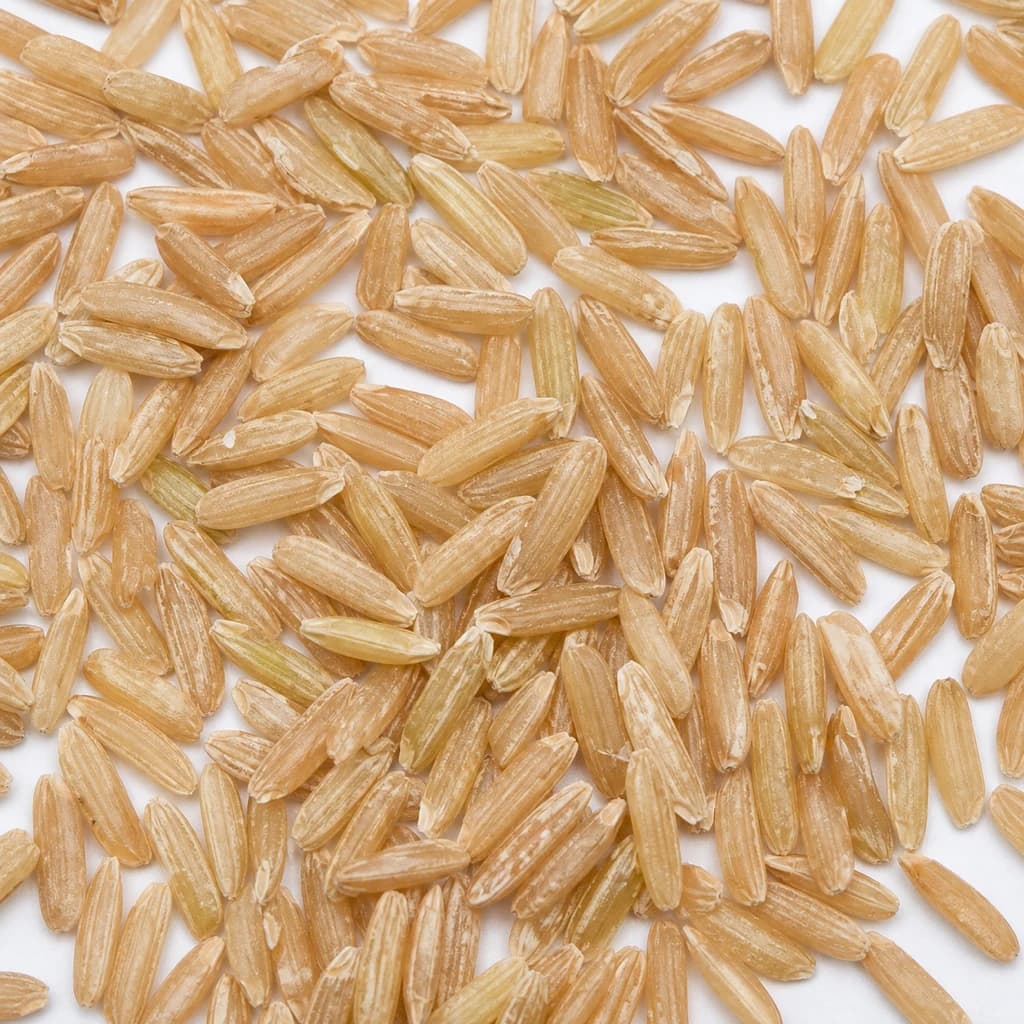
Brown Rice
Nutty, whole-grain rice with chew and extra fiber

Basmati Rice
Fragrant, long-grain rice that cooks up light and separate
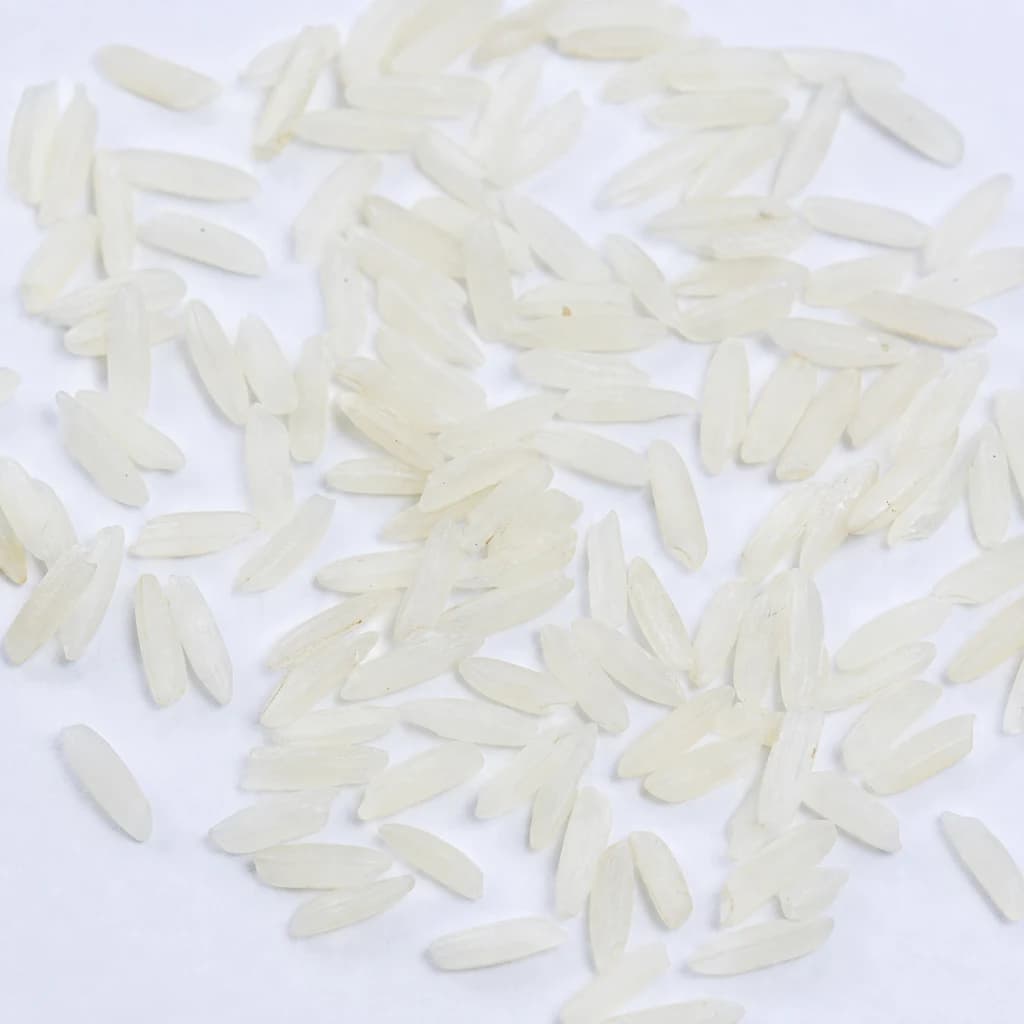
Jasmine Rice
Soft, floral-scented rice that's the pillar of Thai meals
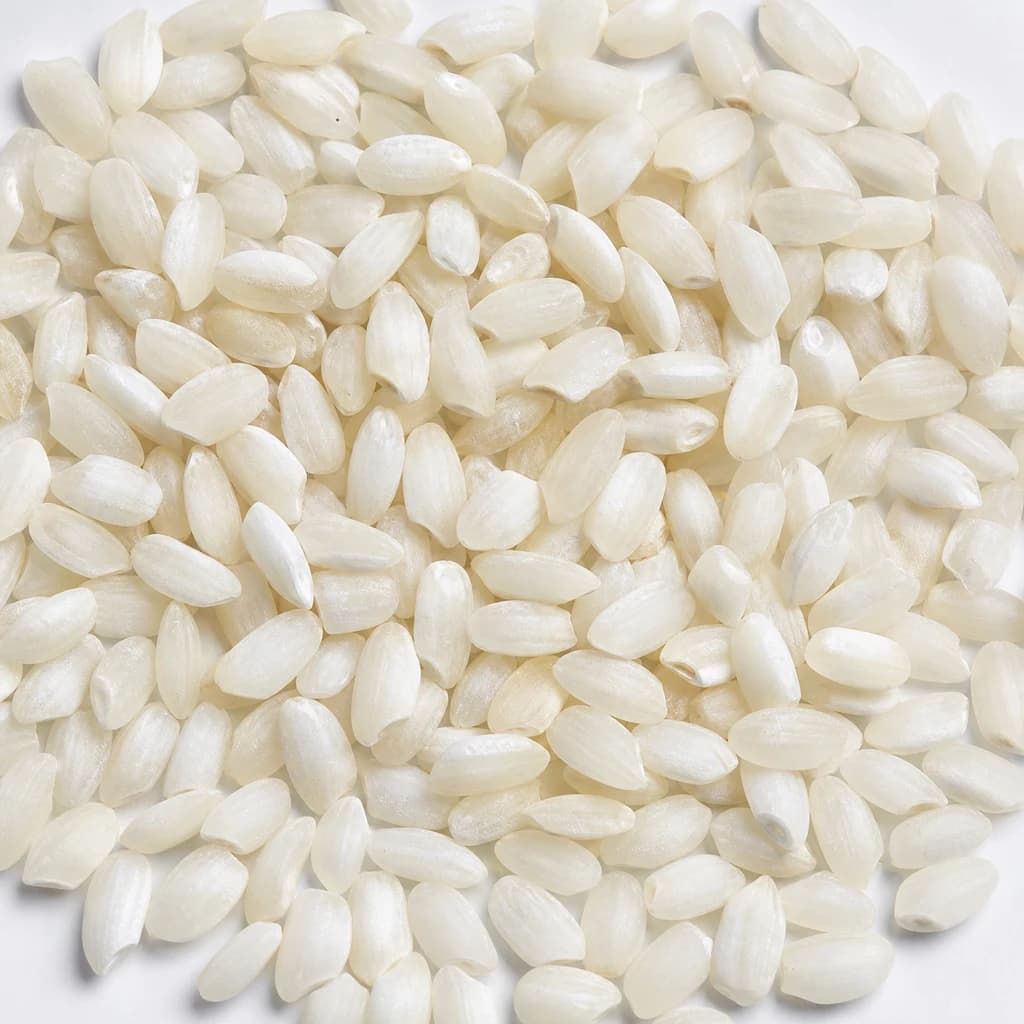
Arborio Rice
Plump, starchy rice that makes risotto creamy
Fusilli
Spiraled pasta that twirls up sauce and dresses cold salads
Rolled Oats
Hearty flakes for porridge, granola, and chewy cookies