Grains & Rice
Crispbread
Thin, dry Nordic flatbread (often rye) that stays crisp for months.
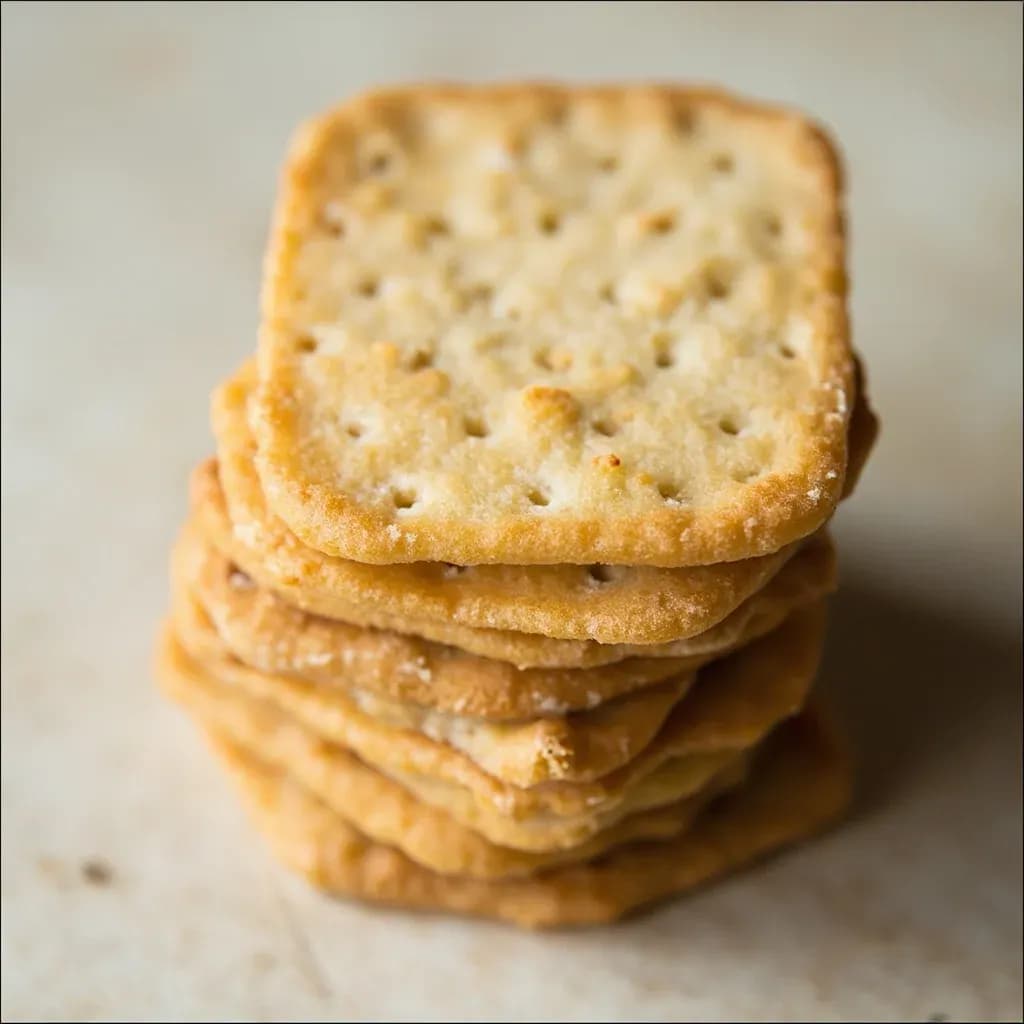
Crispbread is a thin, hard, dry flatbread, traditionally made with rye flour and baked until crackling. A Scandinavian and Nordic staple, it is topped with butter, cheese, or fish, or eaten alongside soups. Its very low moisture gives it a long shelf life and signature snap.
Crispbread is a thin, dry flatbread made primarily from whole-grain rye flour that has been baked twice—first as a loaf, then sliced and dried at low temperature—resulting in a hard, shelf-stable cracker with 2–4% moisture content. Originating in Scandinavia at least by the 16th century (and likely far earlier), it developed as a practical response to the need for durable bread in cold climates where fresh loaves spoiled quickly. The double-baking process drives out nearly all moisture, giving authentic crispbread a shelf life of six months to a year when stored airtight, making it one of the most stable pantry staples in the grain category.
The dense, slightly sour character comes from high-extraction rye flour—typically 75–100% whole grain—which also delivers 5–8 grams of dietary fiber per 100 grams, far more than most commercial crackers. Unlike refined crackers, authentic crispbread contains little to no added fat or sugar. The texture is firm and slightly chewy at the core even when the surface snaps crisply; this structural integrity is what makes crispbread distinctive. It holds wet toppings without disintegrating the way thin crackers do, which is why it anchors the open-faced sandwiches of the Nordic smörgåsbord tradition. Available year-round in Scandinavian markets, health food stores, and most major grocery chains, crispbread has migrated far beyond its Nordic roots while remaining most at home with smoked fish, cured meats, aged cheeses, and the condiments of that tradition.
- Measured in
- piece
- Storage
- Pantry
Allergens
Types & varieties
The most recognized variety; thin, round, often flavored with caraway, anise, or fennel. Includes both mass-market brands and traditional artisan versions.
Darker, thinner, and more rustic than Swedish varieties; traditionally made with very coarse rye flour; regional variations in shape and thickness.
Circular rye crispbread; often slightly thicker and denser than Swedish varieties; a dietary staple in Finland. Finn Crisp is the most recognized commercial brand internationally.
Norwegian oat-based crispbread; milder flavor than rye varieties; often includes seeds; better suited for those who find rye versions too intense.
Swedish brand producing a range of crispbread varieties including classic rye, whole grain, and lighter versions; widely distributed internationally.
British crispbread brand inspired by Nordic originals; made with rye flour; available in sesame, goldenlinseed, and dark rye varieties.
Any variety topped with sesame, sunflower, pumpkin, or flaxseeds, or caraway before baking; adds flavor, texture, and nutrition.
Made from rice flour, corn flour, or buckwheat; available from specialty brands; texture differs from wheat-based versions but functions well as a substitute.
Common uses
Tips & pitfalls
- Store crispbread in airtight containers—a zip-top bag, plastic container with a tight lid, or vacuum-sealed bag—away from humidity and heat sources like stovetops or direct sunlight
- If crispbread loses its snap, restore crunch by placing single layers on a baking sheet and heating in a 150°C (300°F) oven for 5–8 minutes; cool completely before storing again
- Authentic Nordic crispbread is made with high-extraction rye flour (whole grain), which gives the characteristic dense texture and slightly sour, complex flavor that refined-flour imitations lack
- True traditional crispbread contains little to no added fat or sugar; if hydrogenated oils or high-fructose corn syrup appear among the first ingredients, it is a processed cracker, not real crispbread
- For best spreading performance, use room-temperature toppings and avoid overly watery or high-moisture spreads that will compromise the structure; cream cheese, butter, and smoked fish are ideal
- Do not confuse crispbread with Swedish tunnbröd, which is a soft, thin flatbread used for wraps and sandwiches—tunnbröd is not crisp and has a completely different shelf life and use
- Warm crispbread briefly (2–3 minutes in a 180°C/350°F oven) before serving with cheese or charcuterie; the heat releases the rye aroma and improves mouthfeel
- When assembling open-faced sandwiches, place toppings with structural integrity (smoked salmon ribbons, sliced cheese, pickled items) on top of smaller amounts of soft spread rather than the reverse
Nutrition
Energy
1531 kJ · per 100 g
Where the calories come from
Protein
7.9g
16% DV
Carbs
82.2g
30% DV
Fat
1.3g
2% DV
Fiber
16.5g
59% DV
Sugars
1.1g
of which
Sodium
410mg
18% DV
Source · USDA FoodData Central · approx. Crackers, crispbread, rye
View on FDC →In the shops
Matched grocery products
No matched grocery products for Crispbread yet.
Good to know
- Origin
- Scandinavia (Sweden, Norway, Finland); documented since the 16th century, likely much older
- Primary Grain
- Whole grain rye flour (high extraction, often 75–100%)
- Shelf Life
- 6–12 months stored airtight in a dry location
- Moisture Content
- 2–4% (extremely low, enabling extended shelf stability)
- Baking Method
- Double-baked: first bake sets the loaf; second bake at lower temperature completes drying
- Dietary Notes
- Naturally dairy-free; many varieties vegan; 5–8 g fiber per 100 g
- Leavening
- Usually unleavened or with minimal sourdough; some modern varieties include baking powder or yeast
- Storage
- Keep in airtight container or sealed bag; protect from humidity and direct heat
Substitutes
- Rye crackers (e.g., Kavli thin rye crackers, Old Dutch rye crackers) — Most direct substitute; look for whole rye flour as the first ingredient and minimal additives. Flavor is similar but crackers are often thinner and more fragile.
- Finnish-style flatbread (Finn Crisp and similar) — The Finnish-style slightly thicker, denser crispbread is available from Scandinavian specialty brands and is arguably more authentic than some lighter Swedish versions.
- Whole wheat matzo — Similar flat, dry, crisp texture and neutral flavor; acceptable for those avoiding rye specifically. Check ingredients for unnecessary additives.
- Whole grain rice cakes (plain, unsalted) — Provides crunch and a low-calorie vehicle for toppings but lacks the density and rye flavor of true crispbread; not a close flavor match.
- Artisan Nordic-style crispbread from a bakery — Bakers who specialize in Nordic breads can produce crispbread with superior flavor to mass-produced versions; available at artisan bakeries in larger cities.
Pairs with
Also called
Näkkileipä · Knäckebröd · Rye Crispbread
Appears in these dishes


Related

White Rice
Fluffy long-grain rice — the neutral base for almost any meal

White Bread
Soft sandwich loaf for toast, sandwiches, and crumbs
Brown Rice
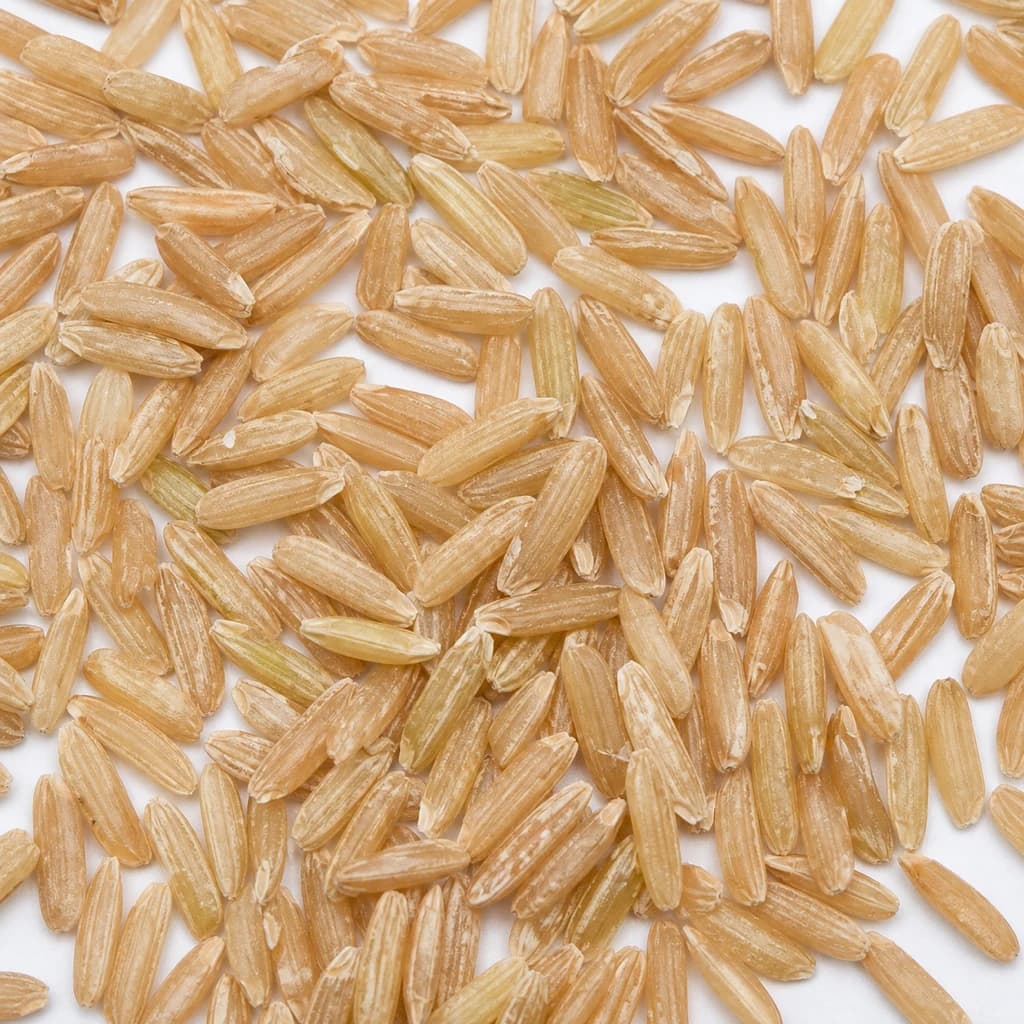
Nutty, whole-grain rice with chew and extra fiber

Basmati Rice
Fragrant, long-grain rice that cooks up light and separate
Jasmine Rice
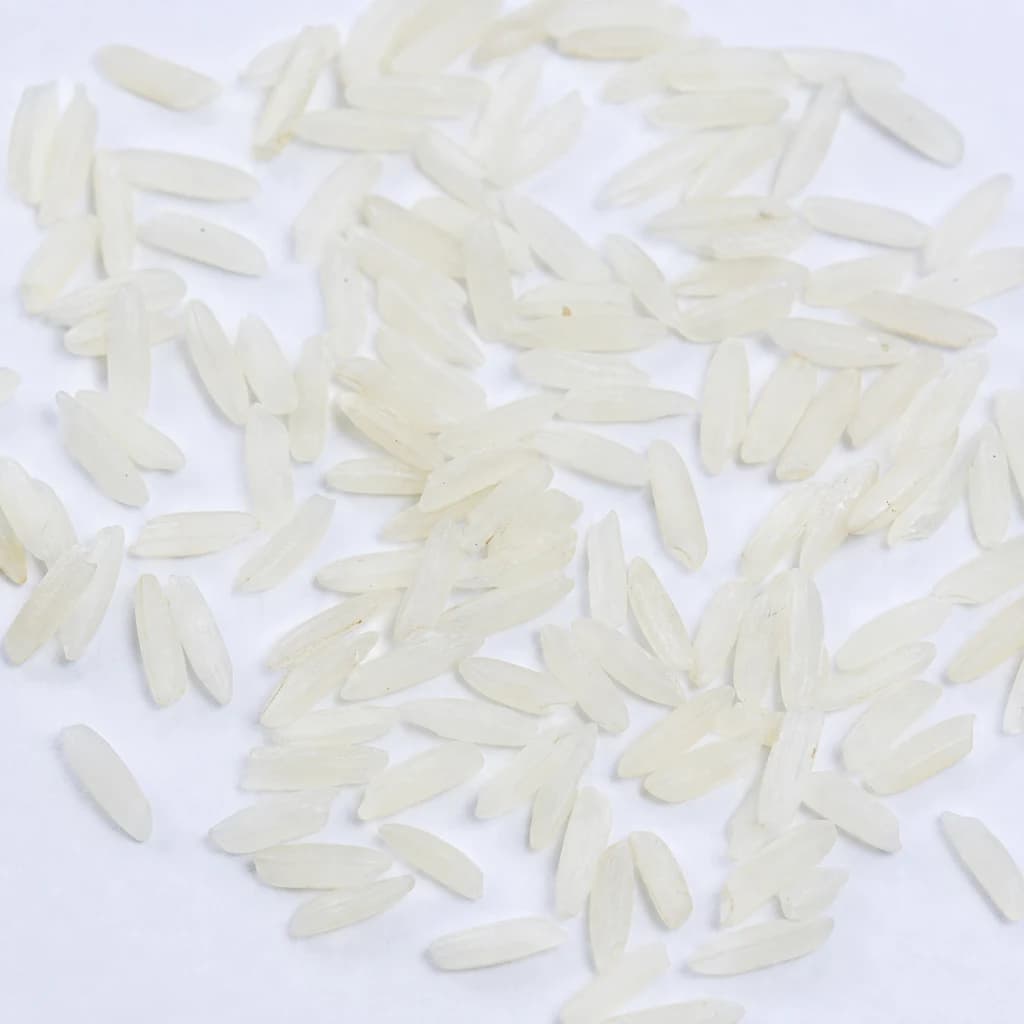
Soft, floral-scented rice that's the pillar of Thai meals
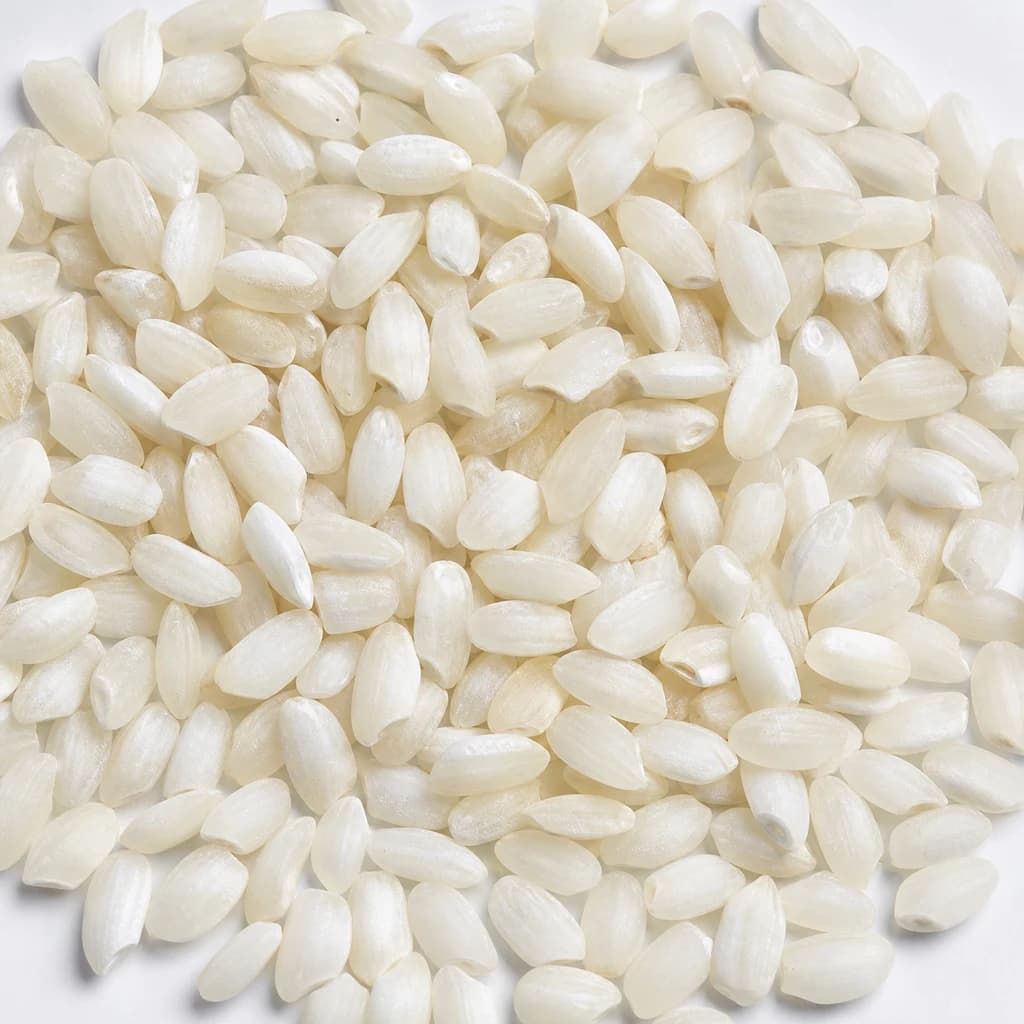
Arborio Rice
Plump, starchy rice that makes risotto creamy
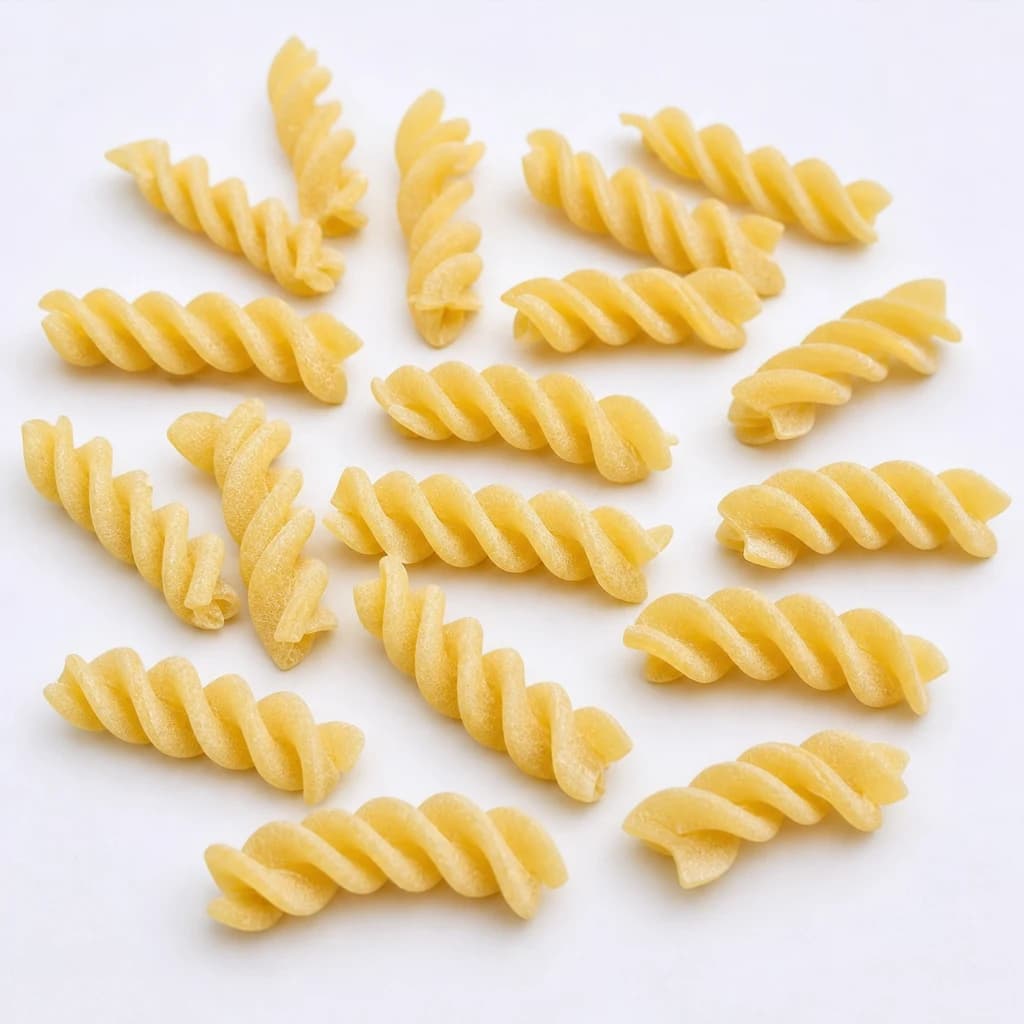
Fusilli
Spiraled pasta that twirls up sauce and dresses cold salads
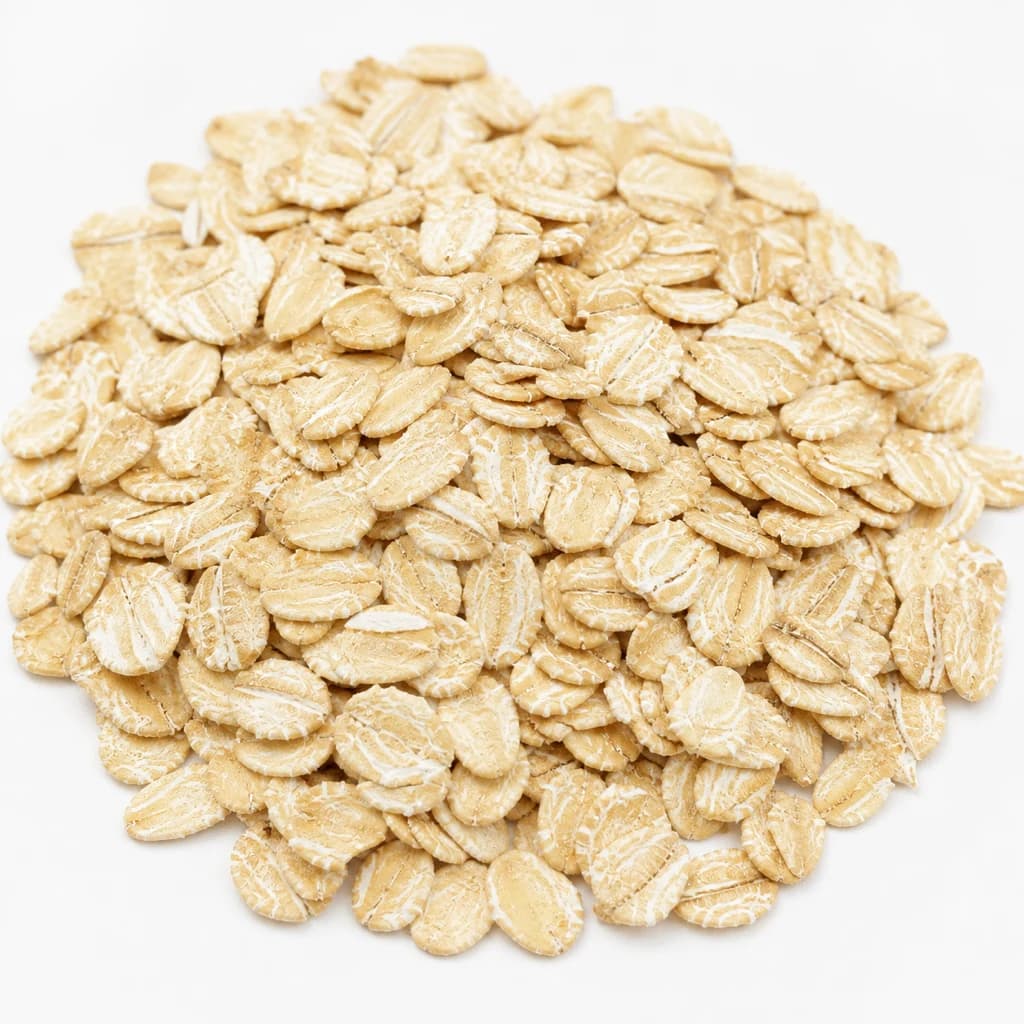
Rolled Oats
Hearty flakes for porridge, granola, and chewy cookies