Grains & Rice
Crouton
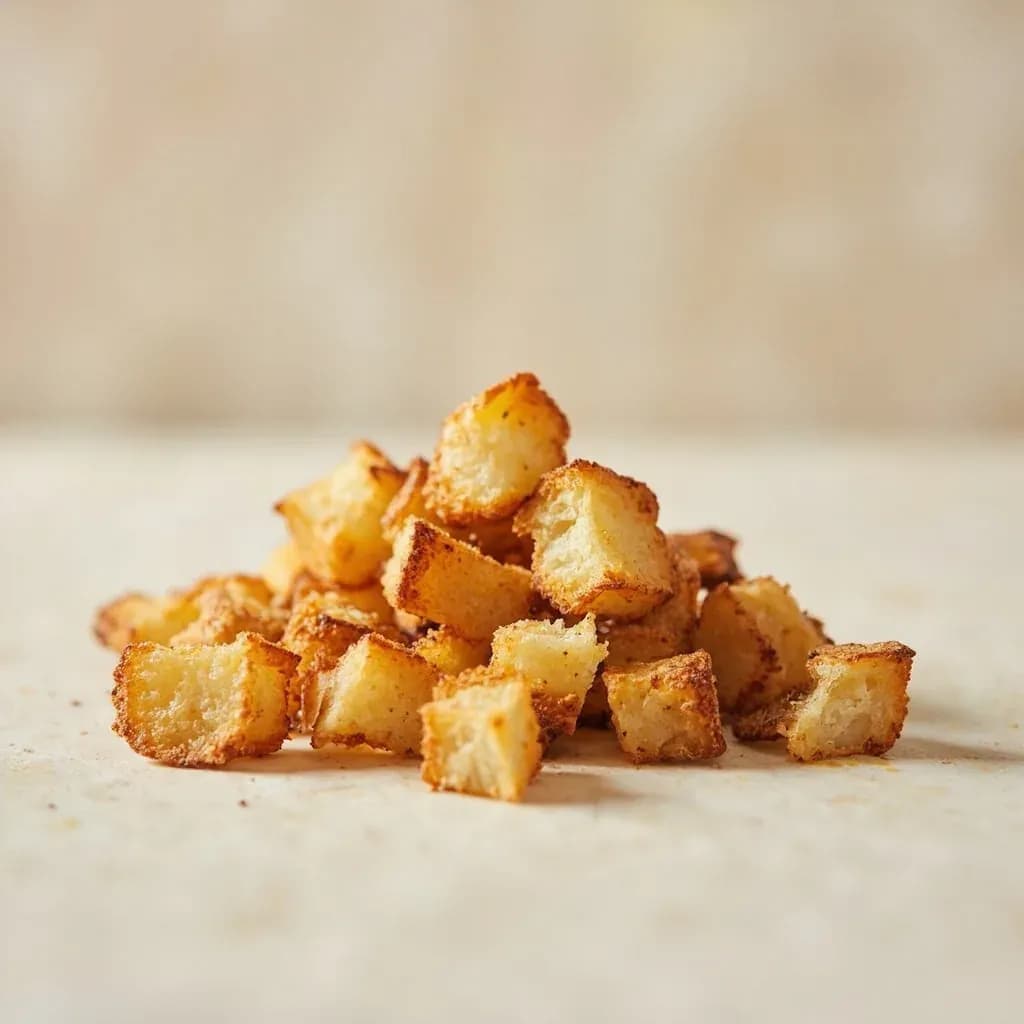
Cubes of bread toasted or fried crisp to top salads and soups.
Croutons are small cubes of bread that have been toasted or pan-fried, often with oil, butter, and seasonings, until golden and crunchy. They add crisp texture and flavor to salads, especially Caesar, and float atop soups. They are an easy way to use up stale bread.
Croutons are cubes or shards of bread toasted, baked, or fried until shatteringly crisp while retaining some interior softness depending on thickness. They transform leftover or day-old bread—an ingredient that might otherwise go stale—into a textural asset that adds crunch, body, and sometimes flavor to dishes that would otherwise feel flat or one-dimensional. The technique of crisping bread in fat dates to medieval European cooking, though the French term "croûte" (meaning crust) has become the standard nomenclature. What makes croutons remarkable is their dual nature: they function simultaneously as a garnish and a textural counterpoint, providing contrast to creamy soups, soft salads, and delicate bisques while absorbing just enough surrounding liquid to remain structurally sound without dissolving. The best croutons shatter pleasantly under the fork yet maintain enough integrity to deliver their contribution to each bite rather than disappearing into the dish.
- Measured in
- g
- Storage
- Pantry
Allergens
Types & varieties
Tossed with minced or powdered garlic and fat before toasting; the classic choice for Caesar salad
Seasoned with dried Italian herbs, parsley, thyme, or rosemary; versatile across many preparations
Finished with grated Parmesan, Pecorino, or Asiago before baking; rich and savory
Irregular pieces torn from loaves rather than cut; torn edges brown differently than cut edges, adding visual and textural interest
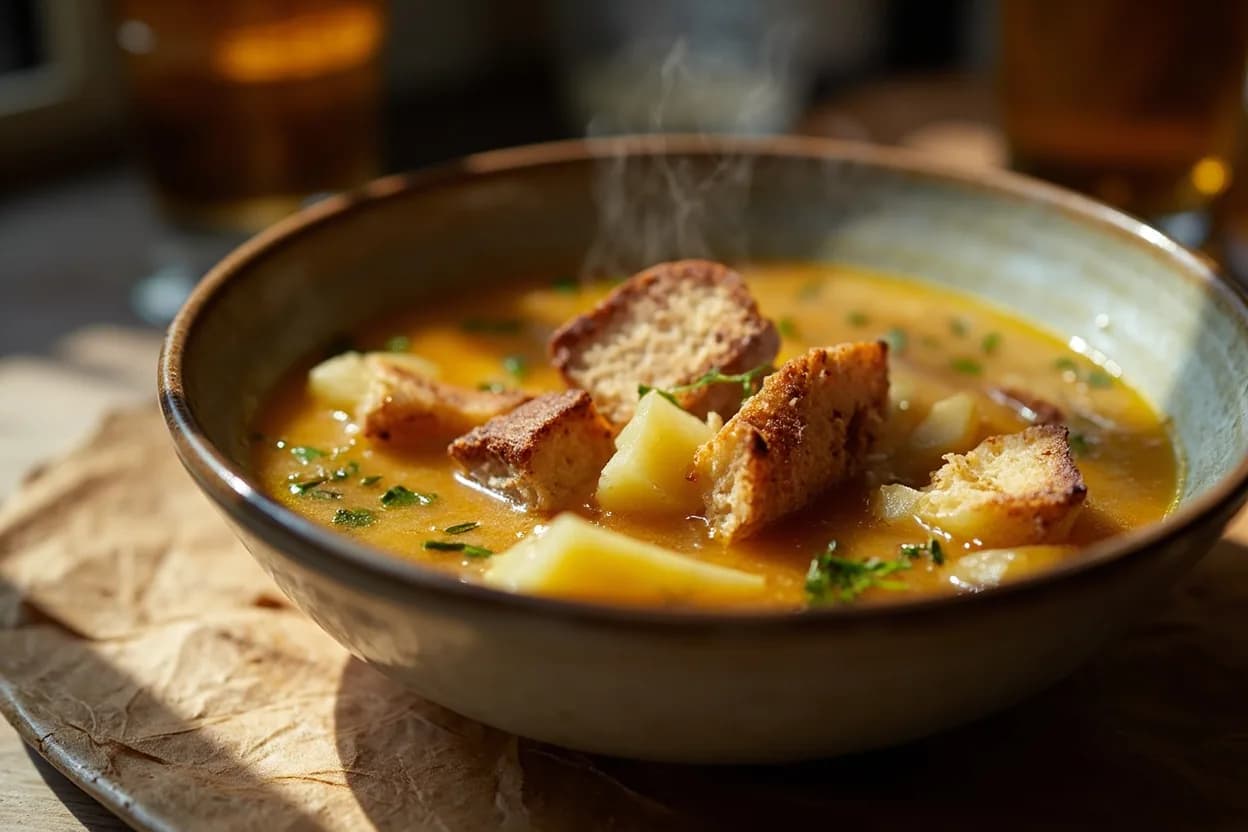
Thick-cut 1–1.5 inch cubes that stay soft inside while crisping outside; traditional for French onion soup
Small 1/4-inch cubes; traditional garnish for consommé and Milanese-style dishes
Coarse, ultra-crispy croutons made from panko breadcrumbs; lighter and crunchier than cube-style
Made from sourdough bread; prized in artisan cooking for pronounced tang and sturdy texture
Made from rye bread; less common but used in specific regional preparations
Baked croutons are drier and lighter; fried croutons cooked in butter are richer and more golden
The Case for Homemade
Commercial croutons are convenient but pale in comparison to homemade versions made with quality bread and fresh fat. Store-bought croutons often rely on processed ingredients and can develop a waxy texture that neither crisps properly nor contributes meaningful flavor. Making croutons at home takes only minutes and allows you to control every variable: the type of bread, the amount and kind of fat, the seasoning profile, and the degree of browning. The investment is minimal—truly stale bread, which many home cooks would otherwise discard, is ideal. Even bread heels and odd pieces that would otherwise go to waste make excellent croutons. For food service, commercial operations use high-heat fryers and industrial ovens, but the principles remain identical: coat with fat, season, apply heat, and achieve crispness.
- Quality bread transforms the final product—baguette, sourdough, and country loaves outperform sandwich bread significantly
- Fat choice shapes flavor: butter adds richness and browning, olive oil adds fruity notes, neutral oil keeps flavor focused on seasoning
- Season generously but add salt after tossing with fat to prevent moisture from drawing away the fat coating
- Batch preparation is practical—make a large quantity on a lazy Sunday and store for weeks
Common uses
Tips & pitfalls
- Use day-old or slightly stale bread; fresh bread steams and turns gummy rather than crisping
- Cut cubes uniformly to ensure even browning—aim for consistent 3/4-inch pieces
- Tear bread by hand for rustic croutons; torn edges toast and brown differently than cut edges, adding visual interest
- Spread cubes in a single layer on the baking sheet with space between each piece; crowded cubes steam and soften
- Toss bread cubes thoroughly with fat before seasoning; fat distributes more evenly than dry seasoning alone
- Season croutons after tossing with fat but before baking; salt draws moisture and prevents fat from adhering properly
- For extra-crispy croutons, bake at 425°F (218°C) for the last 2–3 minutes, watching carefully to avoid burning
- Make croutons from bread heels and scraps—these odd pieces are often destined for the trash and make perfect croutons
- Store homemade croutons in paper bags, not plastic, to prevent sogginess from trapped moisture
- Refresh limp stored croutons in a dry skillet over medium heat for 1–2 minutes to restore crunch
- For frozen bread, thaw completely and pat dry before cutting and toasting to avoid uneven moisture
Nutrition
Energy
1703 kJ · per 100 g
Where the calories come from
Protein
11.9g
24% DV
Carbs
73.5g
27% DV
Fat
6.6g
8% DV
Fiber
5.1g
18% DV
Sodium
698mg
30% DV
Source · USDA FoodData Central · Croutons, plain
View on FDC →In the shops
Matched grocery products
No matched grocery products for Crouton yet.
Good to know
- Standard size
- 1/2 to 3/4 inch cubes for general use; 1–1.5 inches for large soup croutons; 1/4 inch for fine/garnish croutons
- Etymology
- From French "croûte," meaning crust; the diminutive "croûton" specifically refers to the bread end piece
- Best bread
- Day-old or slightly dried bread holds shape and crisps evenly; fresh bread steams and turns gummy
- Typical bake temperature
- 375–400°F (190–204°C) for 10–15 minutes; 425°F (218°C) for last 2–3 minutes for extra crispness
- Primary fats
- Butter (richest, most golden), olive oil (Mediterranean style), or neutral vegetable oil
- Shelf life (homemade)
- 1–2 weeks in an airtight container at room temperature; store in paper bags to prevent sogginess
- Key equipment
- Sharp or serrated bread knife, sheet pan, bowl for tossing with fat
- Shelf life (commercial)
- 6–12 months in sealed packaging
Substitutes
- Toasted nuts (walnuts, pecans, almonds) — Provide crunch but a different flavor profile; always toast before using
- Crushed crackers or melba toast — Offer similar crunch; look for plain varieties without heavy seasoning
- Fried prosciutto bits — Add crunch with savory, porky flavor; suitable for rich soups and Caesar variations
- Panko breadcrumbs (untoasted) — Crispier and lighter than bread croutons; toast in oil before using as garnish
- Tortilla strips or chips — Crispy but distinct flavor; better suited for Tex-Mex or Southwest-inspired soups than traditional preparations
- Seeds (toasted pepitas, sunflower seeds) — Allergy-friendly substitute providing crunch; always toast before using as garnish
Pairs with
Also called
Bread Croutons
Appears in these dishes
Related

White Rice
Fluffy long-grain rice — the neutral base for almost any meal

White Bread
Soft sandwich loaf for toast, sandwiches, and crumbs
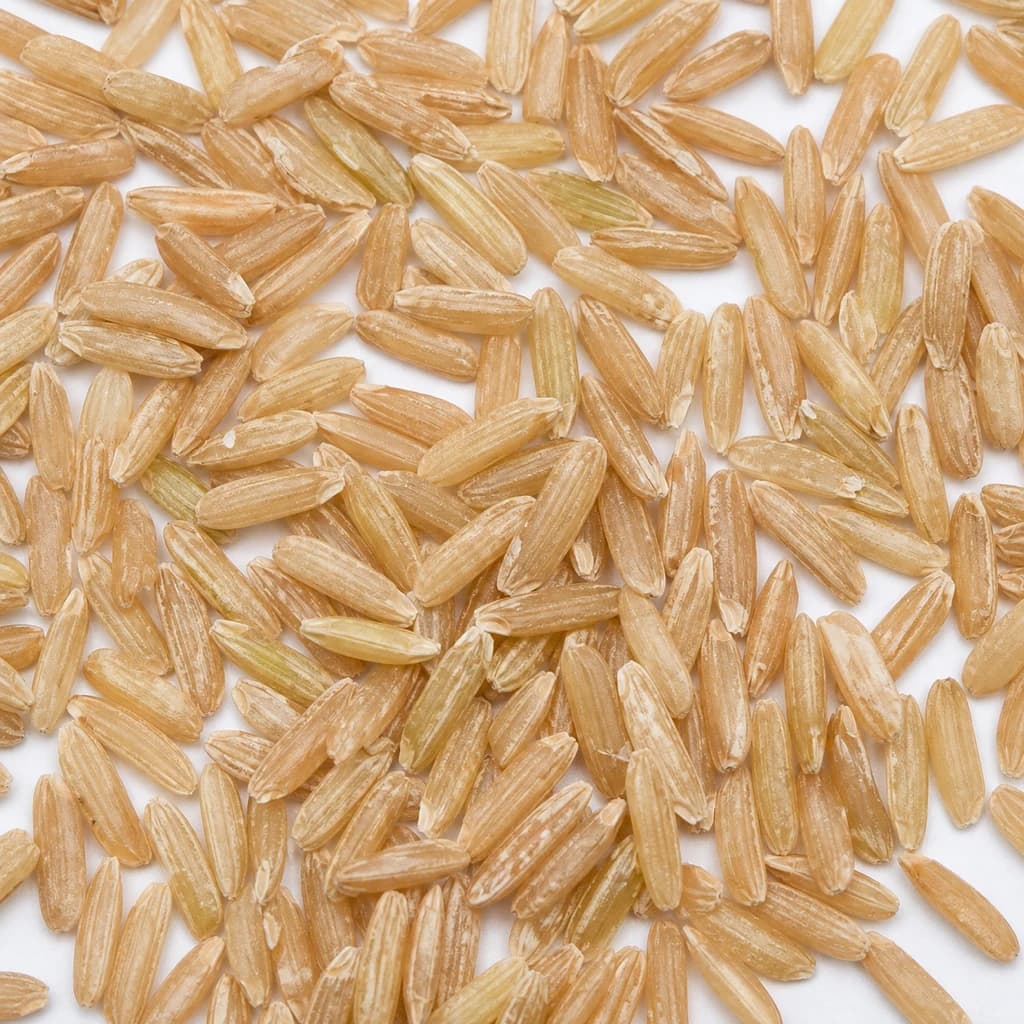
Brown Rice
Nutty, whole-grain rice with chew and extra fiber

Basmati Rice
Fragrant, long-grain rice that cooks up light and separate
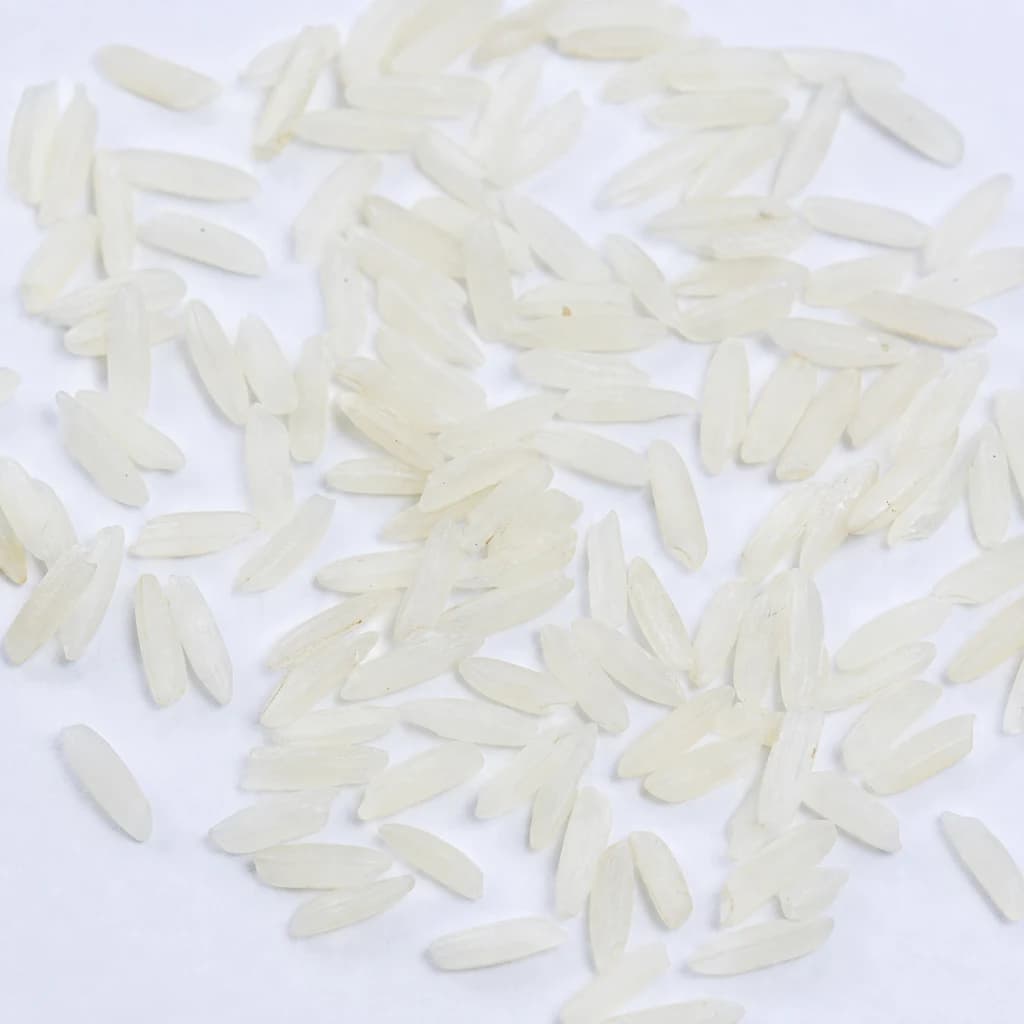
Jasmine Rice
Soft, floral-scented rice that's the pillar of Thai meals
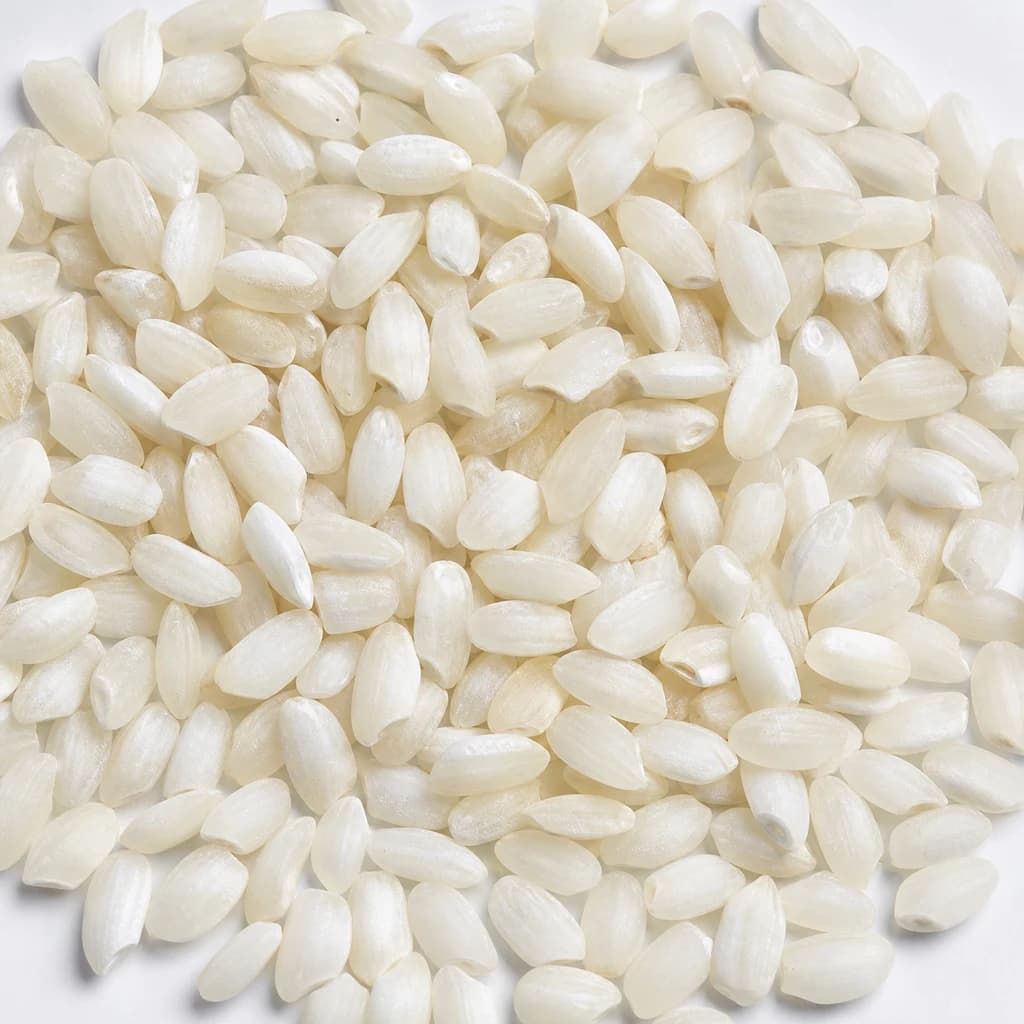
Arborio Rice
Plump, starchy rice that makes risotto creamy
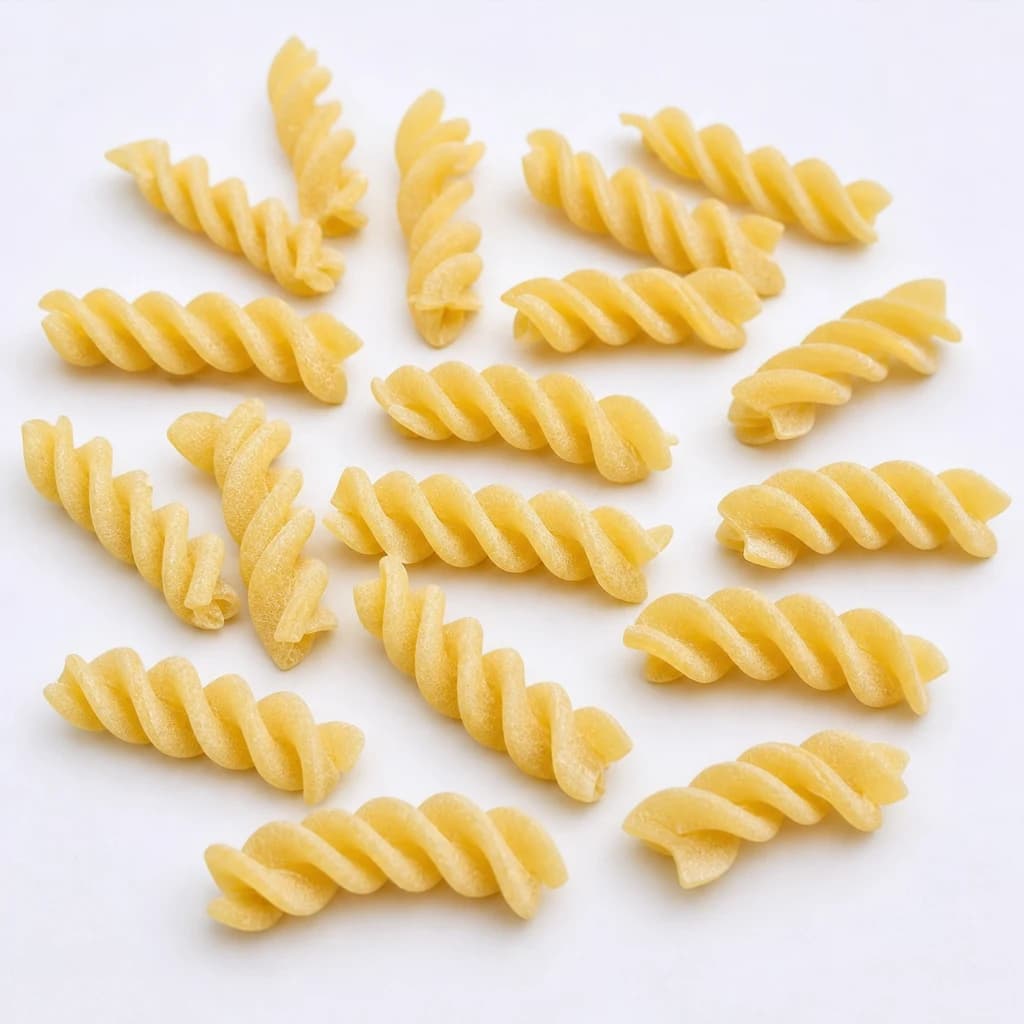
Fusilli
Spiraled pasta that twirls up sauce and dresses cold salads
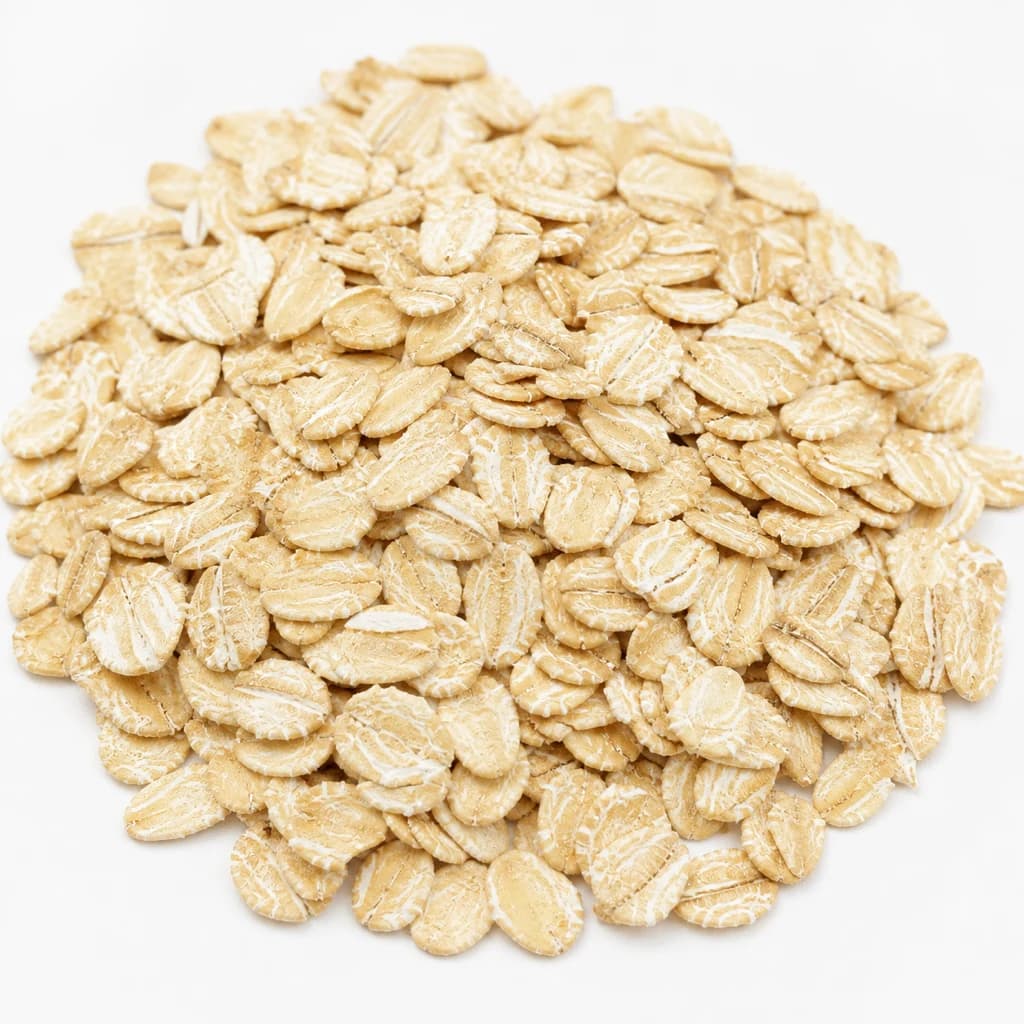
Rolled Oats
Hearty flakes for porridge, granola, and chewy cookies