
Natural form
Edam cheese whole balls coated in characteristic red paraffin wax, ready for export.
The iconic red wax ball is Edam's most recognizable feature and distinguishes it from all other cheeses.
Dairy & Eggs
Edam Cheese
Mild, semi-firm Dutch cheese in red wax balls, sliced for sandwiches and snacking.
Edam is a mild, semi-firm Dutch cow's-milk cheese, traditionally shaped into balls coated in red paraffin wax for export. Lower in fat than many cheeses, it is buttery and slightly salty, and is sliced for sandwiches, snacking, and holiday platters, especially in the Philippines where queso de bola is a Christmas staple. It ages into a firmer, sharper cheese over time.
Edam is a semi-hard cow's milk cheese from the Dutch town of Edam in North Holland, with documented production dating back to the 14th century. Its defining characteristic—the red wax coating—developed as a practical innovation for sea trade, protecting the wheel from mold growth and moisture loss during long voyages. This durability made Edam the world's most traded cheese from the 17th through early 20th century. Young Edam (4–17 weeks) offers a mild, slightly nutty flavor with smooth, slightly grainy texture and clean cuts; aged Edam (17+ weeks) develops sharper, more pronounced flavor and may form crystalline pockets. Edam melts evenly without becoming stringy and holds its shape well—behaving differently from many other semi-hard cheeses. While still produced in the Netherlands, much commercial Edam now comes from the US and South America using Dutch methods, typically with higher moisture and milder flavor than traditional Dutch wheels.
- Measured in
- g
- Storage
- Fridge
Allergens
Types & varieties
Mild, creamy, ideal for sandwiches and snacking; sold most commonly in the US
Firmer, sharper, saltier; may develop crystals; sold in specialty shops
Small 1-lb spheres; convenient portion size; often waxed in various colors
From grass-fed cows; slightly deeper flavor; sold at specialty retailers
Cold-smoked over wood; produced by some Dutch and specialty American creameries
Why Wax? The Practical History of Edam's Coating
The red wax rind is not merely decorative—it solved a specific problem. Before refrigeration, Dutch cheesemakers needed a way to ship their product across oceans without spoilage. The paraffin wax created an airtight seal that prevented mold growth and moisture loss. Today, the wax remains standard even for domestic sales, though unwaxed versions are increasingly available. The rind is inedible and must be trimmed before slicing.
Selecting and Buying Edam
Look for even coloring throughout the cut surface—gray or discolored patches indicate oxidation or age beyond optimal quality. A slight give when pressed suggests proper moisture content; rock-hard wheels are over-aged and best reserved for grating. Avoid packages with excessive liquid or any sour ammonia odor, which signals deterioration. For general use, young Edam in red wax is widely available in supermarkets. Seek specialty retailers for aged Edam in black wax, organic versions, or smoked variants.
Common uses
Tips & pitfalls
- Store cut Edam wrapped tightly in plastic with a damp paper towel to prevent drying out
- Bring to room temperature 30–45 minutes before serving for best flavor and texture expression
- Always trim the wax rind before slicing—it is inedible and unpleasant
- For even melting, slice thin or grate; this prevents oil-out and rubbery texture
- If a wheel feels rock-hard throughout, it is over-aged; use it only for grating
- Avoid high heat when melting—Edam turns rubbery above 160°F
- Look for even coloring without gray patches and slight give when pressed before buying
- When substituting in recipes, grate or slice thin to match Edam's melting properties
Nutrition
Energy
1494 kJ · per 100 g
Where the calories come from
Protein
25g
50% DV
Carbs
1.4g
1% DV
Fat
28.6g
37% DV
Fiber
0g
0% DV
Sugars
0g
of which
Sodium
973mg
42% DV
Source · USDA FoodData Central · Cheese, edam
View on FDC →In the shops
Matched grocery products
No matched grocery products for Edam Cheese yet.
Good to know
- Origin
- Edam, North Holland, Netherlands (documented since 14th century)
- Type
- Semi-hard, aged cow's milk cheese
- Texture
- Smooth, slightly grainy; firm but cuts cleanly
- Flavor
- Mild, slightly nutty when young; sharper, more pronounced when aged 17+ weeks
- Fat content
- 28–32% (reduced-fat versions available)
- Rind
- Paraffin wax (traditionally red, but also black for aged, green, yellow, or unwaxed)
- Shape
- Spherical, traditionally 3–4 lbs; baby Edam is ~1 lb
- Shelf life
- Waxed whole wheel: 6–8 months refrigerated; cut/wedged: 3–4 weeks tightly wrapped
- Melting behavior
- Melts evenly without becoming stringy; holds shape well when sliced
Substitutes
- Gouda — Closest flavor and texture; also Dutch, melts equally well; best direct substitute
- Maasdam — Dutch cheese with similar mild, nutty character; slightly sweeter; swap 1:1
- Colby — American cheese with comparable mildness and melting properties; good budget substitute
- Mild cheddar — Works in a pinch; slightly sharper flavor but similar texture and melting
- Mimolette — French cousin with similar firm texture; more orange in color; good for grating
Pairs with
Also called
Eidam Cheese · Queso de Bola (Edam) · Edam-Style Cheese (Queso de Papa)
Appears in these dishes

Related

Whole Milk
Rich, full-fat milk for drinking, coffee, sauces, and baking
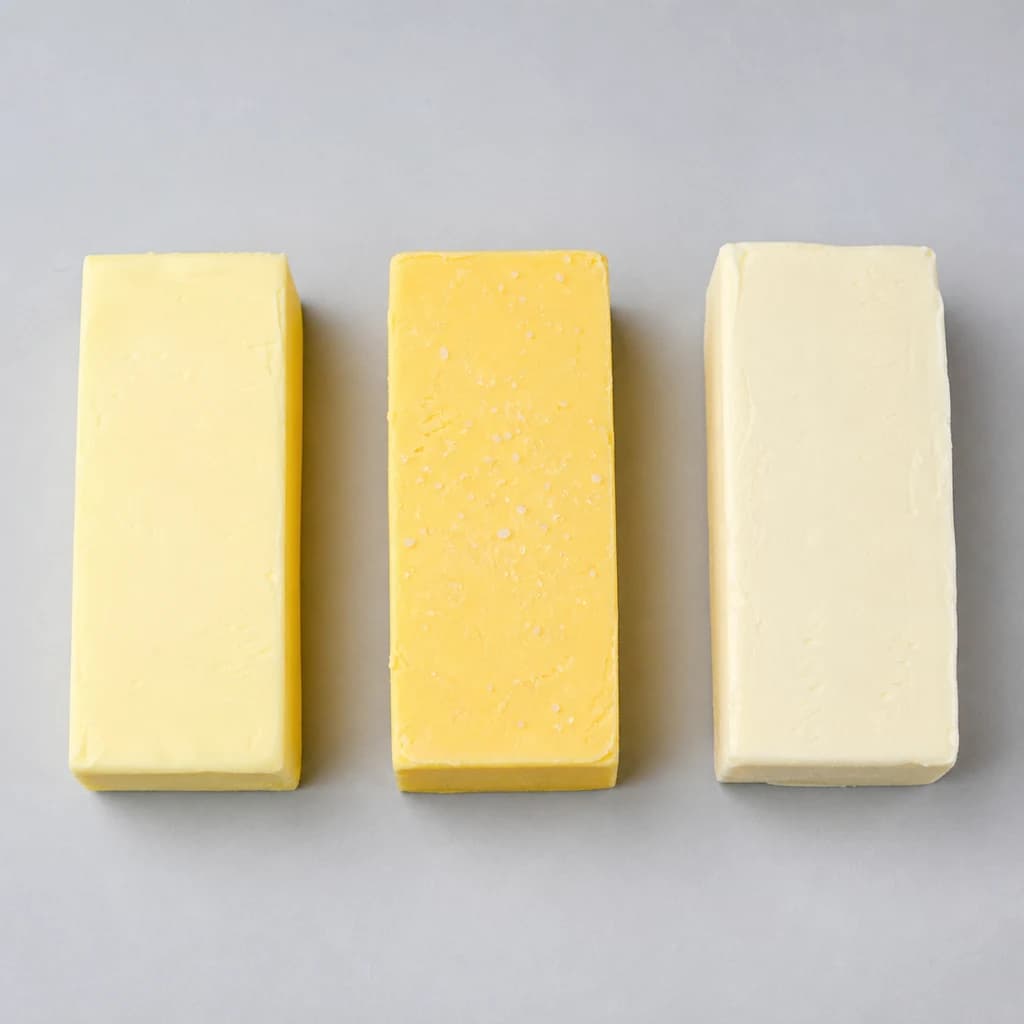
Butter
Golden fat for searing, baking, and finishing a sauce
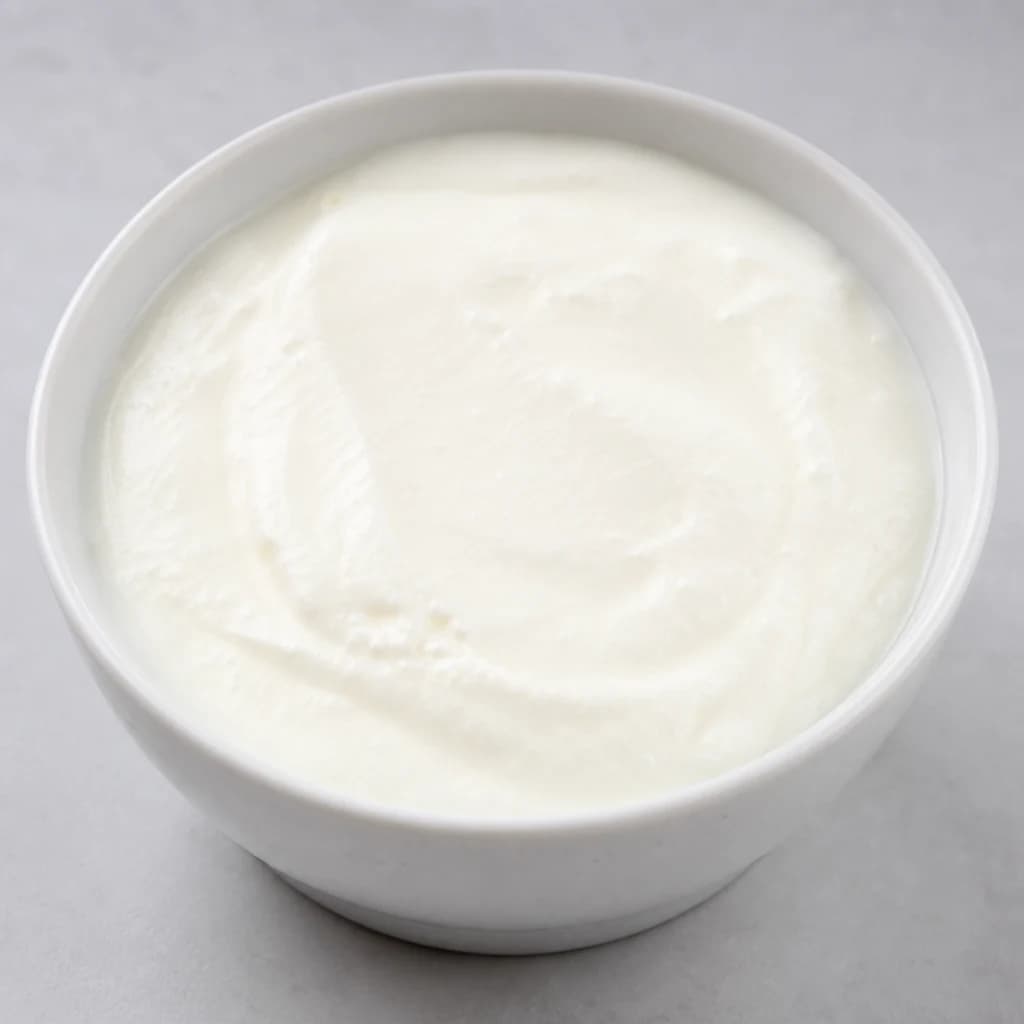
Yogurt
Tangy, creamy culture for breakfast, sauces, and marinades
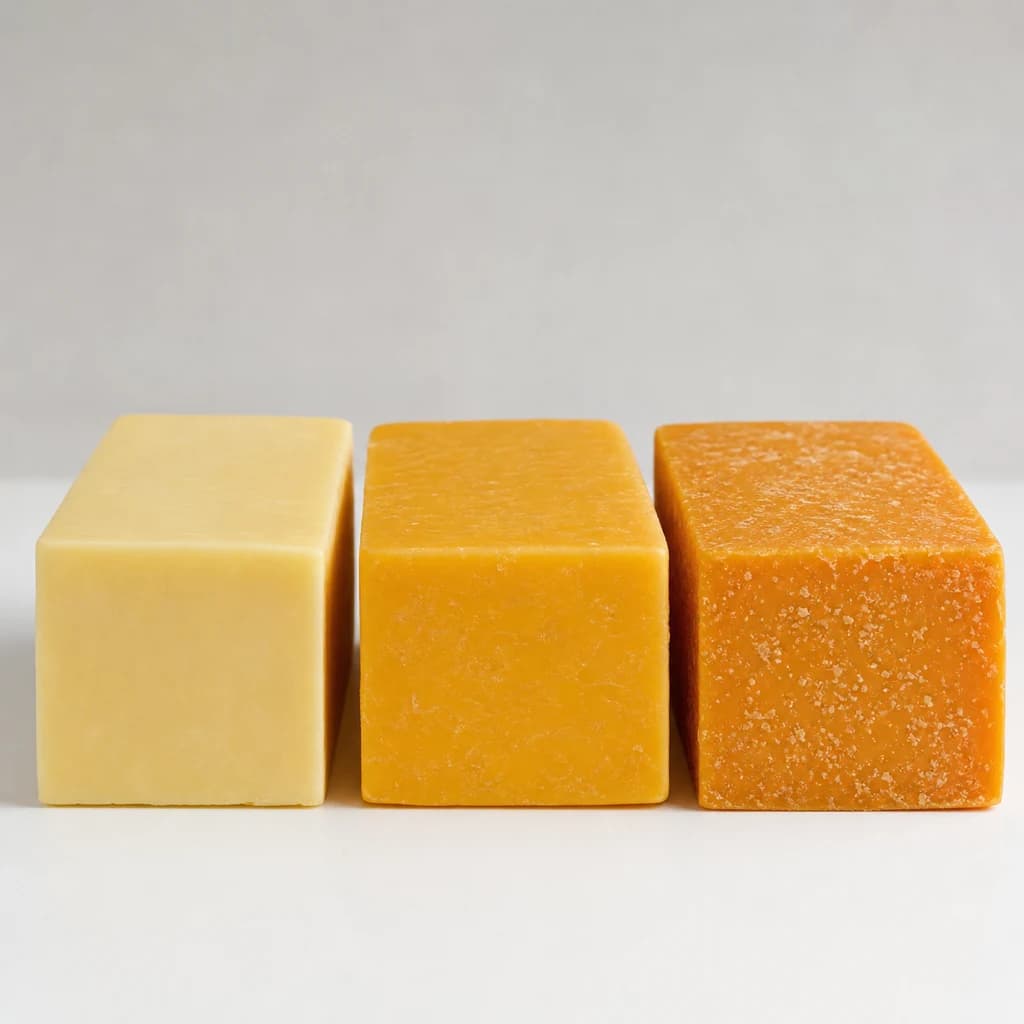
Cheddar Cheese
Sharp, melty cheese for sandwiches, gratins, and grating
Skim Milk
Fat-free milk for lighter drinking, coffee, and cooking
Heavy Cream
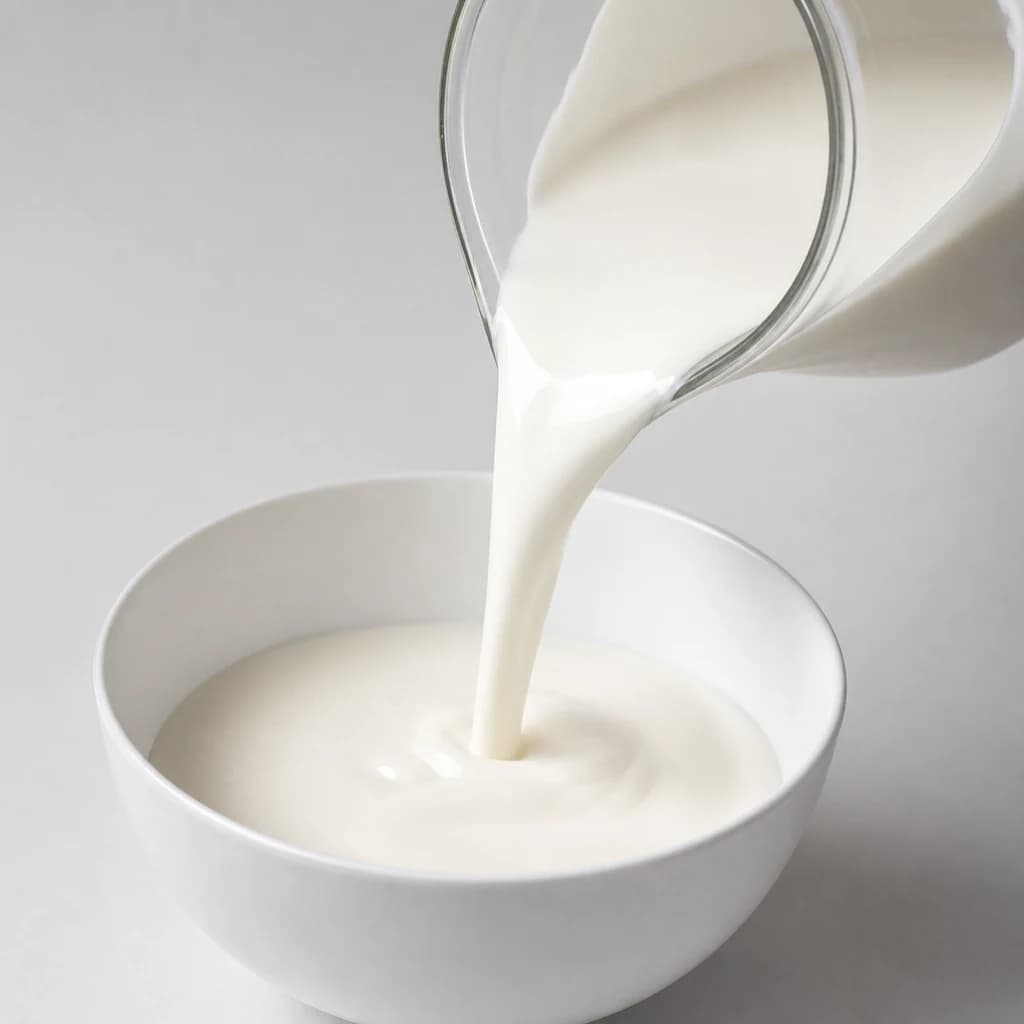
Rich cream that whips, enriches sauces, and sets ganache

Sour Cream
Tangy, thick cream for dolloping, baking, and dips
Mozzarella
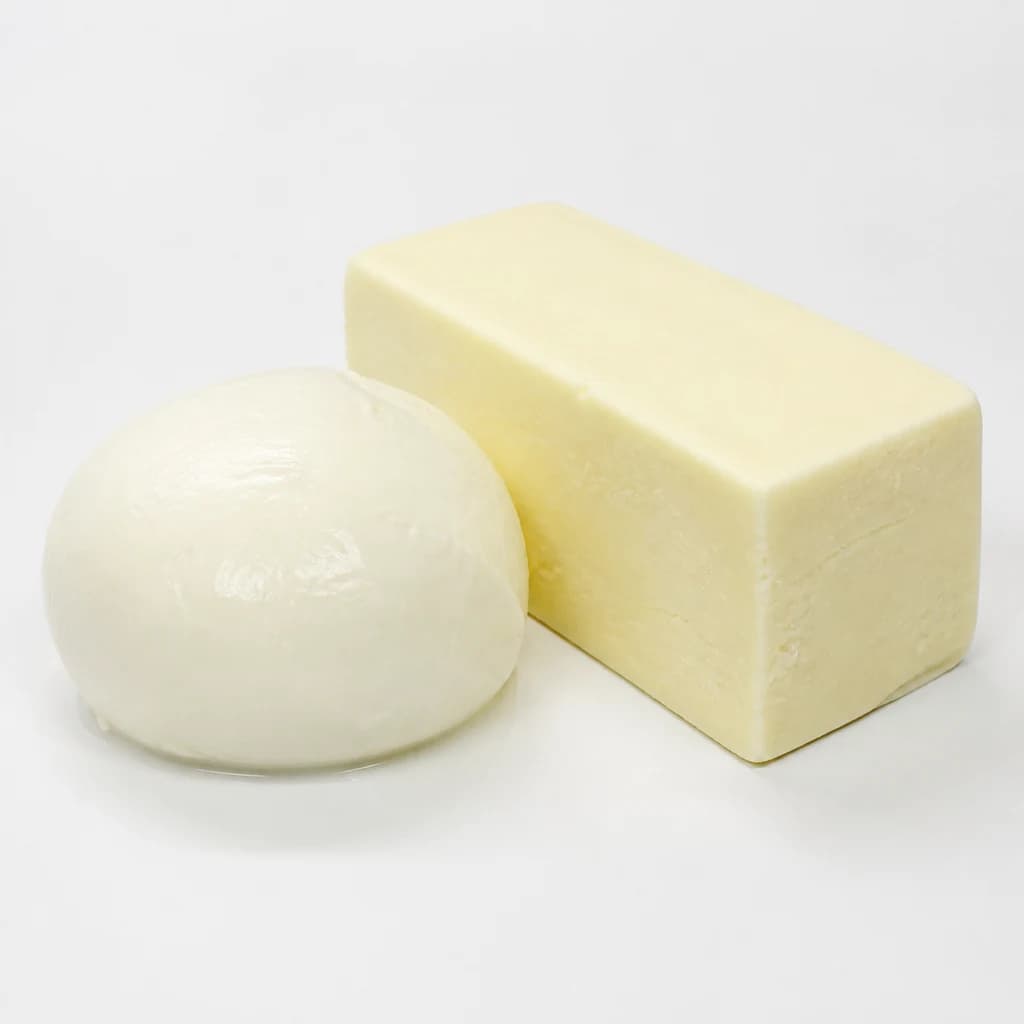
Soft, milky cheese that melts into stretchy pizza pulls