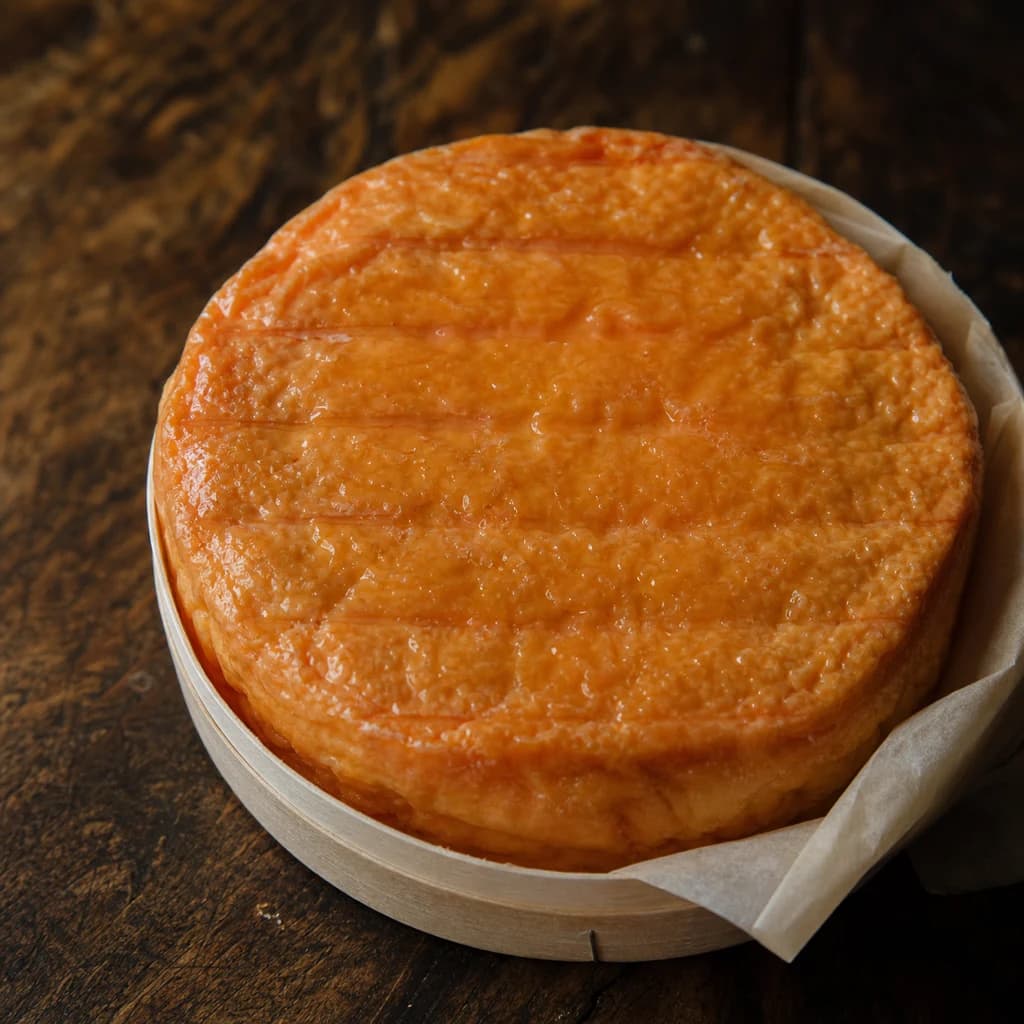
Natural form
A whole Époisses rounds in its characteristic orange-washed rind, ready to eat.
Shows the defining visual identity — the sticky, burnished orange rind and round wooden-box presentation that makes Époisses instantly recognizable.
Dairy & Eggs
Époisses
Pungent washed-rind Burgundy cow's cheese, sticky-orange and spoonably soft.
Époisses is a French cow's-milk cheese from Burgundy with a sticky orange washed rind, traditionally bathed in marc de Bourgogne brandy as it ripens. It is notoriously pungent in aroma yet rich, creamy, and savory inside, becoming spoonable when ripe. It is eaten with crusty bread and Burgundy wine.
Époisses is a washed-rind cow's milk cheese from the Burgundy region of France, protected by AOP status since its original AOC designation in 1991. It is made exclusively within the Yonne and Côte-d'Or departments using milk from Montbéliarde or French Simmental cows. The cheese develops its signature brick-orange rind through repeated washings with marc de Bourgogne—a grape spirit—during aging, which encourages the growth of specific bacteria that produce the characteristic pungent aroma and sticky surface. When young, Époisses is firm and almost rubbery; properly ripe specimens yield like firm custard, with the paste visibly oozing at the edges. This transformation is not a flaw but the intended result of the traditional process, which generates intense aliphatic compounds and earthy, barnyard notes. Brillat-Savarin himself wrote about this cheese, and it has long been called the king of Burgundy cheeses. Commercially, the dominant producer is Berthaut (now part of Fromagerie Marcel Petite), though several regional fromageries craft authentic versions. The odor is genuinely powerful—capable of permeating other foods stored nearby—which is why proper wrapping in wax paper rather than plastic is essential.
- Measured in
- g
- Storage
- Fridge
Allergens
Types & varieties
The authentic protected version; made only within the designated Burgundy region using specified methods
Standard designation; washed with marc de Bourgogne during aging
Farm-produced from the milk of the producer's own herd
Made from milk purchased from outside farms, by dairy producers
Understanding Ripeness
The single most important skill when buying and serving Époisses is judging ripeness. An underripe cheese will be dense, dry, and nearly flavorless; an overripe one develops an acrid ammonia bite that overwhelms the subtle complexity beneath. Press gently on the rind with your thumb: a ripe Époisses should indent easily and show visible paste weeping at the edges of the pressure point. When purchasing, ask your fromager when the batch was received and how it has been stored—temperature fluctuations accelerate ripening dramatically. If you buy young, budget at least a week of careful ripening at room temperature before serving.
- Press the rind: ripe cheese yields like firm custard with visible ooze
- Ask the fromager for the batch date to gauge ripeness
- Room-temperature ripening takes 24–48 hours depending on the starting point
- Refrigeration halts but does not reverse ripening
The Washed-Rind Process
Unlike bloomy-rind cheeses like Brie or Camembert, which develop their white penicillium crust through controlled mold exposure, washed-rind cheeses like Époisses are repeatedly bathed in a brine or spirit solution during aging. The marc de Bourgogne washes serve two purposes: they control unwanted mold growth while encouraging bacteria (typically Brevibacterium linens) that produce the orange pigment and the distinctive pungent aroma. This process demands precision—too few washings and the rind stays pale and bland; too many and ammonia dominates. The result, when done correctly, is a cheese of remarkable complexity with earthy, barnyard, and subtly sweet notes beneath the assertiveness.
- Washing with marc suppresses unwanted molds while encouraging beneficial bacteria
- The orange color deepens with each washing
- The aroma intensifies throughout aging—expect more punch from a 10-week than a 6-week wheel
Common uses
Tips & pitfalls
- Bring to room temperature at least 1 hour before serving—cold suppresses the aroma and firms the paste
- Test ripeness by pressing the rind gently; a ripe Époisses yields like firm custard with visible ooze at the edges
- If the aroma is overwhelming upon opening, remove the rind entirely and serve only the paste
- When baking, score the top before roasting to prevent the cheese from rupturing explosively in the oven
- Never wrap in plastic wrap for storage—it traps moisture and degrades the rind; use wax paper or dedicated cheese paper
- Traditional serving: on a wooden board with a glass of Burgundy Pinot Noir, flanked by sliced ham and cornichons
- The odor permeates other foods—store Époisses in a sealed container in a separate refrigerator section if possible
- To halve a wheel for smaller gatherings, use unflavored dental floss: slide it under the rind and pull through for a clean cut
- Do not attempt to freeze Époisses; the texture becomes grainy and the paste separates irreversibly
Nutrition
Nutrition
No USDA FoodData Central match for Époisses yet. We surface a per-100 g profile once a generic whole-food entry is matched and verified.
In the shops
Matched grocery products
No matched grocery products for Époisses yet.
Good to know
- Origin
- Époisses, Yonne, Burgundy (Bourgogne), France
- Milk Type
- Raw or pasteurized cow's milk (Montbéliarde or French Simmental breeds)
- Rind
- Washed-rind, brick-orange from marc de Bourgogne washes
- Texture
- Firm rind encasing a spoonable, oozing paste when ripe; firm and dry when young
- Aging
- Minimum 6 weeks; often 8–10 weeks
- Protection
- AOC (1991), converted to AOP under EU law; strict production zone and methods regulated
- Shape/Size
- Cylindrical rounds, approximately 500–600 g
- Season
- Year-round; best from late autumn through early spring when cows are fed hay
- Storage
- Refrigerate wrapped in wax paper; use within 5–7 days of opening; do not freeze
Substitutes
- Munster (Alsace) — Similar washed-rind intensity and pungency; slightly less complex but the most available substitute
- Langres — Another Burgundy cheese, smaller and more intensely pungent; washed with champagne rather than marc
- Maroilles — Northern French washed-rind cheese with comparable ammonia notes and orange rind; harder texture when young
- Pont-l'Évêque — Normandy washed-rind cheese; milder, less sticky, but shares the pungent character and AOC status
Pairs with
Also called
Epoisses de Bourgogne
Related

Whole Milk
Rich, full-fat milk for drinking, coffee, sauces, and baking
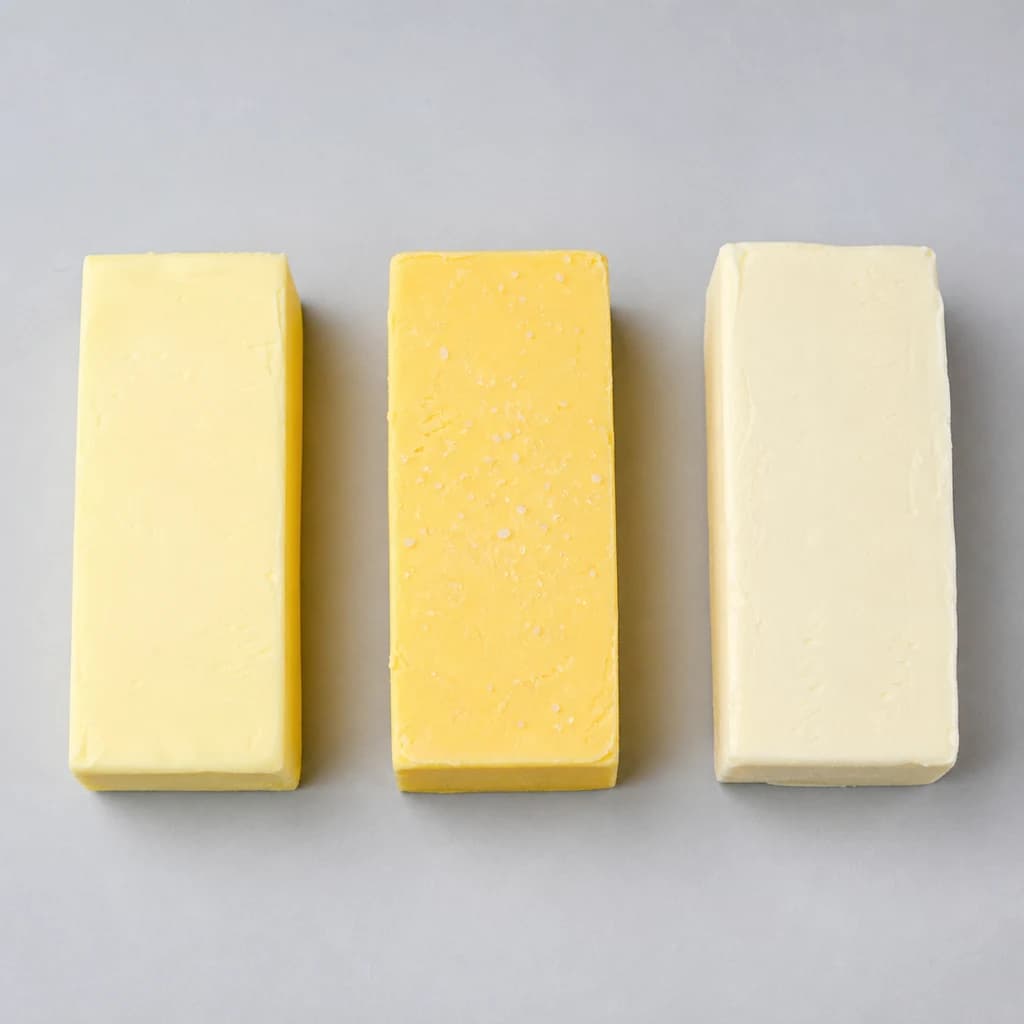
Butter
Golden fat for searing, baking, and finishing a sauce
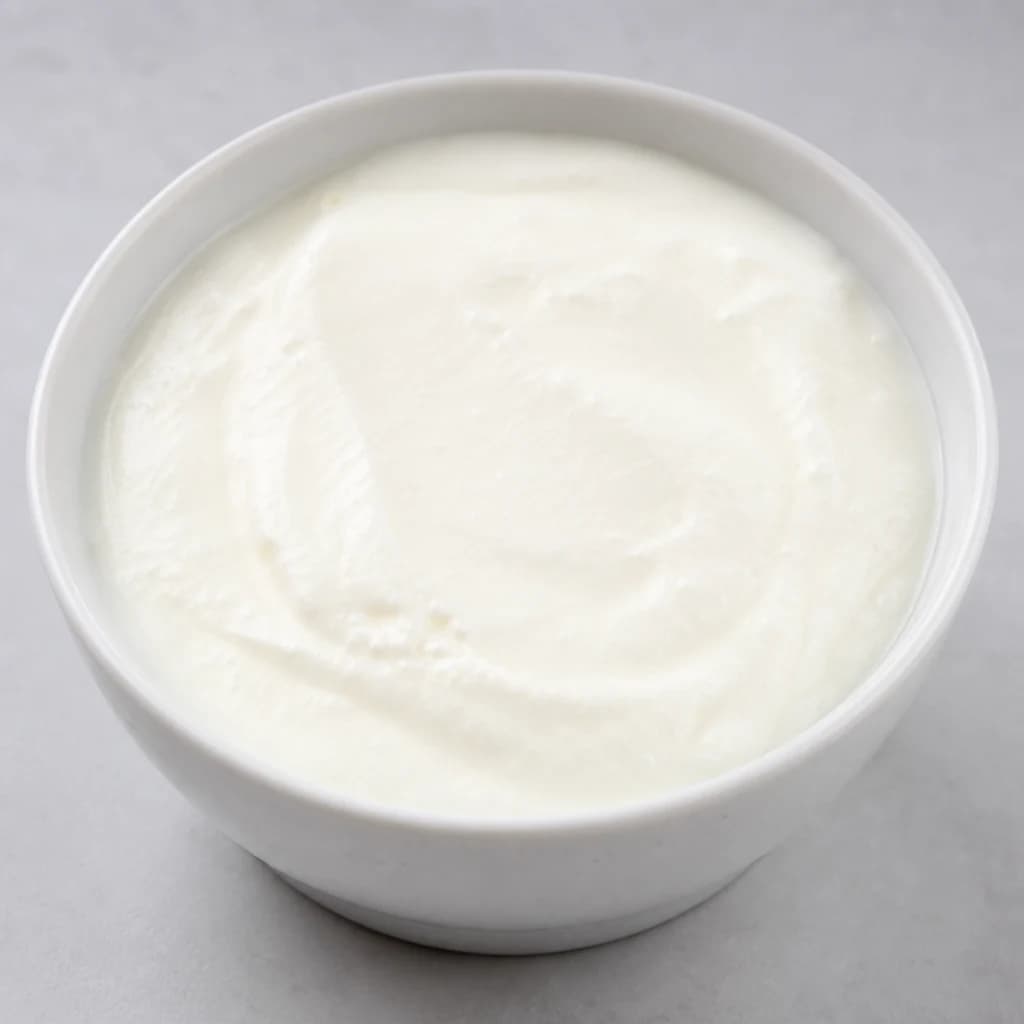
Yogurt
Tangy, creamy culture for breakfast, sauces, and marinades
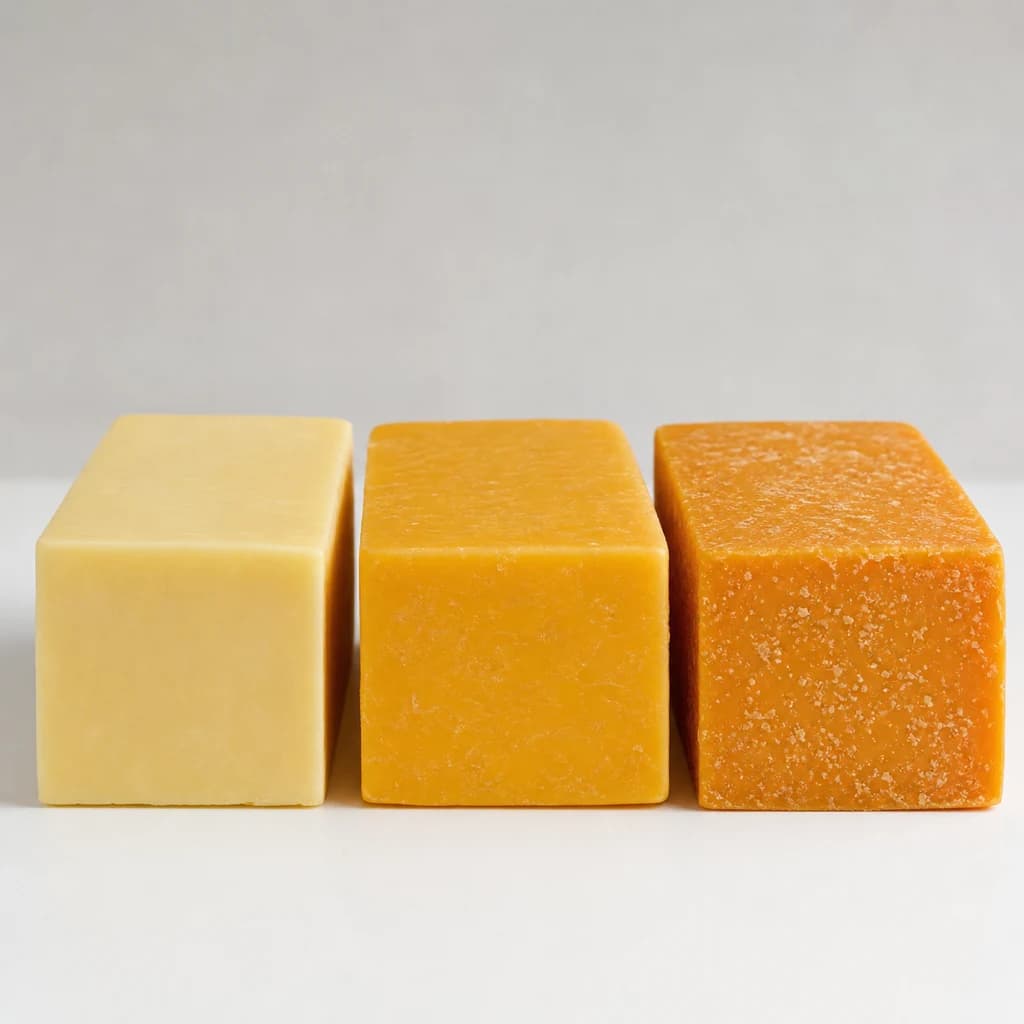
Cheddar Cheese
Sharp, melty cheese for sandwiches, gratins, and grating

Skim Milk
Fat-free milk for lighter drinking, coffee, and cooking
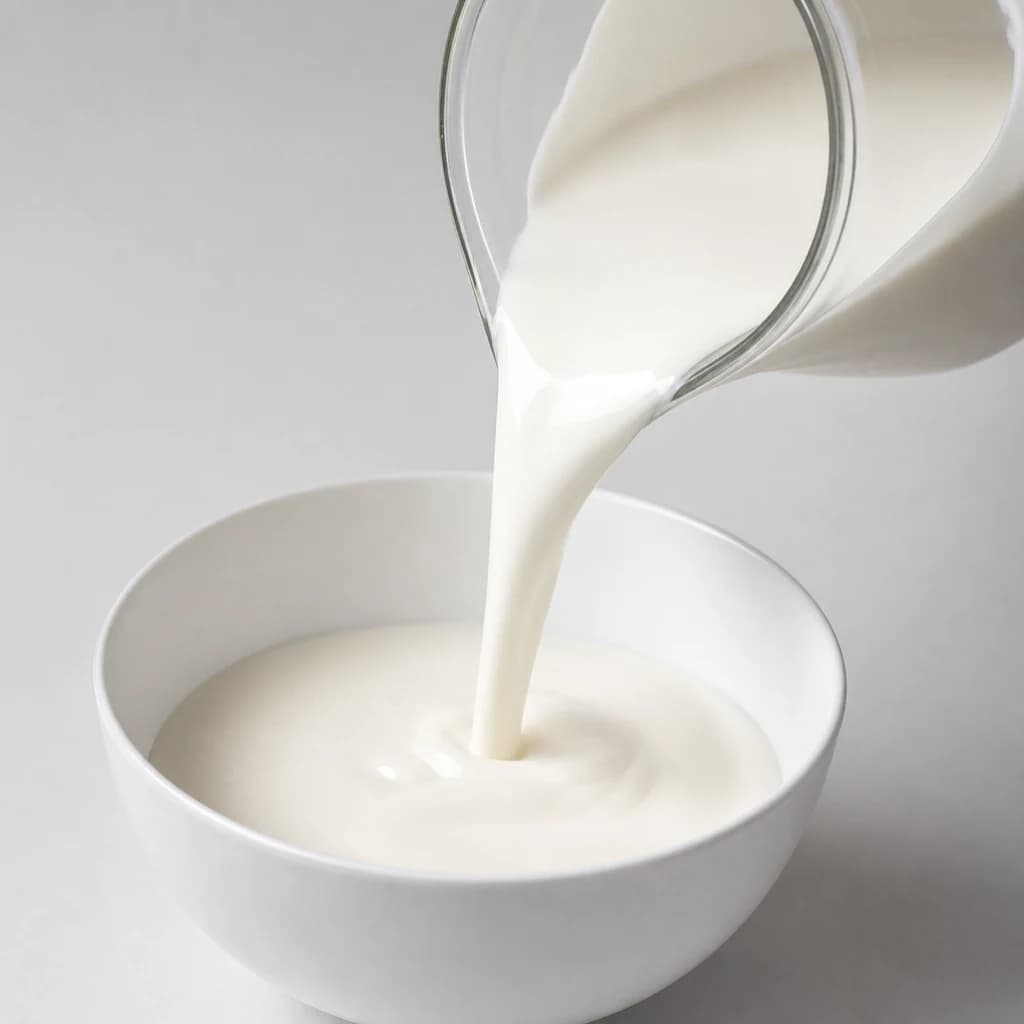
Heavy Cream
Rich cream that whips, enriches sauces, and sets ganache

Sour Cream
Tangy, thick cream for dolloping, baking, and dips
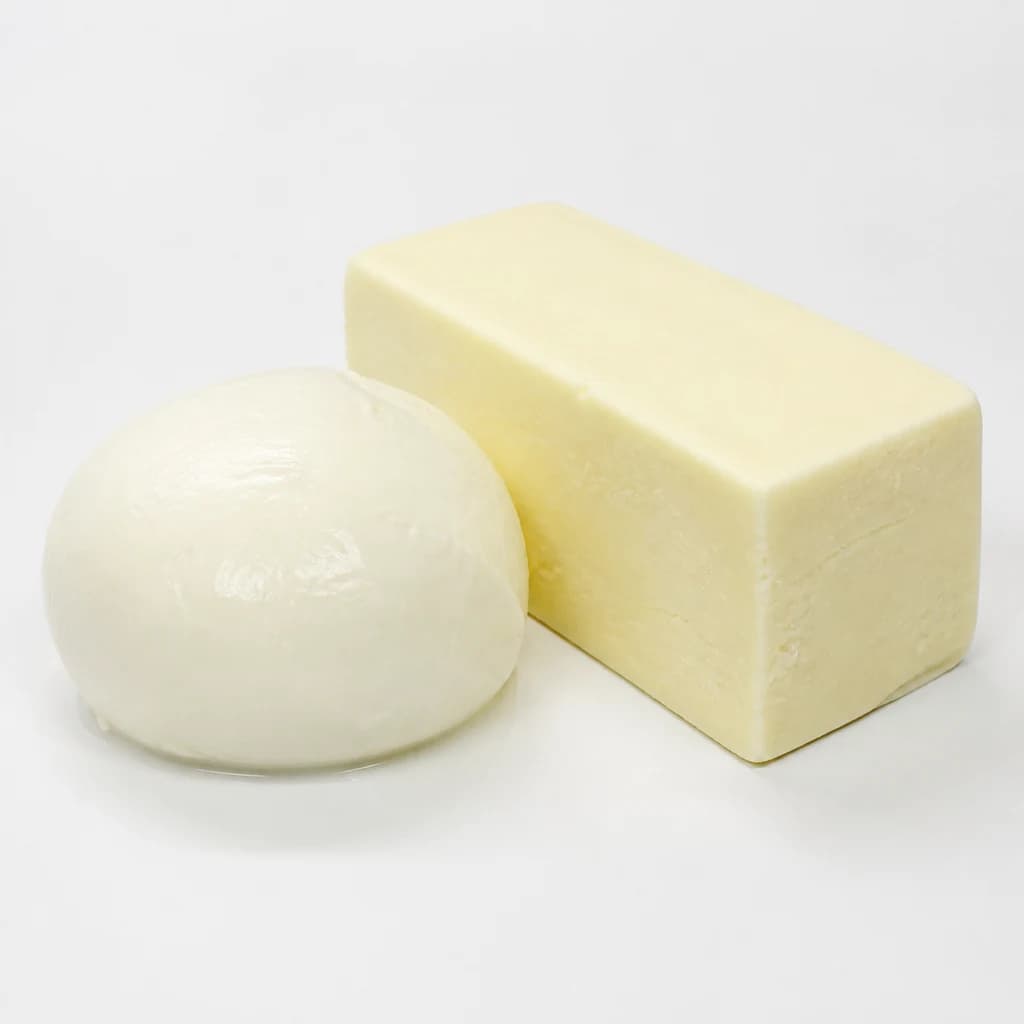
Mozzarella
Soft, milky cheese that melts into stretchy pizza pulls