Grains & Rice
Fermented Cassava
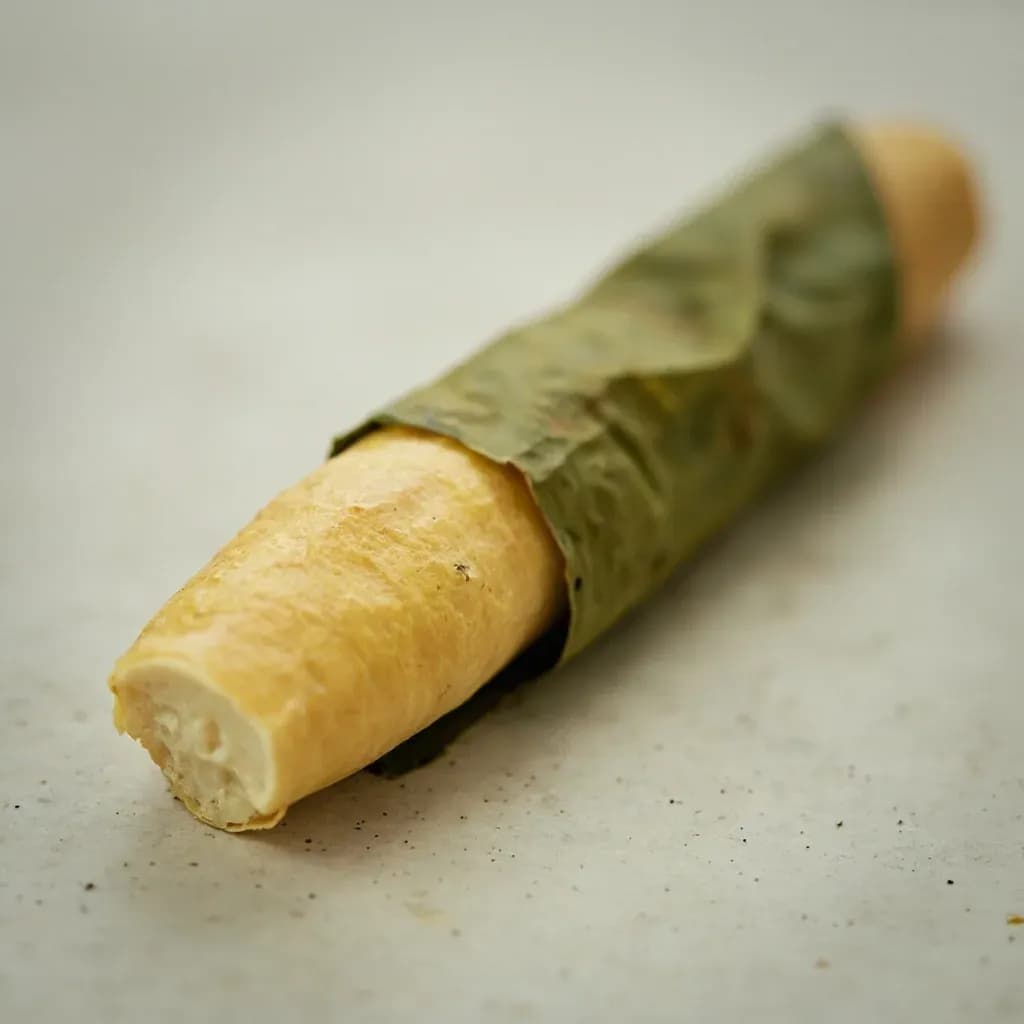
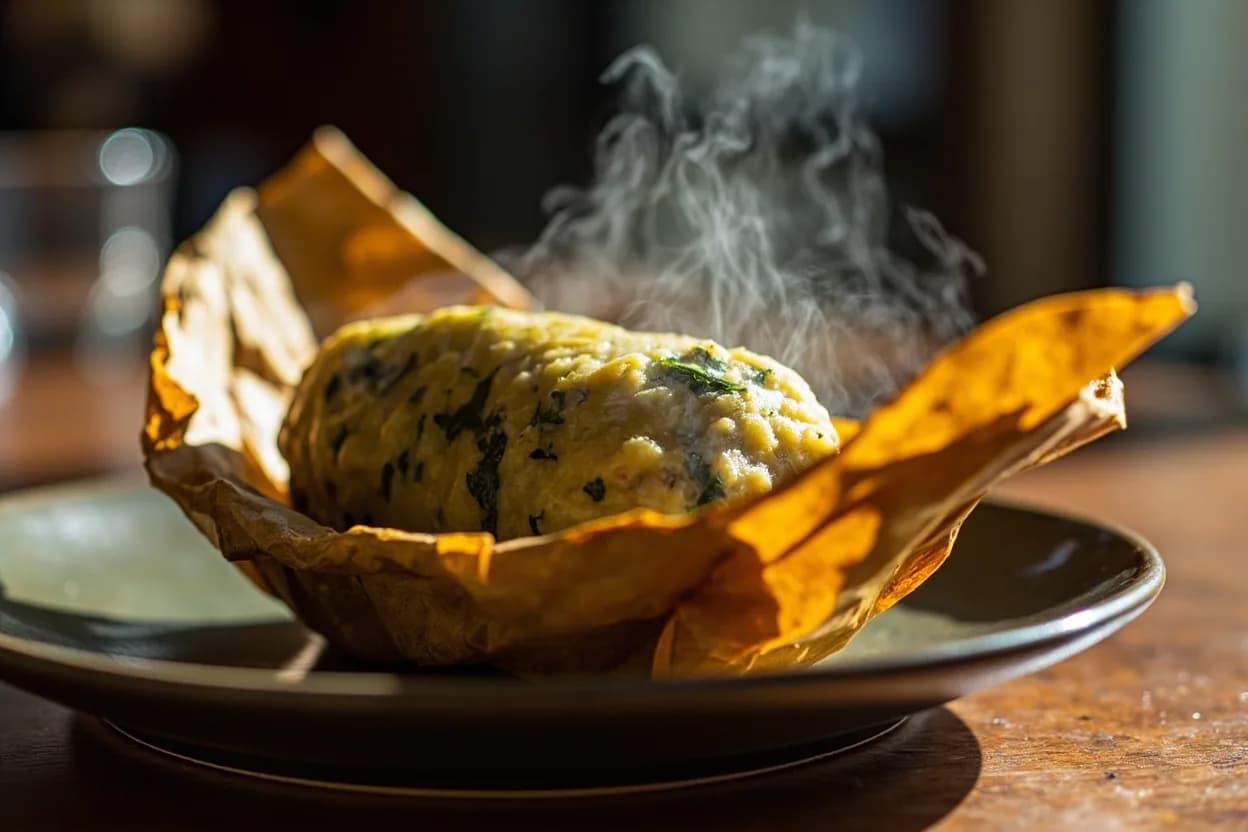
Cassava soaked and fermented into a tangy paste, steamed in leaf-wrapped sticks.
Fermented cassava is cassava root soaked until it ferments and softens, then pounded into a smooth paste. In Central Africa it is wrapped in leaves and steamed into chikwangue or bâton de manioc, a dense, slightly sour staple eaten with stews. Fermentation also reduces natural toxins and develops the characteristic tang.
Fermented cassava is a starchy base ingredient made by soaking peeled cassava roots in water for 2–5 days, allowing wild lactic acid bacteria and the root's own enzymes to transform a dense, mildly sweet tuber into a tangy, cohesive paste with a pronounced sour bite. The process is ancient and geographically widespread, arising independently in West Africa, Southeast Asia, and the Amazon basin as a method of preservation and flavor development. Fermentation does double duty here: it extends the shelf life of a root that otherwise spoils within days, and it creates the characteristic acidity that distinguishes the ingredient from unfermented cassava mash or flour. Because raw cassava contains cyanogenic glycosides—compounds that release cyanide—the fermentation process is not optional; it is the primary safety step that reduces, though does not fully eliminate, these toxins. In West Africa, the fermented paste is pressed, seasoned, and steamed in banana or cassava leaf wrappers to produce dense, tangy sticks or cakes. The flavor is distinctly sour, clean, and slightly alcoholic, with a texture that ranges from smooth and sticky to coarse and granular depending on the variety. Unlike fermented grains or dairy, cassava fermentation is driven by whatever wild organisms happen to colonize the soaking water, making temperature, water quality, and vessel selection critical to a predictable result. Understanding this ingredient means understanding that fermentation is not merely a seasoning step—it fundamentally alters the cassava's chemistry, safety, texture, and culinary personality.
- Measured in
- piece
- Storage
- Fridge
Types & varieties
Fermented, grated, and fried cassava with a granular, crunchy texture; the most widely traded fermented cassava product in West Africa
Dried fermented cassava, typically from bitter cassava varieties; ground into flour or rehydrated for use
Sweet fermented cassava with visible alcohol notes; used in desserts and as a leavening agent
Fully fermented, pounding-ready cassava paste; the sticky, sour dampened mass resulting from extended soaking (3–5 days)
Fermented cassava used in traditional Amazonian dishes
Jamaican flatbread made from fermented and pressed cassava, then fried
How Fermentation Changes Cassava
Raw cassava is a hard, bland, and mildly toxic starch reservoir. Fermentation shifts its character entirely. Within the first 24–48 hours, wild Lactobacillus species from the soaking water and the cassava's own surface begin producing lactic acid, steadily lowering pH and developing that recognizable sourness. Simultaneously, endogenous enzymes in the cassava—particularly linamarase acting on cyanogenic glycosides—begin breaking down toxins as cell walls soften. The root's structure loosens: what began as a dense, fibrous mass becomes progressively more workable, eventually yielding a smooth or coarse paste that presses easily and steams into a cohesive cake or stick. This transformation is temperature-dependent; warm conditions (75–85°F / 24–29°C) accelerate fermentation, while cool water slows it and can allow unwanted organisms to dominate. The fermentation is never uniform—outer layers sour faster than the core—which is why scoring the cassava lengthwise before soaking matters.
- Wild bacteria, not added cultures, drive the fermentation
- Enzymatic activity softens cell walls and produces acidity simultaneously
- Temperature controls fermentation speed and outcome
- Partial fermentation produces inconsistent sourness and texture
Choosing and Sourcing Cassava for Fermentation
Not all cassava is suitable. Two broad categories exist: sweet cassava (lower cyanogenic glycosides, can be eaten after simple cooking) and bitter cassava (higher toxin load, requires rigorous processing). For fermentation, bitter varieties are common and traditional, but sweet cassava can also be used with attention to water changes and fermentation duration. The root must be freshly harvested—old, dried-out cassava will not ferment predictably. In markets across West Africa, cassava sold specifically for fufu or konkee is already partially processed or identified by sellers. Outside these regions, look for firm, unblemished roots with no soft spots or discoloration. Avoid any cassava that smells musty or sour before soaking; this indicates pre-fermentation that has passed its peak. When in doubt, consult a seller about the variety's intended use.
- Bitter cassava requires longer fermentation for toxin reduction
- Sweet cassava is safer but ferments with less complexity
- Freshness matters—old roots ferment unpredictably
- Seek supplier guidance if unfamiliar with cassava varieties
Common uses
Tips & pitfalls
- Score the cassava lengthwise before soaking to allow fermentation liquids to penetrate the dense root more quickly
- Ensure the cassava is fully submerged underwater during fermentation—any exposed pieces will mold rather than ferment safely
- Change the soaking water once at the 24-hour mark for a cleaner, less murky ferment with more predictable sourness
- Test doneness after steaming by inserting a thin skewer; it should come out clean with no starchy resistance
- Press the fermented paste firmly before steaming to remove excess liquid—this prevents a waterlogged final product and improves texture
- Do not confuse fermented cassava paste with unfermented fresh cassava mash; the latter lacks the characteristic tang and will not steam into the same dense, cohesive texture
- If the ferment develops off-colors (gray, black) or foul odors beyond sourness, discard—the fermentation has turned to spoilage
- In warm climates, fermentation may complete in 2 days; in cooler conditions allow up to 5 days and check daily
Nutrition
Energy
669 kJ · per 100 g
Where the calories come from
Protein
1.4g
3% DV
Carbs
38.1g
14% DV
Fat
0.3g
0% DV
Fiber
1.8g
6% DV
Sugars
1.7g
of which
Sodium
14mg
1% DV
Source · USDA FoodData Central · Cassava, raw
View on FDC →In the shops
Matched grocery products
No matched grocery products for Fermented Cassava yet.
Good to know
- Scientific name
- Manihot esculenta
- Processing time
- 2–5 days of soaking fermentation
- pH when fully fermented
- 4.0–4.5 (measured acidity)
- Key flavor compound
- Lactic acid from natural wild fermentation
- Toxin concern
- Cyanogenic glycosides reduced but not eliminated by fermentation—proper sourcing is essential
- Primary regions
- West Africa, Southeast Asia, Amazon basin
- Form
- Pasty or grated wet mass; often leaf-wrapped for steaming
- Shelf life
- 2–3 days fresh; weeks if dried as gaplek or garri base
- Equipment needed
- Large clay or plastic vessel, weights for pressing, banana or cassava leaves for wrapping
- Traditional vessel
- In West Africa, the mudu (calabash-like container) or pits lined with leaves
Substitutes
- Fresh cassava mash with lime juice — Adds acidity but lacks the depth and complexity of true fermentation; use 1 tbsp lime juice per 500g mash
- Taro paste (fermented) — Similar starchy backbone and fermentation tang; harder to source outside specialty markets
- Sour cassava starch — Provides the acidic note but not the bulk texture; best used as a supplement rather than 1:1 replacement
- Packaged cassava flour (tapioca) — Not fermented; lacks the tang; acceptable only for textural similarity in baked applications
Pairs with
Also called
Chikwangue · Fermented Cassava Stick · Bâton de Manioc
Appears in these dishes
Related

White Rice
Fluffy long-grain rice — the neutral base for almost any meal

White Bread
Soft sandwich loaf for toast, sandwiches, and crumbs
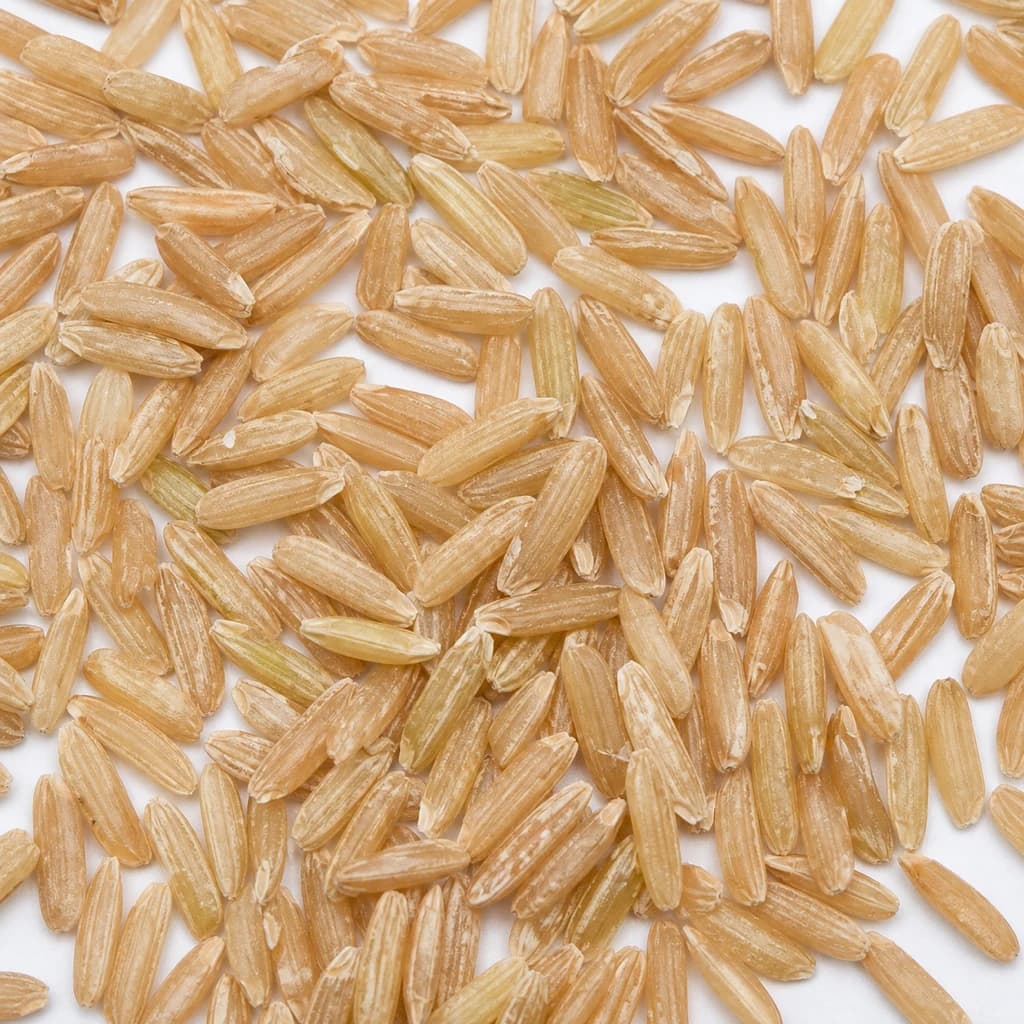
Brown Rice
Nutty, whole-grain rice with chew and extra fiber

Basmati Rice
Fragrant, long-grain rice that cooks up light and separate
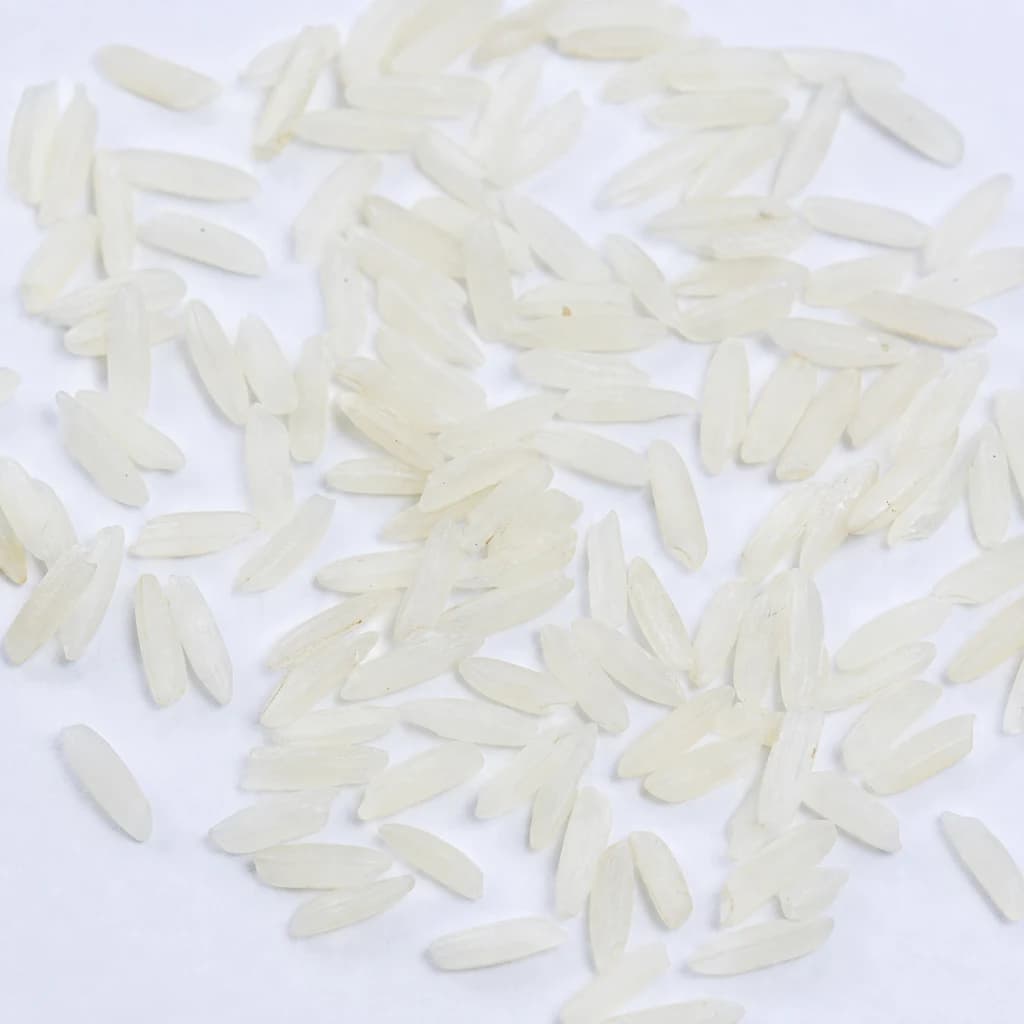
Jasmine Rice
Soft, floral-scented rice that's the pillar of Thai meals
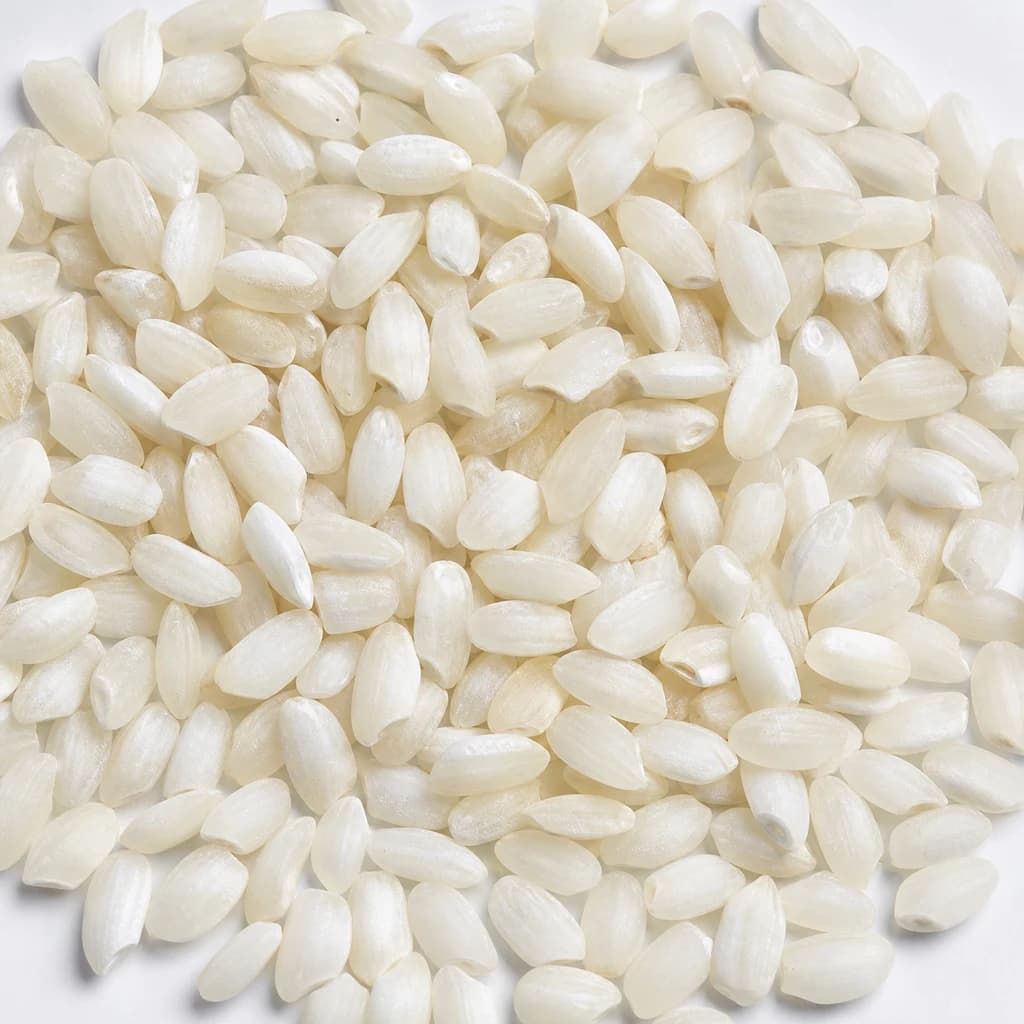
Arborio Rice
Plump, starchy rice that makes risotto creamy
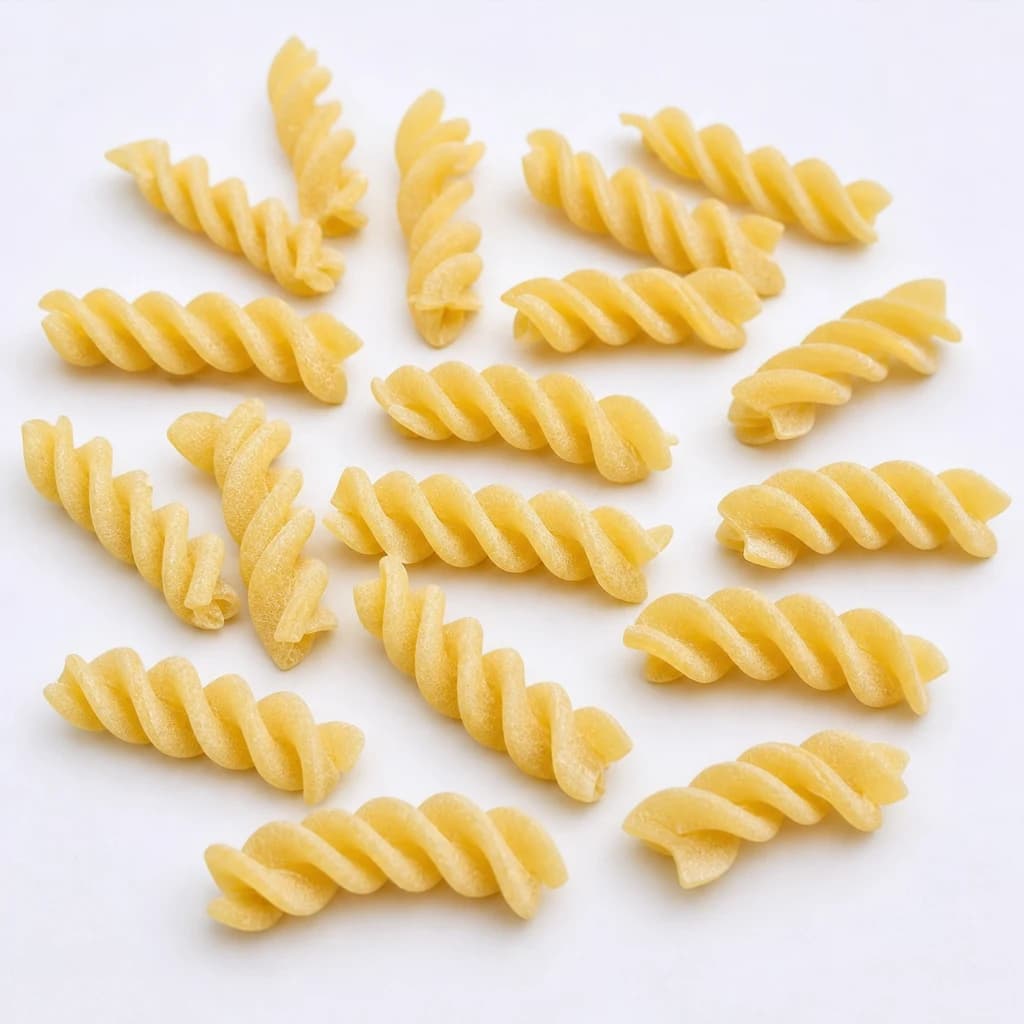
Fusilli
Spiraled pasta that twirls up sauce and dresses cold salads
Rolled Oats
Hearty flakes for porridge, granola, and chewy cookies