Grains & Rice
Fonio
Tiny, fast-cooking West African grain, gluten-free with a light, fluffy, nutty bite.
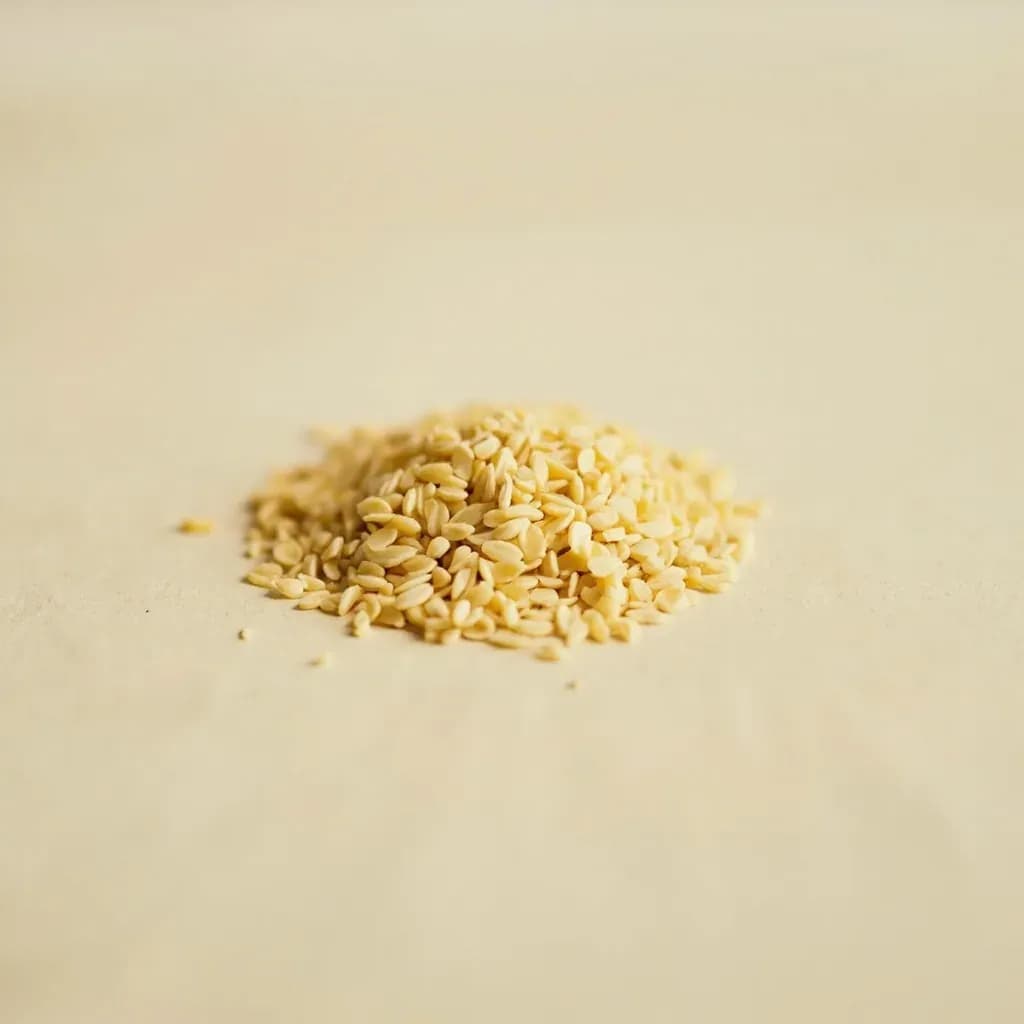
Fonio is an ancient West African cereal with extremely small grains, cooked much like couscous or quinoa in just a few minutes. It is steamed as a fluffy side, made into porridge, and used in salads, especially across Senegal, Guinea, and Mali. Naturally gluten-free, it has a delicate, nutty, slightly earthy flavor.
Fonio is one of Africa's oldest cultivated grains, a tiny millet relative (Digitaria exilis and Digitaria iburua) grown primarily across the Sahel and Guinea savanna regions of Mali, Burkina Faso, Guinea, Nigeria, and Senegal. Its extraordinary speed to maturity—as little as 60 days—has made it a critical hunger-gap crop for millennia, ripening when other cereals are still weeks from harvest. Despite its ancient heritage and impressive nutrition, fonio remains little known internationally because its processing is labor-intensive: the grains measure only 1–1.5 mm, smaller than most millets, and require thorough washing to remove fine husks and bitter saponins before cooking.
Once prepared, fonio produces a uniquely light, fluffy, separated texture unlike almost any other grain—closer to perfectly made couscous than to rice or quinoa. Its mild, nutty character makes it a versatile canvas, while its amino acid profile sets it apart: unusually rich in methionine and cysteine, it offers a more complete plant protein than most cereals. White fonio, the most common variety, has a gentler flavor and requires less processing than black fonio, which carries more bitter compounds and a deeper, nuttier taste.
In West African kitchens, fonio appears at breakfast tables as porridge, beside groundnut soup at lunch, and stuffed into vegetables at dinner. Its quick cooking time and high yield (1 cup dry yields roughly 3 cups cooked) make it practical, while its gluten-free status and protein density have drawn growing international interest as a nutritious alternative to conventional grains.
- Measured in
- g
- Storage
- Pantry
Types & varieties
Most widely cultivated; milder flavor, easier to process; the type most commonly available internationally
Grown primarily in Nigeria, Cameroon, and parts of West Africa; more bitter compounds requiring extensive soaking; nuttier, more robust flavor
The Processing Challenge
Traditional fonio processing is why the grain remains relatively unknown globally. Women often spend considerable time rinsing and winnowing the tiny grains to remove fine husks and bitter saponins. Modern washed varieties from reputable suppliers require only 1–2 rinses, making fonio practical for any kitchen. Black fonio demands more attention: soak it for several hours or overnight before cooking to reduce bitterness significantly.
- Pre-washed fonio: rinse 1–2 times until water runs clear
- Raw fonio: rinse 3–5 times with fresh water, or soak for several hours
- Black fonio always requires extended soaking before cooking
How Fonio Behaves When Cooked
Unlike rice, which stays discrete, or oats, which become creamy, properly cooked fonio lightens and separates into individual grains with a fluffy, almost couscous-like quality. This texture emerges only when cooking is stopped at the right moment and the grain is fluffed immediately. Overcooking collapses this delicate structure into a gummy mass. Fonio also cooks faster than expected because of its small size: watch the pot closely once water is added, as it can go from perfect to overdone in under two minutes.
- Cook only until water is absorbed and grains are just tender
- Fluff immediately with a fork—never let it sit undisturbed in the pot
- Use the same day; reheated fonio toughens and clumps
Common uses
Tips & pitfalls
- Rinse thoroughly to remove dust, sand, and bitter saponins—pre-washed varieties need less; black fonio requires extended soaking
- Toast dry fonio in a dry pan for 2–3 minutes before cooking to deepen its nutty flavor
- Use 1.5–2 cups liquid per 1 cup fonio; it absorbs quickly and cooks in 5–8 minutes
- Do not overcook—remove from heat as soon as water is absorbed and grains are tender
- Fluff immediately with a fork to maintain the light, separated texture
- Use fonio the same day it is cooked; it toughens and clumps when reheated
- Store raw fonio in an airtight container away from heat and direct sunlight
- When baking with fonio flour, combine with other gluten-free flours for better structure; fonio lacks binding proteins
Nutrition
Nutrition
No USDA FoodData Central match for Fonio yet. We surface a per-100 g profile once a generic whole-food entry is matched and verified.
In the shops
Matched grocery products
No matched grocery products for Fonio yet.
Good to know
- Origin
- West Africa (Mali, Burkina Faso, Guinea, Nigeria, Senegal)
- Scientific Name
- Digitaria exilis (white); Digitaria iburua (black)
- Type
- Ancient grain, millet family (gluten-free)
- Grain Size
- 1–1.5 mm; among the smallest cultivated grains
- Cooking Time
- 5–10 minutes (whole grain)
- Protein Content
- 8–11%; notably rich in methionine and cysteine
- Yield
- 1 cup dry yields approximately 3 cups cooked
- Shelf Life
- 12+ months stored airtight in cool, dry place
Substitutes
- Couscous — Closest texture; use 1:1 ratio but couscous requires only steeping in hot water, not cooking
- Millet (hulled) — Comparable nutty flavor and quick cooking time; rinse well; slightly larger grain
- Quinoa — Gluten-free alternative with similar speed; flakier texture; rinse to remove bitterness
- Basmati Rice — For a neutral-flavored grain side; requires longer cooking (18–20 minutes); different texture
Pairs with
Also called
Findi · Acha
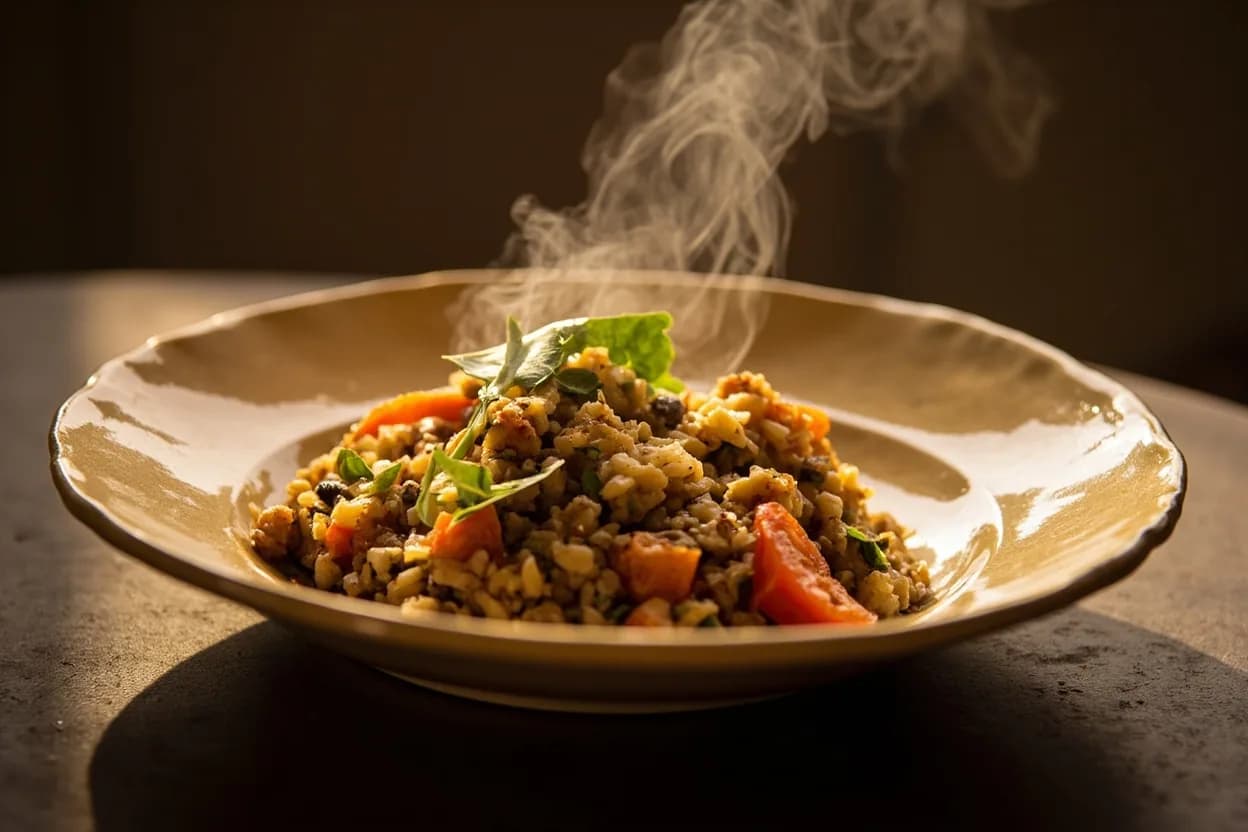
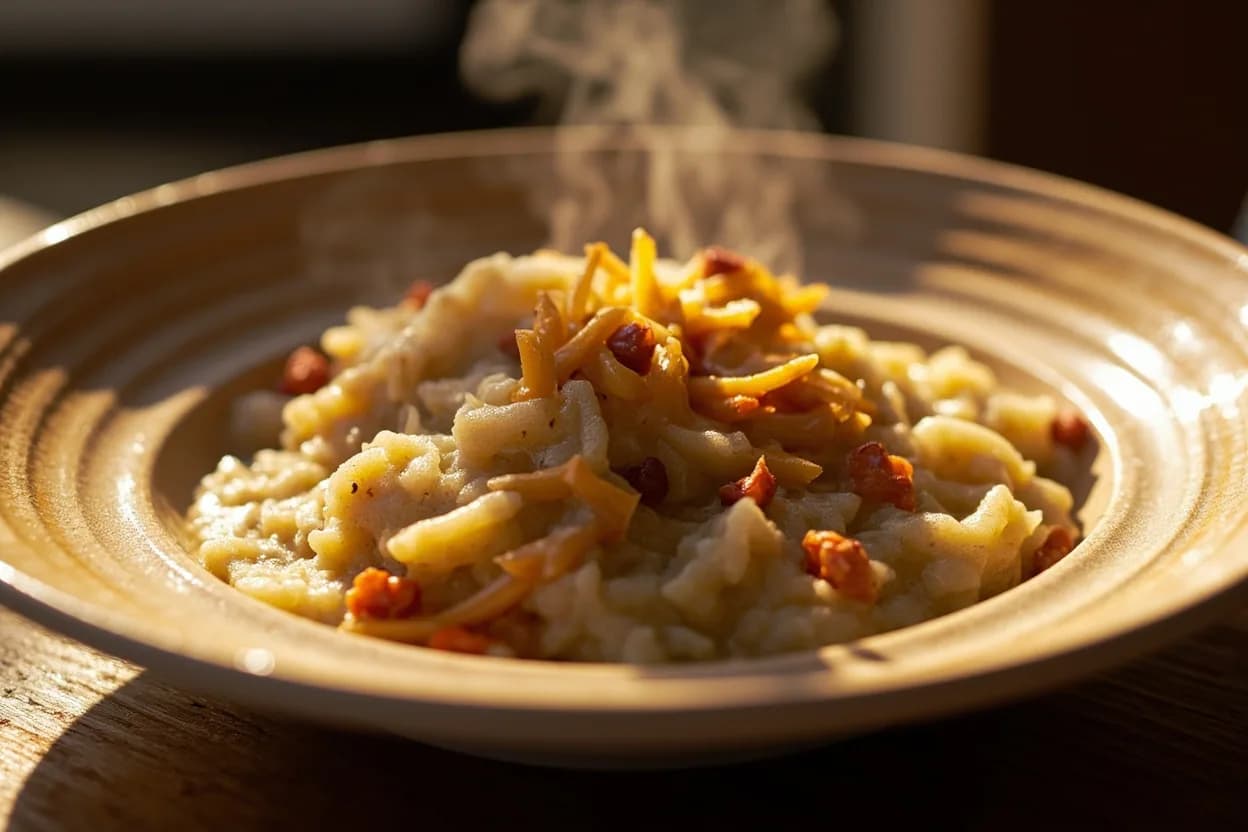
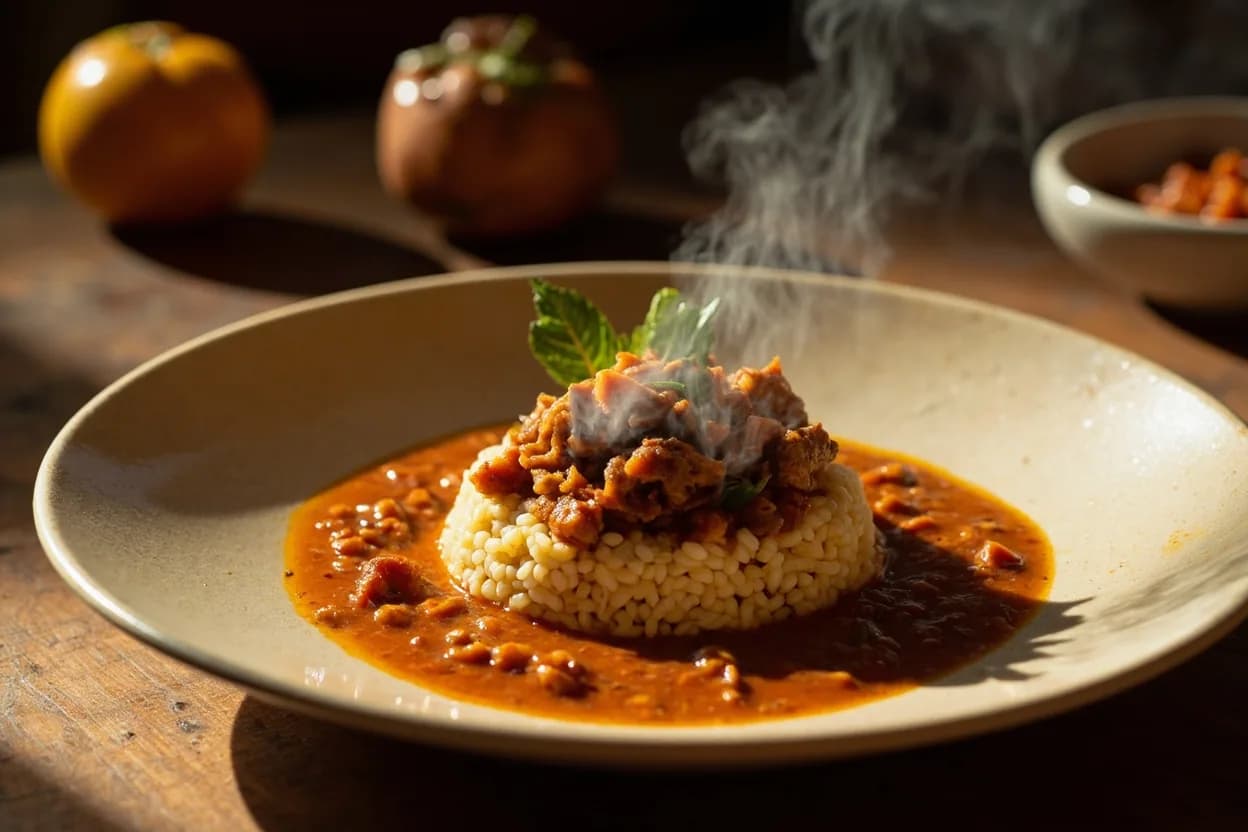
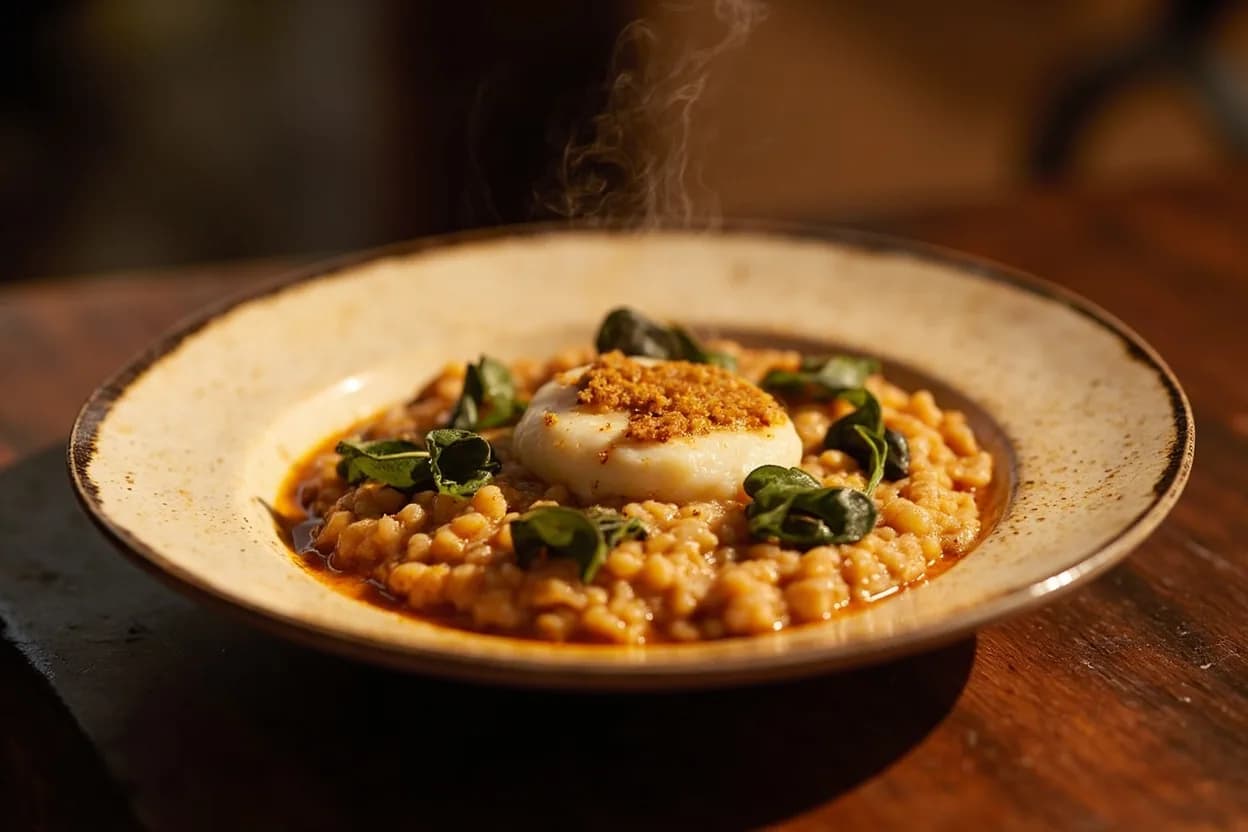
Appears in these dishes
Related

White Rice
Fluffy long-grain rice — the neutral base for almost any meal

White Bread
Soft sandwich loaf for toast, sandwiches, and crumbs
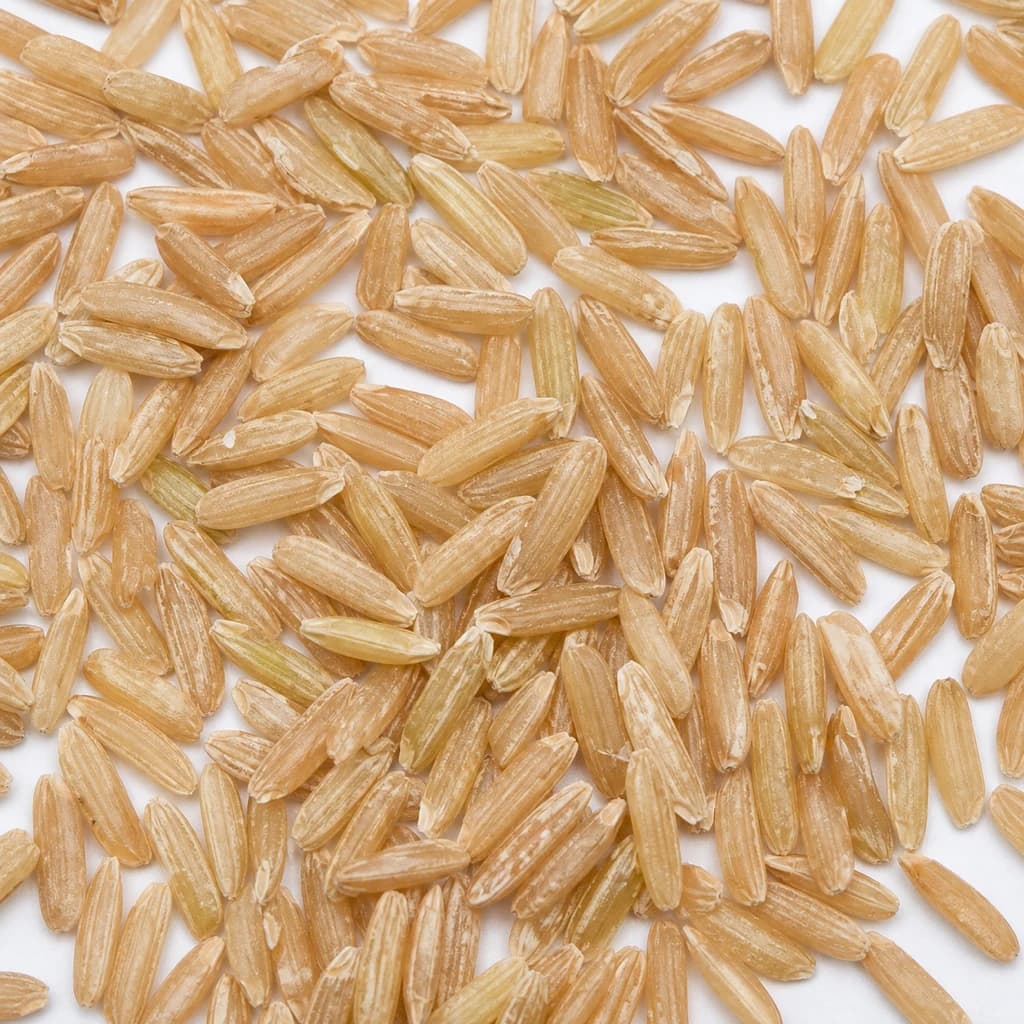
Brown Rice
Nutty, whole-grain rice with chew and extra fiber

Basmati Rice
Fragrant, long-grain rice that cooks up light and separate
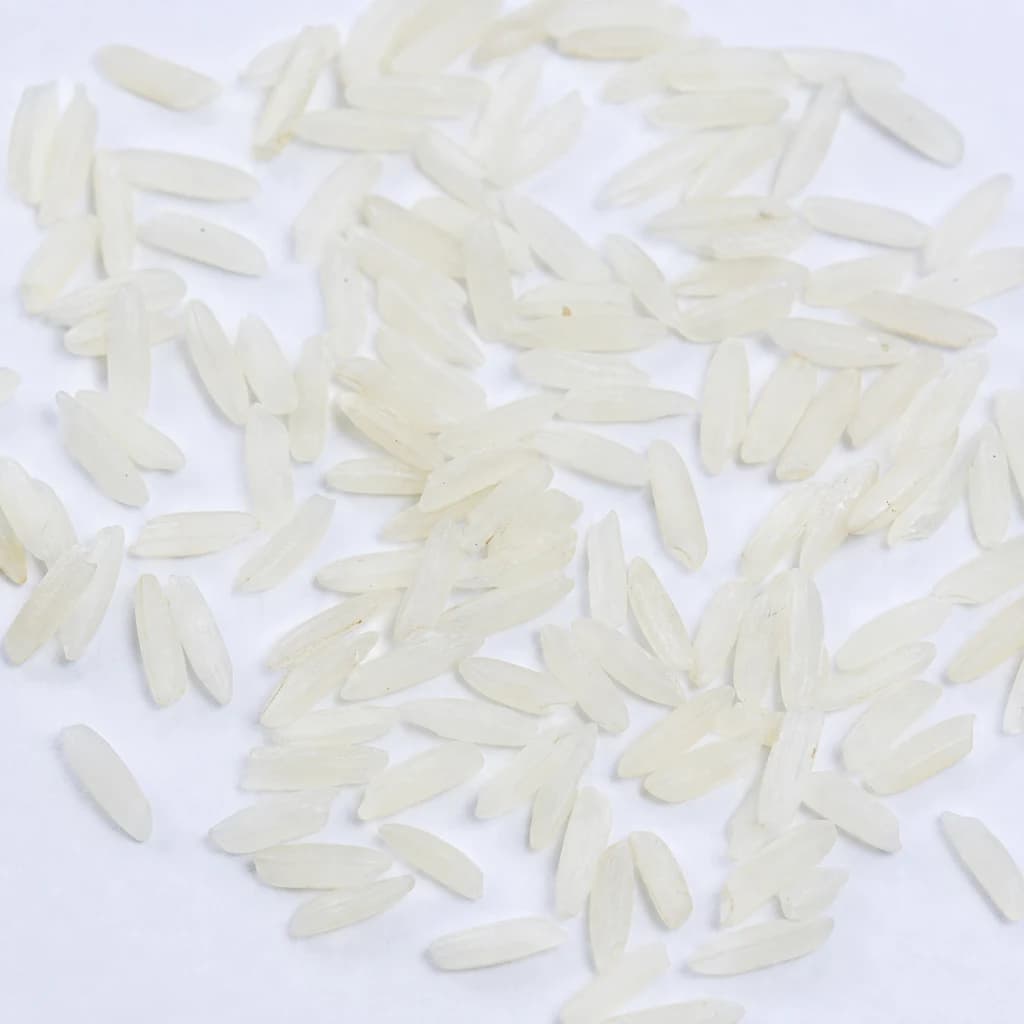
Jasmine Rice
Soft, floral-scented rice that's the pillar of Thai meals
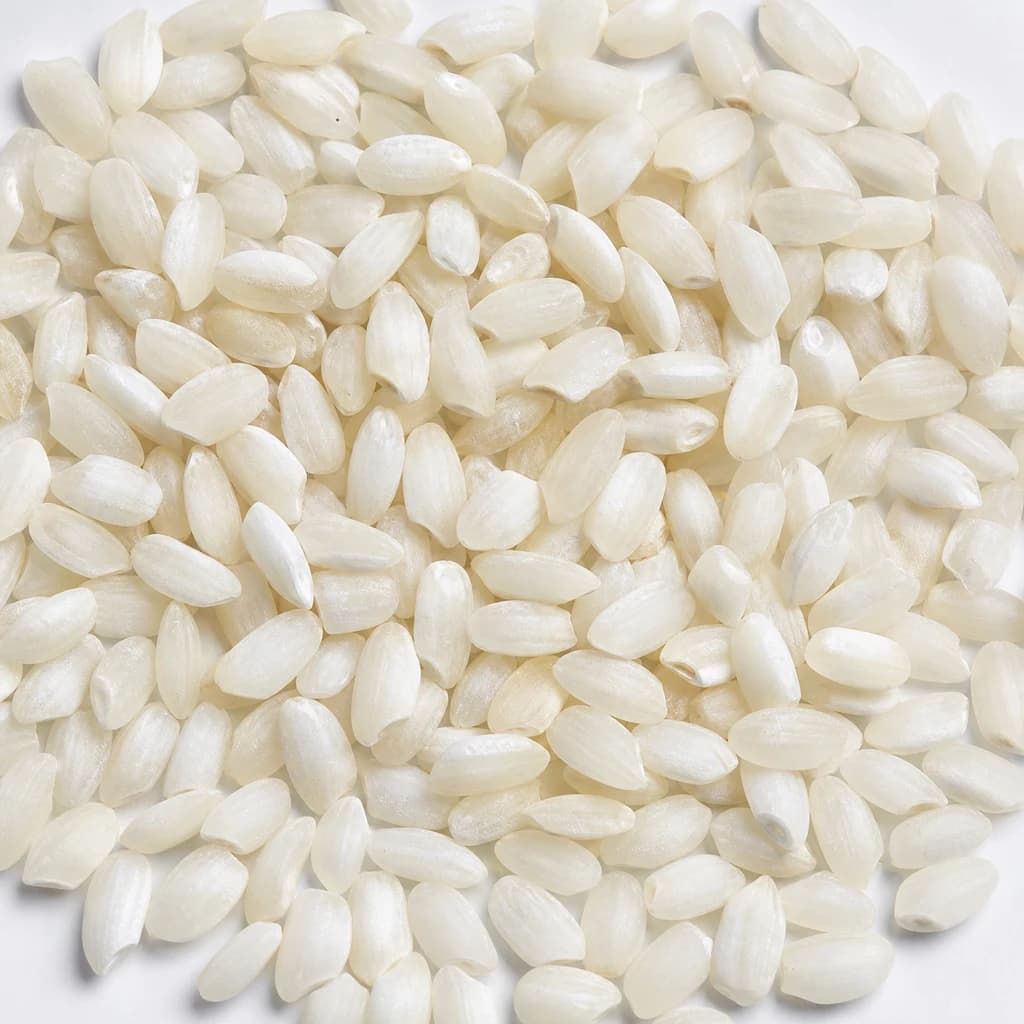
Arborio Rice
Plump, starchy rice that makes risotto creamy
Fusilli
Spiraled pasta that twirls up sauce and dresses cold salads
Rolled Oats
Hearty flakes for porridge, granola, and chewy cookies