
Stored
Frozen cut green beans tumble from a bag onto a wooden surface, showing their icy, vivid green form.
Shows the product exactly as a shopper encounters it — loose frozen pieces with ice crystals and retained green color — teaching the storage form at a glance.
Produce
Frozen Cut Green Bean
Pre-cut green beans blanched and frozen for quick sides, casseroles, and soups.
Frozen cut green beans are fresh green beans trimmed, chopped, blanched, and frozen for long storage. They cook quickly from frozen by boiling, steaming, or sauteing and are a go-to for casseroles, soups, and weeknight sides. The blanching before freezing locks in color and helps retain texture and nutrients.
Frozen cut green beans are a convenience product that begins as fresh beans harvested at peak season. The process is deliberate: beans are washed, trimmed, cut to 1–2 inch pieces, then blanched in boiling water for 2–4 minutes. This blanching step is essential—it deactivates enzymes that would otherwise cause discoloration, texture breakdown, and flavor loss during frozen storage. The beans are then rapidly cooled in ice water and flash-frozen. Because they arrive already par-cooked, frozen cut beans behave differently than fresh: they need significantly less heat to reach tenderness and will turn soft, dull, and waterlogged if overcooked. This makes them ideal for weeknight cooking, but they demand more careful timing than fresh beans. Quality varies by brand; look for bright, vibrant green color and avoid packages with frost burn—those dry, whitish patches indicate freezer damage and will yield inferior texture.
- Measured in
- g
- Storage
- Freezer
Types & varieties
1–2 inch straight cuts, most common variety
Bias-cut or diagonally sliced pieces; thinner, more elegant appearance
Pre-blended vegetable mixes; convenient for specific dishes but less versatile
Why Frozen Beans Can Taste Different
Frozen cut green beans are blanched before freezing, which means they carry a slightly different flavor profile than raw fresh beans. Some cooks find them milder; others notice a subtle cooked flavor. The key to overcoming any perceived blandness is seasoning generously with salt, fat, and a finishing touch of acid. Because they're already partially cooked, frozen beans also lack the bright, vegetal intensity of truly fresh beans from a farmers market. For most weeknight purposes, the difference is negligible—and the convenience far outweighs it.
- Plain frozen beans have negligible sodium; check the label for added salt
- Season well with salt and fat to build flavor
- A squeeze of lemon or vinegar at the end brightens the flavor significantly
Cooking Methods Compared
Frozen cut beans perform well across most cooking methods, but timing and technique differ from fresh. Direct-from-frozen is usually best for texture; thawing first leads to water absorption and mushy results in wet cooking methods. For a crisp, caramelized result, spread thawed and dried beans on a sheet pan, toss with oil, and roast at high heat. For soups, add beans only in the last 10–15 minutes of cooking—boiling them for the full duration will turn them to mush.
- Sautéing from frozen: 5–8 minutes over medium-high heat, do not crowd the pan
- Steaming from frozen: 4–6 minutes until bright and tender-crisp
- Roasting thawed beans: 12–15 minutes at 450°F, spread in single layer
- Soup addition: last 10–15 minutes only
Common uses
Tips & pitfalls
- Do not overcook: frozen beans are already par-cooked and will turn mushy faster than fresh
- Add directly from freezer to pot or pan without thawing for best texture in most dishes
- Season generously: blanched frozen beans can taste blander than fresh, so season well with salt, fat, and acid
- For crispy texture: spread thawed and dried beans on a sheet pan, toss with oil, and roast at 450°F for 12–15 minutes
- Avoid double-cooking: if adding to soup, cook only until tender in the soup itself rather than blanching then adding
- Pat dry after thawing if sautéing to prevent steaming and ensure browning
- Add acid (lemon, vinegar) only at the end; early acid can make beans dull and gray
Nutrition
Energy
130 kJ · per 100 g
Where the calories come from
Protein
1.8g
4% DV
Carbs
7g
3% DV
Fat
0.2g
0% DV
Fiber
2.7g
10% DV
Sugars
3.3g
of which
Sodium
6mg
0% DV
Source · USDA FoodData Central · Beans, snap, green, raw
View on FDC →In the shops
Matched grocery products
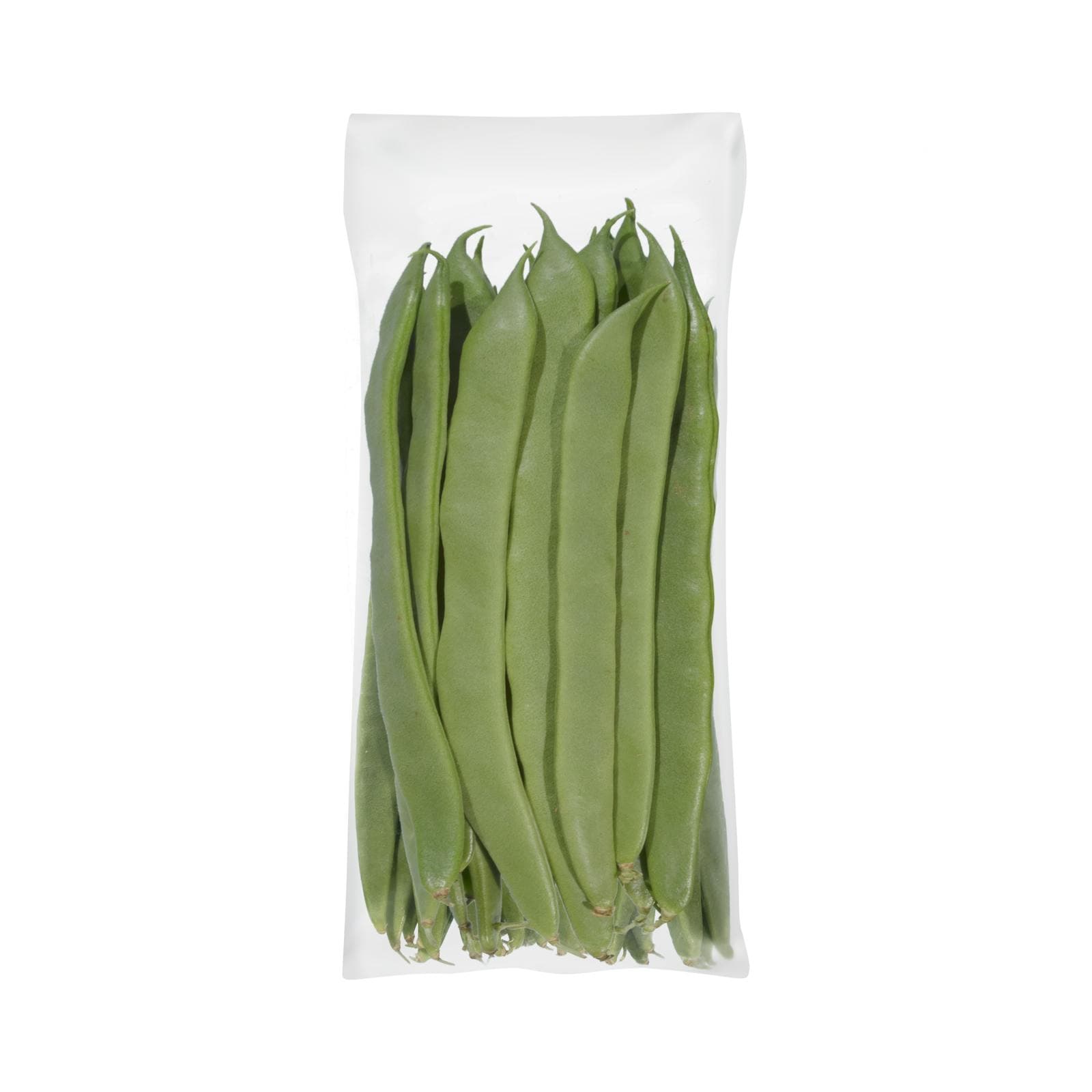 €1.70
€1.70Flat Green Bean
350 g · Mercadona
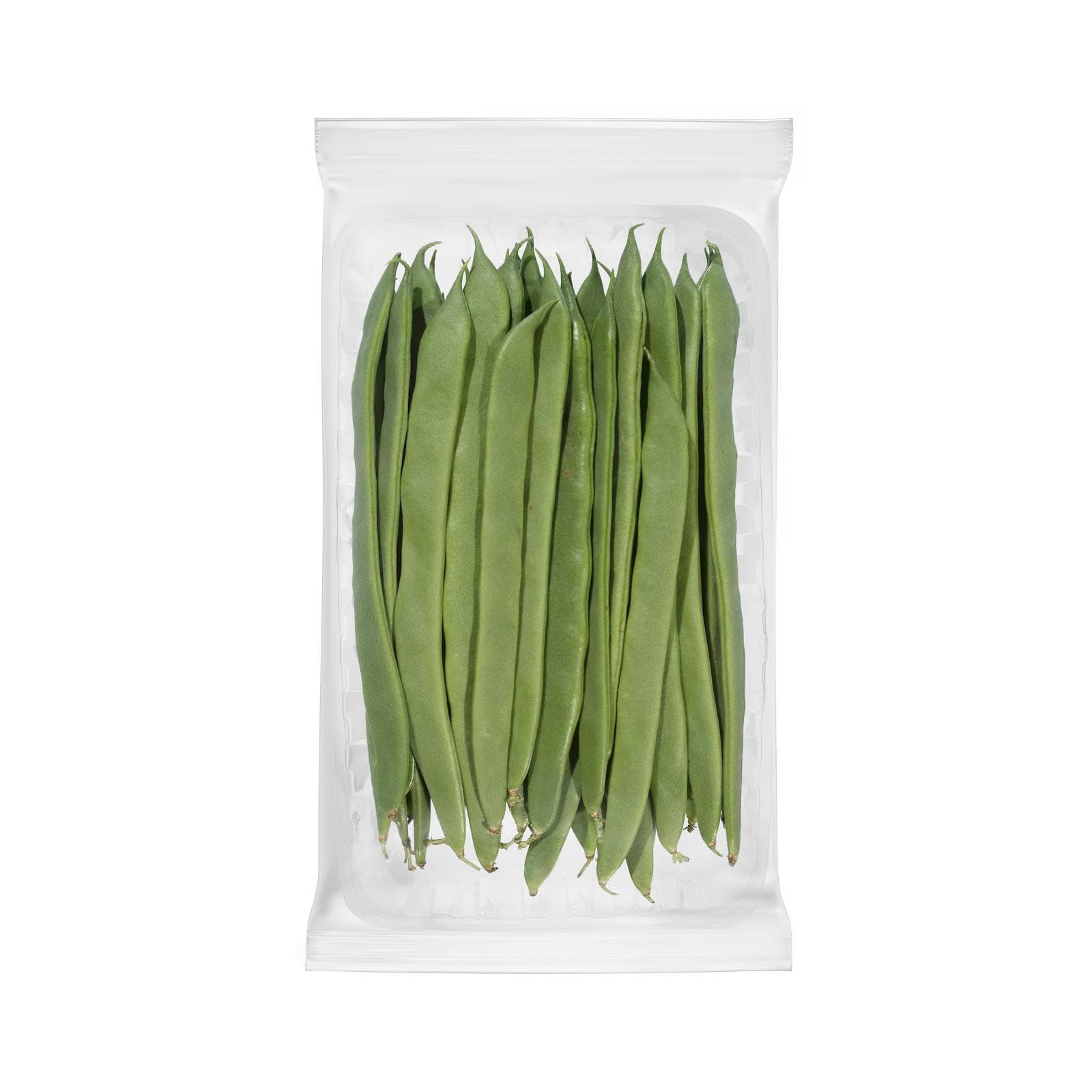 €2.95
€2.95Flat Green Beans
750 g · Mercadona
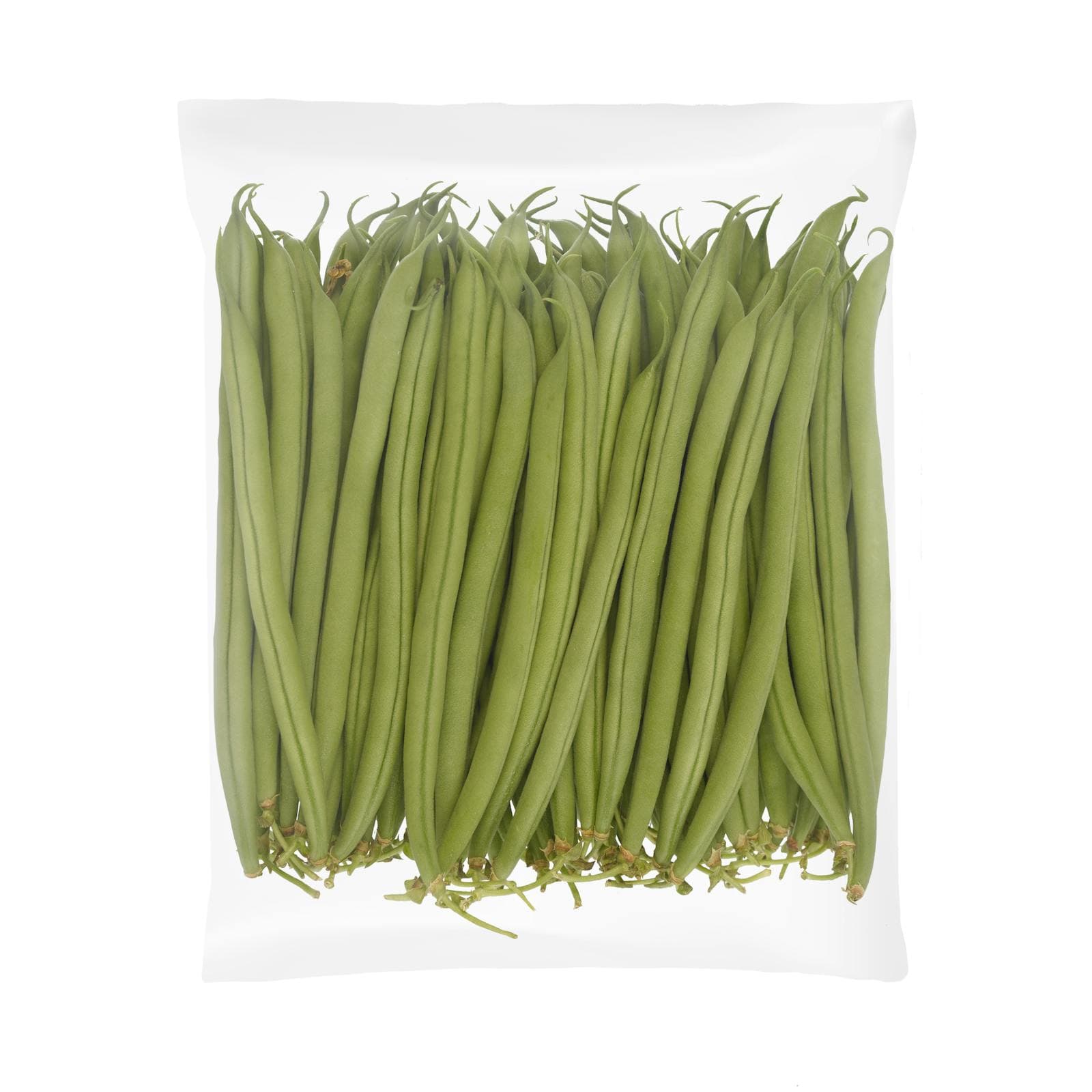 €2.80
€2.80Round Green Bean
500 g · Mercadona
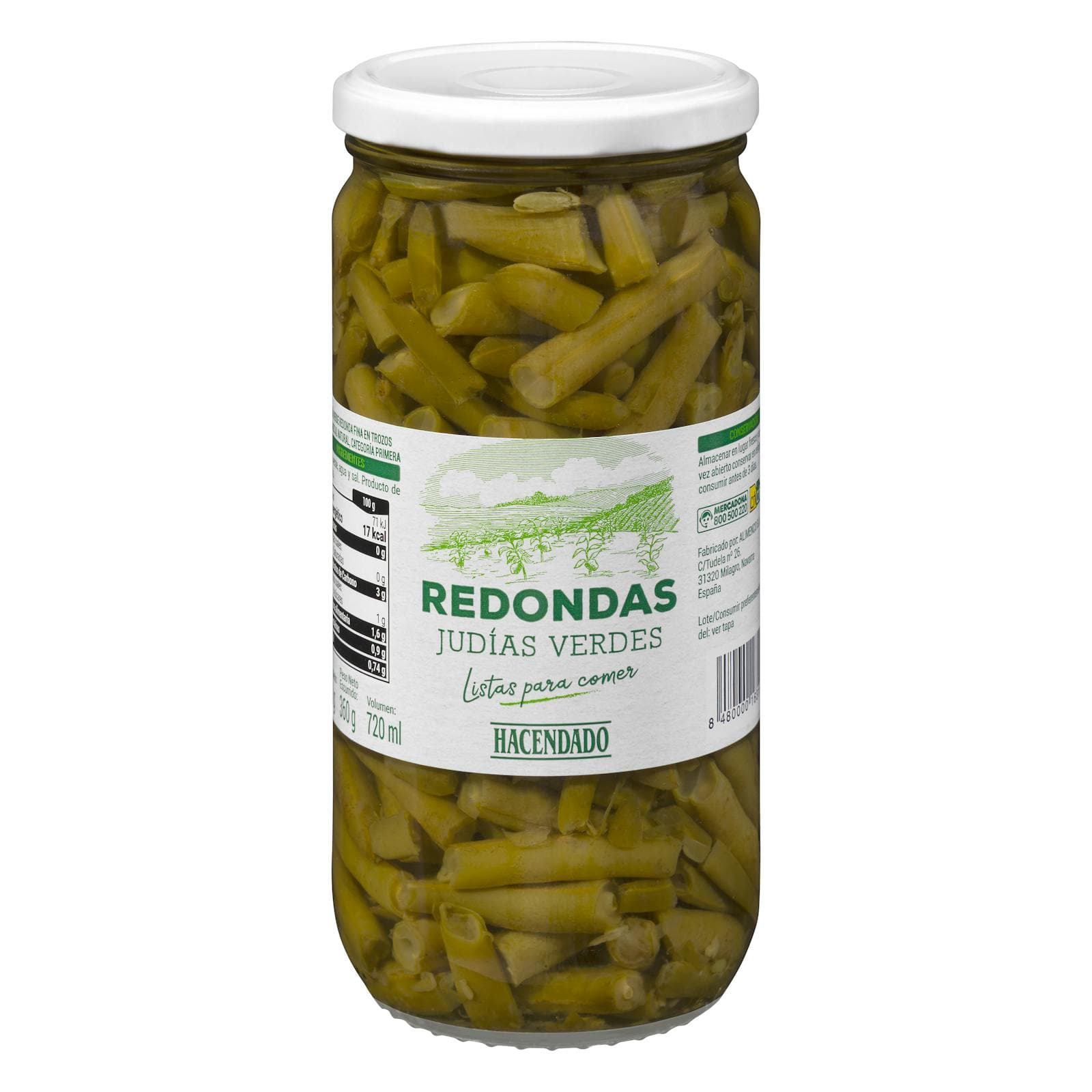 €1.20
€1.20Round Green Beans
Hacendado · 660 g · Mercadona
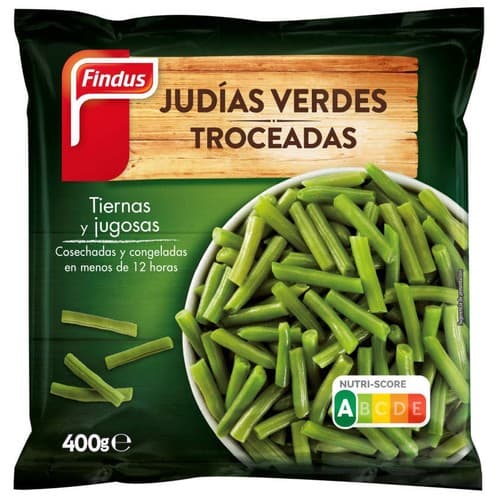 €2.89
€2.89Green Beans, Chopped
FINDUS · kg · Bonpreu
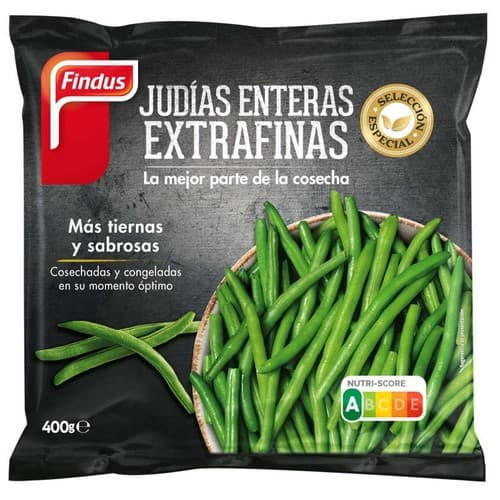 €3.99
€3.99Fine Whole Green Beans
FINDUS · kg · Bonpreu
Good to know
- Cut length
- Typically 1–2 inches (2.5–5 cm)
- Blanch time
- 2–4 minutes in boiling water before freezing to inactivate enzymes and set color
- Freezer life
- 8–12 months at 0°F (-18°C); best quality within 6 months
- Thawing
- Not required for most cooking methods
- Prep status
- Pre-washed, pre-trimmed, pre-cut
- Season available
- Harvested in summer; processed and frozen year-round
- Cooking time (frozen)
- 4–7 minutes when added directly to boiling water; 5–8 minutes when sautéing from frozen
- Sodium
- Plain frozen beans have negligible sodium; check for added salt on label
- Nutrition note
- Freezing preserves nutrients well; comparable to fresh within a few months of freezing
- Yield
- 1 pound frozen ≈ 3 cups; yields about 2 cups cooked
Substitutes
- Fresh green beans — Cook 2–3 minutes longer; must wash, trim, and cut first
- Frozen whole green beans — Cook identically; cut-style is purely a convenience preference
- Canned green beans — Already fully cooked; add only 1–2 minutes before serving; mushier texture
- Frozen asparagus cuts — Similar size and cooking time; slightly different flavor
- Frozen broccoli florets — Longer cooking time; different flavor profile
Pairs with
Also called
Frozen Green Beans
Related
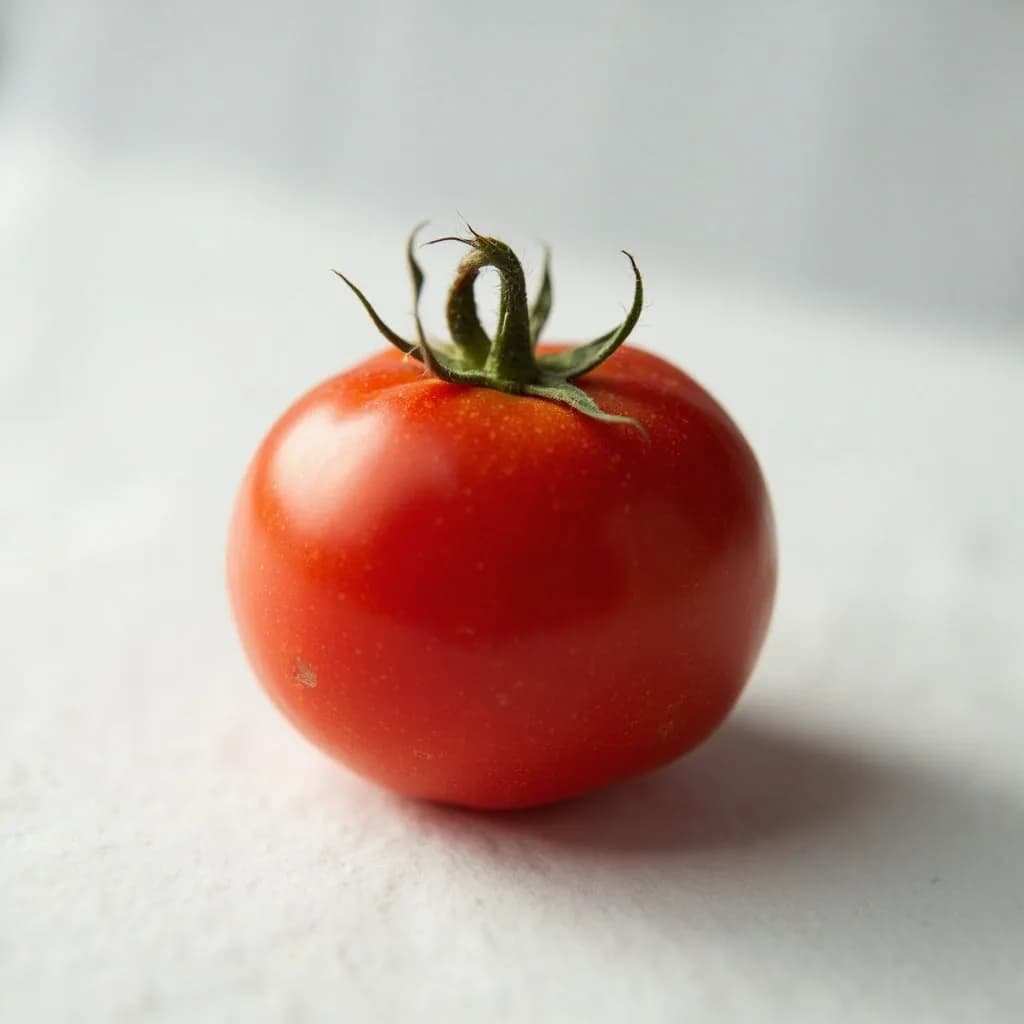
Tomato
Juicy, sun-sweet fruit for sauces, salads, and slow-cooked depth
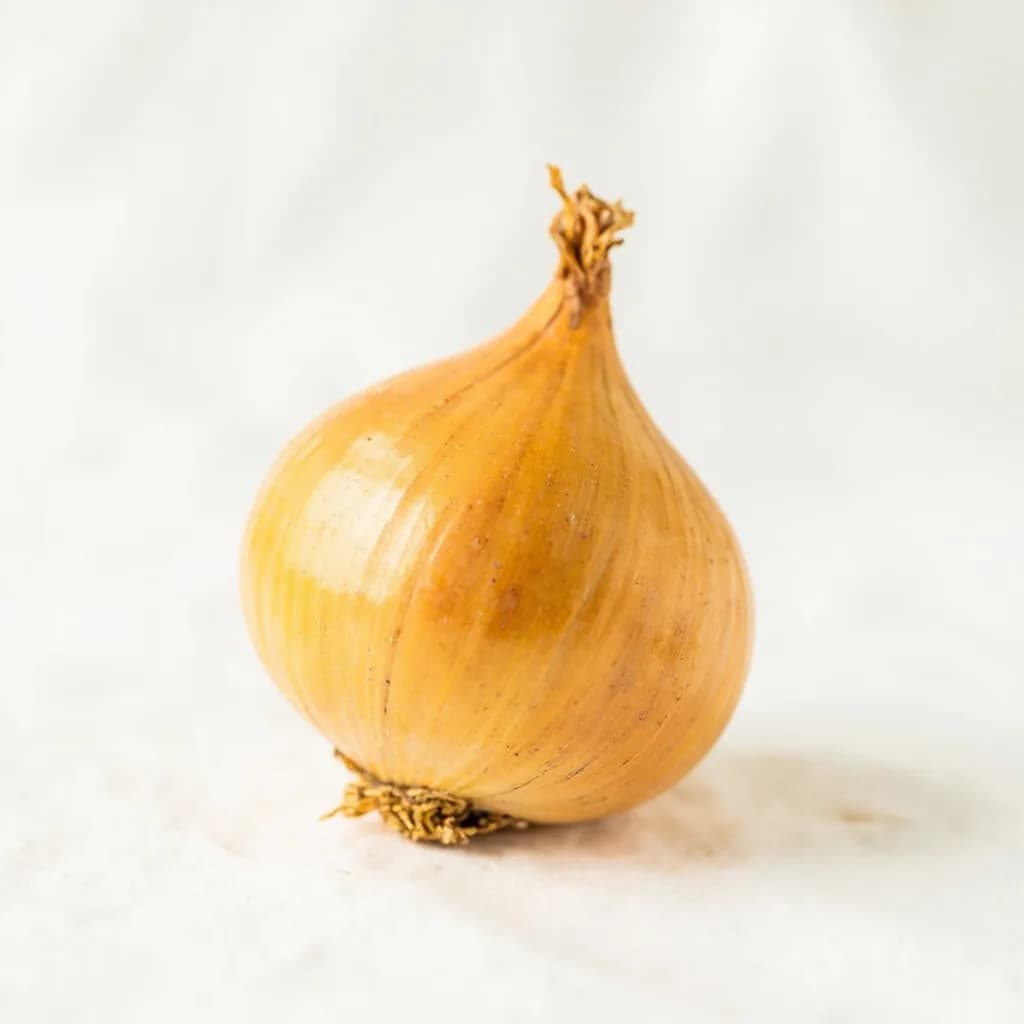
Yellow Onion
The aromatic backbone of soups, sofritos, and braises
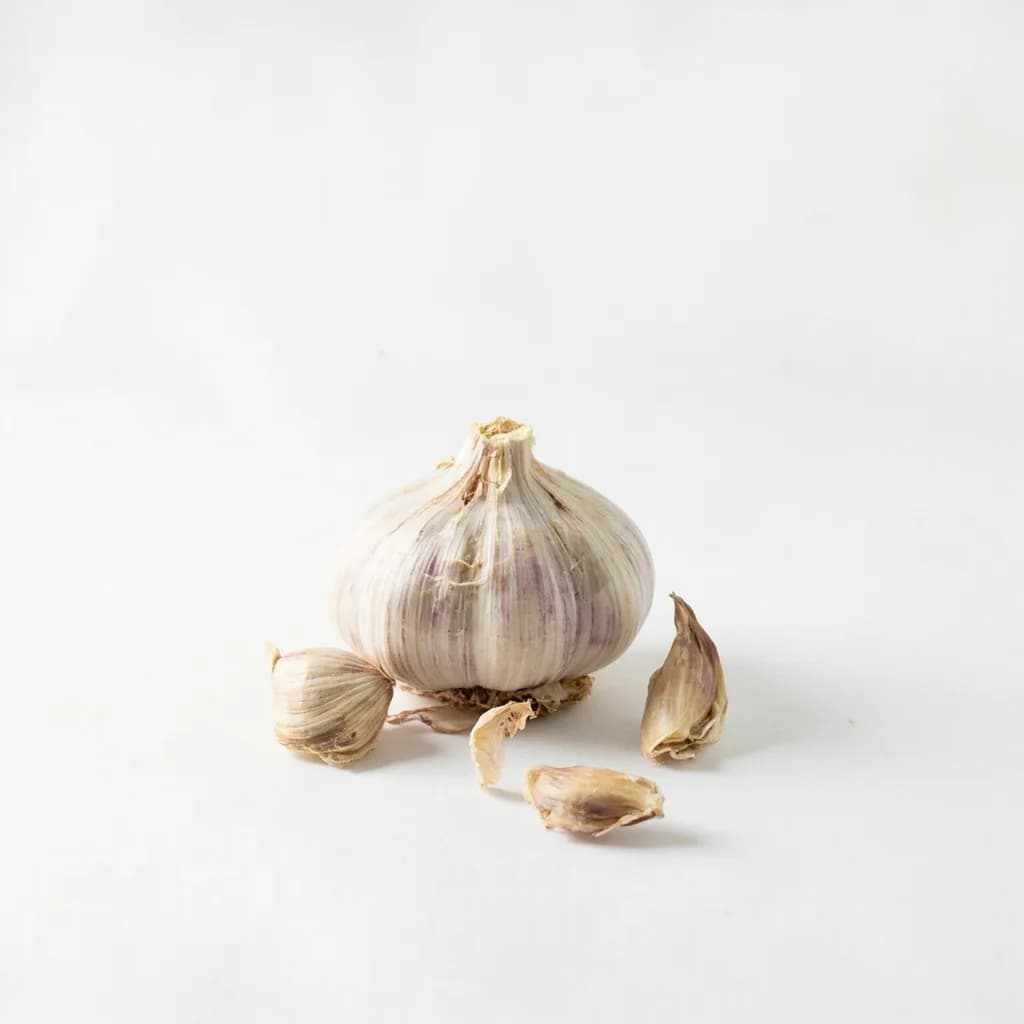
Garlic
Pungent cloves that perfume nearly every savory dish
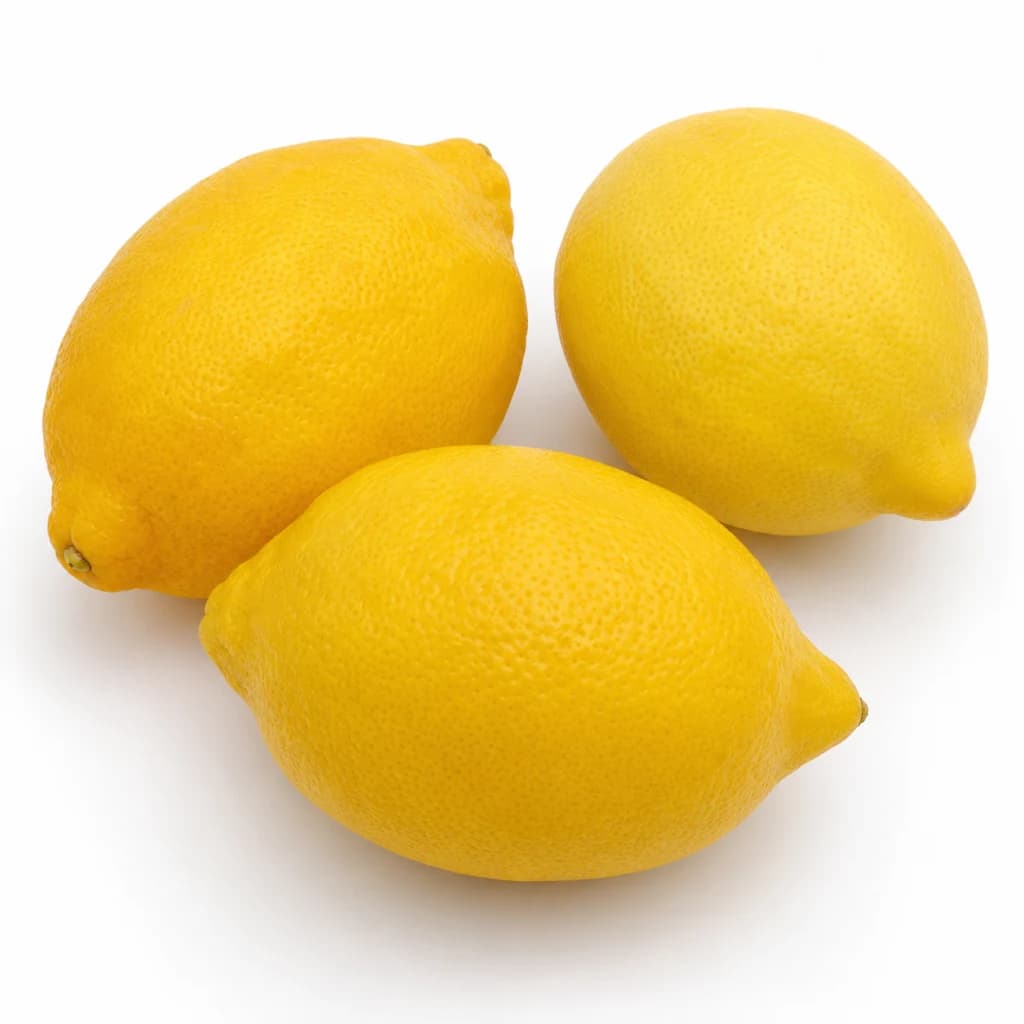
Lemon
Bright, acidic citrus that wakes up almost any dish
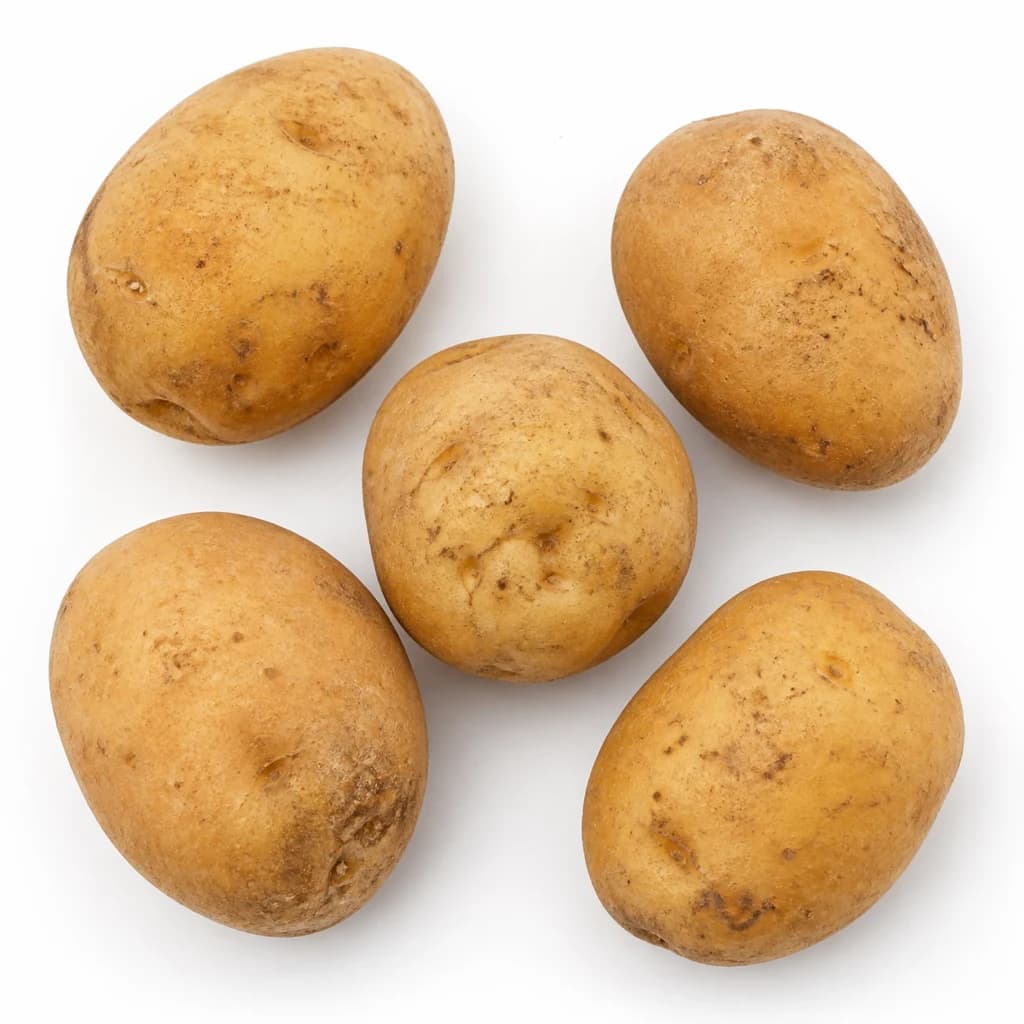
Potato
Humble, hearty staple — roast, mash, fry, or boil
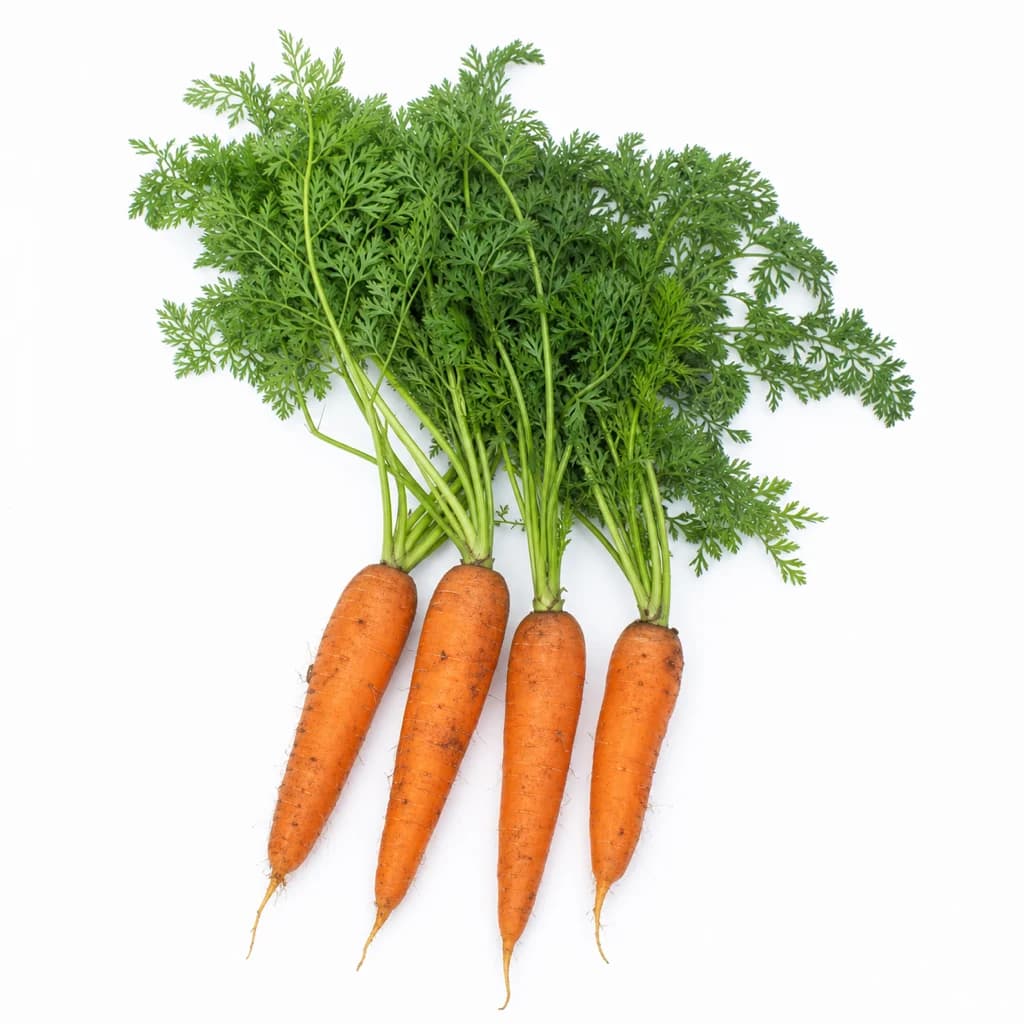
Carrot
Sweet, crunchy root — raw, roasted, or the base of a sofrito
Cucumber
Cool, crisp, and watery — for salads, pickles, and tzatziki

Lettuce
Crisp leaves for salads, wraps, and a fresh crunch