
Stored
A generous pour of frozen mixed vegetables straight from the bag, showing peas, carrots, corn, and beans.
Shows the product exactly as purchased — loose frozen pieces — so readers immediately recognize the pantry staple.
Produce
Frozen Mixed Vegetables
Convenient blend of peas, carrots, corn and beans, frozen at peak freshness.
Frozen mixed vegetables are a ready blend typically combining peas, diced carrots, corn and green beans, blanched and frozen to lock in freshness. They are a quick pantry staple for stir-fries, soups, fried rice and casseroles, needing no washing or chopping. Cooking straight from frozen preserves texture and nutrients.
Frozen mixed vegetables are a pre-portioned blend of peas, carrots, corn, and green beans that have been blanched for two to four minutes and then flash-frozen at temperatures at or below −40°F (−40°C). Unlike canned vegetables, which are fully cooked during the sterilization process, frozen vegetables undergo only enough heat treatment to deactivate enzymes that cause spoilage—this minimal processing accounts for their superior texture and their ability to hold their shape in long-cooking dishes like soups and stews. The vegetables are typically harvested and frozen within hours at peak ripeness, preserving nutrients, particularly vitamin C and B vitamins, better than canning methods.
The standard 1-pound bag yields approximately three to four cups frozen or two to three cups cooked. Because the vegetables are blanched but not fully cooked, they still contain their structural integrity, making them ideal for dishes where you need them to maintain some firmness. Quality varies considerably between brands: premium versions use vegetables cut to uniform sizes with minimal stems and blemishes, while economy brands may include more woody portions and smaller pieces. Pea-heavy blends tend toward sweetness, while corn-dominant varieties are starchier and work better as binders in casseroles.
The convenience factor is significant—these blends eliminate the need to purchase, wash, peel, and cut four separate vegetables—but the trade-off is that frozen vegetables lack the bright, fresh sweetness of just-harvested produce. They require more aggressive seasoning to taste fully developed, and they cook more quickly than fresh vegetables since they have already been partially processed. For everyday cooking, particularly weeknight meals and dishes requiring extended cooking times, they are an excellent and reliable option.
- Measured in
- g
- Storage
- Freezer
Types & varieties
Peas, carrots, corn, and green beans in roughly equal proportions; most common variety for general-purpose use
Larger-cut vegetables including quartered carrots and whole small peas; marketed for comfort food preparations
Water chestnuts, bamboo shoots, mushrooms, snow peas, and sometimes broccoli; sized specifically for stir-frying
Zucchini, yellow squash, bell peppers, onions, and sometimes tomatoes; formulated for Mediterranean dishes
Heavy on corn and sweet peas; higher sugar content preferred by some consumers, best for dishes where sweetness is desirable
Grown without synthetic pesticides or fertilizers; same vegetable composition as conventional blends
Rinsed after blanching to reduce sodium; best used within 8–12 months for optimal flavor
Same vegetable blends but packaged in microwave-steam bags for single-serve convenience; typically 1–2 servings per bag
The Role of Blanching in Frozen Vegetable Quality
Blanching is the critical step that separates frozen vegetables from their canned counterparts. Vegetables are immersed in boiling water or steam for two to four minutes—long enough to destroy enzymes that cause deterioration during frozen storage, but brief enough to preserve cellular structure and nutritional content. This partial cooking is why frozen vegetables retain their color, texture, and nutrients far better than canned alternatives, which undergo extended sterilization at high temperatures. The blanching step also reduces surface microorganisms and helps vegetables maintain their firmness when subsequently frozen and cooked.
- Enzyme inactivation begins immediately upon blanching; timing is critical to avoid overcooking
- Ice-cold shock baths after blanching stop the cooking process immediately
- Blanching water contains soluble nutrients and is often discarded; rinsing vegetables briefly after cooking helps recover some lost minerals
Why Frozen Often Outperforms Fresh in Cooked Dishes
There is a persistent assumption that fresh vegetables are always superior to frozen, but this assumption breaks down in many practical cooking scenarios. Fresh vegetables begin losing nutrients the moment they are harvested, and the time from field to refrigerator to table can be several days. By contrast, frozen vegetables are processed within hours of harvest at peak ripeness. In dishes with extended cooking times—soups, stews, braises, casseroles—fresh vegetables often become mushy and overcooked by the time the dish is finished, while frozen vegetables, having been partially blanched already, hold their shape and texture much better.
- Frozen vegetables are pre-blanched and partially cooked, so they require less additional cooking time than fresh
- In a soup that cooks for 45 minutes, fresh peas will turn to mush; frozen peas added in the last 10 minutes retain their structure
- The freezer acts as a convenient staging area—you always have vegetables on hand without spoilage concerns
- Frozen vegetables are pre-portioned, eliminating the need to purchase four separate vegetables for a single recipe
Common uses
Tips & pitfalls
- Do not thaw before cooking for most applications—add directly from freezer to hot pan or boiling liquid to maintain texture
- Season generously; frozen vegetables lack the natural sweetness of fresh and can taste flat without proper seasoning with salt, acid, and aromatics
- Add a splash of broth, wine, or water to the pan when sautéing to create steam and help distribute seasoning evenly
- Do not overcook—5 to 7 minutes of active cooking is sufficient; vegetables should retain some firmness when tested with a fork
- For crispy results, spread vegetables in a single layer on a sheet pan and roast at 425°F (220°C) for 15–20 minutes, tossing halfway through
- Pat thoroughly dry after thawing if using cold in salads to prevent dilution of dressings and sogginess
- Check the ingredient list on the package—some brands add sugar, salt, butter, or sauce that will affect your seasoning strategy
- Season at the end of cooking rather than the beginning for better flavor retention, especially when using delicate herbs
- Use frozen instead of fresh when recipes require long cooking times to avoid mushy results—soups, stews, and braises are ideal
- Drain and rinse low-sodium or no-salt-added varieties briefly before cooking to remove excess surface sodium and improve texture
- Rotate your stock: place newly purchased bags behind older ones to ensure you use them within the 8–12 month quality window
Nutrition
Energy
301 kJ · per 100 g
Where the calories come from
Protein
3.3g
7% DV
Carbs
13.5g
5% DV
Fat
0.5g
1% DV
Fiber
4g
14% DV
Sodium
47mg
2% DV
Source · USDA FoodData Central · approx. Vegetables, mixed, frozen, unprepared
View on FDC →In the shops
Matched grocery products
No matched grocery products for Frozen Mixed Vegetables yet.
Good to know
- Typical composition
- Peas, carrots, corn, and green beans in varying proportions depending on brand
- Processing
- Blanched briefly (2–4 minutes) then flash-frozen at −40°F (−40°C) or below
- Freezer shelf life
- 8–12 months at 0°F (−18°C); quality degrades after 12 months with freezer burn and flavor loss
- Nutritional retention
- Flash-freezing preserves nutrients better than canning; vitamins C and B are well retained, with thiamine loss typically under 10%
- Typical serving size
- ½ to 1 cup (80–125 g) per serving
- Sodium content
- 35–80 mg per ½ cup for plain varieties; seasoned or sauced varieties can exceed 300 mg
- Cooking time
- 5–8 minutes stovetop; 8–10 minutes microwave; add to soups 10–15 minutes before serving
- Carbohydrates
- Approximately 14–16 g per ½ cup serving, primarily from corn and peas
Substitutes
- Fresh vegetables, blanched — Same composition, cut to similar sizes; blanch 2–3 minutes then shock in ice water to stop cooking. Requires significantly more prep time but offers brighter flavor and crispier texture when freshly prepared.
- Canned mixed vegetables — Softer texture, higher sodium, and slight metallic taste from the canning process. Drain and rinse thoroughly before use to reduce sodium content by up to 40%. Better as a last-resort substitute.
- Frozen single vegetables, combined — Combine frozen peas, carrots, corn, and green beans in equal proportions. Offers more control over ratios and allows you to adjust amounts based on the dish; requires measuring and mixing.
- Frozen vegetable-specific blends — Use Oriental blend for Asian dishes, Italian blend for Mediterranean recipes. Same principles and cooking times apply; choose based on your intended cuisine.
Pairs with
Also called
Mixed Frozen Veg · Vegetable Medley
Related
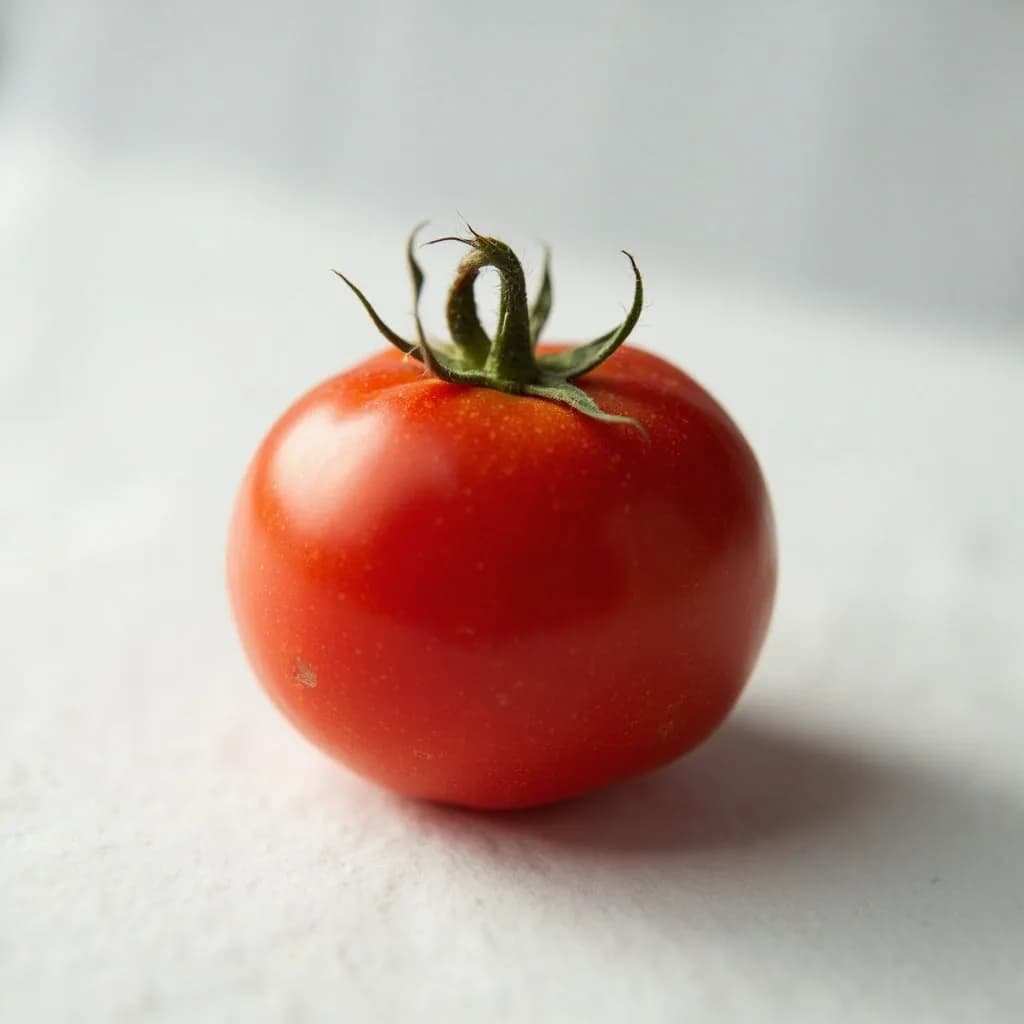
Tomato
Juicy, sun-sweet fruit for sauces, salads, and slow-cooked depth
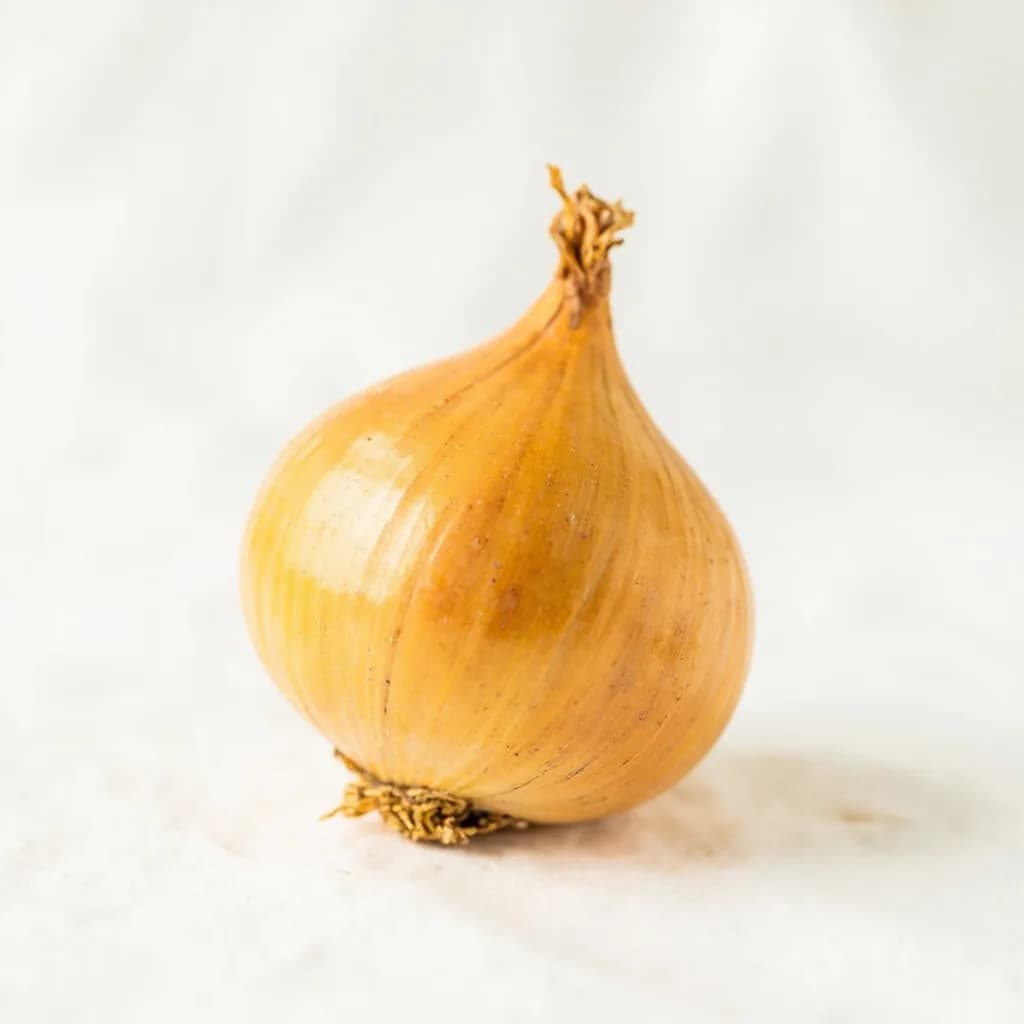
Yellow Onion
The aromatic backbone of soups, sofritos, and braises
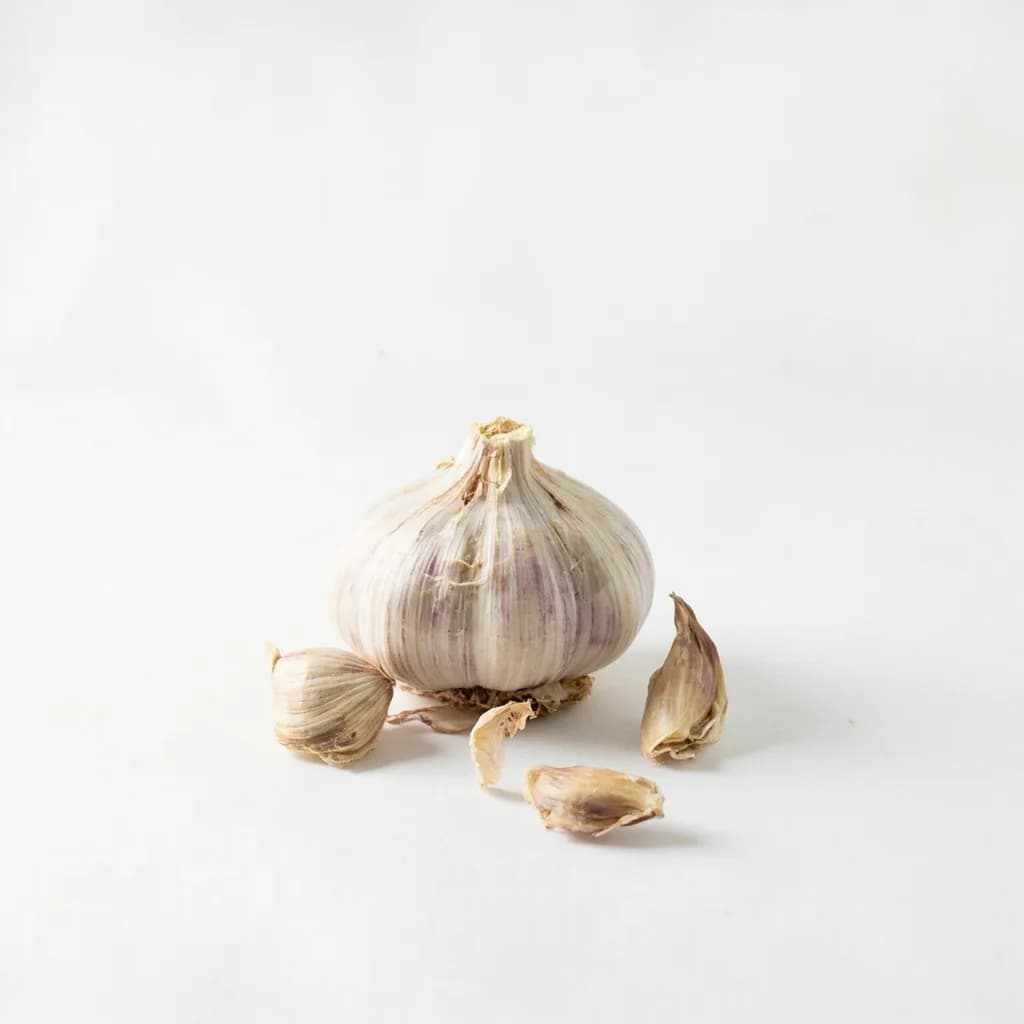
Garlic
Pungent cloves that perfume nearly every savory dish
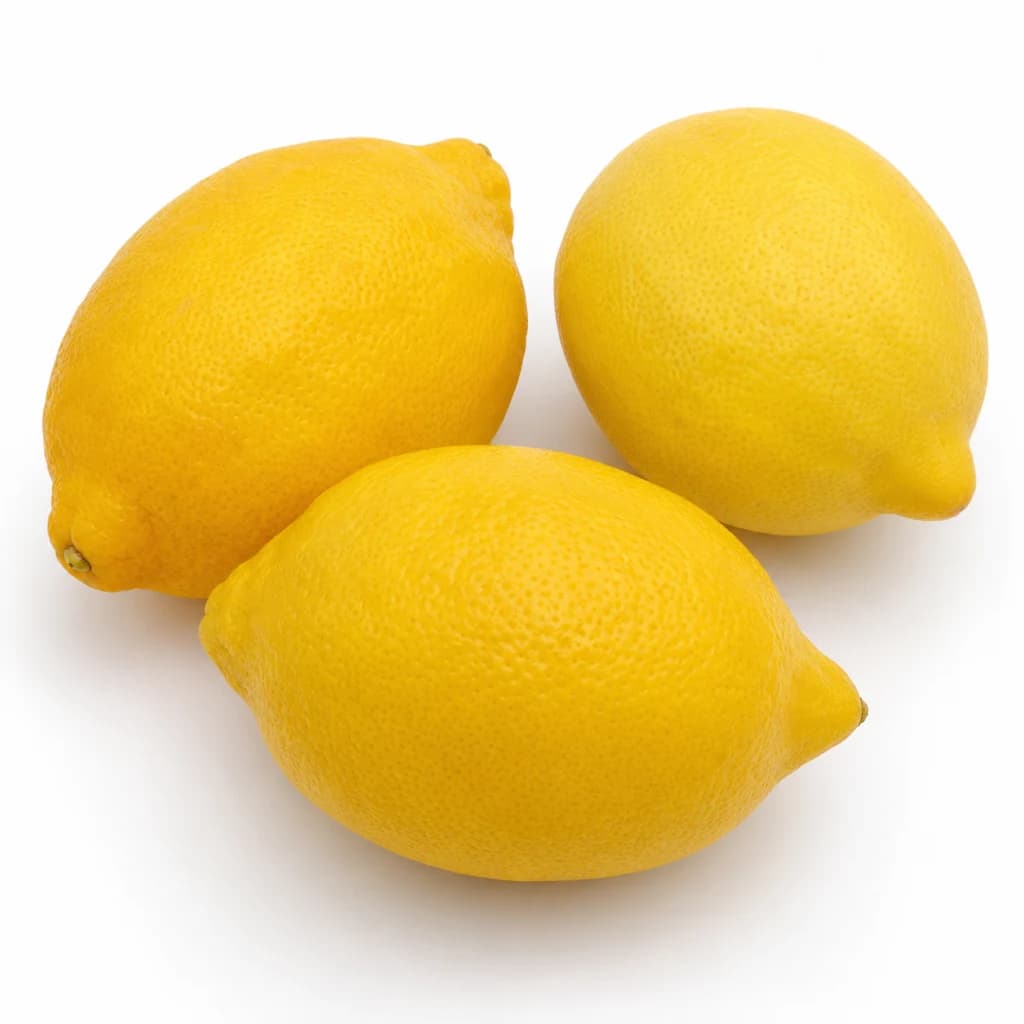
Lemon
Bright, acidic citrus that wakes up almost any dish
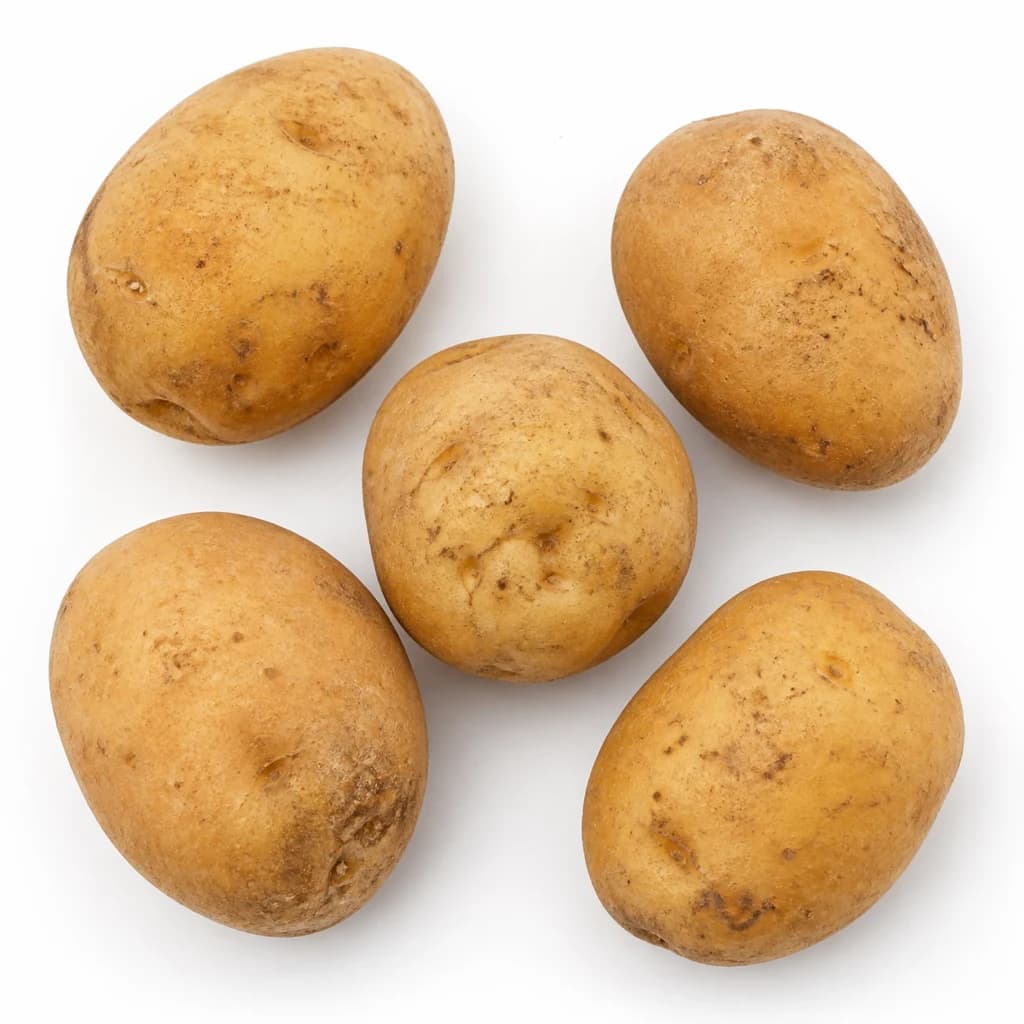
Potato
Humble, hearty staple — roast, mash, fry, or boil
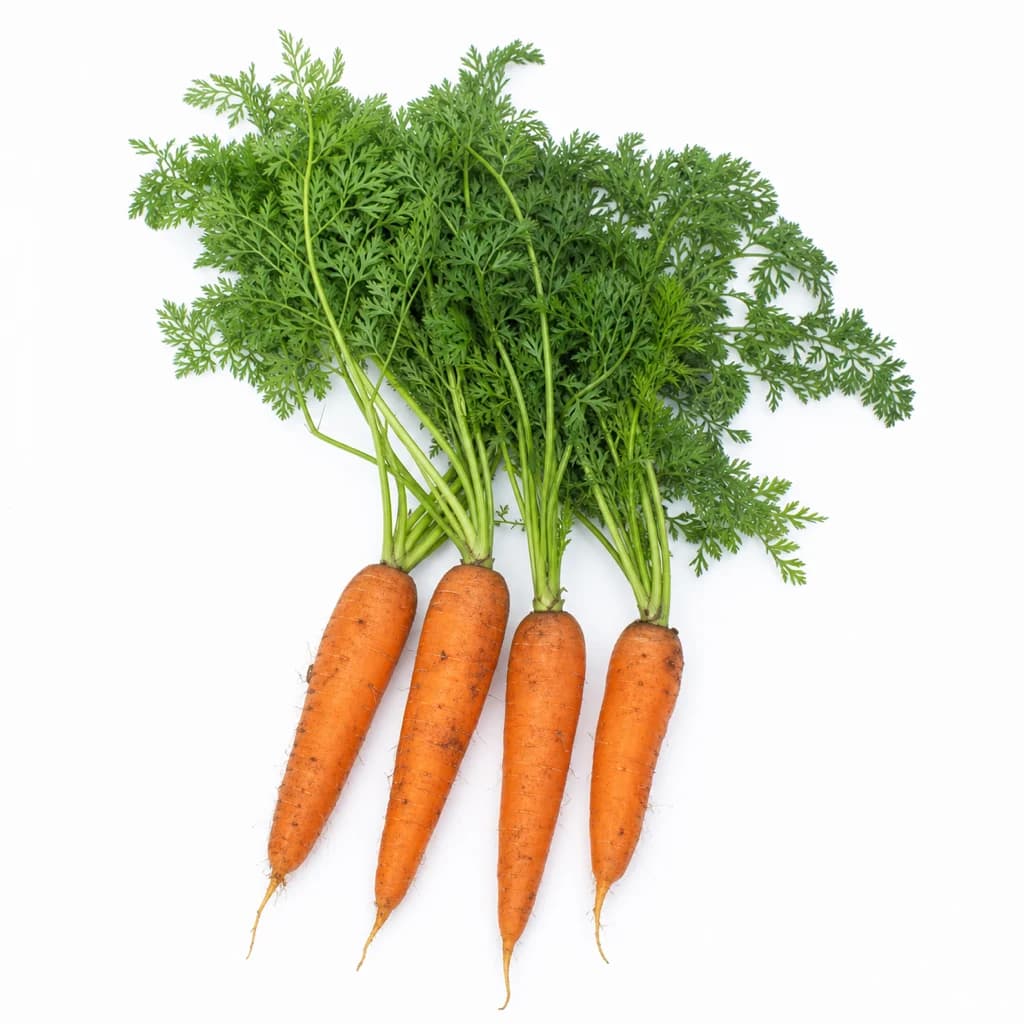
Carrot
Sweet, crunchy root — raw, roasted, or the base of a sofrito
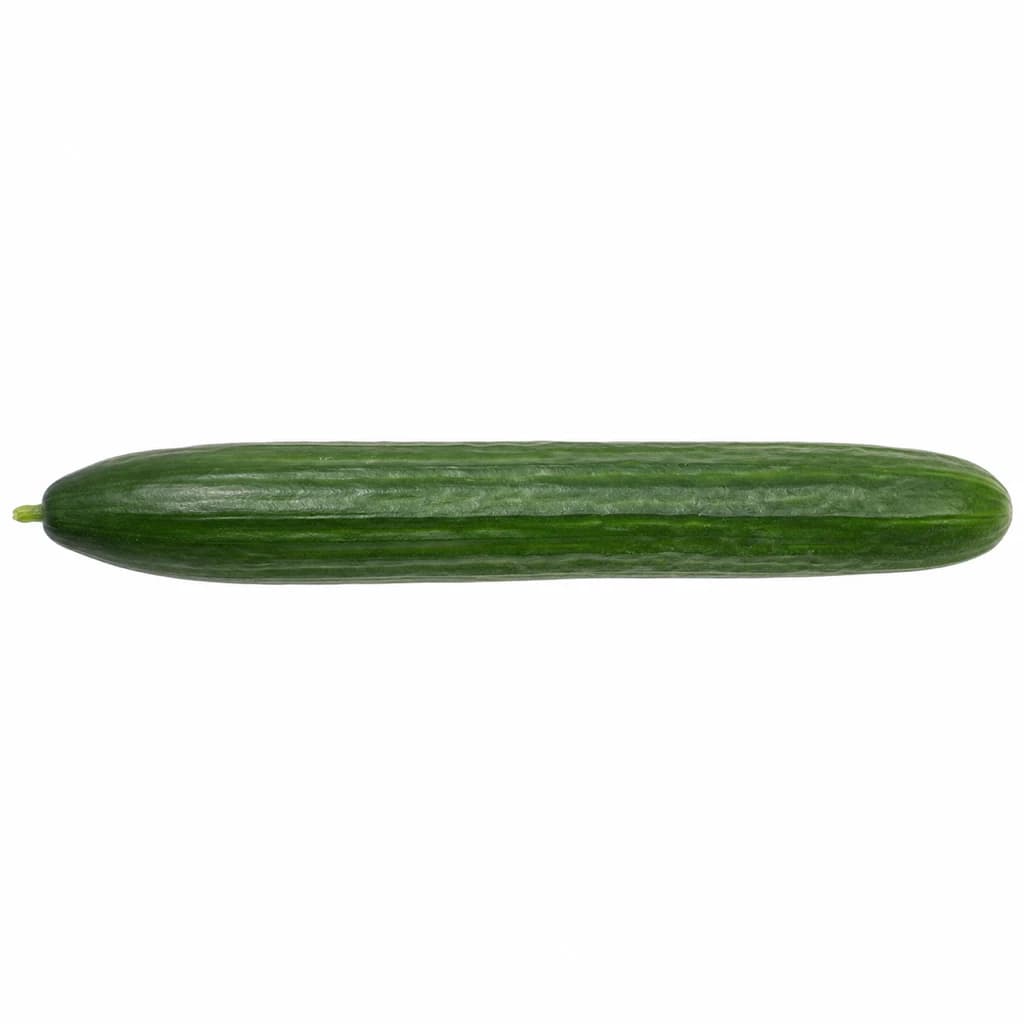
Cucumber
Cool, crisp, and watery — for salads, pickles, and tzatziki

Lettuce
Crisp leaves for salads, wraps, and a fresh crunch