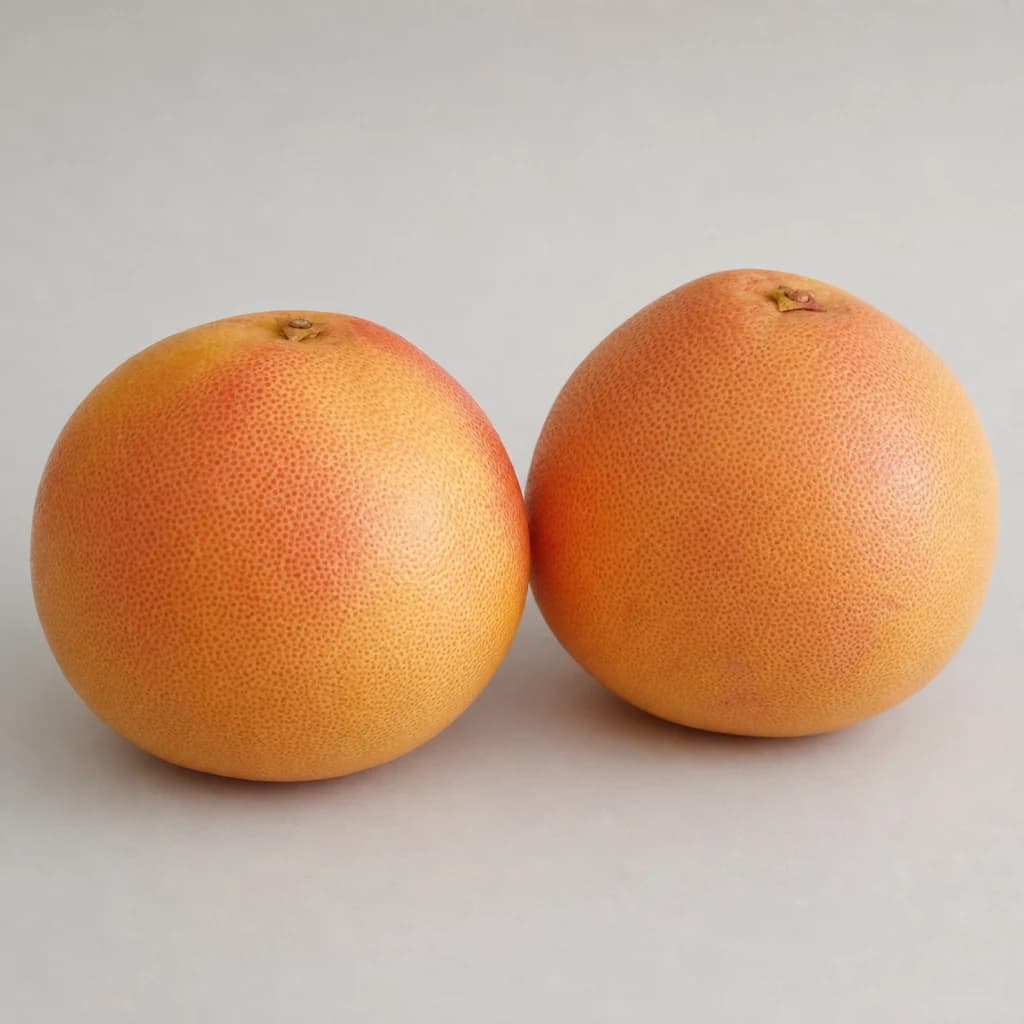
Natural form
Whole pink grapefruit showing size, color, and smooth rind texture.
Shows the source fruit so readers recognize what grapefruit juice comes from before processing.
Beverages
Grapefruit Juice
Tart-bitter juice for palomas, greyhounds, and breakfast
Tangy with a pleasant bitter edge, grapefruit juice is the heart of a paloma and greyhound and a bracing breakfast pour. Keep it cold and use within a week.
Grapefruit juice is the pressed juice of grapefruit — bright, tart, and distinctively bittersweet, with a refreshing edge no other citrus quite matches. Pink and ruby varieties are sweeter and rosier; white grapefruit is sharper and more bitter. That bitter-tart complexity makes it a sophisticated cooking acid: it brightens marinades and dressings, glazes fish and poultry, cuts through rich and fatty dishes, and lends an adult bittersweet note to sorbets, cocktails (the Paloma, the Greyhound), and citrus desserts. Its slight bitterness is a feature — use it where you want refreshment with backbone.
- Measured in
- ml
- Storage
- Refrigerate
- Shelf life
- 7 days
Find it in
Types & varieties
Sweeter, rosier — desserts and drinks
Sharper, more bitter — savory bite
Brightest, most aromatic
How to use in cooking
Use grapefruit juice where you want citrus brightness plus a grown-up bitter edge. It marinates and glazes fish, shrimp, and chicken; brightens avocado and seafood salads; and balances rich, fatty foods like pork belly or duck. Reduced with a little sugar it makes a bittersweet glaze or a striking sorbet. It's the soul of the Paloma. Add fresh zest or segments alongside the juice for fuller flavor, and balance its bitterness with honey or sugar where needed.
How to choose
Pink/ruby grapefruit juice is sweeter and rosier — friendlier in desserts and drinks; white grapefruit is sharper and more bitter — better where you want bite. Freshly squeezed is brightest. Use 100% juice for cooking, and balance the bitterness with a touch of sweetness for most dishes.
Common uses
Tips & pitfalls
- Balance its bitterness with a touch of honey or sugar.
- Pink/ruby is sweeter; white grapefruit is sharper.
- Add zest or segments for fuller flavor.
- Cuts beautifully through rich, fatty foods.
Nutrition
Energy
163 kJ · per 100 g
Where the calories come from
Protein
0.5g
1% DV
Carbs
9.2g
3% DV
Fat
0.1g
0% DV
Sodium
1mg
0% DV
Source · USDA FoodData Central · Grapefruit juice, pink, raw
View on FDC →In the shops
Matched grocery products
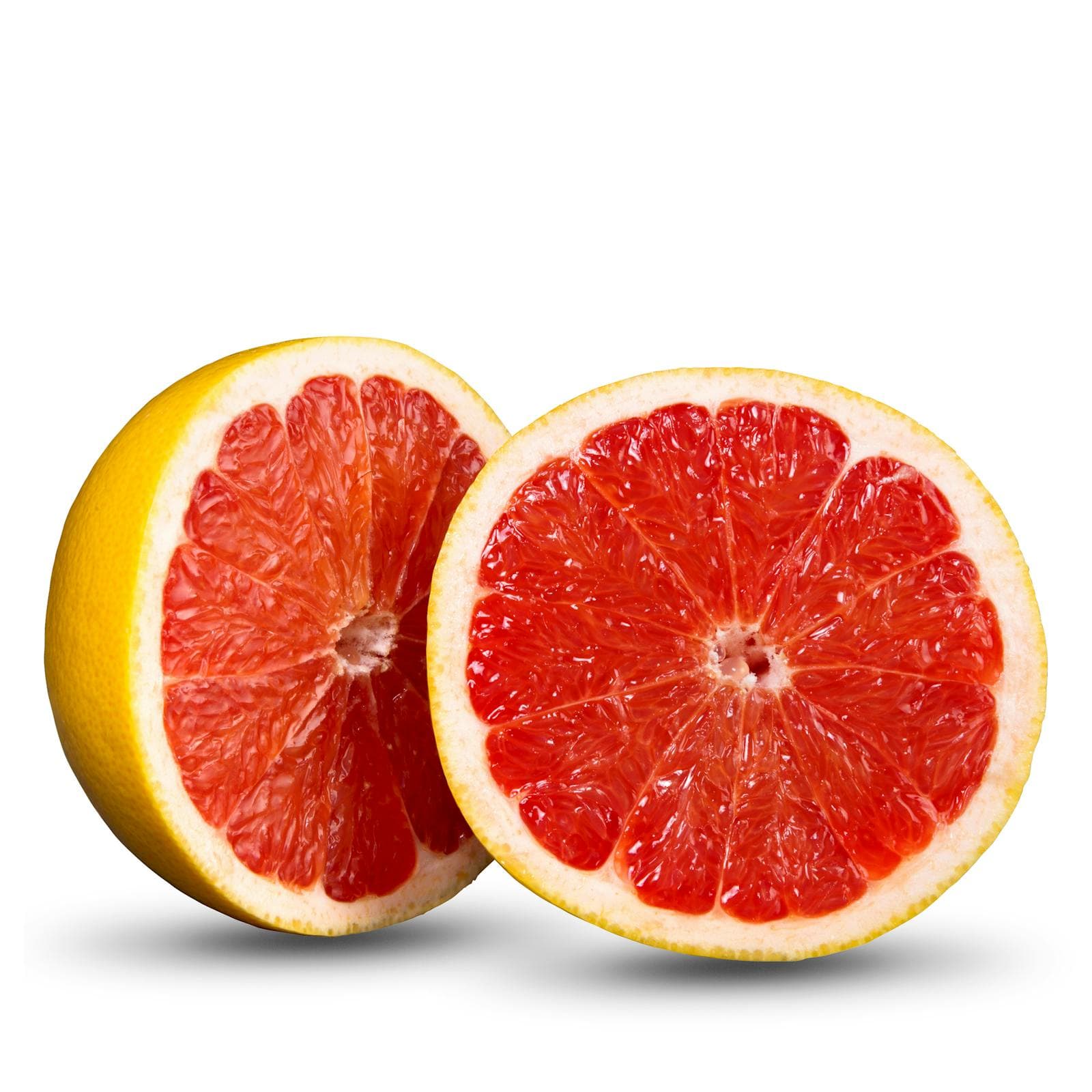 €0.68
€0.68Grapefruit
350 g · Mercadona
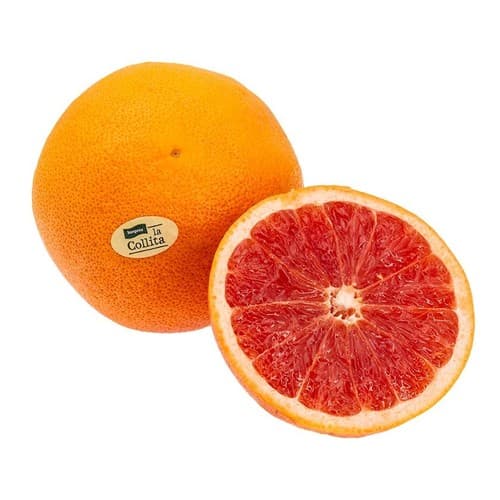 €1.09
€1.09Grapefruit 1 unit
Bonpreu
Good to know
- Flavor
- Tart, bittersweet, refreshing, citrusy
- Use in cooking
- Marinades, glazes, dressings, sorbets, cocktails
- Alcohol?
- No
- Substitute base
- Orange + lemon juice, or pomelo juice
- How to store
- Refrigerate after opening; use within ~3–5 days
Related

White Rum
Light, clean rum for mojitos, daiquiris, and piña coladas

Dark Rum
Rich, molasses-deep rum for tiki drinks and sipping
Tequila
Bright agave spirit for margaritas, palomas, and shots
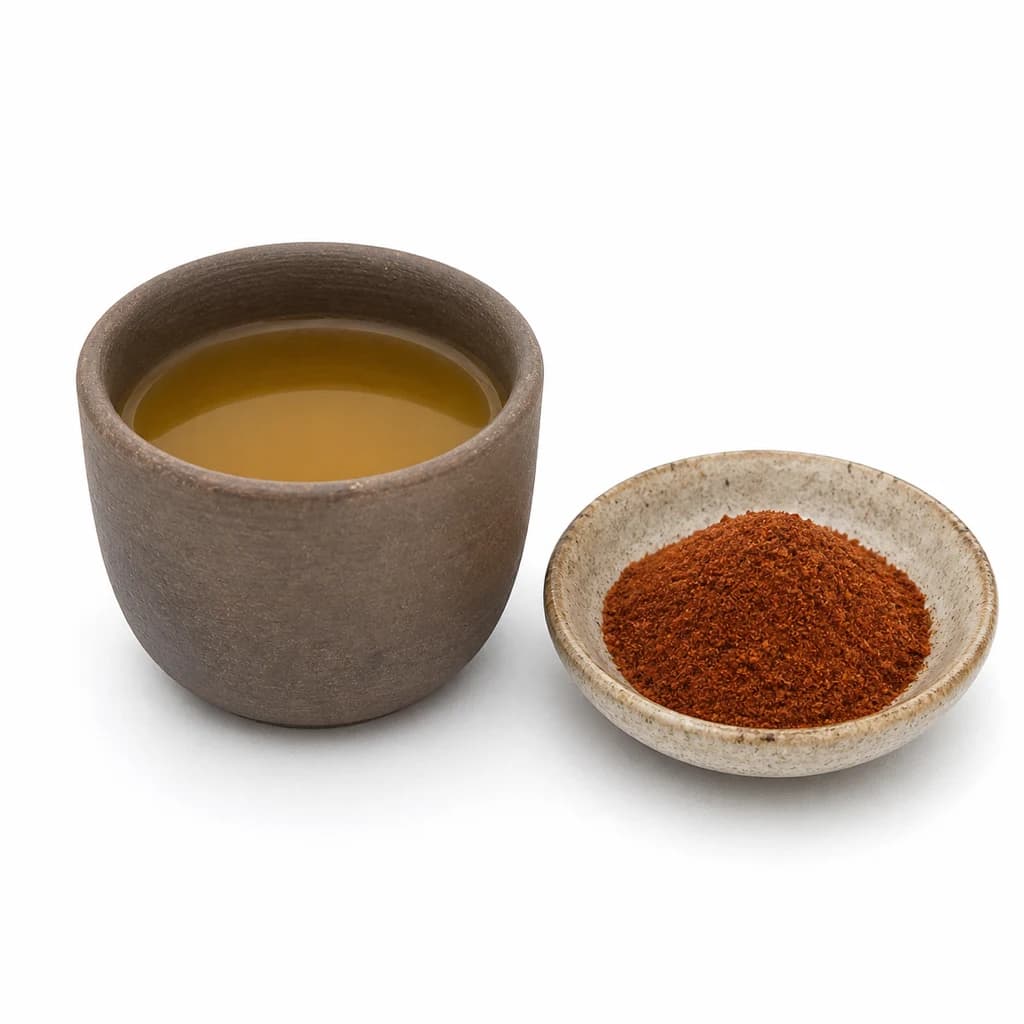
Mezcal
Smoky agave spirit for sipping and smoldering cocktails
Vodka
Clean, neutral spirit for mixing into almost any cocktail
Gin
Botanical, juniper-forward spirit for G&Ts and martinis
Whisky
Warm, oak-aged spirit for sipping and classic cocktails

Brandy
Rich, fruity grape spirit for sipping, sauces, and flambé