Grains & Rice
Hand-Pulled Noodle (Laghman)
Wheat noodles stretched by hand into long, chewy strands for soups and stir-fries.
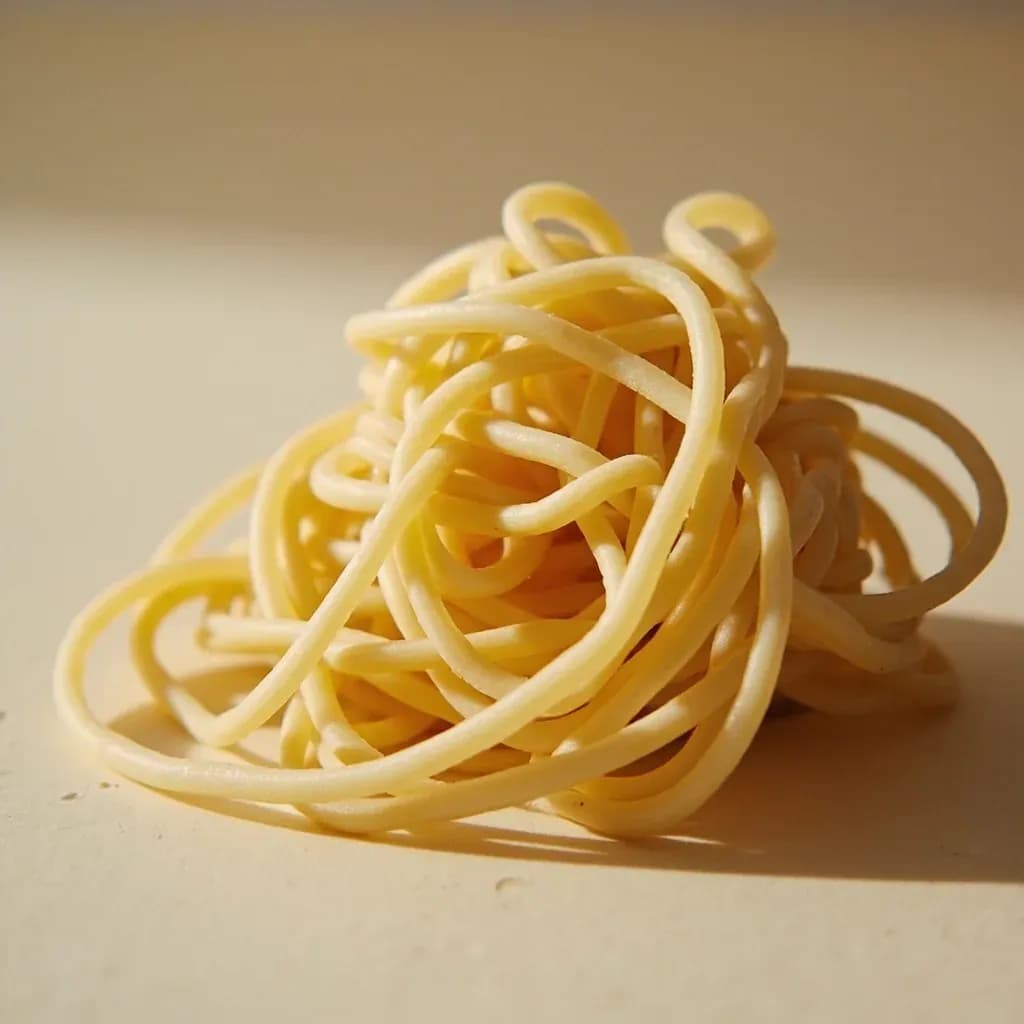
Hand-pulled noodles are made from a simple wheat dough repeatedly stretched and folded by hand into long, springy strands. Known as laghman in Central Asia and lamian in China, they have an irresistibly chewy texture. They are served in rich broths, stir-fried with vegetables and meat, or topped with sauces.
Hand-pulled noodles (laghman) are a cornerstone of Xinjiang Uyghur cuisine, developed over centuries along the Silk Road where Central Asian and Chinese culinary traditions converged. Unlike machine-made noodles, each strand is pulled by hand, creating irregular thicknesses that trap sauce in ways no factory can replicate. The dough itself is simple — just high-protein wheat flour, water, and salt — but the pulling technique transforms it into something with real character: a chewy, substantial strand that carries bold, cumin-scented sauces built on tomato, garlic, and slow-cooked meat. The word "laghman" refers both to the noodles themselves and to the complete dish; what makes it distinctive is the interplay between the hand-pulled texture and the savory, slightly oily sauce. The technique demands practice — the dough must be rested properly and pulled with confidence rather than force — but the result is worth the learning curve. The irregularity of hand-pulled noodles is intentional and desirable; it creates varying thicknesses that hold sauce differently within the same strand, adding textural complexity to every bite.
- Measured in
- g
- Storage
- Fridge
Allergens
Types & varieties
Noodles served in a savory broth with meat and vegetables; more home-cooked, common in winter
Noodles tossed with a thick, concentrated stir-fried sauce; the most common street version
Cooled noodles with sauce; lighter preparation served in warm months
Lamb laghman — the most traditional protein; lamb dominates Xinjiang Uyghur cooking
"Oily" or fatty laghman — richer preparation with more fat in the sauce
Hand-Pulled vs. La Mian
Laghman is related to but distinct from Chinese La Mian. Xinjiang's version typically produces slightly thicker, wider noodles with a different sauce profile that emphasizes cumin and tomato over the sweeter soy-based sauces common in eastern Chinese preparations. The pulling technique is similar, but the resulting texture and culinary context differ significantly.
Why the Gluten Matters
High-protein flour creates strong gluten networks that allow the dough to stretch without tearing. This is what gives hand-pulled noodles their signature chew — the gluten strands align during pulling, creating a structural integrity that holds up in broth or under heavy sauce. All-purpose flour lacks sufficient protein and will tear under the same treatment.
- Use bread flour or high-protein wheat flour, never all-purpose
- Knead until the dough is smooth and elastic, not just shaggy
- Resting is not optional — it allows gluten to relax for easier pulling
Common uses
Tips & pitfalls
- Dough must rest at least 30 minutes covered — this relaxes gluten and makes pulling dramatically easier; skip this and the dough will snap and tear
- Use high-protein bread/wheat flour, not all-purpose, for the best elasticity and chew
- Keep the dough slack — add only enough water so it just comes together; stiff dough is the most common beginner mistake
- Oil your dough portions lightly before pulling; dry dough sticks and tears, too-wet dough loses tension
- Pull in one smooth motion using gravity and weight, not just arms — let the dough stretch under its own pull
- Boil fresh hand-pulled noodles for only 2–3 minutes; they continue cooking off heat
- If noodles stick together after cooking, rinse briefly under cold water immediately — for soup versions only
- For dansha (dry), reserve a ladleful of starchy cooking water to toss with the sauce — it emulsifies and clings to the noodles
Nutrition
Energy
1971 kJ · per 100 g
Where the calories come from
Protein
10.9g
22% DV
Carbs
63.6g
23% DV
Fat
21.2g
27% DV
Fiber
6.7g
24% DV
Sugars
0g
of which
Sodium
866mg
38% DV
Source · USDA FoodData Central · approx. Noodles, chinese, chow mein
View on FDC →In the shops
Matched grocery products
No matched grocery products for Hand-Pulled Noodle (Laghman) yet.
Good to know
- Origin
- Xinjiang region, China; Uyghur cuisine with roots along the Silk Road
- Primary grain
- High-protein wheat flour (bread flour preferred for gluten development)
- Typical dimensions
- Roughly 2–3 mm thick, 50–100 cm long; irregular from hand-pulling
- Serving size
- 150–200 g dry noodles per person as a main course
- Fresh storage
- Refrigerated, dusted with flour, up to 2 days; frozen up to 1 month
- Prep time
- Dough: 10 min; resting: 30–60 min; pulling: 5–10 min
- Cook time
- 2–4 minutes in boiling water; fresh noodles cook faster than stored
- Difficulty
- Intermediate — requires practice to achieve consistent thickness
- Key equipment
- Large pot of boiling water, floured work surface, hands
Substitutes
- Fresh ramen noodles — Similar chew and neutral wheat flavor; closest store-bought match
- Fresh udon noodles — Comparable thick, chewy texture; though machine-made, holds sauce well
- Spaghetti or linguine — Rough substitute in soups or saucy dishes; lacks the hand-pulled irregularity and chew
- Fresh rice noodles — Completely different texture (soft, not chewy); acceptable for gluten-free needs but not a close match
Pairs with
Also called
Laghman · Lamian · Pulled Noodles
Related

White Rice
Fluffy long-grain rice — the neutral base for almost any meal

White Bread
Soft sandwich loaf for toast, sandwiches, and crumbs
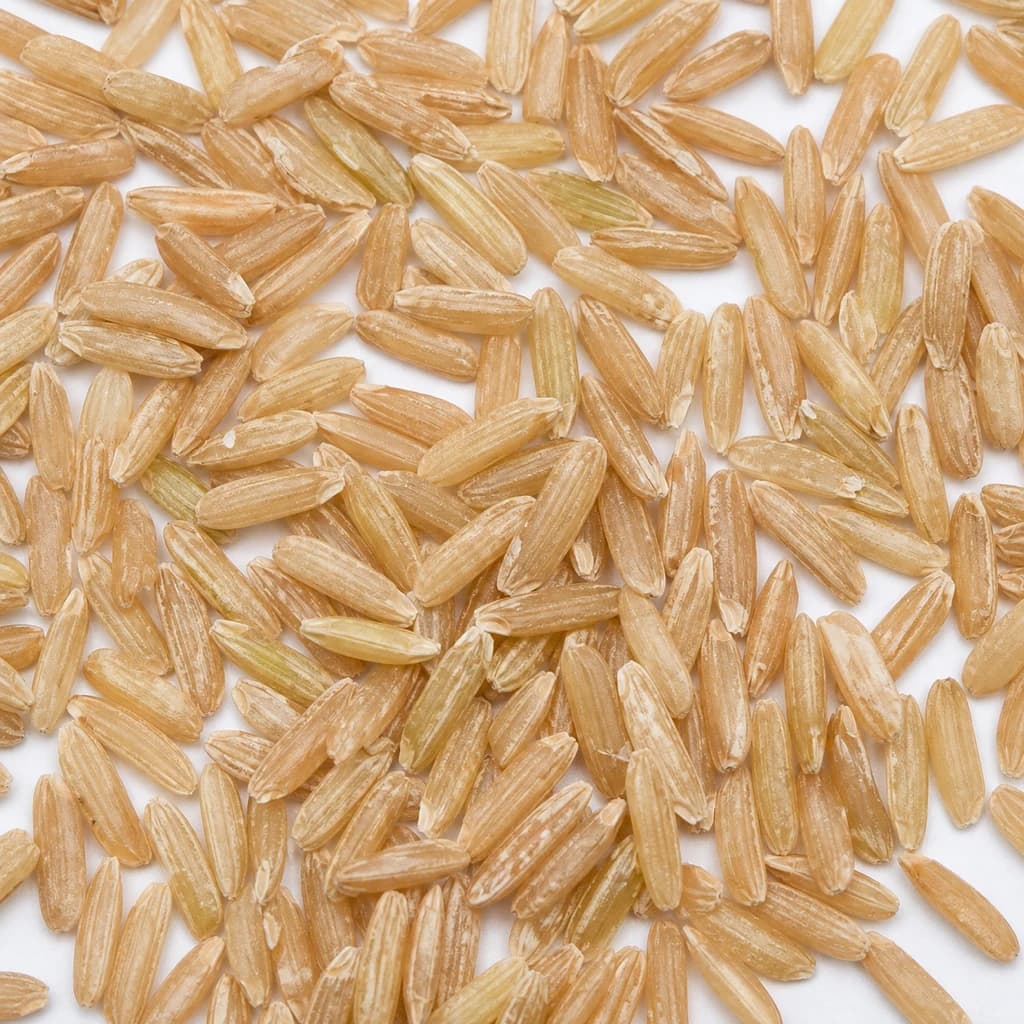
Brown Rice
Nutty, whole-grain rice with chew and extra fiber

Basmati Rice
Fragrant, long-grain rice that cooks up light and separate
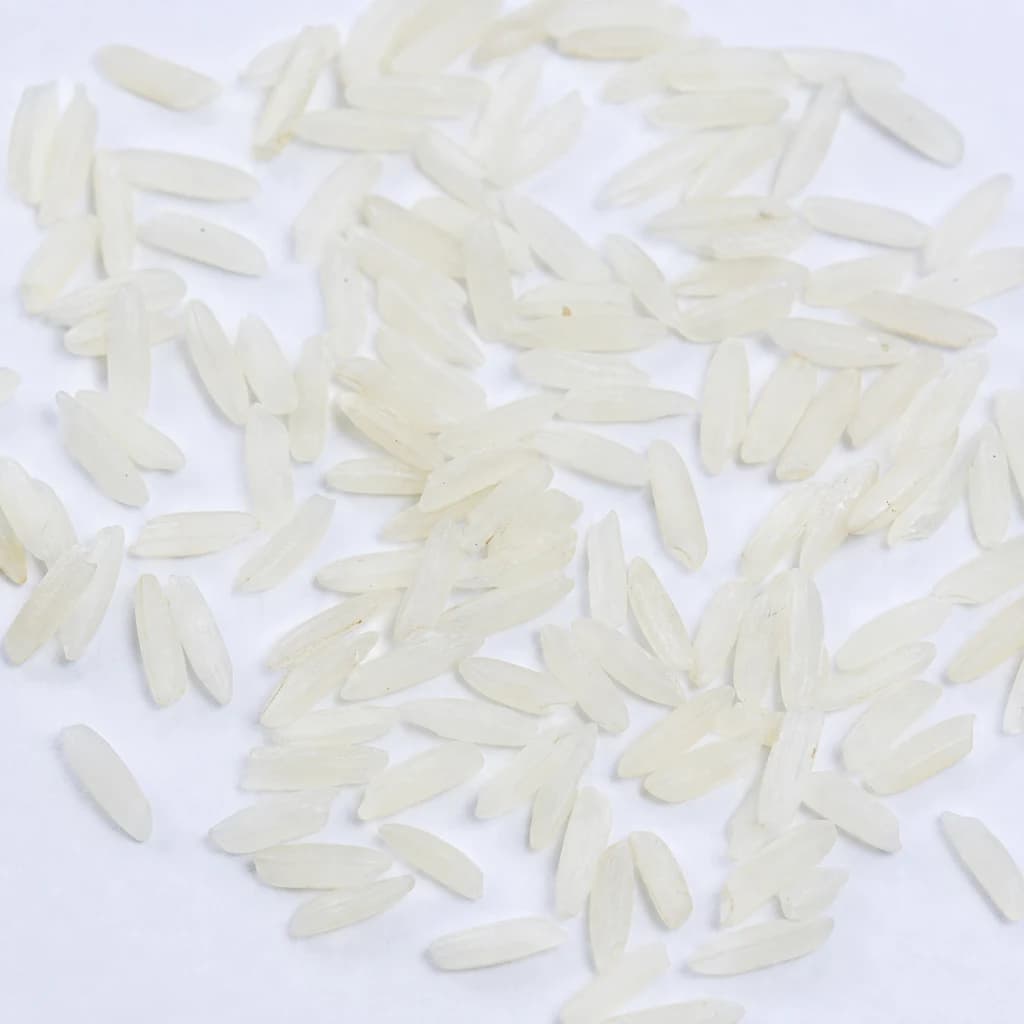
Jasmine Rice
Soft, floral-scented rice that's the pillar of Thai meals
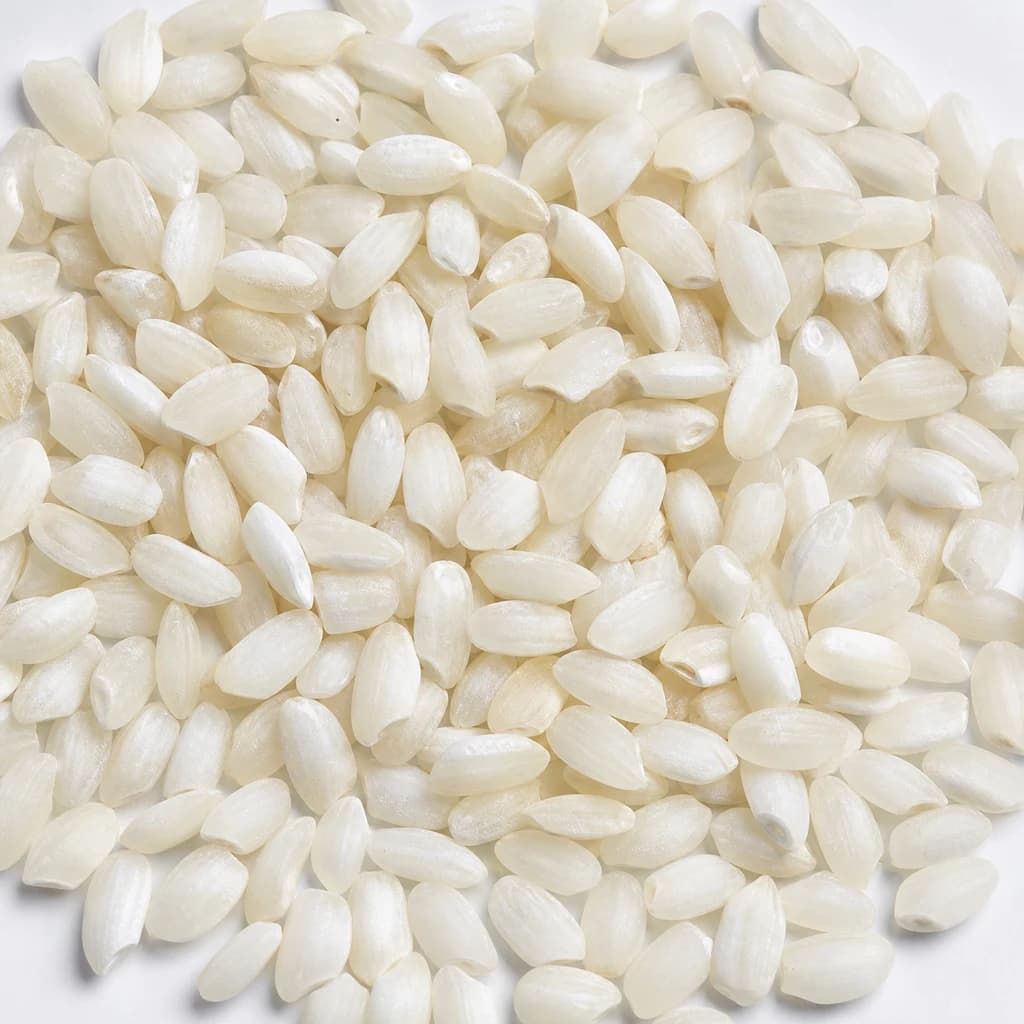
Arborio Rice
Plump, starchy rice that makes risotto creamy
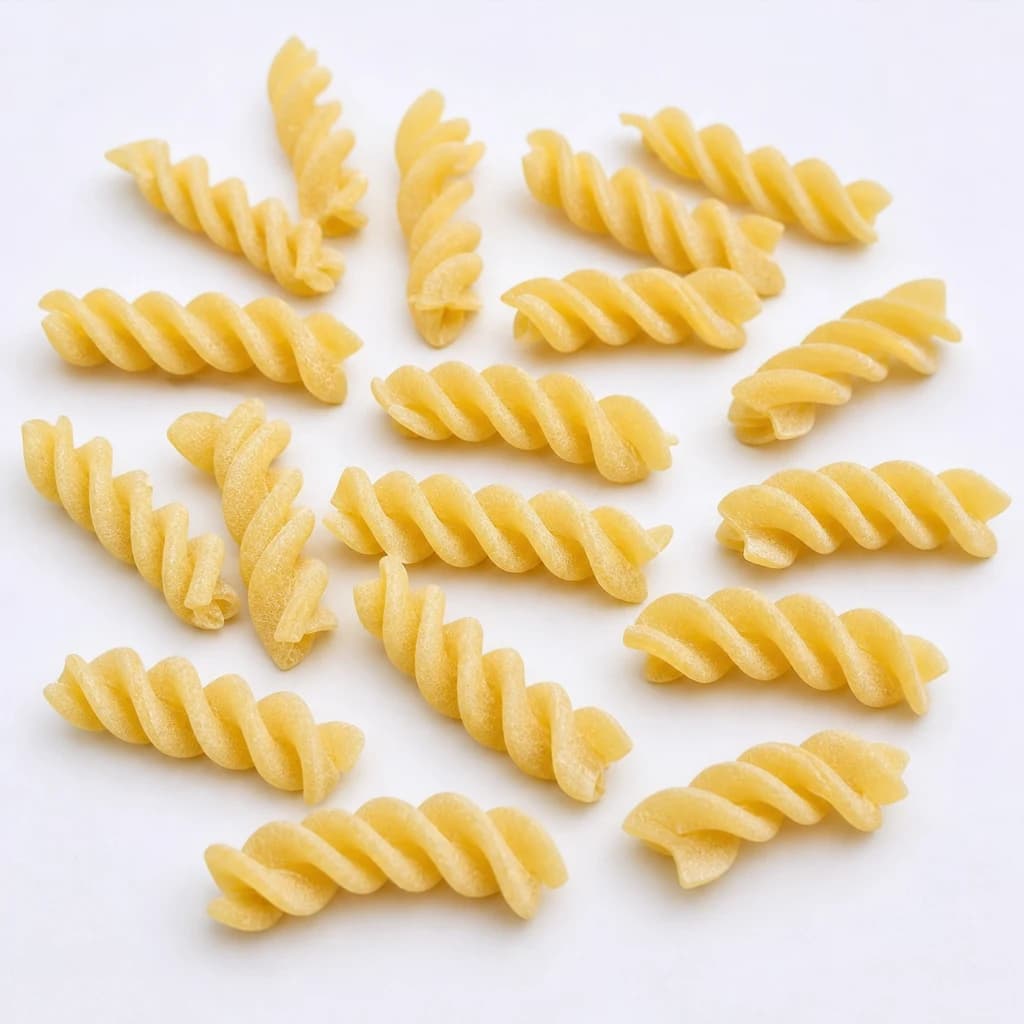
Fusilli
Spiraled pasta that twirls up sauce and dresses cold salads
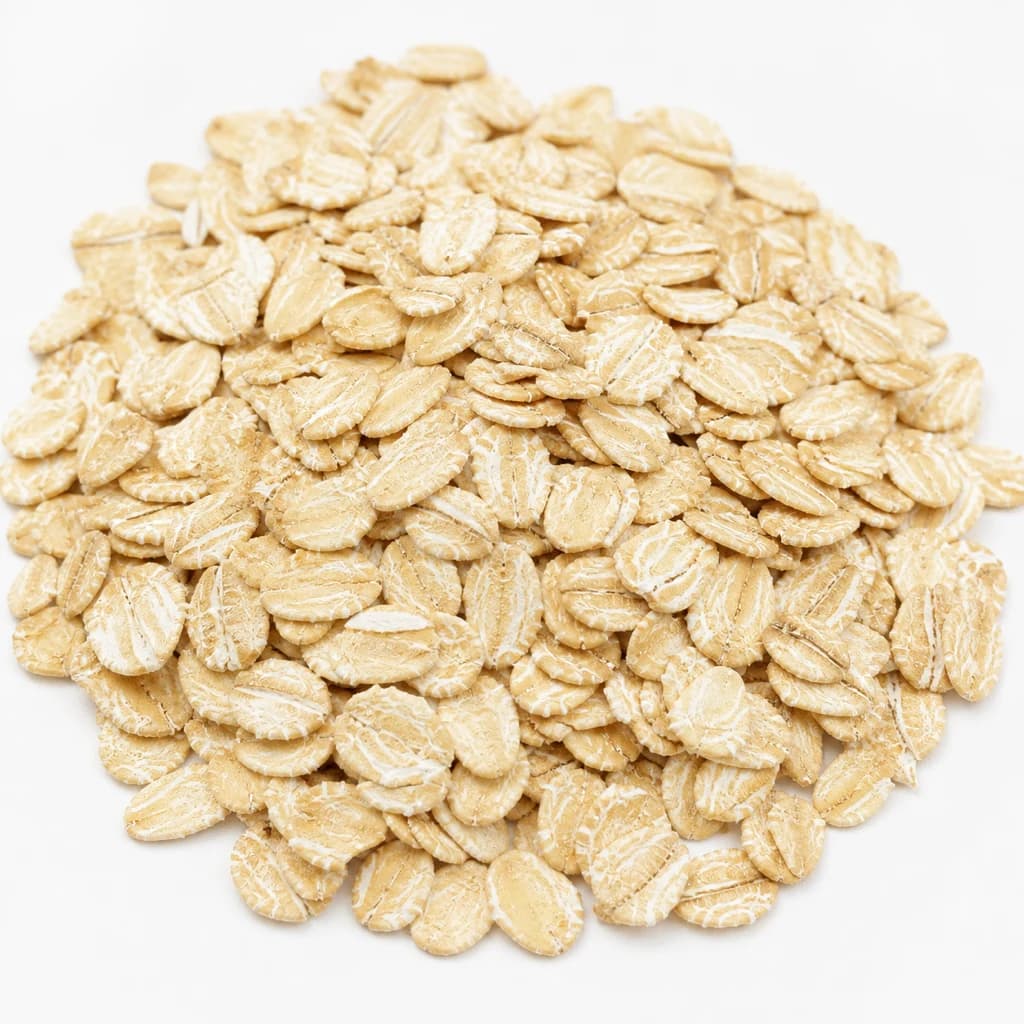
Rolled Oats
Hearty flakes for porridge, granola, and chewy cookies