Dairy & Eggs
Irimshik (Roasted Curd)
Central Asian dried curd made by slow-roasting milk or yogurt until it turns into golden, chewy nuggets.
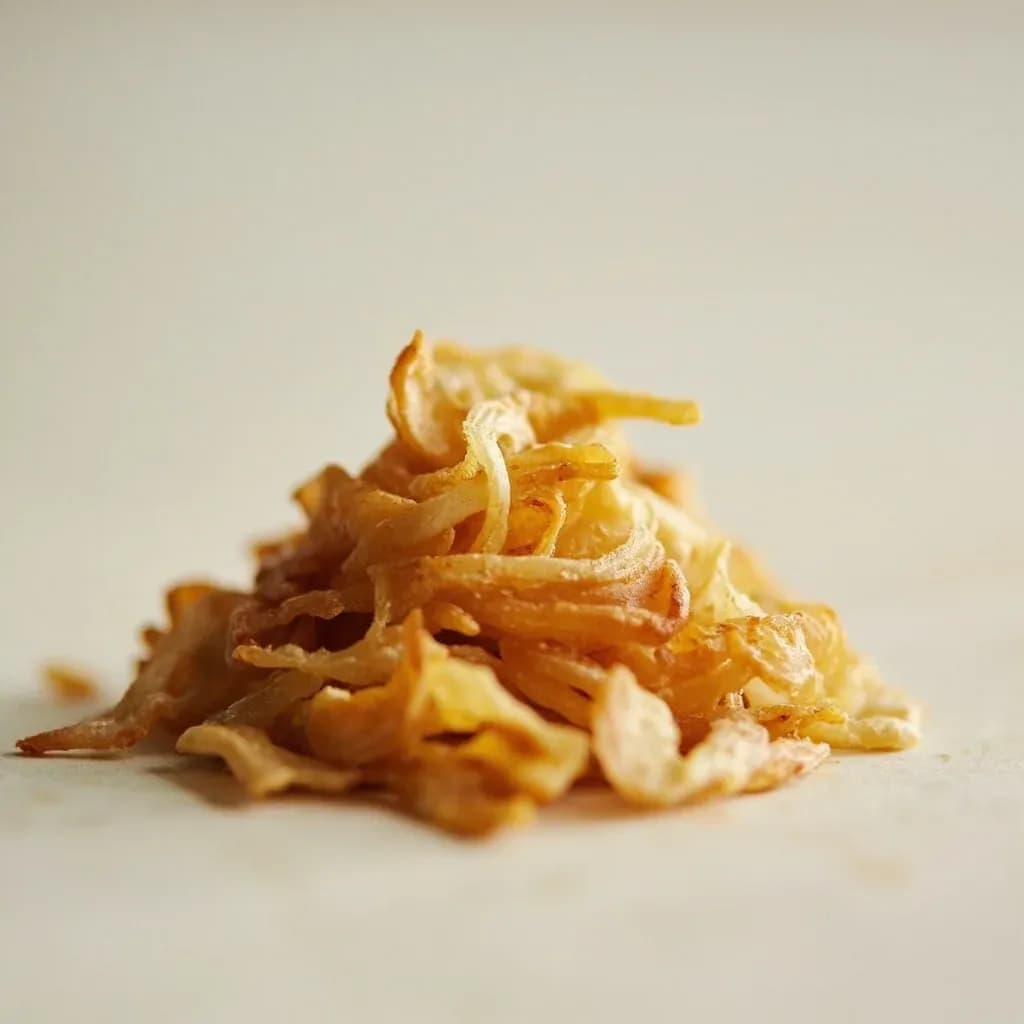
Irimshik is a traditional Kazakh and Kyrgyz dairy product made by simmering and roasting milk, often soured with yogurt or starter, until the curds caramelize into firm reddish-brown grains. It is eaten as a sweet snack with tea, ground into porridge, or served alongside other steppe dairy foods. The long roasting gives it a toasty, slightly sweet flavor and a very long shelf life.
Irimshik is a traditional Central Asian dried curd distinguished by its slow-roasting method, which imparts a deep caramelized flavor impossible to achieve through simple air-drying. Unlike qurt or kashk, which are merely dehydrated, irimshik undergoes Maillard browning in a qazan over sustained heat, developing complex nutty notes and a chewy, yielding texture. The process transforms abundant spring and summer milk into a shelf-stable protein food that sustained nomadic herders across the steppe for centuries. Made primarily from cow, mare (qymyz), or yak milk depending on region, the finished product ranges from pale gold to deep amber irregular nuggets of roughly 1–3 centimeters. The quality depends entirely on the maker's patience and stirring diligence; properly made irimshik has a slightly glossy surface from natural caramelization and a distinct roasted aroma. In Kyrgyz and Kazakh homes, a host's irimshik is a point of pride—visitors are traditionally offered the largest and most perfectly roasted pieces.
- Measured in
- g
- Storage
- Pantry
Allergens
Types & varieties
Often slightly sweeter; some preparations include sugar or honey added to the curd before roasting
Softer texture variant, less thoroughly dried; intended for consumption within weeks of making
Related dried dairy product; can be made from roasted or unroasted curd with similar chewy texture
Made specifically from solids remaining after extracting oils from qurt; yields richer, more caramelized flavor
Why Roasting Matters
The distinction between irimshik and other dried dairy products is fundamental. Air-dried products like qurt preserve milk's fresh tang, but irimshik's sustained heat exposure triggers extensive Maillard reactions and caramelization. This is why the color ranges from pale gold to deep amber—the longer and more carefully the roasting, the darker and more complex the flavor becomes. The low final moisture content (under 10%) comes from the evaporation during roasting, not merely from drying, and this concentration of sugars and proteins creates the characteristic chewy, slightly elastic texture that sets irimshik apart.
- Roasting develops flavor compounds that air-drying cannot replicate
- Color indicates roasting depth: pale gold = light roast, deep amber = thorough caramelization
- The qazan's thick metal base distributes heat evenly for controlled browning
Common uses
Tips & pitfalls
- The curd must be stirred constantly throughout roasting; any pause allows the bottom layer to scorch, imparting bitter burnt notes that ruin the batch
- A wooden paddle is traditional and functional—it resists heat, won't scratch the cauldron surface, and allows you to feel the curd's consistency as you stir
- Traditional irimshik has a roasted, nutty aroma distinctly different from the fresh tang of qurt; if it smells scorched or bitter, the heat was too high or stirring was insufficient
- When rehydrating, soak pieces in warm water for 15–20 minutes until they soften; the soaking liquid becomes slightly sour and flavorful—use it in cooking rather than discarding it
- Before sealing for storage, ensure pieces are completely cool; any warmth trapped in an airtight container creates condensation and promotes mold growth
- When purchasing, select pieces with uniform golden coloring and a slightly glossy surface from natural caramelization; avoid pale pieces (under-roasted, underdeveloped flavor) or very dark brown/black pieces (burnt)
- If pieces feel sticky or tacky when cool, they retain too much moisture—consume these within weeks rather than storing long-term
- The best irimshik is made in spring and summer when milk supply peaks and the communal batches can be large enough to justify the labor of tending the qazan for hours
Nutrition
Nutrition
No USDA FoodData Central match for Irimshik (Roasted Curd) yet. We surface a per-100 g profile once a generic whole-food entry is matched and verified.
In the shops
Matched grocery products
No matched grocery products for Irimshik (Roasted Curd) yet.
Good to know
- Origin
- Kyrgyzstan, Kazakhstan, and wider Central Asian steppe region
- Primary Milk
- Cow, mare (qymyz), or yak milk depending on region
- Traditional Equipment
- Large cauldron (qazan) over open fire, wooden paddle for stirring
- Processing Method
- Slow evaporation and roasting of fermented or fresh milk curd
- Shelf Life
- 6–12 months when stored in airtight container in cool, dry place
- Moisture Content
- Under 10% when fully dried and properly stored
- Form
- Irregular nugget-shaped pieces, 1–3 cm, pale gold to deep amber
- Cultural Role
- Essential portable protein for nomadic herders; communal batch production
Substitutes
- Qurt (dried yogurt curd) — Lacks the roasted caramelized flavor entirely; similar texture and rehydration behavior but far less complex; use in same applications where the nutty notes are not essential
- Kashk (dried whey or yogurt) — More acidic and less sweet than irimshik; acceptable in soups and as a seasoning but noticeably different character; does not provide the same chewy texture
- Hard aged cheese (Parmesan, aged kashkaval) — Not traditional but provides chewy texture and salty depth for non-authentic applications; grate or crumble as needed; will melt differently in hot dishes
- Roasted skim milk powder — Distant approximation only; lacks the irregular nugget texture and complex caramelization of true irimshik; useful for flavoring but not for texture
Pairs with
Also called
irimshik · ezhigei · roasted curd
Related

Whole Milk
Rich, full-fat milk for drinking, coffee, sauces, and baking
Butter
Golden fat for searing, baking, and finishing a sauce
Yogurt
Tangy, creamy culture for breakfast, sauces, and marinades
Cheddar Cheese
Sharp, melty cheese for sandwiches, gratins, and grating
Skim Milk
Fat-free milk for lighter drinking, coffee, and cooking
Heavy Cream
Rich cream that whips, enriches sauces, and sets ganache

Sour Cream
Tangy, thick cream for dolloping, baking, and dips
Mozzarella
Soft, milky cheese that melts into stretchy pizza pulls