Dairy & Eggs
Kashk (Whey Curd)
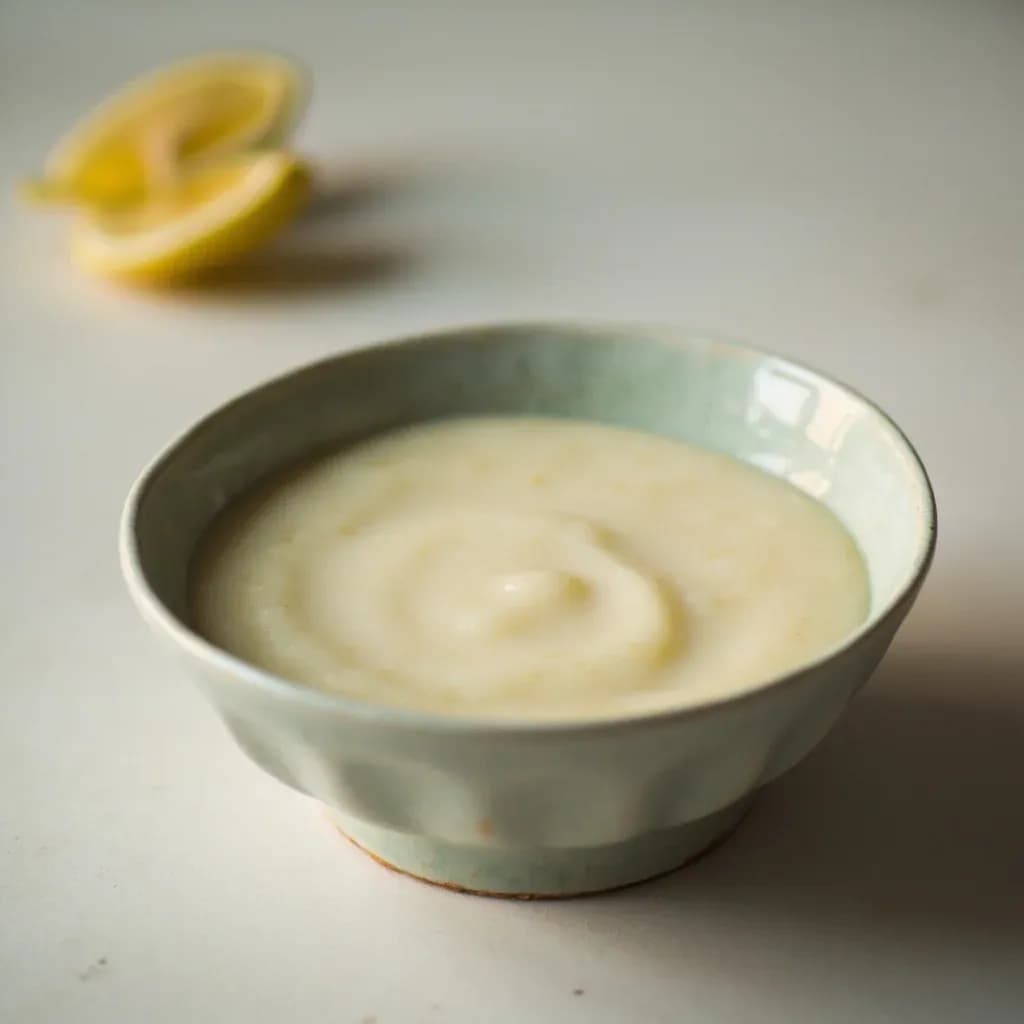
Iranian dried or liquid fermented whey product with a sour, intensely savory umami punch, drizzled over stews.
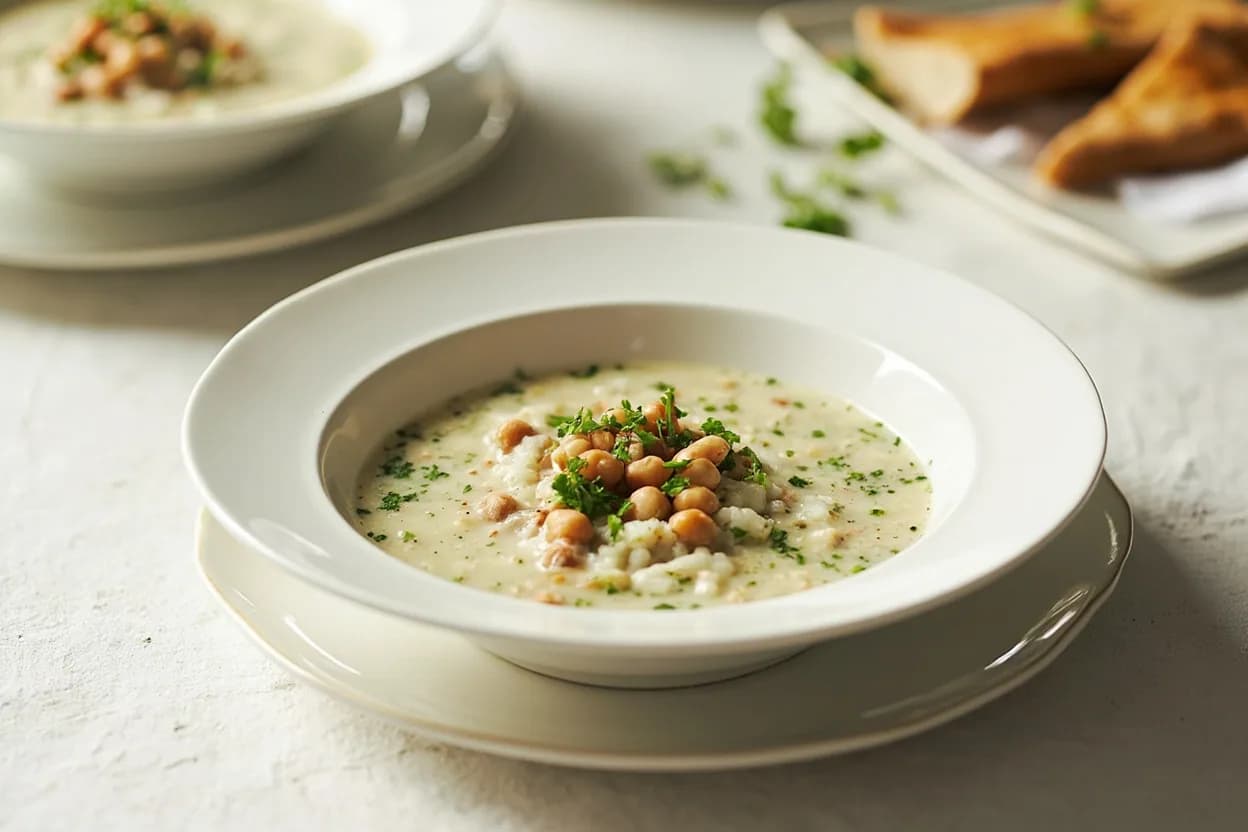
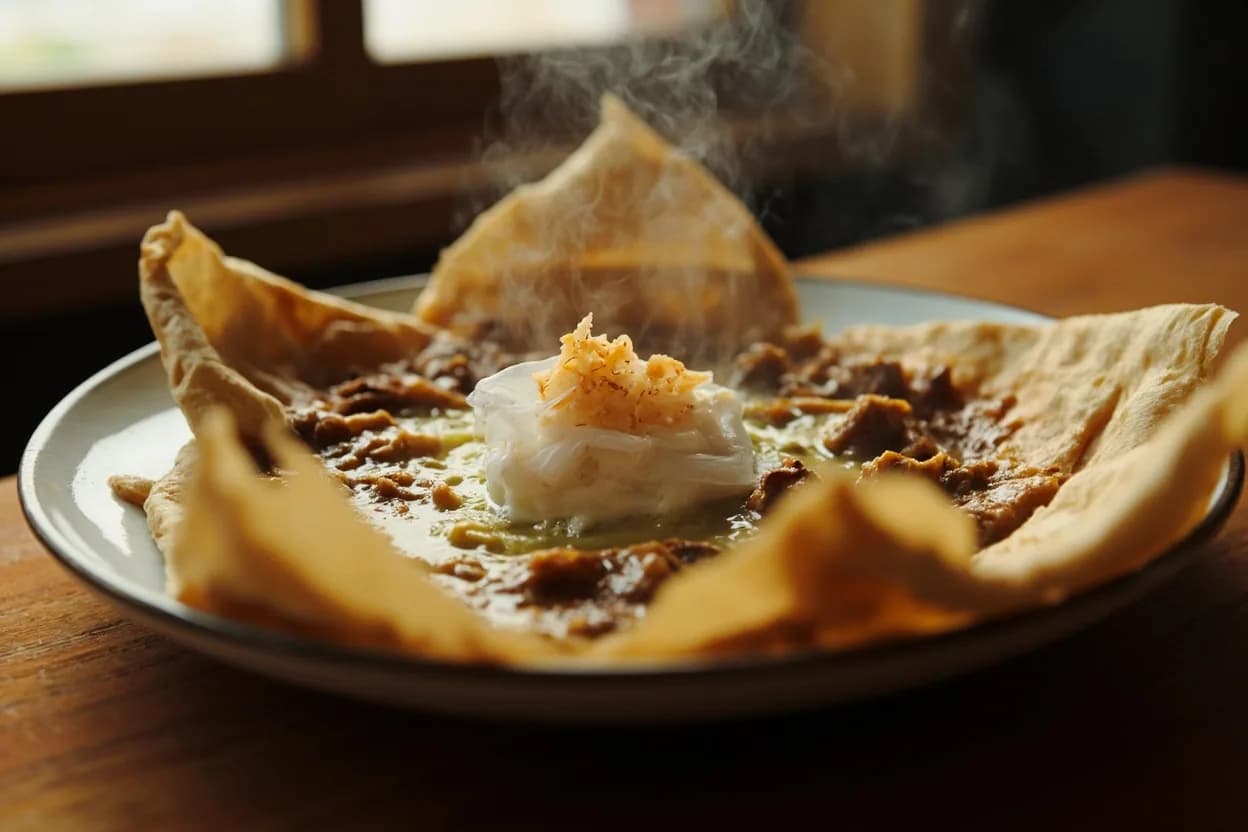
Kashk is a Persian and Central Asian dairy product made from the drained, fermented whey left over from making yogurt or cheese, then dried into hard balls or reconstituted into a thick liquid. It adds deep sour-salty umami and is essential to dishes like kashk-e bademjan (eggplant dip) and ash reshteh (noodle soup). Liquid kashk is whisked in at the end of cooking and often swirled on top as a garnish.
Kashk is a fermented dairy product made from whey—the liquid remaining after milk has been curdled and strained in cheese production. The whey is cultured with lactic acid bacteria, which consume lactose and produce lactic acid, souring the liquid while concentrating glutamates into a potent, deeply savory flavor. This fermentation transforms what would otherwise be a bland byproduct into an ingredient with remarkable umami intensity, often described as having a fermented cheese-like sharpness concentrated into a pourable form. In its dried form, kashk was historically a way to preserve whey through the warm months when milk was plentiful, allowing rural households to maintain a flavorful pantry staple through winter. The product appears across Persian, Armenian, Turkish, Georgian, and Levantine cuisines with regional variations in texture and intensity.
Liquid kashk behaves like a thick cream with a sharp tang, while dried kashk must be soaked before use and reconstitutes into a texture between soft cheese and thick sour cream. Its high acidity makes it excellent for cutting through rich dishes—eggplant stews, bean dishes, and fried eggs all benefit from its bright, funky counterpoint. When purchasing liquid kashk, smell it first: a clean, slightly sour scent indicates freshness, while ammonia notes signal over-fermentation or spoilage. Commercial dried kashk tends to be paler and milder than homemade, which often has a deeper, more complex funk from extended natural fermentation.
In Iran, many households still make kashk at home by fermenting fresh whey with a small amount of existing kashk or yogurt as a starter culture, then drying surplus on rooftops or windowsills—traditional practices still seen in rural areas today. This household production yields a product with more pronounced character than most commercial versions, which are often stabilized for longer shelf life at the expense of complexity.
- Measured in
- ml
- Storage
- Pantry
Allergens
Types & varieties
Liquid kashk; the most common modern form, sold in bottles or jars in Iranian grocery stores
Dried kashk; sold as hardened balls, flattened rounds, or irregular chunks; must be soaked before use
Similar liquid and dried forms; widely used in Armenian cuisine for soups and stews
Related fermented dairy products with overlapping culinary uses, though not identical to Persian kashk
The Art of Rehydrating Dried Kashk
Dried kashk requires proper rehydration to achieve the right texture for cooking or serving. The goal is a smooth, creamy consistency without lumps or graininess.
- Break dried kashk into smaller pieces to speed soaking—smaller pieces hydrate more evenly
- Use warm (not hot) water; hot water can cause uneven softening and alter the flavor
- Soak for at least 15–30 minutes, stirring occasionally, until fully softened
- Whisk or blend the rehydrated kashk until completely smooth before incorporating into dishes
- The final consistency should resemble thick sour cream; adjust with water if needed
- Soaked kashk can be used immediately or refrigerated for several days
Making Kashk at Home
Traditional homemade kashk captures a depth of flavor commercial versions often lack. The process is straightforward but requires attention to hygiene and timing.
- Begin with fresh whey from cheese-making—strain it through cheesecloth to remove any remaining curds
- Add a small amount of existing liquid kashk or plain yogurt as a starter culture (about 2 tablespoons per quart of whey)
- Cover and leave at room temperature (20–24°C / 68–75°F) for 1–3 days until it smells pleasantly sour and thickens slightly
- Refrigerate liquid kashk immediately and use within 2 weeks
- To dry surplus: spread the fermented liquid in thin, even layers on clean cheesecloth over a tray
- Sun-dry for several days to weeks, turning daily, until hardened into balls or wafers
- Store dried kashk in airtight containers in a cool, dark place for months or years
Common uses
Tips & pitfalls
- Add liquid kashk at the end of cooking or serve it cold; prolonged heat dulls its bright tang and diminishes the umami punch
- Soak dried kashk in warm water for 15–30 minutes, then whisk or blend to the desired consistency—typically thicker than cream
- Dried kashk can be pounded or food-processed while dry to create a fine powder for extended shelf life
- If kashk is too thick for your purpose, thin it with the cooking liquid from your stew or a splash of water
- Taste before adding salt—commercial kashk can be quite salty, especially the dried form
- To prevent grainy texture in sauces, whisk liquid kashk vigorously before using and add it gradually while stirring
- Homemade liquid kashk is more perishable than commercial versions due to lack of preservatives; use within 1–2 weeks
- When kashk separates or looks watery, whisk it well before using—sometimes it just needs agitation to come back together
Nutrition
Energy
1418 kJ · per 100 g
Where the calories come from
Protein
11.7g
23% DV
Carbs
73.5g
27% DV
Fat
0.5g
1% DV
Fiber
0g
0% DV
Sugars
73.5g
of which
Sodium
968mg
42% DV
Source · USDA FoodData Central · Whey, acid, dried
View on FDC →In the shops
Matched grocery products
No matched grocery products for Kashk (Whey Curd) yet.
Good to know
- Origin
- Iran and the broader Persian culinary tradition; central also to Armenian, Turkish, Georgian, and Levantine cuisines
- Form
- Liquid (white, pourable) or dried (hard balls, wafers, or flattened discs)
- Flavor
- Sour, tangy, intensely savory with deep umami; saltiness varies by preparation
- Base Material
- Whey leftover from cheese production, fermented with lactic acid bacteria
- Shelf Life (Liquid)
- Refrigerate; use within 2–3 weeks
- Shelf Life (Dried)
- Months stored airtight in a cool, dark place; years if very dry
- Traditional Season
- Historically made when milk was plentiful—spring and early summer
Substitutes
- Plain full-fat yogurt (strained through cheesecloth for thickness) — Closest flavor match but milder; add a few drops of lemon juice for extra tang
- Labneh (strained yogurt) — Thicker and tangier than regular yogurt; excellent texture for drizzling
- Sour cream thinned with whey or water — Works in a pinch for soups and stews but lacks depth of umami
- Feta cheese brine — Saltier and more intensely tangy; dilute with water before using
- Greek yogurt mixed with ricotta whey — Approximates the consistency and adds a slight fermented note
Pairs with
Also called
kashk · qurut · whey curd · dried whey
Appears in these dishes



Related

Whole Milk
Rich, full-fat milk for drinking, coffee, sauces, and baking
Butter
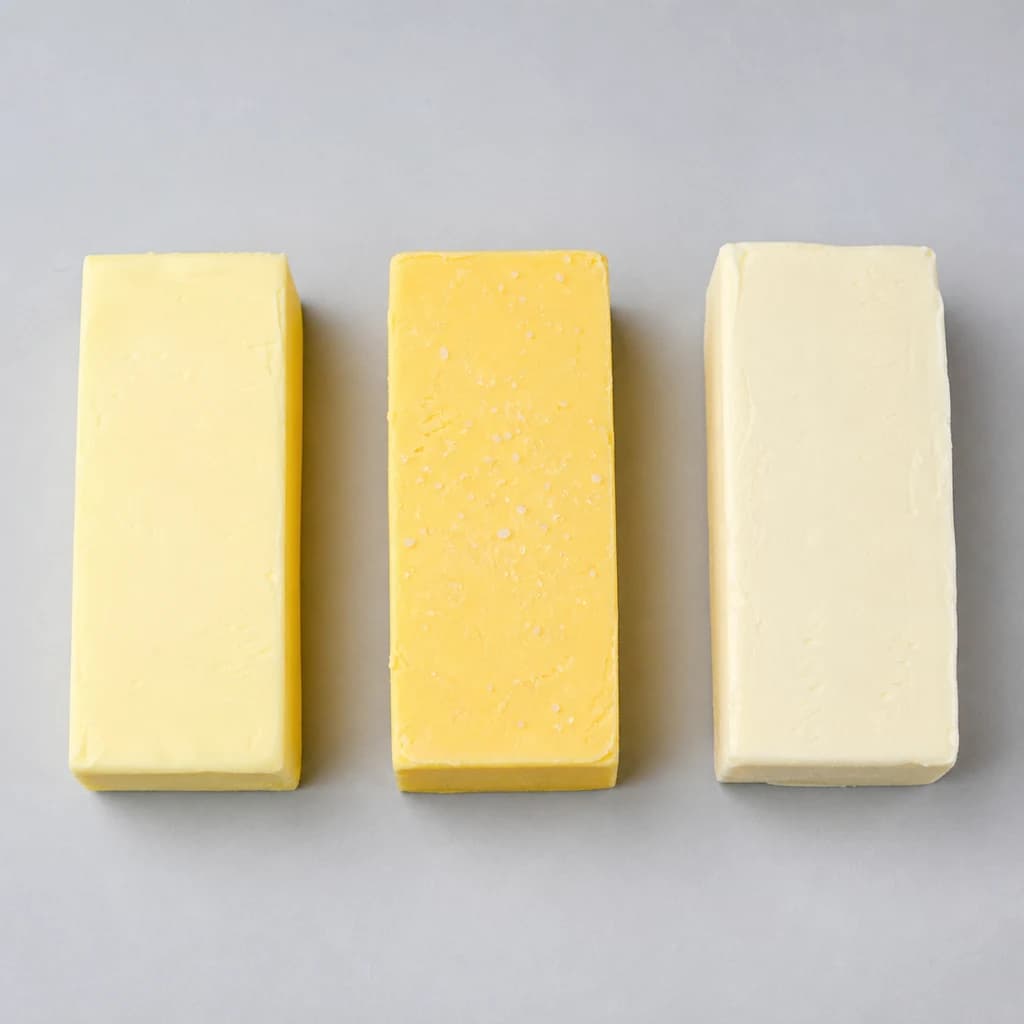
Golden fat for searing, baking, and finishing a sauce
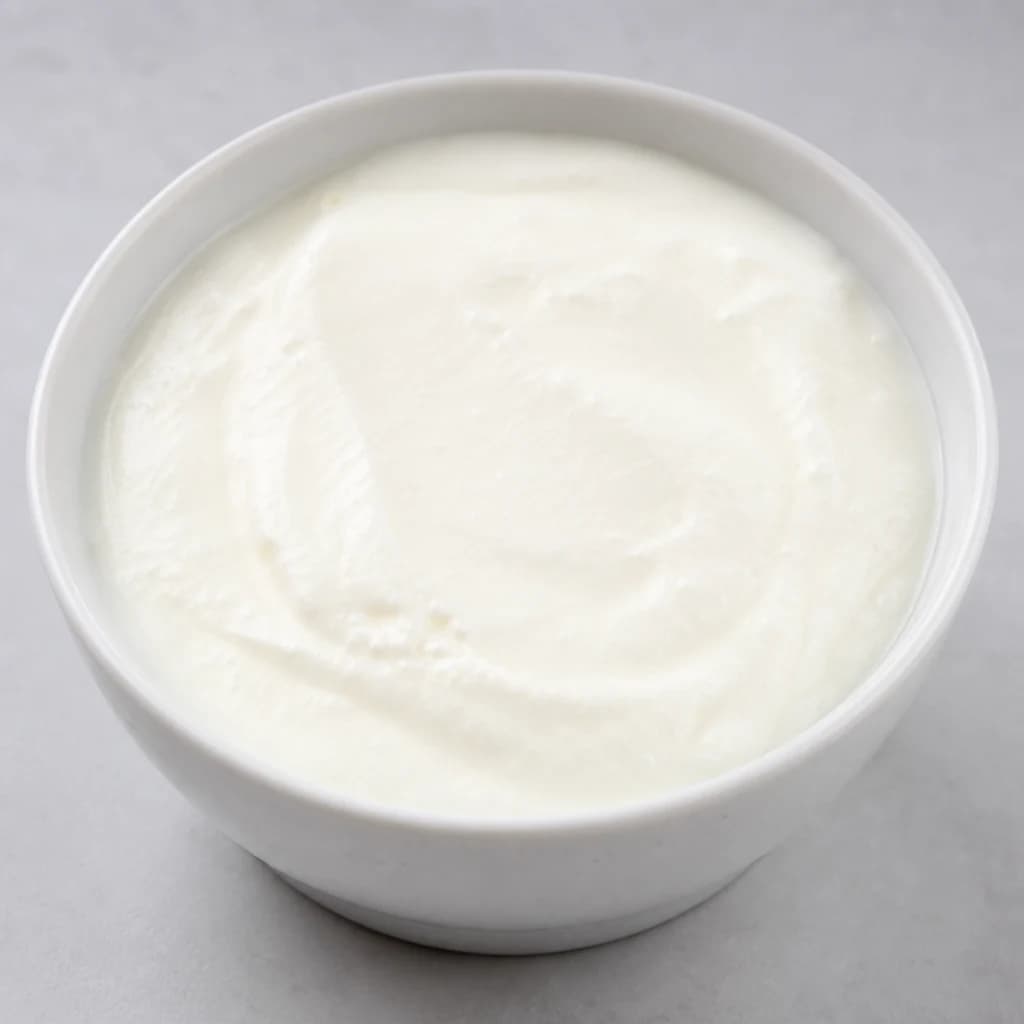
Yogurt
Tangy, creamy culture for breakfast, sauces, and marinades
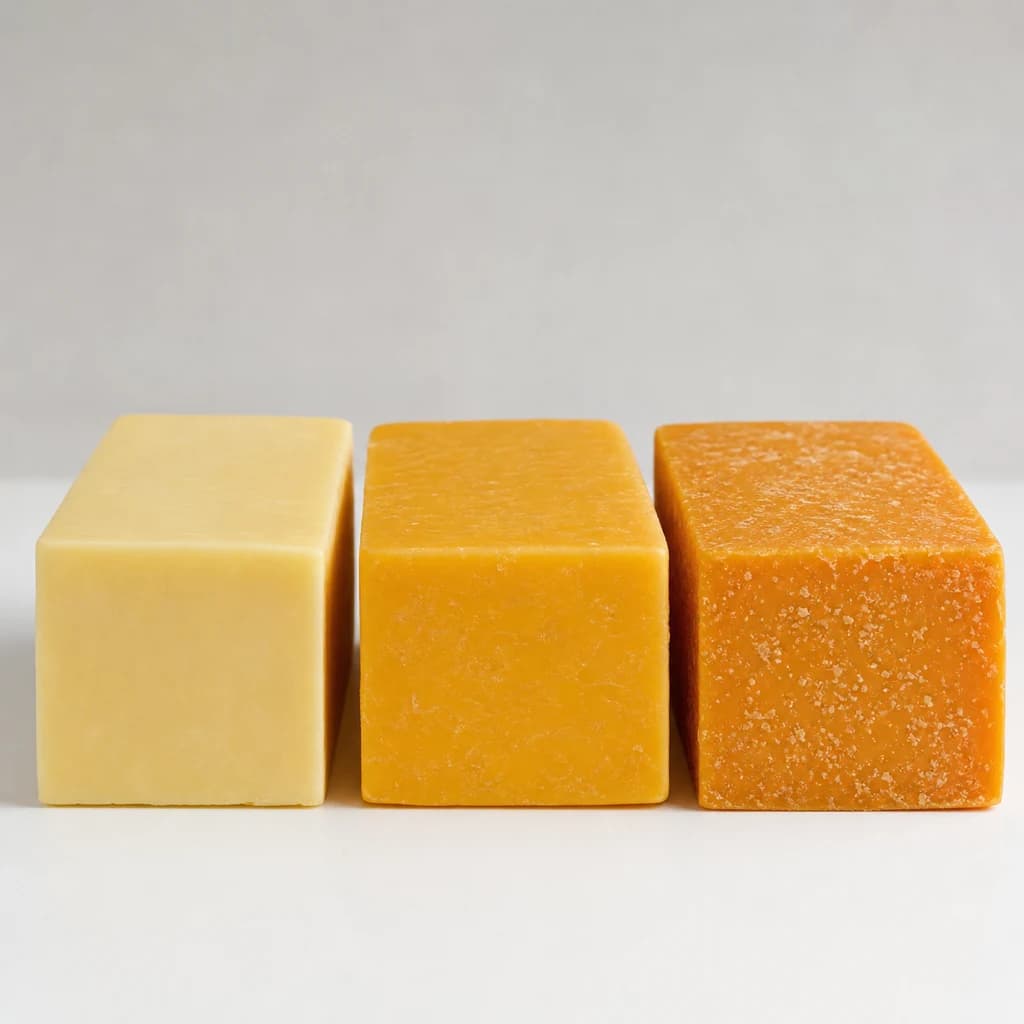
Cheddar Cheese
Sharp, melty cheese for sandwiches, gratins, and grating
Skim Milk
Fat-free milk for lighter drinking, coffee, and cooking
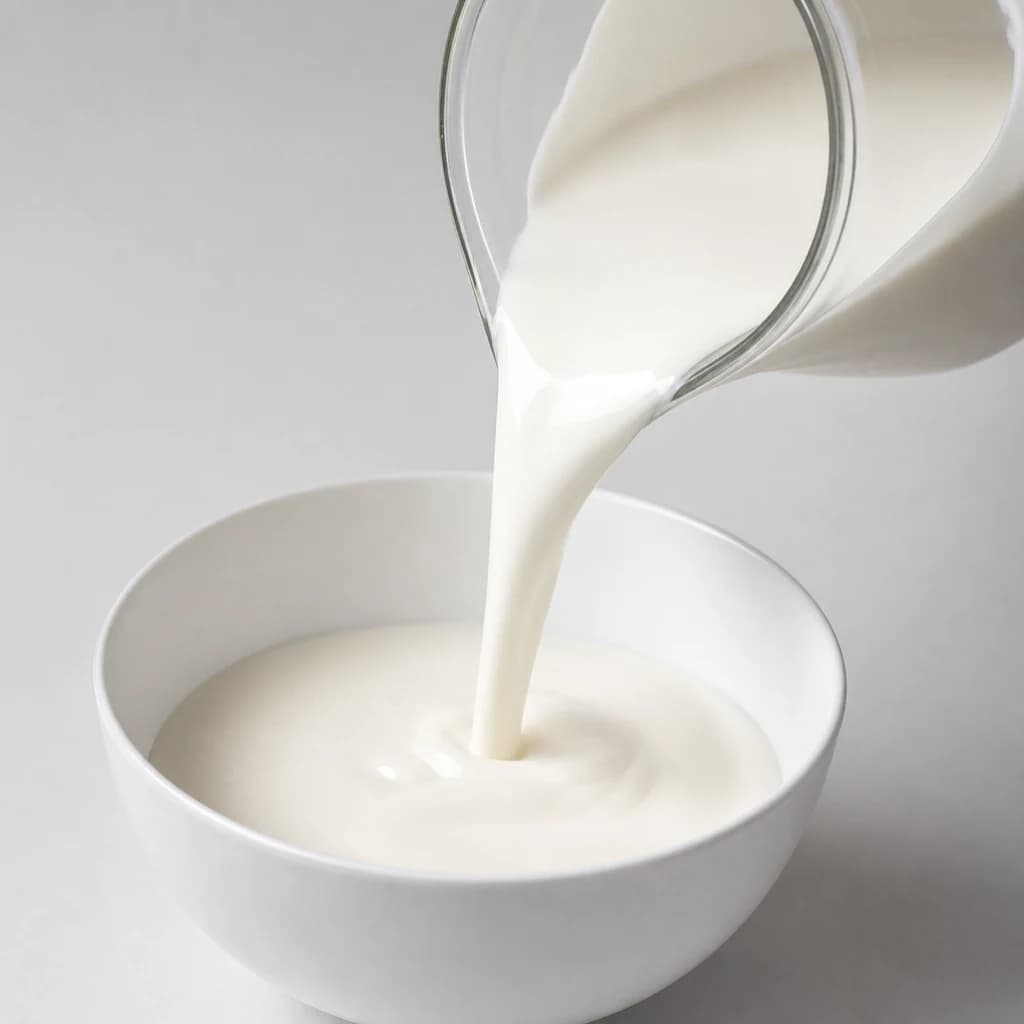
Heavy Cream
Rich cream that whips, enriches sauces, and sets ganache

Sour Cream
Tangy, thick cream for dolloping, baking, and dips
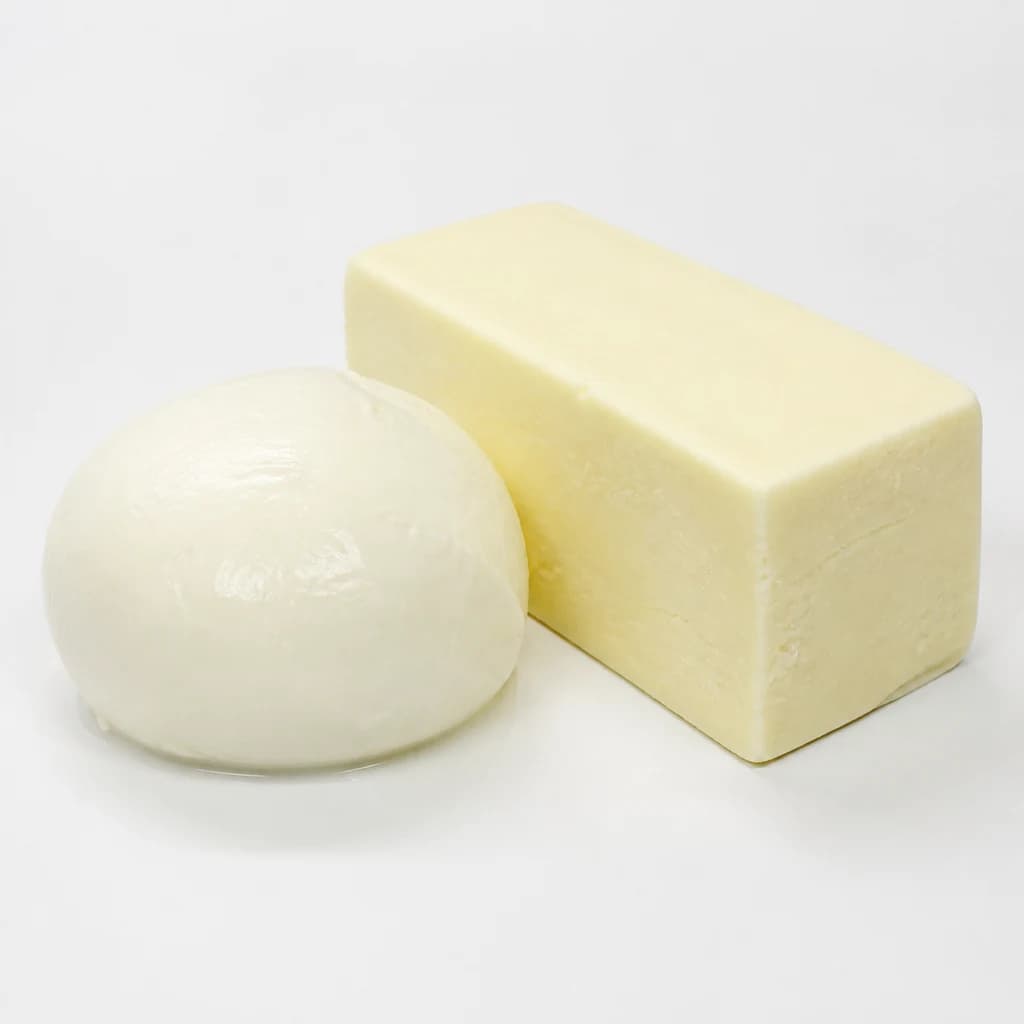
Mozzarella
Soft, milky cheese that melts into stretchy pizza pulls