Produce
Island Shallot (Rakkyo)
Small Japanese bulb (rakkyo) pickled into a crunchy sweet-sour condiment.
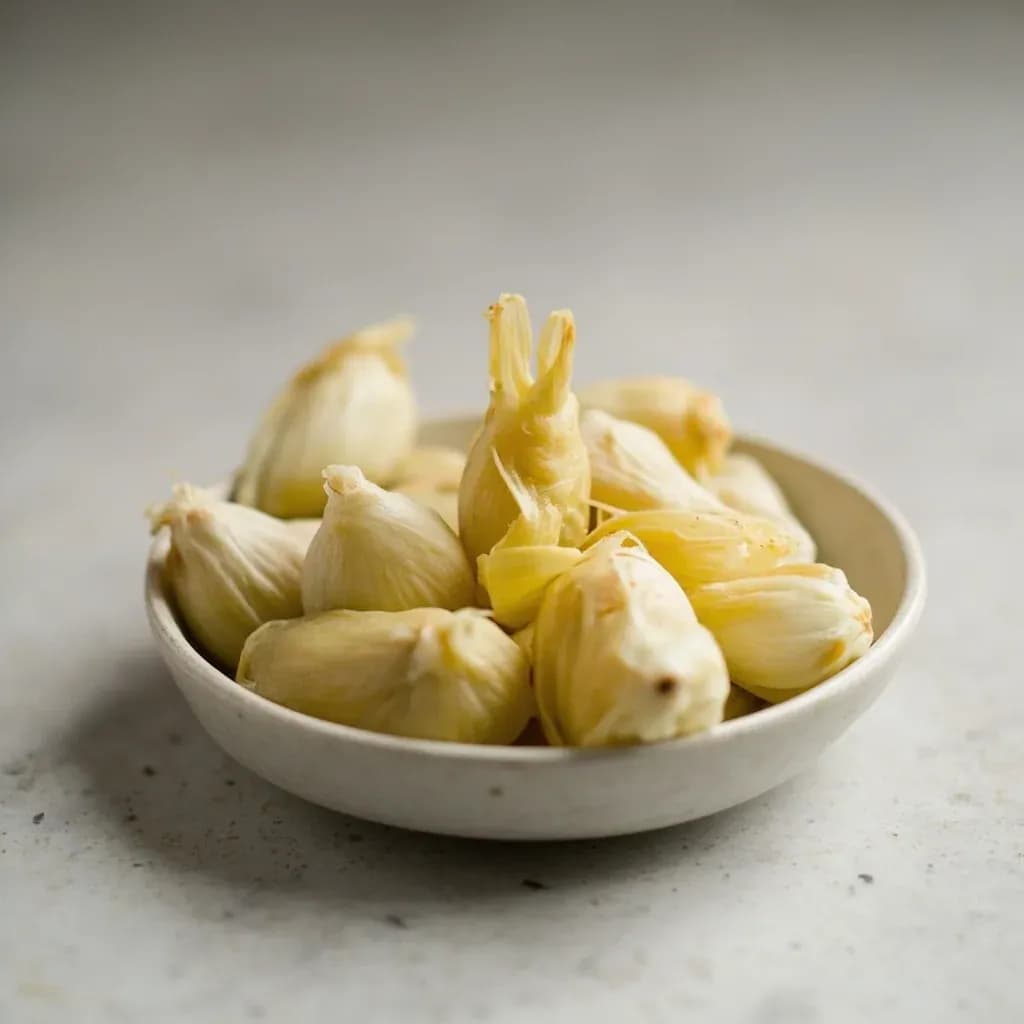
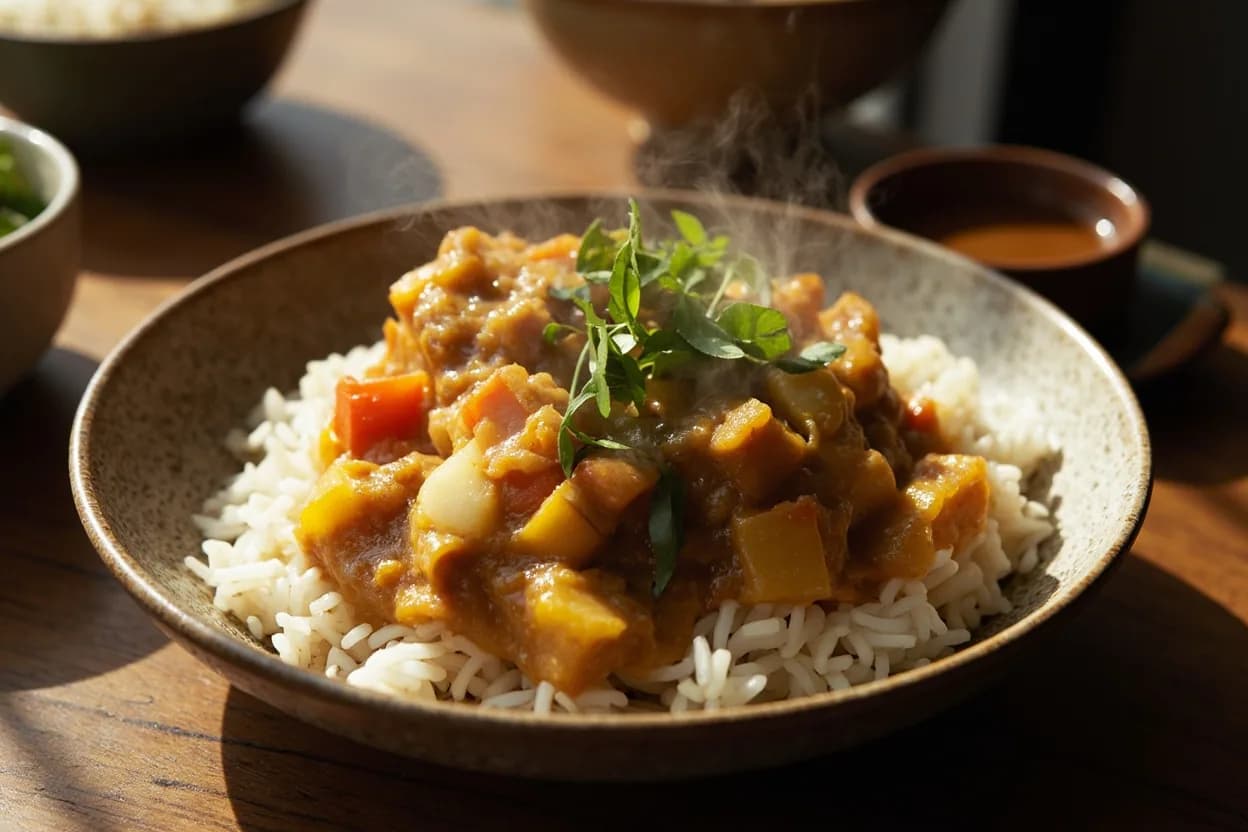
Island shallot, known as rakkyo in Japan, is a small, slender allium bulb similar to a shallot or pearl onion. It is most often pickled in a sweet-and-sour brine to make crunchy amazu rakkyo, a classic accompaniment to Japanese curry. Fresh rakkyo is pungent, but pickling turns it crisp, tangy, and refreshing.
Rakkyo (Allium chinense), commonly called Japanese or island shallot, is a small white bulb vegetable cultivated in East Asia for over a thousand years—Japanese records trace its cultivation to the Heian period (794–1185). Unlike true shallots (Allium cepa var. aggregatum), rakkyo belongs to a distinct species, though the English name persists in markets. The fresh bulb measures 15–25mm in diameter—roughly the size of a large olive—with thin papery skin and a sharply pungent, garlicky bite that mellows dramatically through pickling. Modern commercial production concentrates in Saitama Prefecture's Yoshimawara district, which supplies roughly 90% of Japan's crop, prized for consistent size and balanced sweetness.
The pickled form is what most cooks encounter. Saitama rakkyo-zuke transforms the biting fresh bulb through a specific process: bulbs are blanched or par-boiled first, then soaked in seasoned liquid—typically rice vinegar, sugar, and salt—without cooking in the brine. This yields a firm, crunchy texture that holds its shape in hot noodle soups and fried dishes, unlike Western pickled onions, which soften considerably. The result is a mild, sweet-sour condiment with gentle onion character that balances salinity and crunch. A widespread Japanese belief holds that rakkyo aids digestion, attributed to its allicin content (the same compound in garlic), though this remains folk medicine rather than clinically verified.
Beyond the iconic curry rice pairing, rakkyo functions as a versatile tsukemono across Japanese cuisine—from bento boxes to tonkotsu ramen garnishes to okonomiyaki batter. Its sweet-sour crunch also travels well on Western charcuterie boards and pairs assertively with soft cheeses, making it one of the most adaptable Japanese pickles in international cooking.
- Measured in
- g
- Storage
- Fridge
Types & varieties
The benchmark commercial variety; pickled in sweet rice vinegar with sugar and salt; standard for export and domestic consumption
May involve Allium nigrum or a fermentation process; deeper, more complex flavor; a specialty from Kyoto with umami depth
Available seasonally in early summer; intensely pungent and garlicky; can be quick-pickled at home or blanched before use
A cultivar with slight reddish tinge; less common commercially; similar flavor profile to white rakkyo
The Pickling Process
Rakkyo undergoes a two-step preservation method that distinguishes it from Western quick-pickled onions. The fresh bulbs are first blanched or par-boiled, which sets their texture and reduces surface microorganisms. They are then submerged in a seasoned liquid—rice vinegar as the base, sweetened with sugar and seasoned with salt—where they cure without further heat. This cold-soak method preserves cellular integrity, keeping the bulbs firm and crunchy through months of refrigerated storage. The brine-to-bulb ratio and exact seasoning vary by producer; Saitama-style rakkyo tends toward prominent sweetness, while Kyoto-style may include usukuchi (light soy) for added savoriness.
- Never cook rakkyo in the brine—the bulbs soften and lose their defining crunch
- The blanch-first method is essential; skipping it results in inferior texture and shorter shelf life
- Store fully submerged in brine; exposure to air causes softening within days
Fresh vs. Pickled: When to Use Each
Fresh rakkyo appears briefly at markets in early summer and offers an entirely different experience than the pickled version. The raw bulb delivers sharp, aggressive allium heat—comparable to a concentrated garlic punch—which mellows substantially with cooking or pickling. Use fresh rakkyo when you want aggressive onion character: blended into a strong sauce, minced into a marinade, or pickled at home for a fresher, brighter result than commercial products. Pickled rakkyo serves as a finished condiment—added at the table or as a late-stage garnish where its crunch, mildness, and sweet-sour balance can function without competing flavors overwhelming it.
- Fresh rakkyo: aggressive, pungent, garlicky; requires cooking or pickling to soften
- Pickled rakkyo: mild, crunchy, sweet-sour; use as a condiment or garnish, not a cooking ingredient
- Quick-pickle fresh rakkyo yourself for a brighter, less sweet alternative to commercial products
Common uses
Tips & pitfalls
- Drain pickled rakkyo from the brine before serving—serving them wet makes rice and noodles soggy
- Never overcook pickled rakkyo; add it at the end of cooking or use it raw as a garnish to preserve crunch
- Look for firm, uniformly white bulbs with no soft spots or discoloration; texture is the primary quality indicator
- Use a clean, dry utensil every time you open the jar—introducing moisture causes rapid softening and shortens shelf life
- If rakkyo loses its crunch over time, blend it into salad dressings or cooking sauces rather than discarding; the flavor survives texture loss
- Pair rakkyo with rich, fatty dishes—the acidity cuts through pork katsu, tonkotsu ramen, and fried foods effectively
- For a punchier condiment, drain rakkyo and sauté briefly in butter until lightly caramelized at the edges
- When substituting with fresh shallots, quick-pickle them in 1:1 rice vinegar and water with a pinch of sugar for 30 minutes—but expect inferior crunch
Nutrition
Energy
301 kJ · per 100 g
Where the calories come from
Protein
2.5g
5% DV
Carbs
16.8g
6% DV
Fat
0.1g
0% DV
Fiber
3.2g
11% DV
Sugars
7.9g
of which
Sodium
12mg
1% DV
Source · USDA FoodData Central · Shallots, raw
View on FDC →In the shops
Matched grocery products
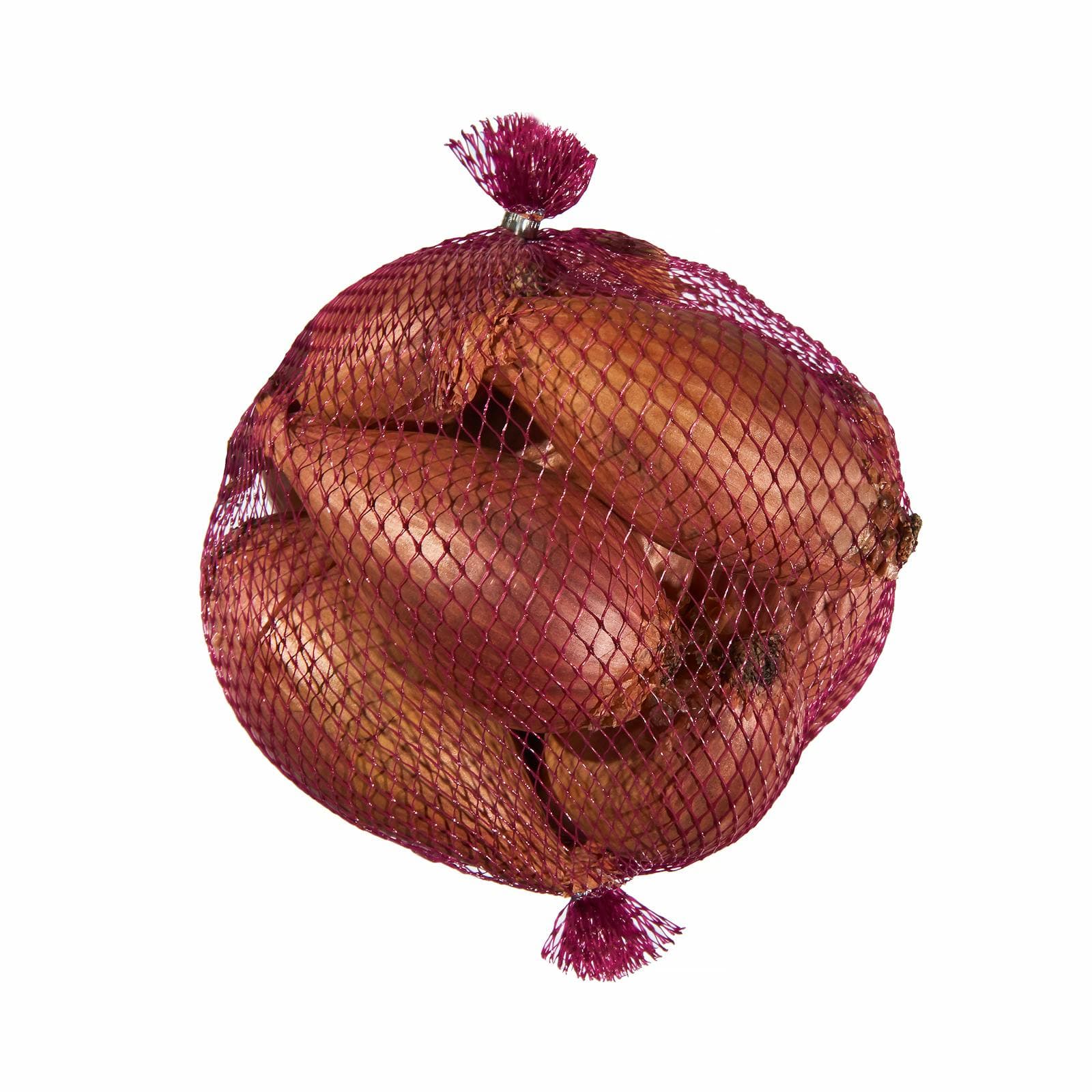 €1.75
€1.75Shallots
250 g · Mercadona
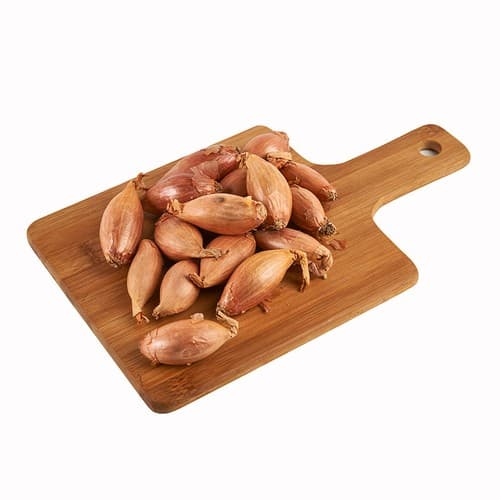 €1.59
€1.59Shallots in Mesh Bag 250 g
kg · Bonpreu
Good to know
- Scientific Name
- Allium chinense (distinct from true shallot, Allium cepa var. aggregatum)
- Also Known As
- Japanese shallot, Chinese onion, pearl onion, rakkyo (らっきょう)
- Primary Origin
- East Asia; Saitama Prefecture (Yoshimawara district) produces ~90% of Japan's commercial crop
- Fresh Season
- Early summer (June–July in Japan)
- Physical Form
- White bulbs 15–25mm diameter; similar to a large olive or small marble; thin papery skin
- Flavor (Pickled)
- Mild onion sweetness with balanced sweet-sour salinity and persistent crunch
- Shelf Life
- Pickled: 6–12 months refrigerated; Fresh: 1–2 weeks in cool, dry storage
Substitutes
- Quick-pickled pearl onions — Similar size and crunch; soak pearl onions in 1:1 rice vinegar and water with 1 tbsp sugar per cup liquid for at least 2 hours before using
- Sweet pickled cocktail onions — Flavor differs (more vinegary, less complex) but texture and sweetness are comparable; drain and use as-is
- Fresh shallots, thinly sliced and quick-pickled — Won't match rakkyo's crunch or depth; acceptable as a last resort for raw applications only
- Capers — Provides saltiness and briny crunch in savory applications but lacks onion character entirely; use only where flavor compatibility allows
Pairs with
Also called
Rakkyo · Chinese Onion · Scallion Bulb
Appears in these dishes
Related
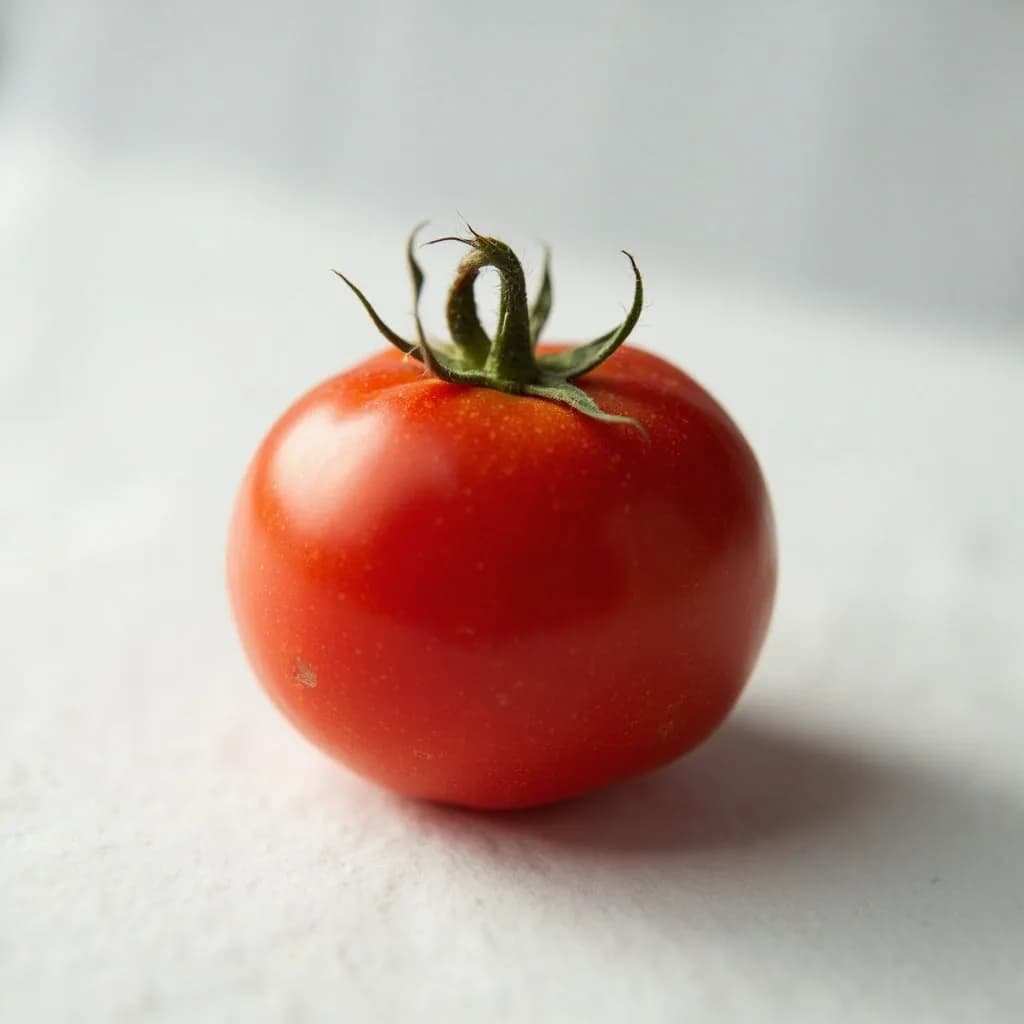
Tomato
Juicy, sun-sweet fruit for sauces, salads, and slow-cooked depth
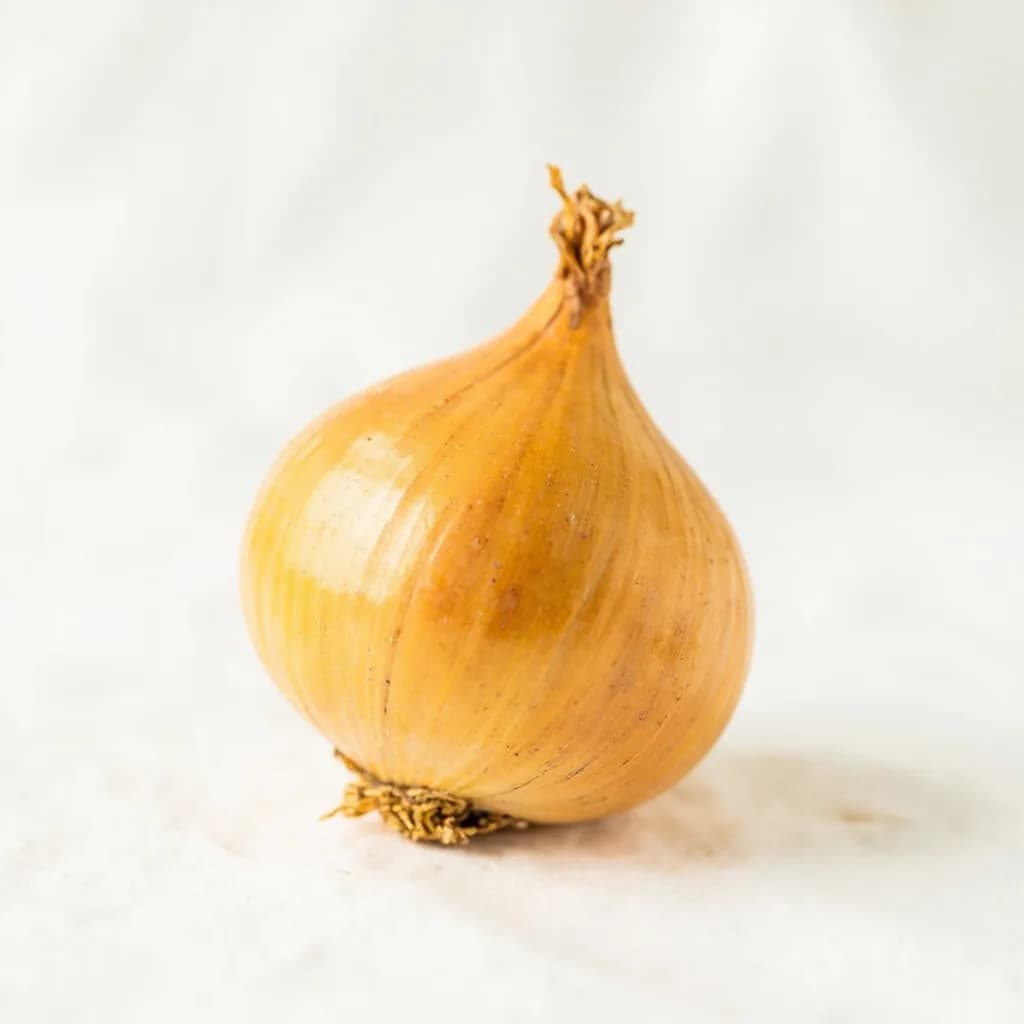
Yellow Onion
The aromatic backbone of soups, sofritos, and braises
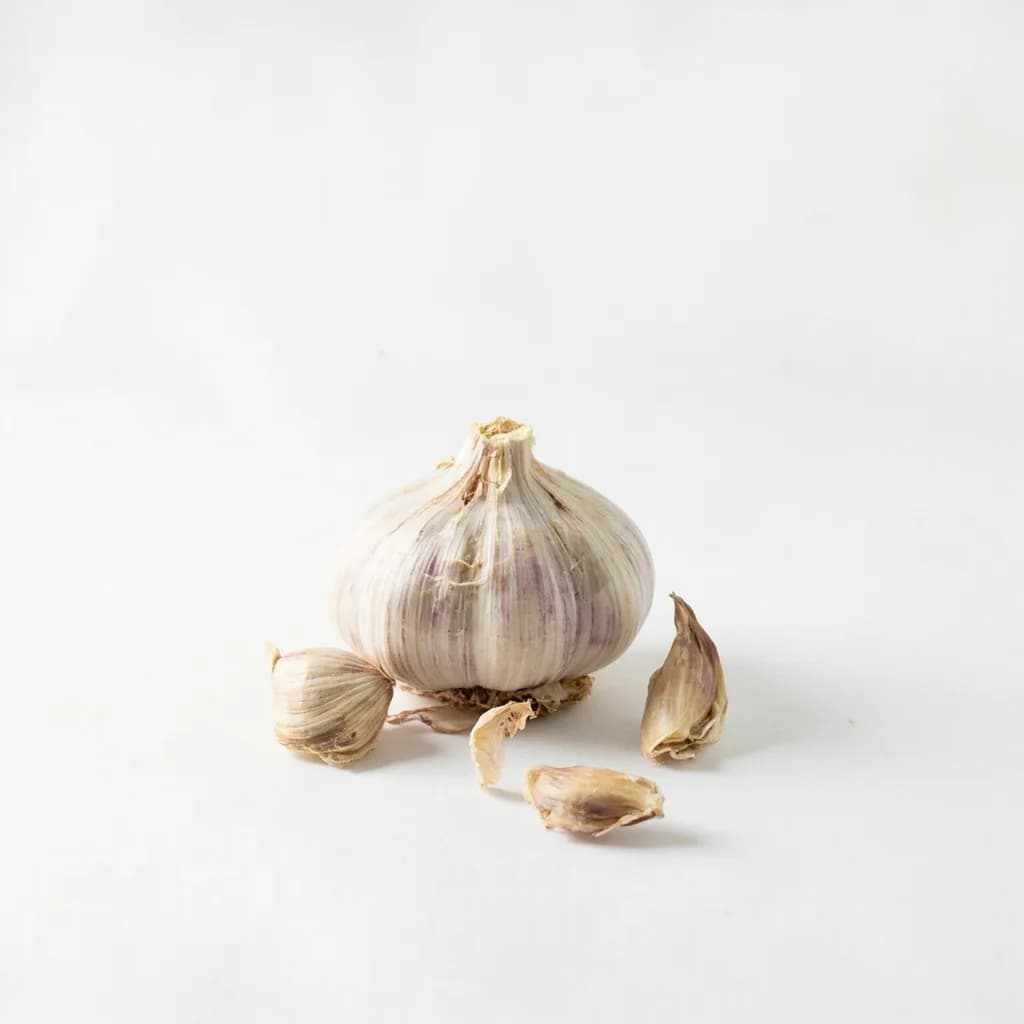
Garlic
Pungent cloves that perfume nearly every savory dish
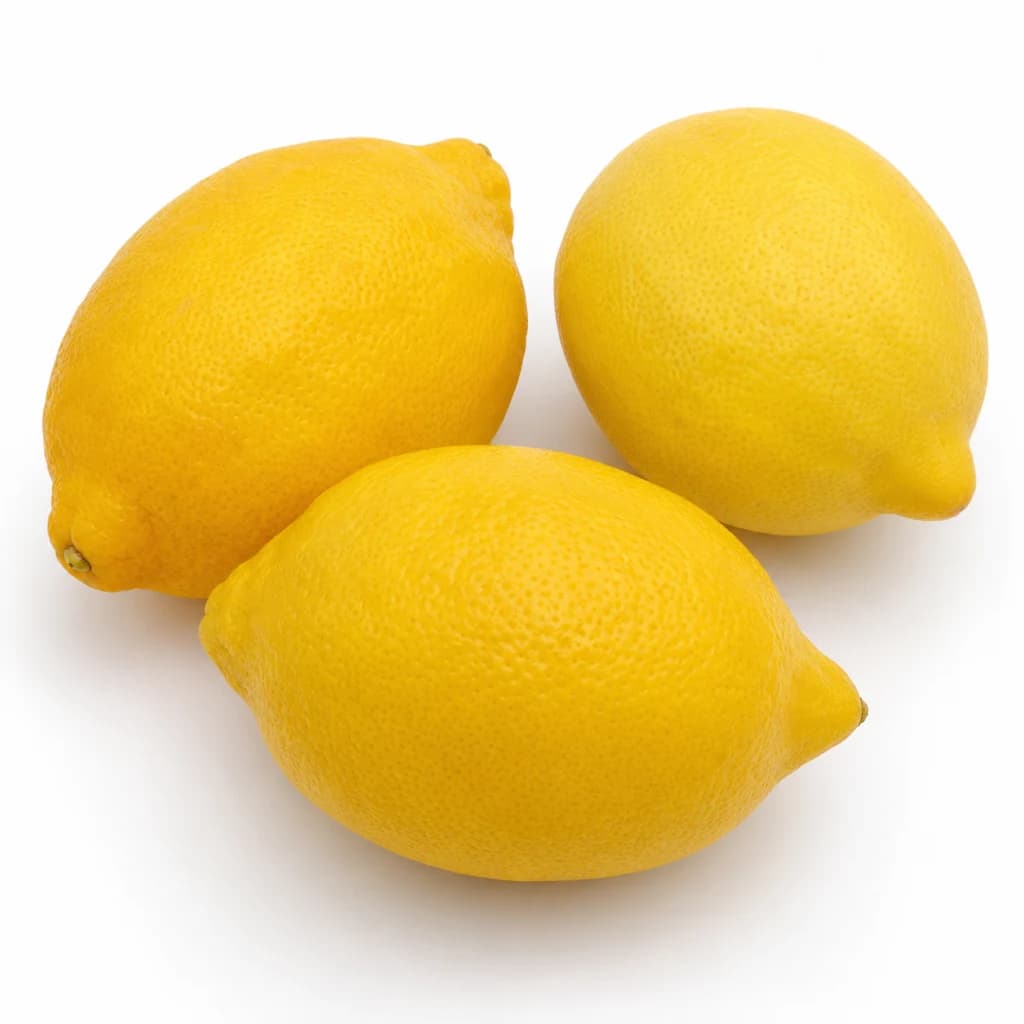
Lemon
Bright, acidic citrus that wakes up almost any dish
Potato
Humble, hearty staple — roast, mash, fry, or boil
Carrot
Sweet, crunchy root — raw, roasted, or the base of a sofrito
Cucumber
Cool, crisp, and watery — for salads, pickles, and tzatziki

Lettuce
Crisp leaves for salads, wraps, and a fresh crunch