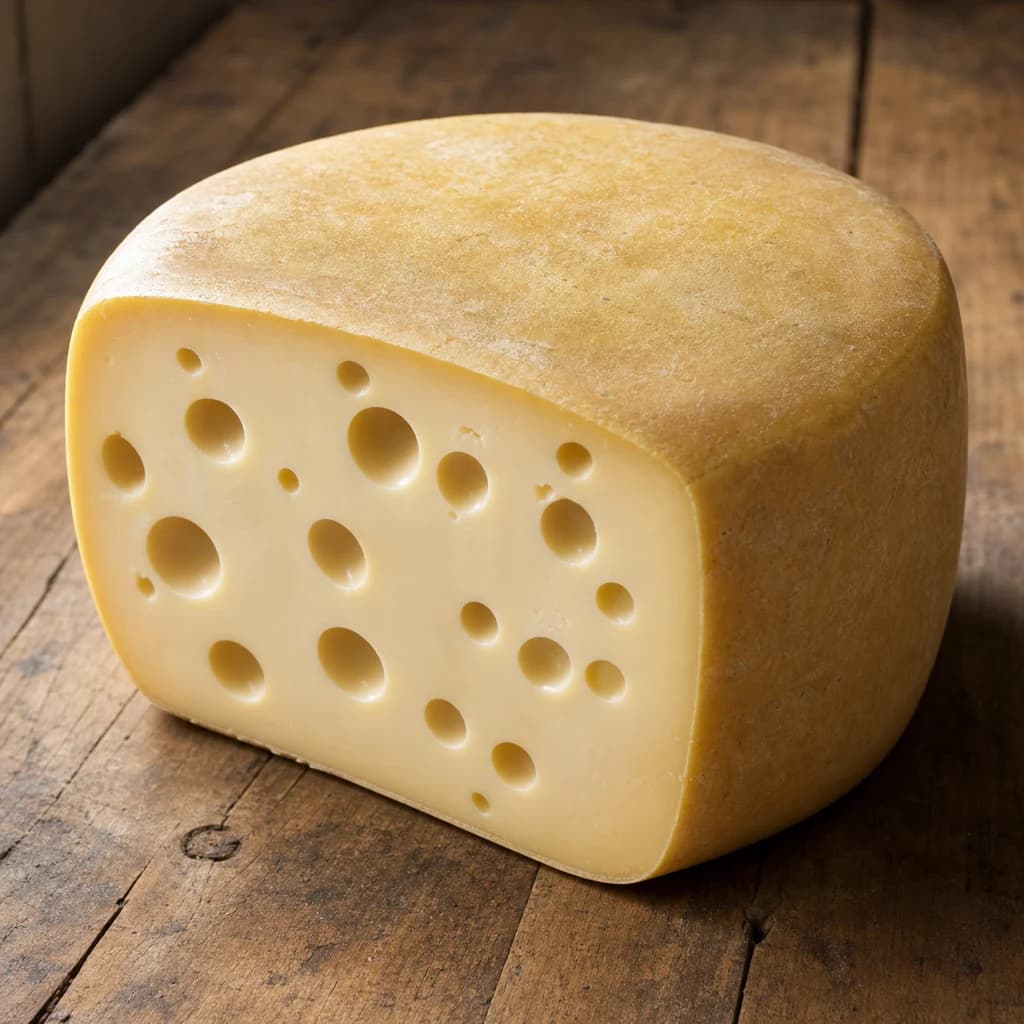
Natural form
A whole Jarlsberg wheel shows its pale golden wax rind and characteristic large round holes.
Establishes the iconic whole-wheel form, waxy rind color, and size that makes Jarlsberg instantly recognizable at market.
Dairy & Eggs
Jarlsberg Cheese
Mild, nutty Norwegian cow's-milk cheese with large holes; melts well for sandwiches.
Jarlsberg is a Norwegian cow's-milk cheese with a mild, buttery, slightly sweet and nutty flavor and characteristic large round holes. It melts smoothly, making it popular for grilled sandwiches, fondue, gratins, and cheese boards. It is often compared to Swiss Emmental but is softer and sweeter.
Jarlsberg is a Norwegian cow's-milk cheese first produced in 1854 by Anders Larsen Bakke in Vestfold county. It belongs to the Swiss-style family, distinguished by its characteristic large, round holes called "eyes," but it occupies a specific niche as an approachable, meltable alternative to traditional Alpine cheeses. Where true Swiss cheeses like Gruyère carry assertive, rangy flavors, Jarlsberg was engineered to bridge the gap between that assertiveness and the blandness of generic American cheese—making it a workhorse cheese with genuine character.
The flavor is mild and buttery with subtle nutty undertones, avoiding aggressive sharpness or saltiness. The texture is medium-firm and supple, with the signature large holes that form naturally during aging. Its melting behavior is remarkably predictable: at moderate heat it flows smoothly without turning rubbery or separating, and the natural pale-yellow rind browns beautifully during baking. Aged a minimum of three to four months, Jarlsberg develops just enough complexity to stand up to accompaniments while remaining versatile enough for everyday cooking.
The cheese holds an unusual distinction: since 1956, it has been the official cheese of the United States Senate, a tradition that began when Norwegian-American delegates presented it at a luncheon and never quite ended. Today Jarlsberg is produced by Tine SA in Norway under strict specifications, though it is also manufactured under license in other countries, which may result in subtle variations in flavor and texture. In the US market, only the Tine product carries the Jarlsberg name; generic "Jarlsberg-style" cheese is a distinctly different product.
- Measured in
- g
- Storage
- Fridge
Allergens
Types & varieties
The classic with large holes; the benchmark reference for this cheese
Reduced-fat version at approximately 16% fat; still melts well but with a slightly milder flavor
Pre-sliced thin rounds marketed for snacking and lunchboxes
Cold-smoked variant that adds subtle smokiness while retaining the melting properties of the original
The Science of the Holes
The distinctive holes in Jarlsberg form during the aging process when pockets of carbon dioxide gas become trapped in the cheese paste. These "eyes" begin forming around four to six weeks and continue developing as the cheese matures. Younger wheels tend to have smaller or fewer holes, which can be useful if you find large holes problematic for slicing or presentation. The hole formation does not affect the flavor or melting quality—it's purely aesthetic.
- Younger wheels have smaller holes; look for these if aesthetics matter
- The holes are caused by carbon dioxide trapped during fermentation
- Hole size does not indicate quality or age in the way some assume
The Senate Connection
Since 1956, Jarlsberg has been served at official Senate functions, making it the only cheese with an official relationship to the United States Congress. This tradition originated when Norwegian-American senators were introduced to the cheese and decided it belonged on their menus. The association has made Jarlsberg synonymous with American legislative dining, though the cheese itself remains quintessentially Norwegian. Note that "Jarlsberg" in the US market refers exclusively to the Tine product from Norway; generic "Jarlsberg-style" cheese is a different product manufactured without adherence to the original specifications.
- Since 1956, Jarlsberg has been the official cheese of the US Senate
- The name "Jarlsberg" is trademarked and refers only to Tine-produced cheese
- International licensed production may yield subtle flavor variations
Common uses
Tips & pitfalls
- Bring cheese to room temperature 30–45 minutes before serving or cooking for best flavor development and even melting
- When melting for sauces, always grate or shred first—this ensures smooth, even incorporation without clumping
- Never overheat above 70°C (160°F); excessive heat causes the fat to separate, leaving you with an oily, rubbery mess
- Store with a small piece of butter or a dampened paper towel inside the wrap to prevent drying out without promoting mold
- For sandwiches, pair Jarlsberg with a sharper cheese like aged Gruyère or sharp Cheddar to balance its mildness
- The natural rind is fully edible—do not discard it when baking; it helps the cheese hold its shape and browns nicely
- If the holes are problematic for slicing or presentation, seek out younger wheels which have smaller or fewer eyes
- When freezing is necessary, thaw slowly in the refrigerator overnight; texture will be slightly affected but the cheese remains usable for cooking
Nutrition
Energy
1628 kJ · per 100 g
Where the calories come from
Protein
25.6g
51% DV
Carbs
1.6g
1% DV
Fat
31.1g
40% DV
Fiber
0g
0% DV
Sugars
1.6g
of which
Sodium
800mg
35% DV
Source · USDA FoodData Central · approx. Cheese, fontina
View on FDC →In the shops
Matched grocery products
No matched grocery products for Jarlsberg Cheese yet.
Good to know
- Origin
- Norway (Vestfold county); first produced in 1854 by Anders Larsen Bakke
- Milk
- Pasteurized cow's milk
- Fat Content
- Approximately 45% milk fat (full-fat version)
- Aging
- 3–4 months minimum
- Texture
- Medium-firm, supple; characteristic large, round holes ("eyes")
- Rind
- Natural pale-yellow rind, fully edible
- Typical Form
- Large wheels, typically 10–12 kg (22–26 lbs)
- Storage
- Refrigerate at 2–4°C (35–40°F), wrapped tightly; use within 4–6 weeks
Substitutes
- Emmental — The closest match in flavor, texture, and characteristic hole formation; a true Swiss-style cheese
- Gouda (young) — Similar mild, nutty profile and excellent melting behavior; slightly more buttery in flavor
- Havarti — Comparable melt quality and mild flavor; slightly more acidic notes; similar texture without the holes
- Baby Swiss — A smaller-scale version of Swiss cheese; milder in flavor and melts well
- Raclette — Excellent melting cheese; slightly more pungent flavor than Jarlsberg but similar melting characteristics
Pairs with
Also called
Norvegia Cheese
Related

Whole Milk
Rich, full-fat milk for drinking, coffee, sauces, and baking
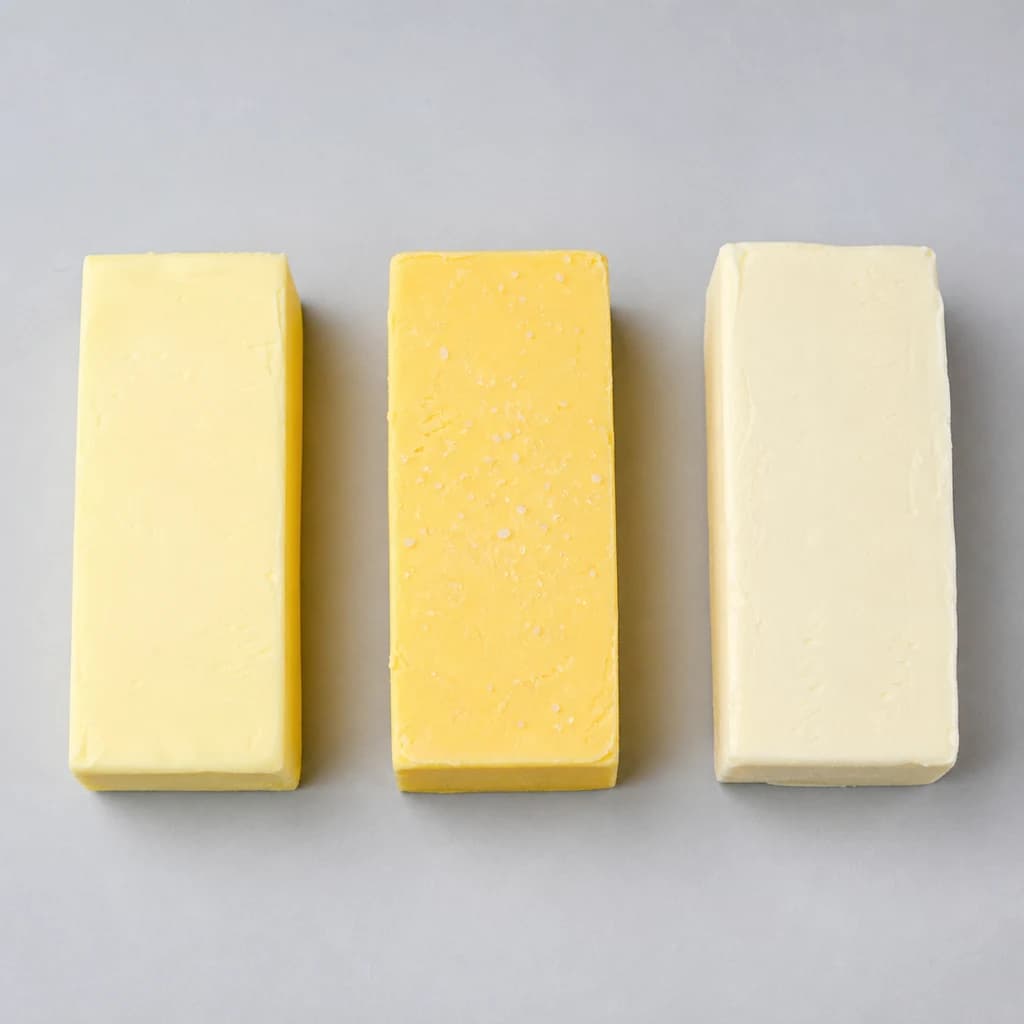
Butter
Golden fat for searing, baking, and finishing a sauce
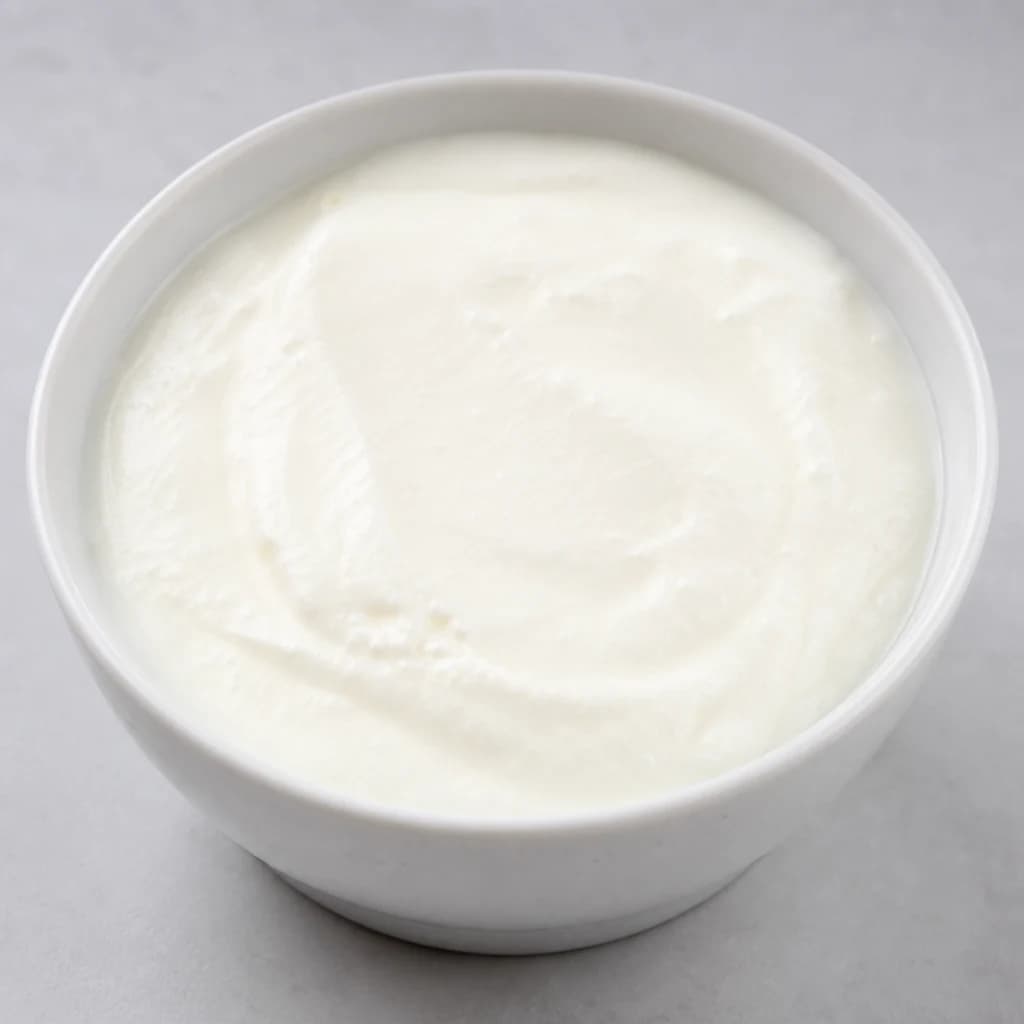
Yogurt
Tangy, creamy culture for breakfast, sauces, and marinades
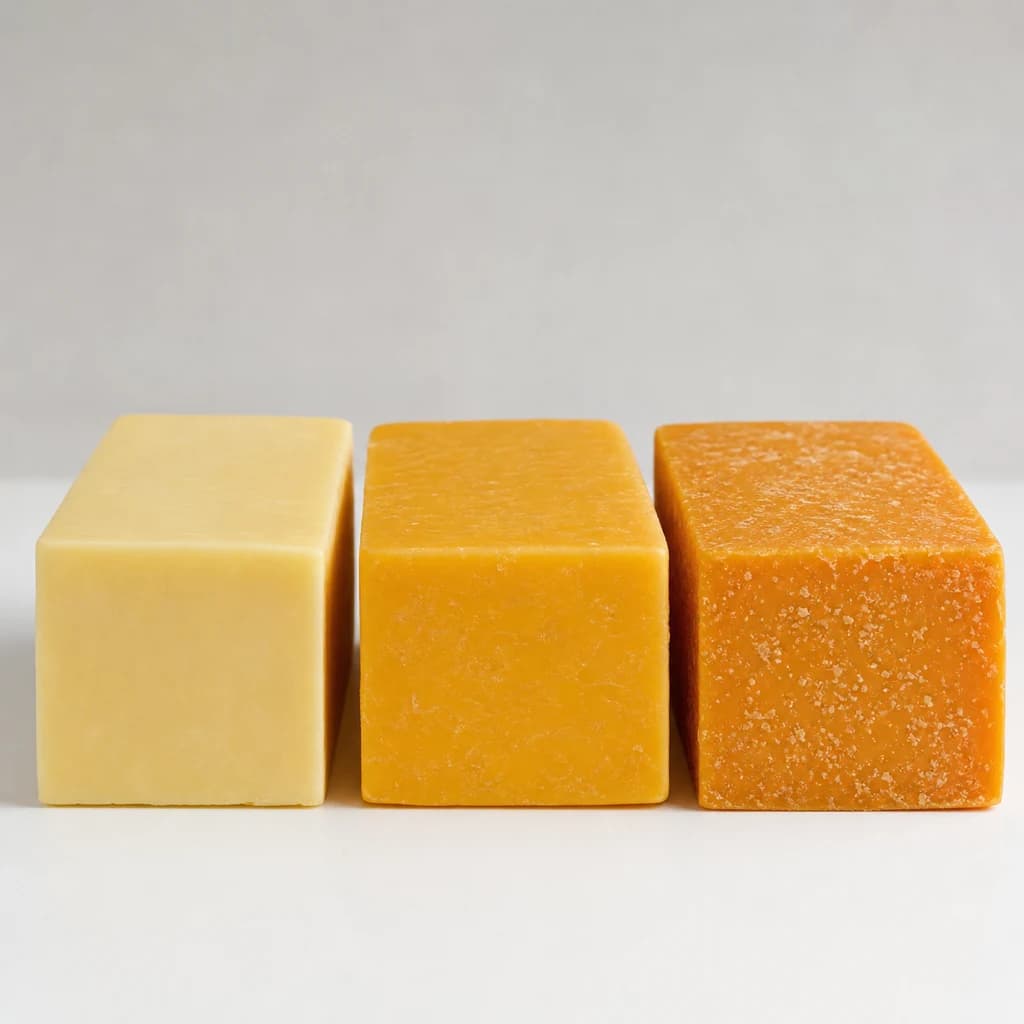
Cheddar Cheese
Sharp, melty cheese for sandwiches, gratins, and grating
Skim Milk
Fat-free milk for lighter drinking, coffee, and cooking
Heavy Cream
Rich cream that whips, enriches sauces, and sets ganache

Sour Cream
Tangy, thick cream for dolloping, baking, and dips
Mozzarella
Soft, milky cheese that melts into stretchy pizza pulls