Produce
Dried Gourd Strips (Kanpyo)
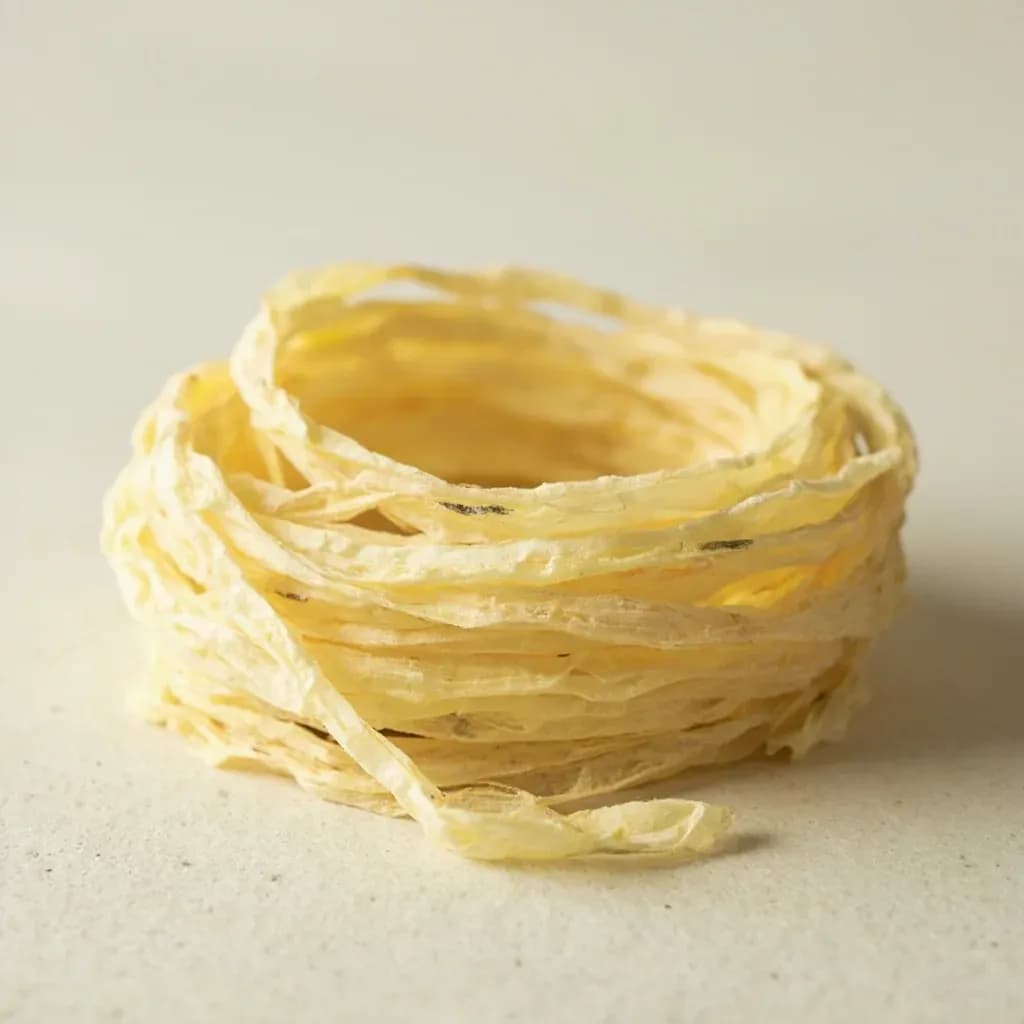
Ribbon-like dried calabash gourd, simmered sweet-savory and used to tie or fill Japanese sushi rolls.
Kanpyo is the flesh of the calabash gourd shaved into long ribbons and dried. Rehydrated and simmered in a sweet soy dashi, it becomes a tender, glossy filling for futomaki sushi rolls and is also used to tie food bundles in Japanese cooking. Its mild flavor readily absorbs the seasoning it is cooked in.
Kanpyō is dried calabash gourd (Lagenaria siceraria) cut into long, thin strips roughly 5–8 mm wide and 30–40 cm long. The gourd has been cultivated and dried in Japan since the Edo period (1603–1868), when preservation techniques transformed a perishable vegetable into a shelf-stable ingredient. In its dried state kanpyō is pale tan and quite firm; when simmered in a seasoned liquid it rehydrates, softens slightly, and develops a characteristic sweet-savory glaze while retaining a pleasantly chewy, springy bite.
Kanpyō is almost exclusively associated with sushi making in contemporary cooking. It serves two distinct roles: as an edible binding band to tie large futomaki rolls, and as a textural filling inside maki rolls where its mild, slightly sweet flavor and satisfying chew contrast with rich fish or tender egg. The strips must be simmered gently—never boiled—because high heat toughens the exterior before the interior has fully rehydrated. Properly prepared kanpyō should offer resistance when chewed; it continues softening as it cools, so erring on the side of undercooking is essential. The ingredient bridges the sweet and savory elements of sushi seasoning without overpowering delicate fish, making it a foundational element of traditional Japanese sushi technique rather than a mere garnish.
- Measured in
- g
- Storage
- Pantry
Types & varieties
Most common; sold in dried form and requires home seasoning with soy sauce, sugar, and dashi before use
Partially or fully seasoned strips sold in sealed packages; reduces prep steps but salt content varies—taste before using if monitoring sodium intake
Common uses
Tips & pitfalls
- Simmer kanpyō gently rather than boiling; high heat toughens the exterior before the center rehydrates, leaving you with a leathery, uneven result
- Add sugar at the start of simmering so it penetrates the strips evenly throughout, not just coating the surface
- Stop cooking when strips are just tender but still offer clear resistance when chewed—they continue softening as they cool
- Always season kanpyō; unseasoned strips are flat and bland and will disappoint in sushi rolls
- If kanpyō tears when you try to tie rolls, it has been overcooked and lost structural integrity—start checking at 18 minutes
- Rinse dried kanpyō briefly under cold water before cooking to remove surface dust accumulated during drying and storage
- When buying pre-seasoned kanpyō, check the sodium content on the label; some brands are heavily salted and may unbalance your sushi seasoning
- Kanpyō tears easily when wet; handle prepared strips gently and pat dry slightly before using as a roll binding band
Nutrition
Energy
1079 kJ · per 100 g
Where the calories come from
Protein
8.6g
17% DV
Carbs
65g
24% DV
Fat
0.6g
1% DV
Fiber
9.8g
35% DV
Sodium
15mg
1% DV
Source · USDA FoodData Central · Kanpyo, (dried gourd strips)
View on FDC →In the shops
Matched grocery products
No matched grocery products for Dried Gourd Strips (Kanpyo) yet.
Good to know
- Ingredient
- Dried calabash gourd (Lagenaria siceraria)
- Origin
- Japan; dried and used since the Edo period (1603–1868)
- Form
- Long thin strips, 30–40 cm long × 5–8 mm wide, dried to pale tan/beige
- Flavor (prepared)
- Subtle, mildly sweet vegetable taste; savory umami from seasoning
- Texture (cooked)
- Chewy and springy; must retain bite, never mushy
- Typical Preparation
- Simmered 20–30 min in water with sugar, soy sauce, mirin, and often dashi
- Expansion (rehydrated)
- Strips expand roughly 3–4× in length and double in width
- Shelf Life (dried)
- 6–12 months in an airtight container in a cool, dry place
- Shelf Life (prepared)
- Refrigerate up to 5 days; freeze for up to 1 month
- Difficulty
- Easy; active time is minimal, mostly unattended simmering
Substitutes
- Dried shiitake mushroom stems, rehydrated and seasoned — Provides similar chewy texture; darker color but works acceptably inside sushi rolls
- Thin strips of cooked lotus root — Comparable snap and visual appeal, though with a different earthy flavor; requires separate seasoning
- Unseasoned dried kelp (kombu) strips, rehydrated — Similar texture when reconstituted; needs careful seasoning to avoid overpowering fishy taste that competes with sushi fillings
- Thin cucumber spears or carrot sticks — Not a structural substitute but acceptable for vegetarian rolls; lacks kanpyō's chew and binding strength when wet
Pairs with
Also called
Kanpyo · Dried Gourd
Related
Tomato
Juicy, sun-sweet fruit for sauces, salads, and slow-cooked depth
Yellow Onion
The aromatic backbone of soups, sofritos, and braises
Garlic
Pungent cloves that perfume nearly every savory dish
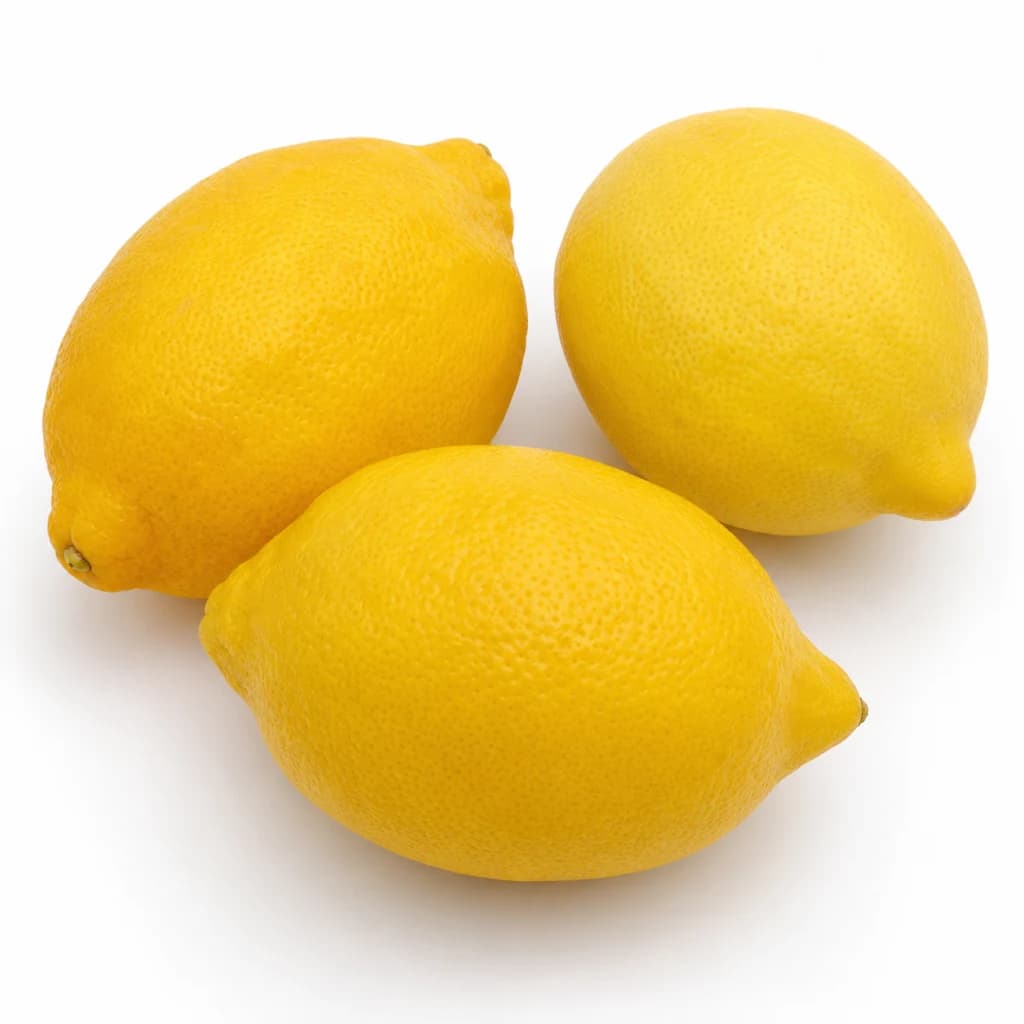
Lemon
Bright, acidic citrus that wakes up almost any dish
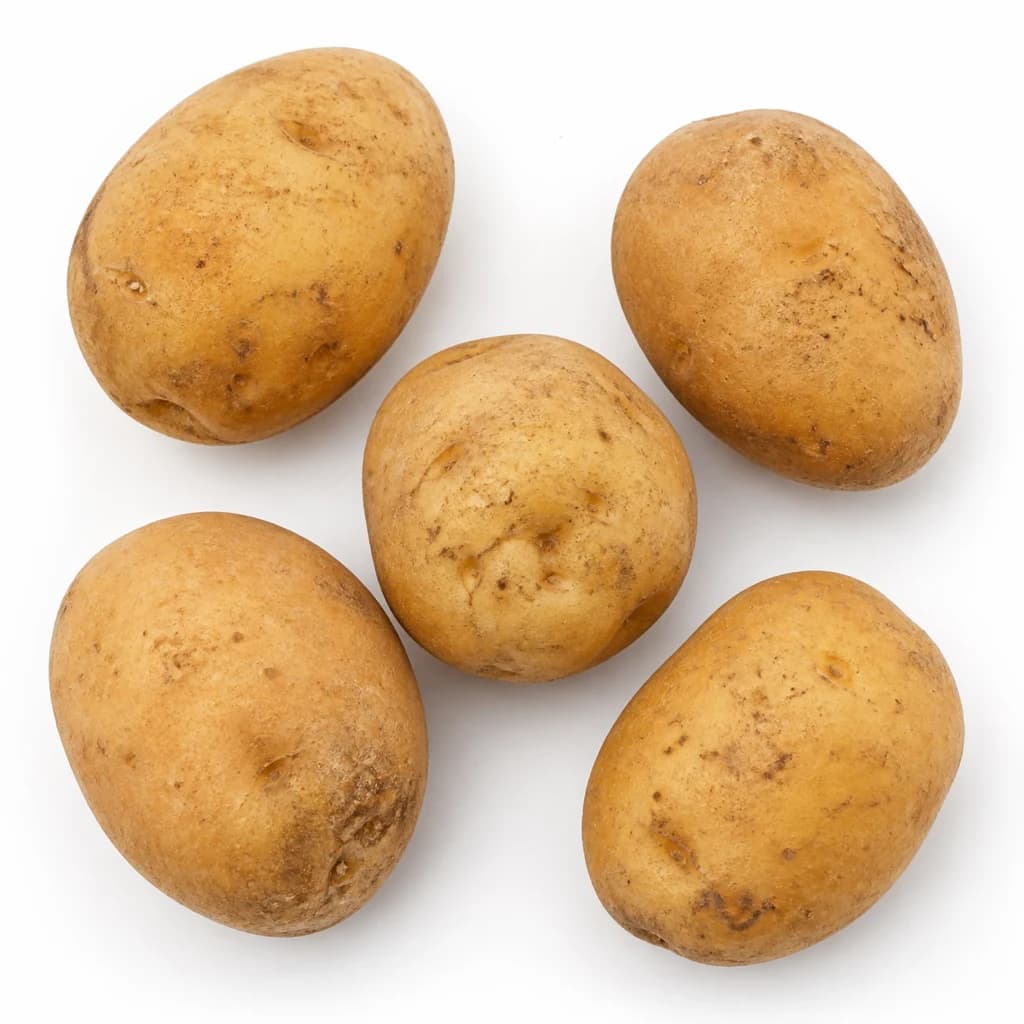
Potato
Humble, hearty staple — roast, mash, fry, or boil
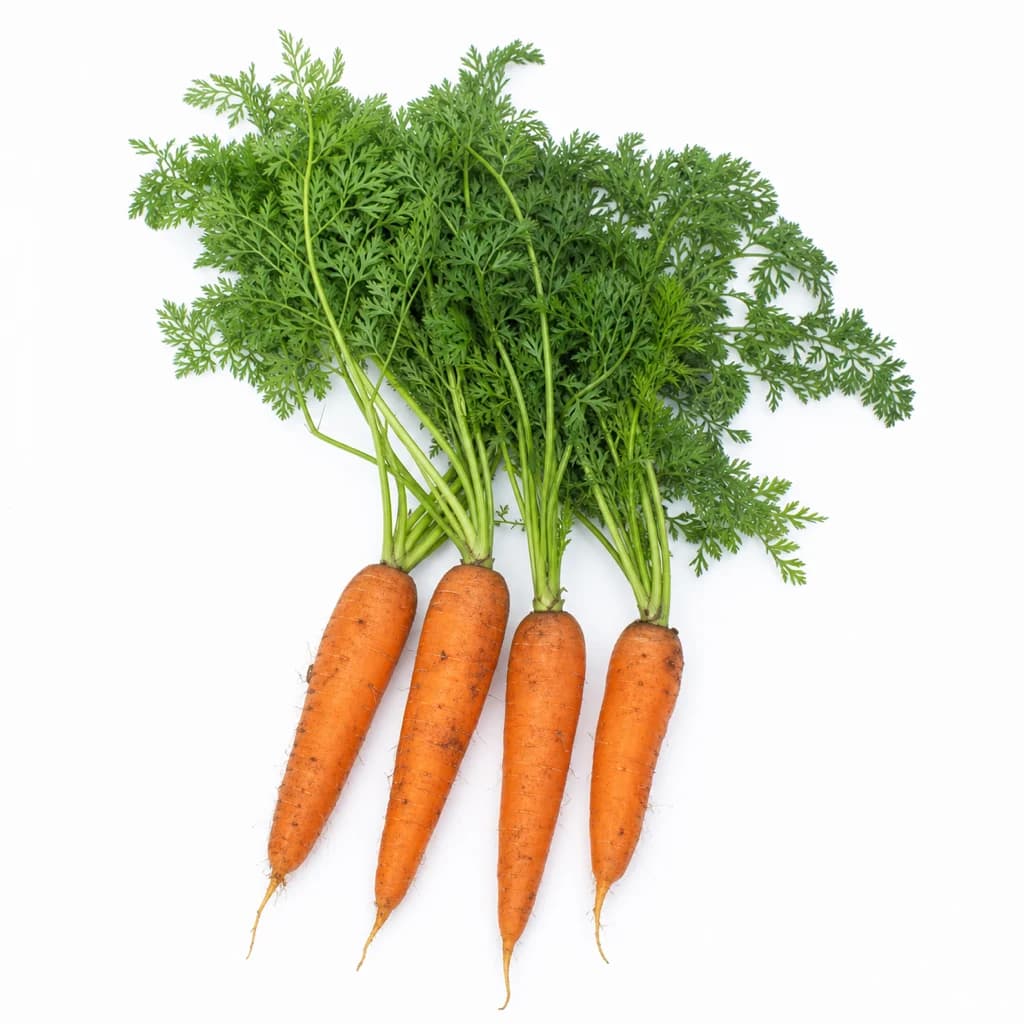
Carrot
Sweet, crunchy root — raw, roasted, or the base of a sofrito
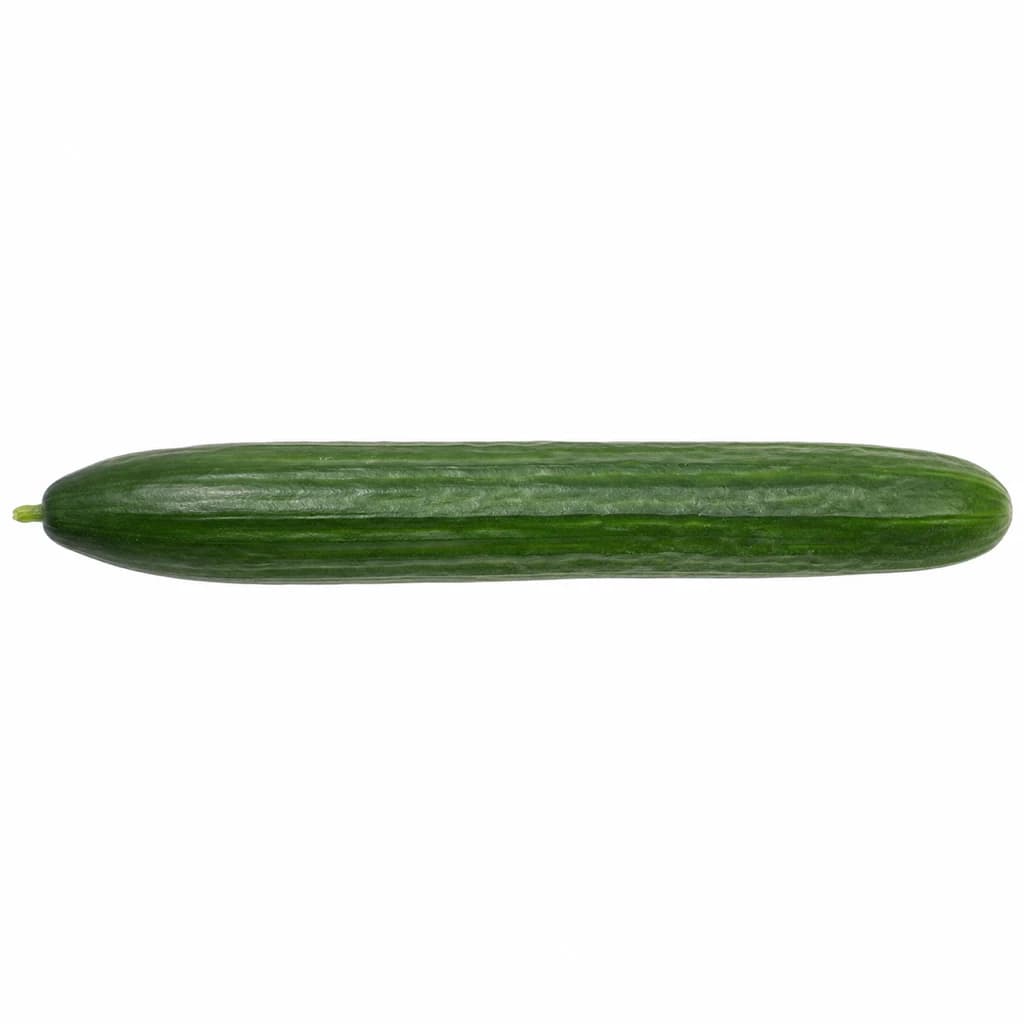
Cucumber
Cool, crisp, and watery — for salads, pickles, and tzatziki

Lettuce
Crisp leaves for salads, wraps, and a fresh crunch