Produce
Kashmiri Shallot (Praan)
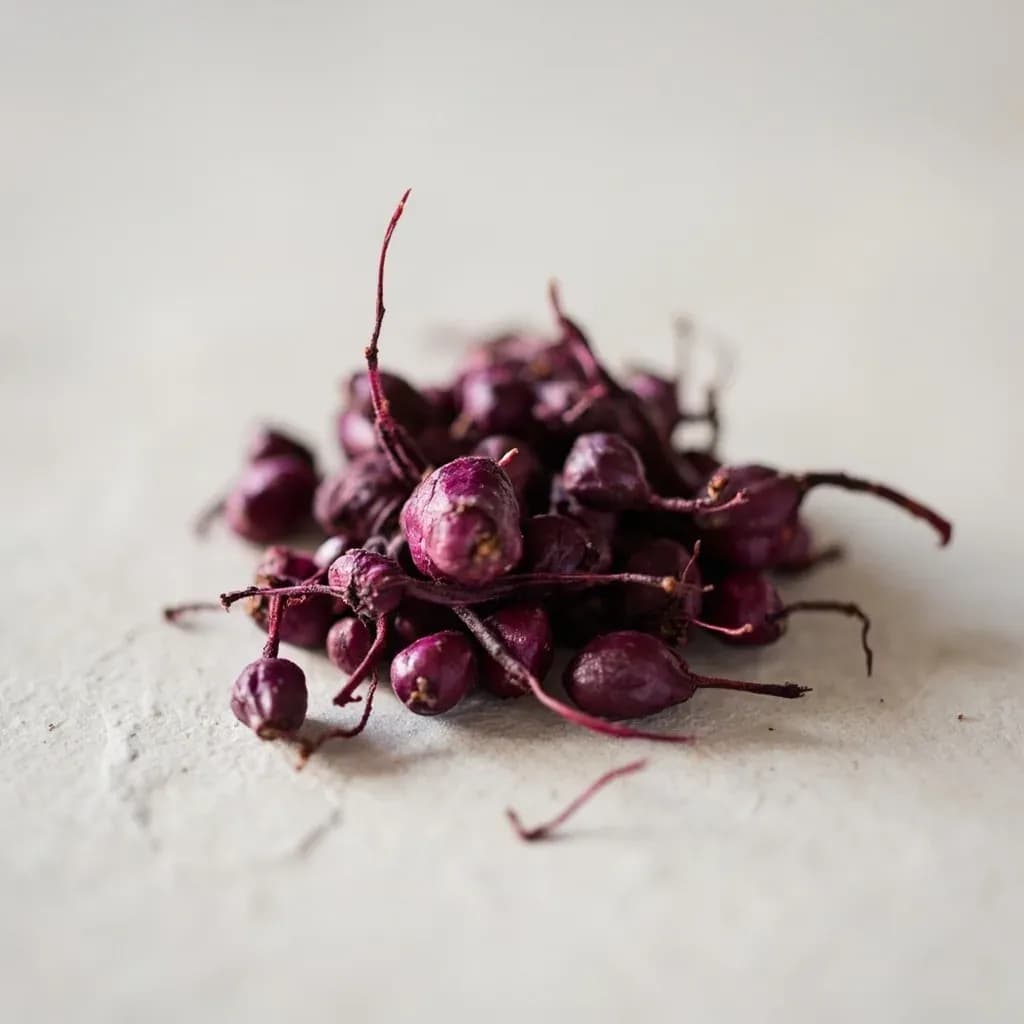
Small pungent Kashmiri shallot (praan) fried golden as a base for curries.
Kashmiri shallot, called praan, is a small, intensely flavored allium grown in the Kashmir Valley. It is sliced and fried until deep golden to form the aromatic base of Kashmiri dishes, lending sweetness and depth to gravies and meat curries. Its concentrated flavor means a little goes a long way in slow-cooked Wazwan cuisine.
The Kashmiri shallot—known locally as praan—is a diminutive allium native to the Kashmir Valley, prized for a concentrated pungency that sets it apart from common shallots. Botanically classified as Allium cepa var. aggregatum, with some market specimens potentially showing characteristics of Welsh onion types (Allium fistulosum), praan measure just 1.5–3 cm in diameter—smaller than commercial shallots, which typically reach 3–5 cm. Their small stature is deceptive: these bulbs carry a higher density of sulfur compounds and pyruvate than standard onions, delivering an aggressive, lingering sharpness raw that mellows into a sweet, caramelized depth when cooked. This behavior makes them uniquely suited to Kashmiri cuisine, where they form the aromatic backbone of dishes from Dum Aloo to Rogan Josh.
In authentic Wazwan and Kashmiri Pandit cooking, praan are never blanched or pre-treated; they go directly into hot oil. The sulfur compounds react with heat to create the signature sweet-tangy foundation that distinguishes Kashmiri gravies from other regional styles. The term praan (or pran) is Kashmiri in origin and not a standardized commercial classification—look for them in Indian grocery stores under 'Kashmiri small onions,' 'Kashmiri pyaz,' or 'Pahaadi pyaz.' The winter months (November through February) bring peak season, when the bulbs are most concentrated in flavor and moisture levels are optimal for both frying and fresh use.
Two forms appear in markets: the fresh green praan with hollow tops sold in bundles, and the dried cured bulbs with papery skins that represent the primary cooking form. Both are essential to Kashmiri cooking, though they serve different purposes—the fresh form for chutneys, raitas, and garnishes, the dry form for everything else.
- Measured in
- g
- Storage
- Pantry
Types & varieties
The immature green form with hollow tops; sold in bundles. Milder and used in chutneys, raitas, and as garnish. Best used the day of purchase.
Cured bulbs with papery skin; the primary cooking form. More concentrated flavor than fresh. Keeps 2–3 weeks stored properly.
A closely related cultivar; copper-red skin, slightly larger than true praan, equally pungent. Interchangeable in most preparations.
Frying Praan Correctly
The way praan is fried determines the character of an entire dish. There are two distinct outcomes cooks pursue: a golden aromatic base (tadka/tarka) for curries, and crispy fried onions (birista) for garnish and texture. These require different temperatures and techniques.
For curry bases, praan should reach the sweet, mellow stage—not deep brown, not pale. The sugars have caramelized enough to add body and sweetness, but the alliums have not entered the bitter charred zone. This typically happens just as the sizzle begins to subside and the edges turn honey-gold. From sliced to this stage takes 4–6 minutes at moderate heat.
For birista, the goal is crispness throughout, which requires patience. Fry in batches at 160–170°C. Crowding the oil drops the temperature sharply, creating steam instead of crisping—the praan will turn soft and pale rather than golden and crunchy. A properly fried birista praan will float on the surface, gently bubbling, and sound dry (not spluttering) when you shake the pan.
- Fry curry bases at moderate heat until honey-gold, 4–6 minutes
- Fry birista at 160–170°C in small batches; crowding causes steaming
- Test oil temperature with a single slice—if it immediately rises and sizzles actively, the oil is ready
- Drain fried praan on paper towels immediately; they continue cooking from residual heat
Common uses
Tips & pitfalls
- Slice praan uniformly at 2mm rings to ensure even browning; uneven pieces mean some burn before others caramelize
- Use moderate heat for base use—high heat drives off volatile sulfur compounds too quickly, leaving flat flavor
- Add a pinch of salt to sliced praan before frying to accelerate moisture release and reduce cooking time by approximately 20%
- When frying birista, keep the oil at 160–170°C and fry in batches; crowding creates steam instead of crisping
- Let cut surfaces air-expose for 5 minutes after slicing before cooking—this allows enzyme activity to develop flavor compounds fully
- Do not substitute standard red onions at a 1:1 ratio—they have higher water content and will not achieve the same caramelized depth in Kashmiri preparations
- For curry bases, stop frying at just golden, not deep brown—Kashmiri gravies rely on the sweet, mellow stage, not the bitter charred stage
- If using frozen birista, crisp them briefly in a dry pan over medium heat before adding to dishes to restore some texture
Nutrition
Energy
301 kJ · per 100 g
Where the calories come from
Protein
2.5g
5% DV
Carbs
16.8g
6% DV
Fat
0.1g
0% DV
Fiber
3.2g
11% DV
Sugars
7.9g
of which
Sodium
12mg
1% DV
Source · USDA FoodData Central · Shallots, raw
View on FDC →In the shops
Matched grocery products
 €1.75
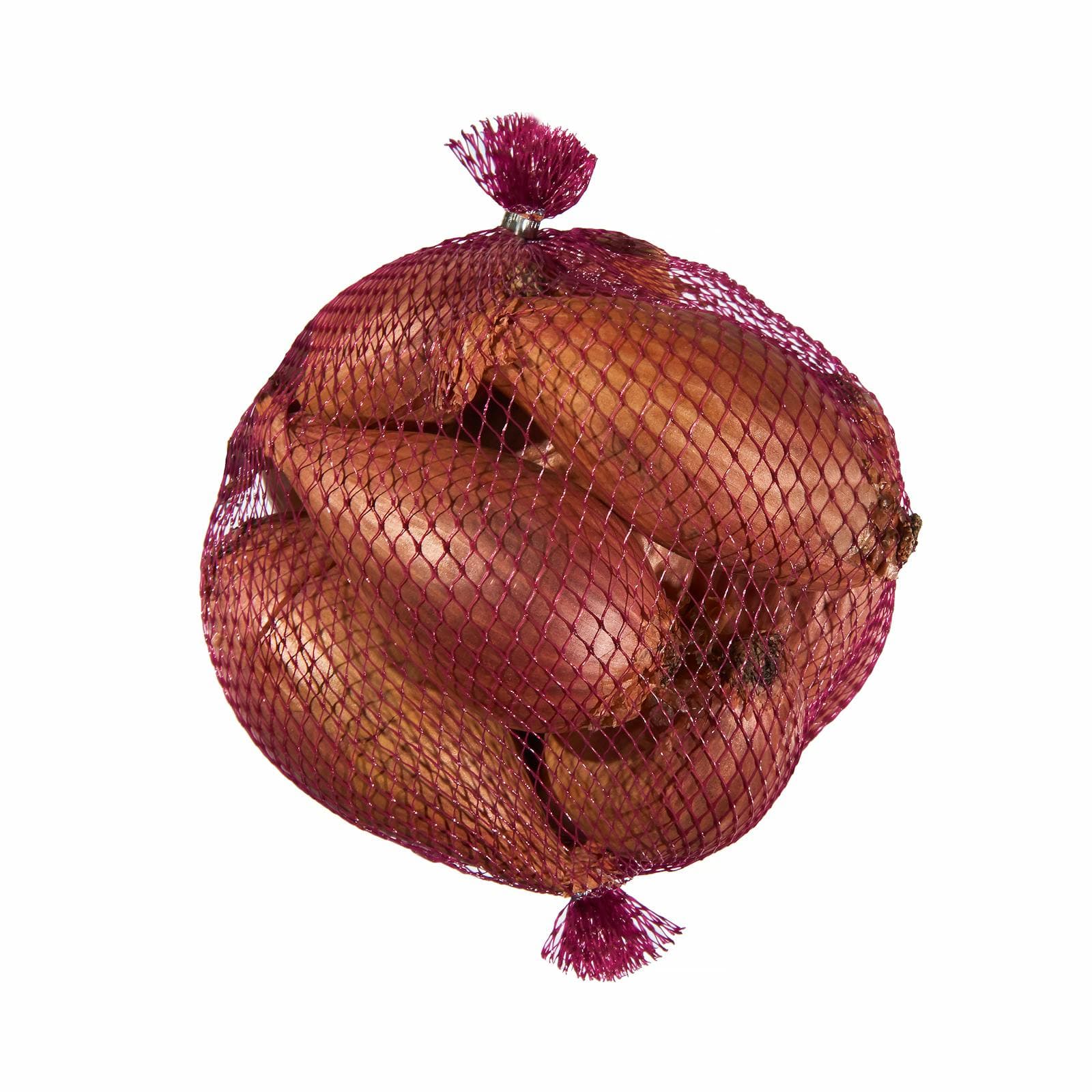
€1.75Shallots
250 g · Mercadona
 €1.59
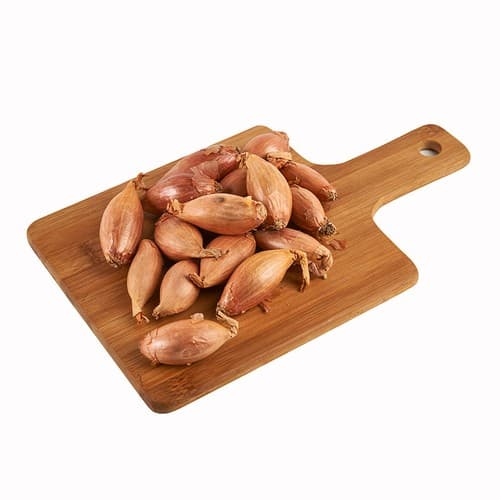
€1.59Shallots in Mesh Bag 250 g
kg · Bonpreu
Good to know
- Origin
- Kashmir Valley, India
- Botanical Name
- Allium cepa var. aggregatum (shallot type) or Allium fistulosum (Welsh onion type)
- Alternative Names
- Praan, Pran, Kashmiri small onion, Pahaadi pyaz
- Peak Season
- Winter (November through February)
- Flavor Profile
- Sharp and pungent raw; sweet and mellow when fried. Higher pyruvate content than standard shallots.
- Typical Size
- 1.5–3 cm in diameter; smaller than commercial shallots
- Storage
- Cool, dry, dark place with ventilation. 2–3 weeks shelf life. Do not refrigerate.
- Yield
- Approximately 85% usable after peeling; negligible shrinkage when sliced thin
Substitutes
- French shallots (échalotes) — Best substitute; similar pungency and sugar content. Use 1:1 ratio but slice thinner than usual as they are larger than praan.
- Small red onions — Acceptable but inferior. Higher water content means longer frying time. Increase quantity by approximately 20%. Do not use for crispy birista.
- White shallots — Less complex flavor, milder than praan. Use 1:1 ratio but add a pinch of Kashmiri red chili powder to approximate the depth.
- Spring onions (scallions), bulb portion only — Poor substitute for cooked applications. Suitable only for raw preparations. Lacks the sulfur intensity and does not caramelize properly.
Pairs with
Also called
Praan · Kashmiri Onion
Related
Tomato
Juicy, sun-sweet fruit for sauces, salads, and slow-cooked depth
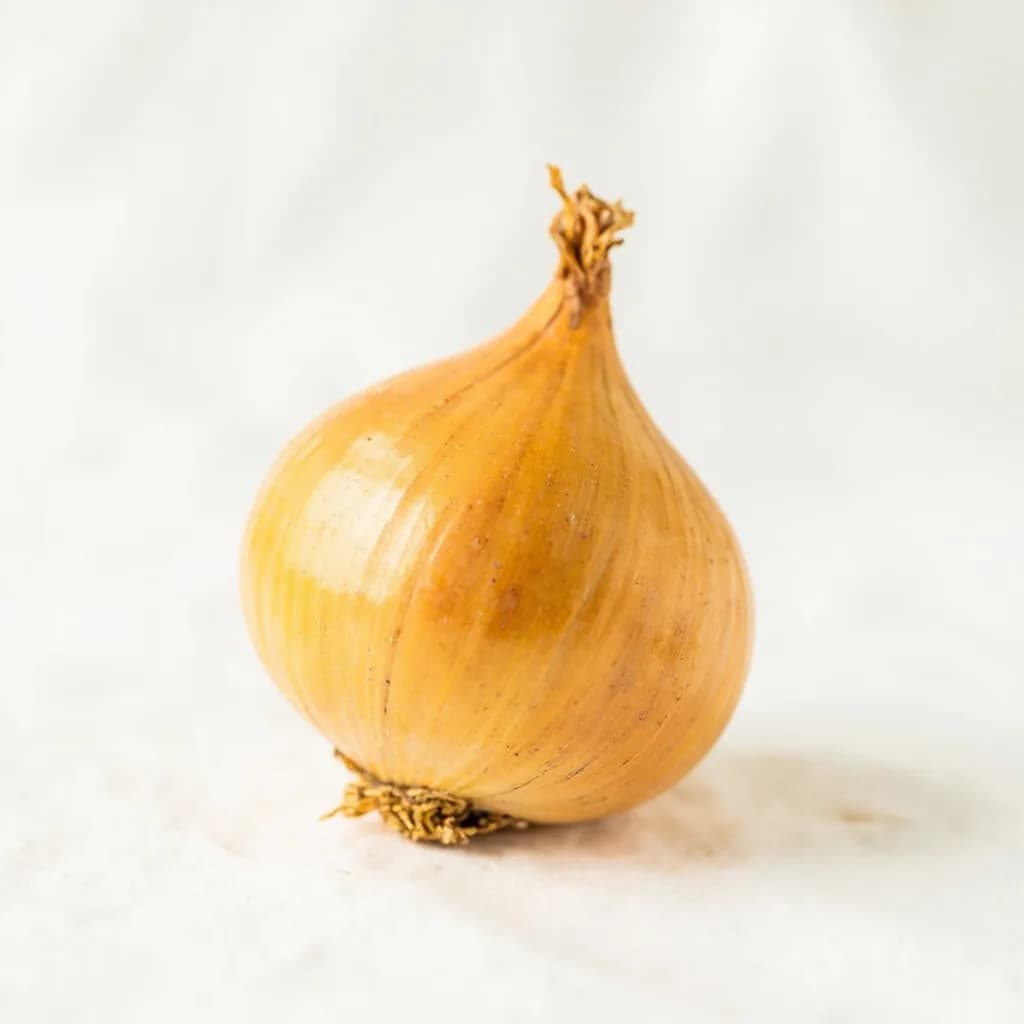
Yellow Onion
The aromatic backbone of soups, sofritos, and braises
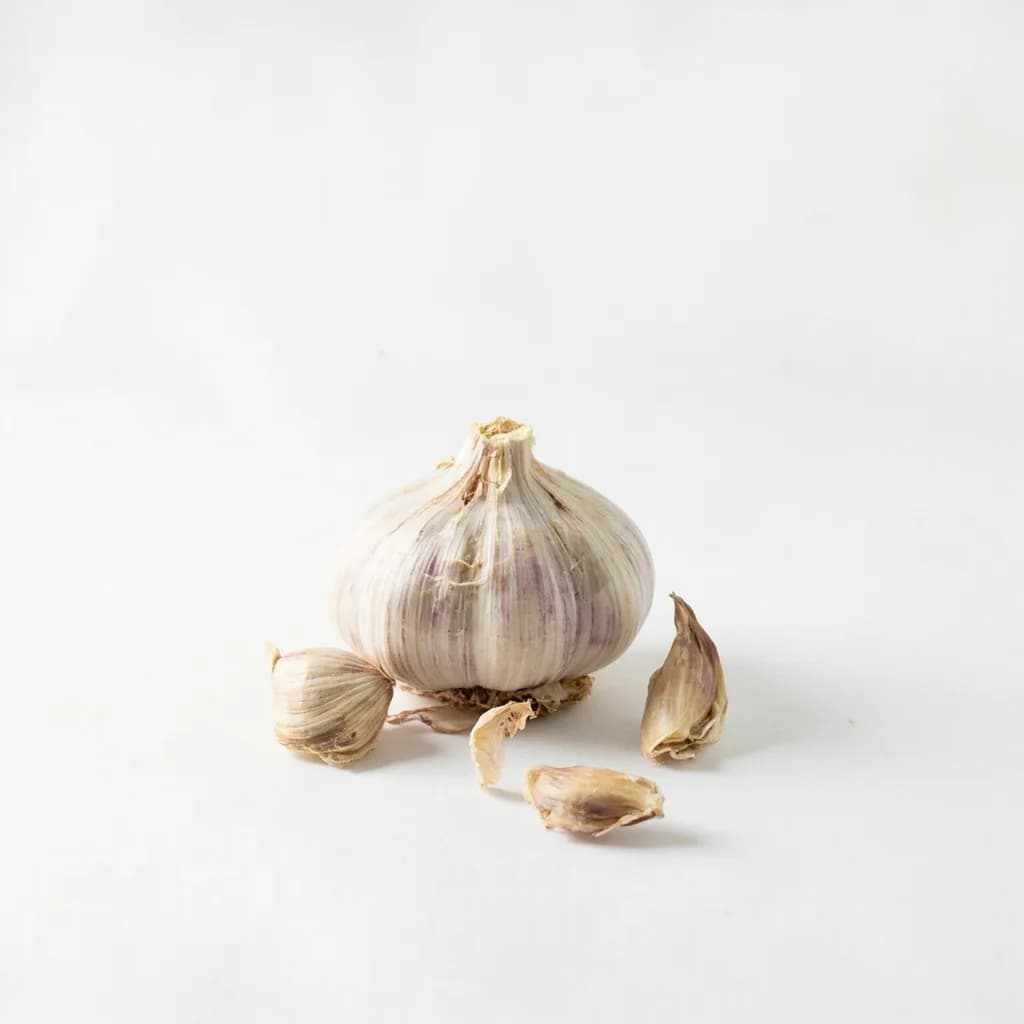
Garlic
Pungent cloves that perfume nearly every savory dish
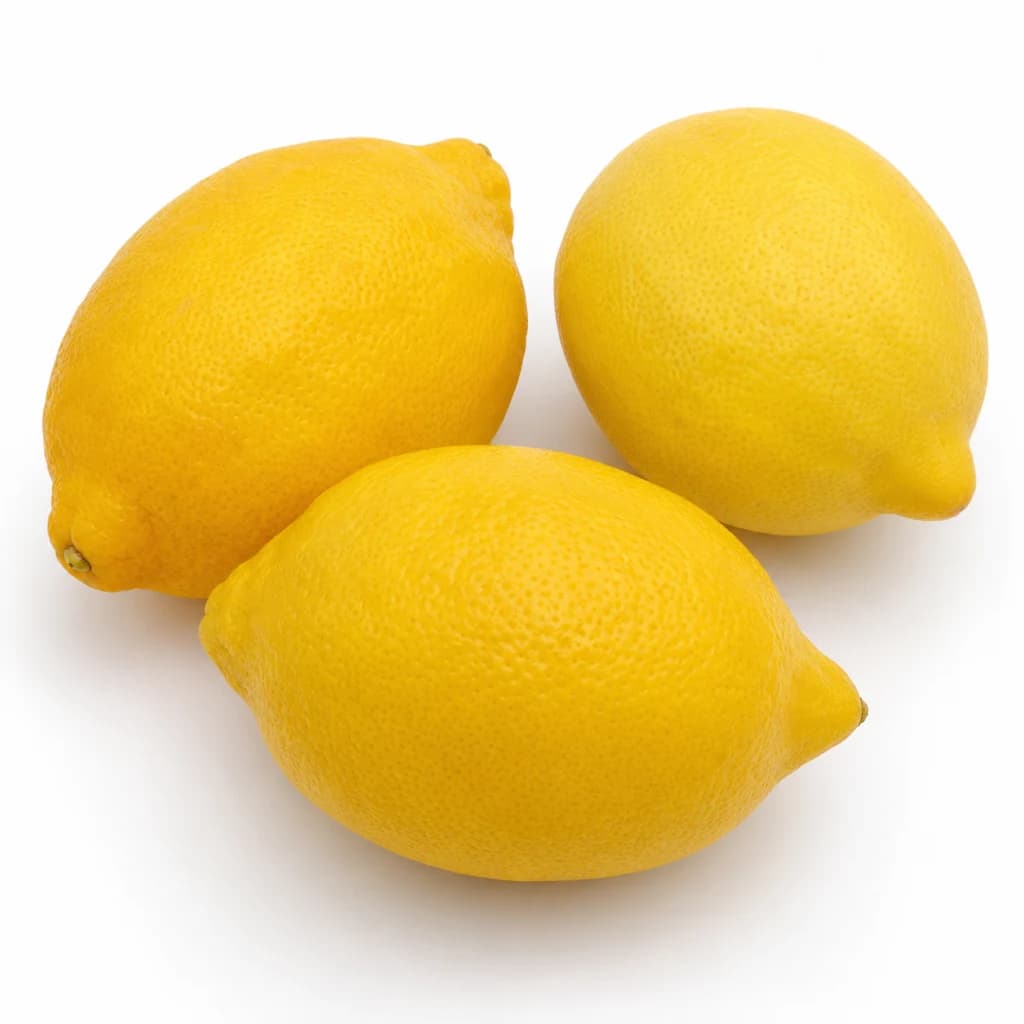
Lemon
Bright, acidic citrus that wakes up almost any dish
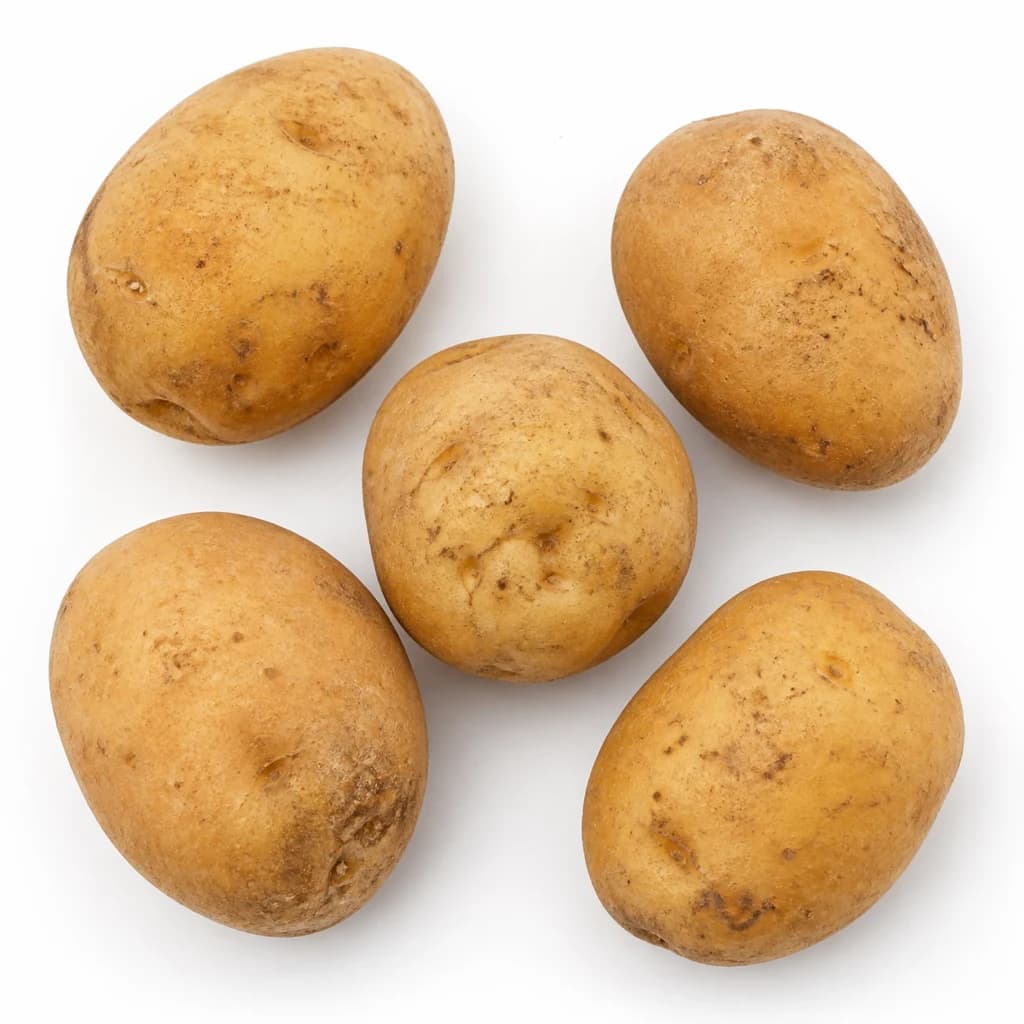
Potato
Humble, hearty staple — roast, mash, fry, or boil
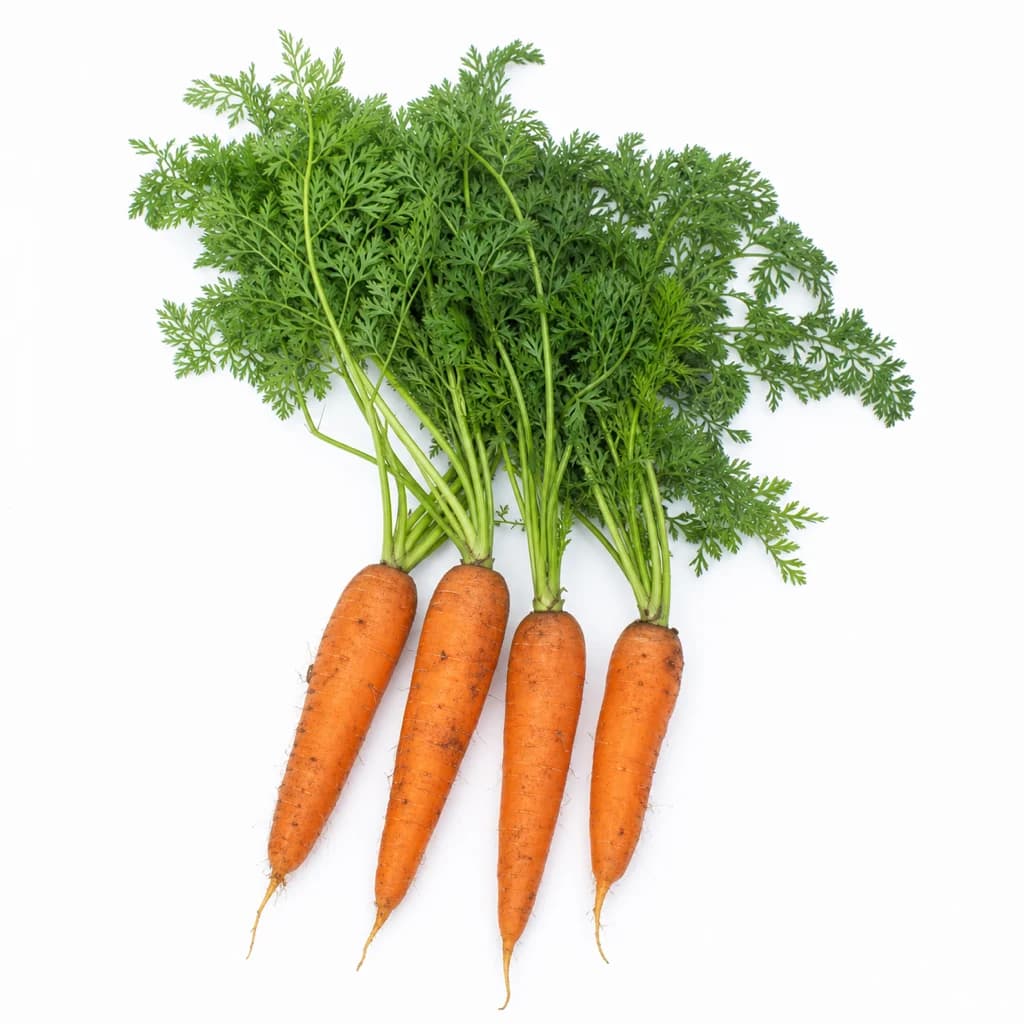
Carrot
Sweet, crunchy root — raw, roasted, or the base of a sofrito
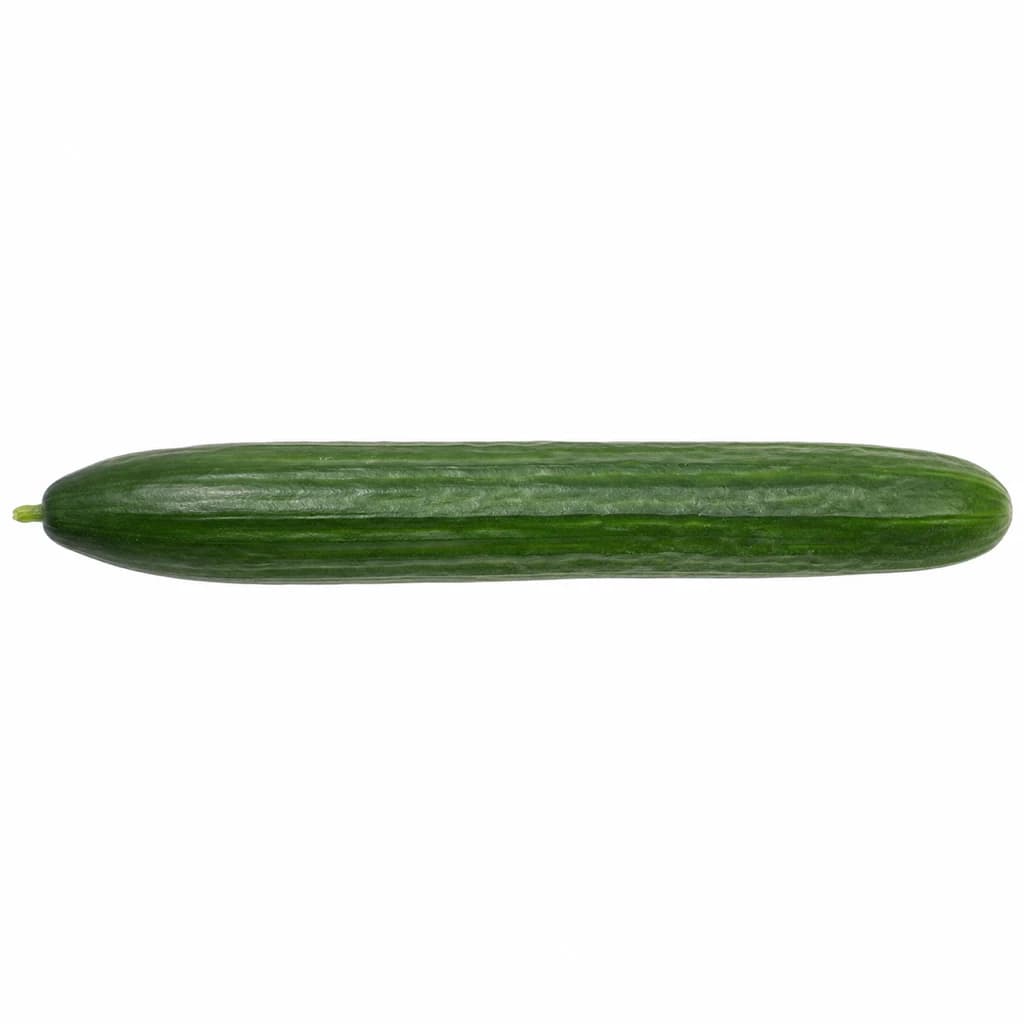
Cucumber
Cool, crisp, and watery — for salads, pickles, and tzatziki

Lettuce
Crisp leaves for salads, wraps, and a fresh crunch