Grains & Rice
Lefse
Soft Norwegian potato flatbread rolled with butter and sugar or cinnamon.
Lefse is a traditional Norwegian flatbread made from mashed potatoes, flour, butter, and cream, rolled paper-thin and cooked on a hot griddle. It is soft and tender, usually spread with butter and sugar or cinnamon and rolled up as a treat, especially around the holidays. The potato base gives it a delicate, slightly sweet flavor.
Lefse is a traditional Norwegian flatbread made primarily from mashed potatoes—typically 70–80% of the dough—with just enough flour, butter, and dairy to create a tender, pliable wrapper. It is cooked on a hot griddle until lightly spotted with brown, then wrapped immediately in cloth to steam-soften. The result is a thin, flexible bread with a delicate potato flavor and a tender crumb that distinguishes it from any other flatbread in the world.
The potato-based dough is what makes lefse behave unlike wheat-based breads. Because potatoes hold moisture differently than flour, the dough must be kept cold and worked with confident, economical motions. Rolled too thick, the lefse steams inside rather than cooking through; rolled too thin, it tears and becomes brittle. The griddle temperature is equally unforgiving—a miscalibrated surface produces gray, tough lefse instead of the pale, supple rounds that bend without cracking.
In Norway, lefse is woven into the fabric of daily life and celebration. It serves as an everyday bread, a holiday treat, and a carrier for both sweet and savory fillings. Among Norwegian-American families in the Upper Midwest, making lefse is a seasonal ritual passed through generations, and the quality of homemade lefse is a quiet point of pride. The cloth-wrapping step after cooking is not optional: it is what transforms a cooked flatbread into the soft, rollable lefse that holds butter and sugar, lutefisk, or lingonberry jam without splitting.
- Measured in
- piece
- Storage
- Fridge
Allergens
Types & varieties
Standard potato dough, rolled thin, cooked on the griddle; the baseline recipe from rural Norway
Thicker, softer variant; name comes from the dialect of Valdres and Gudbrandsdalen regions
Extremely thin version; rolled to near-transparency for a crispier finished texture
Sweet lefse with added sugar and sometimes cardamom; more common in certain regions of Norway
Regional name in parts of Eastern Norway for the thicker style lefse
The Potato Question
Lefse dough lives or dies by potato selection and handling. Starchy varieties—russet or Yukon Gold—yield a smooth, absorbent mash that binds cleanly with flour. Waxy potatoes (Red Bliss, new potatoes) contain too much moisture and pectin; they produce a gummy dough that clings to every surface and tears when you try to lift it.
Mashing technique matters equally. A potato ricer or food mill produces the smoothest, most consistent results. A hand masher leaves lumps that create weak spots in the rolled dough. Once mashed, the potatoes must be refrigerated overnight until thoroughly cold. This is not superstition: warm potatoes absorb flour unevenly, creating a shaggy, unworkable dough. Cold potatoes integrate with the flour in a controlled, even manner, producing a smooth, elastic mass that rolls cleanly and cooks evenly on the griddle.
- Use starchy russet or Yukon Gold potatoes; avoid waxy varieties
- Mash with a ricer or food mill for the smoothest texture
- Refrigerate mashed potatoes overnight before making dough
- The cold potato dough is non-negotiable for successful rolling
Rolling Technique
Successful lefse rolling comes down to consistent thickness and efficient heat. Divide the chilled dough into portions (about the size of a large egg), then roll each from the center outward, rotating the dough a quarter turn with each pass. This creates an even circle rather than a lopsided oval. The dough should be rolled thin enough to see your hand through it—roughly 1/8 inch or less—but not so thin that it tears when lifted.
When the circle approaches the right size, dust the surface lightly with flour to prevent sticking. The moment of transfer to the griddle is critical: fold the lefse loosely over the rolling pin, carry it to the hot surface, and unroll it smoothly. Jerky movements distort the shape and create creases that cook unevenly.
- Roll from center outward, turning a quarter turn with each stroke
- Target 1/8 inch thickness or less—you should see your hand through it
- Dust lightly with flour before lifting
- Use the rolling pin to transfer; fold gently and unroll onto the griddle
Common uses
Tips & pitfalls
- Use starchy russet or Yukon Gold potatoes; waxy potatoes produce a gummy dough. Mash while hot, then refrigerate overnight—the cold mashed potatoes are essential for the correct dough texture.
- The dough should be like soft playdough: tacky but not sticky. If it sticks to your hands or the rolling surface, work in a bit more flour, but err on the side of too-wet rather than too-dry.
- Roll each piece from the center outward in a single direction, turning the dough a quarter turn with each stroke for even thickness. Inconsistently rolled lefse cooks unevenly.
- Griddle temperature is critical: a drop of water should dance and evaporate in about 1 second. Too hot burns the outside while leaving the inside underdone; too cool makes the lefse tough and gray.
- Cook only until light golden-brown spots appear on the surface with a few darker spots—30–60 seconds per side. Overcooking makes it brittle.
- Wrap finished lefse immediately in a clean towel to steam-soften. They become stiff as they cool. Reheat briefly on the griddle or in a microwave with a damp paper towel if they have dried out.
- A wooden lefse stick is not decorative—it distributes weight evenly when you lift the rolled dough, preventing stretching and tearing.
Nutrition
Nutrition
No USDA FoodData Central match for Lefse yet. We surface a per-100 g profile once a generic whole-food entry is matched and verified.
In the shops
Matched grocery products
No matched grocery products for Lefse yet.
Good to know
- Origin
- Norway; brought to America by Norwegian immigrants in the 19th century
- Primary Ingredient
- Cold mashed potatoes (traditionally 70–80% of the dough)
- Other Dough Ingredients
- Flour, cream or milk, butter, salt; sometimes sugar
- Cooking Equipment
- Lefse grill (electric flat griddle) or cast-iron skillet; wooden lefse stick for turning
- Typical Yield
- 12–20 flatbreads from about 2 lbs (900 g) potatoes
- Shelf Life (fresh)
- 1–2 days at room temperature wrapped in cloth; 1 week refrigerated; 6 months frozen
- Difficulty
- Intermediate; dough consistency and griddle temperature are the critical skills
- Prep Time
- 30–45 minutes to prepare dough; 2–4 hours total including cooking
- Serving Temperature
- Warmed in a cloth towel immediately after cooking; served soft
- Cultural Season
- Primarily a Christmas tradition in Norway; year-round in Scandinavian-American communities
Substitutes
- Flour Tortilla — Closest texture and function; warm before serving for pliability. Does not have the potato flavor or tender crumb of true lefse.
- Soft Pita Bread — Will work as a wrapper; the flavor and thin tenderness are different. Best as a last resort.
- Potato Pancake (latke) — Completely different preparation and texture—fried rather than griddle-cooked, and served hot immediately rather than rolled and stored.
Pairs with
Also called
Potato Lefse
Related

White Rice
Fluffy long-grain rice — the neutral base for almost any meal

White Bread
Soft sandwich loaf for toast, sandwiches, and crumbs
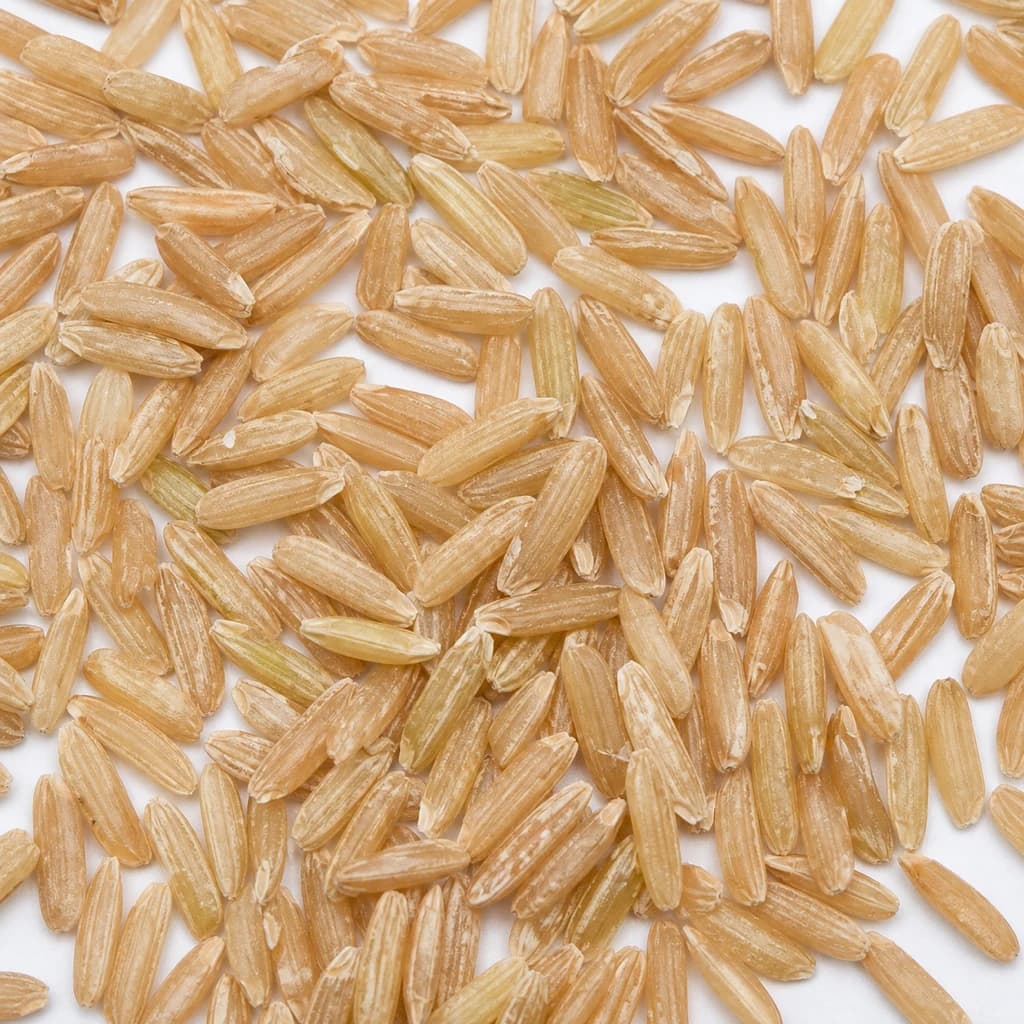
Brown Rice
Nutty, whole-grain rice with chew and extra fiber

Basmati Rice
Fragrant, long-grain rice that cooks up light and separate
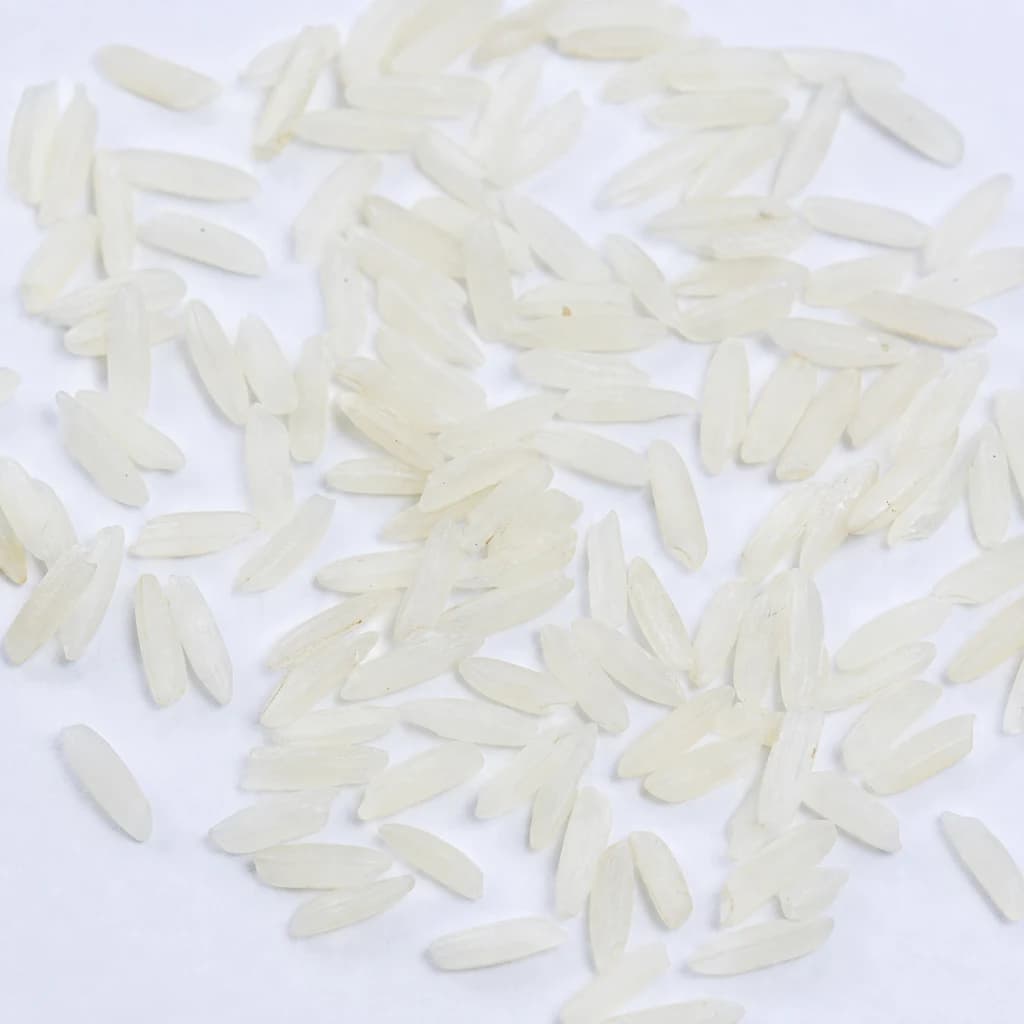
Jasmine Rice
Soft, floral-scented rice that's the pillar of Thai meals
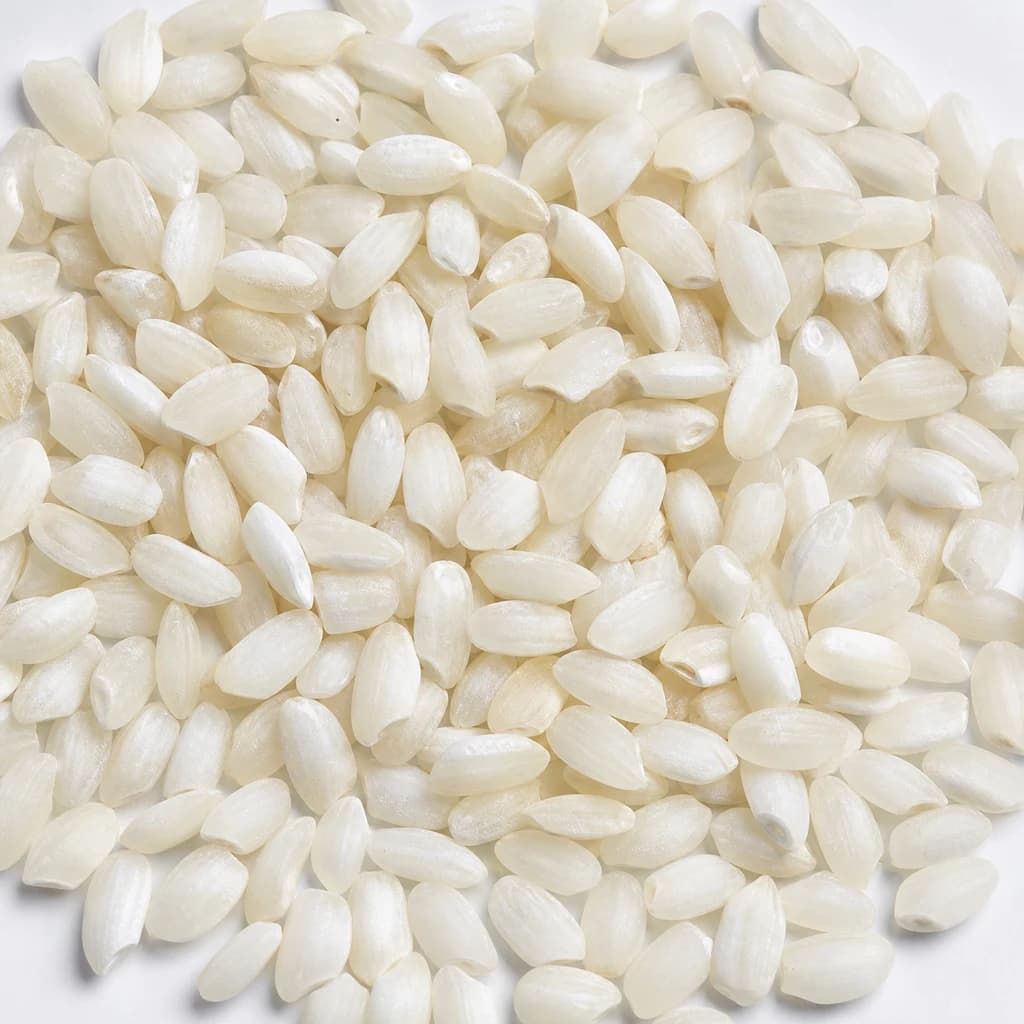
Arborio Rice
Plump, starchy rice that makes risotto creamy
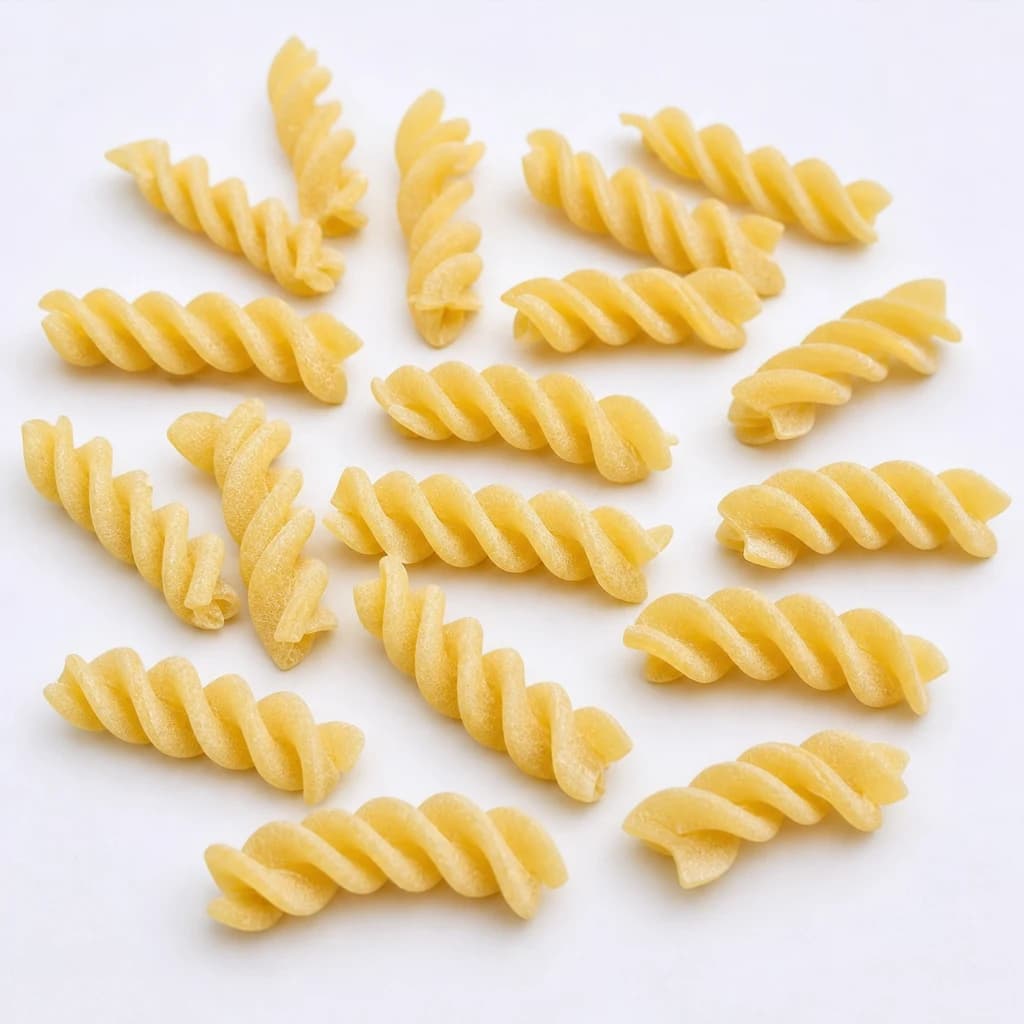
Fusilli
Spiraled pasta that twirls up sauce and dresses cold salads
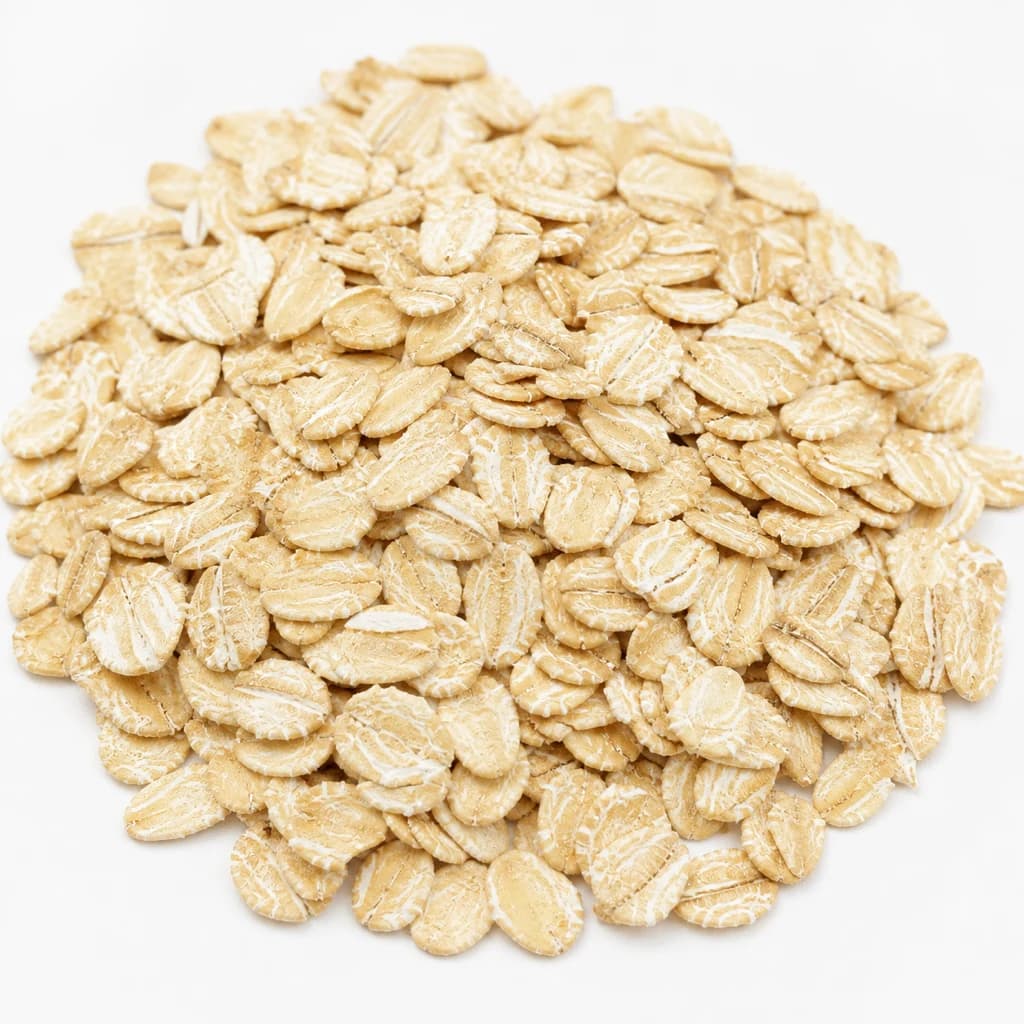
Rolled Oats
Hearty flakes for porridge, granola, and chewy cookies