
Natural form
Miner's lettuce growing wild, showing its distinctive round leaves wrapped around the stem.
Shows the plant's defining characteristic — perfectly circular succulent leaves encircling the stem — so readers can identify it in the wild or at a market.
Produce
Miner's Lettuce
Tender wild salad green with succulent round leaves and a mild, fresh taste.
Miner's lettuce is a wild salad green native to western North America, named for the gold-rush miners who ate it to prevent scurvy. Its succulent, round leaves wrap around the stem and have a mild, slightly sweet flavor similar to spinach. It is used raw in salads or lightly wilted.
Miner's lettuce (Claytonia perfoliata) is one of the most reliable wild salad greens in western North America, appearing in damp, shaded spots from British Columbia to Mexico just as winter begins to loosen its grip. The plant is unmistakable once you know its tell: a pair of lower leaves that fuse around the stem, creating a characteristic cup that cradles the small white flowers—hence the botanical name perfoliata, meaning "through the leaf." The entire above-ground plant is edible: the succulent, roundish leaves, the tender stems, and the mild blossoms all contribute texture and a clean, barely-there flavor that many find more elegant than spinach.
The plant earned its common name during the California gold rush of the 1850s, when miners gathered it in quantity to stave off scurvy. Its high vitamin C content made it medically essential through the winter months when fresh fruit was scarce. The gold rush association stuck, though the plant has traveled far beyond its native range: introduced to Europe, Australia, and the British Isles, it now grows wild in damp, shaded corners of gardens and woodlands throughout temperate regions.
In the kitchen, miner's lettuce behaves like the tender thing it is. Its leaves collapse quickly under heat and can turn waterlogged if dressed too heavily. This is a cold-weather green, peaking in late winter and early spring when few other fresh greens are available. Its subtlety makes it a vehicle for bolder flavors—whether in a composed winter salad with citrus and soft cheese, lightly wilted as a side, or folded into an omelet at the last moment.
- Measured in
- g
- Storage
- Fridge
Types & varieties
The common wild form; most widely foraged throughout its range
Southern variety; slightly more robust habit with larger growth
Occasionally available from specialty seed sources; bred for larger leaves and extended harvest
Foraging and Identification
Positive identification is essential before consuming any wild plant. Miner's lettuce is distinguished by its perfoliate leaves—the stem appears to pass directly through a fused pair of rounded leaves, creating a cup that holds the flower cluster above. The leaves are succulent and somewhat fleshy, with a smooth texture. Flowers are small, white, and have five petals. The plant grows low to the ground in rosettes, typically in moist, shaded areas, often near stream banks or in woodland clearings. Harvest the entire plant when young, before it sends up a tall flowering stalk and the leaves turn bitter. Avoid foraging near agricultural fields, highways, or areas where pesticide use or dog walkers are present.
- Look for the perfoliate leaf structure—stem passing through fused leaves—as the primary identification marker
- Harvest young plants before bolting; older specimens develop a bitter, rank flavor
- Choose plants from clean, distant locations away from contamination sources
- Wash thoroughly even when foraged from apparently clean areas—the succulent leaves trap fine grit and sand
Common uses
Tips & pitfalls
- Harvest when plants are young, before they bolt and become tough and bitter
- The cup-shaped leaves surrounding the flowers are the most tender part of the plant
- Wash thoroughly even from clean-looking areas—the leaves trap fine grit in their succulent texture
- Do not overdress; its delicate nature means it becomes waterlogged quickly with heavy dressing
- Use a light hand with acid and salt, as its mild flavor is easily overwhelmed
- If substituting for spinach in cooked applications, reduce cooking time significantly—it wilts much faster
- Foraged plants near agricultural fields may carry pesticide runoff; harvest only from verified clean locations
Nutrition
Energy
84 kJ · per 100 g
Where the calories come from
Protein
2g
4% DV
Carbs
3.4g
1% DV
Fat
0.4g
0% DV
Sodium
45mg
2% DV
Source · USDA FoodData Central · Purslane, raw
View on FDC →In the shops
Matched grocery products
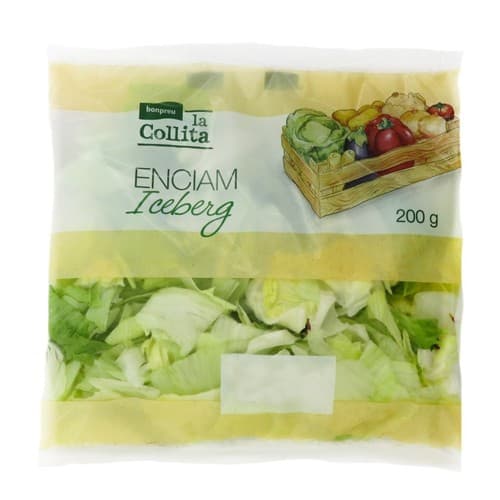 €0.79
€0.79Iceberg Lettuce
LA COLLITA · kg · Bonpreu
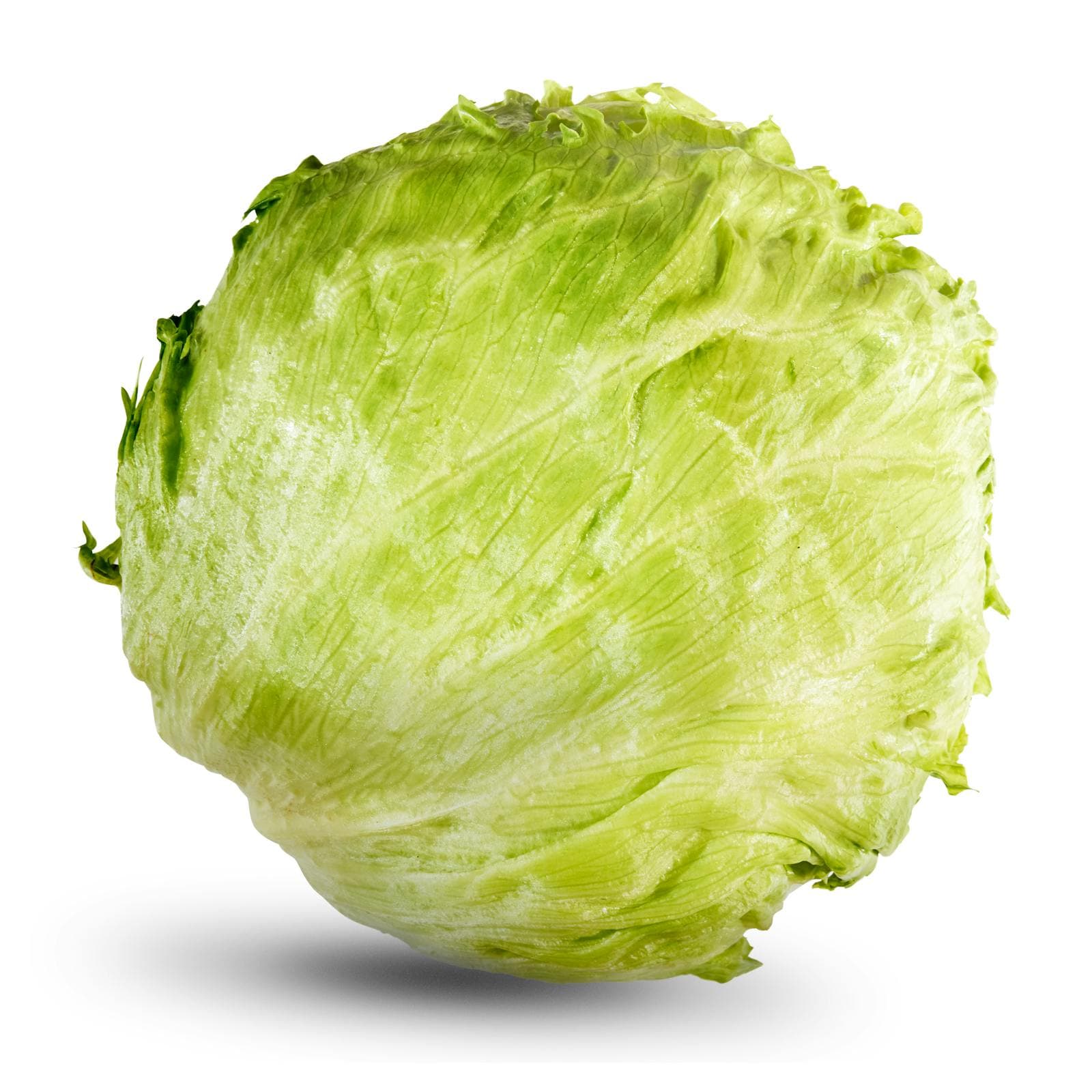 €1.05
€1.05Iceberg Lettuce
1 ud · Mercadona
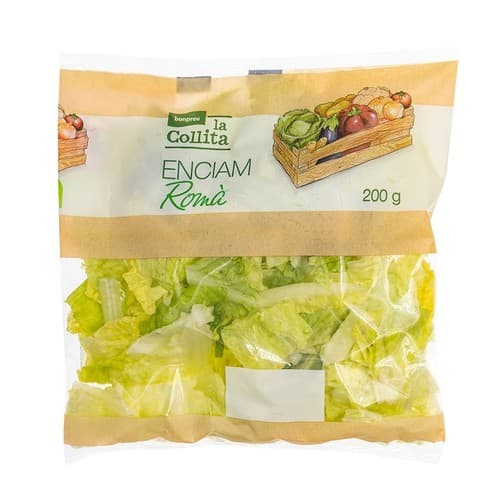 €1.15
€1.15Romaine Lettuce
LA COLLITA · kg · Bonpreu
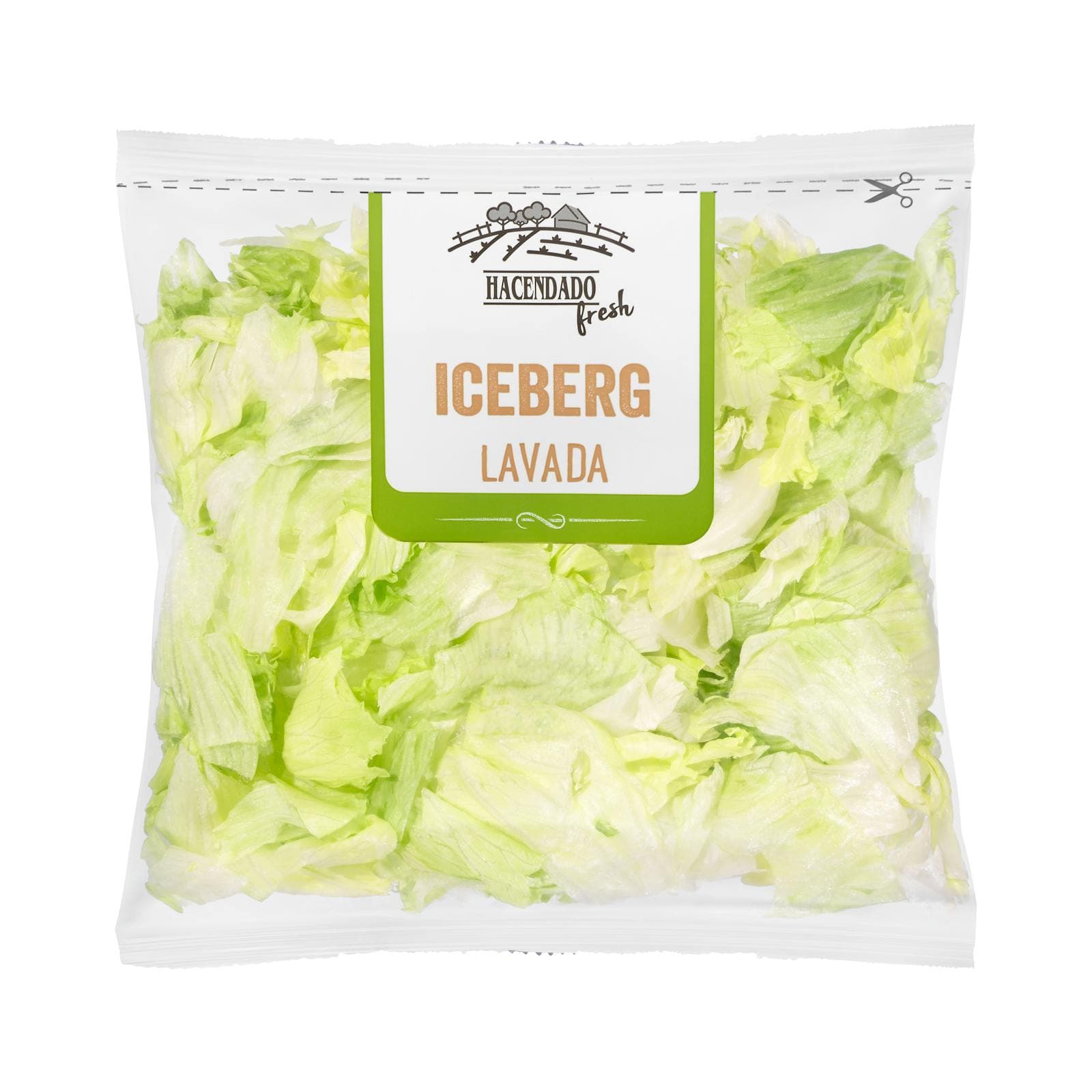 €0.95
€0.95Iceberg Lettuce Cut and Washed
250 g · Mercadona
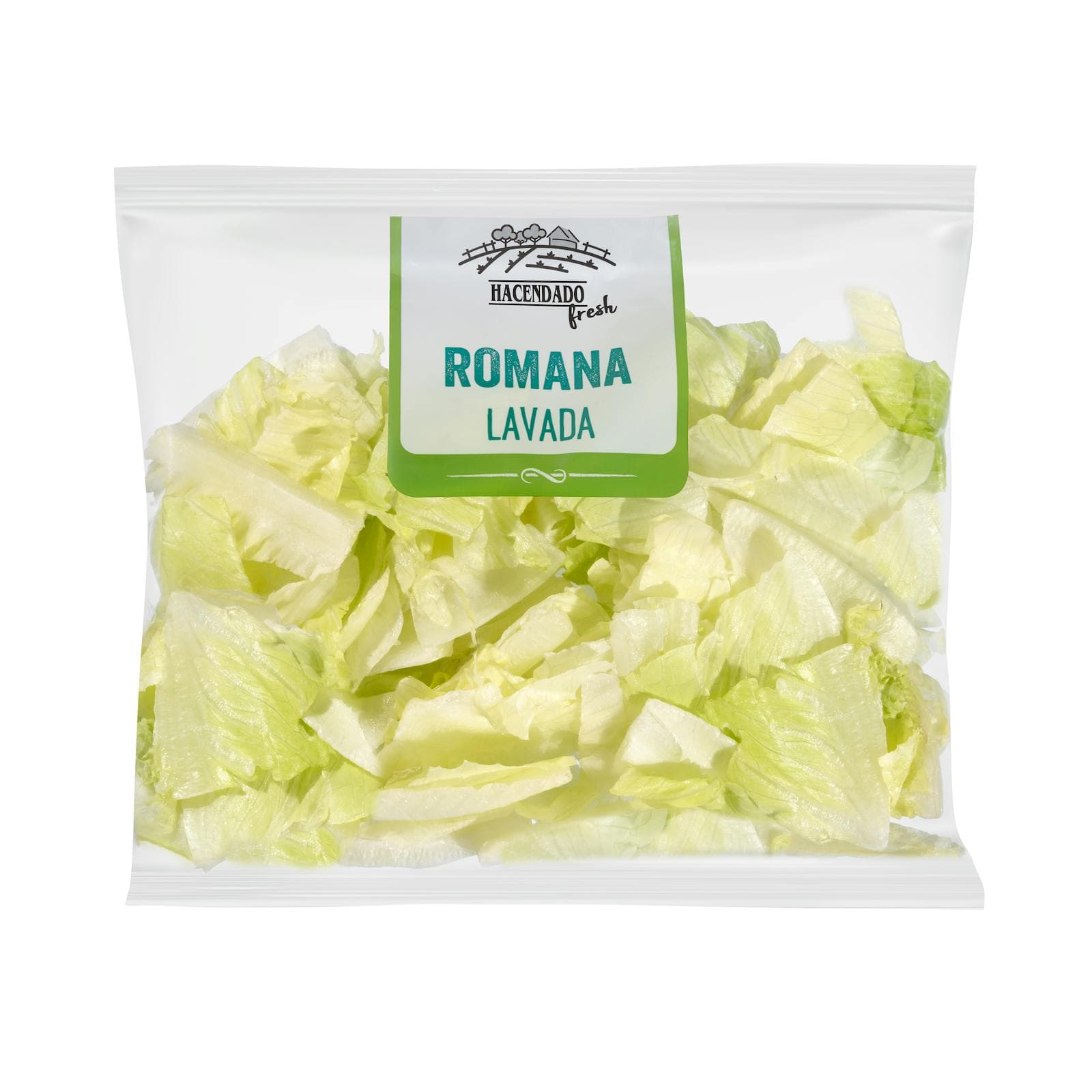 €1.15
€1.15Romaine Lettuce Cut and Washed
200 g · Mercadona
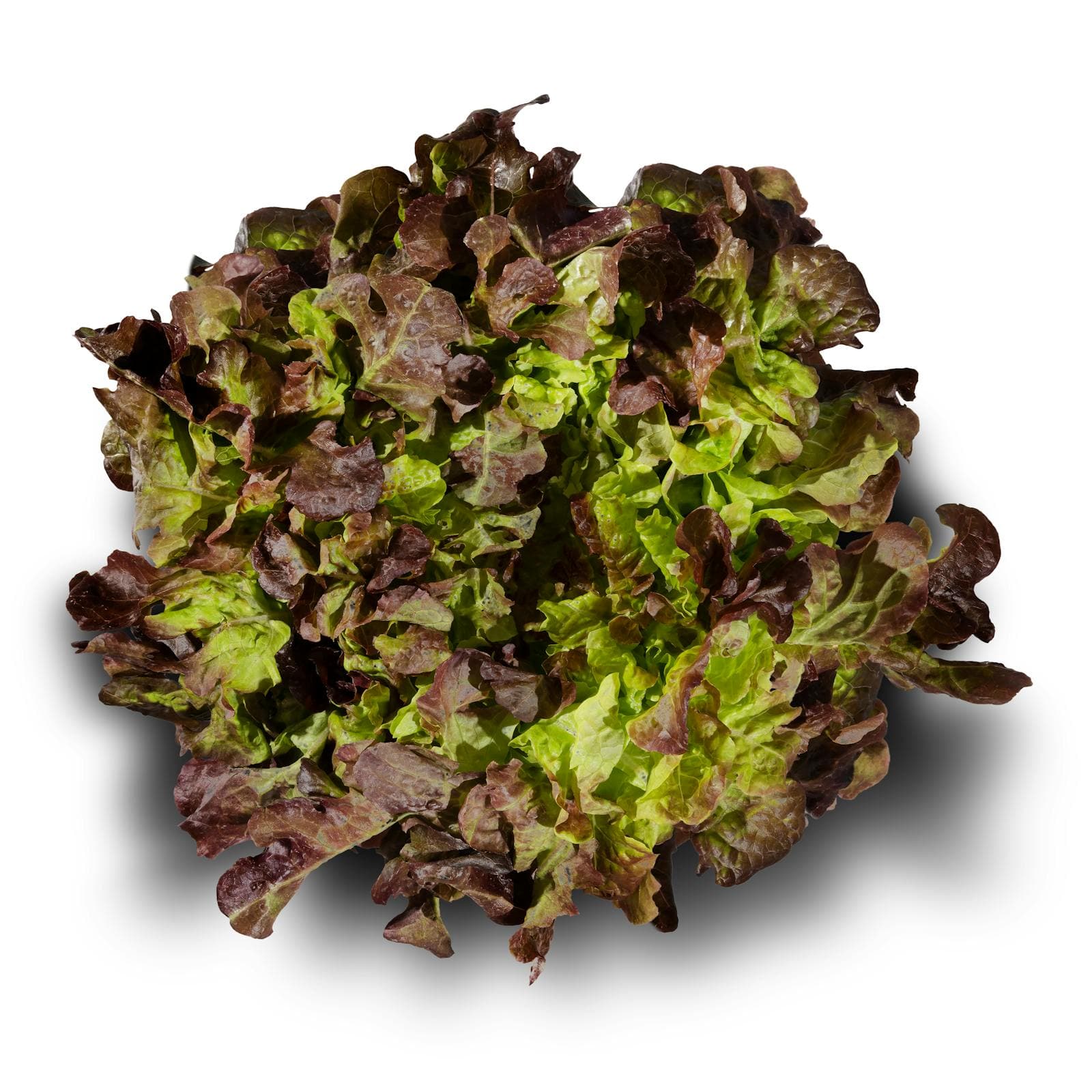 €1.60
€1.60Red Oak Leaf Lettuce
1 ud · Mercadona
Good to know
- Scientific name
- Claytonia perfoliata (formerly Montia perfoliata)
- Family
- Montiaceae
- Origin
- Western North America, from British Columbia to Mexico
- Season
- Late winter through early spring; one of the first wild greens of the year
- Flavor
- Mild, fresh, slightly succulent; subtler than spinach
- Texture
- Tender and crisp; succulent leaves
- Parts used
- Entire above-ground plant: leaves, stems, and flowers
- Storage
- Refrigerate unwashed in a slightly damp paper towel inside a loosely closed plastic bag; 3–5 days maximum
- Nutrition
- Very high in vitamin C; also contains vitamins A and B, iron, and calcium
- Alternative names
- Winter purslane, Indian lettuce, Cuban lettuce, spring beauty
Substitutes
- Common purslane — More succulent and slightly earthier, but similarly mild; good 1:1 substitute raw or cooked
- Baby spinach — More readily available; slightly stronger flavor but similar texture; use raw or cooked as directed
- Lamb's lettuce (mache) — Similar delicate, nutty character; excellent raw substitute
- Watercress — Sharper, more peppery; use sparingly raw; not ideal for cooking
- Butterhead lettuce — Tender texture and mild flavor; suitable for raw applications only
Pairs with
Also called
Winter Purslane · Claytonia · Indian Lettuce
Related

Tomato
Juicy, sun-sweet fruit for sauces, salads, and slow-cooked depth

Yellow Onion
The aromatic backbone of soups, sofritos, and braises

Garlic
Pungent cloves that perfume nearly every savory dish

Lemon
Bright, acidic citrus that wakes up almost any dish

Potato
Humble, hearty staple — roast, mash, fry, or boil

Carrot
Sweet, crunchy root — raw, roasted, or the base of a sofrito

Cucumber
Cool, crisp, and watery — for salads, pickles, and tzatziki

Lettuce
Crisp leaves for salads, wraps, and a fresh crunch