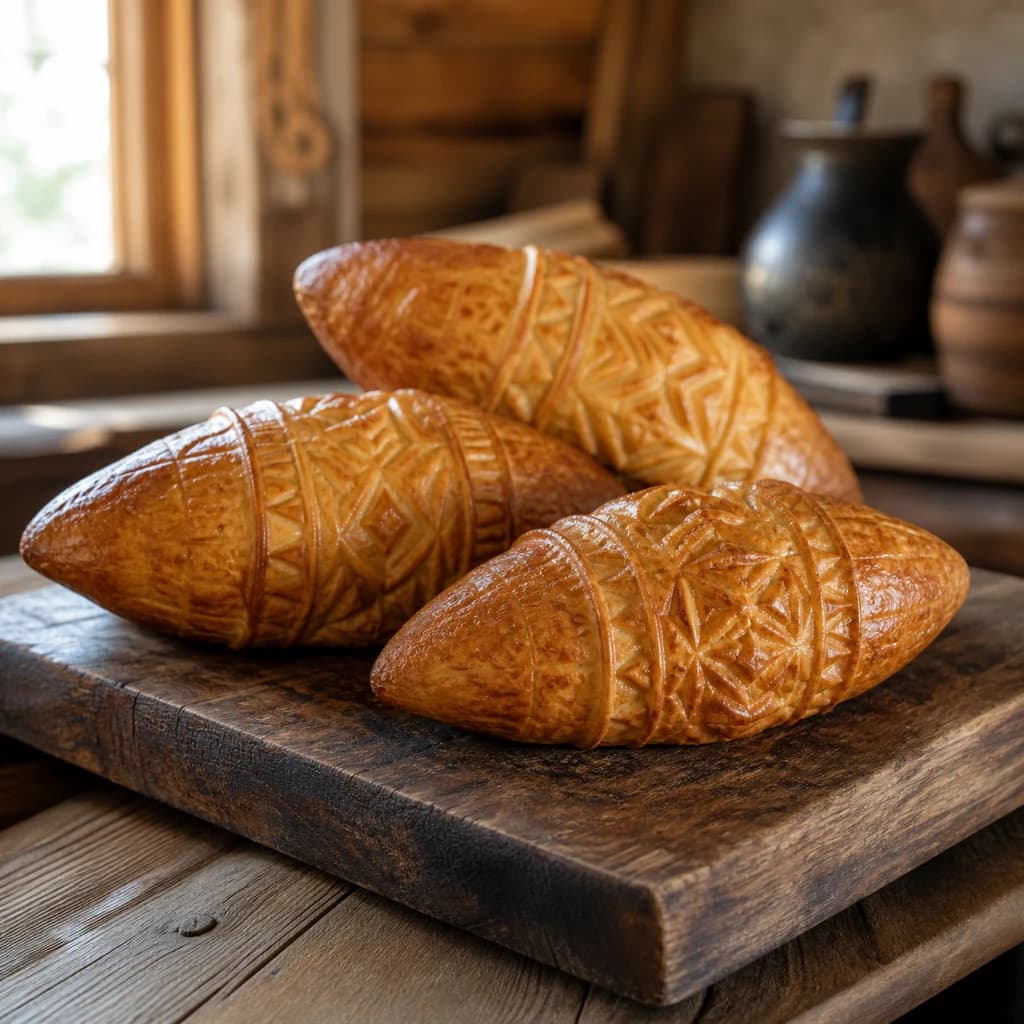
Natural form
Whole oscypek cheeses showing their carved decorative spindle shape and smoky amber rind.
Shows the reader the unmistakable elongated spindle form, carved wooden-mold patterns, and dark smoked exterior that define an authentic oscypek.
Dairy & Eggs
Oscypek (Smoked Sheep Cheese)
Polish Tatra spindle-shaped smoked sheep cheese, often grilled with cranberry.
Oscypek is a protected traditional smoked cheese from Poland's Tatra Mountains, made from salted sheep's milk and pressed in carved wooden molds into a decorative spindle shape. It is firm and salty with a smoky aroma. A popular preparation is grilling slices and serving them with cranberry sauce.
Oscypek is a hard, smoked cheese crafted in the Podhale region of southern Poland, in and around the Tatra Mountains. It holds legal Protected Designation of Origin (PDO) status since 2008, meaning only cheese made in this specific region from regional sheep's milk may bear the name. The cheese is pressed into its distinctive spindle shape—called a kremówka—in wooden molds, then smoked over pine and alder wood, which gives it a deep orange-to-brown rind and the concentrated smoky, salty flavor that defines it.
The cheese is made only during the summer months (May through September) when highland ewes are milked on mountain pastures. Traditionally made with up to 60% sheep's milk (the rest often cow's milk), authentic oscypek carries a distinct sheepy tang beneath its smoke. The texture is firm and dense when raw, with a slightly rubbery quality, but when heated it softens and melts beautifully without falling apart—the key to its success as a grilled street food. The plaited twisted top is not merely decorative; it serves as a visual authenticity marker pressed from traditional wooden molds. When purchasing, look for the official PDO seal, as counterfeit versions made primarily with cow's milk are sold illegally under the oscypek name.
- Measured in
- g
- Storage
- Fridge
Allergens
Types & varieties
Standard smoked version; most common in commerce and at markets
Made strictly to PDO specs: 60%+ sheep milk, traditional smoking process, produced in Podhale region
Milder, less heavily smoked variant; better for palates sensitive to intensity or for cold serving
Smaller spindle-shaped cheese (8–12 cm) from the same region and production method; sold alongside oscypek as a snack portion
Younger, unsmoked or lightly smoked version; milder, moister texture; often sold as oscypek substitute when authentic versions are unavailable
Common uses
Tips & pitfalls
- Score the surface deeply with a knife before grilling or frying—this prevents the cheese from puffing uncontrollably and allows even browning; this is the step most amateurs skip
- Use medium-high heat (not screaming hot): too hot burns the exterior before the center softens, too low leaves it rubbery rather than yielding
- If the cheese has a fatty rind layer, grill that side down first—the rendered fat bastes the cheese as it cooks for extra richness and prevents sticking
- Serve immediately after cooking—oscypek deflates and toughens within minutes of removing heat; plate and eat right away
- Look for the official PDO seal when purchasing; non-traditional versions made with excess cow's milk lack the characteristic sheepiness and are technically illegal to label as oscypek
- When buying from mountain vendors in Zakopane or Białka Tatrzańska, ask for traditional wędzony—producers often make fresh batches daily during peak season
- The cheese is already fully cured and smoked—no further cooking is required for cold serving; cold slicing is ideal for cheese boards
- Store refrigerated up to 2–3 weeks; vacuum-sealed pieces keep longer; wrap tightly and freeze only for extended storage, thawing slowly in the refrigerator
Nutrition
Nutrition
No USDA FoodData Central match for Oscypek (Smoked Sheep Cheese) yet. We surface a per-100 g profile once a generic whole-food entry is matched and verified.
In the shops
Matched grocery products
No matched grocery products for Oscypek (Smoked Sheep Cheese) yet.
Good to know
- Origin
- Podhale region, Tatra Mountains, southern Poland; PDO protected since 2008
- Milk
- Primarily sheep's milk, traditionally up to 60%; some producers add up to 40% cow's milk
- Production Season
- May–September, when ewes are milked on highland pastures
- Shape
- Spindle (kremówka) with twisted plaited top, 15–25 cm long, 4–6 cm diameter
- Weight
- Typically 0.5–1.2 kg per piece
- Color
- Deep orange to brown rind from pine and alder wood smoking; ivory interior
- Flavor
- Smoky, salty, mildly sharp; younger versions are milder, aged versions more pungent with pronounced sheep-milk tang
- Texture
- Firm, dense, slightly rubbery when raw; becomes yielding and melts evenly when heated
Substitutes
- Halloumi — Closest functional substitute; holds shape when grilled, has mild saltiness, and is readily available; lacks oscypek's smoky depth and sheep-milk tang
- Kefalotyri — Greek smoked hard cheese; similar density and melting behavior; use in similar quantities for baked or grilled applications
- Bundz — Polish regional substitute if available; milder and less smoky but performs similarly in frying and baking applications
- Manouri or Mizithra — Fresh sheep's milk cheeses; offer a good flavor match but are much softer; better suited for salads and cold applications than grilling
Pairs with
Also called
Oštiepok (Smoked Sheep Cheese)
Related

Whole Milk
Rich, full-fat milk for drinking, coffee, sauces, and baking
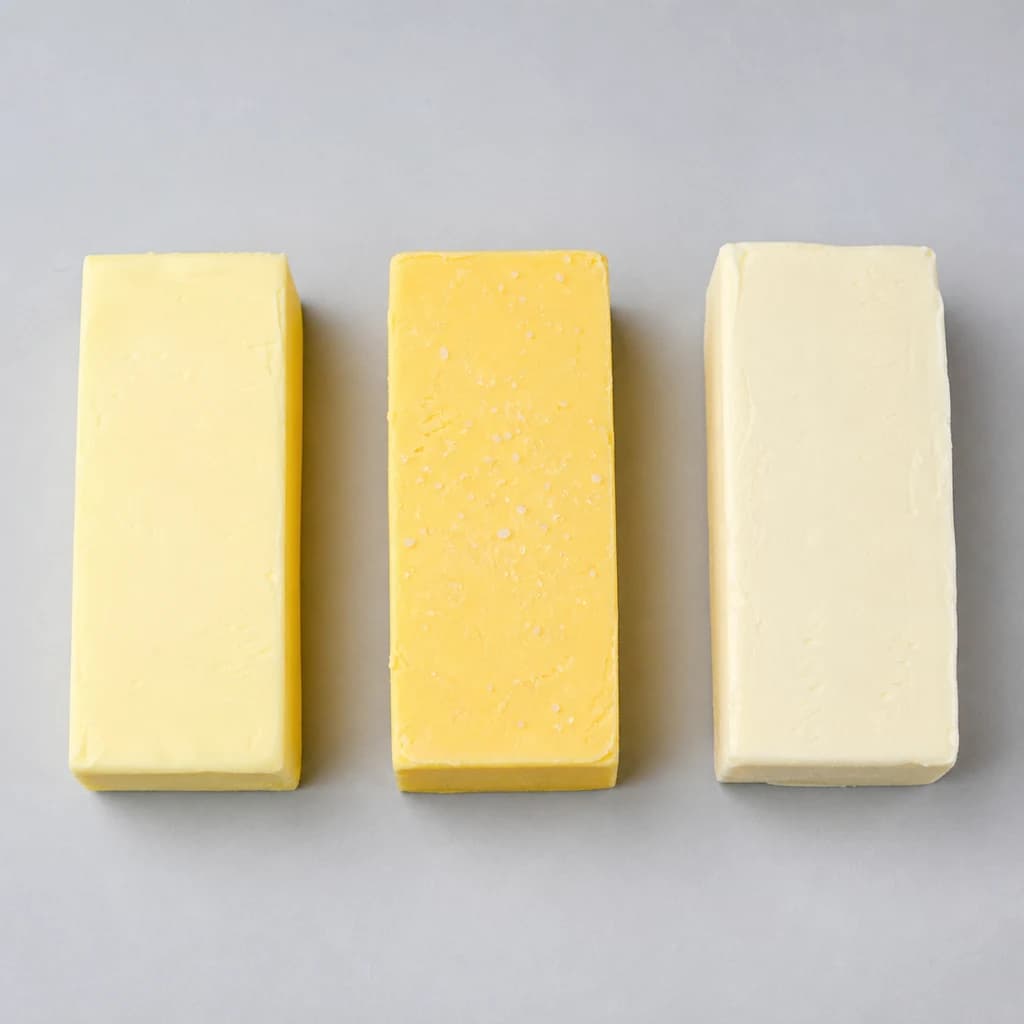
Butter
Golden fat for searing, baking, and finishing a sauce
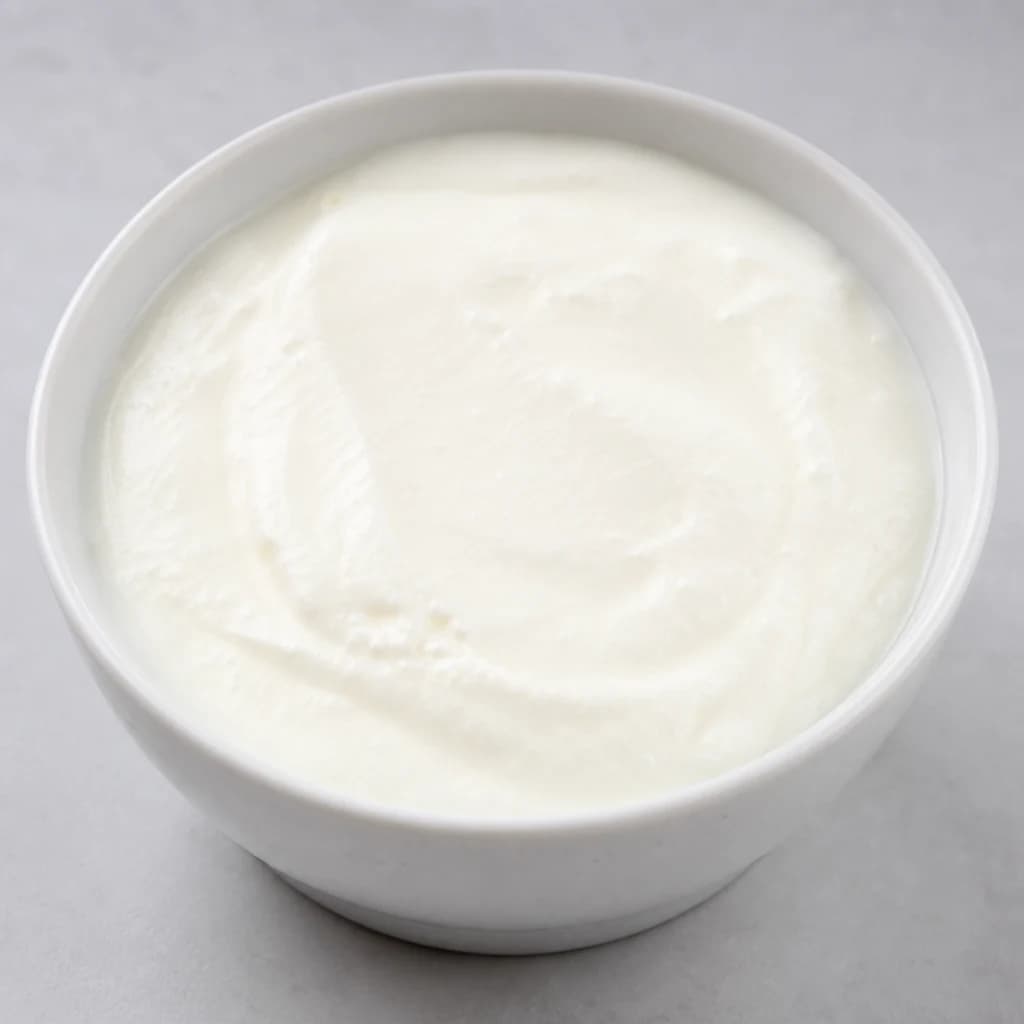
Yogurt
Tangy, creamy culture for breakfast, sauces, and marinades
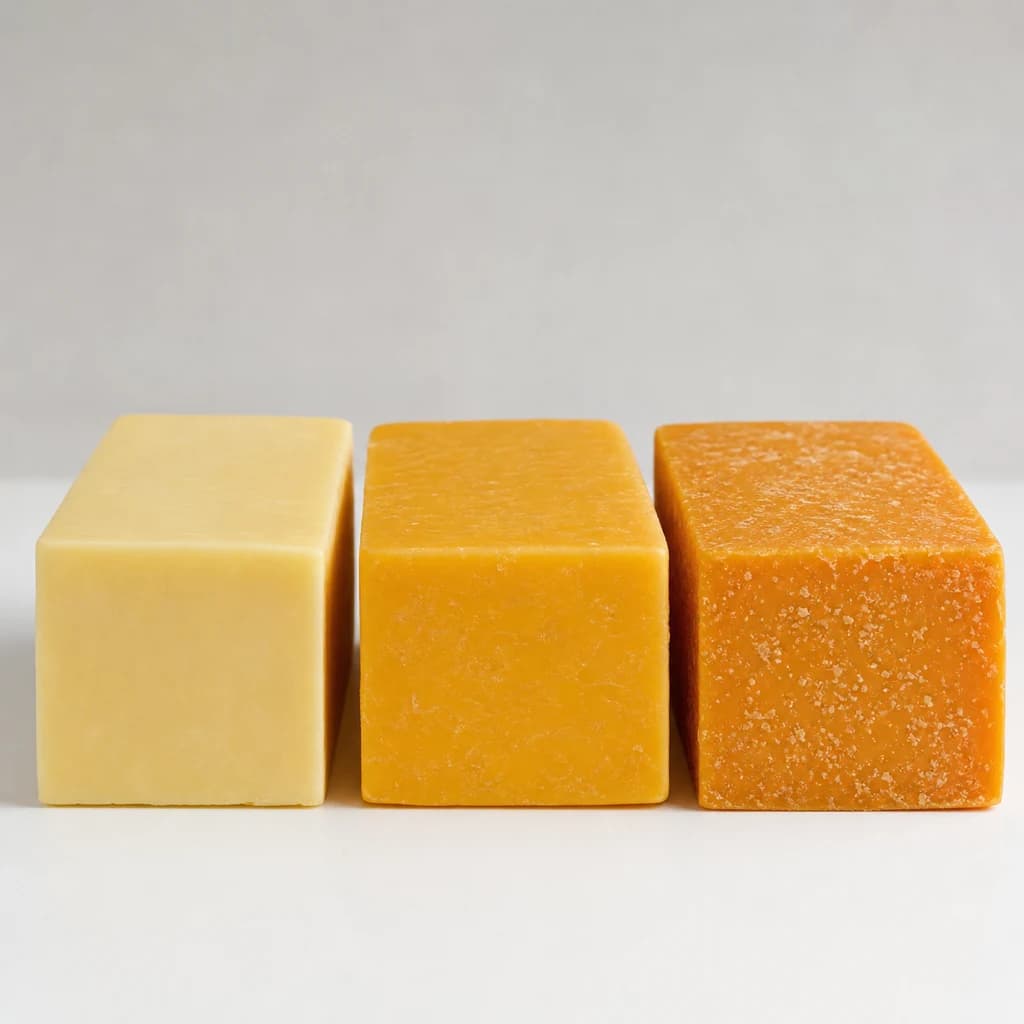
Cheddar Cheese
Sharp, melty cheese for sandwiches, gratins, and grating

Skim Milk
Fat-free milk for lighter drinking, coffee, and cooking
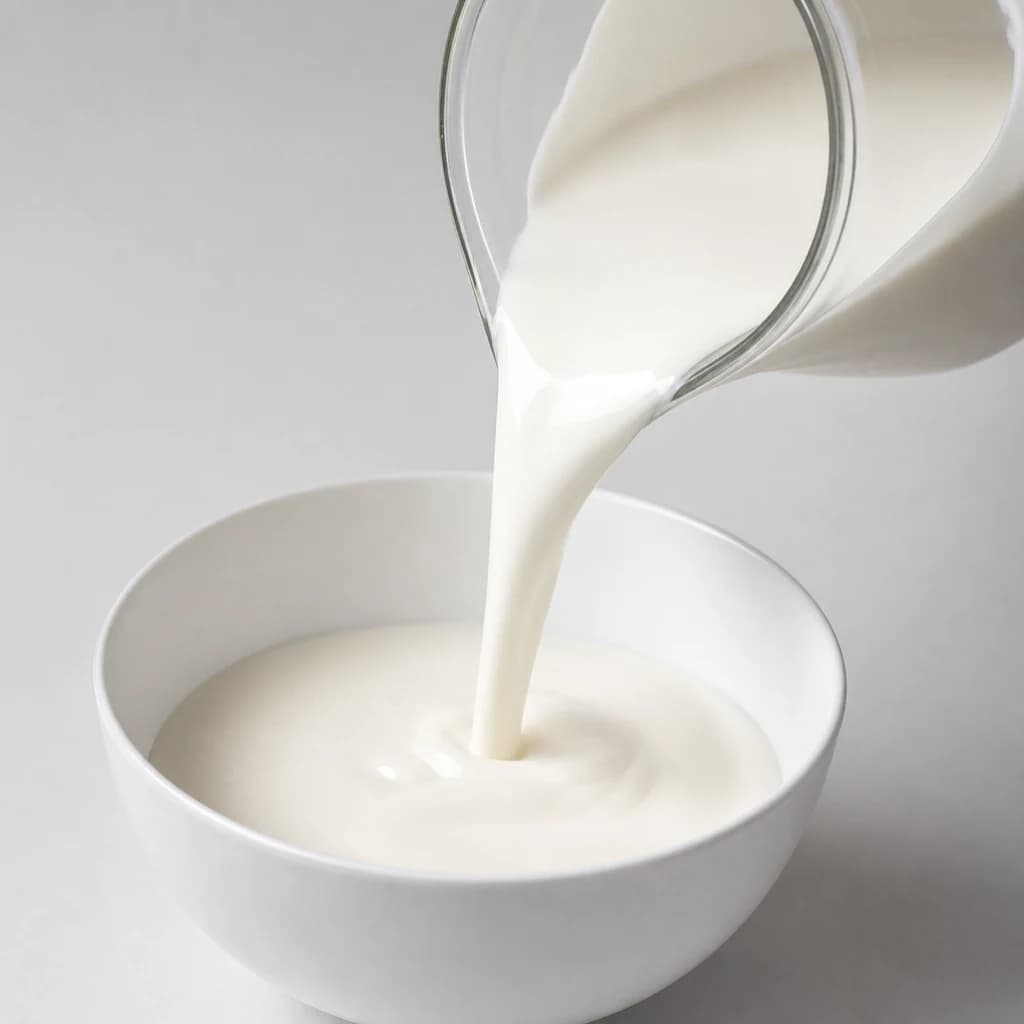
Heavy Cream
Rich cream that whips, enriches sauces, and sets ganache

Sour Cream
Tangy, thick cream for dolloping, baking, and dips
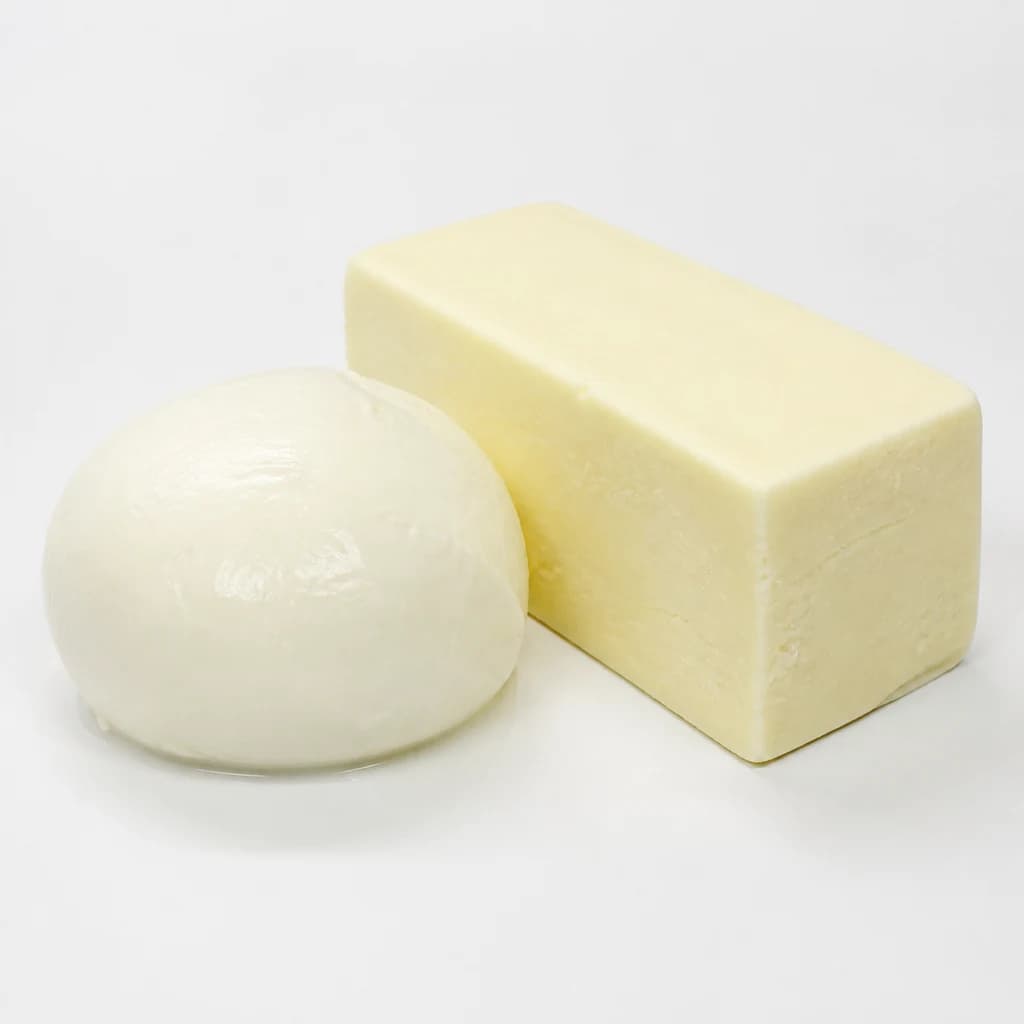
Mozzarella
Soft, milky cheese that melts into stretchy pizza pulls