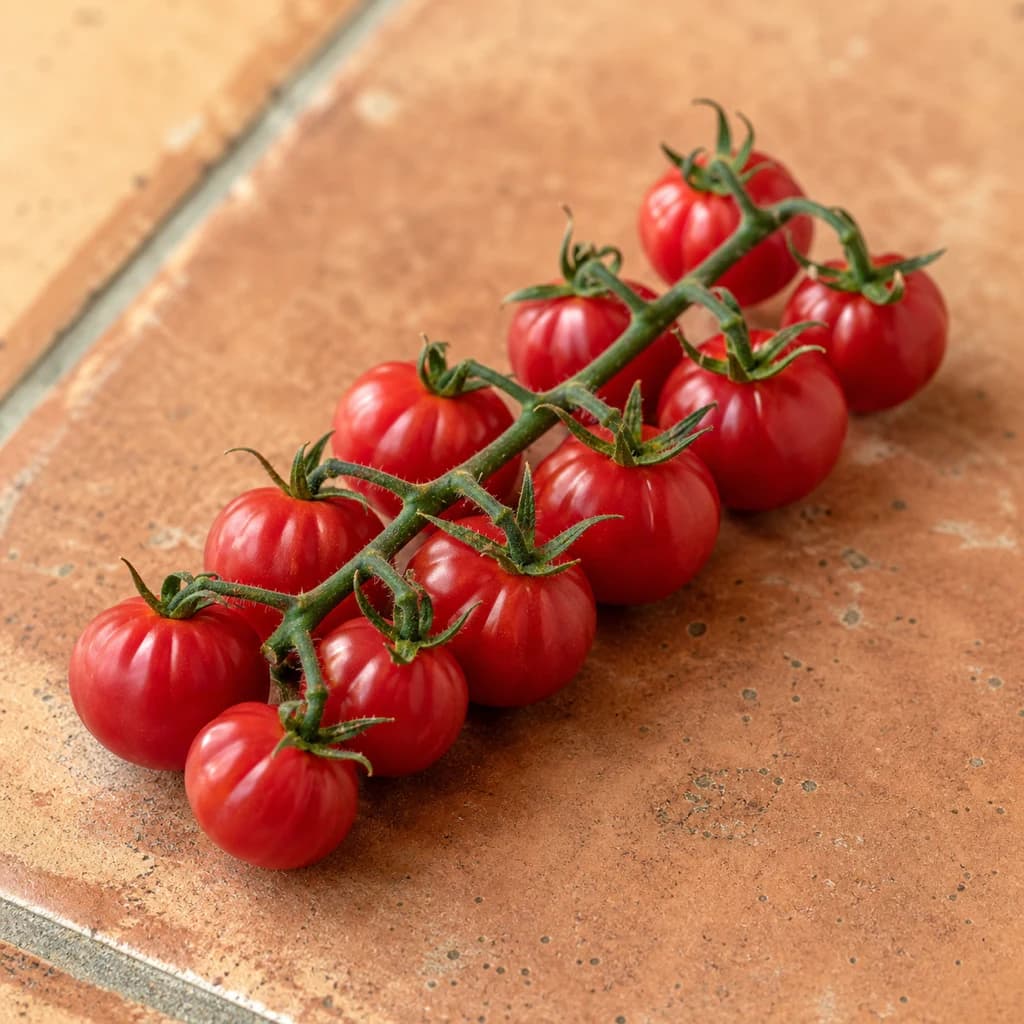
Natural form
Pachino cherry tomatoes on the vine, showing their deep-red color and small round form.
Shows the ingredient in its most recognizable state — intact, clustered on the vine — so readers can identify it at market.
Produce
Pachino Cherry Tomato
Intensely sweet Sicilian cherry tomato with a PGI designation, eaten raw or in sauces.
The Pachino cherry tomato is a small, deep-red Sicilian tomato grown near the town of Pachino and protected by a PGI designation. Sun and saline soil give it an exceptionally sweet, concentrated flavor with bright acidity. It is eaten raw, halved into salads, or quickly cooked into pasta sauces.
Pomodoro di Pachino is the benchmark cherry tomato of Italian cooking, grown in the sun-parched volcanic plateau of southeastern Sicily where the Ionian Sea tempers the relentless heat. The combination of mineral-rich basaltic soil, dramatic day-night temperature swings, and salt-laden breeze produces berries with a Brix reading of 8–10°—significantly higher than standard greenhouse cherry tomatoes—yet with notably low acidity. This balance of intense sweetness and gentle tartness makes them exceptional eaten raw, when the sugars need no cooking to express themselves. The PGI designation, awarded in 2002, legally protects the name; only fruit grown, harvested, and packed within the Hyblean municipalities of Pachino, Noto, Ispica, Rosolini, and Modica may bear the Consortium's violet-and-gold mark. Counterfeit "Pachino-style" tomatoes, grown elsewhere and merely routed through the region, are common in export markets and lack the terroir-driven depth.
The fruit is small, typically 15–30 g, with a thin, tender skin that splits easily under irrigation stress. Three commercial forms dominate: the perfectly round ciliegino (the recognizable supermarket type), the slightly larger smooth tondo liscio, and the deeply ribbed, heirloom costoluto. All ripen to a uniform bright red; any greenish shoulder indicates incomplete development and hollow, acidic flavor. Once picked, the clock runs fast—three to five days at room temperature before softening sets in. Cold storage below 10°C degrades the volatile aroma compounds irreversibly within hours, making a chilled tomato a fundamentally different ingredient than one kept at room temperature.
- Measured in
- g
- Storage
- Pantry
Types & varieties
Small, perfectly round, cherry-sized; the dominant commercial type and most recognized expression of the PGI
Smooth, round, slightly larger than ciliegino; cleaner shape for composed salads
Deeply ribbed and somewhat flattened; heirloom shape with excellent flesh-to-juice ratio for sauces
Common uses
Tips & pitfalls
- Buy only when uniformly red with no green shoulders; slight give when pressed confirms peak ripeness
- Never refrigerate—cold destroys the sugar and aromatic volatile compounds within hours, irreversibly dulling the flavor
- Bring to room temperature before serving; cold suppresses sweetness perception dramatically
- Store stem-side down in a single layer; stacking or pressure bruises the thin, tender skin
- For sauces, halve, salt lightly, and let drain 15–20 minutes to purge excess water—this prevents a watery sauce and intensifies flavor
- When roasting, spread cut-side up without crowding on a sheet pan at 220°C+ for 12–15 minutes to caramelize the natural sugars
- In cooked sauces, add the tomatoes in the final 2–3 minutes of gentle heat; extended boiling turns them mushy and dissipates the sweetness
- Seek the PGI Consortium violet-and-gold mark on packaging; many non-PGI tomatoes sold as "Pachino style" lack the terroir character
- When seeding is unwanted, cut in half and squeeze gently—seeds contribute bitterness undesirable in delicate raw preparations
- If buying on the vine (detto rachetto), the stems must be bright green and perky; wilted stems signal aged harvest and reduced keeping quality
Nutrition
Energy
63 kJ · per 100 g
Where the calories come from
Protein
1g
2% DV
Carbs
3g
1% DV
Fat
0.3g
0% DV
Fiber
0.7g
3% DV
Sodium
23mg
1% DV
Source · USDA FoodData Central · approx. Tomatoes, yellow, raw
View on FDC →In the shops
Matched grocery products
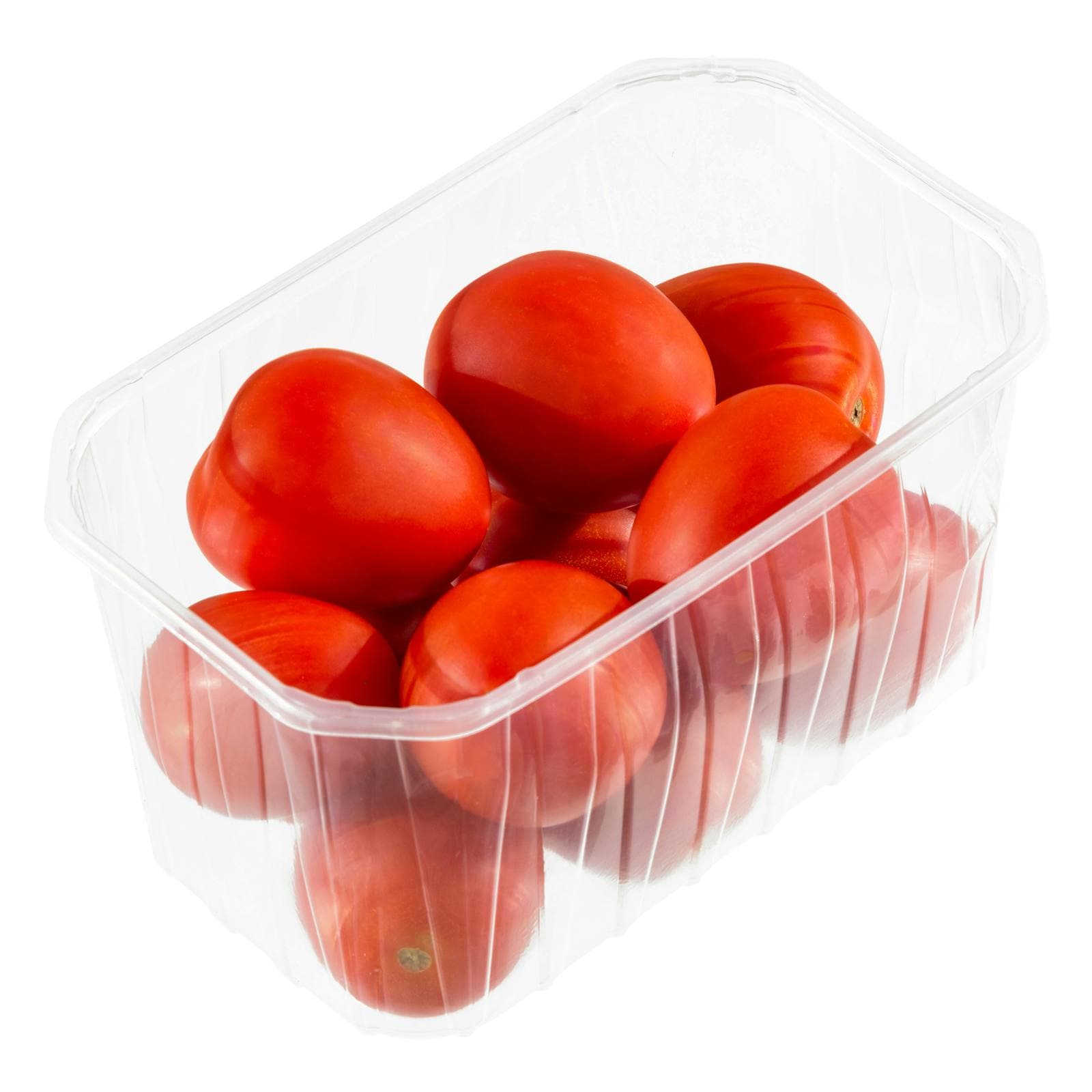 €2.62
€2.62Pear Tomatoes
1.14 kg · Mercadona
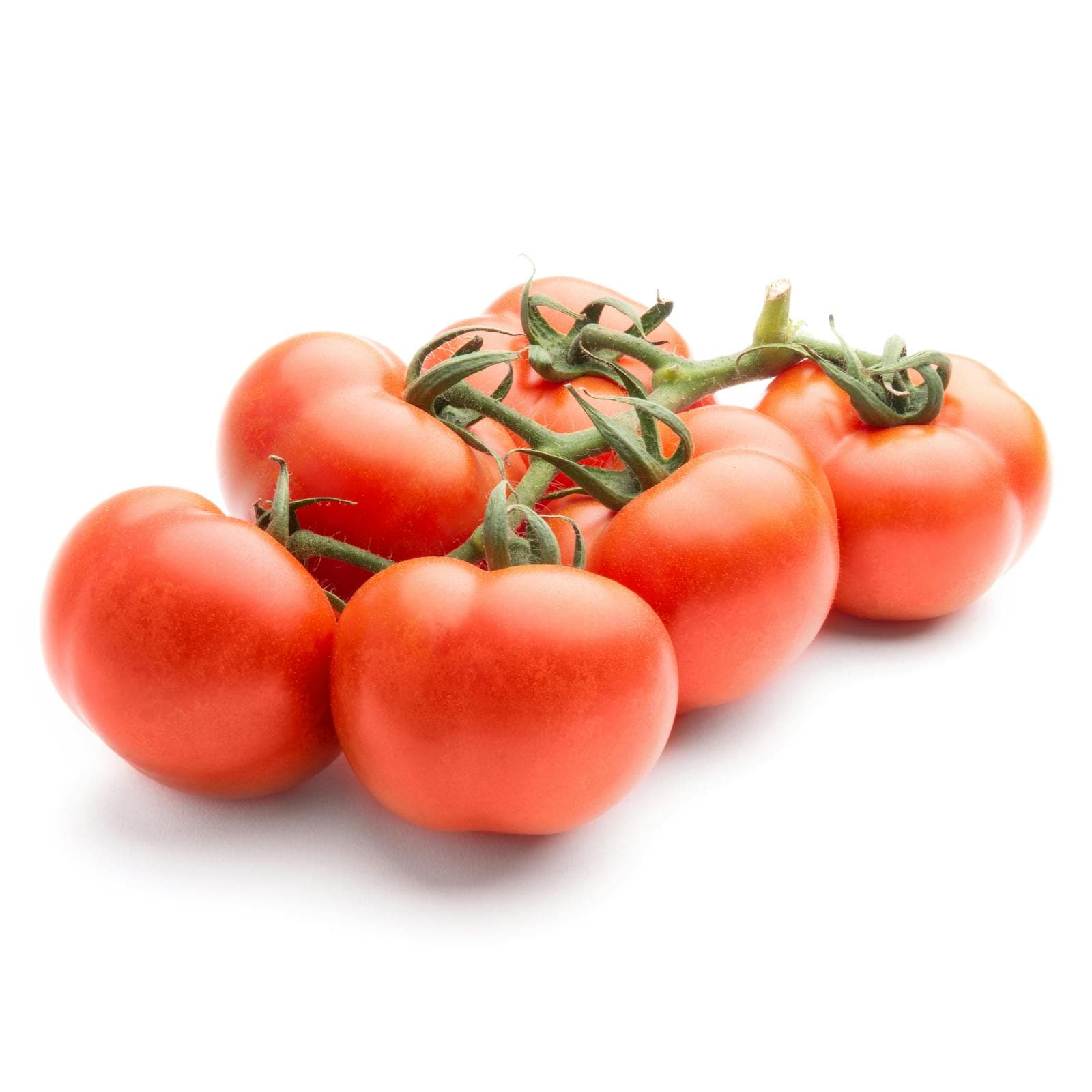 €1.49
€1.49Truss Tomatoes
550 g · Mercadona
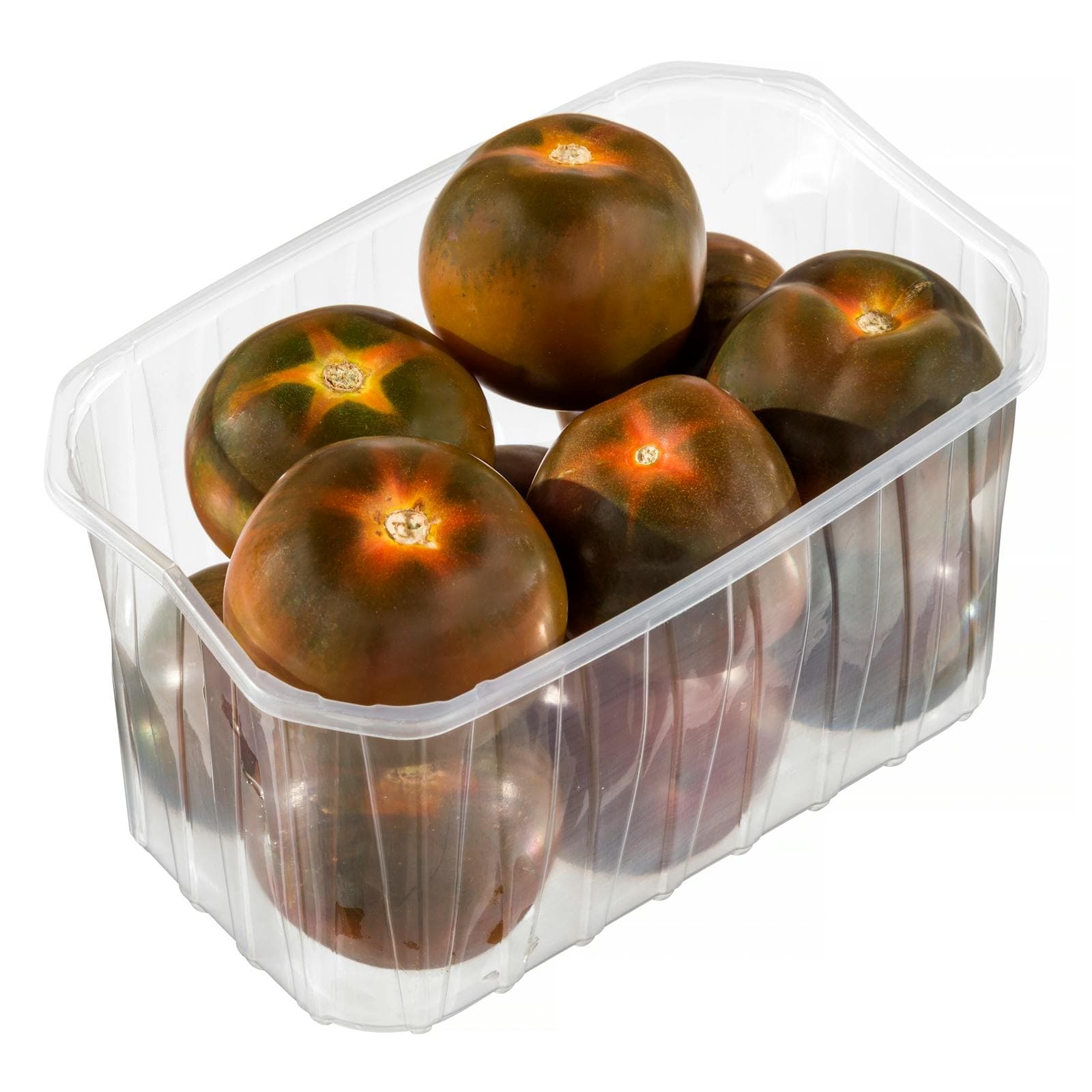 €2.60
€2.60Black Tomatoes
1 kg · Mercadona
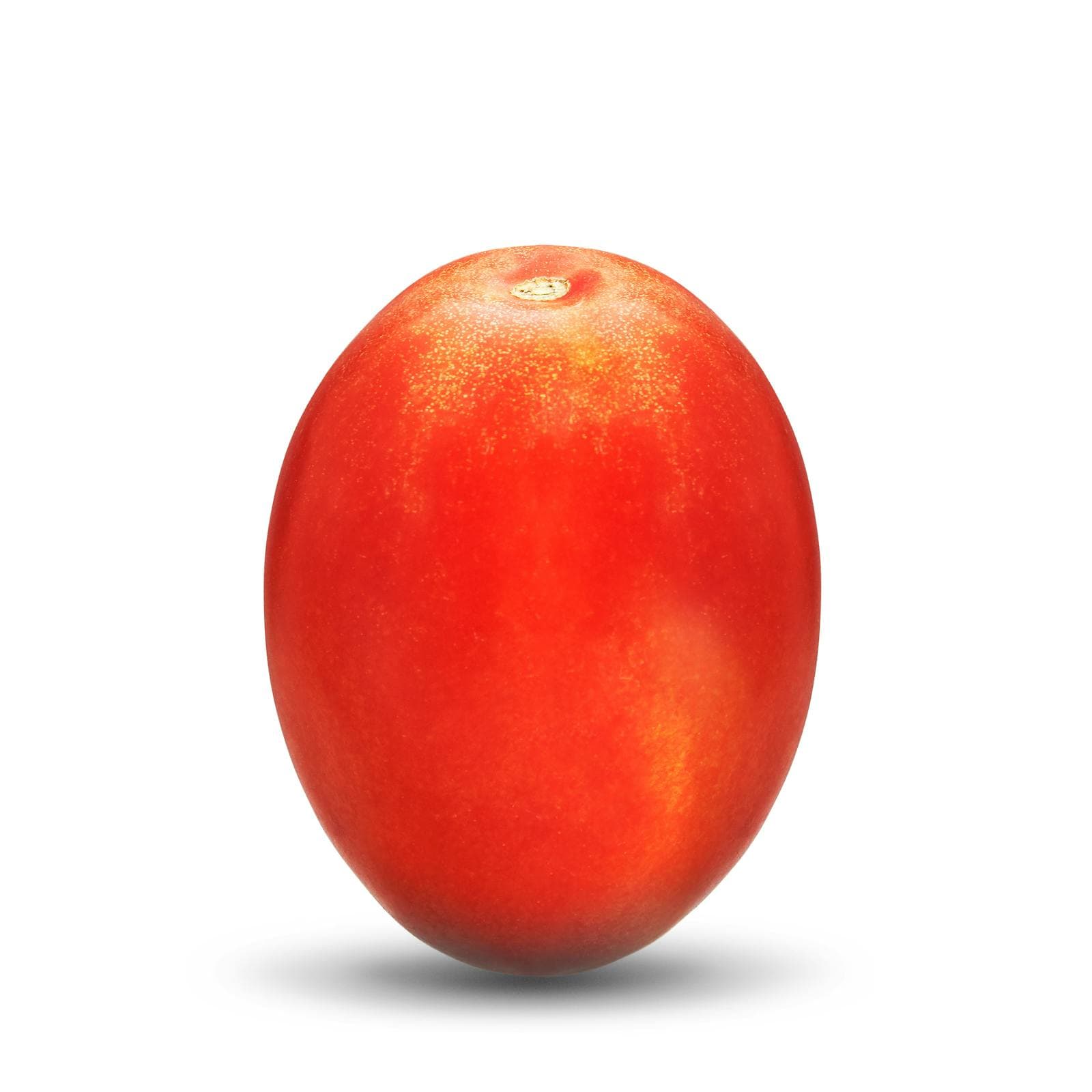 €0.29
€0.29Plum Tomato
130 g · Mercadona
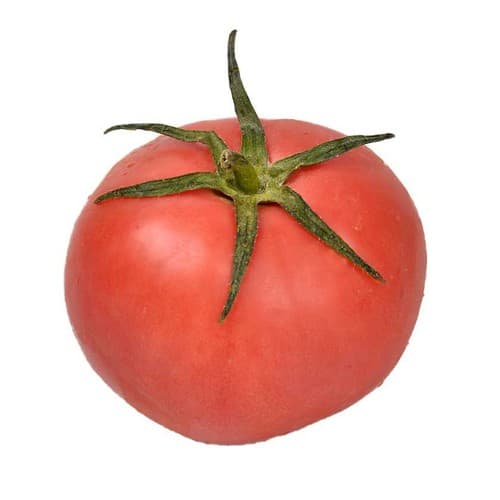 €1.07
€1.07Pink Tomato
ud · Bonpreu
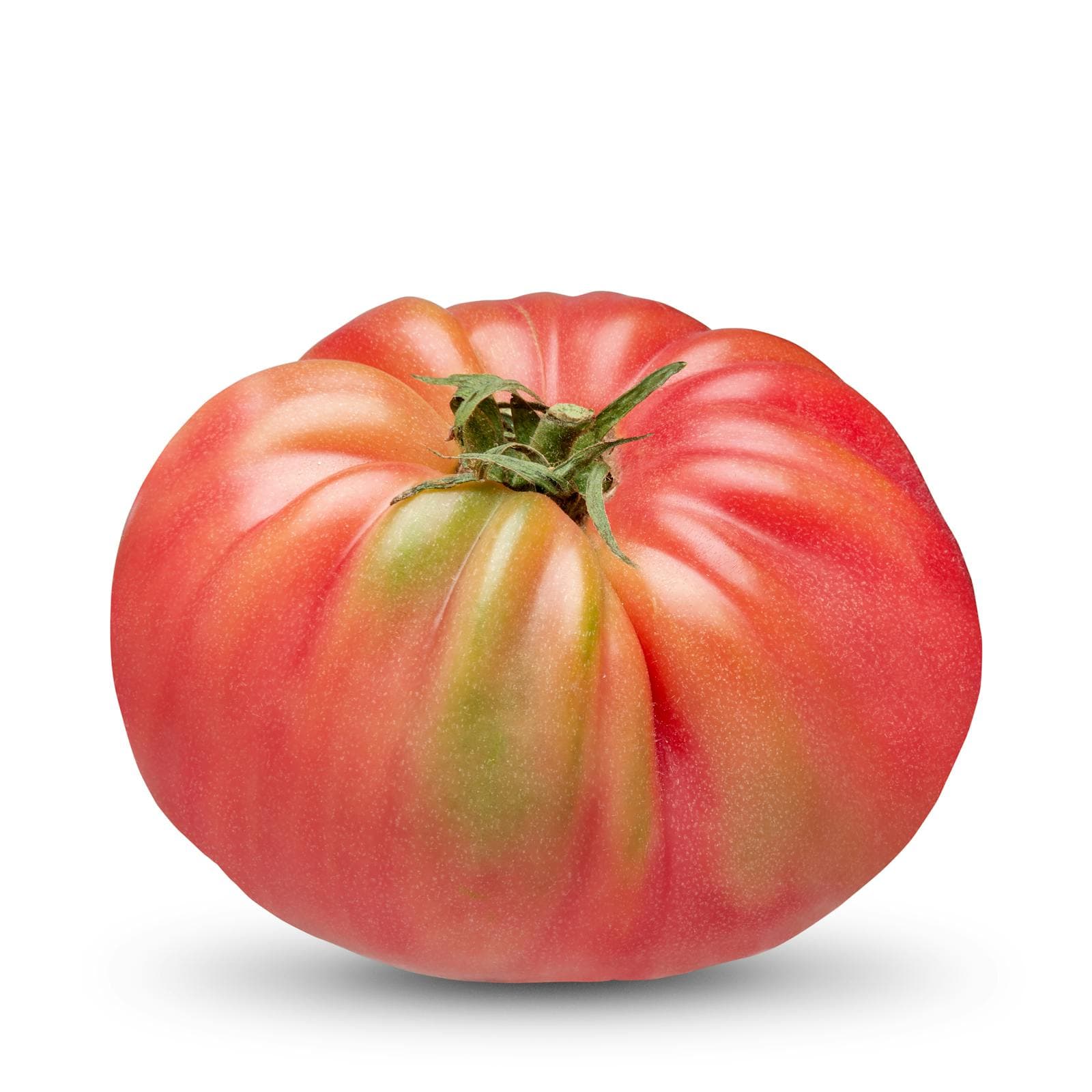 €1.16
€1.16Pink Tomato
340 g · Mercadona
Good to know
- Origin
- Hyblean plateau, Ragusa province, southeastern Sicily, Italy
- PGI Status
- Pomodoro di Pachino PGI awarded 2002; regulated zone includes Pachino, Noto, Ispica, Rosolini, and Modica
- Growing Conditions
- Volcanic basaltic soil, intense sun, Ionian sea breeze, wide day-night temperature swings
- Season
- May–November; peak harvest July–September
- Sugar Content
- 8–10° Brix, significantly higher than standard cherry tomatoes
- Acid Profile
- Low acidity; sweet-tart ratio is the defining flavor characteristic
- Storage
- Never refrigerate below 10°C; store stem-side down in a single layer at room temperature
- Shelf Life
- 3–5 days; deteriorate rapidly once softened
Substitutes
- Sungold cherry tomato — Comparable sweetness, slightly more acidic; excellent raw but skin is noticeably tougher
- Campari tomato — Good sugar content and low acidity; more rounded shape, less intensely flavored than true Pachino
- Date tomato — Sweet, firm, and elongated; works reasonably in salads and quick cooking applications
- Caltagirone cherry tomato — Other Sicilian variety grown in similar volcanic conditions; less regulated but comparable flavor profile
Pairs with
Also called
Pachino Tomato · Pomodorino di Pachino
Related
Tomato
Juicy, sun-sweet fruit for sauces, salads, and slow-cooked depth
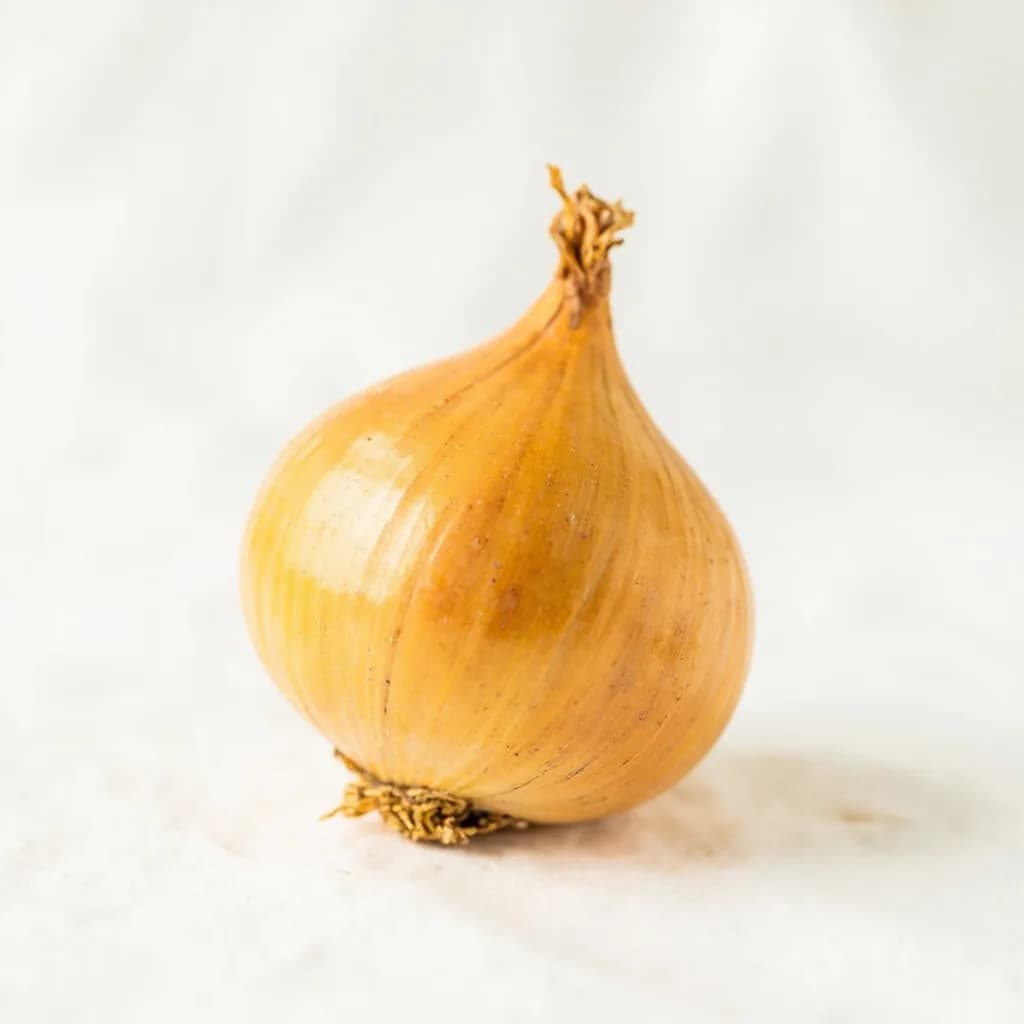
Yellow Onion
The aromatic backbone of soups, sofritos, and braises
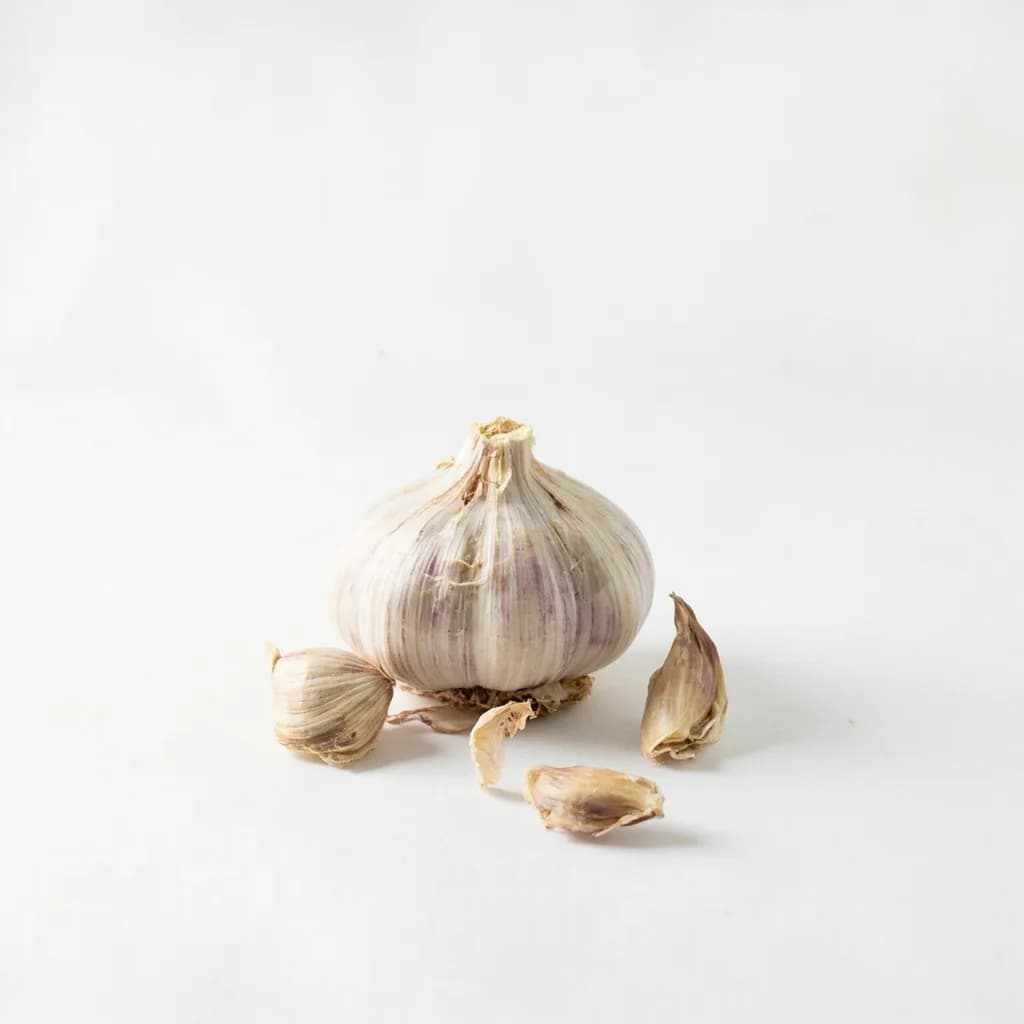
Garlic
Pungent cloves that perfume nearly every savory dish
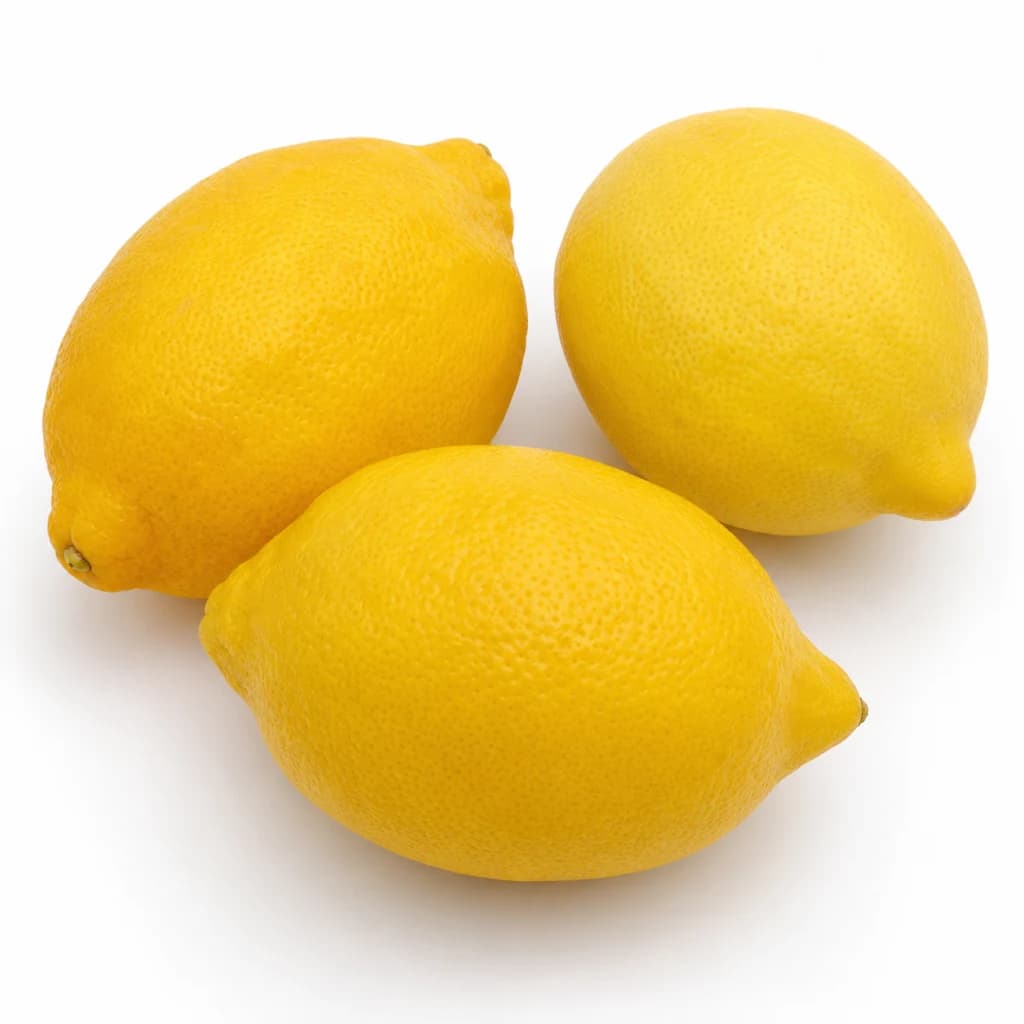
Lemon
Bright, acidic citrus that wakes up almost any dish
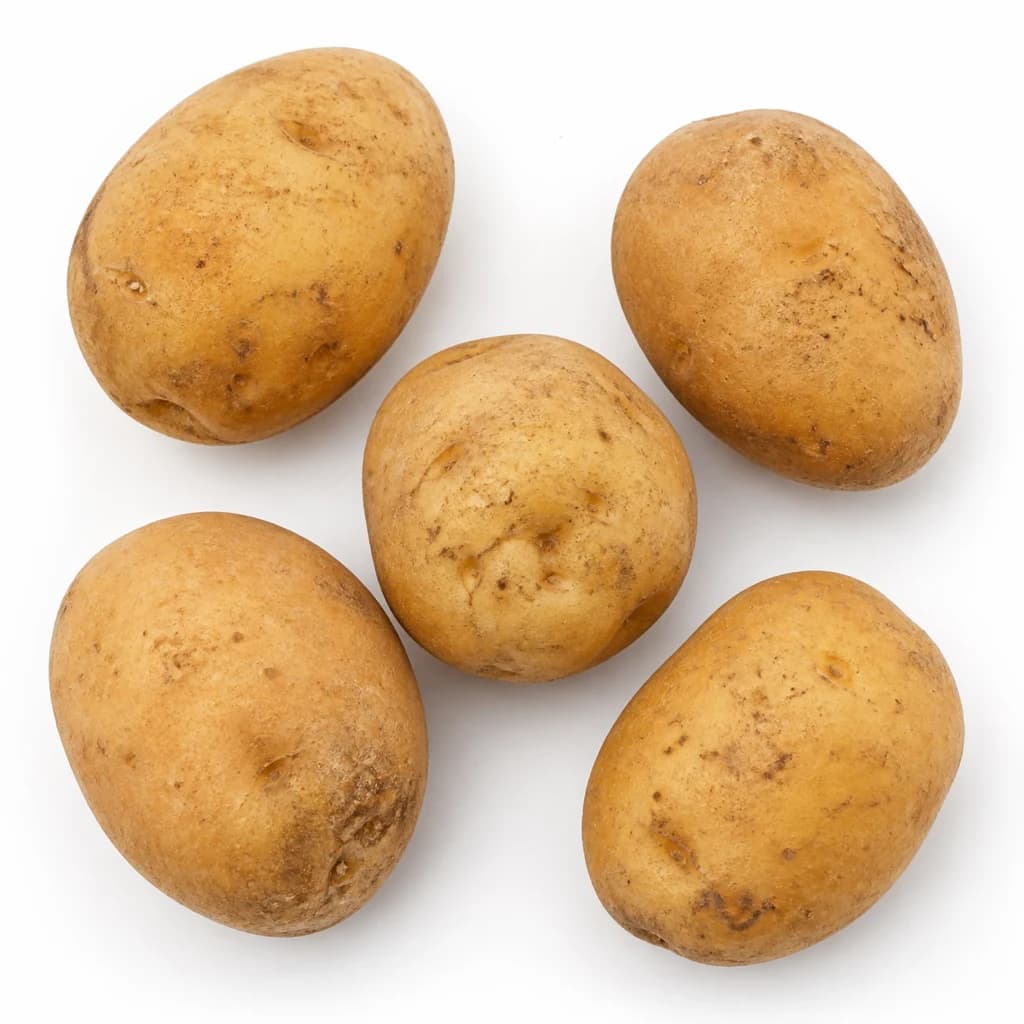
Potato
Humble, hearty staple — roast, mash, fry, or boil
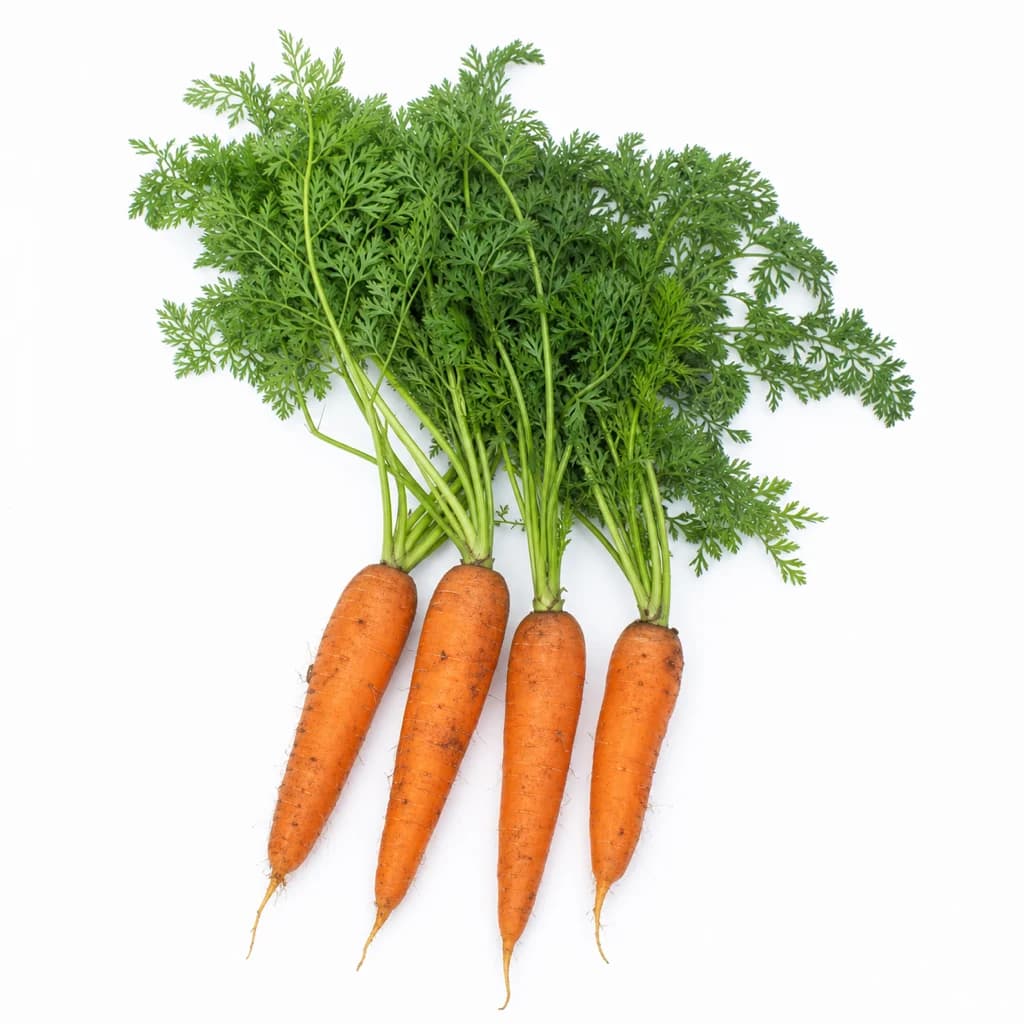
Carrot
Sweet, crunchy root — raw, roasted, or the base of a sofrito
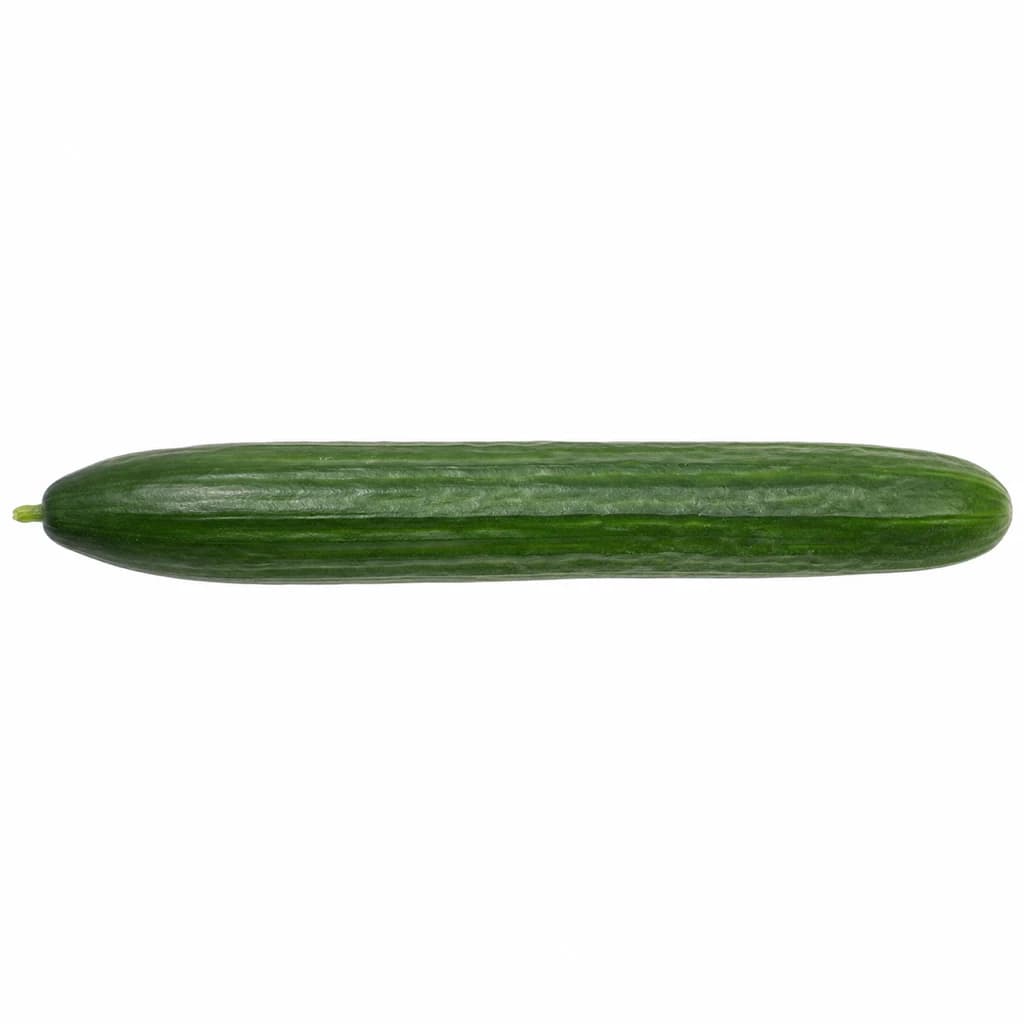
Cucumber
Cool, crisp, and watery — for salads, pickles, and tzatziki

Lettuce
Crisp leaves for salads, wraps, and a fresh crunch