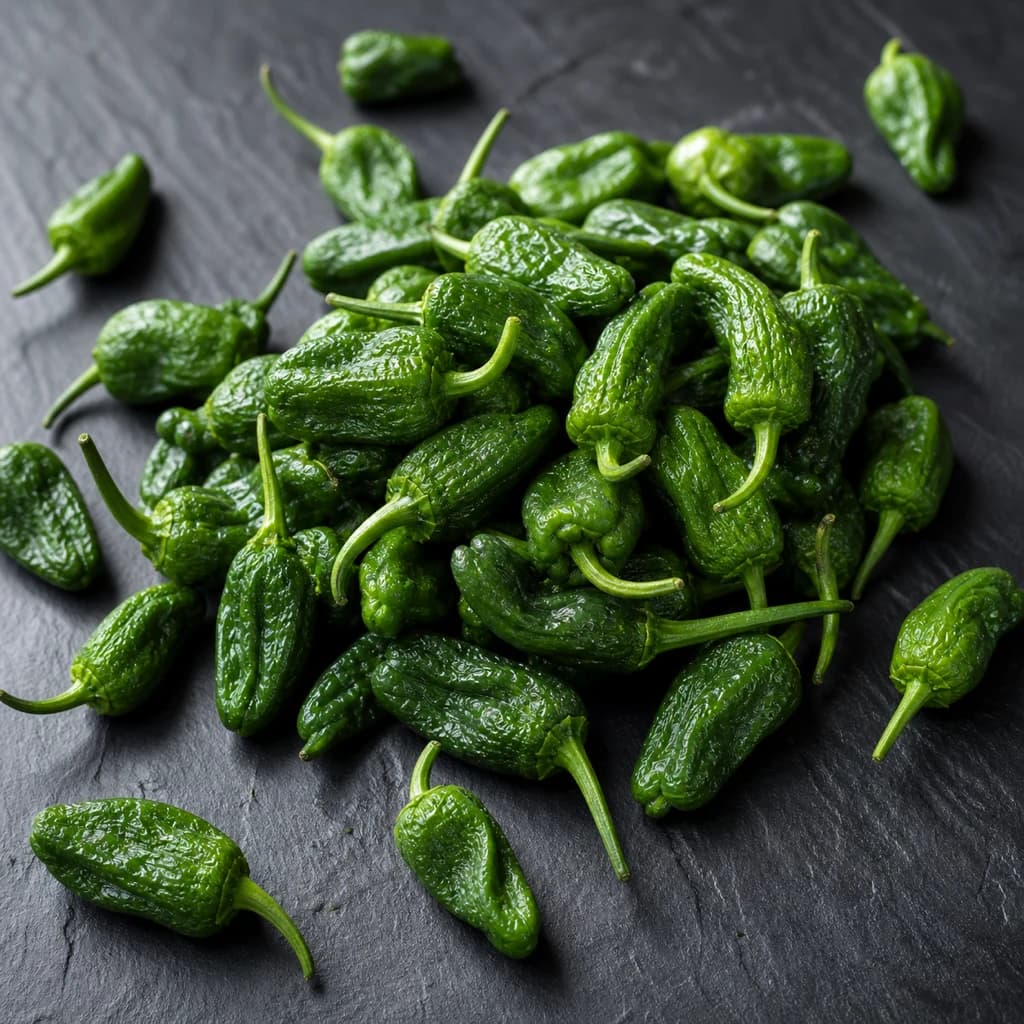
Natural form
Fresh Padrón peppers harvested young and small, showing their characteristic wrinkled green skin.
Shows the reader exactly what to look for when buying or identifying Padrón peppers at market.
Produce
Padrón Pepper
Small Galician green pepper, usually mild but occasionally fiery, blistered in oil.
Padrón peppers are small green peppers from Galicia in northwest Spain, famous for the roulette that roughly one in ten is surprisingly hot while the rest are mild. They are blistered whole in hot olive oil and finished with flaky salt as a classic tapa. They are best eaten young and small.
Pimientos de Padrón are small, thin-walled green peppers from the village of Padrón in Galicia, northwestern Spain. They belong to the Capsicum annuum species and are traditionally harvested immature—while still green and between 2–4 inches long—so the flesh remains tender and the skin thin and edible. Though cultivated in Galicia since at least the 17th century, these peppers did not become famous beyond the region until the 1990s, when chefs in Madrid and Barcelona began serving them blistered with olive oil and flaked salt as a tapas bar staple. Today they are grown throughout Spain and exported globally, though the traditional heirloom cultivar, Herdeira, remains the benchmark.
What distinguishes Padrón peppers from other small chiles is their characteristic flavor and the element of chance in their heat. The vast majority are mild, with a clean, vegetal brightness and a grassy, almost sweet note when charred. However, approximately one in ten peppers carries enough capsaicin to register noticeably—sometimes dramatically—on the palate. This "roulette" quality is not a flaw but a feature, and it is consistent across most batches regardless of where the peppers are grown. There is no reliable way to identify which individual pepper will be hot; the distribution is entirely random.
In the kitchen, Padrón peppers reward high-heat, quick cooking. The thin skin blisters and puffs readily, the flesh softens without becoming mushy, and the charred, smoky notes complement the pepper's natural vegetal character. They are extraordinarily versatile for such a modest ingredient: they hold their own as a simple tapa, elevate egg dishes, and integrate seamlessly into rice and seafood preparations. Their quick cooking time—rarely more than a few minutes—makes them a weeknight-friendly option, while their cultural resonance gives them a place on more ambitious Spanish spreads.
- Measured in
- g
- Storage
- Fridge
Types & varieties
The traditional heirloom cultivar registered to Padrón; historically the only pepper grown in the region. Somewhat more irregular in shape and considered the authentic type.
Peppers sold as Padrón peppers from other Spanish regions such as Extremadura and Almería, using the same or similar cultivars. Flavor and heat distribution are comparable.
The Pepper Roulette
The one-in-ten spicy ratio is the defining characteristic that has made Padrón peppers famous worldwide. This is not a defect or inconsistency in cultivation—it is a genetic trait of the variety. Most peppers in a given batch will be entirely mild, while occasional specimens deliver a clean, sharp heat that can range from a pleasant warmth to genuinely fiery. No visual cue or tactile test reliably predicts which pepper will be hot; you simply do not know until you bite. This element of surprise is part of the dish's appeal and its name.
If you encounter a notably hot specimen, do not assume the entire batch is ruined. Finish cooking the remaining peppers and serve them as intended. The heat is concentrated in the ribs and seeds; if you are extremely sensitive, you can scrape these out before cooking, but doing so alters the authentic character of the dish. Accept the roulette as part of the experience.
- Heat distribution is genetic, not a quality issue—accept it as characteristic
- No tactile or visual method reliably identifies spicy peppers in advance
- Scraping out ribs and seeds reduces heat but sacrifices authenticity
- Occasionally hot peppers are not an indication the entire batch is hot
Buying and Storing
Seek out bright, firm peppers with no soft spots or wrinkles. The stems should be green and firmly attached. Avoid peppers that appear dull or have started to yellow, as this indicates older, less fresh stock. If purchasing from a farmer's market, ask when they were harvested—freshness matters more than any other quality indicator.
Once home, store Padrón peppers unwashed in a paper bag in the refrigerator's crisper drawer. Plastic bags or airtight containers trap moisture and cause the peppers to decay rapidly. They are best used within three to four days of purchase; after a week, even properly stored peppers begin to lose their bright flavor and become soft.
- Choose bright, firm peppers with green, intact stems
- Avoid dull or yellowing peppers—look for vivid color
- Store unwashed in a paper bag, not plastic
- Use within 3–4 days for best flavor and texture
Common uses
Tips & pitfalls
- High heat is essential for the blistered preparation; the pan must be hot enough for the oil to shimmer before the peppers go in, or they will steam and turn soft
- Do not wash the peppers until immediately before cooking—surface moisture accelerates spoilage and can cause oil to splatter in the pan
- The one-in-ten spicy ratio is consistent across most batches; there is no reliable way to identify which pepper will be hot, so eat with awareness
- Cook in small batches only; crowding the pan drops the temperature, steams the peppers, and they lose their blistered, wrinkled character
- For tempura-fried Padrón peppers, keep the batter ice-cold and do not overmix—visible lumps in the batter are desirable and produce a lighter, crispier crust
- When serving blistered Padrón as a tapa, add the coarse salt immediately after removing the peppers from the heat—it adheres far better to the hot, slightly oily skin
- Galician extra-virgin olive oil is the traditional and ideal cooking medium; its fruity, grassy character complements the bright vegetal notes of the peppers
Nutrition
Energy
121 kJ · per 100 g
Where the calories come from
Protein
0.9g
2% DV
Carbs
6.5g
2% DV
Fat
0.4g
0% DV
Fiber
2.8g
10% DV
Sugars
4.1g
of which
Sodium
3mg
0% DV
Source · USDA FoodData Central · approx. Peppers, jalapeno, raw
View on FDC →In the shops
Matched grocery products
No matched grocery products for Padrón Pepper yet.
Good to know
- Origin
- Padrón, Galicia, Spain
- Species
- Capsicum annuum
- Heat Level
- Mostly mild (0–800 SHU); approximately 1 in 10 peppers is noticeably spicy
- Size
- 2–4 inches (5–10 cm) long
- Harvested
- Immature, while still green; never fully ripened to red
- Peak Season
- Late spring through early autumn; peak supply July–September
- Flavor
- Bright, grassy, vegetal; slight sweetness when charred; clean, thin-skinned bite
- Storage
- Refrigerate unwashed in a paper bag for up to 7 days; do not seal in plastic
- Best Used
- Within 3–4 days of purchase
Substitutes
- Shishito Pepper — Nearly identical in size, thinness, and flavor; shares the same approximate one-in-ten spicy pepper ratio. Direct substitute for all preparations.
- New Mexican Chile — Slightly thicker-fleshed and more predictable in heat; works well blistered or grilled. Adjust cooking time slightly upward.
- Cubanelle — Milder, a bit sweeter, and slightly larger; good for blistered preparations where consistency of mildness is desired.
Pairs with
Also called
Pimientos de Padrón · Padron Pepper
Related
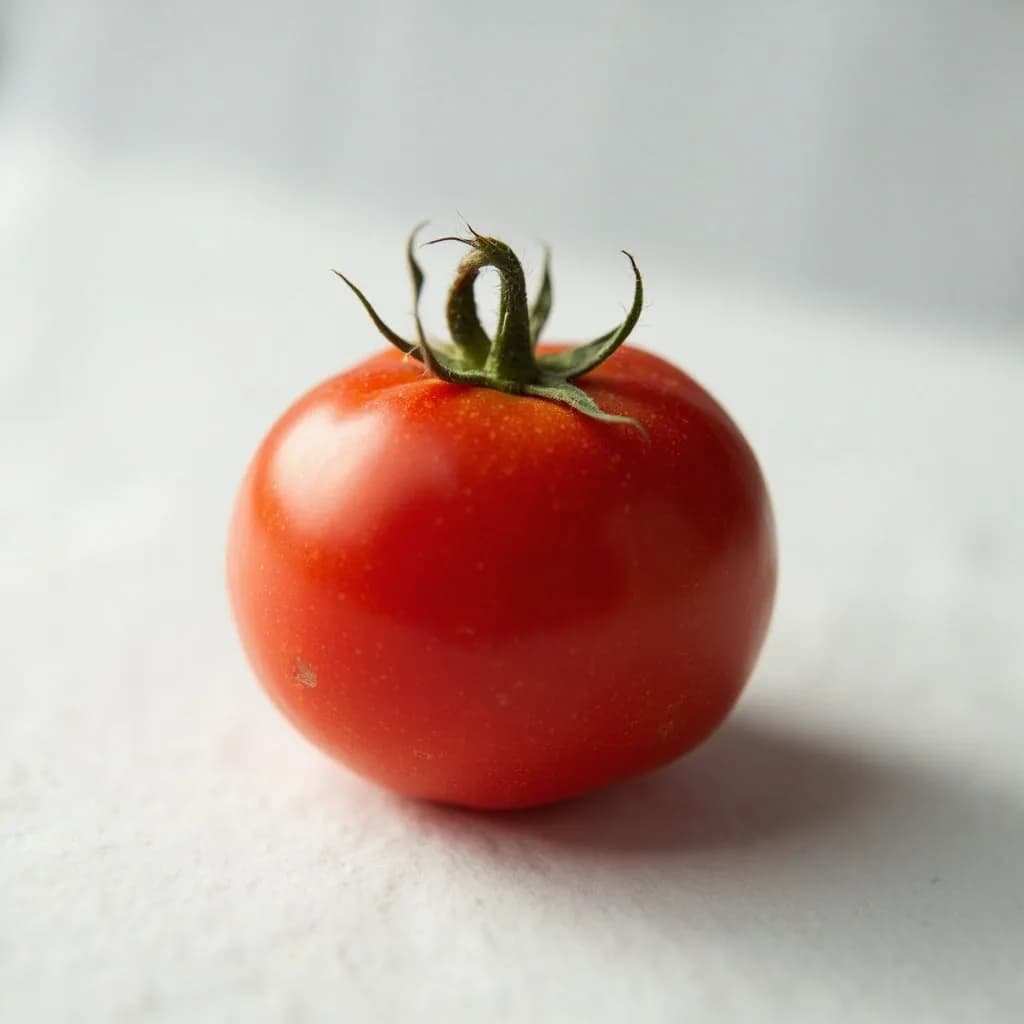
Tomato
Juicy, sun-sweet fruit for sauces, salads, and slow-cooked depth
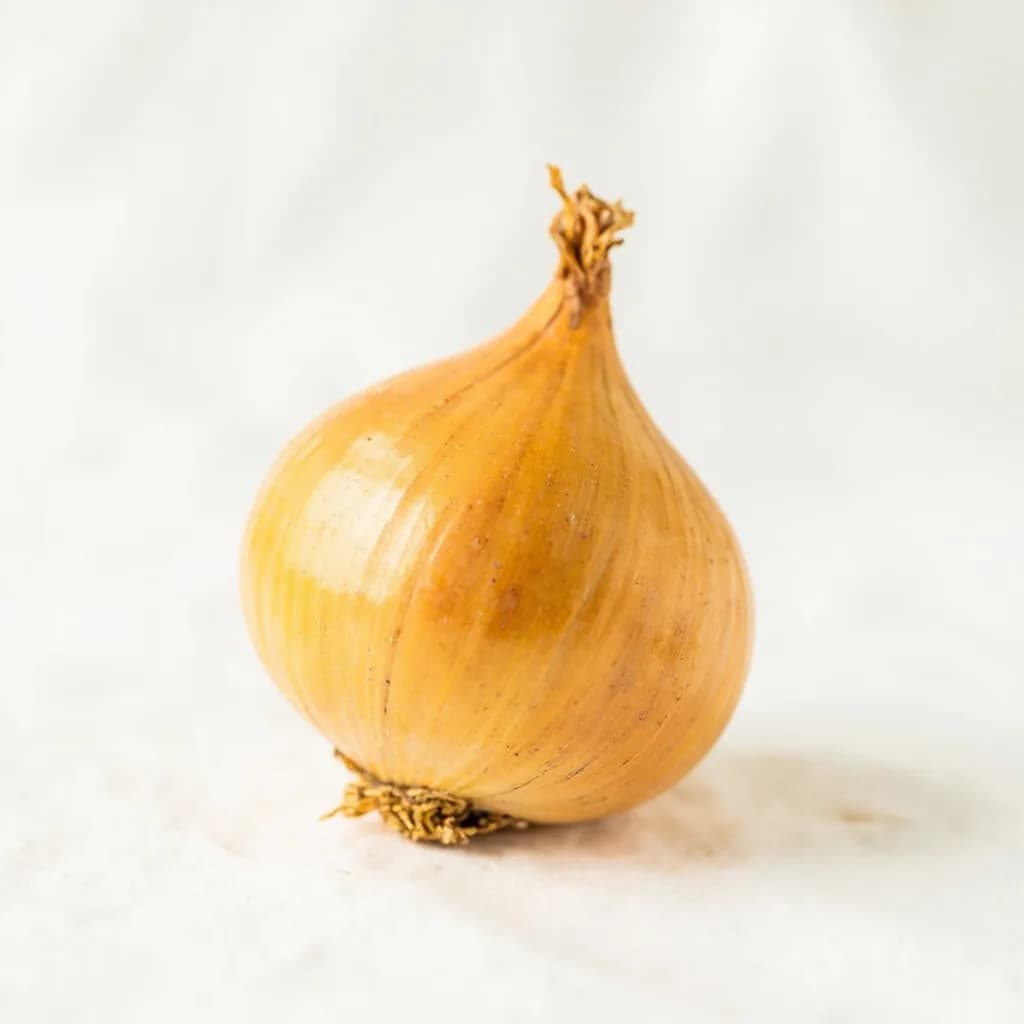
Yellow Onion
The aromatic backbone of soups, sofritos, and braises
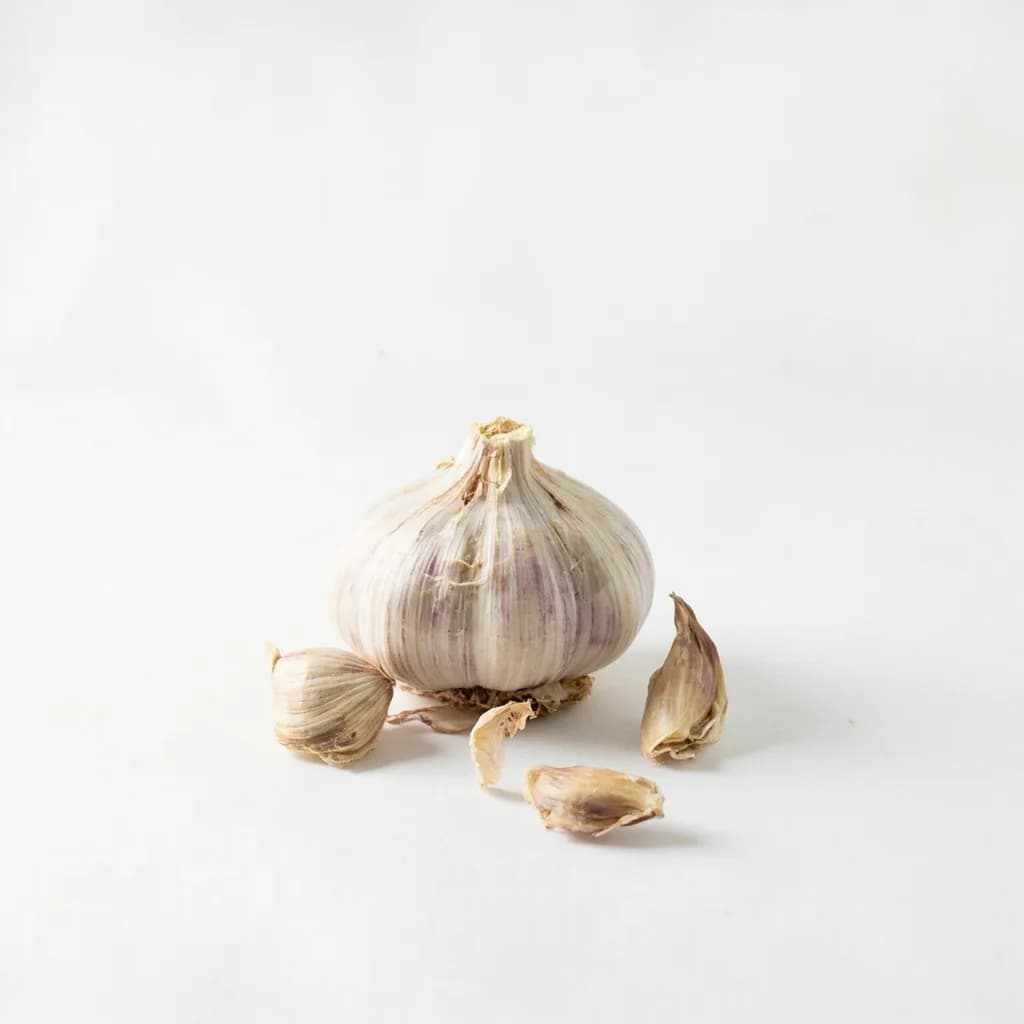
Garlic
Pungent cloves that perfume nearly every savory dish
Lemon
Bright, acidic citrus that wakes up almost any dish
Potato
Humble, hearty staple — roast, mash, fry, or boil
Carrot
Sweet, crunchy root — raw, roasted, or the base of a sofrito
Cucumber
Cool, crisp, and watery — for salads, pickles, and tzatziki

Lettuce
Crisp leaves for salads, wraps, and a fresh crunch