Produce
Shishito Pepper
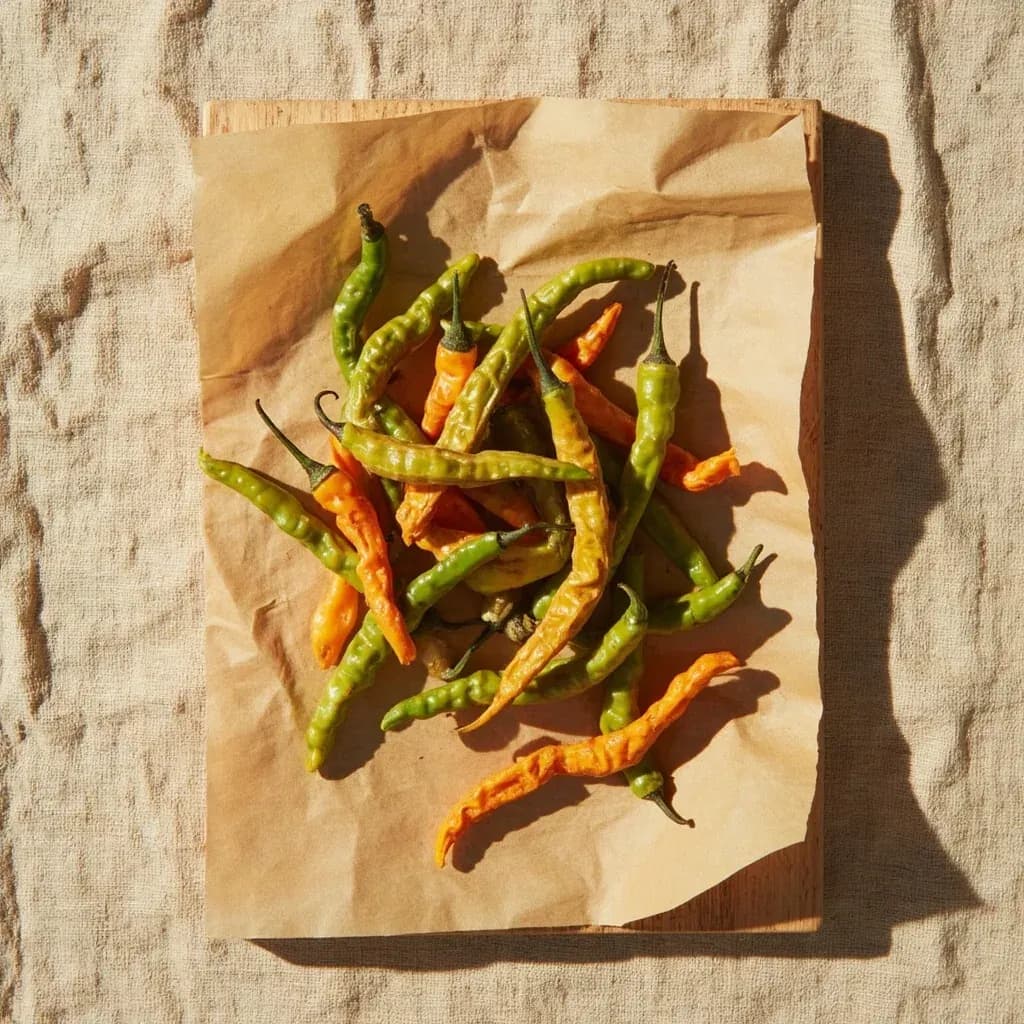
Thin-walled, wrinkled Japanese pepper, mild but with roughly one in ten hot; blistered whole in a hot pan and finished with salt as a fast appetizer.
The shishito is a slender, finger-length Japanese chile — botanically Capsicum annuum var. annuum — harvested green at roughly 7–10 cm with thin walls that collapse the moment they meet real heat. Its name combines shishi ("lion," from the crinkled blossom-end said to resemble a lion's head) and togarashi ("chili pepper"), and it has been grown in Japan for centuries, with closely related landraces now planted from California to Korea. The Korean lookalike, kkwari-gochu, looks similar but runs noticeably hotter on average.
What makes the shishito worth knowing is the combination of three qualities: walls thin enough to blister in under three minutes, a grassy-sweet flavor that takes smoke readily, and a gentle but unpredictable bite. Most fruits register only 50–200 SHU — a quiet warmth — but roughly one in ten will surprise the eater with several times that heat. Growing stress (drought, heat spikes) pushes that ratio higher, which is why a plate of blistered shishitos is treated as a small culinary lottery in Japanese izakayas. Commercial cultivars such as Mellow Star were bred specifically to flatten that variability toward mildness.
In the kitchen, the pepper behaves more like a fast-cooking green vegetable than a hot chile. It needs dry, aggressive heat — a smoking cast-iron pan or a charcoal grate — and the cook's main job is to move quickly before the skins turn leathery. Salt the moment the peppers come off the heat and serve within minutes; the snap and the smoky char are half the appeal. Beyond the canonical blistered-and-salted plate, shishitos take well to tempura, quick shoyu pickles, and fast stir-fries, where their thin flesh soaks up sauces without going soggy.
- Measured in
- g
- Storage
- Refrigerate In The Crisper Drawer; Use Within A Week.
Find it in
Suits
Types & varieties
The classic wrinkled green Japanese pepper; the roulette-style heat described above
Shishito-type hybrid bred by Takii Seed (Japan) for consistently mild fruit; widely grown in the U.S.
Korean shishito lookalike; usually thinner-walled and noticeably hotter on average
Not the same variety but the Spanish Galician pepper most often used as a stand-in; same blistered-and-salted treatment
The Heat Lottery
The shishito's signature trait is unpredictability. The widely repeated "one in ten" rule is a useful average but should be read as a probability, not a guarantee: a stressed plant in dry soil can produce a noticeably hotter crop, while irrigated, well-fertilized rows tend toward uniform mildness. Commercially bred lines such as Mellow Star select specifically for low pungency, and growers in California's main shishito regions often manage water carefully to keep capsaicin production down. There is no reliable visual cue — folklore holds that straight, smooth pods run hotter than curly ones, but it is unreliable enough that you should treat each pepper as its own small bet. The honest approach is to warn diners, eat each pepper by its stem like a handle, and keep a cold drink within reach.
Blistered and Salted: The Classic Treatment
The dish that put shishitos on menus worldwide is also the simplest: blister in a smoking-hot pan with a thin film of oil, finish with flaky salt, eat at once. The technique is closer to dry-roasting than sautéing — the pan should be hot enough that the peppers sizzle sharply on contact, collapsing and charring in 2–4 minutes. Tongs or a spatula are needed to roll each pepper so more than one face chars; undercooked shishitos stay grassy and waxy, while overcooked ones go limp and leathery. Salt must hit them the moment they leave the heat so the crystals adhere to the oily skin, and the plate should reach the table within 10–15 minutes, ideally alongside cold beer, sake, or a citrusy highball.
Common uses
Tips & pitfalls
- Get the pan genuinely hot — dry smoke or shimmering oil — before the peppers go in, or they steam instead of blister
- Cook in a single layer with room to spare; crowding drops the pan temperature and yields limp, pale skins
- Press or roll the peppers with tongs so they char on more than one side; total cooking time is usually 2–4 minutes
- Salt the moment they come off the heat so the flakes adhere to the oily skin rather than sliding off
- Serve immediately; blistered shishitos lose their snap and become leathery within 10–15 minutes
- Eat by the stem like a handle and have a cold drink ready — the occasional hot one is part of the appeal
- Pick firm, bright green, unwrinkled pods at the market; limp or deeply wrinkled fruits are past their prime
- Don't trust the folkloric rule that straight pods are the hotter ones — treat each pepper as a small lottery
- Wear kitchen gloves when deseeding a large batch, and wash hands thoroughly before touching eyes or contact lenses
- Slit each pepper lengthwise if you plan to stuff it, or if grilling over very high flame to prevent bursting
Nutrition
Energy
121 kJ · per 100 g
Where the calories come from
Protein
0.9g
2% DV
Carbs
6.5g
2% DV
Fat
0.4g
0% DV
Fiber
2.8g
10% DV
Sugars
4.1g
of which
Sodium
3mg
0% DV
Source · USDA FoodData Central · approx. Peppers, jalapeno, raw
View on FDC →In the shops
Matched grocery products
No matched grocery products for Shishito Pepper yet.
Good to know
- Species
- Capsicum annuum var. annuum
- Origin
- Japan; widely grown in Korea, the United States (notably California), and Mexico
- Length
- Typically 7–10 cm (3–4 in), slender and finger-shaped
- Color
- Bright green when harvested immature; ripens to red
- Heat (Scoville)
- Roughly 50–200 SHU for the mild majority; occasional hot fruits can reach several thousand
- Heat frequency
- About 1 in 10 fruits carries noticeable heat, varying with plant stress and growing conditions
- Wall
- Thin-walled; blisters easily but collapses quickly under high heat
- Season
- Peak June–September in the Northern Hemisphere
- Storage
- Refrigerate unwashed in a loose bag 5–7 days; blanch-and-freeze for longer keeping
Substitutes
- Padrón pepper — Closest match in size, texture, and the blistered-and-salted preparation; slightly more variable heat
- Korean kkwari-gochu — Same look and cooking method, but noticeably hotter on average
- Cubanelle — Mild and thin-walled, though thicker and larger; needs longer cooking to char
- Banana pepper (mild strain) — Workable for pickles and stir-fries, but flesh is firmer and less blistered-friendly
- Anaheim chile (green, mild strain) — Use when only a larger mild green chile is on hand; flavor is earthier and walls are meatier
Pairs with
Also called
shishito · lion's-head pepper
Appears in these dishes
Related
Tomato
Juicy, sun-sweet fruit for sauces, salads, and slow-cooked depth
Yellow Onion
The aromatic backbone of soups, sofritos, and braises
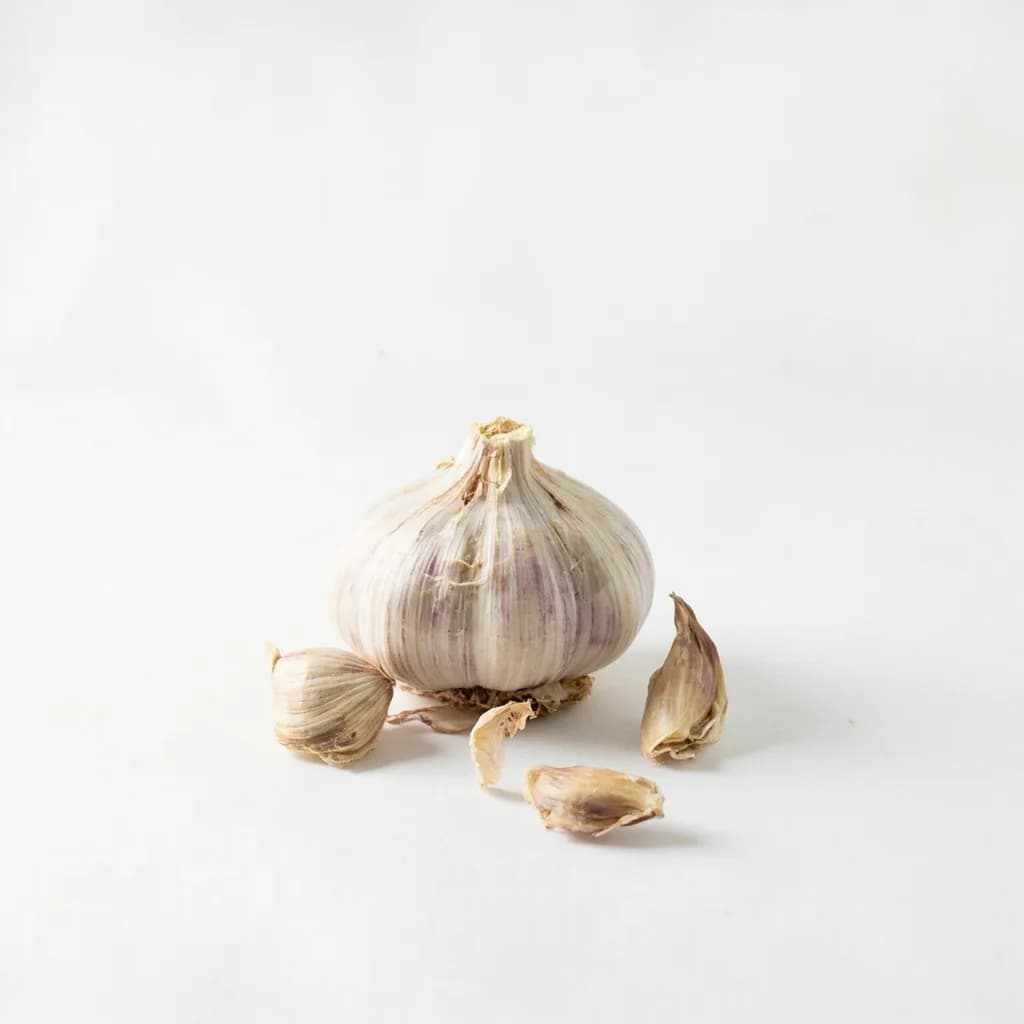
Garlic
Pungent cloves that perfume nearly every savory dish
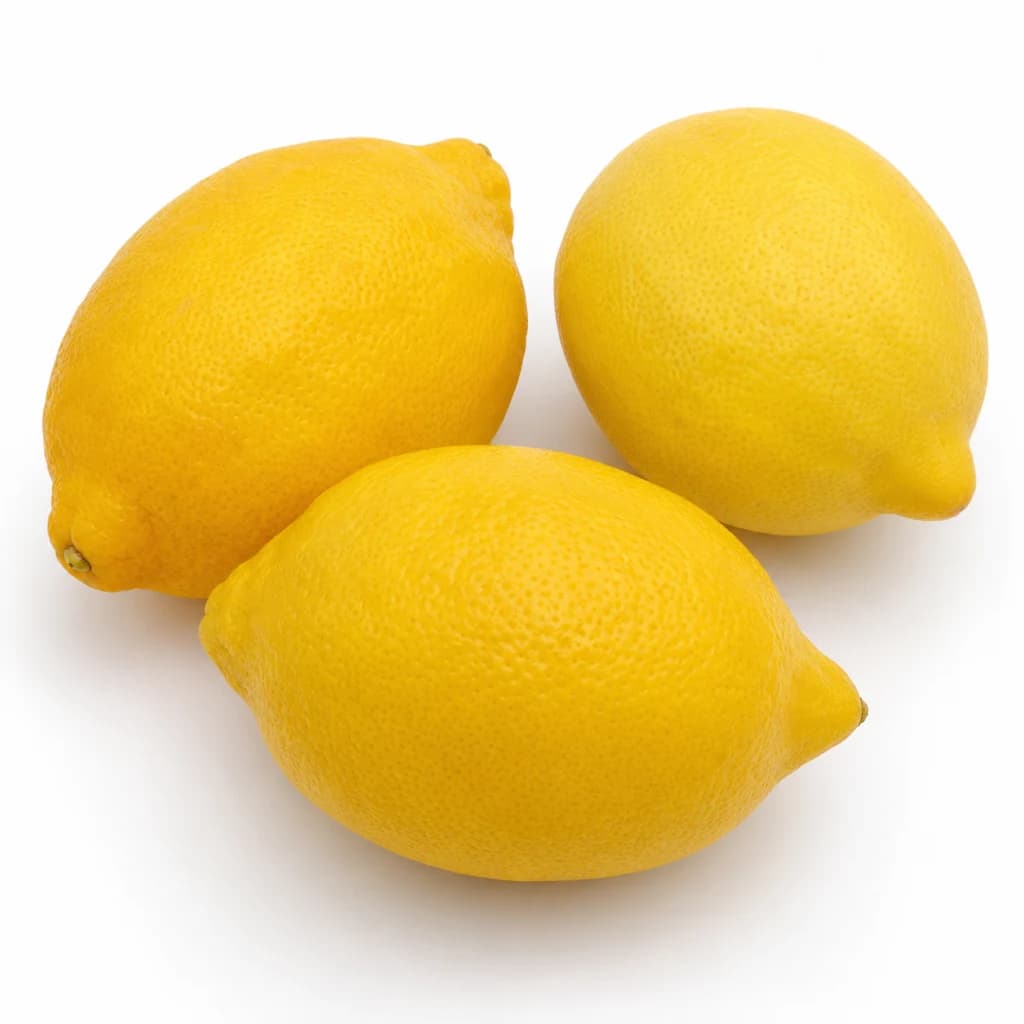
Lemon
Bright, acidic citrus that wakes up almost any dish
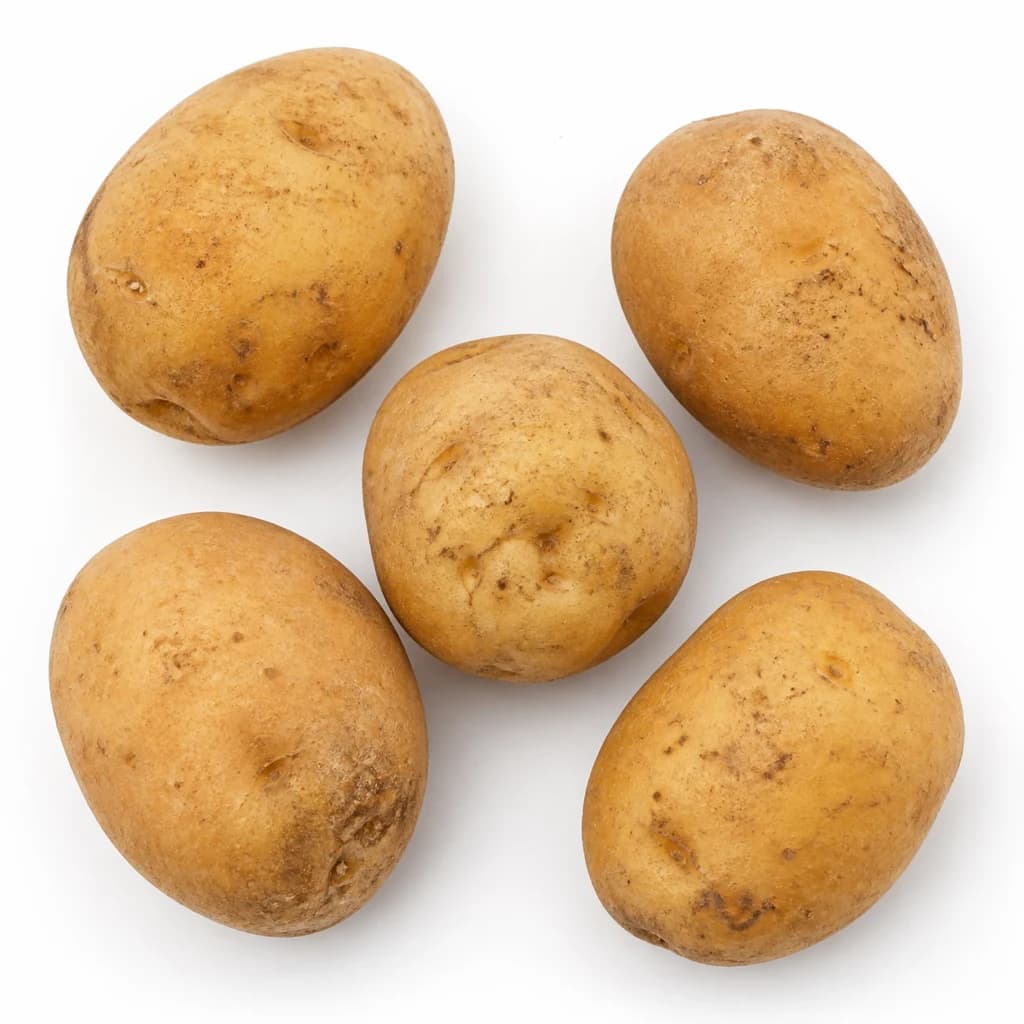
Potato
Humble, hearty staple — roast, mash, fry, or boil
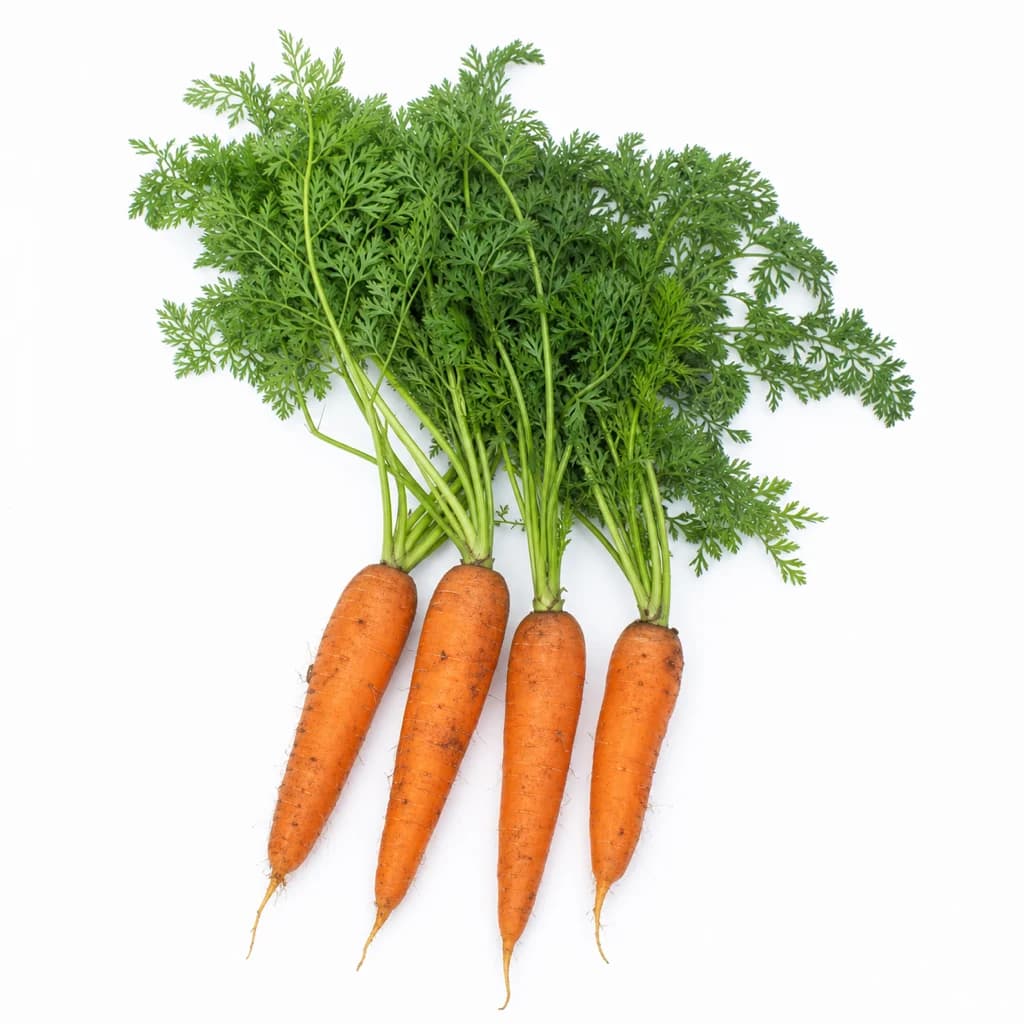
Carrot
Sweet, crunchy root — raw, roasted, or the base of a sofrito
Cucumber
Cool, crisp, and watery — for salads, pickles, and tzatziki

Lettuce
Crisp leaves for salads, wraps, and a fresh crunch