Grains & Rice
Passatelli
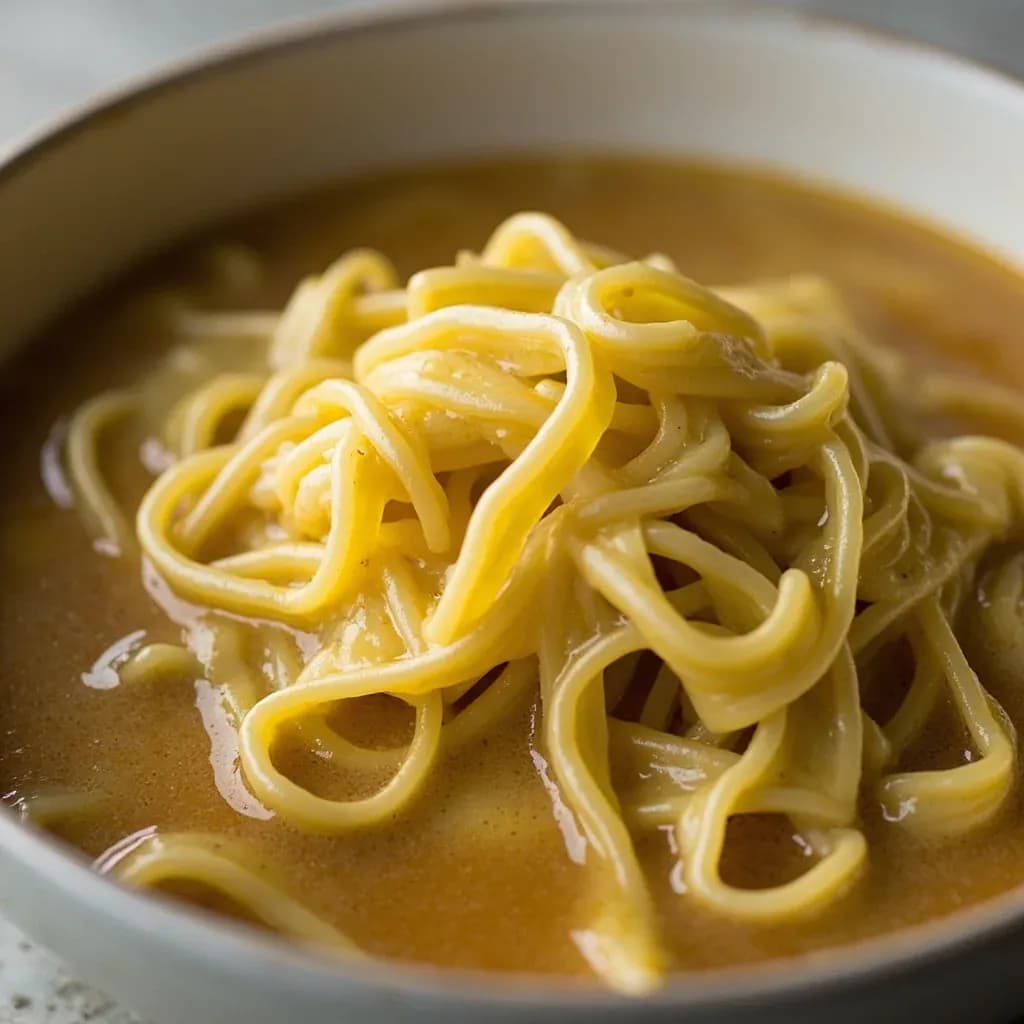
Short Emilia-Romagna pasta of breadcrumbs, Parmesan, and egg, cooked in broth.
Passatelli are rustic, thick noodles from Emilia-Romagna made from breadcrumbs, grated Parmesan, and eggs rather than just flour. The dough is pressed through a special perforated tool directly into simmering broth, where they cook into soft, savory strands. Lemon zest and nutmeg are classic additions to the dough.
Passatelli stands apart from virtually every other Italian pasta because its primary structure comes from dried breadcrumbs rather than flour. This seemingly simple substitution produces a short, ridged strand with a firm, slightly chewy bite that holds its integrity in broth. The dough binds together with aged Parmigiano-Reggiano and eggs, seasoned with salt and nutmeg, then is pressed through a perforated iron called a ferro da passatelli (or pushed through a potato ricer in a pinch) to create the characteristic cylindrical, ridged shape. The technique dates back centuries in Emilia-Romagna, particularly Romagna, where stale bread was considered precious and inventive cooks found ways to transform it into elegant first courses. Passatelli in brodo became the dish of feasts and holidays—a bowl of clear, rich broth laden with these delicate strands represents comfort and celebration in equal measure. The pasta absorbs broth without becoming soggy, maintaining a pleasant resistance to the bite even after several minutes of cooking, which is the hallmark of well-made passatelli.
- Measured in
- g
- Storage
- Fridge
Allergens
Types & varieties
The canonical preparation; served in clear meat broth (beef, capon, or chicken)
Dry preparation with sauce; typically with butter and sage, meat ragù, or cream-based sauces
Traditional version using only breadcrumbs, Parmesan, and eggs with no additional fillers
Modern variation with spinach or other vegetables mixed into the dough
The Ferro da Passatelli
The traditional ferro da passatelli is a charming device: a wooden handle attached to a flat metal disc perforated with small round holes, operated with a plunger that pushes dough through the holes to create the characteristic ridged strands. This tool is specific enough to Italian households in Romagna that finding one outside the region may require a specialty retailer or online source. A potato ricer fitted with the appropriate plate offers a functional substitute, though the resulting strands lack the exact ridged texture of the ferro. Regardless of equipment, the pressing action is what defines passatelli—the word itself derives from the Italian verb 'passare' meaning to press or push through. Pressing rather than rolling or extruding creates the porous, almost spongy interior that absorbs broth without collapsing.
- Look for a ferro da passatelli at Italian specialty stores or online retailers specializing in Emilian cookware
- A potato ricer with medium holes produces acceptable strands when a ferro is unavailable
- The ridges on passatelli are not merely decorative; they help the pasta hold sauce and broth more effectively
Breadcrumb Quality Matters
This is where most home cooks stumble when making passatelli. The breadcrumb quality determines everything about the final texture. Commercial dried breadcrumbs are too coarse and too dry—they will not bind properly with the egg and cheese, resulting in passatelli that crumbles in the broth rather than holding its shape. The best approach is to make your own from day-old country bread: remove crusts, tear the interior into pieces, and process in a food processor until very fine and uniform. Toast these fresh breadcrumbs in a dry skillet over medium heat, stirring occasionally, until they turn a pale gold and smell nutty. This toasting step is not optional—it develops flavor and removes excess moisture that would otherwise make the dough too wet. Allow the toasted breadcrumbs to cool completely before using them in the dough, otherwise the heat will begin to cook the egg.
- Stale, dried bread works better than fresh bread for making breadcrumbs
- Process breadcrumbs until they are as fine as coarse cornmeal, not chunky
- Toast in a dry pan until pale gold, not brown, to avoid bitter notes
Common uses
Tips & pitfalls
- Use day-old or toasted breadcrumbs ground very fine; commercial breadcrumbs are too coarse and yield poor texture that falls apart in broth
- Choose aged Parmigiano-Reggiano (at least 24 months) for maximum flavor and saltiness; fresh Parmigiano lacks the required intensity and the dough will not bind properly
- Toast homemade breadcrumbs from aged bread in a dry pan until pale gold; this enhances the nutty flavor and removes excess moisture
- The dough should be firm and slightly dry but cohesive; if it crumbles when pressed, add egg one teaspoon at a time until it holds together
- Do not overmix the dough; combine just until incorporated to keep the passatelli tender and prevent developing gluten that makes them tough
- Press into gently simmering, actively bubbling broth—never boiling, or the pasta will disintegrate within seconds
- Cut passatelli into 2–3 cm lengths directly over the broth using a knife or bench scraper, letting them fall into the liquid
- Serve immediately; passatelli in broth does not hold well and will absorb all the liquid within minutes, becoming soft and bloated
- Common mistake: pressing the dough too thick through the ricer; the strands should be about the thickness of a pencil
Nutrition
Nutrition
No USDA FoodData Central match for Passatelli yet. We surface a per-100 g profile once a generic whole-food entry is matched and verified.
In the shops
Matched grocery products
No matched grocery products for Passatelli yet.
Good to know
- Origin
- Emilia-Romagna region, especially Romagna, Italy
- Primary Structure
- Dried fine breadcrumbs (not flour)
- Typical Proportions
- 200g breadcrumbs, 150g Parmigiano-Reggiano, 3 eggs, plus salt and nutmeg
- Texture
- Short, thick, ridged cylindrical strands with a firm, slightly chewy bite
- Traditional Equipment
- Ferro da passatelli (handheld pressing iron) or potato ricer
- Cooking Time
- 2–4 minutes in gently simmering broth
- Difficulty
- Moderate; achieving the right dough consistency and pressing technique requires practice
- Serving Tradition
- Piping hot in broth, finished with grated Parmigiano-Reggiano and black pepper
Substitutes
- Acini di pepe — Tiny pasta pearls; closest in size and visual appearance to passatelli; cook directly in the same broth
- Orzo — Small rice-shaped pasta; widely available and similar textural experience in a soup context
- Stelline or other small pasta — Star or alphabet pasta; acceptable substitute for passatelli in broth when authenticity is less critical
- Fine egg pasta, broken into small pieces — For a fresh pasta alternative with similar delicate character; break into irregular 1-2 cm pieces
Pairs with
Also called
Passatelli in Brodo
Related

White Rice
Fluffy long-grain rice — the neutral base for almost any meal

White Bread
Soft sandwich loaf for toast, sandwiches, and crumbs
Brown Rice
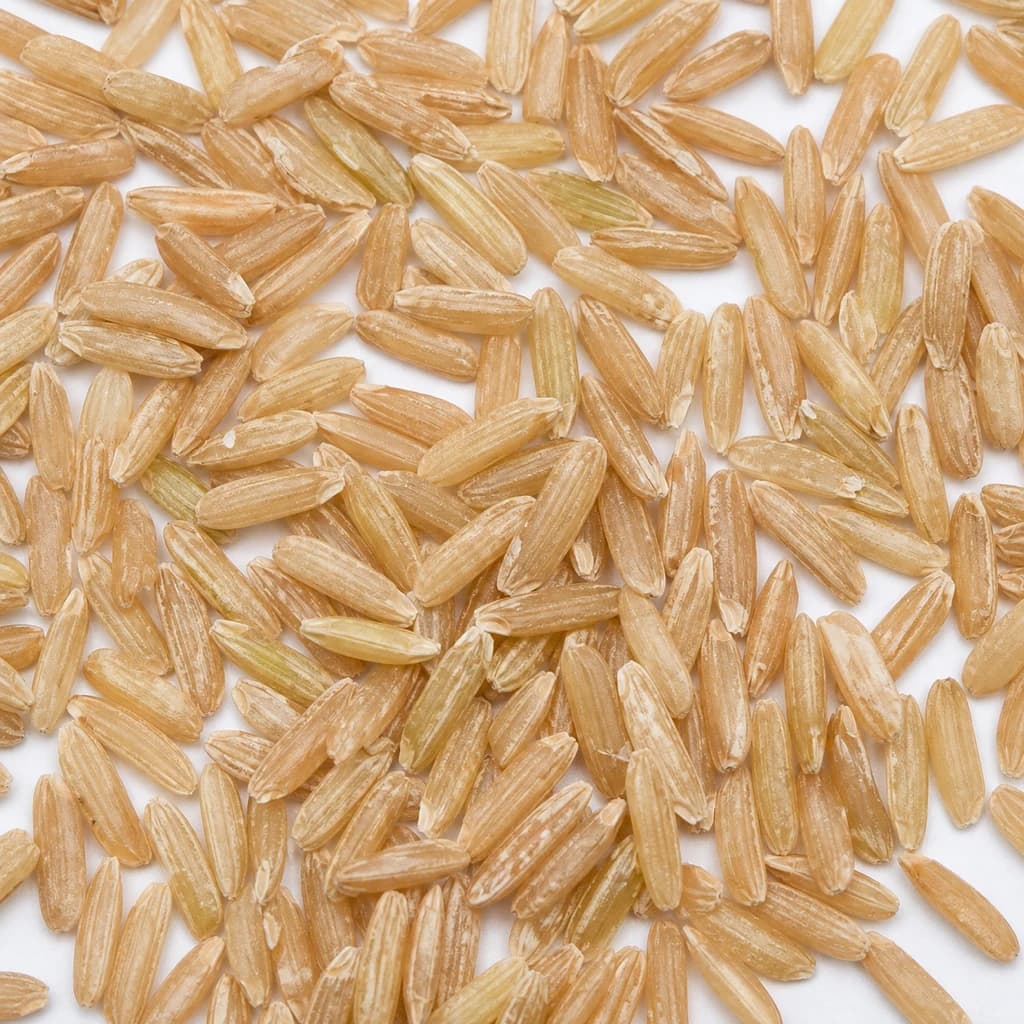
Nutty, whole-grain rice with chew and extra fiber

Basmati Rice
Fragrant, long-grain rice that cooks up light and separate
Jasmine Rice
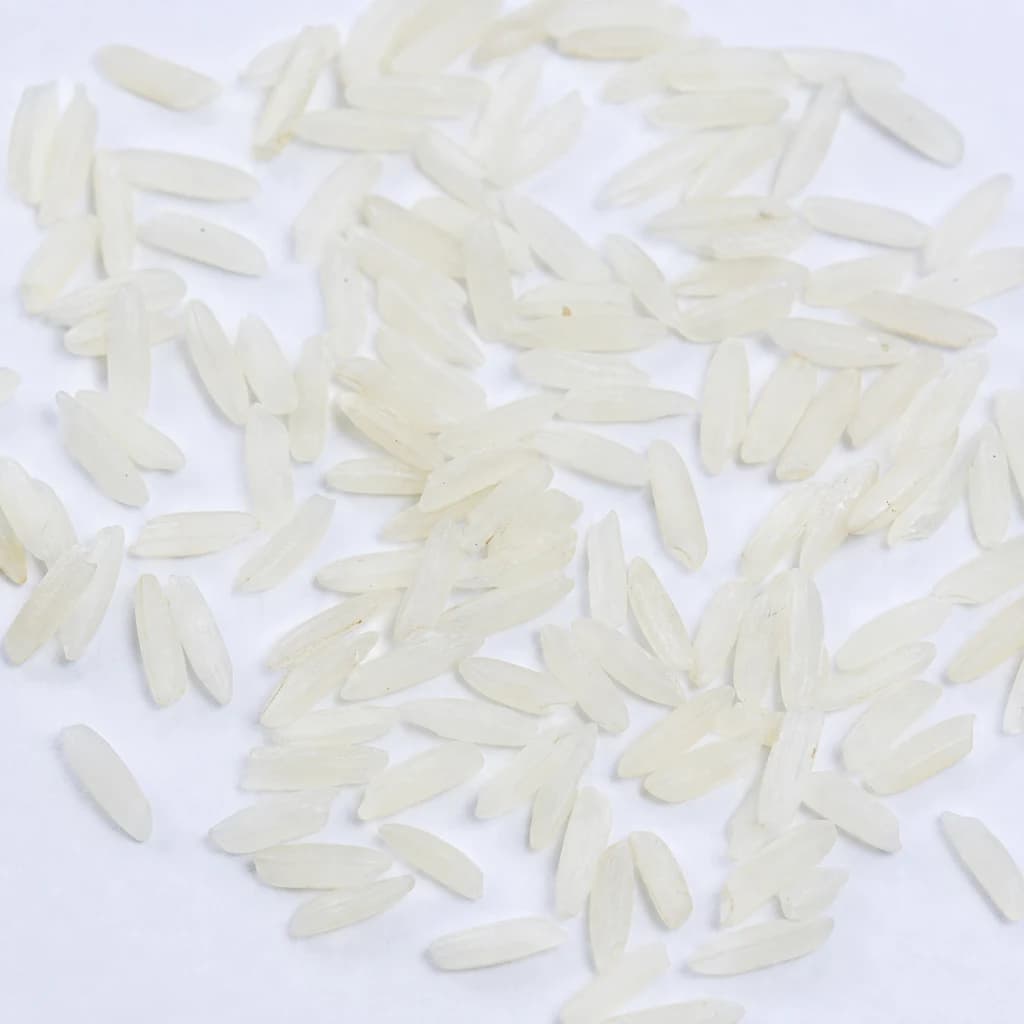
Soft, floral-scented rice that's the pillar of Thai meals
Arborio Rice
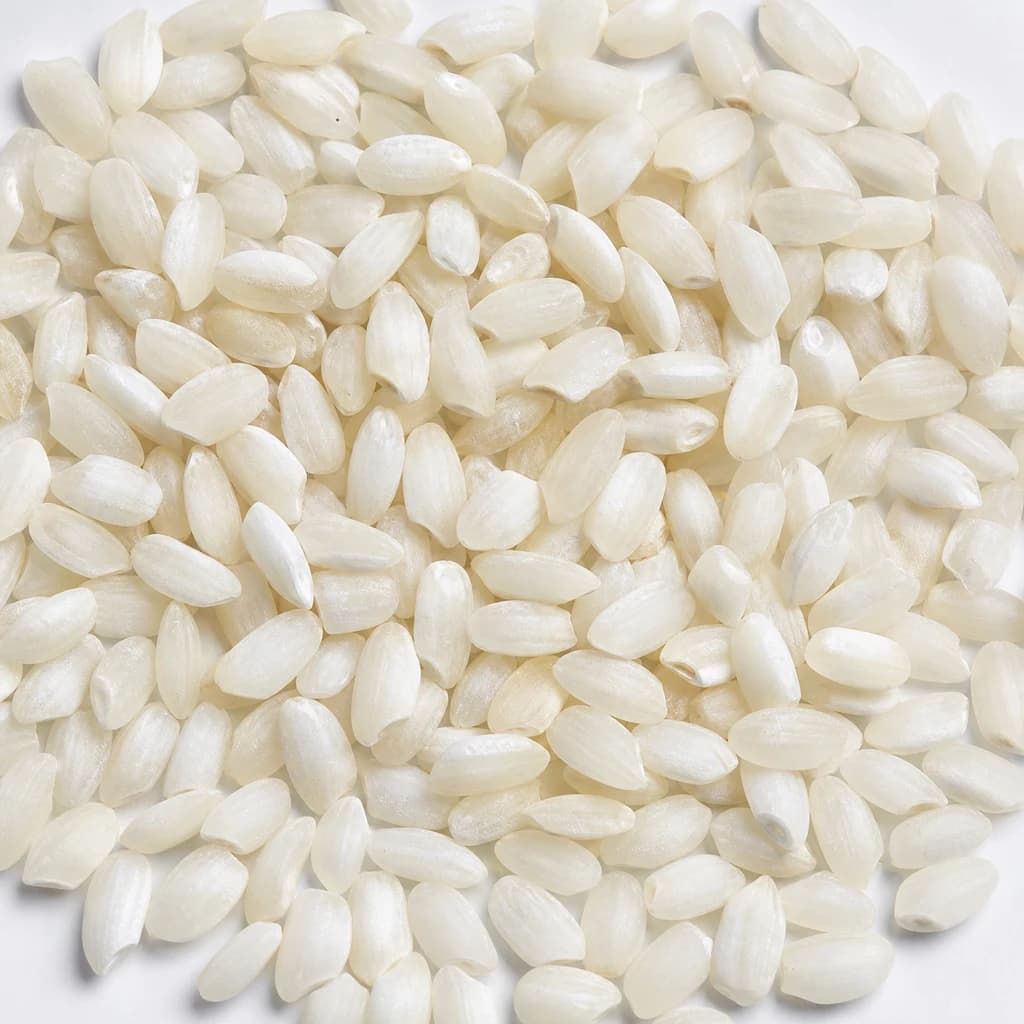
Plump, starchy rice that makes risotto creamy
Fusilli
Spiraled pasta that twirls up sauce and dresses cold salads
Rolled Oats
Hearty flakes for porridge, granola, and chewy cookies