Grains & Rice
Pici
Hand-rolled thick Tuscan spaghetti with a rustic chew, tossed in garlic or ragù.
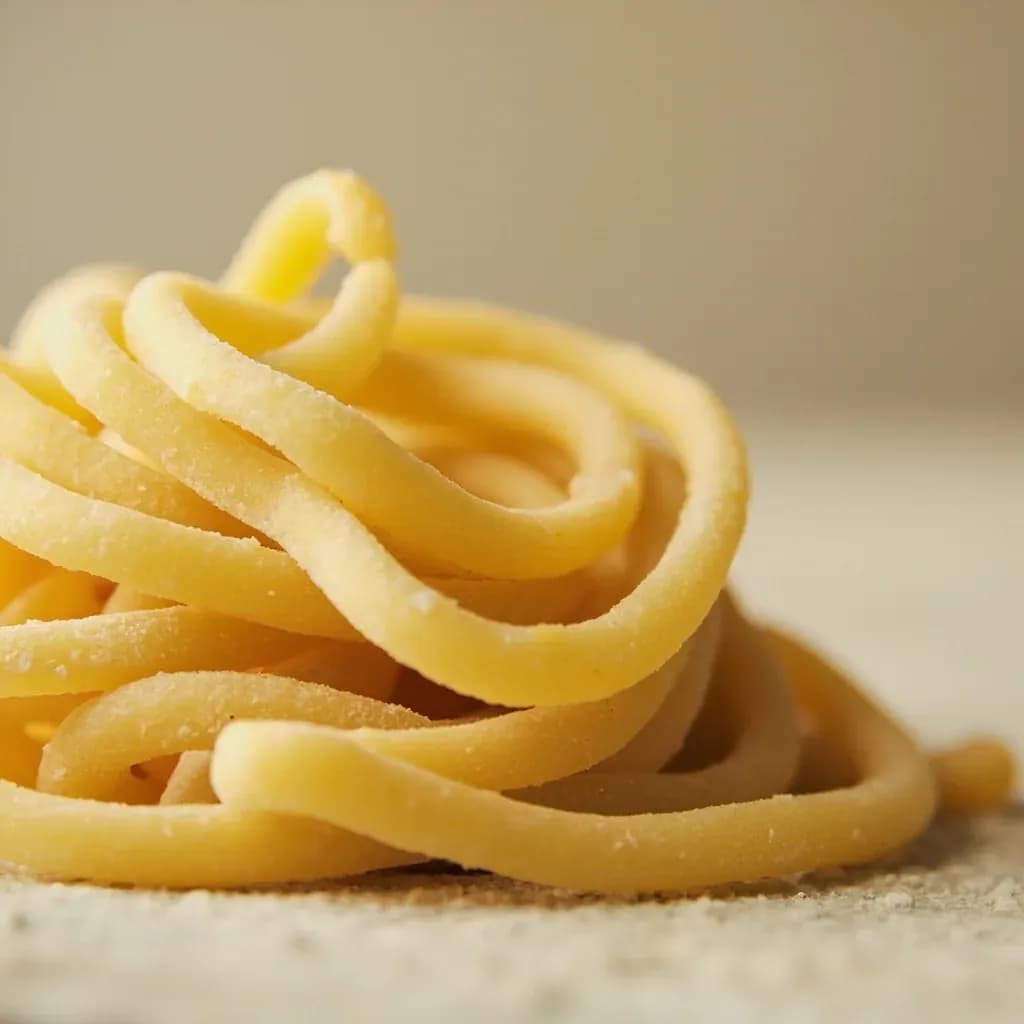
Pici are thick, hand-rolled noodles from southern Tuscany, like an oversized, irregular spaghetti made from just flour and water. Their chunky, chewy texture pairs with garlicky sauces (cacio e pepe, aglione) and meat ragùs. Each strand is rolled by hand, giving them a satisfyingly uneven, rustic shape.
Pici is a hand-rolled fresh pasta from Siena and the Crete Senesi area of Tuscany, made from simple flour and water (or occasionally eggs) into thick, rope-like strands approximately 3–5 mm in diameter — roughly the width of a thin cocktail sausage. Among the oldest pasta forms in Tuscany, pici predates industrial dried pasta by centuries, rooted in the difficult agricultural conditions of the clay-rich Crete Senesi landscape south of Siena, where heavy soils made wheat cultivation labor-intensive and rustic, hand-formed pasta-making a practical necessity. The name derives almost certainly from the Sienese dialect term for rolling or twisting, and the hand-rolled method is essential: unlike extruded pasta, pici are formed entirely by hand, and the slight variations in thickness are a mark of authenticity, not poor technique — they create varying textures within a single strand, from a soft center to a toothsome exterior. The rough, uneven surface created by hand-rolling is not incidental; it is precisely what allows sauces to cling, making pici exceptional with simple garlic and oil dressings, rich meat ragù, and hearty vegetable preparations.
- Measured in
- g
- Storage
- Pantry
Allergens
Types & varieties
Tossed with a garlic and tomato sauce made with aglione, a large mild Tuscan garlic variety
Classic Sienese preparation with ragù made from Chianina beef, the famous Tuscan breed
Colored variety made with cuttlefish ink; a coastal Maremma variation
Served with wild boar ragù, especially in inland Tuscan trattorie
With wild mushrooms; porcini in season, dried porcini in winter
Hand-Rolling Technique
The defining characteristic of pici is the hand-rolling method. The dough is rolled into pencil-thick logs, then each strand is rolled gently under your palms from the center outward, gradually thinning it to the desired diameter. The goal is not uniformity — slight variations in thickness are the mark of authentic, hand-made pici. Roll each strand only once; going back over it creates flat, deformed strands that cook unevenly. If the dough springs back while rolling, cover it and let it rest 20–30 minutes before continuing — gluten that has tightened needs time to relax.
- Work on a wooden board for best grip and control
- Dust your palms lightly with flour to prevent sticking
- Roll away from your body, applying even pressure from center to ends
- Accept irregular thickness — this is correct technique, not a mistake
- Rest the dough if it resists rolling; cold, tight dough will never thin cleanly
Storing and Freezing
Fresh pici is best eaten within 1–2 days, lightly dusted with semolina flour and wrapped in a clean cloth or stored in a loosely sealed container in the refrigerator. For longer storage, freeze immediately: spread the finished strands on a floured baking tray in a single layer and freeze until solid, then transfer to a sealed bag. Frozen pici will keep up to one month. Cook directly from frozen — do not thaw before adding to boiling water, or the strands will stick and break.
- Always dust generously with semolina flour before storing
- Freeze in a single layer on a tray before bagging to prevent clumping
- Cook from frozen — thawing causes strands to stick and tear
- Refrigerated pici longer than 2 days will begin to dry and lose elasticity
Common uses
Tips & pitfalls
- Do not overwork the dough — pici should be slightly irregular, and the roughness of the surface is what helps sauce cling
- Roll strands gently and gradually from the center outward, never pulling and stretching
- If the dough springs back while rolling, cover it and let it rest 20–30 minutes before continuing
- The classic Sienese method uses only flour and water; eggs are a modern convenience, not traditional
- Dust finished pici generously with semolina flour to prevent sticking before cooking
- Cook in a wide, shallow pot with plenty of salted water, not a tall narrow one, to avoid tangling
- Test for doneness by pressing a strand against the board — it should offer slight resistance without being chalky at the core
- If the strands vary in thickness, cook the thickest ones first and remove thinner ones earlier
Nutrition
Energy
1552 kJ · per 100 g
Where the calories come from
Protein
13g
26% DV
Carbs
74.7g
27% DV
Fat
1.5g
2% DV
Fiber
3.2g
11% DV
Sugars
2.7g
of which
Sodium
6mg
0% DV
Source · USDA FoodData Central · approx. Pasta, dry, unenriched
View on FDC →In the shops
Matched grocery products
No matched grocery products for Pici yet.
Good to know
- Origin
- Siena and the Crete Senesi area of Tuscany, Italy
- Type
- Fresh, hand-rolled pasta (pasta fresca)
- Primary Flour
- Duro (durum wheat) flour or 00 flour; sometimes part semolina
- Eggs
- Traditionally made with water only; some modern recipes add 1–2 eggs per 100 g flour
- Diameter
- Approximately 3–5 mm thick, roughly the width of a thin cocktail sausage
- Cook Time
- 4–8 minutes in well-salted boiling water, depending on thickness
- Shelf Life
- 1–2 days refrigerated, lightly dusted with flour and wrapped in cloth
- Freezer Life
- Up to 1 month frozen, spread on tray then bagged
- Difficulty
- Moderate — hand-rolling requires patience; the uneven thickness is intentional, not a flaw
Substitutes
- Pici preconfezionati — Commercially fresh pici from Italian grocers; acceptable but lacks the hand-rolled texture and slight irregularity
- Paccozzi or Toscanelli — Machine-made dried versions available from Italian brands; different texture but acceptable in emergencies
- Linguine — Rough-textured, irregular-diameter linguine works as a substitute in a pinch
- Thick spaghetti (diameter 2.5–3 mm) — Close in shape but smooth surface; sauce will not cling as effectively
Pairs with
Also called
Pici Toscani
Related

White Rice
Fluffy long-grain rice — the neutral base for almost any meal

White Bread
Soft sandwich loaf for toast, sandwiches, and crumbs
Brown Rice
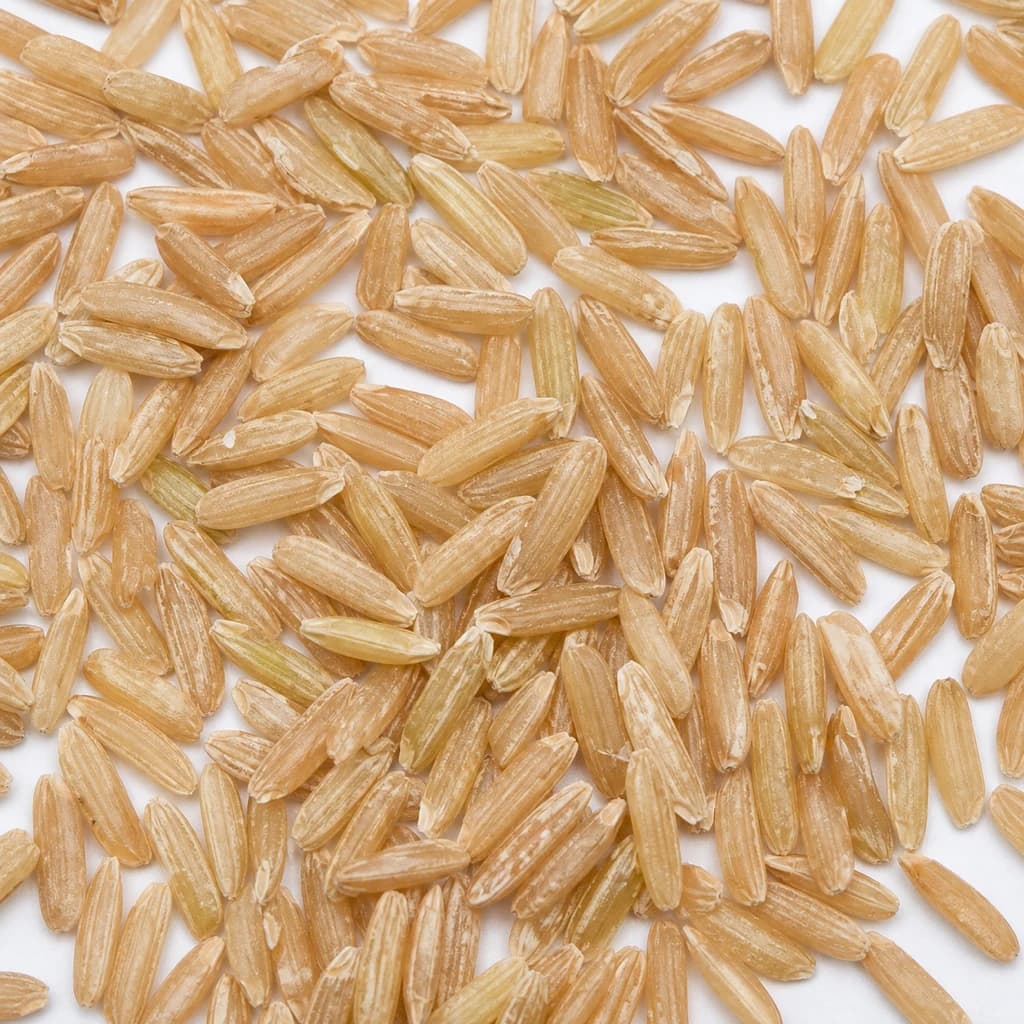
Nutty, whole-grain rice with chew and extra fiber

Basmati Rice
Fragrant, long-grain rice that cooks up light and separate
Jasmine Rice
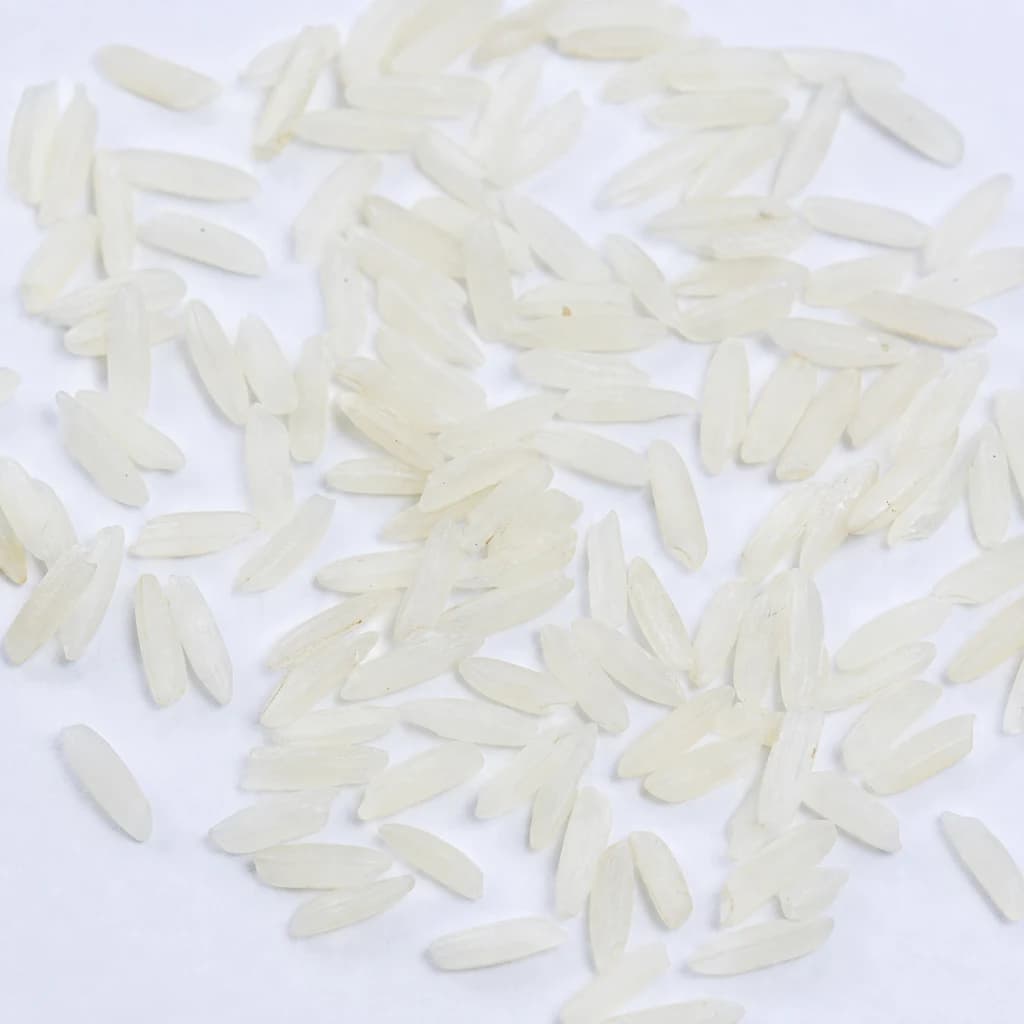
Soft, floral-scented rice that's the pillar of Thai meals
Arborio Rice
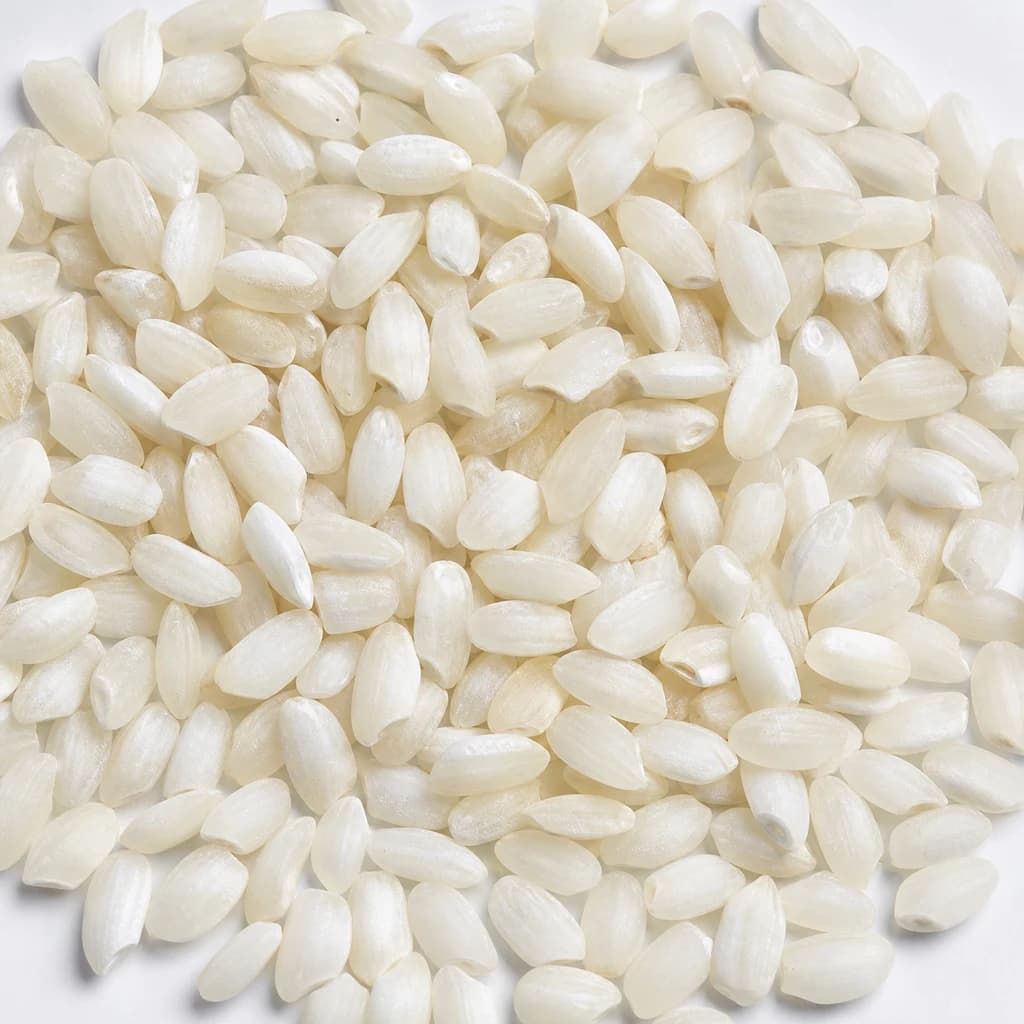
Plump, starchy rice that makes risotto creamy
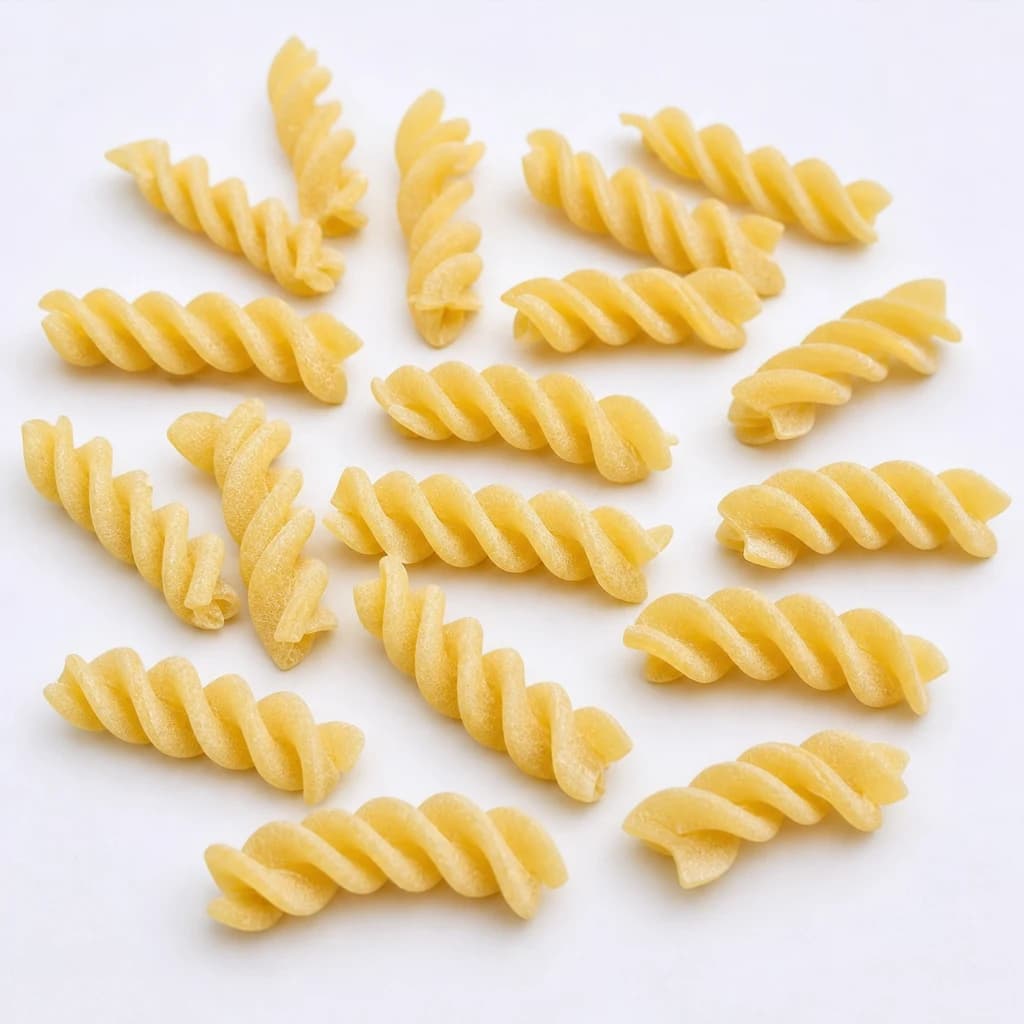
Fusilli
Spiraled pasta that twirls up sauce and dresses cold salads
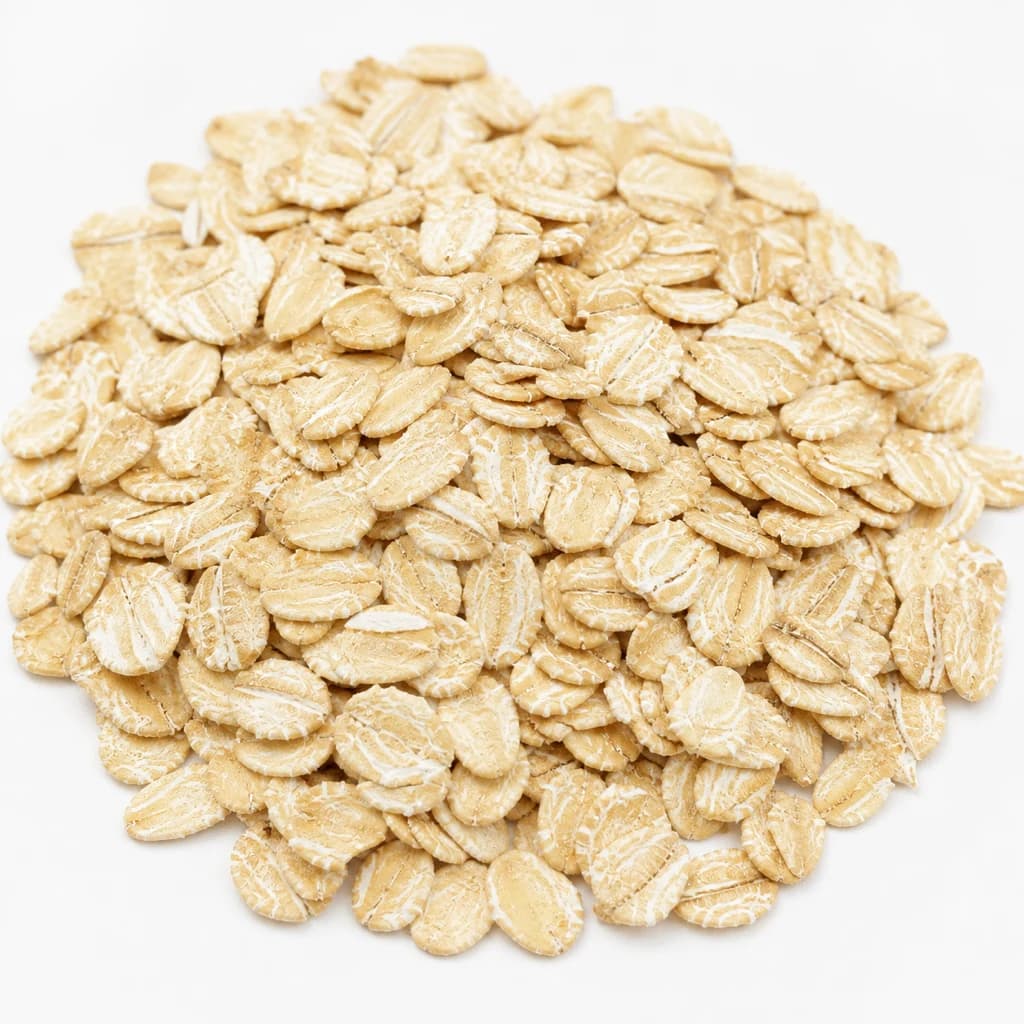
Rolled Oats
Hearty flakes for porridge, granola, and chewy cookies