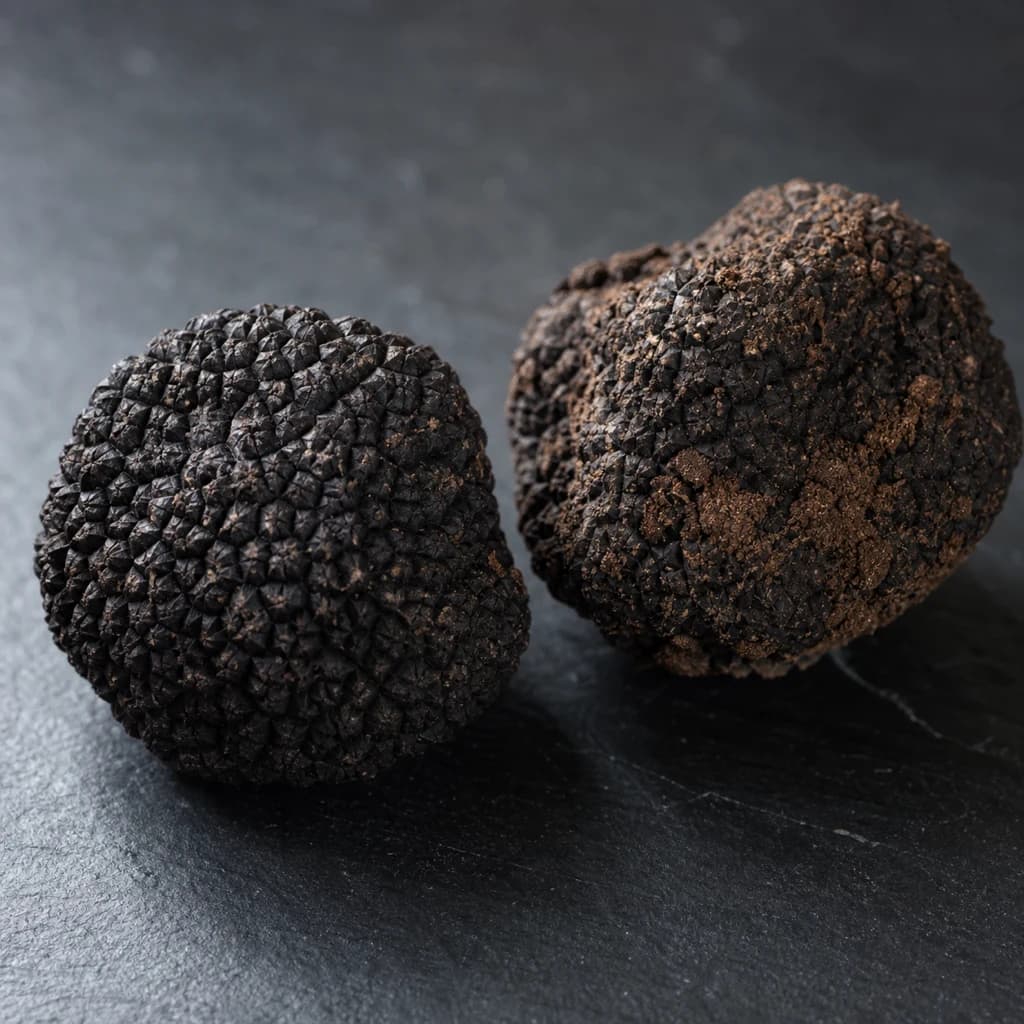
Natural form
A whole black Périgord truffle shows its knobby, dark exterior fresh from the ground.
Shows the truffle's distinctive warty black surface and irregular shape so readers can recognize the raw ingredient.
Produce
Truffle
Rare, intensely aromatic underground fungus shaved over pasta, eggs, and risotto.
Truffles are knobby subterranean fungi with a powerful, earthy, musky aroma, foraged with trained dogs or pigs. White truffles are shaved raw over pasta, eggs, and risotto, while black truffles are also gently cooked into sauces and butters. Among the most expensive ingredients in cooking, they are used sparingly because the aroma is so potent.
Truffles are the hypogeal (underground) fruiting bodies of fungi in the genus Tuber, forming intimate ectomycorrhizal relationships with the roots of oak, hazel, poplar, and hornbeam trees. Their life cycle is romantically opaque: the mycelium colonizes tree roots underground, and when conditions align—cool soil, adequate moisture, the right mineral balance—the truffle develops and ripens out of sight, surfacing only when animals or harvesters disturb the earth. The result is a dense, knobby, sometimes homely lump whose interior—cut open—reveals a marbled flesh veined like a fossil. Their significance in the kitchen is almost entirely aromatic: truffles contribute no texture worth noting and very little bulk, but their volatile sulfur compounds and androstenol (a steroid derivative) create one of the most concentrated and recognizable scents in the edible world—earthy, musky, and deeply savory with a characteristic garlicky warmth that intensifies with proximity. This is why truffles are almost always a finishing ingredient: heat degrades the delicate aromatic molecules rapidly, and cooking collapses the very quality that makes them remarkable. They exist to perfume dishes at the last moment, lending an unmistakable, primal earthiness that no other ingredient replicates. Freshness is paramount—truffles continue respiring after harvest, losing weight and aroma measurably every day, which is why the most coveted specimens travel short distances and change hands quickly at auction.
- Measured in
- g
- Storage
- Fridge
Types & varieties
Piedmont, Italy. Most prized and expensive variety. Pale cream to yellowish. Use raw only. Pronounced garlicky-musky aroma.
Périgord (France), Aragon (Spain). Firm flesh with white veining that darkens to brown when cooked. Tolerant of gentle heat—more forgiving than white.
Central Europe. Autumn harvest. Earthier and more pronounced than summer truffle. Holds up better to cooking than white.
May–August. Milder flavor, softer texture. More affordable and widely available. Also called Scorzone.
Smaller than white truffle. More pungent with a slightly peppery note. Found in Tuscany and Marche.
Pacific Northwest. Earthy and savory but less aromatic complexity than European varieties. Increasingly recognized and respected.
Often sold as "black truffle" at low prices. Significantly inferior aroma and flavor. Legal to sell but not a culinary substitute for the real thing.
The Aromatic Chemistry of Truffles
The truffle's extraordinary aroma is a chemical event, not merely a pleasant scent. The primary aromatic drivers are volatile sulfur compounds—bis(methyldithio)methane being the most significant—alongside androstenol, a steroid derivative that contributes to the musky, animal quality. These compounds are highly volatile, meaning they disperse readily into the air and dissipate quickly once the truffle is cut or exposed to heat. This is why a freshly shaved truffle on a warm plate will perfume an entire dining room, and why a truffle left open in a refrigerator will gradually scent every food stored nearby. It is also why truffle oil made with real truffles is expensive and relatively subtle, while cheap commercial truffle oils—flavored with synthetic bis(methyldithio)methane—can deliver an aggressive, one-dimensional aroma that does not carry the complexity of the real product.
- Real truffle products list "tuber" as an ingredient; synthetic aromatics do not
- A truffle stored in a sealed container will perfume an entire refrigerator within hours
- The aroma compounds are fat-soluble, which is why butter and cream are ideal vehicles
- Androstenol is also found in some mushrooms and certain aged cheeses, creating flavor overlap
Buying and Sourcing
Purchasing truffles requires either direct access to a trusted supplier—often a specialty importer or a restaurant with a standing relationship—or visiting a reputable market during peak season. White truffles from Alba command the highest prices, routinely selling for thousands of dollars per kilogram at their seasonal peak. Look for firm, dense specimens with a consistent surface (no soft spots or excessive moisture), and ask for the harvest date if possible. Weight loss from respiration is rapid: a truffle can lose 5% or more of its weight in the first 24 hours after harvest. Avoid any truffle that feels lightweight or hollow-sounding. If you must purchase pre-packaged truffles, check for a recent pack date and buy the smallest quantity that meets your needs—you want to use them within days.
- Buy whole, unpeeled truffles; truffle peel has concentrated flavor useful for sauces and butters
- Reputable specialty food retailers (not general grocery stores) are the most reliable source
- Frozen truffles are a poor substitute—ice crystals destroy cell structure and aroma is lost irreversibly
- Chinese truffles are sometimes mislabeled and sold at a fraction of the price of Tuber melanosporum; learn the visual difference
Common uses
Tips & pitfalls
- Never cook truffles directly—add shaved or sliced at the very end of cooking or use only in cold infusions
- Wrap fresh truffles in paper towels, change daily; they generate moisture that degrades aroma if trapped
- Clean with a soft brush under cold running water just before use; do not soak, as they absorb water quickly
- Store in rice or eggs (in shell) to transfer aroma if you cannot use them within a few days
- White truffles should be used raw or barely warm; black truffles tolerate gentle heat better
- Buy whole, unpeeled truffles; the peel has concentrated flavor useful for sauces and compound butters
- Authentic truffle oil is expensive and made by macerating real truffles in oil; most commercial oils use synthetic aromatic compounds—check the ingredient list for "tuber"
- A little goes far: 5–15g per serving is the standard restaurant portion; overusing is wasteful and overwhelming
- Avoid frozen truffles—ice crystals rupture cell walls and the aromatic compounds are lost permanently
- The travel aroma effect is real: a truffle in a sealed container will perfume your entire refrigerator—store separately or use it
Nutrition
Energy
1368 kJ · per 100 g
Where the calories come from
Protein
11.2g
22% DV
Carbs
6.3g
2% DV
Fat
28.5g
37% DV
Sodium
807mg
35% DV
Source · USDA FoodData Central · approx. Pate, truffle flavor
View on FDC →In the shops
Matched grocery products
No matched grocery products for Truffle yet.
Good to know
- Type
- Underground fungus (genus Tuber)
- Origin
- Piedmont, Italy (white); Périgord, France (black)
- Peak Season
- White: October–December; Black: December–March
- Flavor
- Intense, earthy, musky, garlicky; complex sulfur compounds and androstenol
- Typical Size
- Walnut to golf ball; rare specimens reach orange size
- Storage
- 3–7 days refrigerated, wrapped in paper towels in a sealed container; do not freeze fresh truffles
- Heat Sensitivity
- High—heat degrades aromatic compounds rapidly
- Yield
- Typically 5–15g per serving; shave thin and finish, do not cook
- Equipment
- Truffle shaver or mandoline; soft truffle brush for cleaning
- Difficulty
- Very easy to use; sourcing reliably is the hard part
Substitutes
- Truffle oil (real) — Use sparingly as a finishing drizzle; provides aroma but no textural equivalent to fresh truffle
- Truffle butter — Mix real truffle shavings into butter; spreads the flavor and preserves it longer than fresh storage allows
- Dried porcini powder — Adds earthy, savory depth but lacks the distinctive musky-garlicky truffle character entirely
- Matsutake — Piney, cedar-like scent; a distant flavor relation in certain savory contexts but not a direct substitute
- Truffle salt — Mixed with fleur de sel; adds aroma to finishing but not the complexity or texture of fresh truffle
Pairs with
Also called
Tartuf · Istrian Truffle · Black Truffle · White Truffle
Related
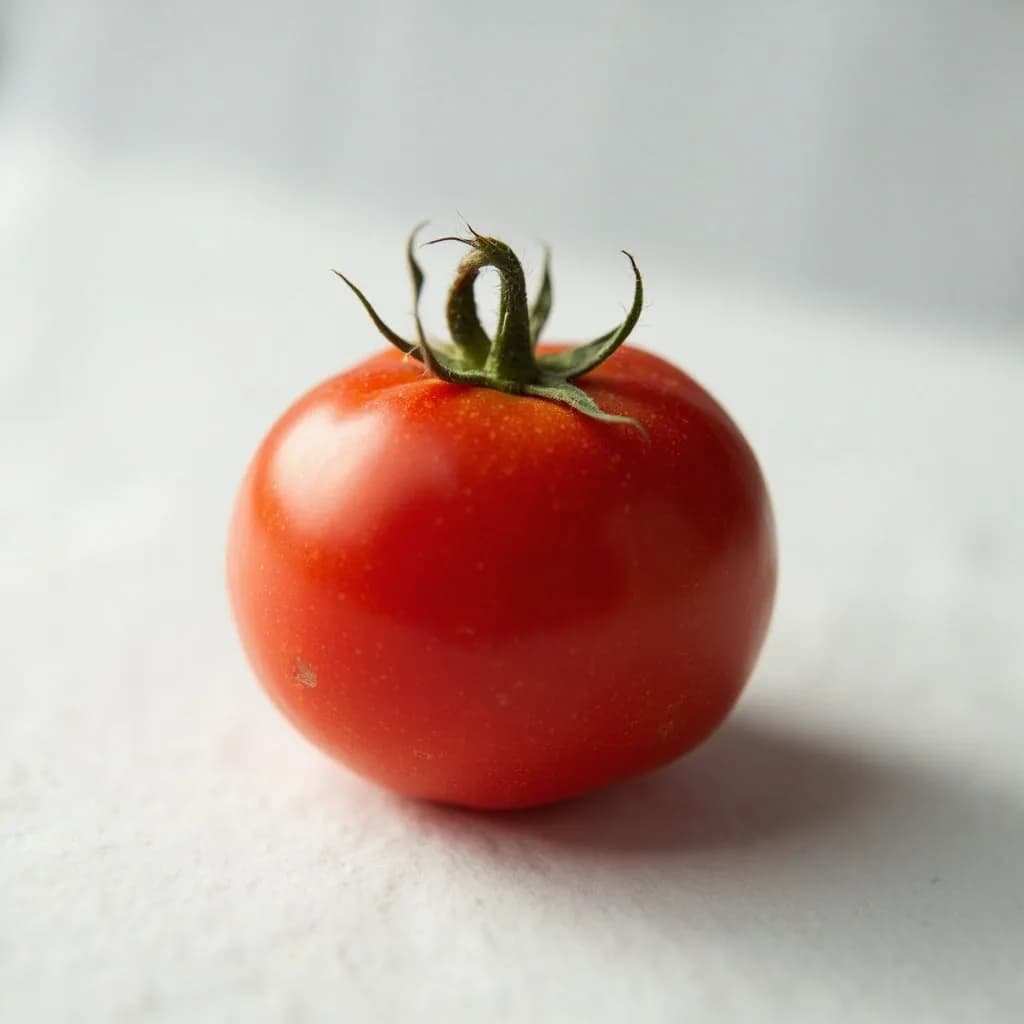
Tomato
Juicy, sun-sweet fruit for sauces, salads, and slow-cooked depth
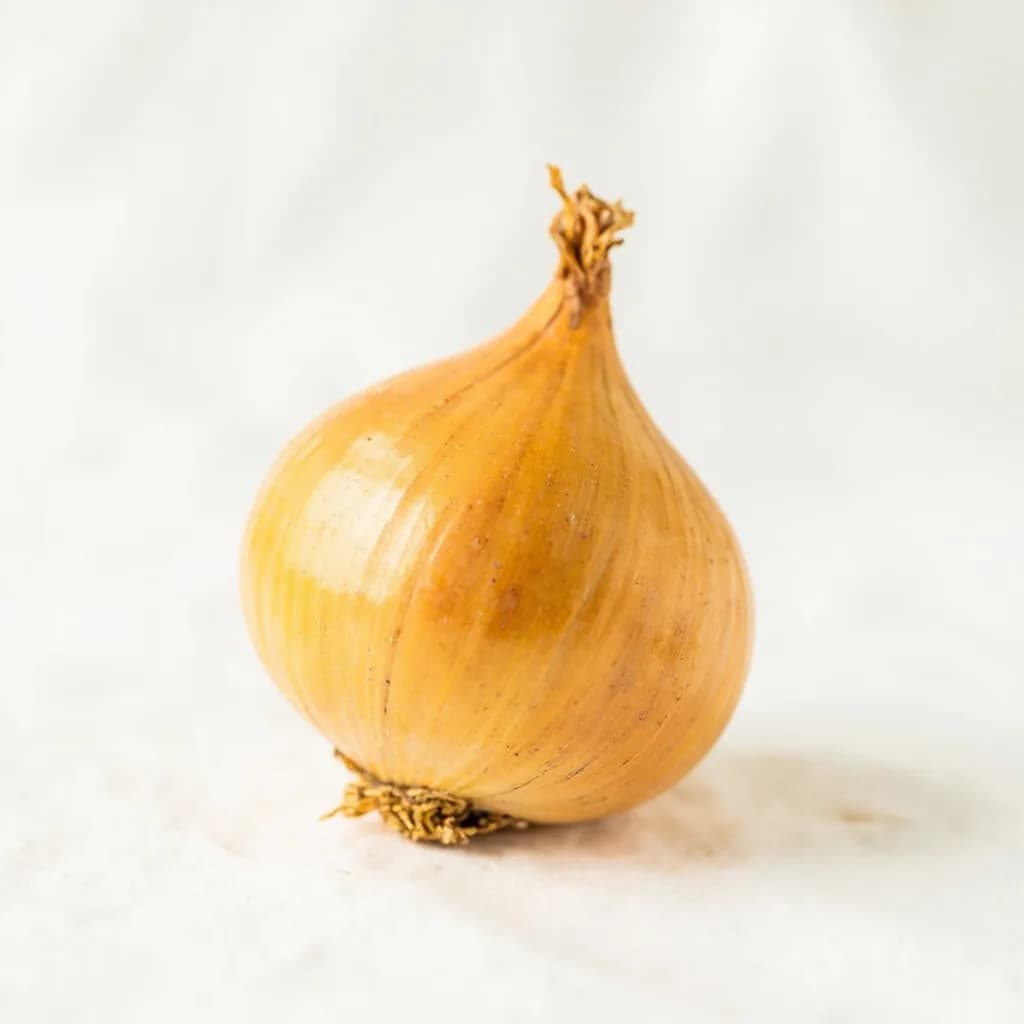
Yellow Onion
The aromatic backbone of soups, sofritos, and braises
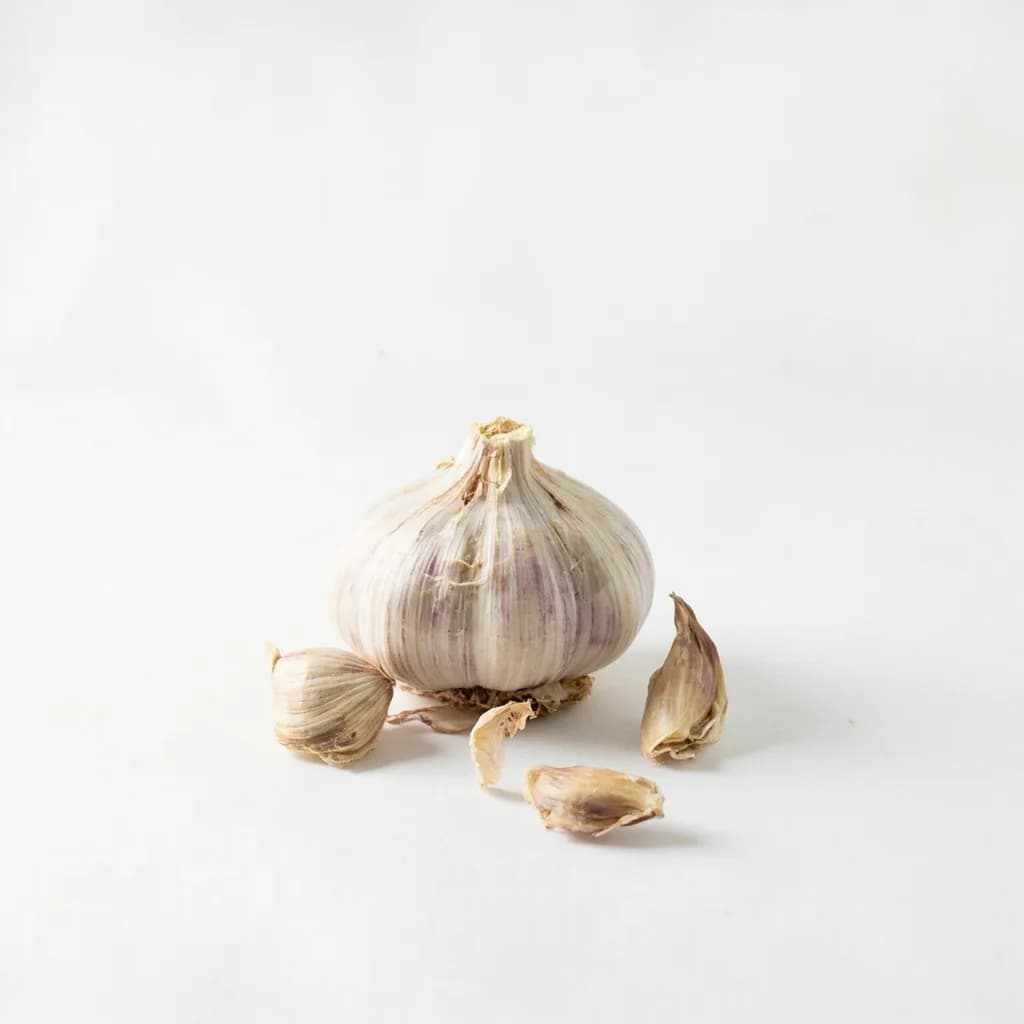
Garlic
Pungent cloves that perfume nearly every savory dish
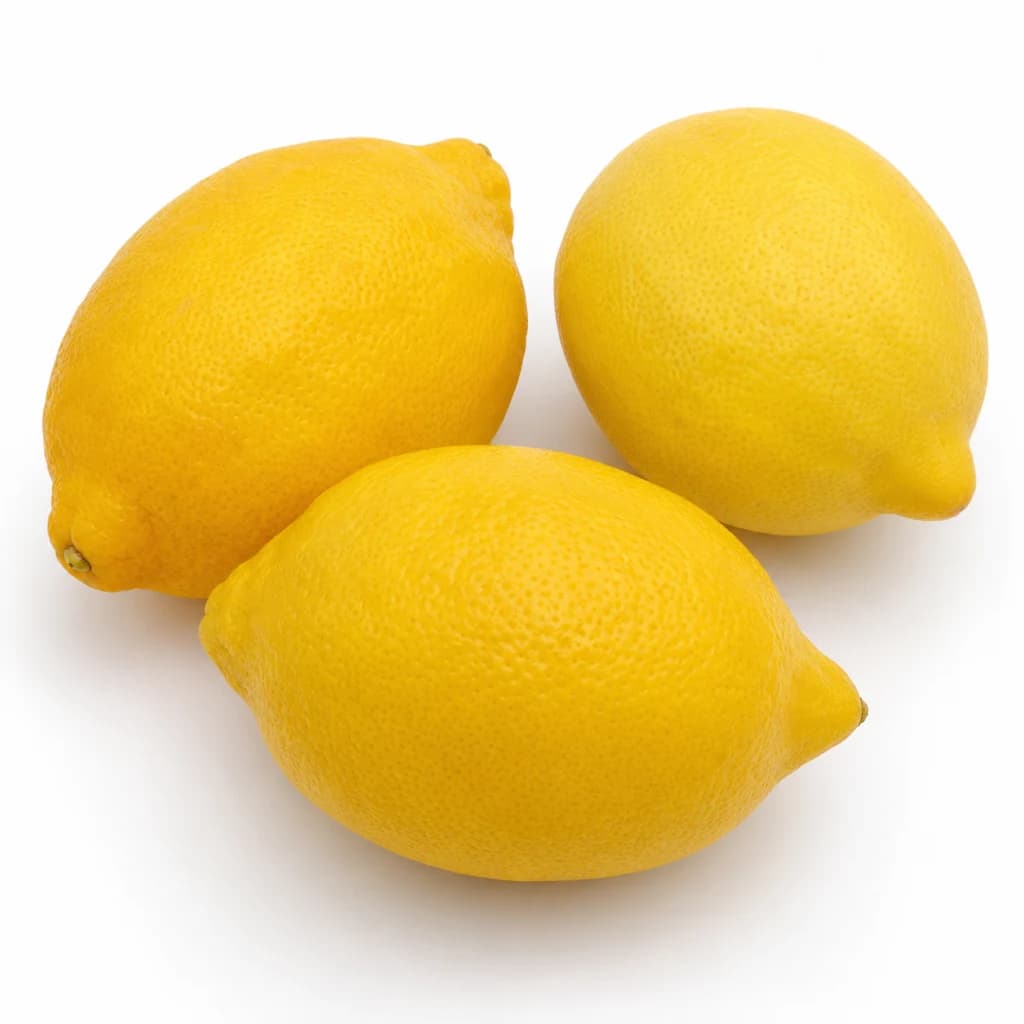
Lemon
Bright, acidic citrus that wakes up almost any dish
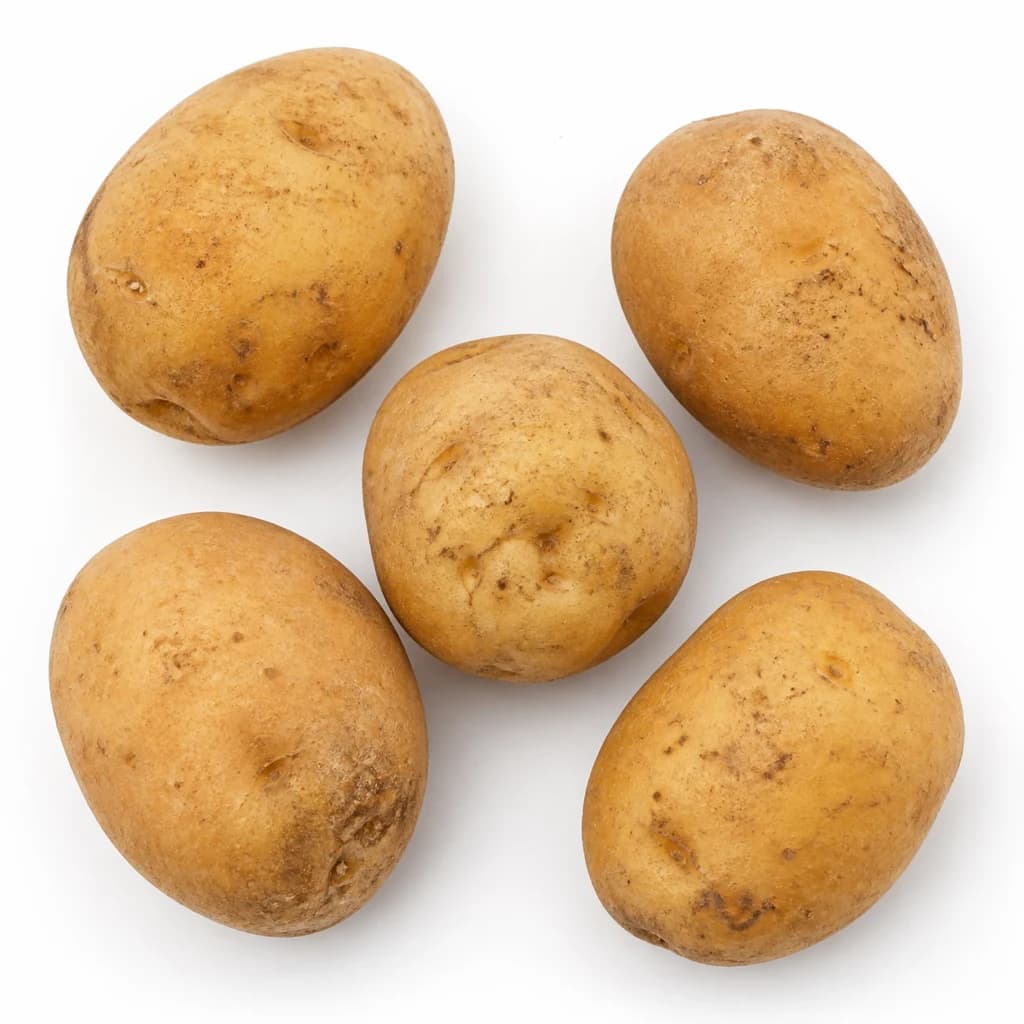
Potato
Humble, hearty staple — roast, mash, fry, or boil
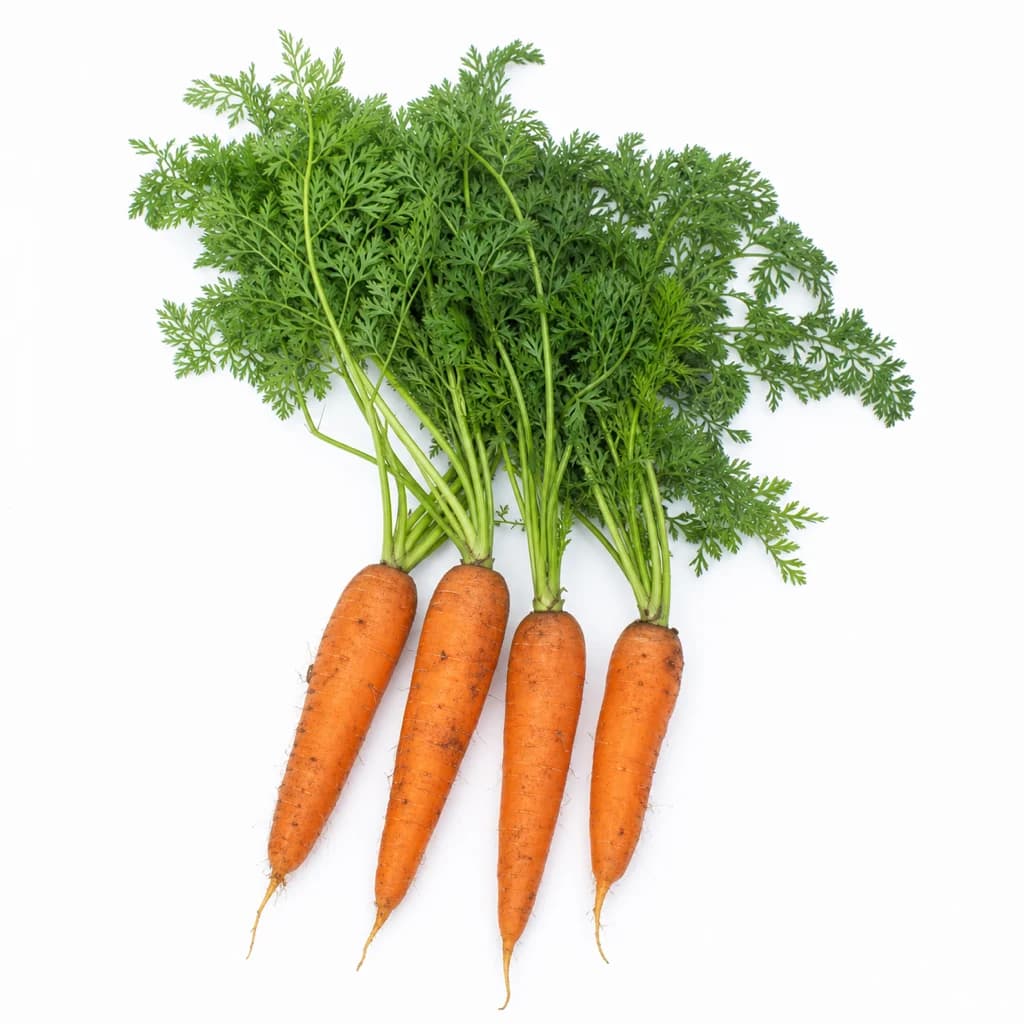
Carrot
Sweet, crunchy root — raw, roasted, or the base of a sofrito
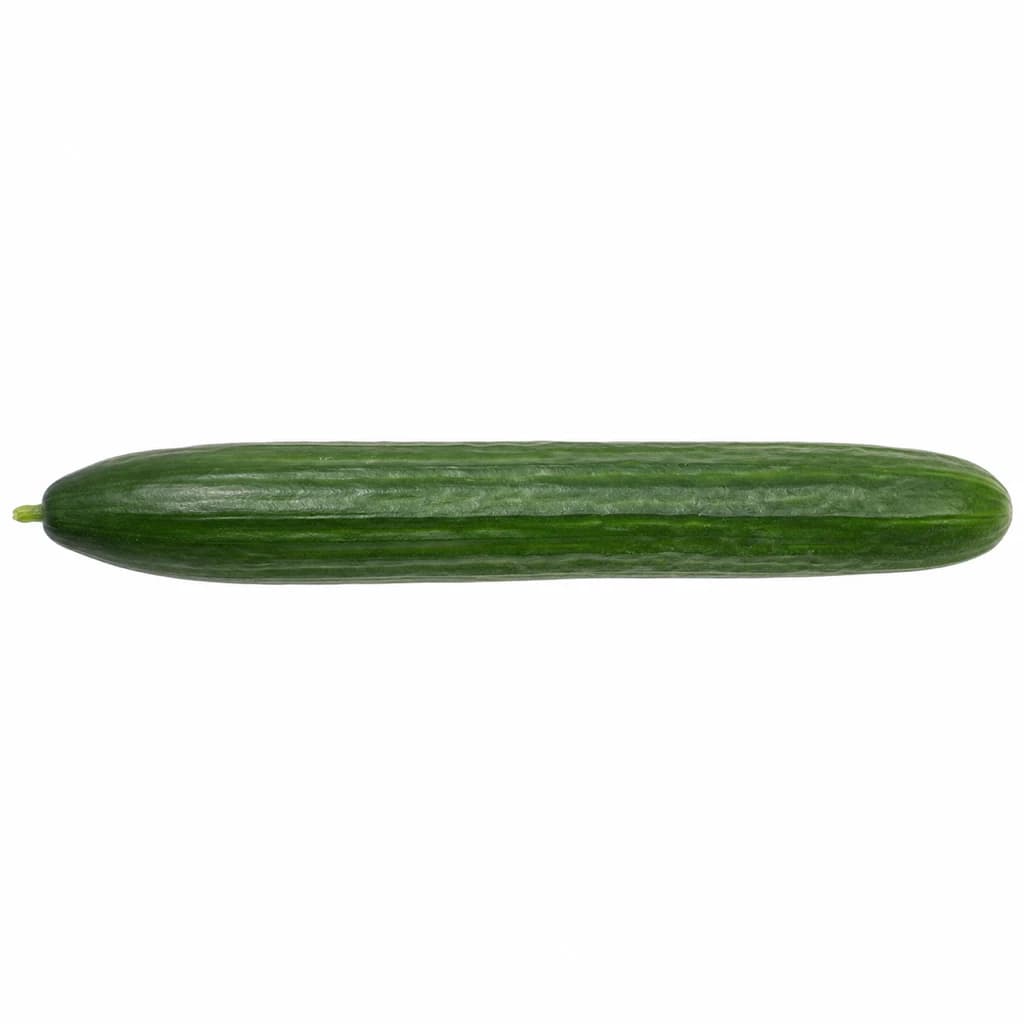
Cucumber
Cool, crisp, and watery — for salads, pickles, and tzatziki

Lettuce
Crisp leaves for salads, wraps, and a fresh crunch