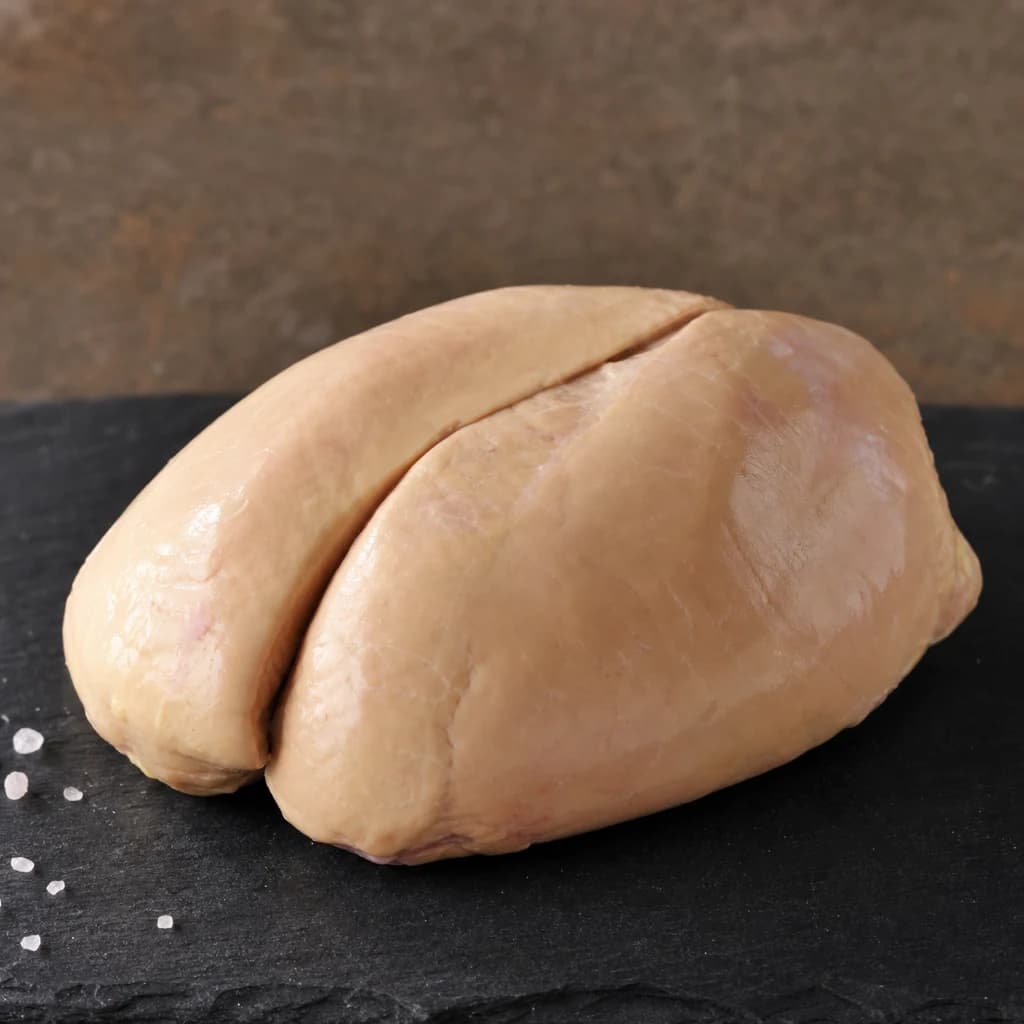
Natural form
A whole raw foie gras lobe, pale cream and buff-pink, showing its characteristic smooth, dense form.
Shows the reader what a whole raw foie gras looks like before any preparation — its size, color, and distinctive lobed shape.
Proteins
Foie Gras
Ultra-rich fattened duck or goose liver, seared or made into silky terrines.
Foie gras is the enlarged, fattened liver of a duck or goose, celebrated for its buttery richness and melting texture. A French delicacy, it is seared in slices, made into smooth terrines and parfaits, or served on toast with fruit. Its high fat content means it cooks and softens almost instantly when seared.
Foie gras—literally 'fat liver'—is the fatty liver of a duck or goose that has been specially fattened through gavage, the process of force-feeding grain via a funnel. The result is an organ swollen with fat (30–60% by weight) that has no true equivalent in the culinary world: a texture simultaneously silky and yielding, with a flavor that registers as intensely savory, buttery, and faintly mineral, with a finish that lingers like the best pork fat you have ever tasted. The fat itself is the point; it melts through the liver's structure during cooking, basting the meat from within and delivering an unctuousness that no other ingredient replicates. This is why proper handling rewards precision and mistreatment punishes it absolutely—overcook a lobe and the fat renders completely, leaving a dry, mealy puck that costs fifty dollars and eats like liver sausage. The ingredient demands respect and a willingness to learn its narrow margin between perfection and ruin. Whether served as a whole-lobe sear with a fruit compote or transformed into a dense, sliceable terrine, foie gras occupies a singular position in charcuterie and fine dining: a luxury that justifies itself only when executed with understanding.
- Measured in
- g
- Storage
- Fridge
Types & varieties
Duck liver; dominant in commerce (~95% of production); richer, more assertive flavor than goose; the workhorse of commercial production
Goose liver; larger lobes, finer texture, higher price; more delicate with subtle mineral notes; the traditional French preference
Whole intact lobe; highest quality; best for searing whole or slicing after poaching; sold raw fresh or semi-preserved in cans/glass
Reformed from pieces with added fat; acceptable for mousses, spreads, stuffings; lower price point; quality varies significantly by producer
Partially cooked, vacuum-sealed; refrigerated shelf life of 6–8 weeks; good for spreading and terrines where you want some set texture
Fully cooked, sterile canned product; shelf-stable for years; used in sauces, stuffings, and applications where the liver is diced or pureed
A Note on Ethics and Sourcing
The production method—gavage—remains contentious. Animal welfare science indicates the force-feeding process causes distress, which is why production and sale are banned in the UK, Germany, Italy, Poland, Norway, Sweden, Denmark, Finland, Turkey, Israel, India, California, and New York. If you choose to cook with foie gras, source from producers who employ the most humane practices available: shorter feeding periods, proper facility conditions, and single daily gavage rather than multiple feedings. The flavor justifies the cost only when treated with respect; it is worth understanding the provenance before purchase.
Understanding Grades
French grades apply to whole fresh lobes intended for searing or raw consumption. Grade A lobes are firm, cream-colored, with minimal blood traces—these are the only lobes worth searing whole. Grade B lobes are suitable for terrines and mousses where the texture will be masked by other ingredients and processing. Grade C lobes are generally relegated to industrial processing and are rarely available to consumers. When buying fresh, always check the grade; a Grade B lobe seared as a main course will disappoint.
Common uses
Tips & pitfalls
- Season just before cooking—salt draws moisture out and prevents the Maillard reaction you need for a proper crust; 30 minutes of sitting with salt on it is too long
- Score the surface lightly in a crosshatch pattern to prevent curling during searing and to allow fat to render evenly from the thickest parts
- Start in a smoking-hot pan (no added fat needed—the liver renders its own) and cook 60–90 seconds per side maximum for a sear; more is overcooking
- Rest on a wire rack, never on paper towels—steam escaping downward causes sogginess if the resting surface traps moisture
- For terrines: poach in a 75°C water bath to an internal temperature of 52–54°C for a blush pink center; invest in a probe thermometer
- Weight the terrine while cooling to achieve proper density and clean slicing—it should be tight and compressed, not loose
- Do not wash foie gras—pat dry with paper towels only; excess moisture is the enemy of searing and the primary cause of steaming instead of browning
- Bring to room temperature 30 minutes before cooking for even heat distribution; cold centers lead to uneven cooking
- Slice cold terrines with a hot, dry knife—run under hot water and wipe dry between cuts for clean, unragged slices
- If goose and duck are both available, taste them blind: the texture and richness differ meaningfully, and the price premium for goose only makes sense if you can perceive the difference
Nutrition
Energy
1272 kJ · per 100 g
Where the calories come from
Protein
15.2g
30% DV
Carbs
2.1g
1% DV
Fat
25.6g
33% DV
Fiber
0g
0% DV
Sodium
1225mg
53% DV
Source · USDA FoodData Central · approx. Liver cheese, pork
View on FDC →In the shops
Matched grocery products
No matched grocery products for Foie Gras yet.
Good to know
- Type
- Fatty liver (duck or goose)
- Primary Species
- Mulard duck (canard de Barbarie × pékinois); gray Landes goose
- Origin
- Egypt, ~2500 BCE; modern production perfected in Alsace and Southwest France
- Production Method
- Gavage (force-feeding) for 10–14 days via corn funnel, causing hepatic steatosis
- Grades (France)
- Grade A (firm, cream-colored, minimal blood); Grade B (good cooking liver); Grade C (industrial use)
- Fresh Storage
- Refrigerate at 0–2°C, use within 48 hours for best quality
- Frozen Storage
- Wrap airtight, freeze up to 3 months; thaw slowly in refrigerator
- Peak Season
- November through February (holiday demand); available year-round from reputable producers
Substitutes
- Duck liver — The most direct substitute; richer than average chicken liver but lacks the extreme fat content and silky texture of true foie gras; sauté quickly over high heat, serve with rich sauces to approximate the unctuousness
- Chicken liver — Leaner and more metallic in flavor; makes an excellent buttery mousse when blended with generous butter and shallots; best for spreads rather than searing; add cream or stock to increase richness
- Pork fatback or ventrèche — Not a true flavor substitute but can provide similar unctuousness in stuffings, terrines, and forcemeats where the goal is fat-based richness and moisture
- Veal sweetbreads — Offers similar silky texture when properly crusted after a brief blanch and press; different flavor profile (mild, mineral, sweet) but comparable mouthfeel; valid for those avoiding offal stigma
Pairs with
Also called
Fattened Liver
Related
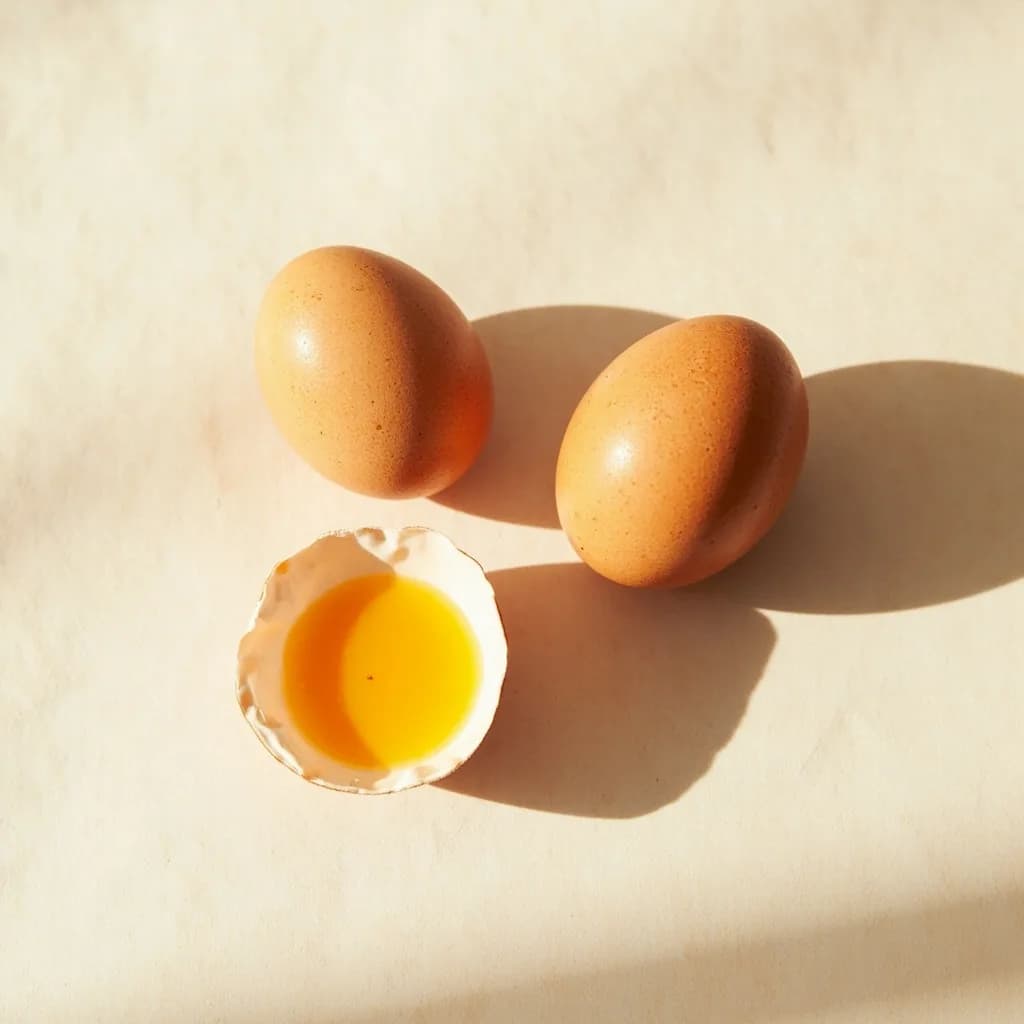
Egg
The kitchen's everything ingredient — bind, leaven, enrich, or fry
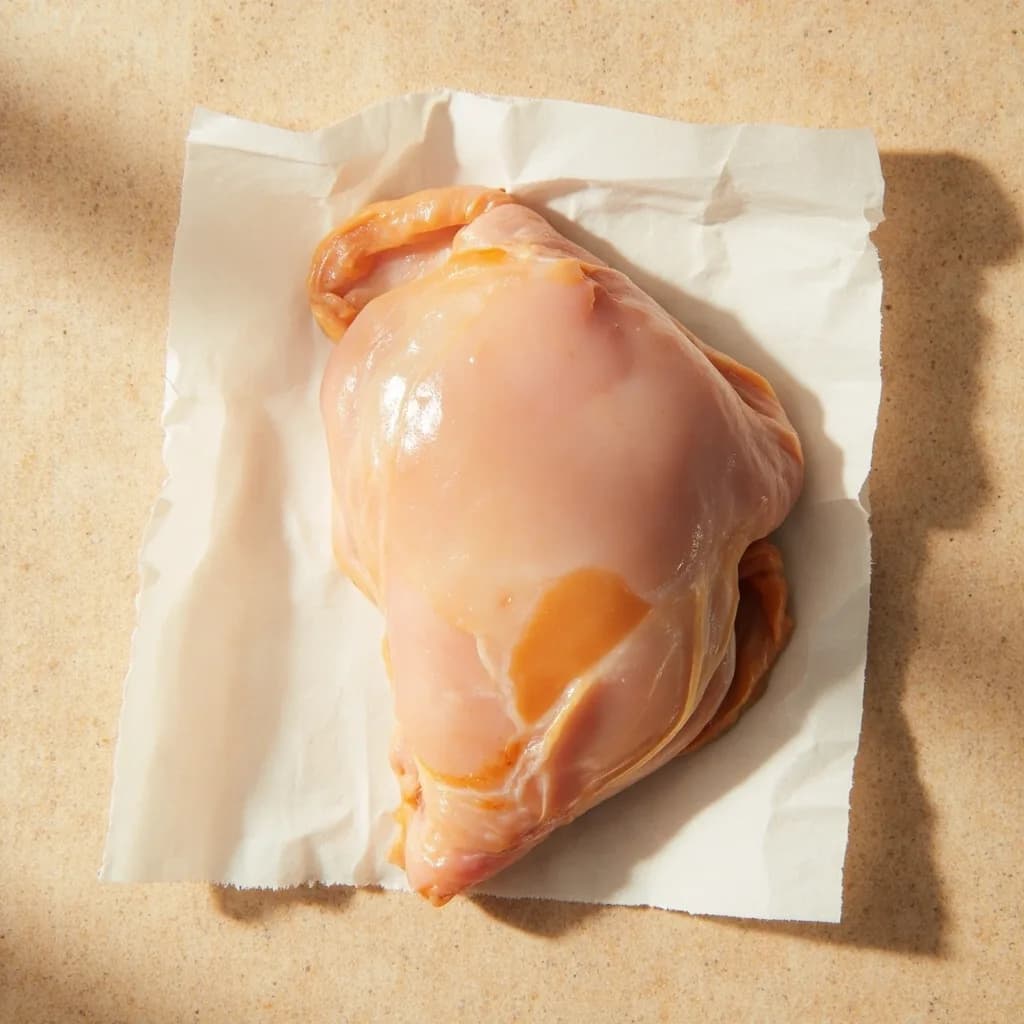
Chicken Breast
Lean, quick-cooking white meat for everyday dinners

Ground Beef
Versatile minced beef for burgers, ragù, tacos, and meatballs
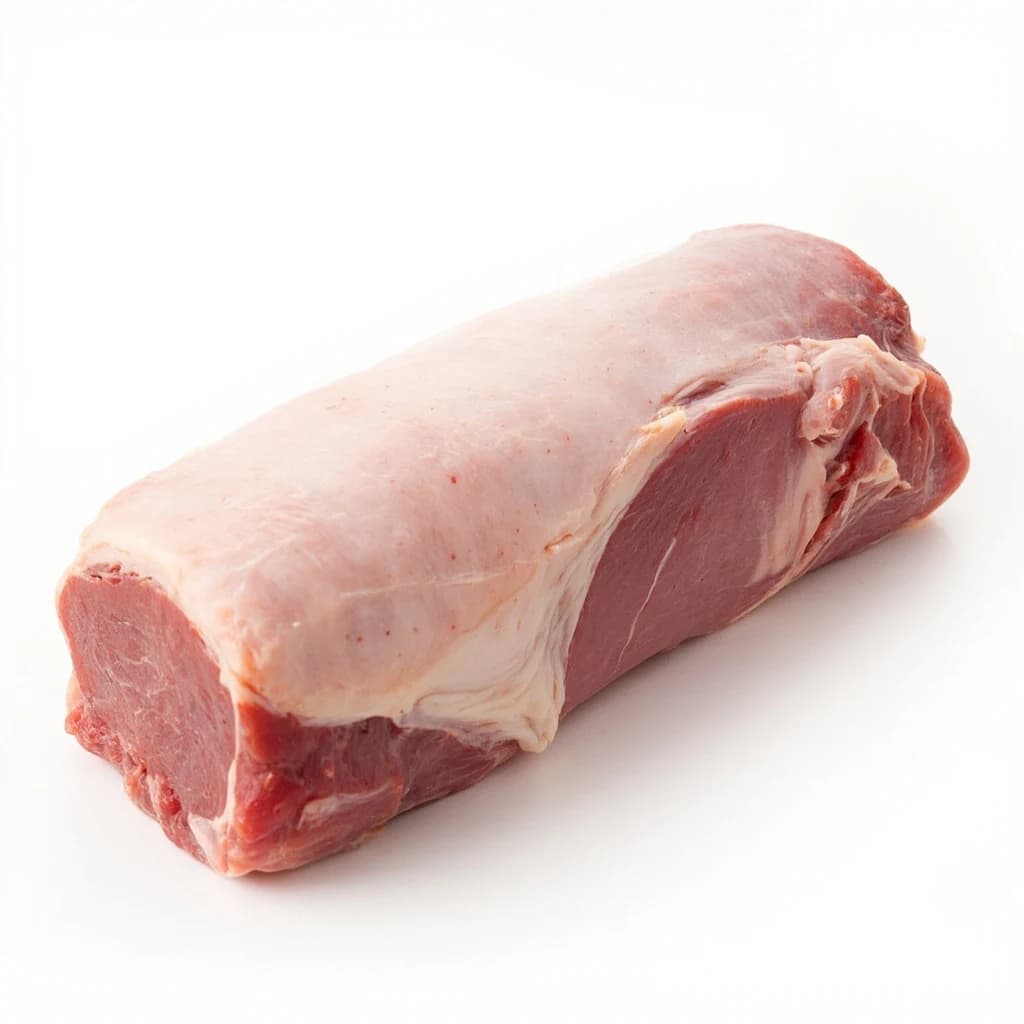
Pork Loin
Lean, tender roasting cut that stays juicy with care
Salmon
Rich, rosy fish that roasts, grills, or cures beautifully

Egg White
Pure protein that whips to airy peaks for meringue and more
Egg Yolk
Rich, golden yolk for custards, mayonnaise, and pasta

Quail Egg
Tiny, speckled eggs for garnishing and elegant bites