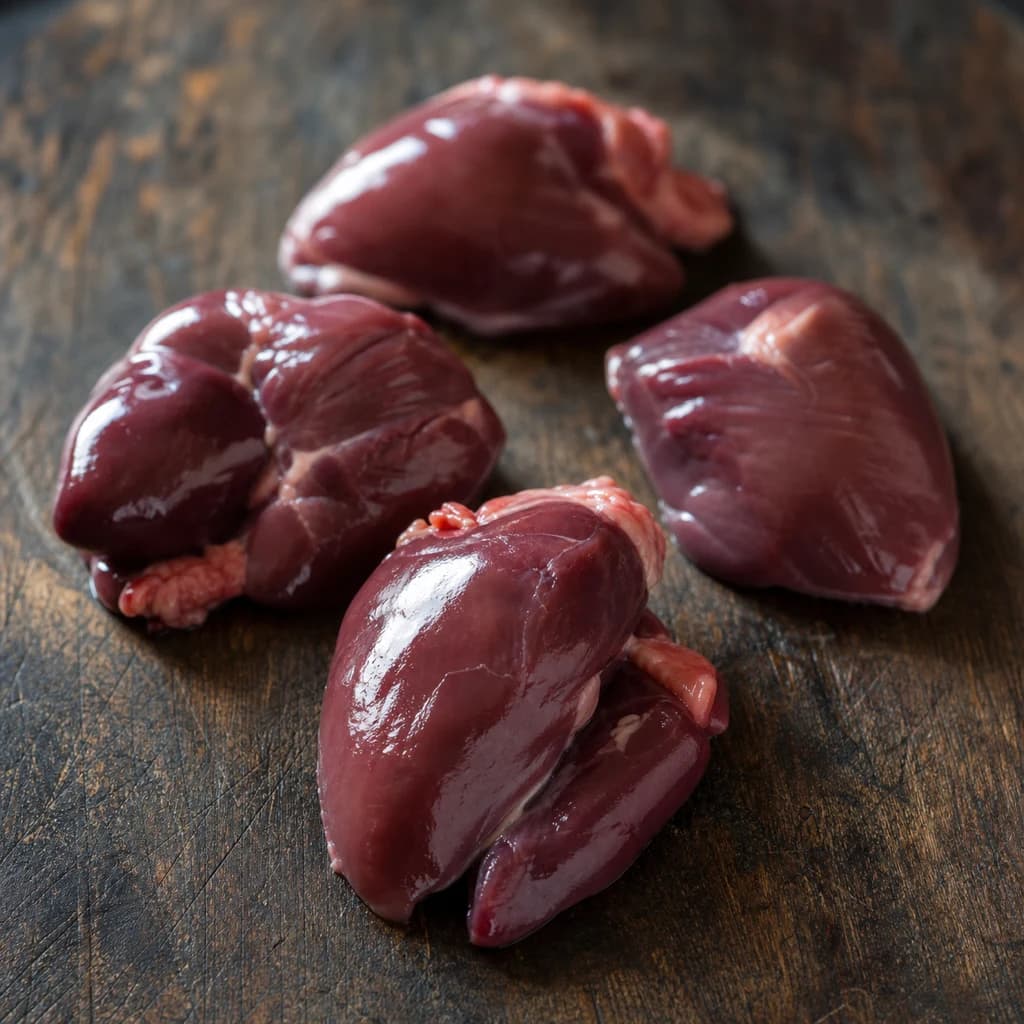
Natural form
Raw chicken livers show their characteristic deep burgundy-red color and soft, lobed shape.
Establishes what raw chicken livers look like before any preparation, teaching recognition at the point of purchase.
Proteins
Chicken Liver
Soft, rich organ meat quickly sautéed or blended into smooth pâtés and spreads.
Chicken livers are small, tender organ meats with a creamy texture and deep, mineral-rich flavor. They are pan-seared, sautéed with onions, or pureed into pâté and parfait. Quick cooking keeps them soft and pink in the center; overcooking makes them grainy.
Chicken liver is one of the most approachable organ meats in the kitchen, offering an intensely savory, mineral-rich flavor that reads as buttery and tender when cooked correctly, yet turns chalky and bitter within seconds of overcooking. A whole chicken yields two small lobes totaling 1–2 ounces, making them quick to prepare but demanding in attention. Their role in foundational preparations like French pâté and Jewish chopped liver places chicken liver squarely in both the home cook's repertoire and the professional canon—it is the gateway ingredient for building a palate for offal cuisine. Freshness is paramount: purchase livers the day you intend to cook them, or freeze immediately. Any green discoloration indicates bile contamination from rough handling during processing and will impart bitter compounds throughout the batch.
The livers' small size and rapid cooking time make them forgiving for beginners in one sense—the technique is simple—but unforgiving in another: the window between properly cooked and ruined is measured in seconds, not minutes. When seared over high heat with sufficient fat, the exterior develops a deep brown crust while the interior remains rosy and creamy. This contrast of textures and the concentration of flavor is what distinguishes a well-executed chicken liver dish from a gray, dry, and bitter one. The Milanese fegatini and the Jewish chopped liver represent two poles of the culinary spectrum: one lightly sautéed with aromatics, the other finely chopped with eggs and schmaltz.
Nutritionally, chicken liver is exceptional—a concentrated source of vitamin A (retinol), heme iron, B12, folate, and copper that far outpaces most cuts of muscle meat. This density is why a little goes a long way in both flavor and nutrition.
- Measured in
- g
- Storage
- Fridge
Types & varieties
Preferred for all applications; should have a clean, metallic scent, no sliminess, and intact lobes with no green bile spots
Commercially frozen maintains quality for 3–4 months; thaw overnight in refrigerator; texture slightly softer than fresh but fully serviceable
Pre-cooked to food-safe temperature for immediate use in spreads; found in specialty and European markets
Selecting and Storing
The single most important factor in chicken liver quality is freshness. Purchase from a source with high turnover, and cook the same day if possible. If not, freeze immediately—livers deteriorate rapidly even when refrigerated. When examining fresh livers, look for intact lobes with a dark reddish-brown color and a moist but not slimy surface. The metallic, clean scent indicates freshness; any sour or ammonia-like odor signals age. Avoid any livers showing green bile discoloration, as this bitter compound cannot be washed out and will ruin your dish. Frozen livers from reputable brands are an excellent alternative and can be stored for months without significant quality loss. Pasteurized livers are fully cooked and safe for chilled applications but lack the textural control of fresh livers in cooked preparations.
- Buy from high-volume sources with rapid turnover
- Cook fresh livers the same day or freeze immediately
- Discard any livers with green bile spots or sour odor
Preparation Before Cooking
Proper prep work determines the difference between a smooth, refined pâté and a gritty, bitter mess. Begin by sorting through the livers, trimming away any connective tissue, membrane, and—critically—any green bile spots. These bile ducts run through the liver and leave pockets of bitter compound that cannot be cooked away. Once trimmed, soak the cleaned livers in cold whole milk or lightly salted water for 30–60 minutes. This draws out residual blood and mellows the strong iron flavor without affecting texture. After soaking, drain and pat the livers absolutely dry with paper towels—this step is non-negotiable. Surface moisture steams rather than sears, producing a mealy, gray exterior instead of a caramelized crust.
- Trim all green bile spots and connective tissue before cooking
- Soak 30–60 minutes in cold milk or salted water to mellow flavor and remove blood
- Pat completely dry—surface moisture causes steaming, not searing
Common uses
Tips & pitfalls
- Trim away all green bile spots and connective tissue before cooking—this bitter compound cannot be cooked out and ruins the entire dish
- Soak cleaned livers in cold whole milk or salted water for 30–60 minutes to draw out blood and mellow the iron flavor
- Pat absolutely dry with paper towels before cooking—surface moisture causes steaming rather than searing, producing a mealy texture
- Season with salt only after drying; salt on wet surfaces draws out moisture before the Maillard reaction can develop
- Cook in small batches over high heat with enough high smoke-point fat (clarified butter, lard, or bacon fat) to ensure proper browning without burning
- For pâté, cook livers slowly in butter with aromatics until just barely pink internally (145°F/63°C); carryover cooking completes the job
- The liver is done when the exterior is browned but the center remains rosy—it continues cooking from residual heat off the pan
- Deglaze the pan with wine, brandy, or stock to capture the fond; this concentrated glaze becomes the base for sauces, dressings, or pâté liquid
- Common mistake: overcooking. Livers turn from tender and creamy to chalky and bitter within seconds past medium-rare
- Another mistake: inadequate fat. Livers are lean and need sufficient fat to develop a crust and prevent sticking
- For smooth pâté, pass cooked livers through a fine-mesh sieve or food mill while still warm to eliminate grainy textures
- Acid brightens the flavor; a squeeze of lemon or splash of good vinegar added at the end balances the richness
Nutrition
Energy
498 kJ · per 100 g
Where the calories come from
Protein
16.9g
34% DV
Carbs
0.7g
0% DV
Fat
4.8g
6% DV
Fiber
0g
0% DV
Sugars
0g
of which
Sodium
71mg
3% DV
Source · USDA FoodData Central · Chicken, liver, all classes, raw
View on FDC →In the shops
Matched grocery products
No matched grocery products for Chicken Liver yet.
Good to know
- Type
- Organ meat (offal)
- Flavor
- Rich, intensely savory, slightly mineral; buttery and tender when properly cooked, bitter if overcooked
- Color (raw)
- Dark reddish-brown with glistening surface; avoid any green discoloration from bile
- Color (cooked)
- Grayish-brown when overdone; pinkish-brown with rosy center when properly cooked
- Typical Size
- Individual lobes roughly 1–2 inches across; a whole chicken yields 2 livers totaling 1–2 oz
- Shelf Life
- Refrigerate and use within 1–2 days of purchase; freeze up to 3–4 months for best quality
- Nutritional Note
- Exceptionally high in vitamin A (retinol), heme iron, B12, folate, and copper—one of the most nutrient-dense foods available
- Yield
- Minimal shrinkage when cooked properly; no yield loss when purchased ready-to-cook
- Difficulty
- Quick to cook but requires attention; forgiving of brief undercooking, ruined by even moderate overcooking
- Prep Time
- 2–4 minutes to clean; 3–5 minutes to sauté; 15–20 minutes to finish in pâté
Substitutes
- Calf liver — Milder flavor, larger lobes, slightly more delicate texture; substitute 1:1 but reduce cooking time slightly
- Duck liver — Richer, fattier, more luxurious; preferred in classical French cuisine; adjust seasoning as the flavor is more pronounced
- Pork liver — Stronger flavor, darker color; works in rustic preparations; reduce cooking time as it's more tender than beef liver
- Turkey liver — Very similar in flavor and size to chicken liver; cook identically
Pairs with
Appears in these dishes
Related
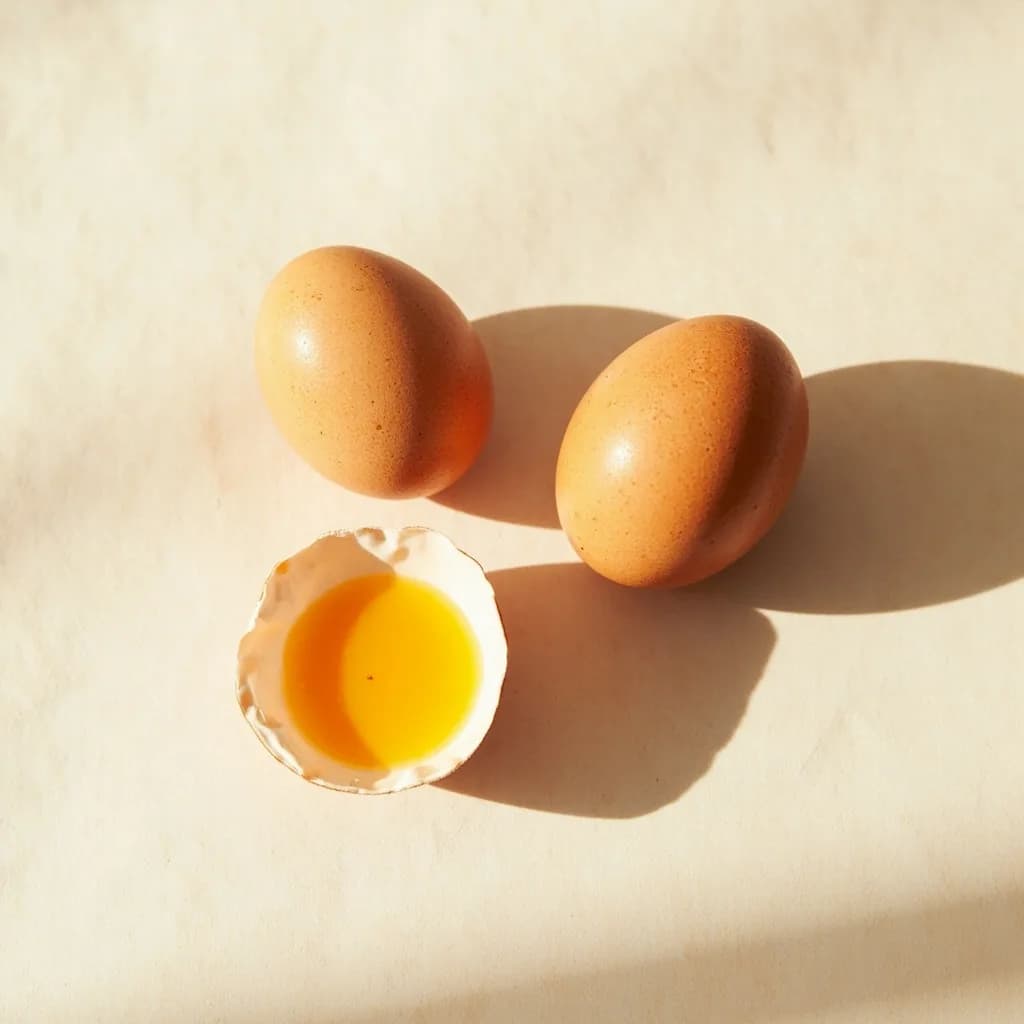
Egg
The kitchen's everything ingredient — bind, leaven, enrich, or fry
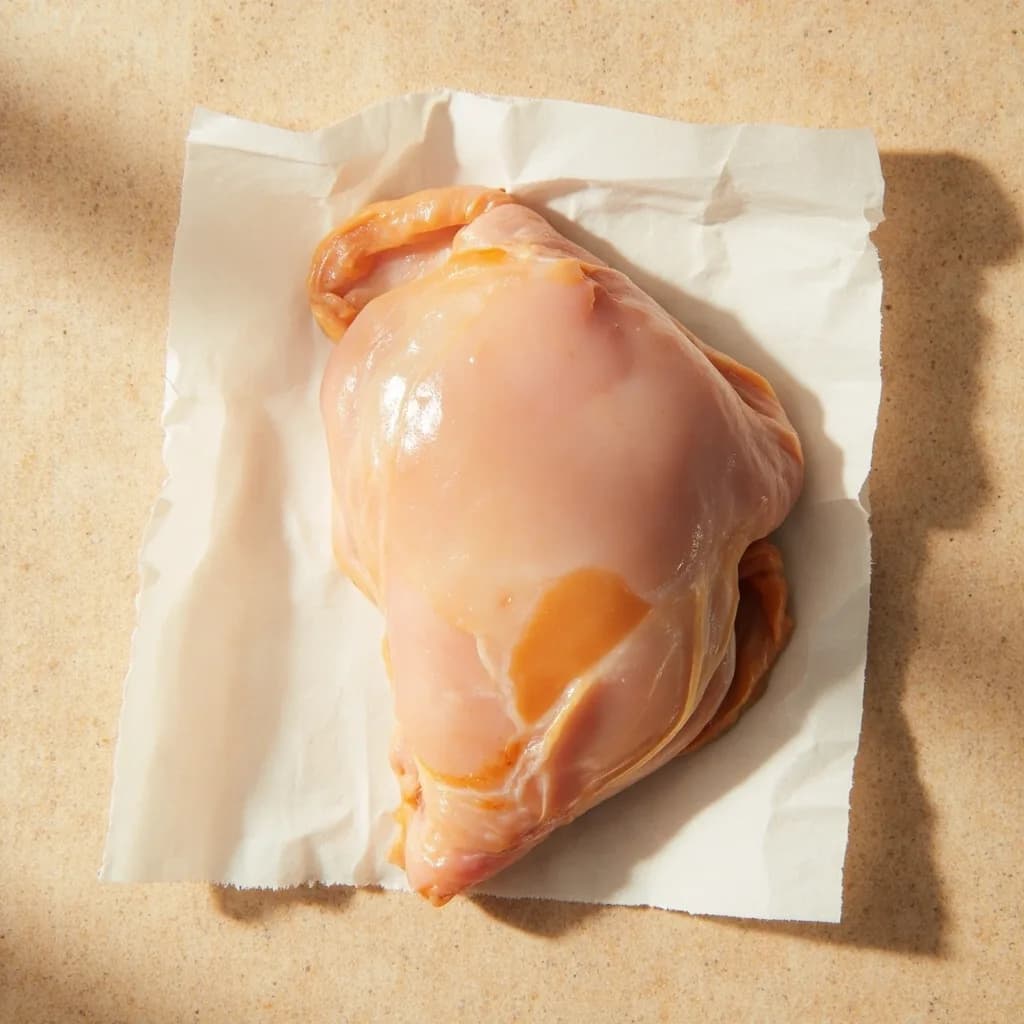
Chicken Breast
Lean, quick-cooking white meat for everyday dinners

Ground Beef
Versatile minced beef for burgers, ragù, tacos, and meatballs
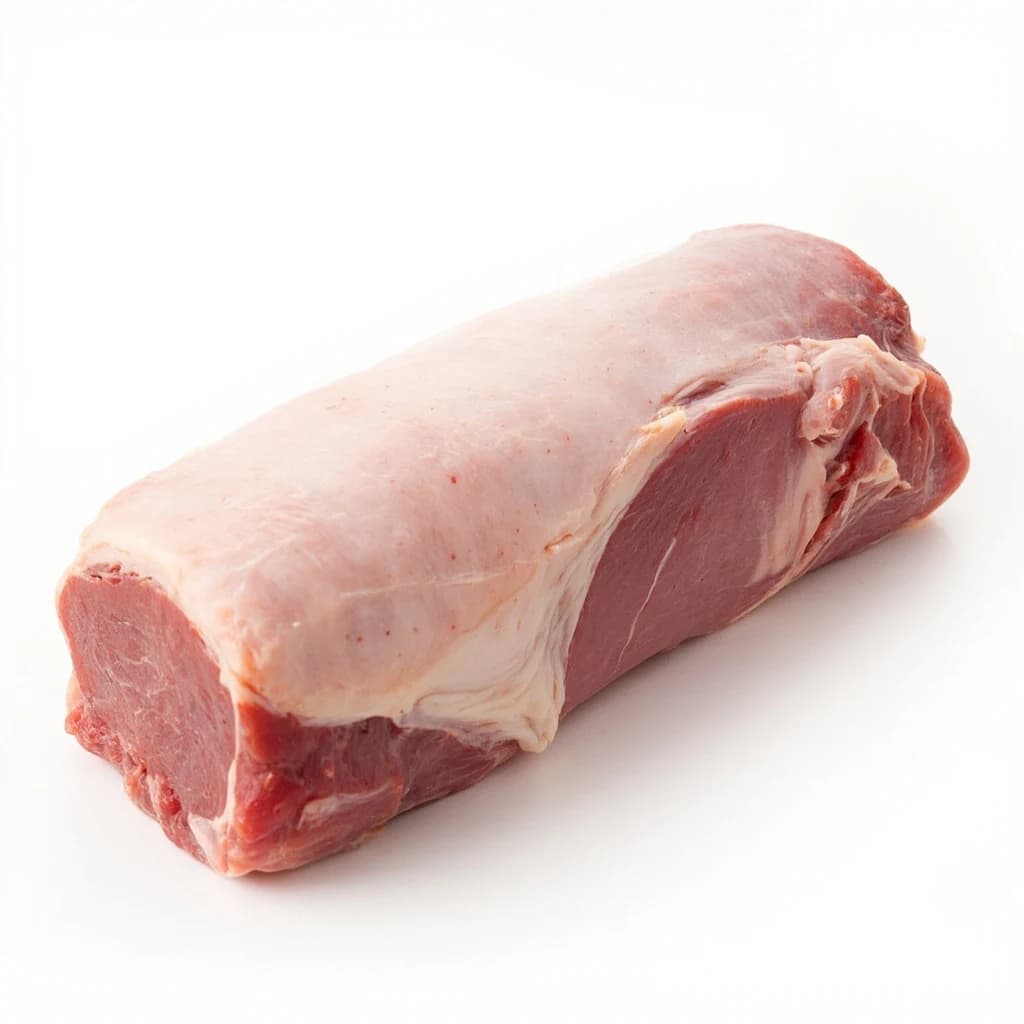
Pork Loin
Lean, tender roasting cut that stays juicy with care
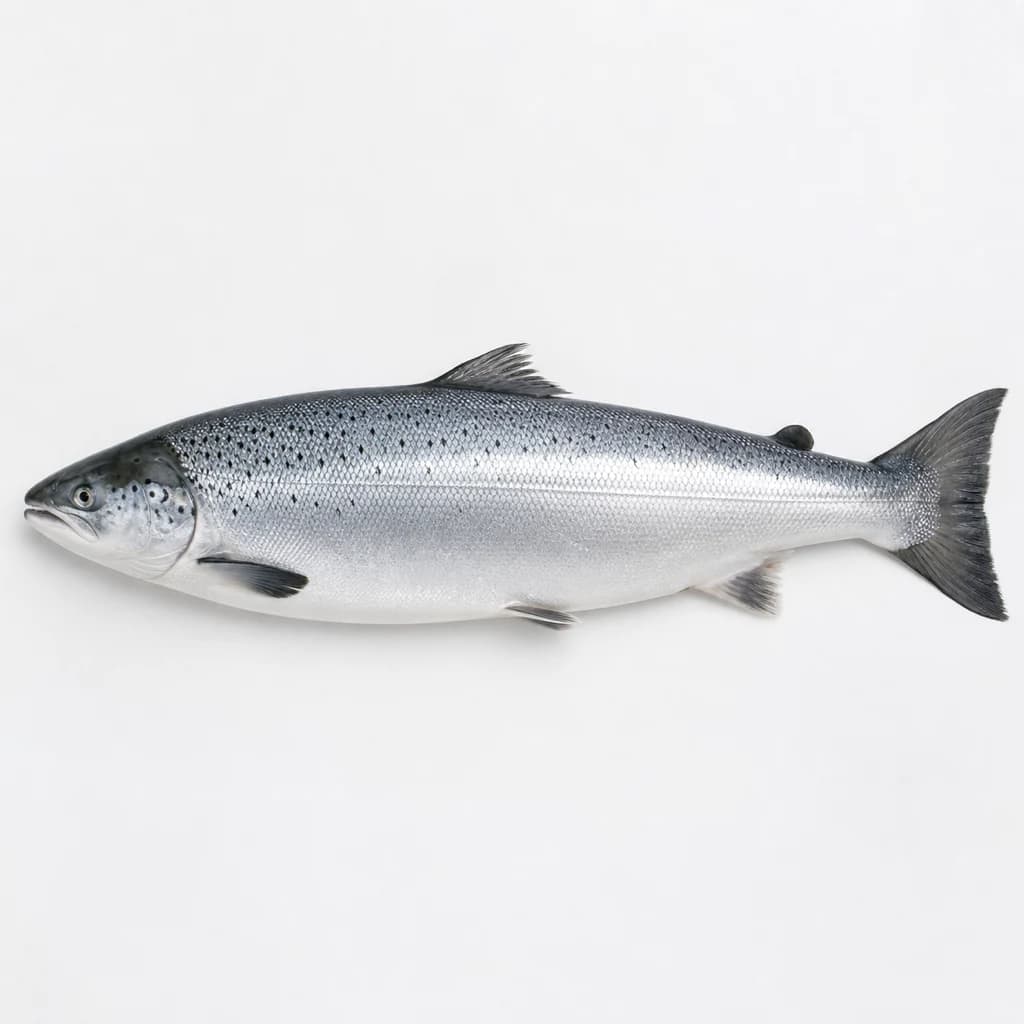
Salmon
Rich, rosy fish that roasts, grills, or cures beautifully

Egg White
Pure protein that whips to airy peaks for meringue and more
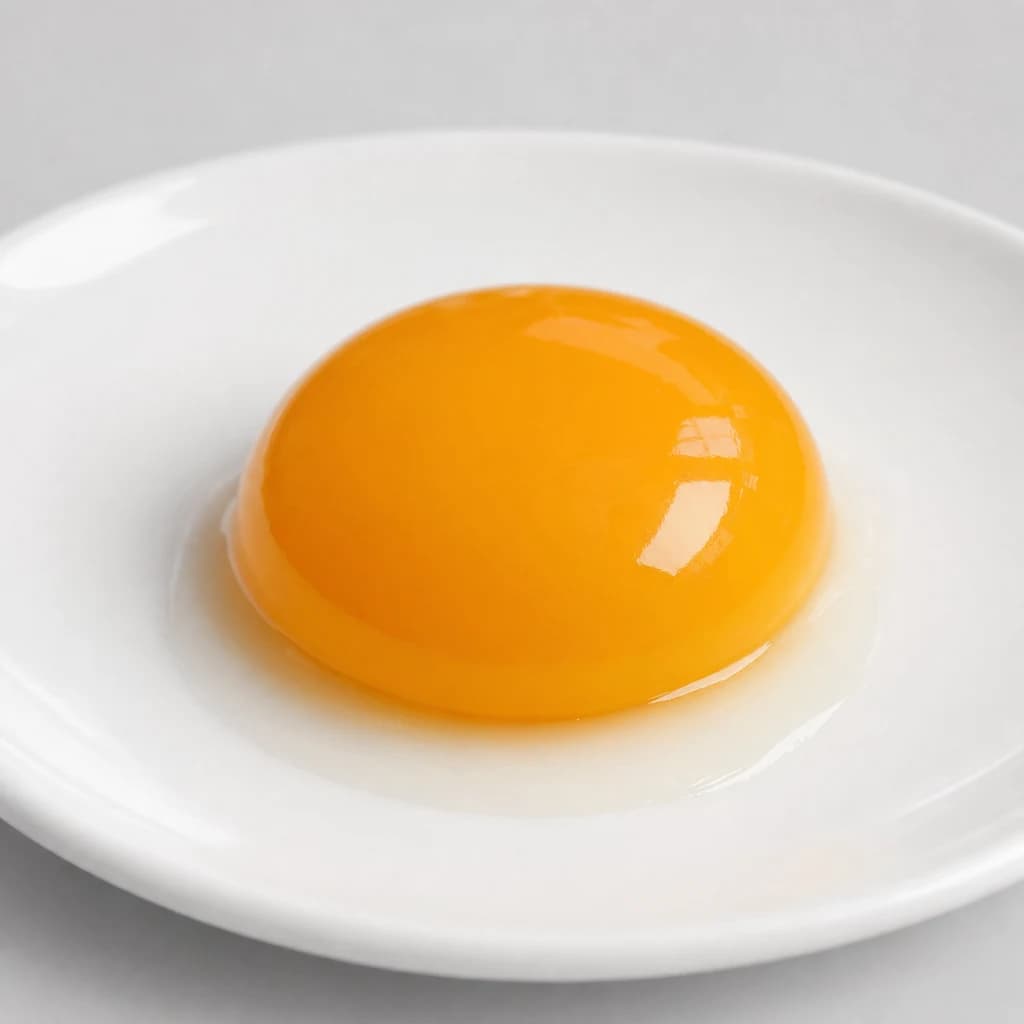
Egg Yolk
Rich, golden yolk for custards, mayonnaise, and pasta

Quail Egg
Tiny, speckled eggs for garnishing and elegant bites