
Natural form
Whole raw pork liver showing its deep reddish-brown lobed surface and smooth glistening texture.
Shows readers the intact organ's distinctive color, size, lobe structure, and surface sheen so they can identify it at a butcher or market.
Proteins
Pork Liver
Iron-rich pork offal used in pâtés, liverwurst and quick stir-fries.
Pork liver is a soft, iron-rich offal with a strong, mineral flavor. It is ground into pâtés, liverwurst and sausages, or sliced and quickly cooked in stir-fries and braises. It should be cooked briefly to stay tender, as overcooking turns it grainy.
Pork liver is the two-lobed organ of the domestic pig, prized in charcuterie and home cooking for its rich, earthy flavor and exceptionally dense nutrition. Its taste is distinctly mineral with pronounced iron notes and a subtle sweetness when fresh—the result of the liver's role as the animal's metabolic processor, which concentrates everything the pig consumes. This same characteristic makes the liver's flavor inseparable from the pig's diet: livers from pastured or heritage pork taste cleaner and less muddy than those from industrial operations, a distinction serious cooks learn to detect and seek out. Beyond flavor, pork liver is among the most bioavailable sources of iron available in any market—heme iron, the kind your body absorbs most efficiently—alongside outsized amounts of retinol (preformed vitamin A), B12, copper, and zinc, making it one of the most nutritionally potent ingredients in Western cuisine. Its texture, when cooked correctly, is yielding and tender; overcooked, it turns dry, crumbly, and intensely metallic—a failure that has unfairly tarnished this ingredient's reputation.
In the kitchen, pork liver behaves much like any other braised protein: it sears, it takes on aromatics, it benefits from deglazing. What sets it apart is the narrow window of doneness between perfect and ruined, and the preparation steps— soaking and trimming—that most store-bought cuts skip or perform poorly. The thin outer membrane and the large internal bile ducts running through the lobes must be removed before cooking; these are bitter and unpleasantly textural, and failing to address them is the single most common cause of disappointing results. The soaking step, typically in cold whole milk or lightly salted water, draws out residual blood and tempers the strong iron flavor that puts off many first-time cooks. When sourced fresh—bright reddish-brown exterior, moist surface, a sweet metallic scent rather than any sour or ammonia note—and treated with these straightforward steps, pork liver rewards with a depth of flavor few other ingredients can match.
- Measured in
- g
- Storage
- Fridge
Types & varieties
Two-lobed organ, still connected; preferred for texture and freshness. Most butcher shops and supermarkets stock it routinely.
Often IQF (individually quick frozen) for convenience; acceptable for most preparations; thaw fully in refrigerator before use.
Commercially cut into portions or steaks; convenient but exposes more surface area to air; use quickly.
Sourcing and Quality
The quality of pork liver is directly tied to the pig's diet and husbandry. Seek out whole, fresh lobes from a trusted butcher or farmers' market whenever possible. A good liver has a bright reddish-brown exterior, a moist (never slimy) surface, and a sweet, metallic smell—never sour, ammonia-like, or overly gamy, which indicates age or poor diet. Avoid livers that appear grayish, dry, or have an overpowering odor. If buying pre-trimmed pieces, inspect for any green-tinged bile ducts and remove them yourself before cooking. Pastured and heritage pork produce livers with noticeably cleaner, less muddy flavor; this difference is meaningful enough to be worth seeking out a specialty source.
- Buy whole lobes when possible; they stay fresher and are easier to trim correctly.
- Smell is your primary freshness test: sweet-metallic, not sour or ammonia-like.
- Pastured pork liver tastes markedly cleaner than industrial pork liver.
Preparation: Soaking and Trimming
Soaking and trimming are non-negotiable steps. Skipping them is the root cause of most home-cooked liver failures.
Soak the liver in cold whole milk or cold lightly salted water for 1–2 hours. The milk casein binds to blood and impurities, drawing them out and significantly reducing the strong iron and bitter notes. After soaking, rinse under cold water and pat completely dry with paper towels.
Trim carefully: use a sharp paring knife or your fingers to peel off the thin, translucent outer membrane that coats the surface. Locate and remove any large internal vessels and green-tinged bile ducts running through the lobes—these are intensely bitter and have an unpleasant rubbery texture. Once trimmed, slice against the grain to your desired thickness: no thicker than 1/2 inch for sautéing, 1/4 inch or thinner for stir-fries.
- Soak 1–2 hours in cold milk or salted water, then rinse and pat dry.
- Peel the thin outer membrane completely—this alone eliminates much of the bitterness.
- Remove all visible bile ducts and large vessels by tracing them with a knife or pulling them free.
- Slice against the grain for more tender pieces.
Common uses
Tips & pitfalls
- Soak 1–2 hours in cold whole milk or lightly salted water before cooking to draw out blood and reduce the strong iron/bitter flavor.
- After soaking, rinse thoroughly and pat completely dry with paper towels—moisture on the surface prevents a proper sear.
- Remove the thin outer membrane and any large internal vessels or green-tinged bile ducts; these are the primary sources of bitterness and poor texture.
- Common mistake: overcooking. Pork liver becomes dry, crumbly, and intensely metallic when cooked past medium doneness—it should retain a hint of pink and feel yielding.
- Common mistake: skipping the soak or failing to trim membranes—both result in pronounced bitterness that overwhelms the flavor.
- Sear over medium-high to high heat in a well-seasoned cast iron or heavy skillet with a high-smoke-point fat (lard, bacon fat, or clarified butter).
- Do not crowd the pan—liver steams rather than sears if overcrowded, leading to a gray, mealy texture.
- A squeeze of fresh lemon juice or a splash of good quality vinegar added off-heat brightens and balances the richness.
- If making a smooth pâté, grind or blend while still warm; cold liver is difficult to process smoothly.
- Internal temperature of 145°F/63°C is adequate for a yielding, slightly pink result.
Nutrition
Energy
1272 kJ · per 100 g
Where the calories come from
Protein
15.2g
30% DV
Carbs
2.1g
1% DV
Fat
25.6g
33% DV
Fiber
0g
0% DV
Sodium
1225mg
53% DV
Source · USDA FoodData Central · Liver cheese, pork
View on FDC →In the shops
Matched grocery products
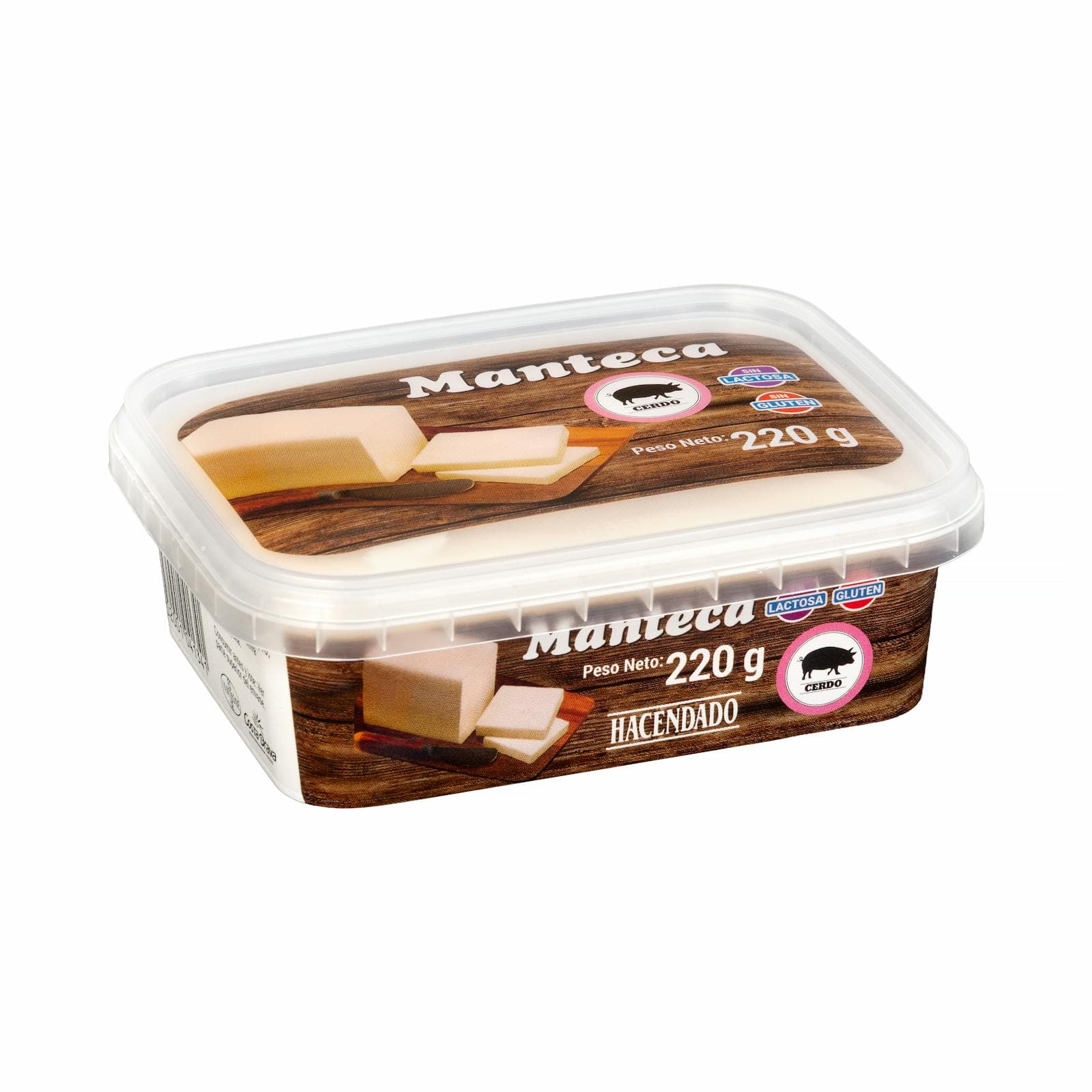 €2.20
€2.20Pork Lard
Hacendado · 220 g · Mercadona
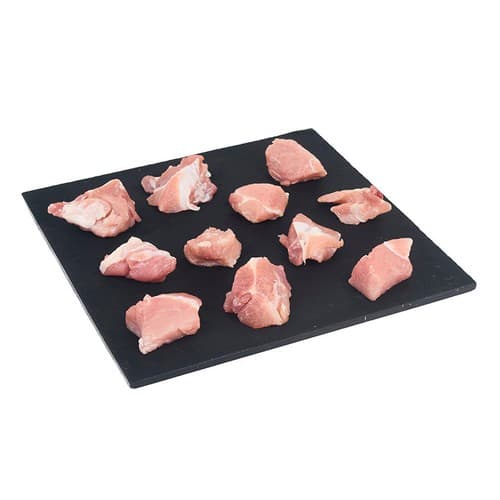 €3.40
€3.40Pork Stew
BONPREU · ud · Bonpreu
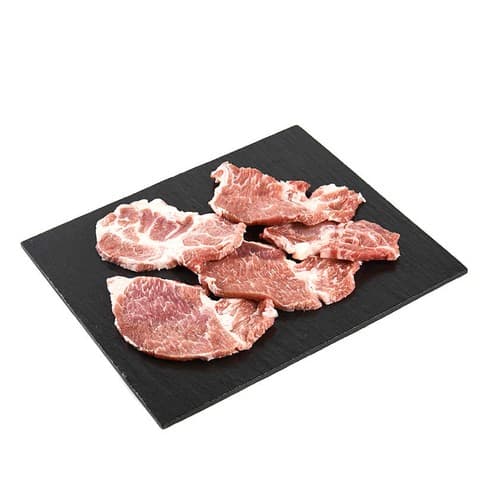 €3.45
€3.45Lean Pork
BONPREU DE L'ERA · ud · Bonpreu
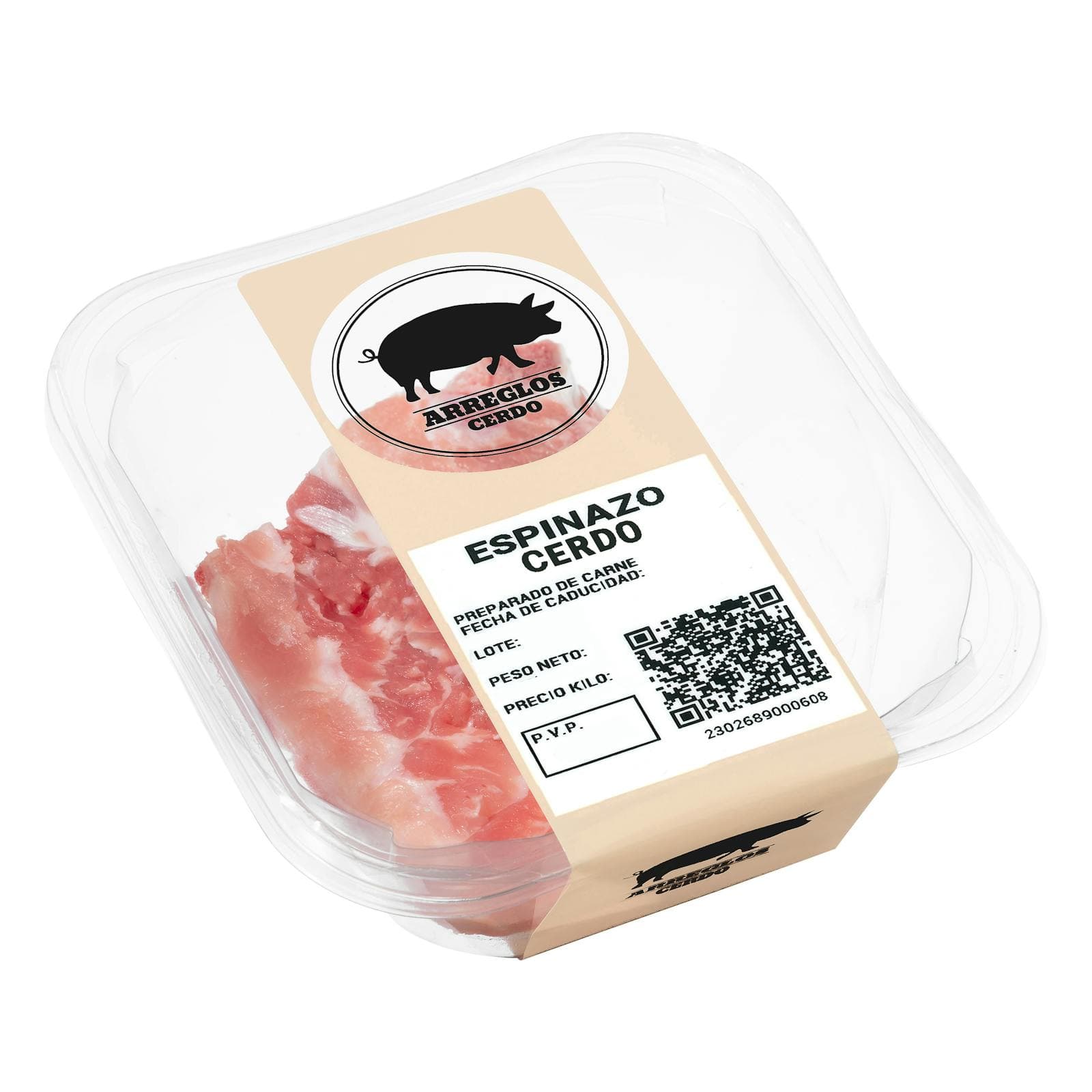 €2.10
€2.10Pork Spine
300 g · Mercadona
 €3.22
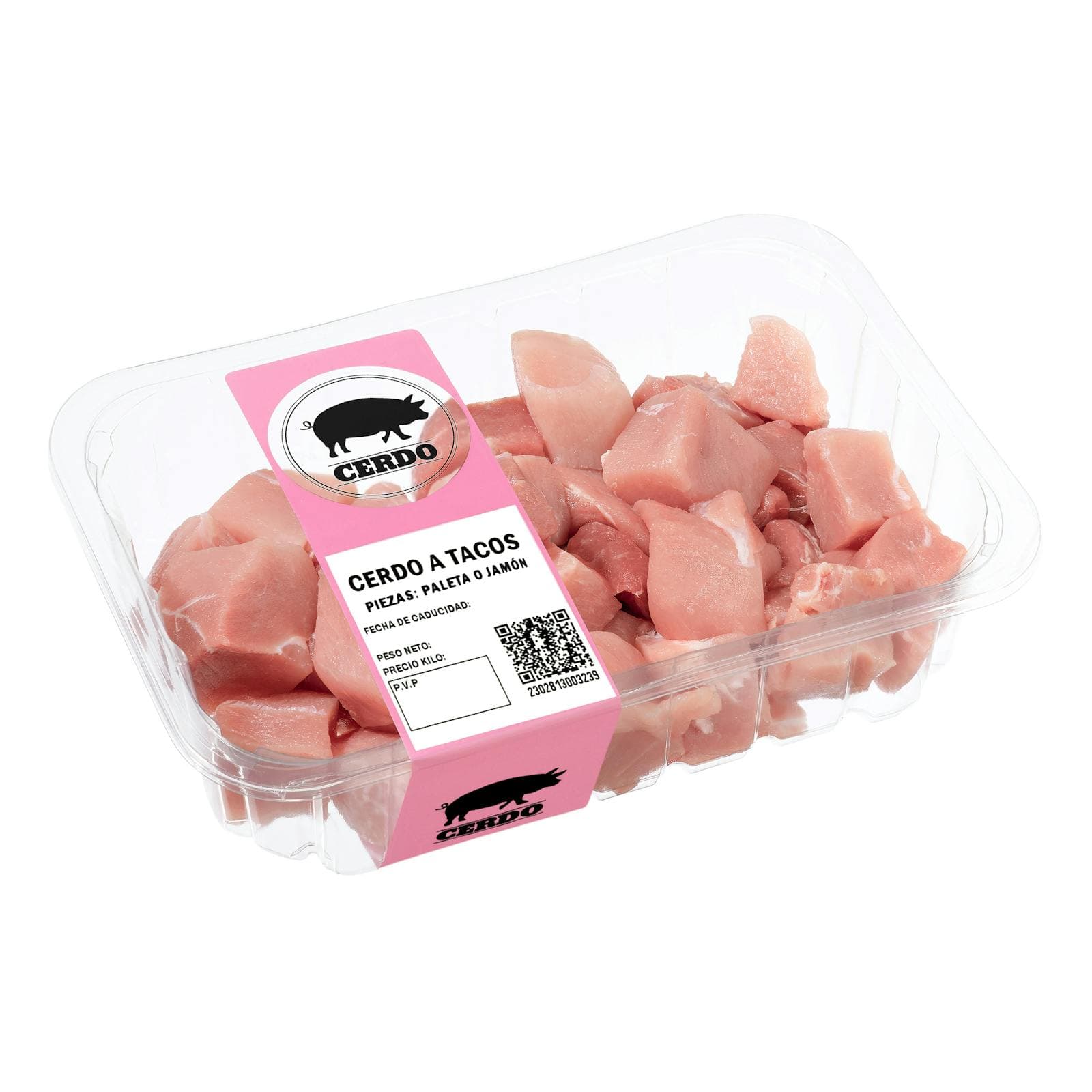
€3.22Diced Pork
560 g · Mercadona
 €3.75
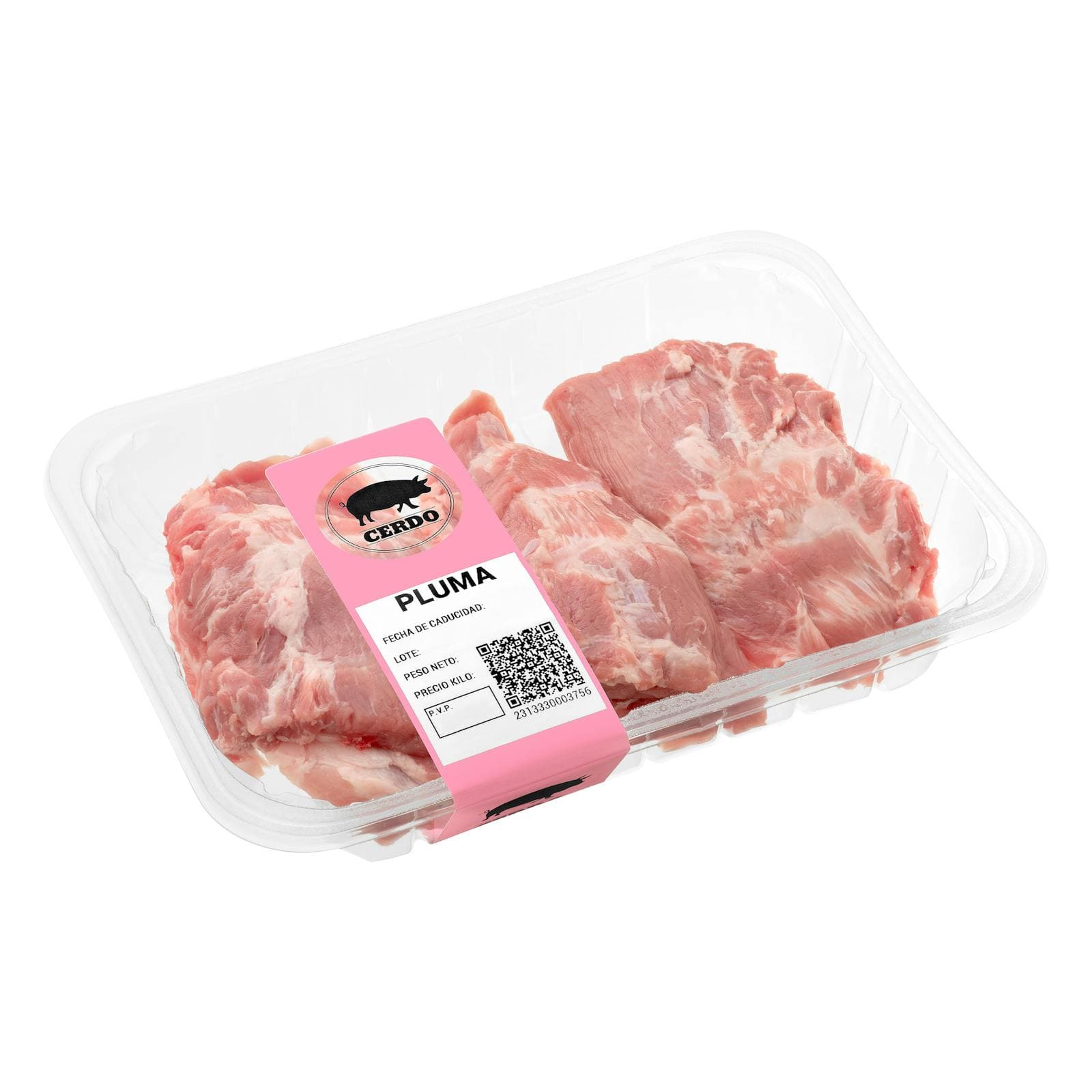
€3.75Pork Pluma
300 g · Mercadona
Good to know
- Type
- Organ meat (offal) from Sus domesticus
- Flavor
- Rich, earthy, distinctly mineral with pronounced iron notes; subtly sweet when fresh
- Color
- Dark reddish-brown exterior; deep maroon, moist interior when fresh
- Typical Weight
- 1–2 lbs per whole liver; two connected lobes preferred at market
- Key Nutrients
- Exceptional iron (heme, highly bioavailable), vitamin A (retinol), B12, folate, copper, zinc; high cholesterol
- Seasonality
- Available year-round from commercial pork processing
- Shelf Life (refrigerated)
- 1–2 days raw; up to 5 days cooked
- Shelf Life (frozen)
- Up to 3 months at 0°F/-18°C; texture degrades beyond that
- Difficulty
- Straightforward to cook; preparation (soaking, trimming) is essential for best flavor
Substitutes
- Chicken liver — Milder, smaller, cooks faster; ideal 1:1 substitute for spreads and quick-cooked applications.
- Beef liver — More strongly flavored and denser texture; reduce cooking time accordingly; best for liver and onions.
- Lamb liver — Rich, slightly sweeter; works well but less common and may have a firmer bite.
Appears in these dishes
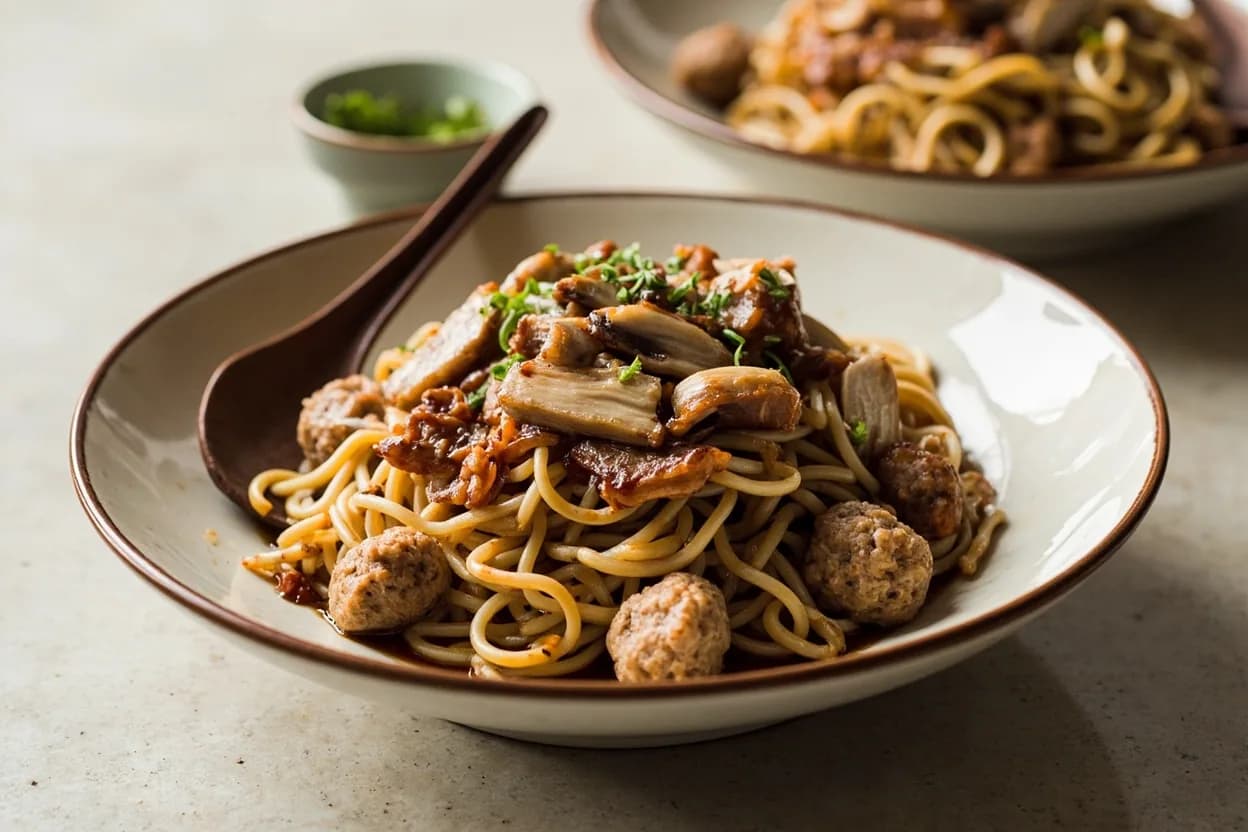
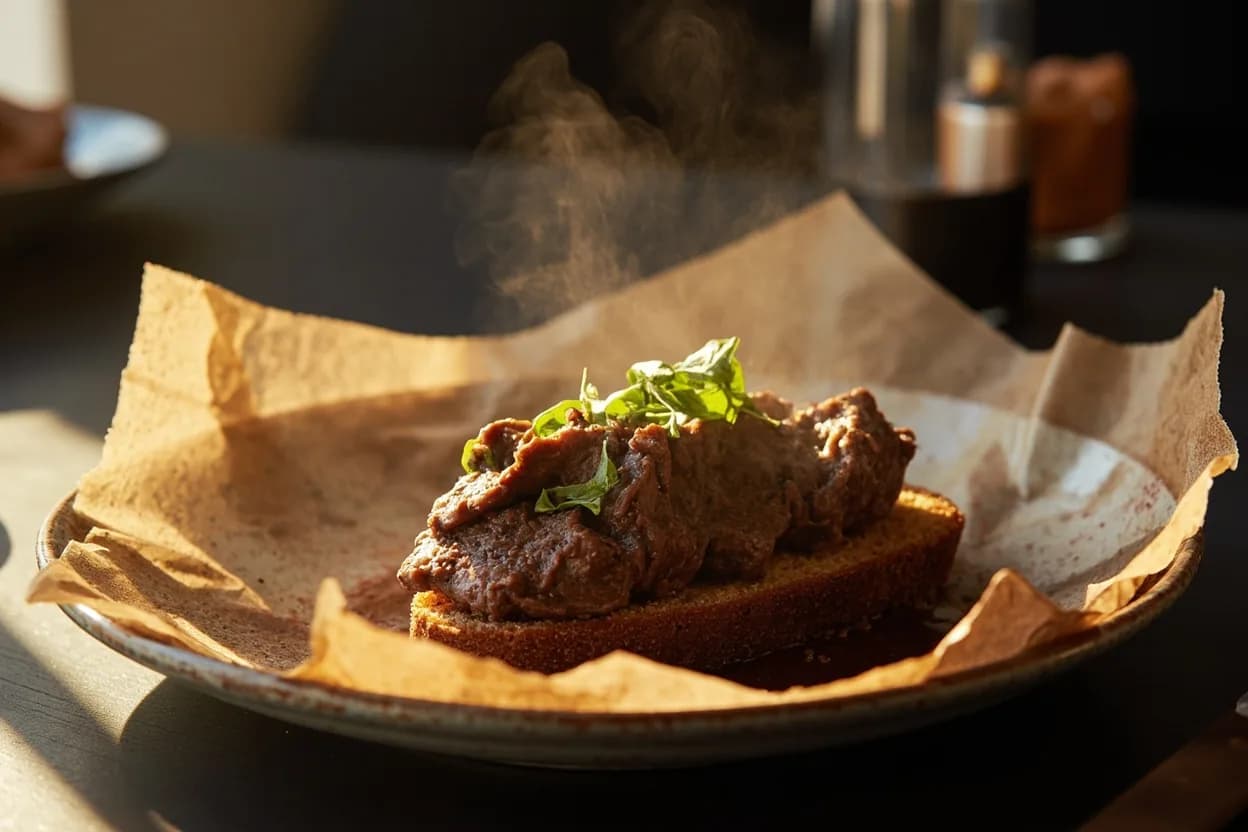
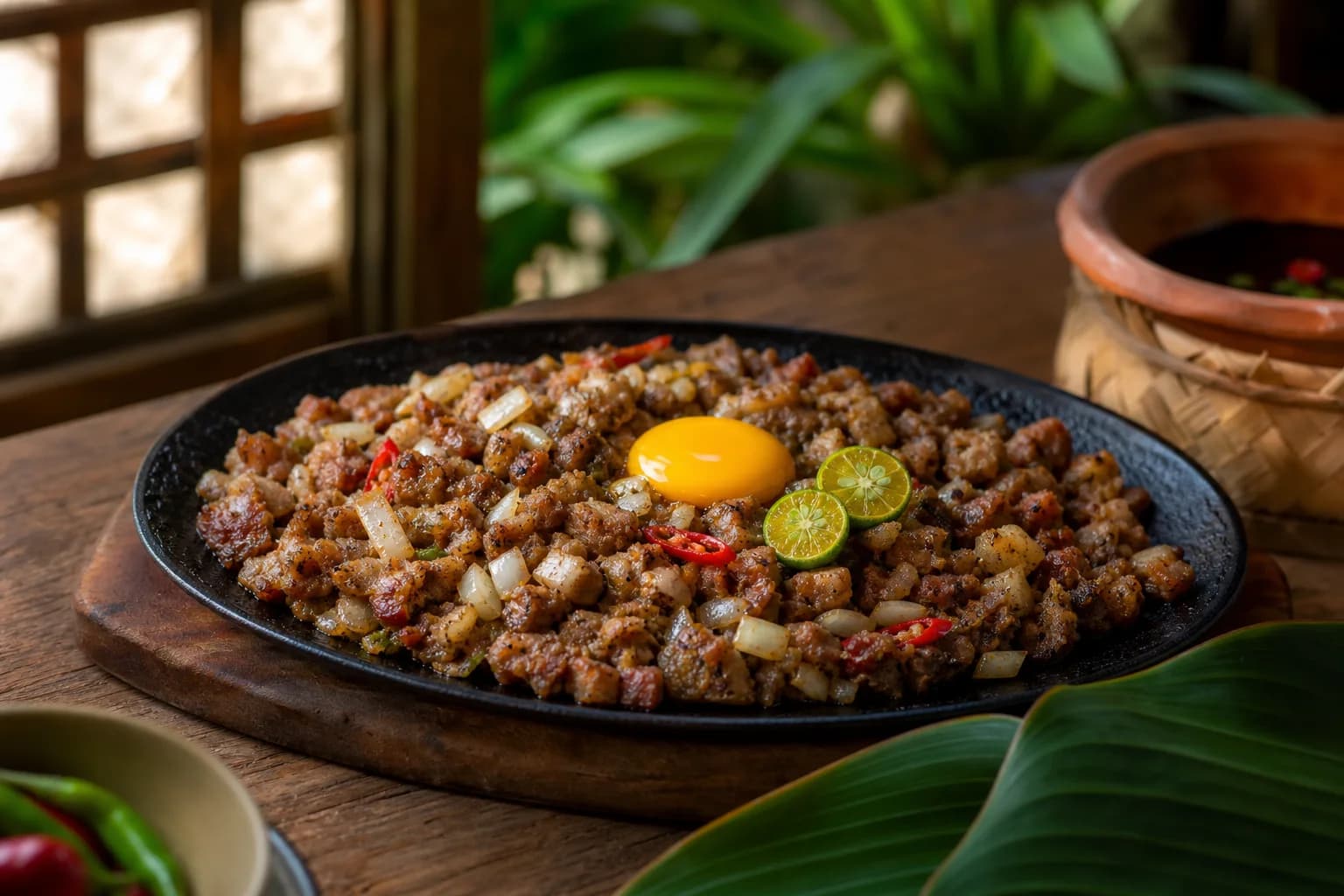
Related
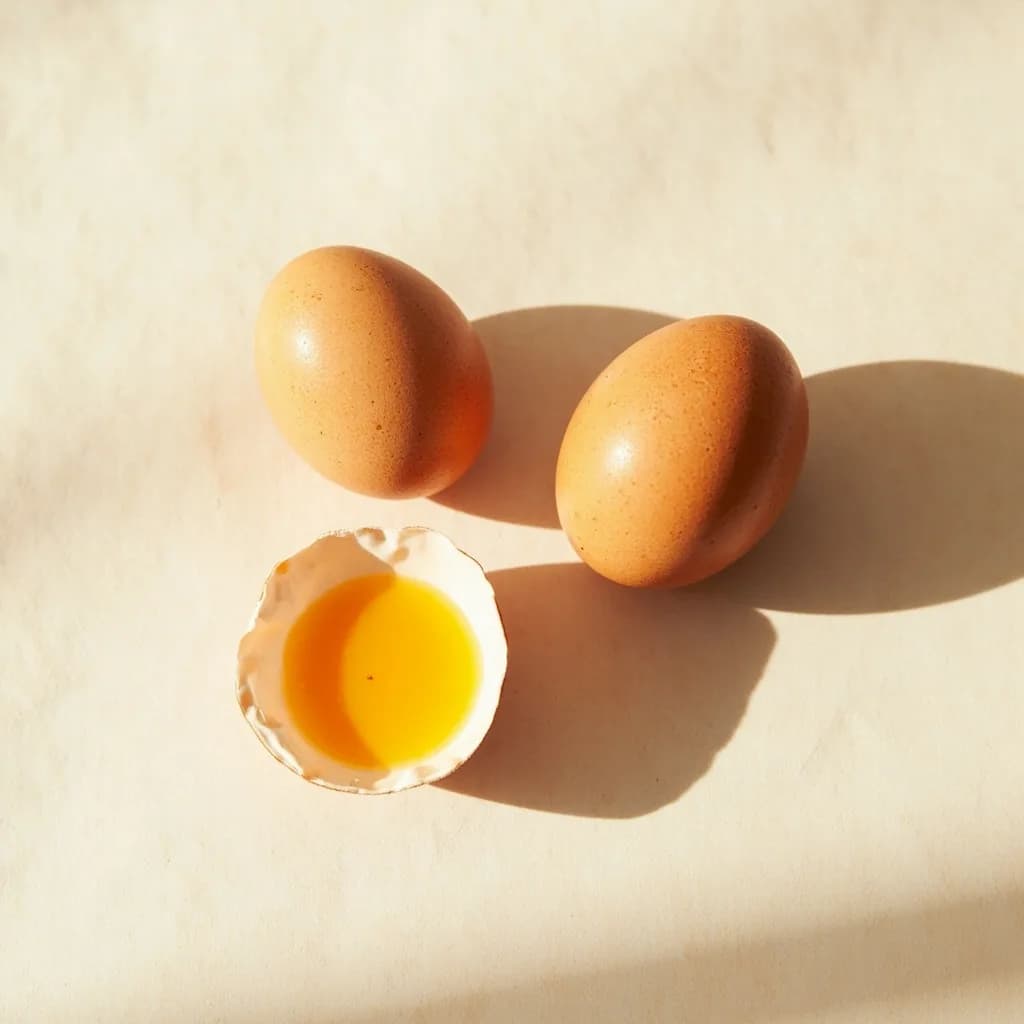
Egg
The kitchen's everything ingredient — bind, leaven, enrich, or fry
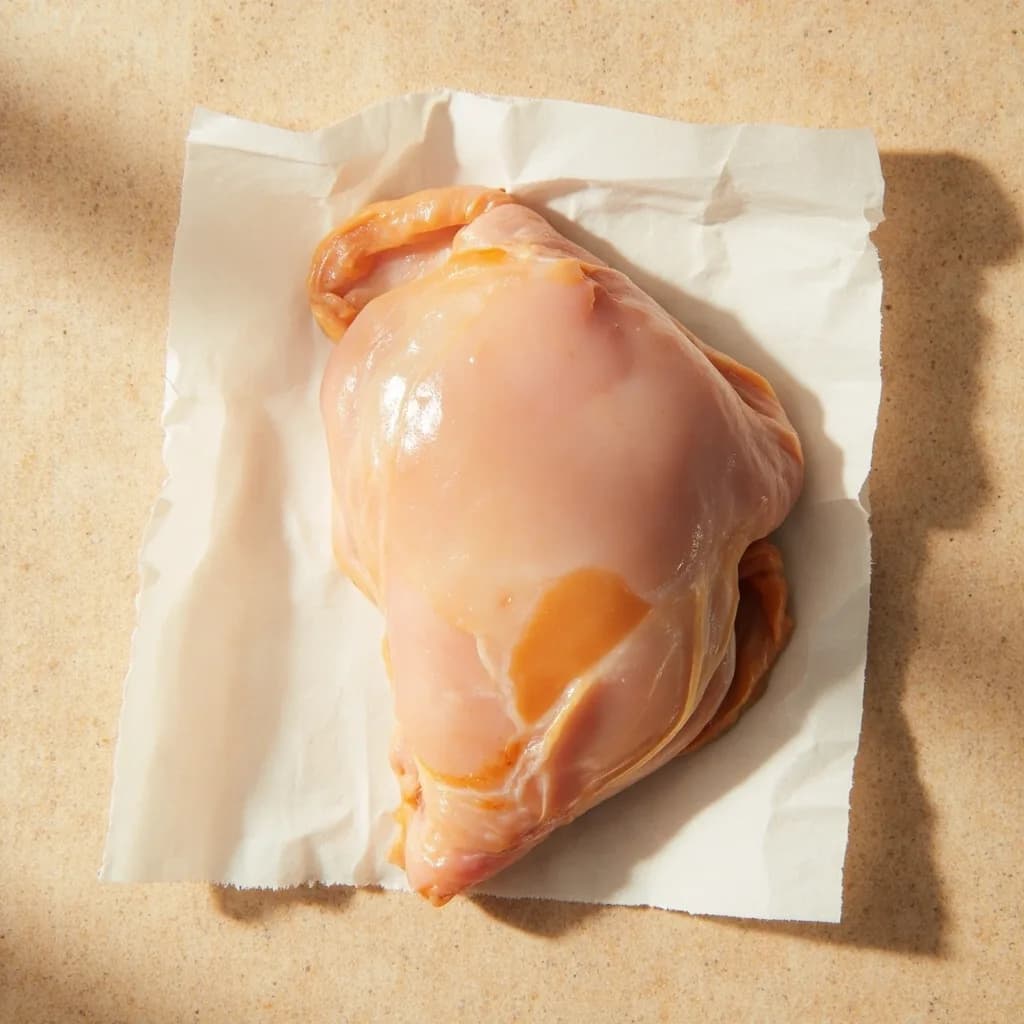
Chicken Breast
Lean, quick-cooking white meat for everyday dinners

Ground Beef
Versatile minced beef for burgers, ragù, tacos, and meatballs
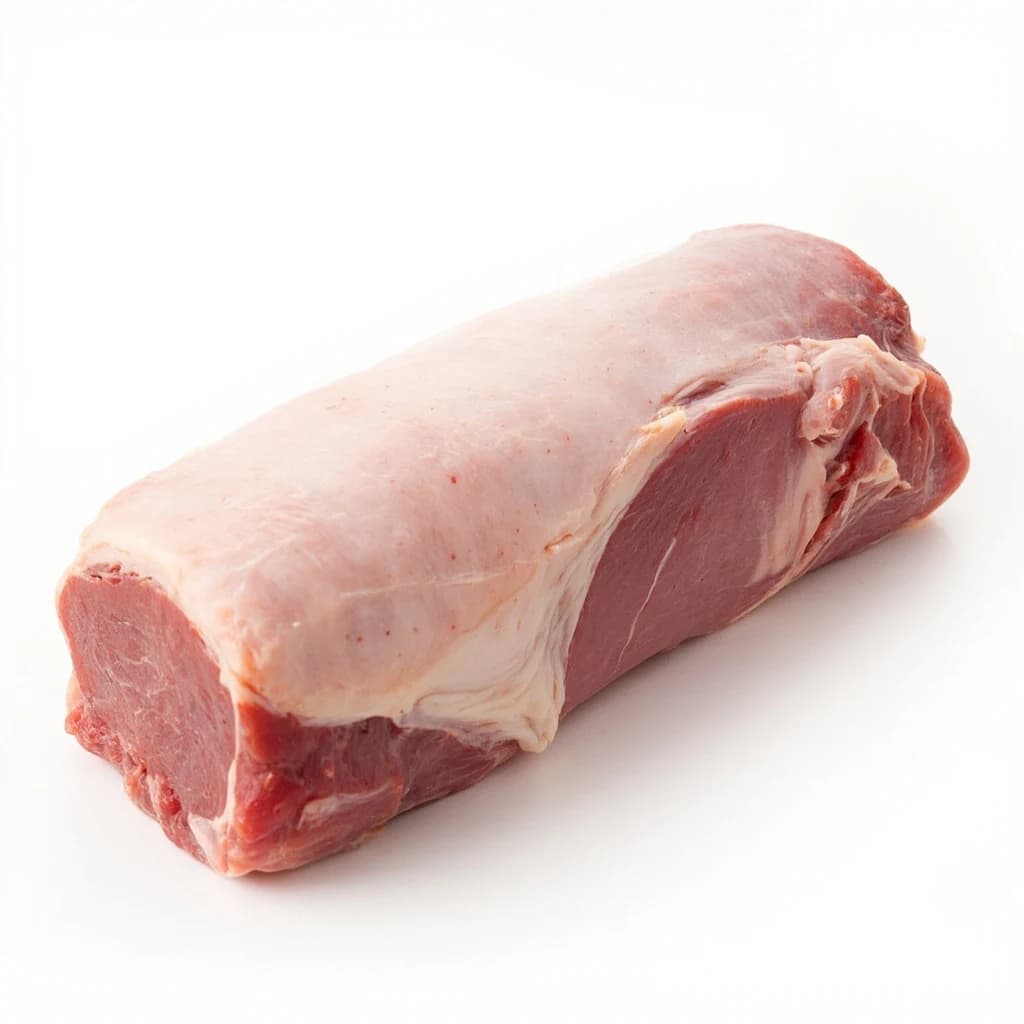
Pork Loin
Lean, tender roasting cut that stays juicy with care
Salmon
Rich, rosy fish that roasts, grills, or cures beautifully

Egg White
Pure protein that whips to airy peaks for meringue and more
Egg Yolk
Rich, golden yolk for custards, mayonnaise, and pasta

Quail Egg
Tiny, speckled eggs for garnishing and elegant bites