Proteins
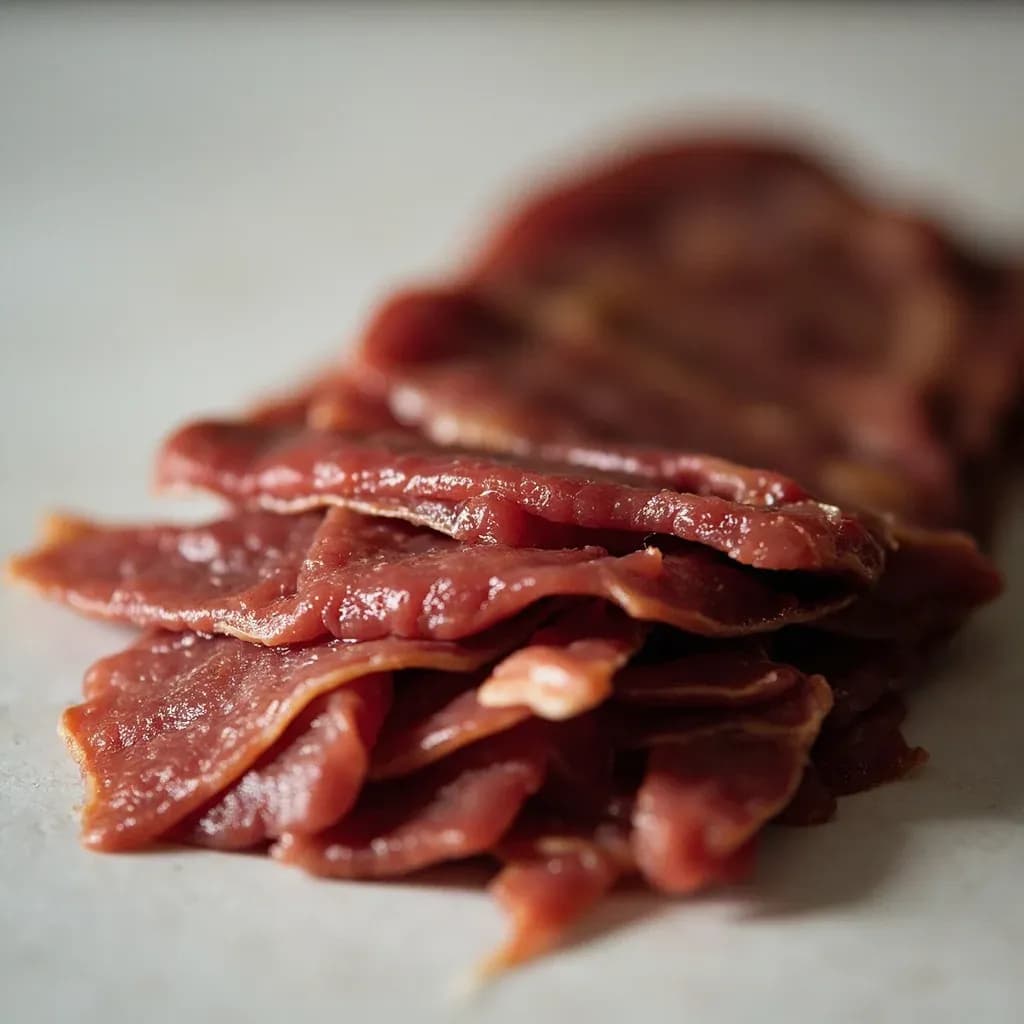
Beef Liver
Iron-rich offal with a deep, mineral flavor, classically pan-fried with onions or made into pâté.
Beef liver is a dense, dark organ meat exceptionally high in iron, vitamin A, and B vitamins. It is sliced thin and quickly pan-fried (famously liver and onions), ground into pâté and terrines, or stewed, and is best cooked briefly to stay tender. Its flavor is strong, mineral, and earthy.
Beef liver is the versatile, iron-dense organ from mature cattle that has sustained humans across cultures for millennia. Unlike the uniform texture of muscle meat, liver is a dense, complex organ with a distinct grain and a delicate structural integrity that demands respect in the kitchen. Its cells are packed with nutrients in their most bioavailable form—heme iron that the body absorbs at far higher rates than plant-based iron, along with retinol (true vitamin A), B12, folate, and copper. The flesh has a rich, almost metallic depth that intensifies as it cooks, but this is not a flavor to fight: it is the defining character of well-prepared liver. When properly handled—thoroughly soaked, carefully trimmed, and cooked briefly over high heat—beef liver becomes tender, savory, and assertive. When treated like a conventional steak, it becomes chalky, dry, and punishing. The difference lies entirely in understanding what it is: a delicate protein that responds to fast, hot cooking and generous fat, never to prolonged heat. The French call all liver foie; beef liver specifically is foie de boeuf, though calf's liver (foie de veau) commands the highest regard for its tenderness and mildness. Beef liver is among the most nutrient-dense foods available at its price point, and it rewards the cook who approaches it with proper technique.
- Measured in
- g
- Storage
- Fridge
Types & varieties
From young cattle (4–6 months); finer grain, milder flavor, more tender; pale pink color; considered superior for quick-cooking applications
From mature cattle (18+ months); deeper color, stronger mineral flavor, coarser grain; most commonly available at retail
From cattle raised on pasture; reported higher nutrient density and cleaner flavor; yellower fat color; harder to source
The Milk Soak: Why It Works
The milk soak is not optional for anyone new to liver. It genuinely works. Soaking in cold whole milk or lightly salted water for 1–2 hours draws out blood and soluble proteins that contribute to the strong, sulfurous flavor. The milk proteins mildly denature the liver's surface, creating a slightly more forgiving texture. After soaking, discard the liquid—do not use it for cooking. Pat the liver completely dry with paper towels before proceeding; any surface moisture prevents browning and steams the exterior instead of searing it.
- Use enough liquid to fully submerge the liver slices
- Change the soak liquid once if the liver will sit longer than 1 hour
- Pat dry thoroughly—moisture is the enemy of a good sear
Common uses
Tips & pitfalls
- Soak in cold whole milk or salted water for 1–2 hours before cooking to draw out blood and mellow the strong flavor; discard the soak liquid
- Always peel off the outer membrane and trim any large internal vessels or greenish bile ducts before cooking—these are bitter
- Pat the liver completely dry after soaking—surface moisture prevents proper browning and causes steaming instead
- Bring sliced liver to room temperature before cooking to ensure even doneness throughout the slice
- Cook in a very hot, well-oiled pan (cast iron is ideal) for 1–2 minutes per side maximum; do not crowd the pan
- Do not move the liver while it sears—a good crust indicates the Maillard reaction is developing complex flavors that complement the mineral notes
- Add butter and lemon juice or capers to the pan after removing the liver for a classic French-style pan sauce
- Buy from a high-volume source to ensure freshness—old liver develops an unpleasant sulfurous odor that no amount of soaking will fix
- Freeze raw liver if not cooking within 24 hours; frozen liver slices more cleanly and keeps 2–3 months
- Season with salt only at the end of cooking to prevent the exterior from toughening before the interior cooks through
Nutrition
Energy
565 kJ · per 100 g
Where the calories come from
Protein
20.4g
41% DV
Carbs
3.9g
1% DV
Fat
3.6g
5% DV
Fiber
0g
0% DV
Sugars
0g
of which
Sodium
69mg
3% DV
Source · USDA FoodData Central · Beef, variety meats and by-products, liver, raw
View on FDC →In the shops
Matched grocery products
No matched grocery products for Beef Liver yet.
Good to know
- Source
- Liver from mature cattle (Bos taurus), typically 18+ months old
- Primary Nutrients
- Heme iron (highest of any food), vitamin A (retinol), vitamin B12, folate, copper, chromium
- Flavor
- Deep, mineral, earthy with a mild metallic note; beefy umami intensity
- Texture (cooked)
- Tender and yielding when properly prepared; chalky and tough when overcooked
- Yield
- Approximately 55–60% edible after trimming membrane and vessels
- Color (fresh)
- Uniform deep reddish-brown; avoid liver with greenish discoloration or dark spots
- Shelf Life
- 1–2 days refrigerated; freeze for up to 3 months
- Typical Weight
- Whole beef liver 5–15 lbs; retail cuts sold by the piece or sliced
Substitutes
- Chicken Liver — Milder, smaller, more delicate; ideal for quick pâté or sauté; use 1:1 by weight; cooking time is shorter
- Pork Liver — Rich, slightly sweeter; acceptable substitute in most applications; cook with care as it can be grittier
- Lamb Liver — More intense, gamey flavor; works in liver and onions but requires the same respect for overcooking
- Veal Liver — Essentially the same as calf's liver; excellent substitute if available; very tender and mild
- Duck Liver — Rich, fatty, luxurious; used for upscale pâté (foie gras du canard); expensive and overpowers simple preparations
Pairs with
Also called
Ox Liver
Appears in these dishes
Related
Egg
The kitchen's everything ingredient — bind, leaven, enrich, or fry
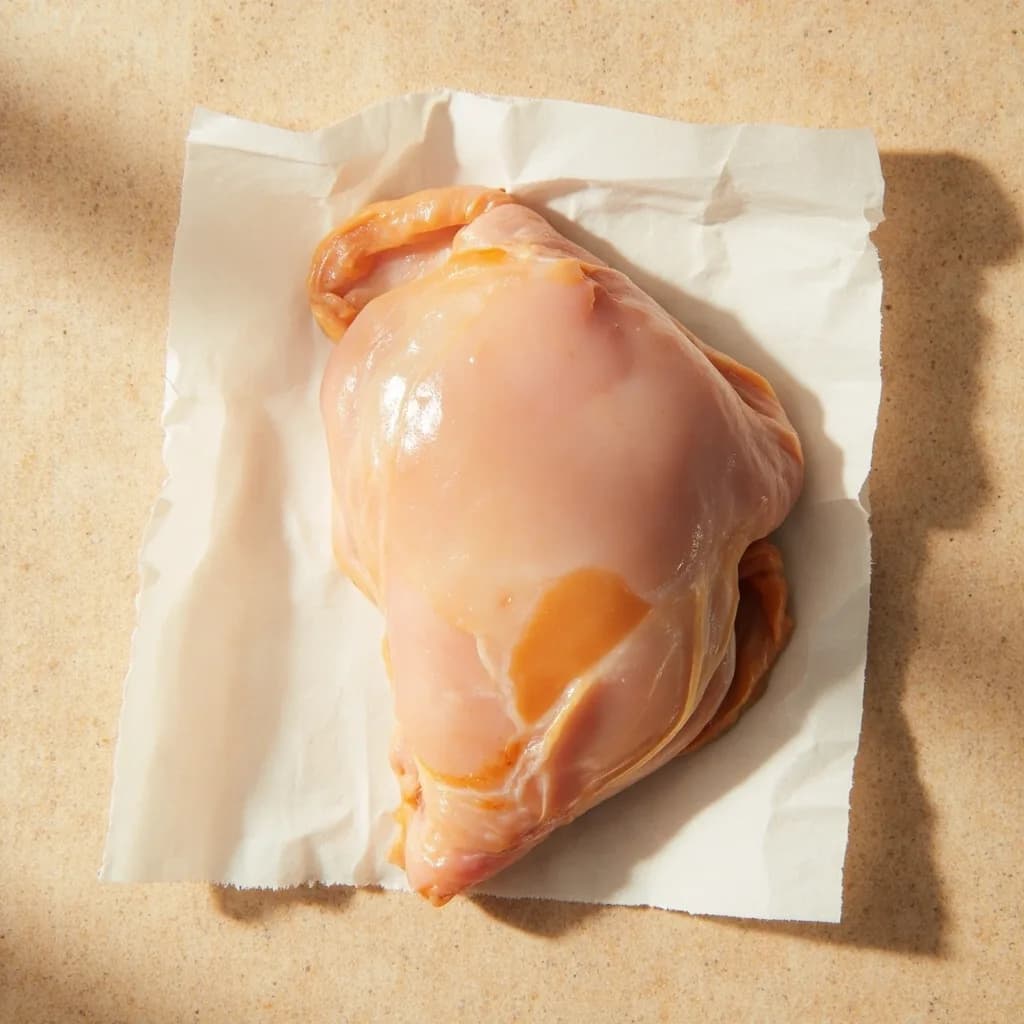
Chicken Breast
Lean, quick-cooking white meat for everyday dinners

Ground Beef
Versatile minced beef for burgers, ragù, tacos, and meatballs
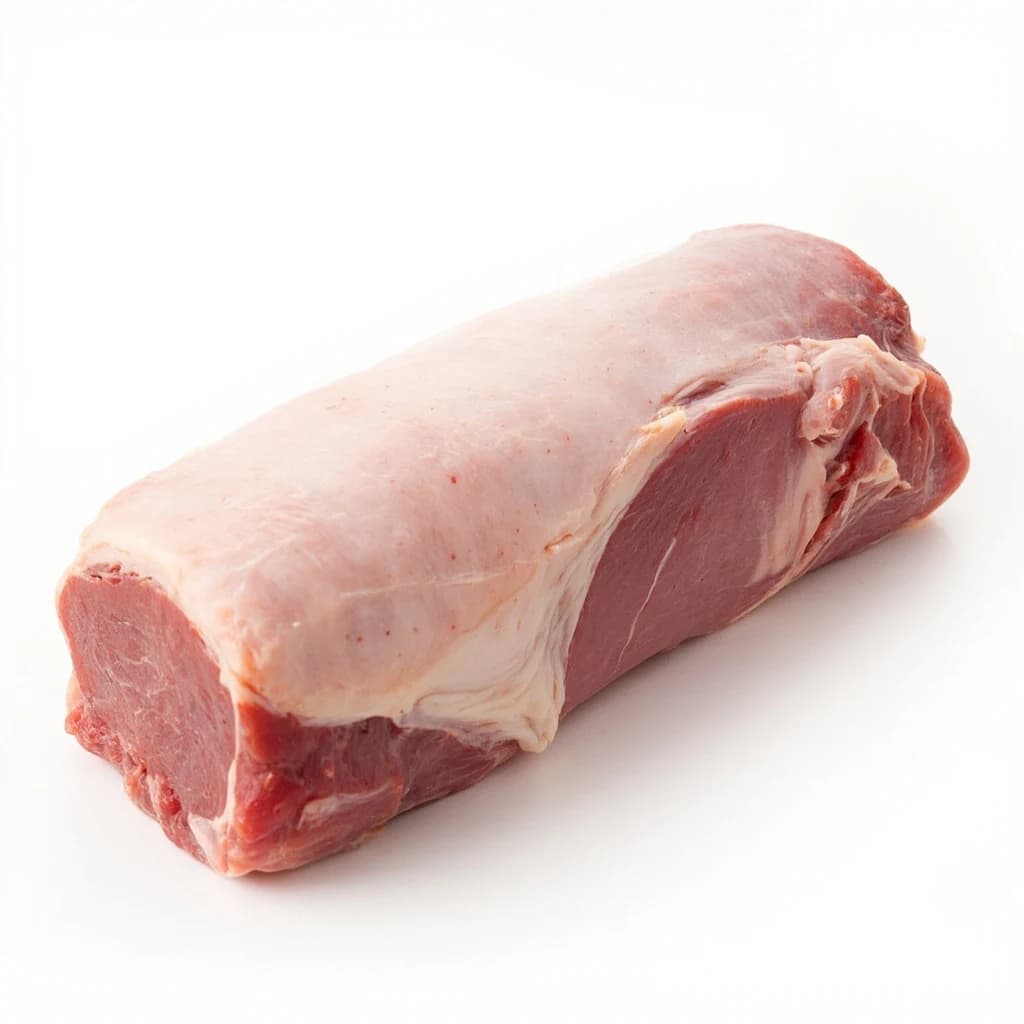
Pork Loin
Lean, tender roasting cut that stays juicy with care
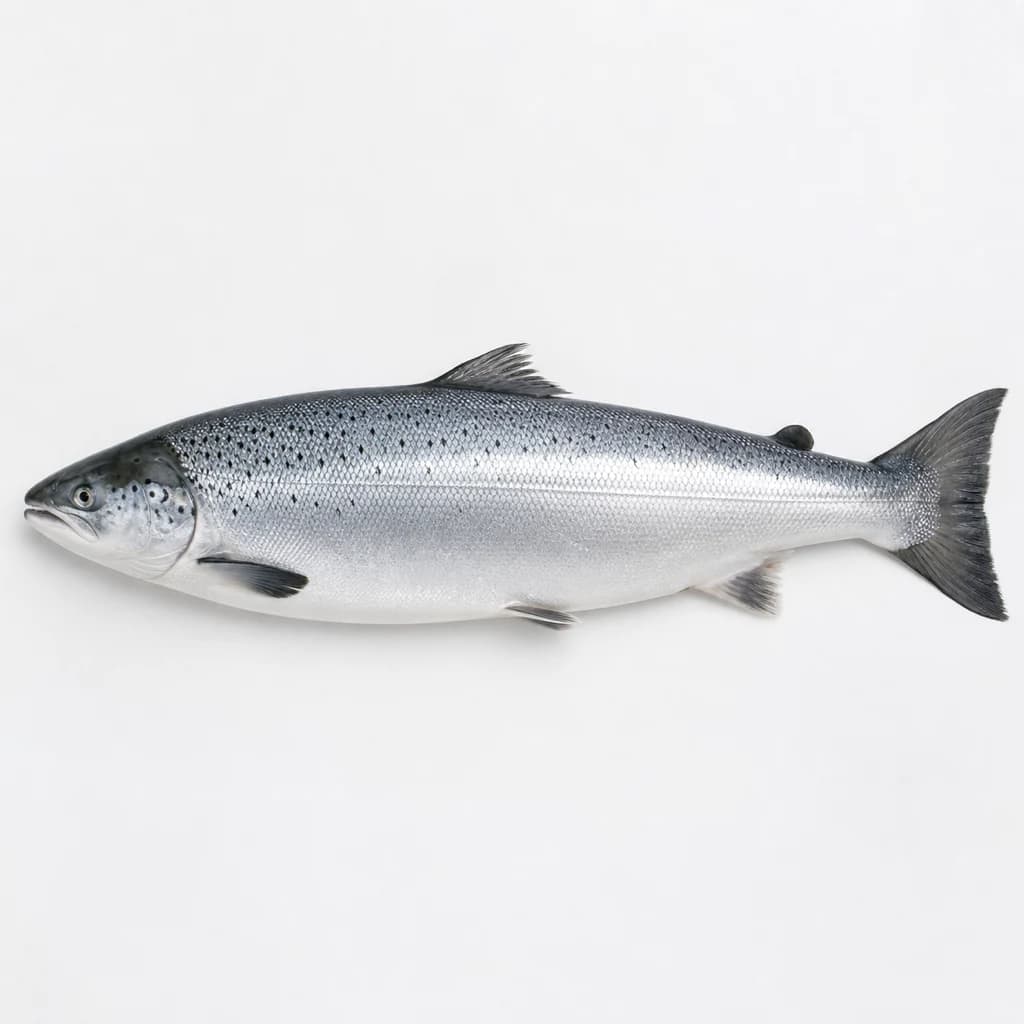
Salmon
Rich, rosy fish that roasts, grills, or cures beautifully

Egg White
Pure protein that whips to airy peaks for meringue and more
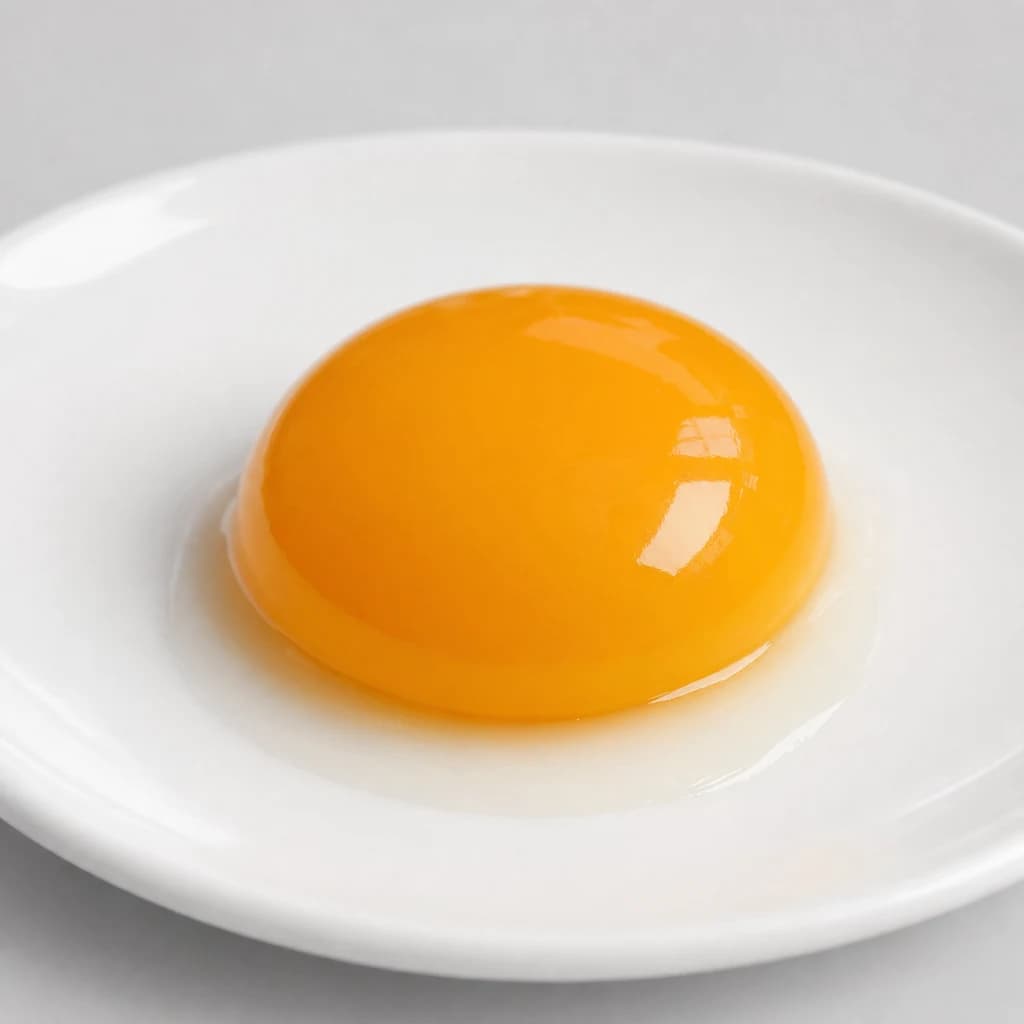
Egg Yolk
Rich, golden yolk for custards, mayonnaise, and pasta

Quail Egg
Tiny, speckled eggs for garnishing and elegant bites