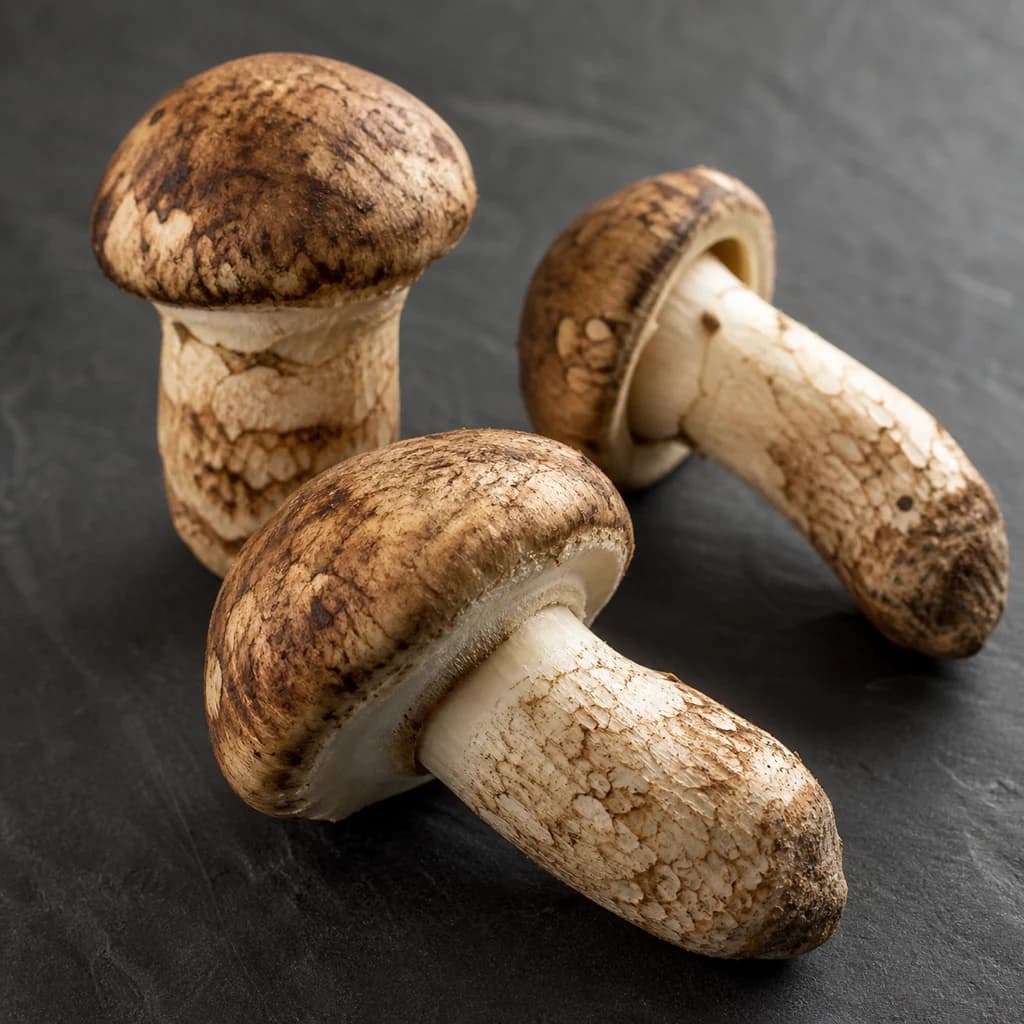
Natural form
Whole fresh matsutake mushrooms showing the firm cap, pale veil, and sturdy stem.
Shows the reader the exact physical form and coloring of matsutake so it can be identified in the wild or at market.
Produce
Matsutake Mushroom
Prized, intensely aromatic pine mushroom used in Japanese rice and clear soups.
Matsutake is a highly prized wild mushroom with a firm texture and a distinctive spicy-pine, fragrant aroma. In Japanese cuisine it stars in matsutake gohan (rice) and dobin mushi (clear broth steamed in a teapot), where its scent is the point. Wild-foraged and seasonal, it commands very high prices in autumn.
Matsutake is a wild mycorrhizal mushroom that grows in symbiotic relationship with specific pine species, producing a fragrance unlike any other ingredient in the kitchen. The scent is complex—spicy, fruity, with distinct notes of pine, cinnamon, and ginger that seem to fill the air the moment you unwrap them. This is not an ingredient that whispers; it announces itself. Its flavor mirrors the aroma: deep umami backbone with a rich, earthy character that carries through to the finish, leaving a lingering forest quality on the palate.
What makes matsutake singular is that it cannot be cultivated. Every specimen is hand-foraged from the wild, and the mushroom is notoriously finicky about its habitat—declining sharply in Japan since the 1980s due to pine wilt disease and environmental stressors. The mushroom's seasonality is tight: late summer through autumn, with the window in Japan peaking September through November. This scarcity, combined with the perishability (aroma diminishes within 24–48 hours of harvest), is why top-grade matsutake commands extraordinary prices. Yet the flavor is worth every yen when properly handled.
In the kitchen, matsutake behaves differently than cultivated mushrooms. The cap is firm with a slight sponginess when fresh; the stem becomes rubbery as the mushroom ages. The volatile aromatic compounds—especially matsutake alcohol (1-octen-3-ol) and related molecules—are highly temperature-sensitive, which means the difference between a dish that sings and one that merely tastes earthy often comes down to timing and heat management. Cooked gently and added at the end, matsutake retains its character. Subjected to prolonged heat, it loses the very qualities that justify its price.
- Measured in
- g
- Storage
- Fridge
Types & varieties
Considered the finest; from Japanese red pine forests. Declining sharply due to pine wilt disease (Bursaphelenchus xylophilus).
Tricholoma magnivelare; found in northeastern US and southeastern Canada under eastern white pine. More pungent and less delicate than Japanese variety.
From Korean pine forests; quality comparable to Japanese but more consistently available.
Primarily from Yunnan and Sichuan provinces; broader species fall under the matsutake name; generally less aromatic than Japanese specimens.
From Nepal, Bhutan, and northern Indian states; similar species growing with Himalayan pine.
Why the Price?
Matsutake's extraordinary cost stems from three converging factors: zero commercial cultivation, extremely limited seasonality, and rapid post-harvest deterioration. In 2021, top-grade Japanese matsutake wholesale for ¥15,000–50,000 per kilogram. The decline of Japanese production—linked to acid rain and the spread of pine wilt disease—is well documented; the Japanese government classifies harvest data as a national agricultural statistic. Foragers traditionally mark productive territory with stones or stakes, passing locations across generations. North American harvest (Maine, Michigan, Ontario) is managed through permits, with legal commercial picking permitted in some states. Chinese and Korean varieties sell at substantially lower prices while offering acceptable quality for everyday cooking.
- Japanese matsutake commands the highest price; Chinese and Korean varieties are more accessible
- American matsutake is legally harvestable with permits in several states
- Frozen whole matsutake from specialty grocers is preferable to reconstituted dried for most preparations
The Aroma Chemistry
Matsutake's signature spicy-pine aroma comes from volatile aromatic compounds, notably matsutake alcohol (1-octen-3-ol) and related molecules. These compounds are not stable under prolonged heat, which explains why the mushroom must be added to cooked dishes at the last moment. The aroma is detectable airborne when fresh—a useful test at the market. When you lift a paper-wrapped bundle and catch that distinctive scent immediately, you have fresh matsutake. When you have to press your nose to the mushroom to smell it, quality has already declined.
- Smell the stem end before purchasing; strong airborne scent indicates freshness
- The ginger-like and cinnamon-like notes are real volatile compounds, not poetic description
- Aroma loss is irreversible; no cooking technique can restore what freshness takes away
Common uses
Tips & pitfalls
- Select firm, unblemished caps with the strongest scent; smell the stem end—it should fragrance the air immediately
- Clean with a soft brush only; never soak matsutake in water, which dilutes the aroma and turns the flesh to mush
- Slice thickly to preserve structure—thin slicing causes them to disintegrate when cooked
- Add to cooked dishes at the very end; prolonged heat destroys the volatile aromatic compounds that define the mushroom
- Store stems for stock or soup; they hold flavor better than caps when simmered
- If fresh matsutake is unavailable, seek frozen whole specimens from specialty Japanese grocers rather than reconstituted dried versions
- When pan-searing, use high heat and minimal oil to caramelize surfaces without steaming
- For rice, soak mushroom slices briefly in cooled dashi before adding to rice water for better flavor infusion
- Common mistake: overcooking. Matsutake should retain some resistance when properly done—a texture between firm and yielding, not soft throughout
Nutrition
Energy
134 kJ · per 100 g
Where the calories come from
Protein
1.5g
3% DV
Carbs
6.9g
2% DV
Fat
0.5g
1% DV
Fiber
3.8g
14% DV
Sugars
1.2g
of which
Sodium
9mg
0% DV
Source · USDA FoodData Central · approx. Mushrooms, Chanterelle, raw
View on FDC →In the shops
Matched grocery products
No matched grocery products for Matsutake Mushroom yet.
Good to know
- Scientific name
- Tricholoma matsutake (Japan/Eastern Asia); Tricholoma magnivelare (North America)
- Season
- Late summer to autumn; peak September–November in Japan
- Cultivation status
- Wild-harvested only; cannot be commercially cultivated
- Shelf life
- Highly perishable; aroma diminishes within 24–48 hours of harvest
- Habitat
- Mycorrhizal with red pine, Korean pine, and related species
- Japanese grades
- Tokujo (special selection), Jo-to (upper grade), and standard; classified by size, shape, and aroma intensity
- 2022 Japanese production
- Approximately 23 tons—sharply reduced from historical yields
Substitutes
- Dried porcini mushrooms — Closest in umami depth, but lacks the piney, spicy top notes unique to matsutake.
- Dried shiitake (shiitakeoshi) — Commercially available; adds earthy umami but has a significantly different aroma profile.
- Matsutake paste (canned or bottled) — Japanese import product; retains some aromatic character suitable for soup and sauce use.
- Trumpet royale (Craterellus cornupopioides) — Similar meaty texture; can approximate the savory backbone in dishes, not the distinctive aroma.
- Fresh shiitake (young, firm specimens) — Reasonable textural substitute for stuffing or grilling; aroma difference is substantial.
Pairs with
Also called
Pine Mushroom · Songi
Related
Tomato
Juicy, sun-sweet fruit for sauces, salads, and slow-cooked depth
Yellow Onion
The aromatic backbone of soups, sofritos, and braises
Garlic
Pungent cloves that perfume nearly every savory dish
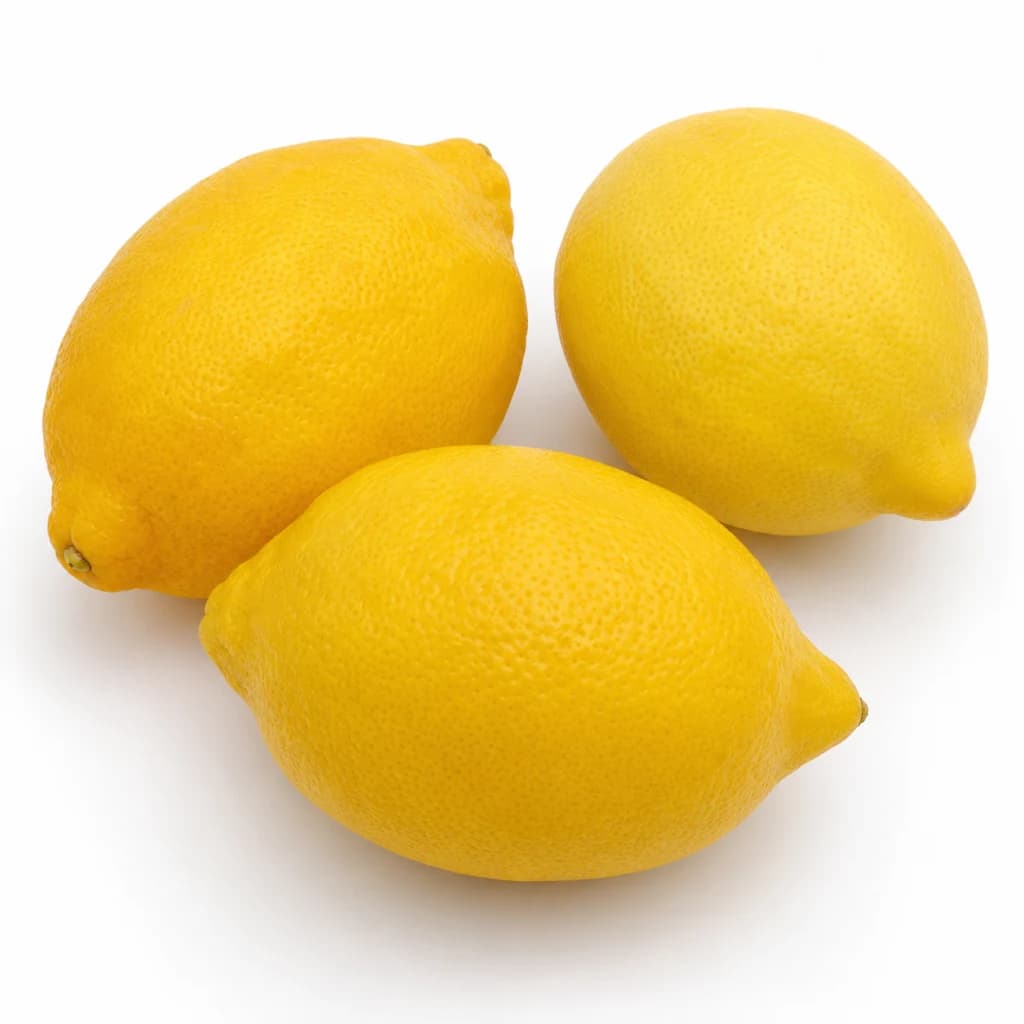
Lemon
Bright, acidic citrus that wakes up almost any dish
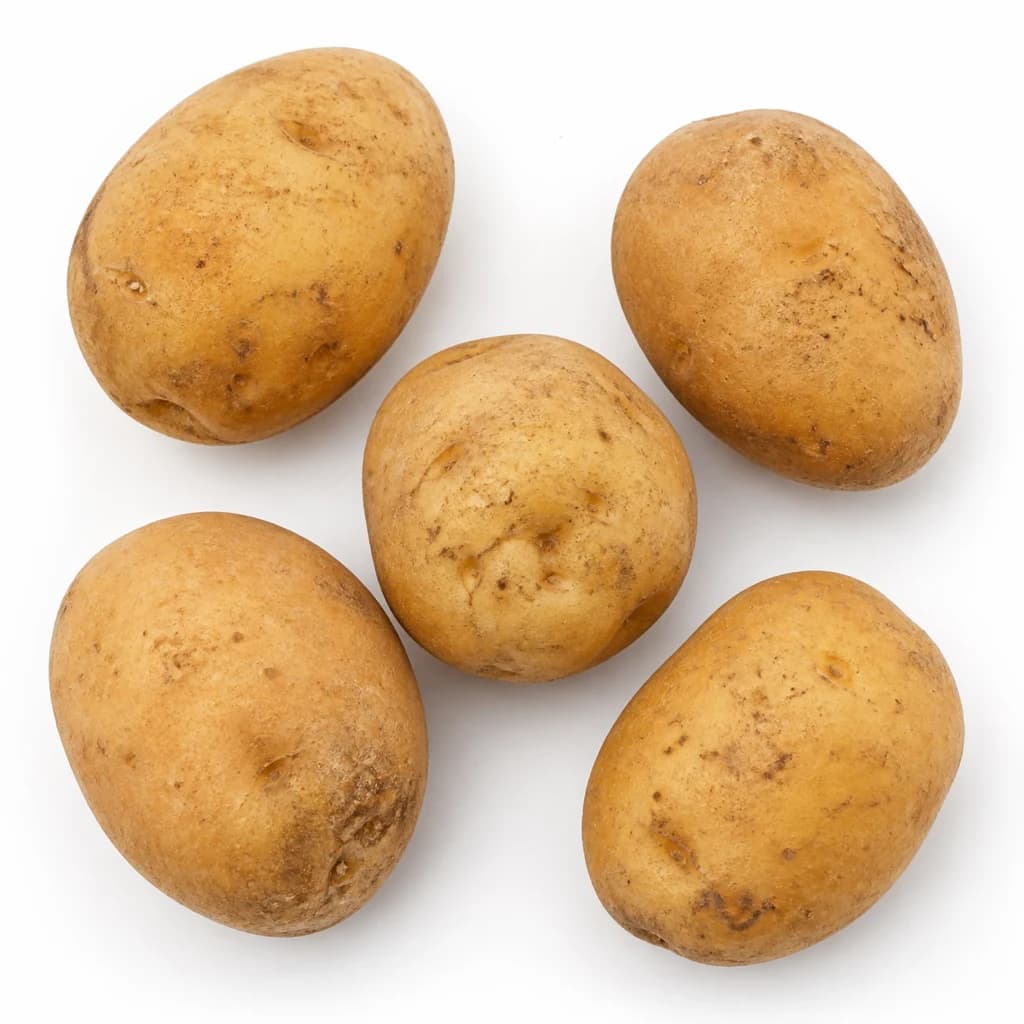
Potato
Humble, hearty staple — roast, mash, fry, or boil
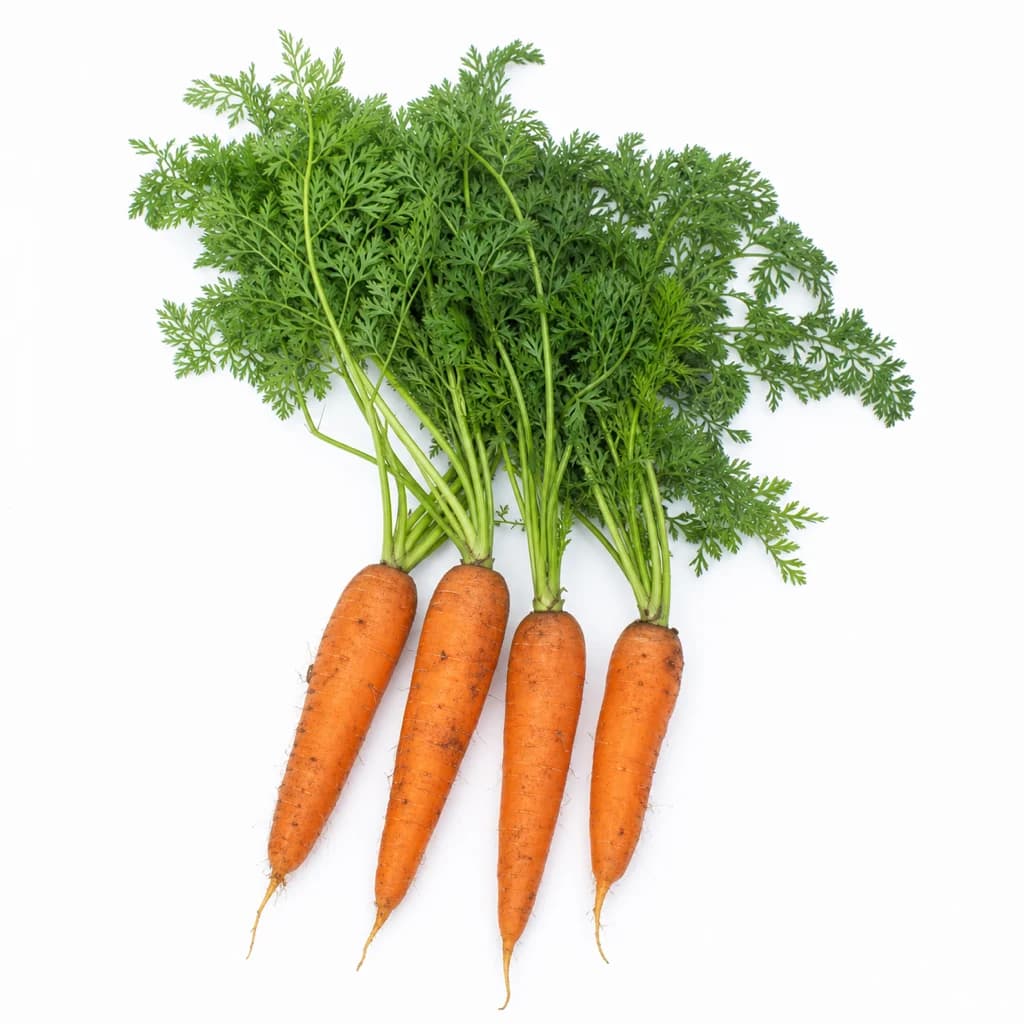
Carrot
Sweet, crunchy root — raw, roasted, or the base of a sofrito
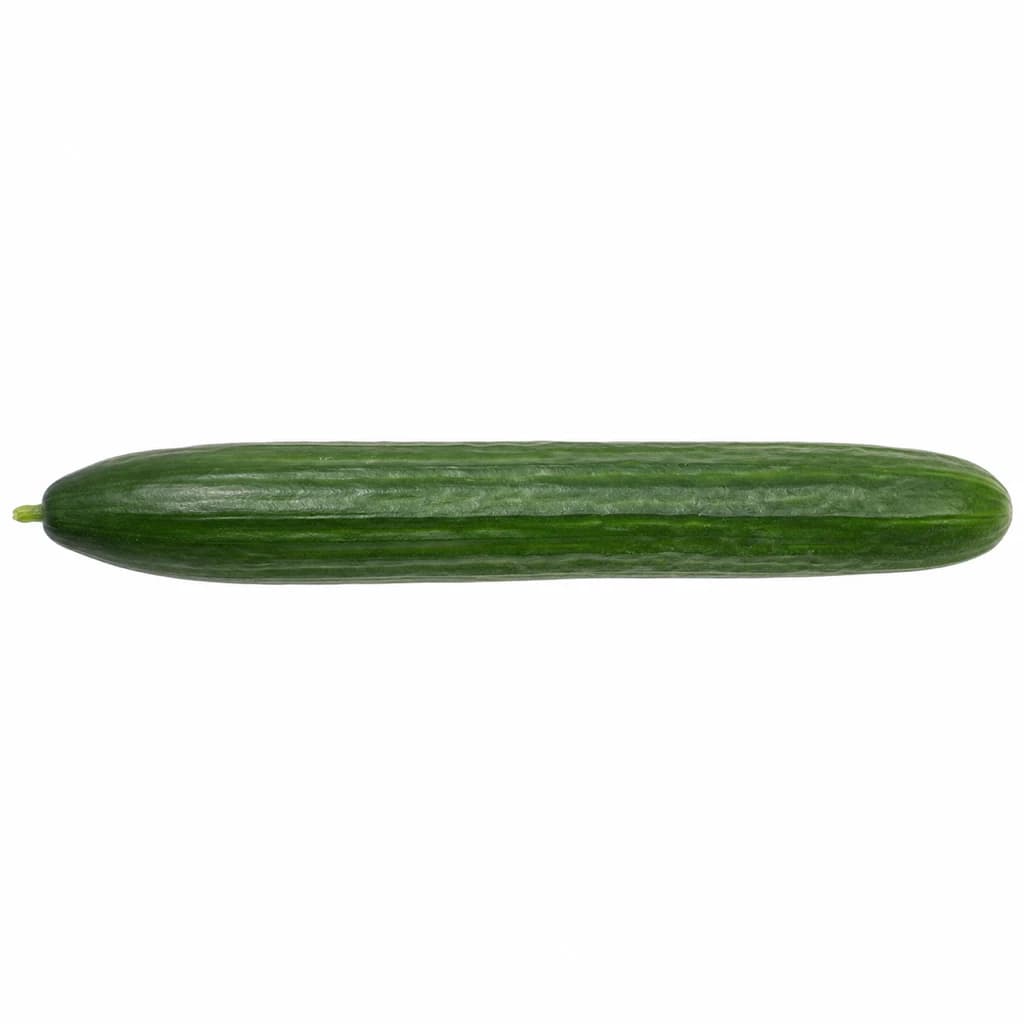
Cucumber
Cool, crisp, and watery — for salads, pickles, and tzatziki

Lettuce
Crisp leaves for salads, wraps, and a fresh crunch