Grains & Rice
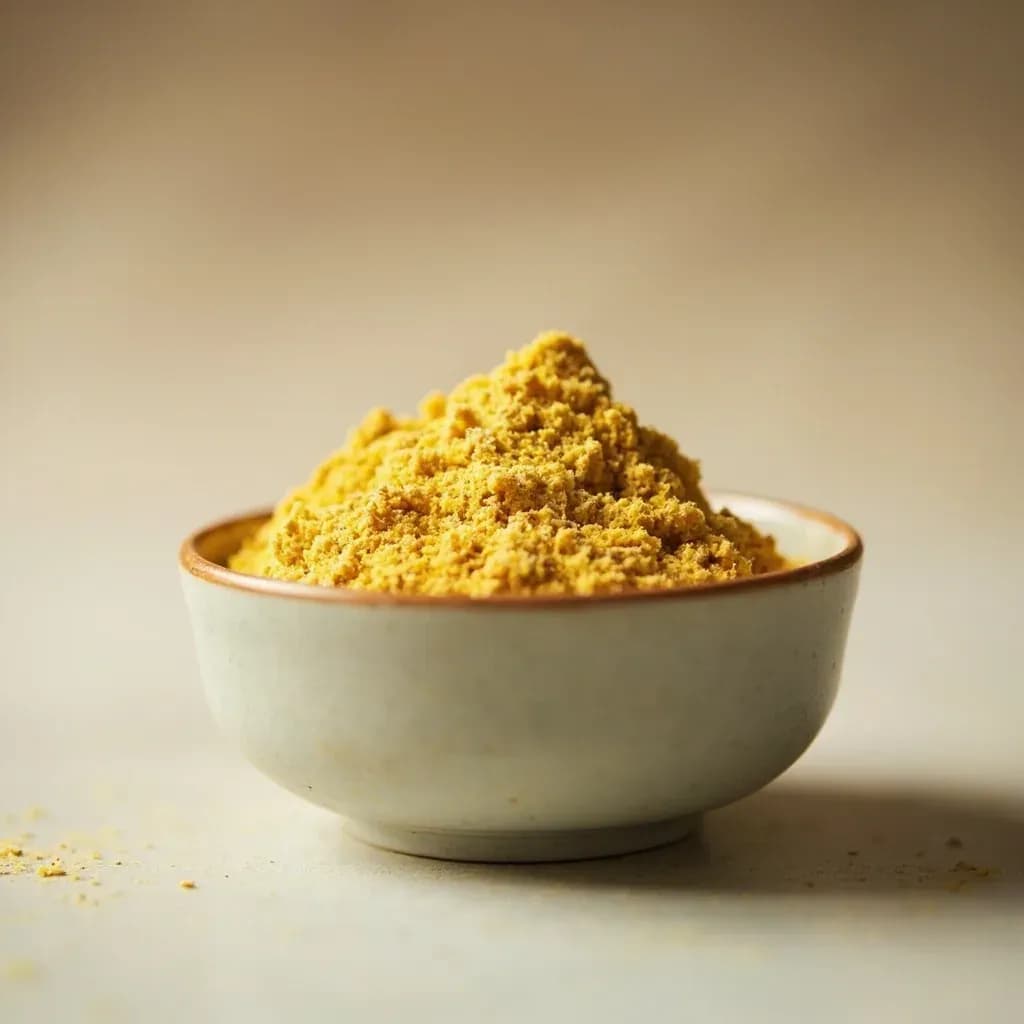
Toasted Corn Powder (Pinol)
Finely ground toasted corn used in Central American drinks like pinolillo and as a thickener.
Pinol is finely ground toasted corn, a staple in Nicaragua and across Central America. Mixed with water, cacao and spices it makes the national drink pinolillo, and it also flavors and thickens sweets and beverages. Toasting the corn before grinding gives the powder a deep, nutty, slightly smoky taste.
Pinol is a finely ground toasted corn powder that forms the backbone of Salvadoran and Honduran culinary tradition. The process begins with dried white or yellow corn kernels toasted on a comal over sustained heat until they achieve a deep golden color and fragrant, nutty aroma—the Maillard reaction transforms the starches into something far more complex than plain cornmeal. Once cooled slightly, the toasted kernels are ground into a fine, flowable powder with a distinctive roasted character that masa harina simply cannot replicate. Unlike fresh masa, pinol's low moisture content gives it a shelf life of six months to a year when stored properly, making it a practical pantry staple in households where atol and pinolillo are daily rituals. The powder behaves differently depending on context: whisked into liquid it suspends in a lightly thickened, creamy beverage; incorporated into dough it provides binding and subtle corn flavor without the tang of fermented masa.
- Measured in
- g
- Storage
- Pantry
Types & varieties
Made from white corn; more common in El Salvador; milder, sweeter taste
Made from yellow corn; slightly earthier, more pronounced corn flavor
The prepared beverage made with pinol powder, water or milk, cocoa, and cinnamon—not a separate variety of powder
Pinol vs. Pinole
The difference between pinol and pinole is largely regional terminology. Mexicans typically say pinole while Salvadorans say pinol; pinolillo refers specifically to the drink. Both are made identically from toasted ground corn and can be used interchangeably in recipes. Do not confuse culinary pinol with the cleaning powder of the same name sold in El Salvador—culinary pinol is strictly food-grade toasted corn.
- Pinole: Mexican regional term for the same ingredient
- Pinolillo: The drink, not the powder
- Verify packaging labels carefully when purchasing in El Salvador
Toasting: The Make-or-Break Step
The toasting process is what separates pinol from ordinary corn products. Under-toasted corn produces a flat, starchy, almost raw flavor and a powder that lacks the characteristic roasted aroma. Over-toasting can introduce bitter, scorched notes. The corn is ready when it is deep golden brown throughout, fragrant, and the kernels feel noticeably lighter in the pan as moisture evaporates.
- Constant stirring prevents uneven toasting and hot spots
- Test by biting a kernel—it should be crisp and intensely flavored
- Let toasted corn cool slightly before grinding to avoid clumping
Common uses
Tips & pitfalls
- Toast corn in a dry comal or heavy skillet over medium heat, stirring constantly, until deep golden brown and fragrant—this is the foundation of the flavor, so do not rush it
- Grind while still warm for a finer texture; cool corn grinds coarser and may need multiple passes through the grinder
- Store in sealed glass jars away from heat and light; unlike masa harina, pinol keeps well due to low fat content, but aromatic intensity fades over time
- For the best pinolillo: use a molinillo or vigorous whisking to fully hydrate the powder and create a stable foam
- The standard pinolillo ratio is 2–3 tablespoons pinol per 8 ounces of liquid; adjust sweetness and thickness to personal taste
- Add pinol to liquid gradually, whisking constantly to prevent clumping—unlike instant powders, it needs hydration time
- Do not substitute plain masa harina without toasting it first in a dry pan—the raw, starchy flavor will dominate
- If the powder loses its aroma, discard it; stale pinol will produce a flat-tasting drink no amount of sweetener can fix
Nutrition
Energy
1983 kJ · per 100 g
Where the calories come from
Protein
6.2g
12% DV
Carbs
64.4g
23% DV
Fat
23.4g
30% DV
Fiber
5.8g
21% DV
Sodium
657mg
29% DV
Source · USDA FoodData Central · approx. Tostada shells, corn
View on FDC →In the shops
Matched grocery products
No matched grocery products for Toasted Corn Powder (Pinol) yet.
Good to know
- Origin
- El Salvador and broader Central America; pre-Columbian Mesoamerican ingredient
- Primary use
- Beverage base for pinolillo; thickener for atol and light soups
- Flavor
- Nutty, toasted corn; slightly sweet from the Maillard reaction during toasting
- Made from
- Dried corn kernels (usually white or yellow) toasted on a comal, then finely ground
- Traditional equipment
- Comal (clay or cast-iron griddle) for toasting; stone or mechanical grinder for milling
- Shelf life
- 6–12 months in airtight container in cool, dry place
- Form
- Fine powder; texture similar to masa harina but with characteristic toasted flavor
- Cultural note
- Staple of indigenous Pipil and Lenca cuisine in El Salvador and Honduras
Substitutes
- Masa harina — Not toasted; lacks the nutty depth but works as a functional thickener. Toast lightly in a dry pan before using to approximate pinol flavor.
- Pinole — Mexican equivalent; prepared identically from toasted corn; substitute 1:1 in any application.
- Fine cornmeal — Use in equal proportion but expect a grittier texture and a milder, non-toasted flavor profile.
Pairs with
Also called
Pinol · Toasted Flour · Harina Tostada · Pinolillo
Appears in these dishes
Related

White Rice
Fluffy long-grain rice — the neutral base for almost any meal

White Bread
Soft sandwich loaf for toast, sandwiches, and crumbs
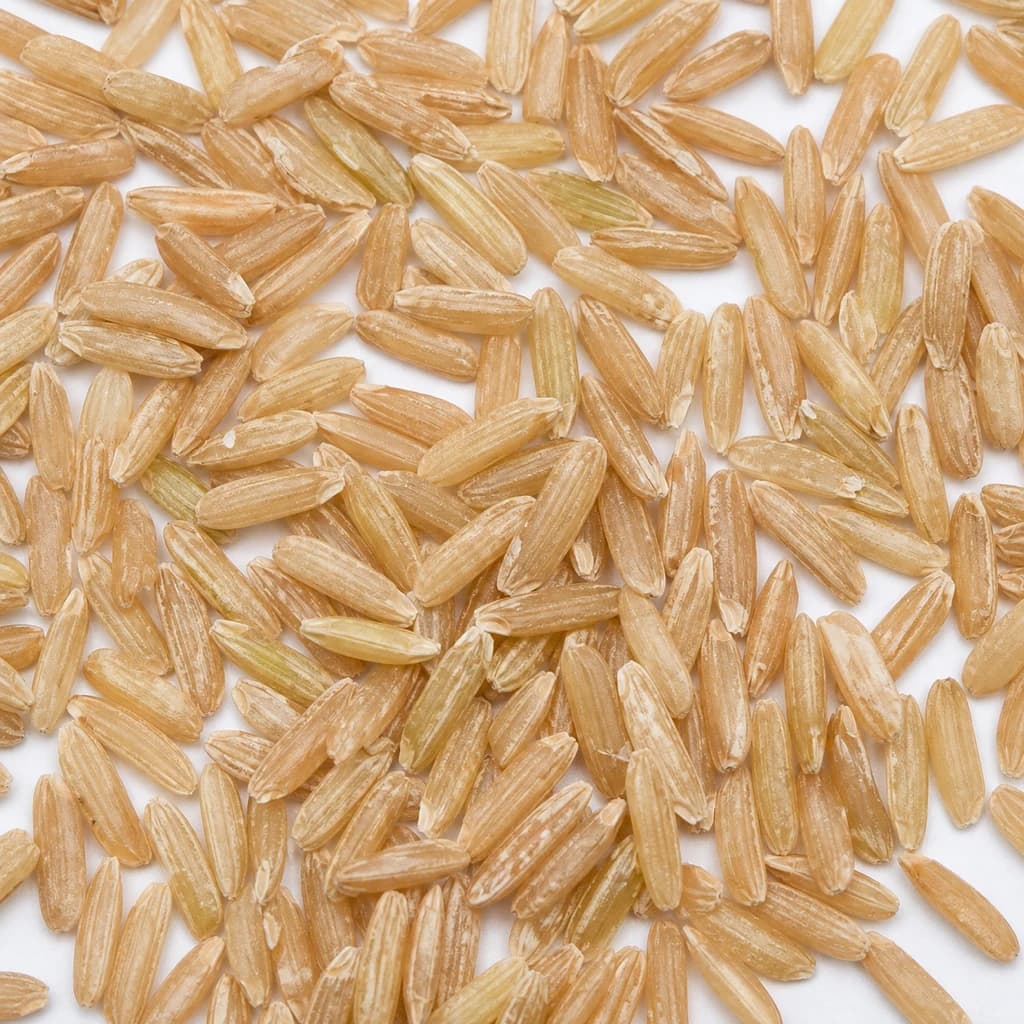
Brown Rice
Nutty, whole-grain rice with chew and extra fiber

Basmati Rice
Fragrant, long-grain rice that cooks up light and separate
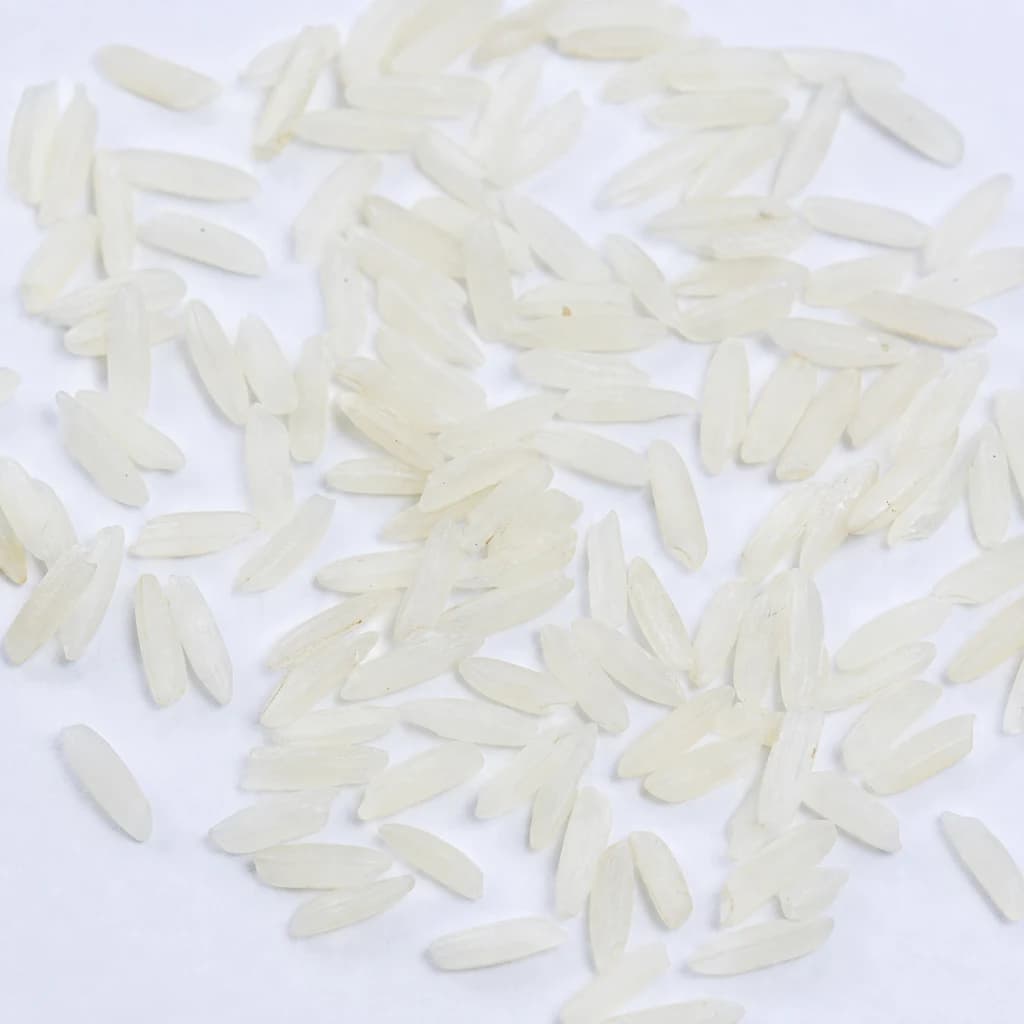
Jasmine Rice
Soft, floral-scented rice that's the pillar of Thai meals
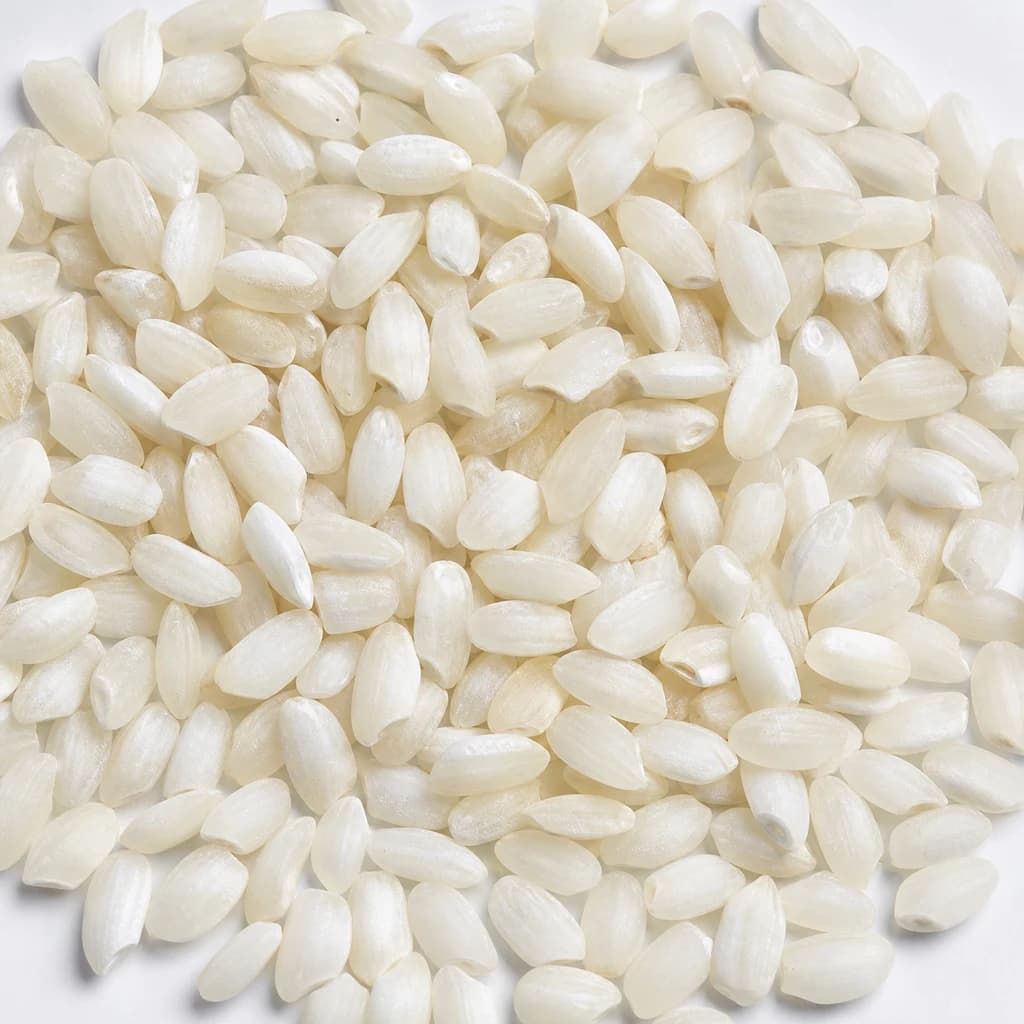
Arborio Rice
Plump, starchy rice that makes risotto creamy
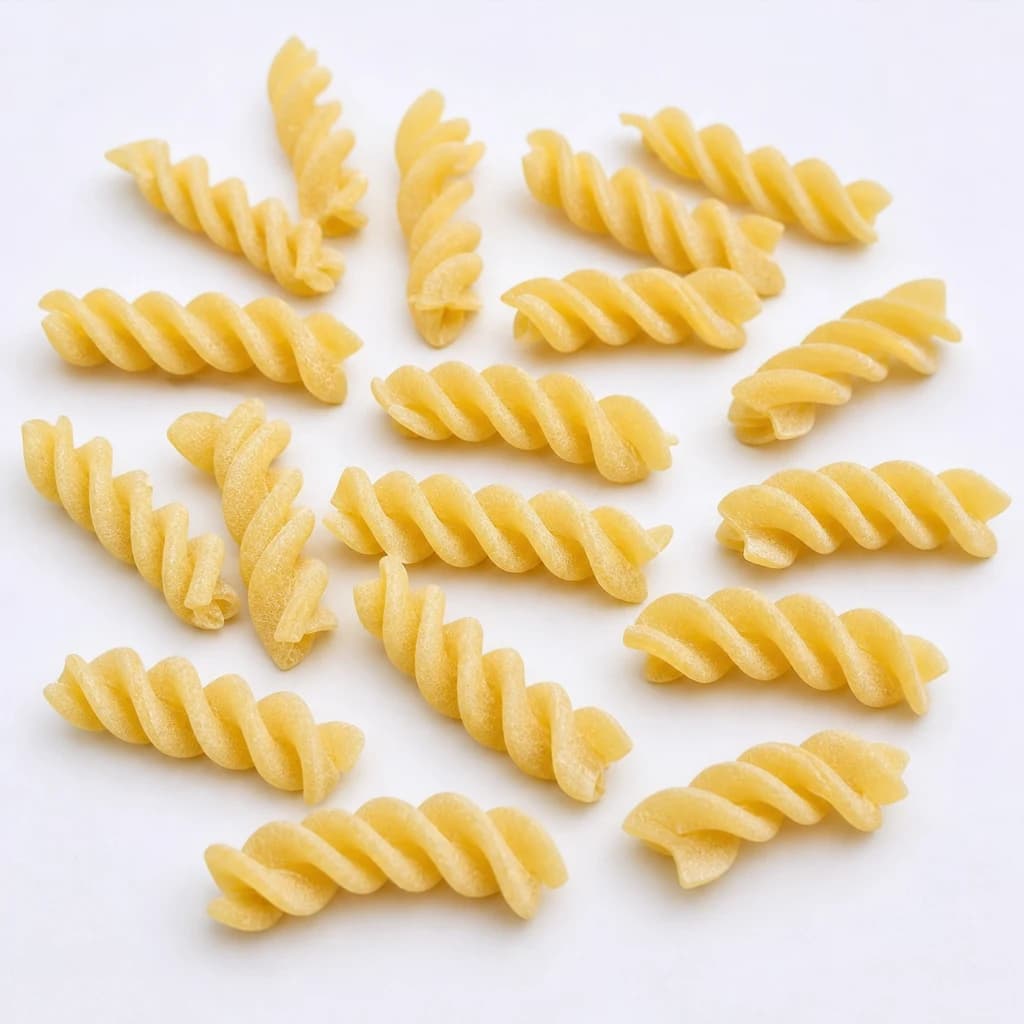
Fusilli
Spiraled pasta that twirls up sauce and dresses cold salads
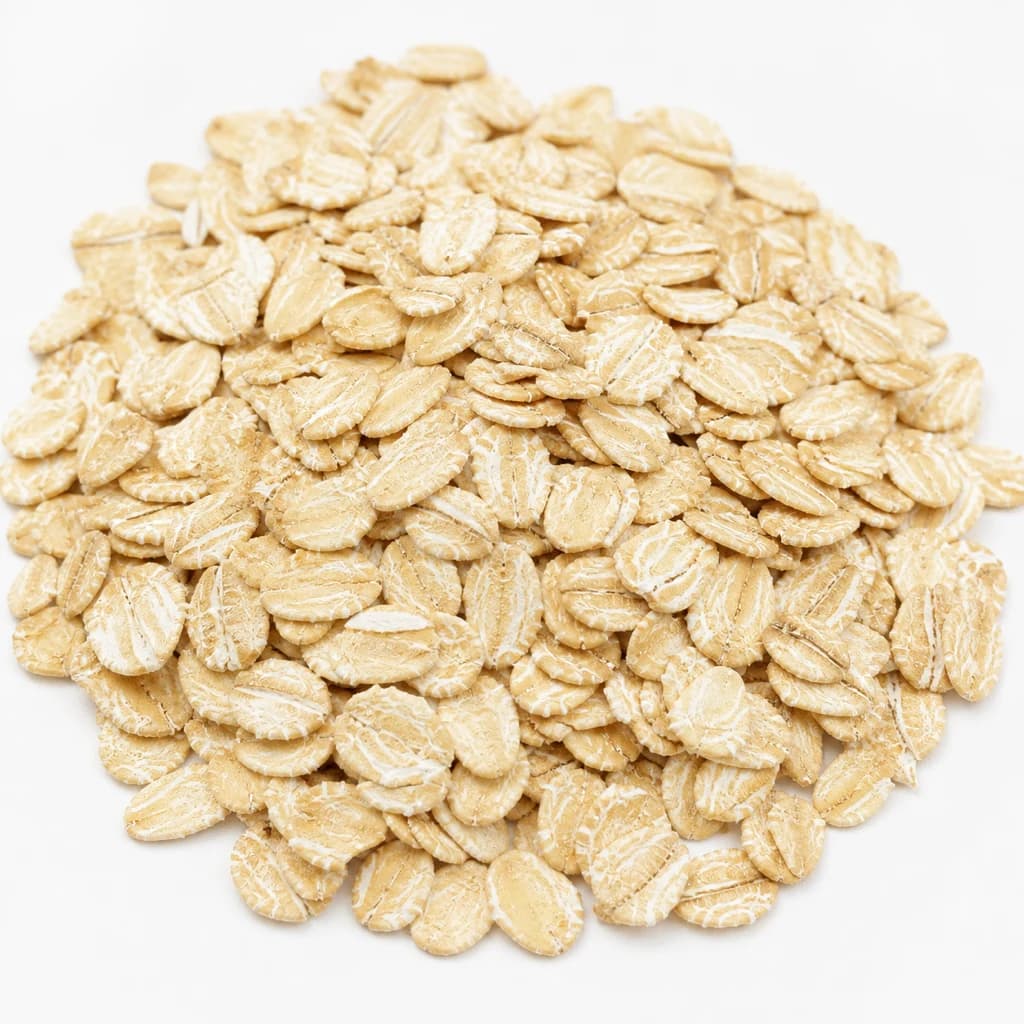
Rolled Oats
Hearty flakes for porridge, granola, and chewy cookies