Grains & Rice
Raw Rice (Pacharisi)
Unparboiled milled rice used in South Indian batters, sweets, and everyday cooking.
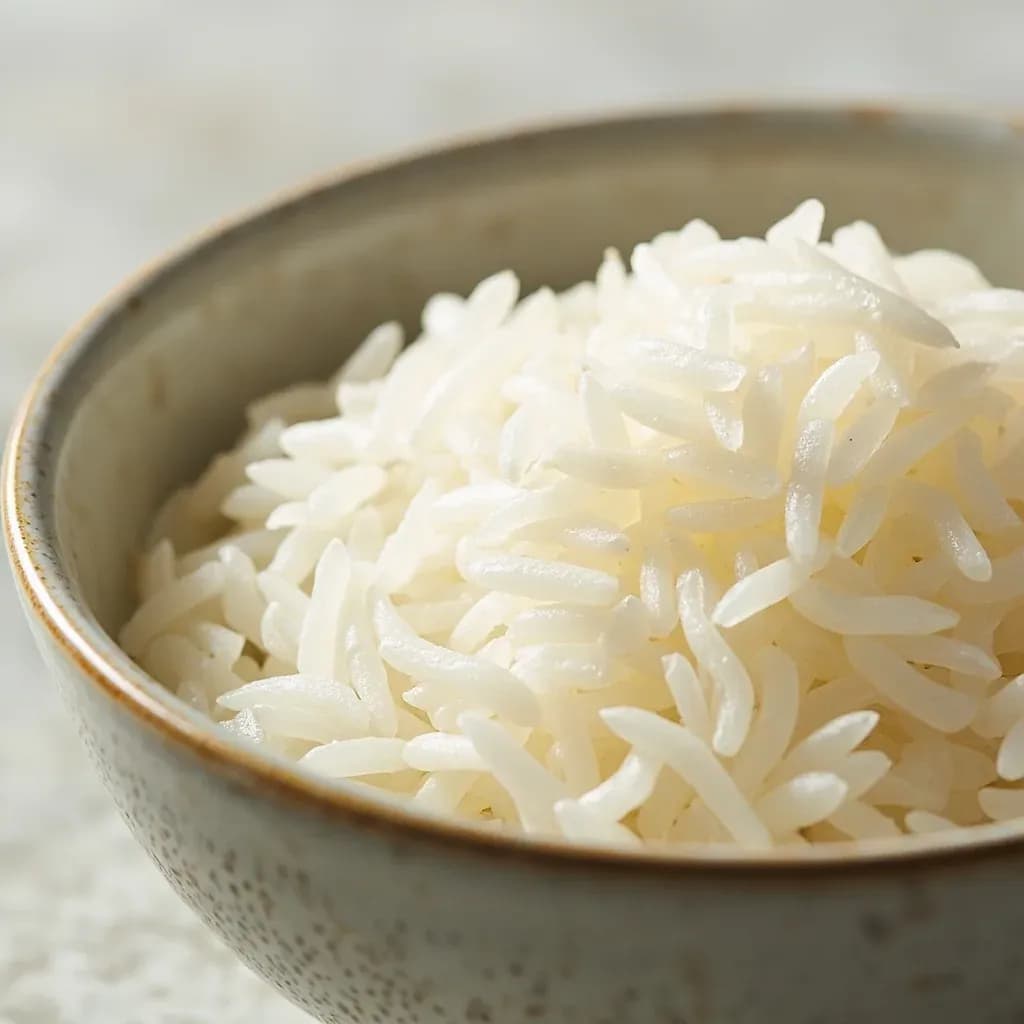
Raw rice, called pacharisi in Tamil, is white rice that has been milled without parboiling, keeping a softer, stickier cooked texture. It is the base for South Indian rice flour, sweet dishes, and fermented batters like idli and dosa when blended with parboiled rice. Cooks distinguish it from boiled (parboiled) rice for specific recipes.
Raw rice (pacharisi) is unparboiled milled rice that retains its full raw starch content because, unlike puzhungal arisi, it is not steamed before milling. This fundamental difference in processing produces a softer, slightly stickier cooked grain—the starch remains in its native state rather than being pre-gelatinized as in parboiling. The starch behavior makes pacharisi the backbone of South Indian batter cooking—it interacts with fermentation to create the characteristic fluffy, well-aerated texture of idlis and dosas that parboiled rice simply cannot replicate. Its neutral sweetness absorbs curries, sambar, and tempering without overpowering them.
South Indian kitchens traditionally stock both raw and parboiled varieties, using each for distinct purposes. Pacharisi handles idli, dosa, pongal, and sweets; puzhungal arisi serves when firmer, separate grains are needed. The Tamil name "pacharisi" (green rice) historically distinguished unprocessed rice from parboiled varieties. Raw rice varieties like Sona Masoori and Ponni dominate everyday South Indian cooking, though heirloom red rices such as Mapillai Samba are experiencing renewed interest for their nutty flavor. For batter work, aging is critical—rice ideally should be 4–8 months old; freshly harvested grain produces dense, gummy idlis. This aging requirement means savvy cooks buy raw rice in bulk and store it properly to ensure consistent batter results throughout the year.
- Measured in
- g
- Storage
- Pantry
Types & varieties
Most common raw rice variety in South India; lightweight, aromatic, cooks fluffy; preferred for everyday cooking and batter making
Medium-grain raw rice; soft texture, good absorption; widely used in Tamil Nadu and Andhra Pradesh
Small-grain raw rice; cooks quickly; popular in Maharashtra and Karnataka; slightly sweeter taste
High-yielding semi-dwarf variety developed in the 1960s; cooks soft but grains tend to break if overcooked; largely replaced in consumer preference by newer varieties
Traditional heirloom red rice; harder to cook, nuttier flavor; primarily used for ceremonial dishes and health-conscious cooking
Premium raw rice variety; consistent grain length; good for both cooking and batter preparation
The Raw Rice versus Parboiled Question
The choice between raw rice (pacharisi) and parboiled rice (puzhungal arisi) is not interchangeable in South Indian cooking. Raw rice yields softer, stickier grains with more surface starch—this starch is what fermentation bacteria feed on in idli batter, producing the CO2 that aerates the batter. Parboiled rice, steamed before milling, has starch that has already gelatinized, producing firmer, more separate grains ideal when that texture is desired. When a recipe specifically calls for idli rice or batter rice, it means raw rice. Using parboiled rice in idli batter results in firm, dense idlis rather than the light, fluffy result you expect. Keep both varieties stocked and use each for its intended purpose.
- Idli batter: always raw rice (pacharisi)
- Everyday rice that absorbs sambar well: raw rice
- Dosa with soft texture: raw rice
- When separate grains are needed: parboiled rice
- Pongal: raw rice for authentic mashability
Aging Rice for Better Batter
The age of raw rice profoundly affects batter quality. Freshly harvested rice (less than 3 months old) often produces a gummy, dense batter that yields heavy idlis. Rice aged 4–8 months grinds more smoothly, produces better fermentation balance, and yields fluffier idlis with a more open crumb structure. Experienced batters recommend buying raw rice in bulk after the November–December harvest and storing it properly. Test older rice by biting a raw grain—it should be hard and snap cleanly rather than bend or feel soft.
- Store in airtight containers in a cool, dry place
- Add dried red chilies or neem leaves to deter weevils in humid climates
- For idli batter, use rice at least 3–6 months old
- New crop rice tends to yield dense, gummy idlis; aged rice yields light, fluffy idlis
Common uses
Tips & pitfalls
- Soak raw rice for 30–60 minutes before cooking to reduce cooking time by 5–7 minutes and improve grain integrity
- For idli batter, use 1 part urad dal to 1–1.5 parts raw rice (by volume); soak both separately for 4–6 hours before grinding
- Store raw rice with a few dried red chilies or neem leaves to deter weevils in humid climates
- Use rice that is at least 3–6 months old for idli batter—fresher rice yields gummy batter; aged rice grinds smoother
- Wash rice until water runs clear before soaking—excess starch causes batter to become too sticky and over-ferment
- Do not over-grind idli batter—a slightly coarse grind (like rava consistency) produces fluffier idlis than smooth batter
- If batter turns too sour overnight, add a pinch of fenugreek seeds (vendhayam) next time to balance fermentation; use sparingly as it can impart bitterness
- For pongal, cook rice until 80% done, then mash slightly for authentic texture
Nutrition
Energy
1536 kJ · per 100 g
Where the calories come from
Protein
7.5g
15% DV
Carbs
76.3g
28% DV
Fat
3.2g
4% DV
Fiber
3.6g
13% DV
Sugars
0.7g
of which
Sodium
5mg
0% DV
Source · USDA FoodData Central · Rice, brown, long-grain, raw (Includes foods for USDA's Food Distribution Program)
View on FDC →In the shops
Matched grocery products
No matched grocery products for Raw Rice (Pacharisi) yet.
Good to know
- Tamil Name
- Pacharisi (பச்சரிசி)
- Processing
- Unparboiled milled rice; not steamed before milling, preserving raw starch content
- Origin
- Primarily Tamil Nadu, Andhra Pradesh, and Karnataka
- Cooking Time
- 18–25 minutes (varies by variety and rice age)
- Water Ratio
- 1:2 to 1:2.5 (rice to water) for regular cooking; 1:1 to 1:1.5 for firmer texture
- Starch Content
- Native raw starch retained; cooks softer and slightly stickier than parboiled rice where starch is pre-gelatinized
- Flavor Profile
- Subtle sweetness when cooked; neutral base that absorbs curries and tempering well
- Shelf Life
- 6–8 months in cool, dry place; up to 1 year in airtight containers
- Season
- Rabi crop (October–March) and Kharif crop (June–July); fresh harvest improves around November–December
Substitutes
- Parboiled Rice (Puzhungal Arisi) — Not a direct substitute for raw rice in most preparations; batter will yield firmer idlis with different texture; use only if raw rice is unavailable
- Idli Rice (Short-Grain Parboiled) — Hybrid variety specifically milled for idli; produces acceptable batter but different sweetness and softness than true raw rice
- Basmati Rice — Long-grain aromatic rice; works for pulav and fried rice but not ideal for batter or traditional South Indian dishes; grains remain separate rather than soft
- Sona Masoori to Ponni Swap — Both are raw rice varieties; acceptable interchange for most dishes with minor texture differences
Pairs with
Also called
Pacharisi · Pachai Arisi · Unparboiled Rice
Appears in these dishes
Related

White Rice
Fluffy long-grain rice — the neutral base for almost any meal

White Bread
Soft sandwich loaf for toast, sandwiches, and crumbs
Brown Rice
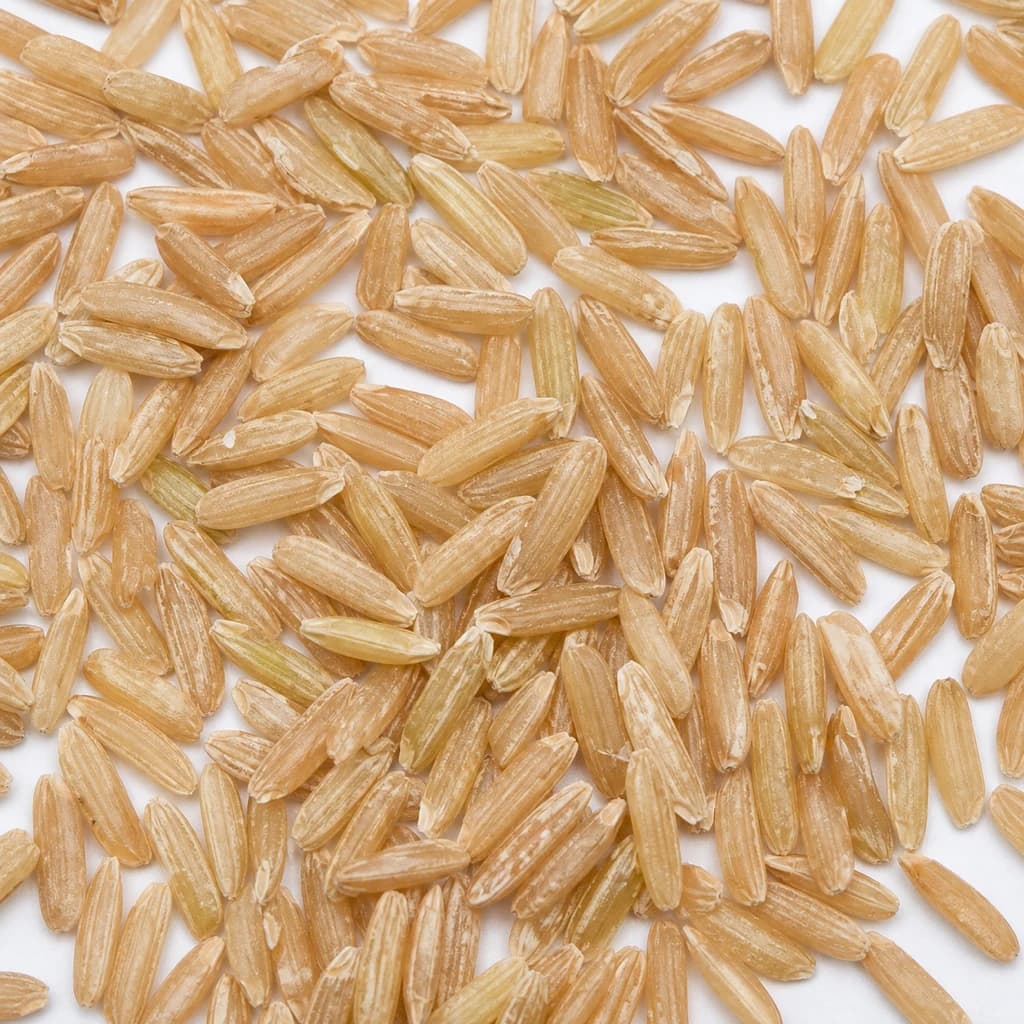
Nutty, whole-grain rice with chew and extra fiber

Basmati Rice
Fragrant, long-grain rice that cooks up light and separate
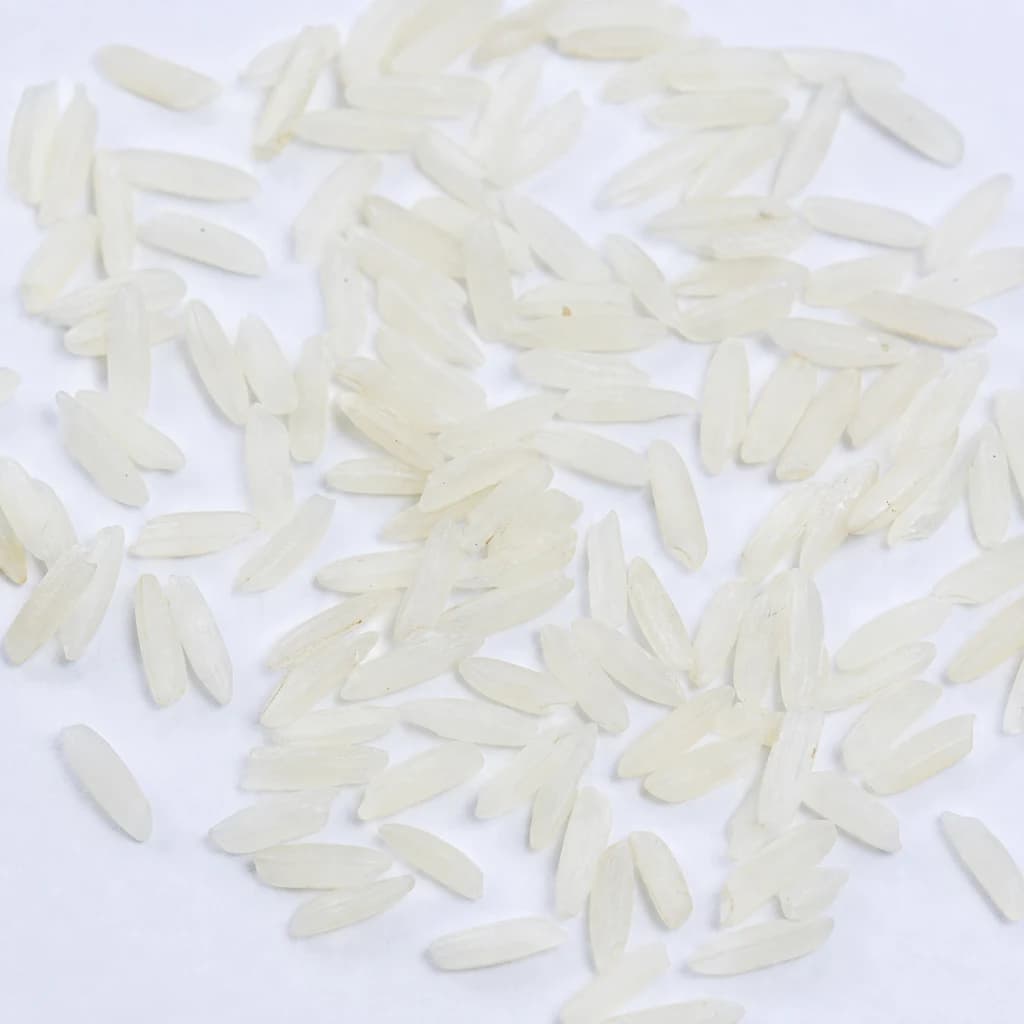
Jasmine Rice
Soft, floral-scented rice that's the pillar of Thai meals
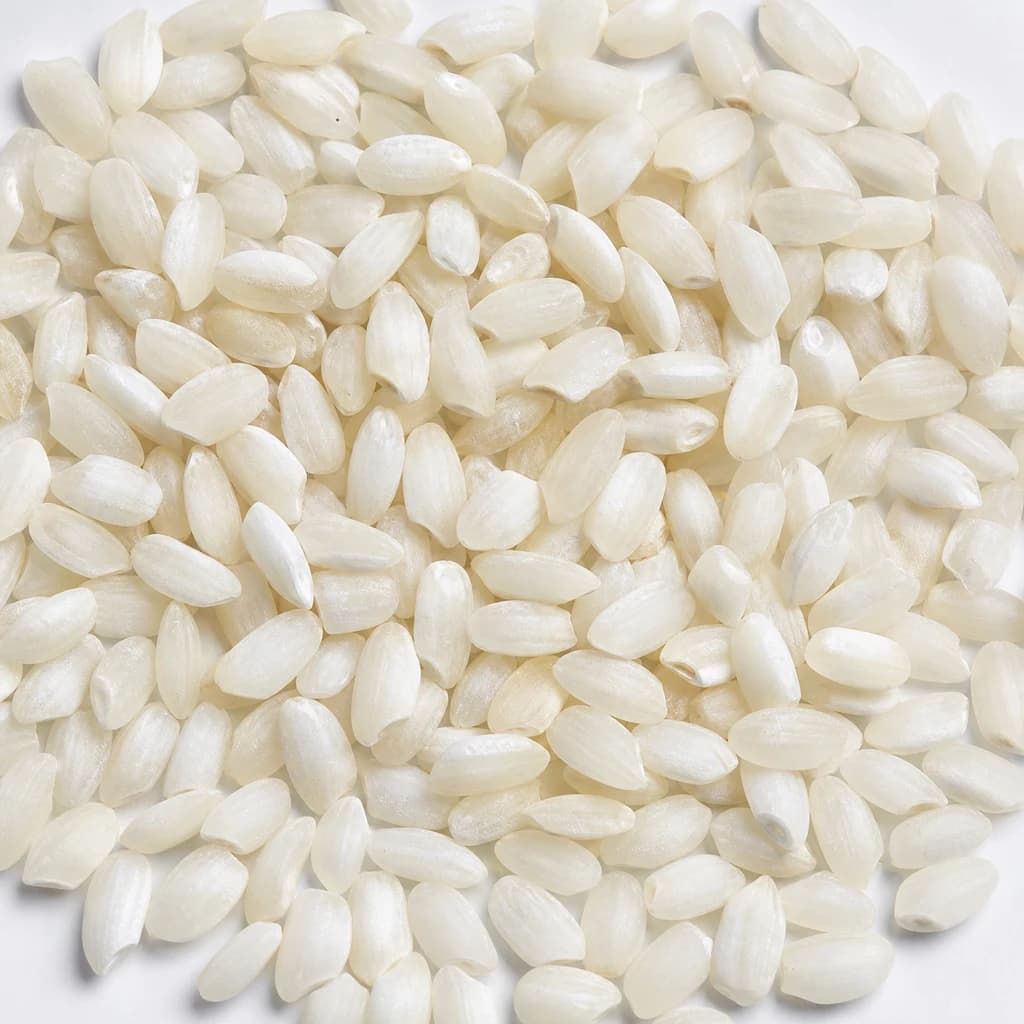
Arborio Rice
Plump, starchy rice that makes risotto creamy
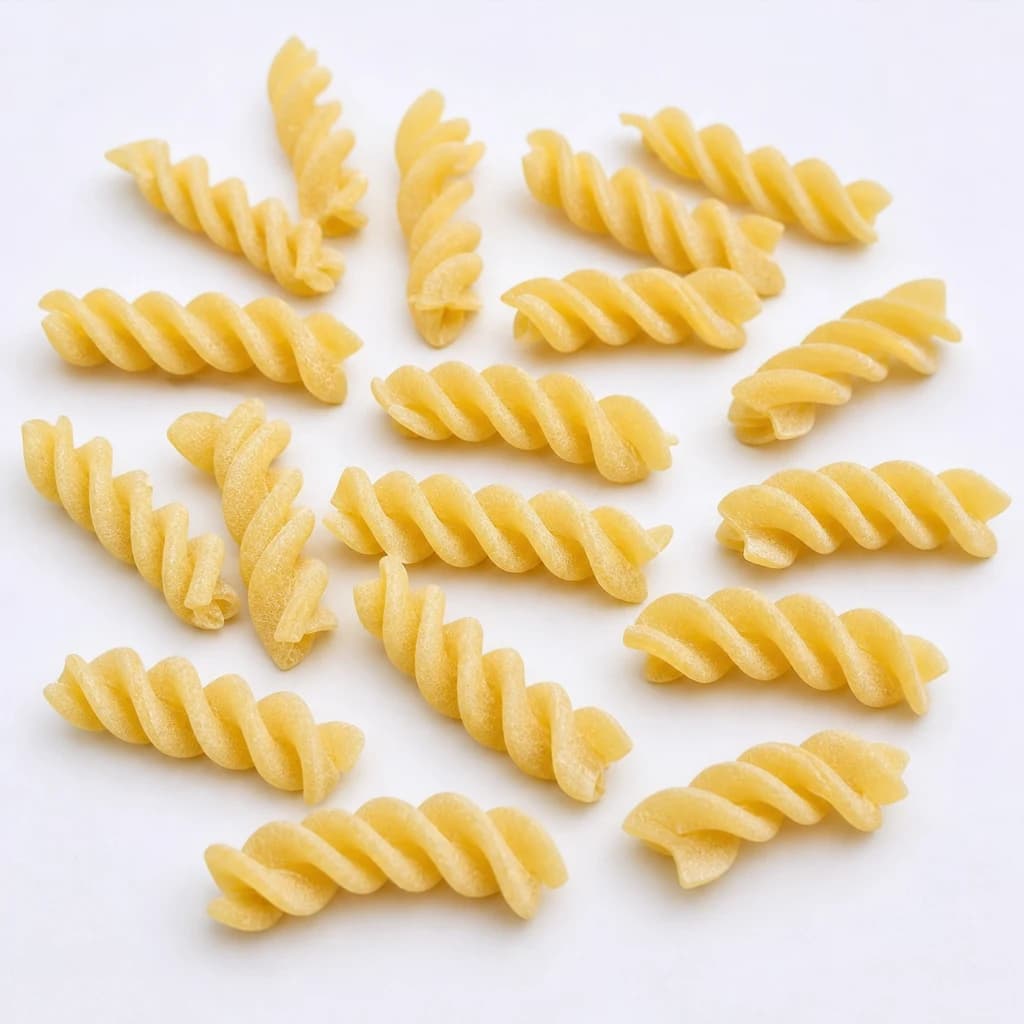
Fusilli
Spiraled pasta that twirls up sauce and dresses cold salads
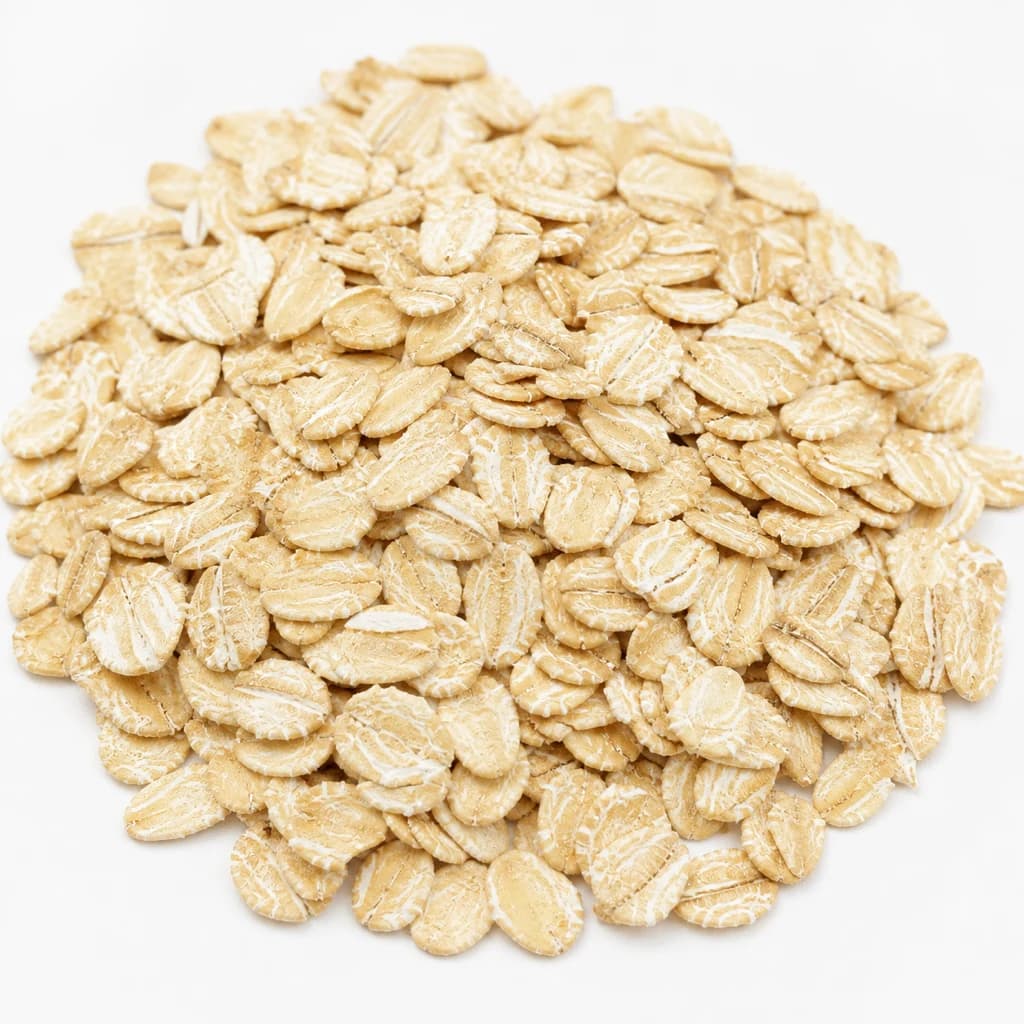
Rolled Oats
Hearty flakes for porridge, granola, and chewy cookies