Grains & Rice
Reshteh (Persian Noodles)
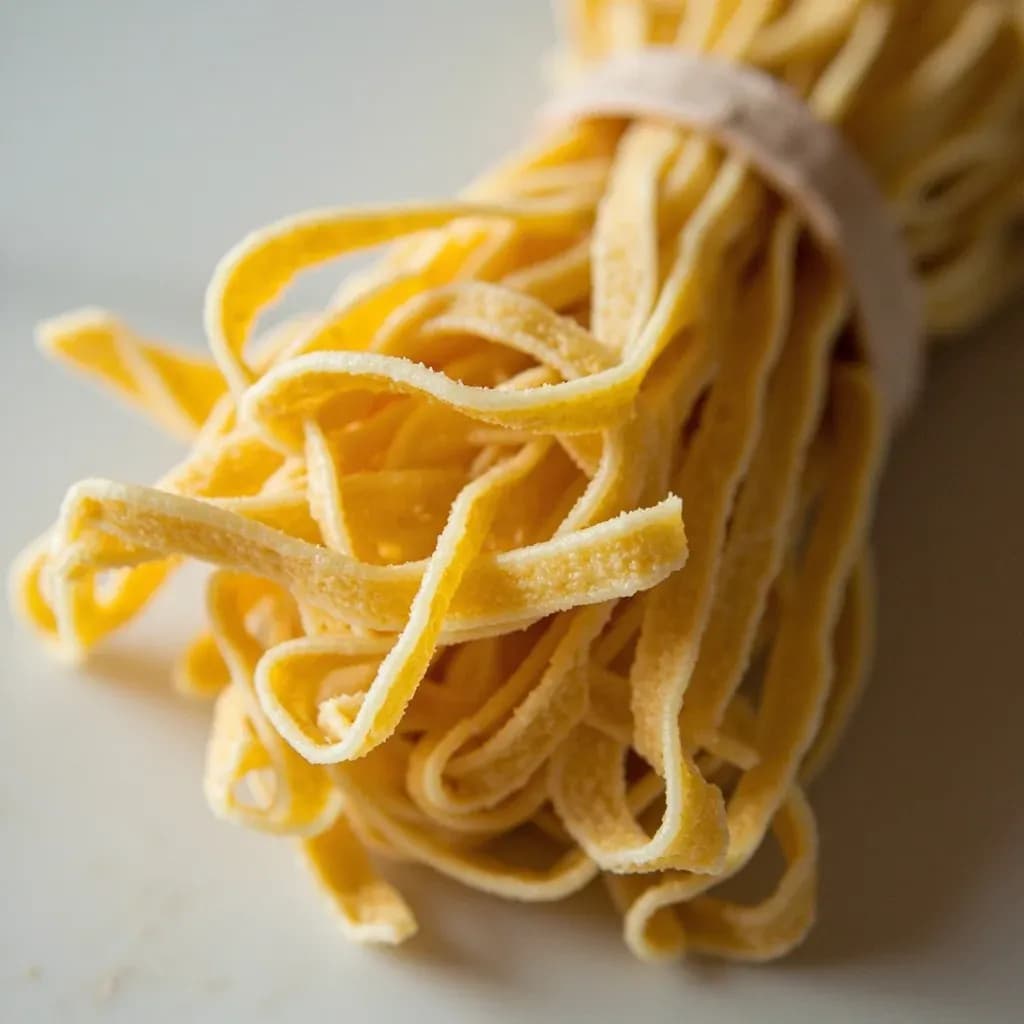
Flat Persian wheat noodles cooked into ash reshteh soup and the dessert reshteh polo.
Reshteh are flat, salted Persian wheat noodles, sold dried and snapped into short lengths before cooking. They are the defining ingredient of ash-e reshteh, a hearty herb, bean and noodle soup, and also appear in the sweet rice dish reshteh polo. They cook quickly and lend the soup a soft, slightly thickening texture.
Reshteh are thin, flat dried wheat noodles that form a cornerstone of Persian cuisine, particularly in two beloved preparations: the thick herb-and-legume soup called ash reshteh and the fragrant rice pilaf known as reshteh polo. Unlike delicate rice noodles that turn soft quickly, reshteh hold their shape and body through extended cooking, releasing starch into the surrounding liquid to create a naturally thickened, silky broth. Their mildly wheaty flavor makes them passive players in the kitchen, absorbing and amplifying whatever aromatics, herbs, and spices surround them.
Beyond their culinary function, reshteh carry deep symbolic weight in Iranian culture. The wavy, tangled appearance of the dried noodles represents tangled problems or life's complexities—eating reshteh, particularly in ash reshteh, is traditionally seen as metaphorically unknotting these difficulties. This symbolism makes ash reshteh the iconic first dish served during Nowruz (Persian New Year) and a staple for celebrations marking new beginnings. In the kitchen, their forgiving nature makes them approachable: they can be added early or late in cooking without the dish falling apart, though timing affects final texture significantly.
- Measured in
- g
- Storage
- Pantry
Allergens
Types & varieties
The standard dried reshteh found in Iranian markets; thin flat wheat noodles, most widely available
Fresh or slightly tangy version in some regional preparations, more perishable than dried
Thicker, hand-cut noodles used in traditional ash recipes; coarser texture holds up better in dense soups
About Ash Reshteh
Ash reshteh is a substantial, herb-laden soup that showcases reshteh at their most essential. The broth builds from sautéed onion and garlic, dried legumes (usually lentils, chickpeas, kidney beans, and white beans), and enormous quantities of fresh herbs—parsley, cilantro, dill, and chives dominate, with mint providing backbone. The noodles are added toward the end so they contribute body and starch without dissolving into oblivion. Kashk (dried fermented whey) is stirred in at the end, adding tangy richness and connecting all the flavors.
- Legumes should be soaked overnight and partially cooked before assembling the soup
- Kashk is often served on the side or drizzled on top; soak dried kashk in warm water if using the brick form
- The soup should be thick enough that a spoon stands in it briefly
About Reshteh Polo
Reshteh polo is a layered rice and noodle dish where parboiled reshteh are mixed with basmati rice before steaming together. The noodles caramelize slightly against the pot, creating a golden, crispy tahdig beneath. Traditional versions incorporate fried herbs and sometimes barberries or raisins for sweet-tart contrast. Saffron often tints the top layer of rice a warm gold. Unlike ash reshteh, the noodles here are not the centerpiece but a supporting textural element—adding bite and visual interest throughout the rice.
- Parboil reshteh until just al dente before mixing with rice; they will cook further during steaming
- Oil the pot well and press the rice-noodle mixture firmly before steaming to ensure proper tahdig formation
- Allow the assembled dish to rest 5–10 minutes after steaming before inverting
Common uses
Tips & pitfalls
- Break dried reshteh into 5–8 cm lengths with your hands before cooking—they expand significantly in liquid and tangled long noodles become difficult to manage
- For Ash Reshteh, add reshteh in the last 10–15 minutes of cooking to prevent them from becoming mushy; they continue softening off heat
- Reshteh release starch into the broth, naturally thickening soups—account for this when adjusting liquid; you may need more liquid than expected
- Do not overcook: they should retain some bite when added to soups; the residual heat finishes them as the soup sits
- For Reshteh Polo, parboil noodles until just al dente, then drain and mix with rice before steaming
- Store-bought dried reshteh may need soaking in warm water for 5 minutes before use in some recipes
- If reshteh break into very short pieces during storage, save them for soup—shorter lengths are ideal for ash preparations
- The starch released by reshteh can cause soup to seize up as it cools; reheat gently with a splash of water if needed
Nutrition
Energy
1971 kJ · per 100 g
Where the calories come from
Protein
10.9g
22% DV
Carbs
63.6g
23% DV
Fat
21.2g
27% DV
Fiber
6.7g
24% DV
Sugars
0g
of which
Sodium
866mg
38% DV
Source · USDA FoodData Central · approx. Noodles, chinese, chow mein
View on FDC →In the shops
Matched grocery products
No matched grocery products for Reshteh (Persian Noodles) yet.
Good to know
- Origin
- Iran (Persia)
- Main Dishes
- Ash Reshteh (soup), Reshteh Polo (rice pilaf)
- Primary Flavor
- Mild wheat; absorbs and amplifies surrounding flavors
- Main Ingredients
- Wheat flour, water, sometimes egg
- Form
- Flat, dried noodles, 15–20 cm long, ~5 mm wide
- Availability
- Middle Eastern grocery stores, specialty shops, some supermarkets
- Storage
- Airtight container in cool, dry place; keeps 12+ months dried
- Gluten
- Contains gluten (wheat-based)
- Typical Prep
- Cooked directly in liquid or parboiled then fried/steamed
Substitutes
- Linguine — Closest shape and texture among Western pasta; break into lengths to mimic reshteh
- Thin Egg Noodles (yolk-free style) — Works for soups; may add slight egg flavor, so adjust if avoiding that profile
- Rice Vermicelli — Gluten-free alternative but significantly different texture and much faster cooking; does not thicken broth like reshteh
Pairs with
Also called
Persian Noodles · Ash Reshteh Noodles
Appears in these dishes
Related

White Rice
Fluffy long-grain rice — the neutral base for almost any meal

White Bread
Soft sandwich loaf for toast, sandwiches, and crumbs
Brown Rice
Nutty, whole-grain rice with chew and extra fiber

Basmati Rice
Fragrant, long-grain rice that cooks up light and separate
Jasmine Rice
Soft, floral-scented rice that's the pillar of Thai meals
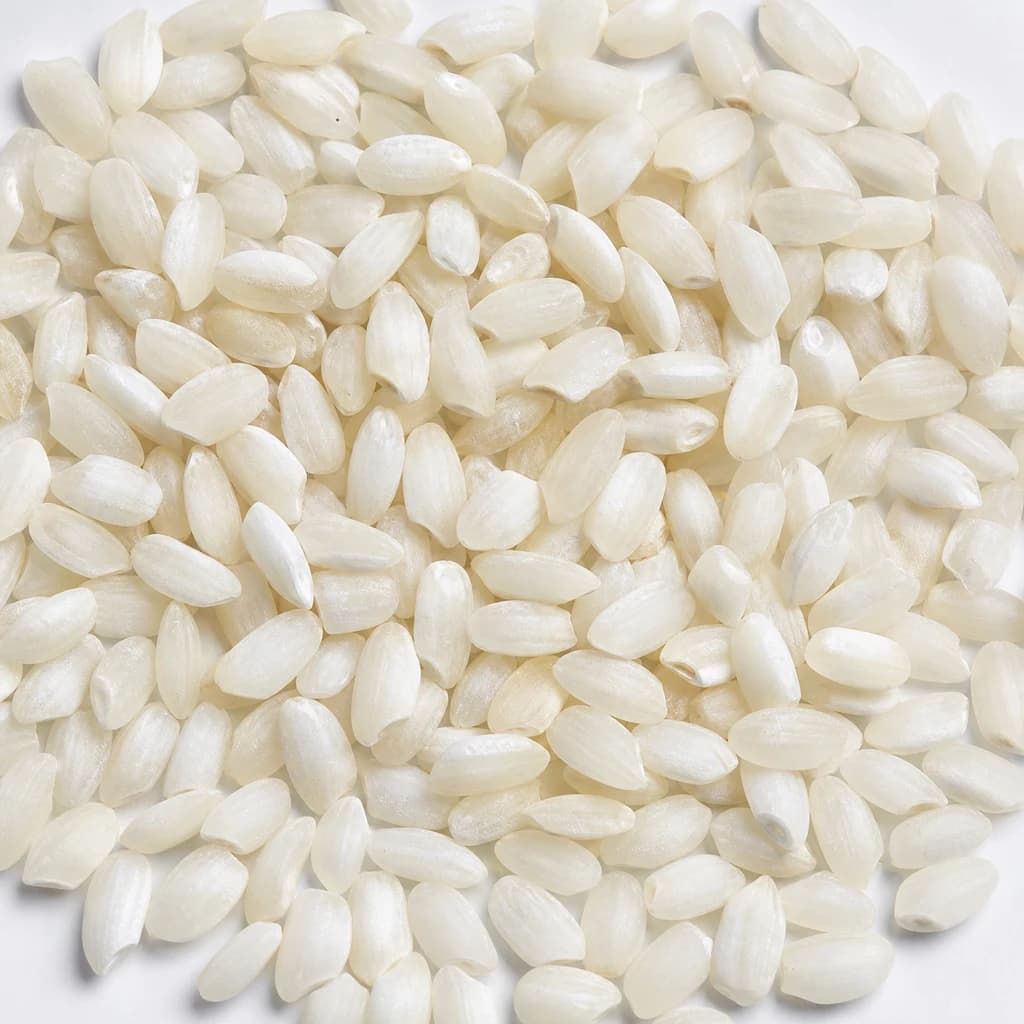
Arborio Rice
Plump, starchy rice that makes risotto creamy
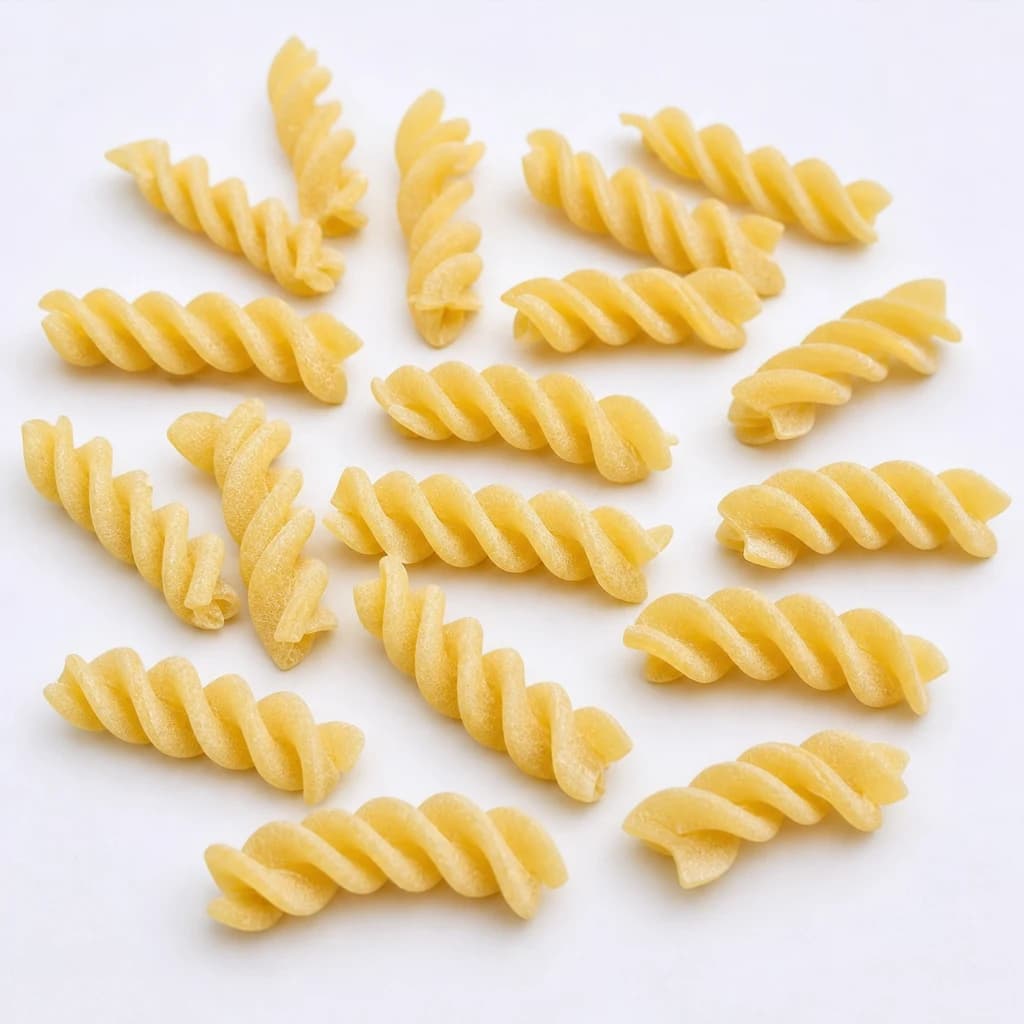
Fusilli
Spiraled pasta that twirls up sauce and dresses cold salads
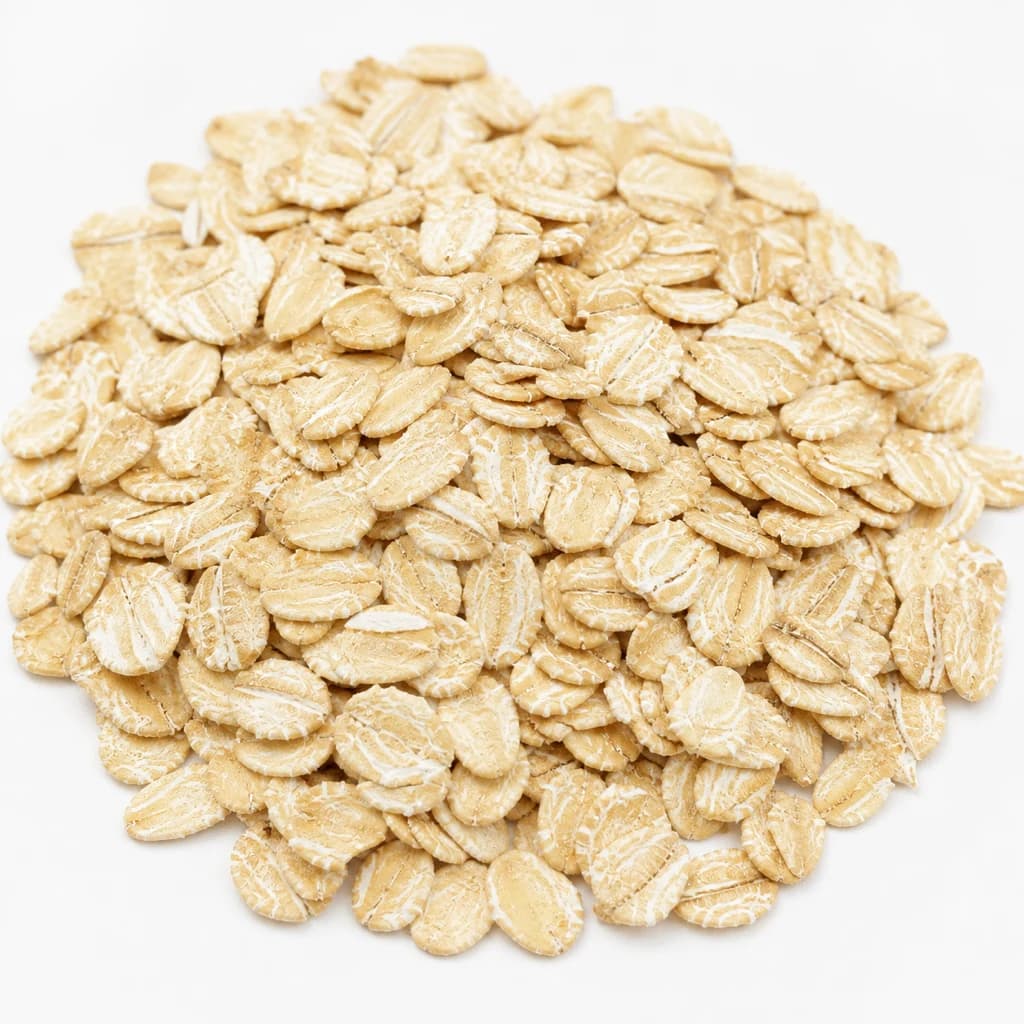
Rolled Oats
Hearty flakes for porridge, granola, and chewy cookies