Grains & Rice
Fresh Rice Noodle / Ho Fun
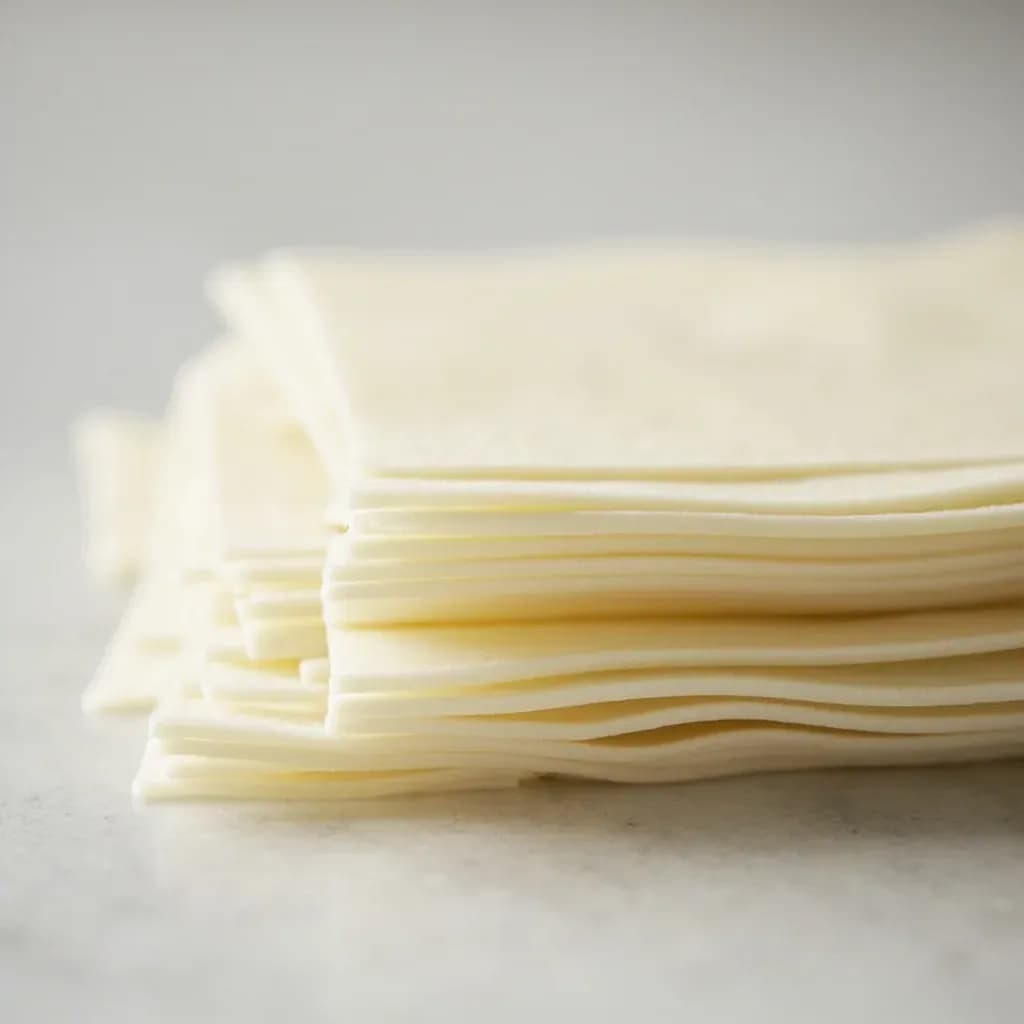
Wide, slippery fresh rice noodles steamed from rice batter, central to Cantonese stir-fries like beef chow fun.
Fresh rice noodles, called ho fun (河粉) in Cantonese, are made by steaming a thin rice-flour batter into broad sheets that are oiled and cut into wide ribbons. They are stir-fried over high heat for dishes like beef chow fun, or served in soups and steamed as cheung fun. Soft and slippery, they are best used fresh and briefly cooked so they do not break apart.
Fresh rice noodle sheets (ho fun in Cantonese, shahe fen in Mandarin) are wide, silky ribbons made from a thin batter of rice flour and water steamed into pliable sheets. Unlike dried rice noodles, which are extruded and dried, fresh sheets are cooked by steam and have a tender, almost custard-like quality when heated. They are sold in interleaved stacks—the plastic between each sheet is functional, not packaging, and must be peeled away before cooking. The Pearl River Delta around Guangzhou is their birthplace, with Shahe town lending the noodle its Mandarin name; Cantonese cooking built its identity around them, particularly in the iconic beef chow fun. The noodle's defining trait is its ability to absorb bold, savory sauces while retaining a smooth, non-starchy mouthfeel that dried rice noodles cannot replicate. This fragility is both the noodle's asset and its challenge: it demands quick, high-heat cooking and gentle handling.
The wide sheets, typically 3–5 cm across, are the gold standard for stir-frying, especially the beloved beef chow fun that appears on nearly every Cantonese restaurant menu. Their broad surface area caramelizes beautifully against a hot wok, picking up wok hei—that essential smoky char—while the interior stays soft. Narrower sheets (1–2 cm) handle soups and lighter stir-fries with more resilience, and the thinnest cuts behave almost like rice vermicelli. The fresh form spoils quickly due to its moisture content; refrigerated, it lasts 3–5 days, though it freezes well for up to three months. Making them at home is straightforward: a thin batter, lightly greased steaming surface, 3–4 mm layer, 3–5 minutes until translucent. The effort rewards you with a tenderness no store-bought version quite matches.
When buying, always choose refrigerated packages—those sitting at room temperature risk spoilage and may develop a sour edge that no amount of cooking resolves. Smell before use. In the wok, the cardinal rule is heat: the wok must be genuinely smoking, oil shimmering, before the noodles touch it. Fresh noodles that are not stuck together can go directly from the package into a hot wok or boiling broth; only separate them by hand before cooking, as cutting with a knife tears and mangles the strands. From package to plate takes two to three minutes of active cooking. Do not over-stir once sauce is added—aggressive tossing turns these delicate sheets into fragments. Master these fundamentals and you have the foundation for one of Cantonese cooking's greatest pleasures.
- Measured in
- g
- Storage
- Fridge
Types & varieties
3–5 cm wide; classic choice for beef chow fun; most tender, tears easily
1–2 cm wide; versatile for soups and stir-fries; holds shape better than wide
Under 1 cm; closer in behavior to rice vermicelli; good for soups and light stir-fries
Not technically a sheet; extruded rice noodle rod, often grouped with fresh rice noodles in markets; distinct texture
Higher tapioca starch content; more translucent, springier bite; used in Hong Kong-style beef brisket noodle soup
Fresh vs. Dried: Understanding the Difference
Fresh rice sheets are steamed from a batter; dried rice noodles are extruded and air-dried. This is not a trivial distinction. Fresh sheets have a tender, almost custard-like interior that absorbs sauce without becoming gummy. Dried wide rice noodles (jook syun), even when soaked, retain a denser, more resilient chew—they survive rough handling but cannot achieve the silky, melt-on-the-tongue quality of fresh. If a recipe calls for ho fun and you use dried, you will get a serviceable noodle dish, but it will not be chow fun. The wide fresh sheet is irreplaceable for authentic results.
Buying and Storing
Fresh ho fun must be refrigerated. At Asian supermarkets, find the refrigerated section and choose packages kept consistently cold—not those that have sat out on a shelf. The interleaved plastic sheets between each noodle layer are functional spacers; keep them in the package until cooking, then peel them off one by one. Smell before use: fresh noodles have a mild, slightly sweet rice scent. A sour or fermented odor indicates spoilage—do not use them. For longer storage, freeze the entire stack separated by parchment paper; they keep for three months. Thaw overnight in the refrigerator. For cleaner separation, separate while still slightly frozen.
- Refrigerated packages only
- Check for sour odor before use
- Freeze for up to 3 months, separated by parchment
- Separate while still slightly frozen for clean handling
Common uses
Tips & pitfalls
- Always separate noodles by hand before cooking—cutting with a knife tears and mangles the strands, causing them to break apart in the wok
- Fresh noodles do not need pre-cooking; if not stuck together, they go directly from package into hot wok or boiling broth
- For stir-frying: ensure wok is genuinely hot (smoking) and oil is shimmering before adding noodles; cook 2–3 minutes max, tossing gently
- If noodles stick together badly, blanch in boiling water for 10–15 seconds, drain, and separate before stir-frying
- Do not over-stir once sauce is added—the noodles are fragile and will fragment under aggressive tossing
- For frozen noodles: thaw in refrigerator overnight; separate while still slightly frozen for cleaner handling
- Smell before use—a sour or fermented odor means the noodles are spoiled
- When fresh-making at home: batter should be thin like heavy cream; lightly grease the steaming surface; steam in thin layers (3–4 mm) for 3–5 minutes until translucent
Nutrition
Nutrition
No USDA FoodData Central match for Fresh Rice Noodle / Ho Fun yet. We surface a per-100 g profile once a generic whole-food entry is matched and verified.
In the shops
Matched grocery products
No matched grocery products for Fresh Rice Noodle / Ho Fun yet.
Good to know
- Other names
- Ho fun (Cantonese), Shahe fen (Mandarin), 河粉, 沙河粉, fresh rice sheet
- Origin
- Pearl River Delta, Guangdong Province, China; Shahe town near Guangzhou gives the noodle its Mandarin name
- Primary cuisine
- Cantonese
- Main ingredients
- Rice flour and water; commercial versions may add small amounts of tapioca starch, potato starch, or vegetable oil for texture
- Typical width
- 1–5 cm; narrow sheets 1–2 cm, wide sheets up to 5 cm
- Form sold
- Fresh: interleaved plastic-sheet stacks in 1–3 lb packages; occasionally frozen; dried versions exist but behave differently
- Shelf life (fresh)
- 3–5 days refrigerated; freezes well, separated by parchment, for up to 3 months
- Flavor
- Mild, slightly sweet rice taste; neutral enough to carry bold sauces
- Texture
- Silky, slippery, slightly chewy; softens readily in liquid; tender and fragile when cooked
Substitutes
- Dried wide rice noodles (jook syun) — Soak 30–60 minutes before use; less tender, more chewy; acceptable for stir-fries but not a close match
- Fresh rice vermicelli (mai fun) — Much thinner; acceptable in soups; not suitable for dishes requiring the wide, sturdy sheet of a true ho fun
- Fresh glass noodles (cellophane / mung bean) — Different flavor and translucent texture; not a true substitute for the rice taste and opaque appearance
- Korean garugul (garugul) — Made with wheat starch; chewier, denser; used in Korean-Mongolian dishes; not interchangeable
Pairs with
Also called
河粉 · Ho Fun · Hor Fun · Shahe Fen
Related

White Rice
Fluffy long-grain rice — the neutral base for almost any meal

White Bread
Soft sandwich loaf for toast, sandwiches, and crumbs
Brown Rice
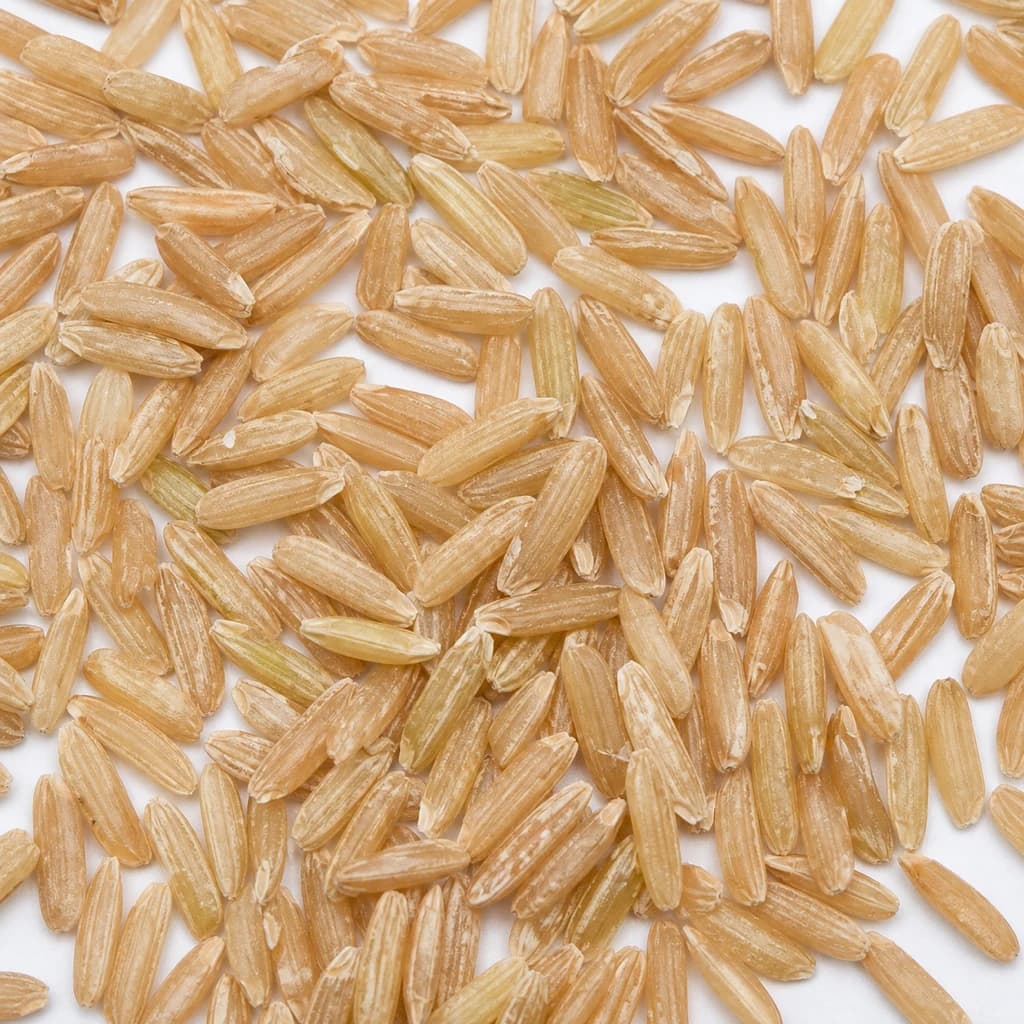
Nutty, whole-grain rice with chew and extra fiber

Basmati Rice
Fragrant, long-grain rice that cooks up light and separate
Jasmine Rice
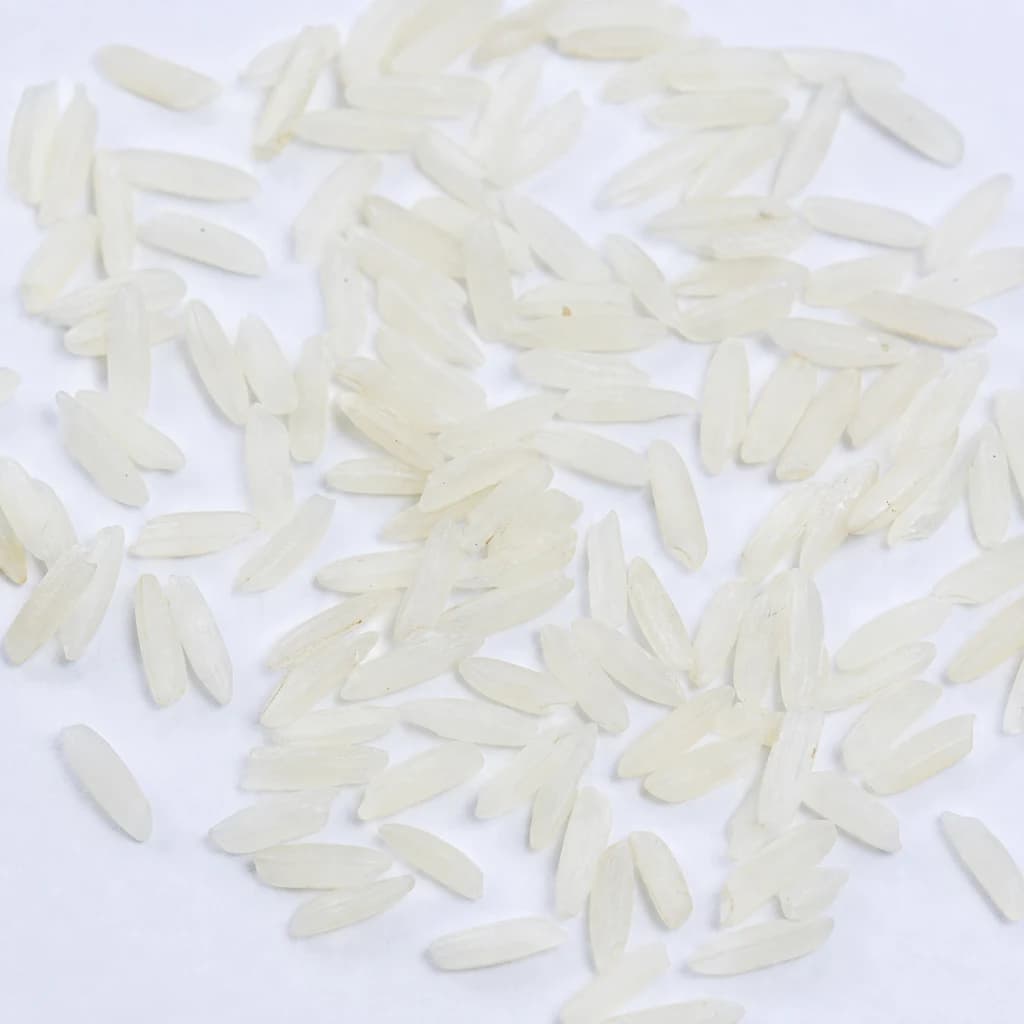
Soft, floral-scented rice that's the pillar of Thai meals
Arborio Rice
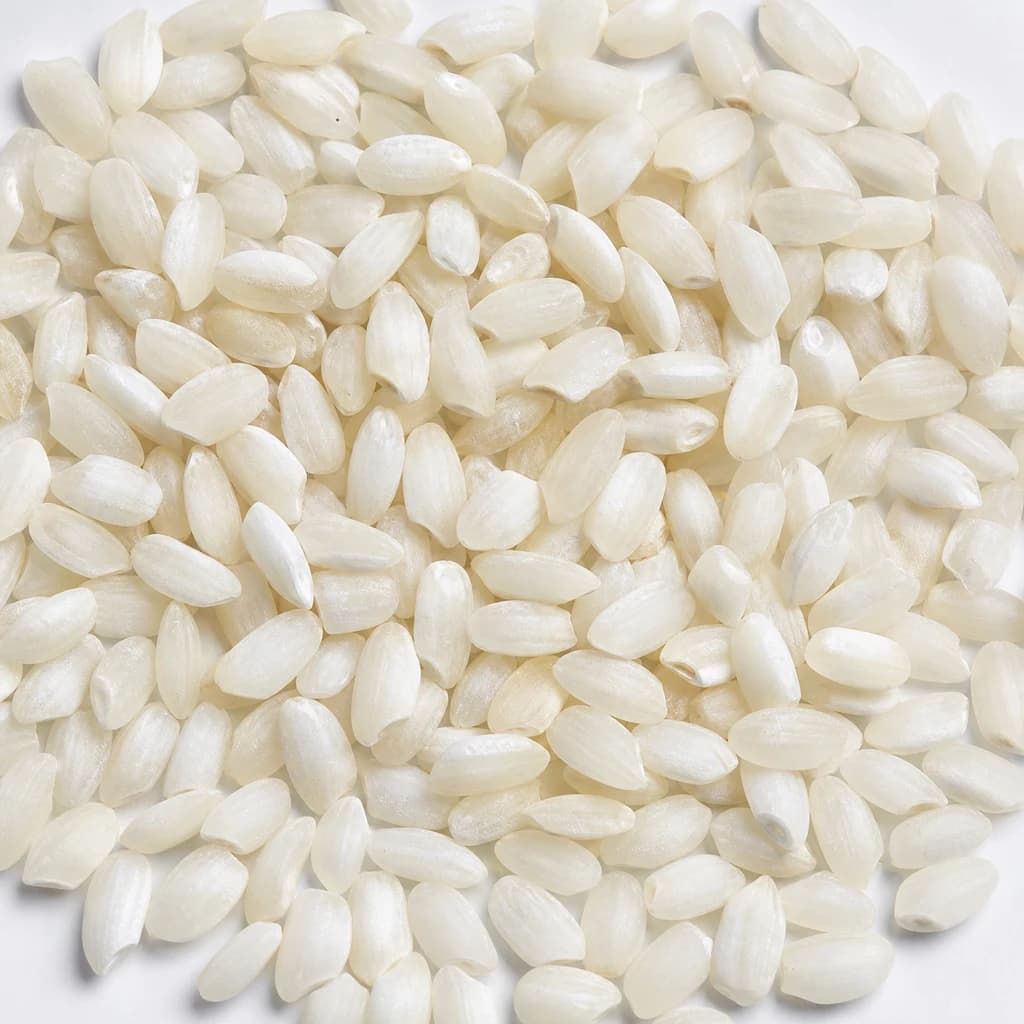
Plump, starchy rice that makes risotto creamy
Fusilli
Spiraled pasta that twirls up sauce and dresses cold salads
Rolled Oats
Hearty flakes for porridge, granola, and chewy cookies