Grains & Rice
Skinless Wheat (Wheat Berries)
Whole hulled wheat kernels simmered for pilafs, porridges, and grain salads.
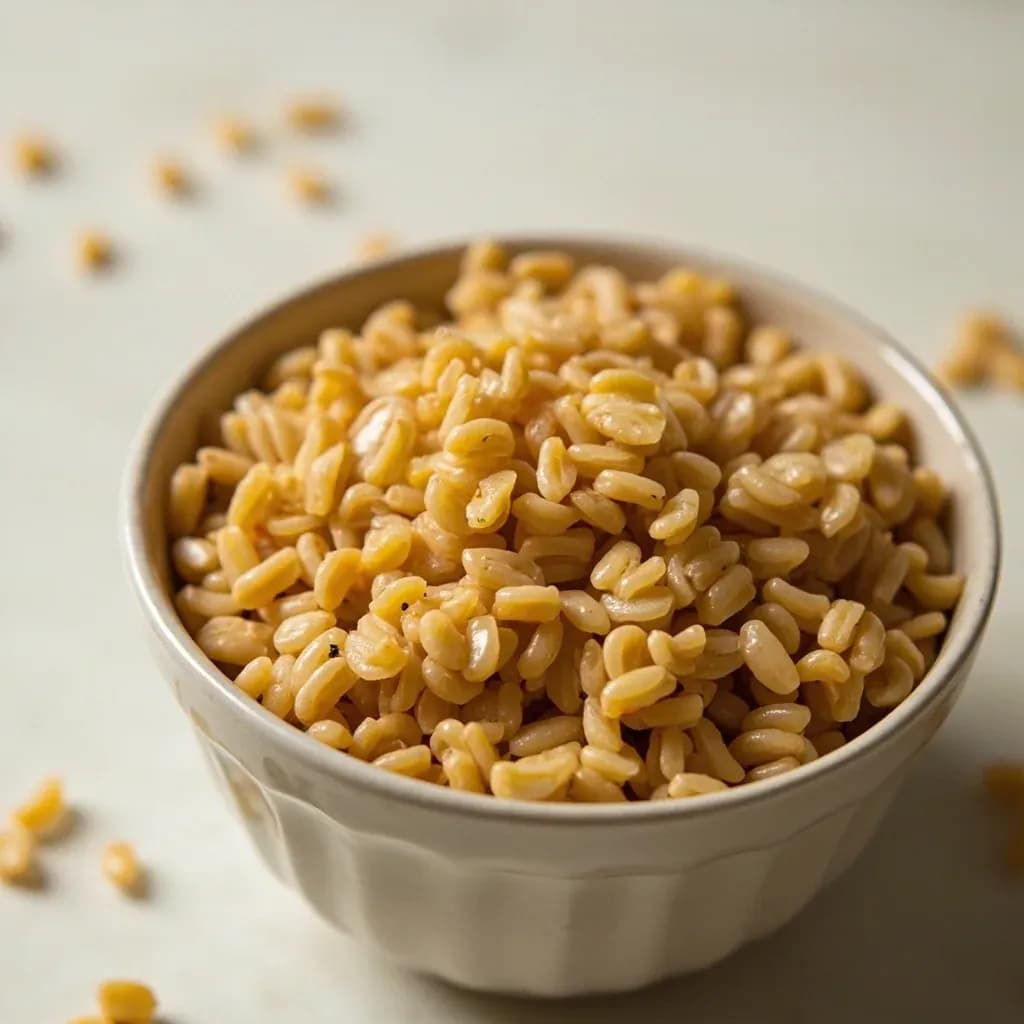
Skinless wheat refers to whole wheat berries with the inedible hull removed, leaving chewy whole grains. They are simmered until tender for Armenian dzavar dishes, harvest puddings, and hearty salads. The intact bran and germ give a nutty flavor and substantial bite, with cracked versions cooking faster.
Skinless wheat berries are whole, unprocessed wheat kernels with the inedible outer hull removed but the bran and germ left intact. This makes them one of the most nutritious whole grains available—the bran provides fiber and B vitamins, the germ supplies vitamin E and essential fatty acids, and the endosperm gives the characteristic chewy bite. Unlike cracked wheat or bulgur, which have been partially processed, wheat berries are simply slow to cook due to their dense structure, requiring nothing more than soaking and simmering. Their mildly nutty, earthy flavor and satisfying chew make them a versatile foundation for pilafs, porridges, grain salads, and soups. The texture holds up remarkably well through cooking and refrigeration, which is why they are among the few grains worth cooking in large batches to keep on hand.
- Measured in
- g
- Storage
- Pantry
Allergens
Types & varieties
Highest protein content; robust, slightly bitter flavor; best for pilafs and dishes where it holds its shape; firm, distinct chew
Lower protein, milder and sweeter flavor; better for porridge and desserts; produces a softer cooked texture
Ancient wheat species (Triticum spelta); slightly sweeter and nuttier than common wheat; easier to digest for some people; cook time identical
Ancient hulled wheat; nutty, earthy flavor with a firm bite; popular in Italian cuisine; slightly smaller kernels
The most ancient cultivated wheat; smaller kernels; richer in protein and antioxidants; mild, delicate flavor
Common uses
Tips & pitfalls
- Rinse wheat berries thoroughly in a fine-mesh strainer before soaking to remove dust and field debris from processing
- Always cook in abundant water—at least 4 parts water to 1 part grain—then drain the excess like pasta; this ensures even hydration throughout the dense kernel
- Toast the dried berries in a dry skillet over medium heat for 2–3 minutes before soaking to deepen their nutty flavor and create a more complex base for pilafs
- Never add salt at the start of cooking; it toughens the exterior of the kernels and significantly lengthens cooking time—add it only in the last 5–10 minutes
- Test for doneness starting at 45 minutes; the grains should be tender with a distinct chew remaining, not soft and mushy like overcooked rice
- Cook a large batch on the weekend and refrigerate for up to 5 days or freeze in portions for up to 3 months; the texture actually improves the next day as the grains firm up
- For firmer-textured salads, shock the cooked grains in an ice bath for 2 minutes immediately after draining to stop carryover softening and preserve the bite
- In a pressure cooker, cook soaked berries at high pressure for 25–30 minutes with a 20-minute natural release for hands-off weeknight preparation
Nutrition
Energy
1423 kJ · per 100 g
Where the calories come from
Protein
13.2g
26% DV
Carbs
72g
26% DV
Fat
2.5g
3% DV
Fiber
10.7g
38% DV
Sugars
0.4g
of which
Sodium
2mg
0% DV
Source · USDA FoodData Central · Wheat flour, whole-grain (Includes foods for USDA's Food Distribution Program)
View on FDC →In the shops
Matched grocery products
No matched grocery products for Skinless Wheat (Wheat Berries) yet.
Good to know
- Protein content
- 12–15g per 100g dry weight, higher than most grains
- Fiber content
- 12–15g per 100g dry weight, both soluble and insoluble
- Soak time
- 6–12 hours; overnight is most reliable
- Cooking time
- 45–60 minutes after soaking; up to 90 minutes unsoaked
- Yield
- Approximately 2.5× dry volume when cooked
- Storage
- 6 months in airtight container in cool, dark pantry; up to 12 months refrigerated or frozen
- Equipment
- Heavy-bottomed pot with tight-fitting lid; fine-mesh strainer for rinsing
Substitutes
- Farro — Nearly identical chewy texture; Italian emmer variety; cook time similar, though farro may finish slightly faster
- Hulled or Pot Barley — Similar chewy bite; cook time and method are the same; slightly milder, less nutty flavor
- Spelt Berries — Swap one-for-one in any recipe; slightly sweeter and nuttier; cook time is identical
- Long-Grain Brown Rice — Not a close textural match—wheat berries are far chewier—but works in a pinch with adjusted cooking time and broth
- Quinoa — Cooks faster (15–20 minutes, no soaking required); different lighter texture but similar applications in salads and porridges
Pairs with
Also called
Dzavar · Wheat Grain · Wheat Berry · Wheat Berries
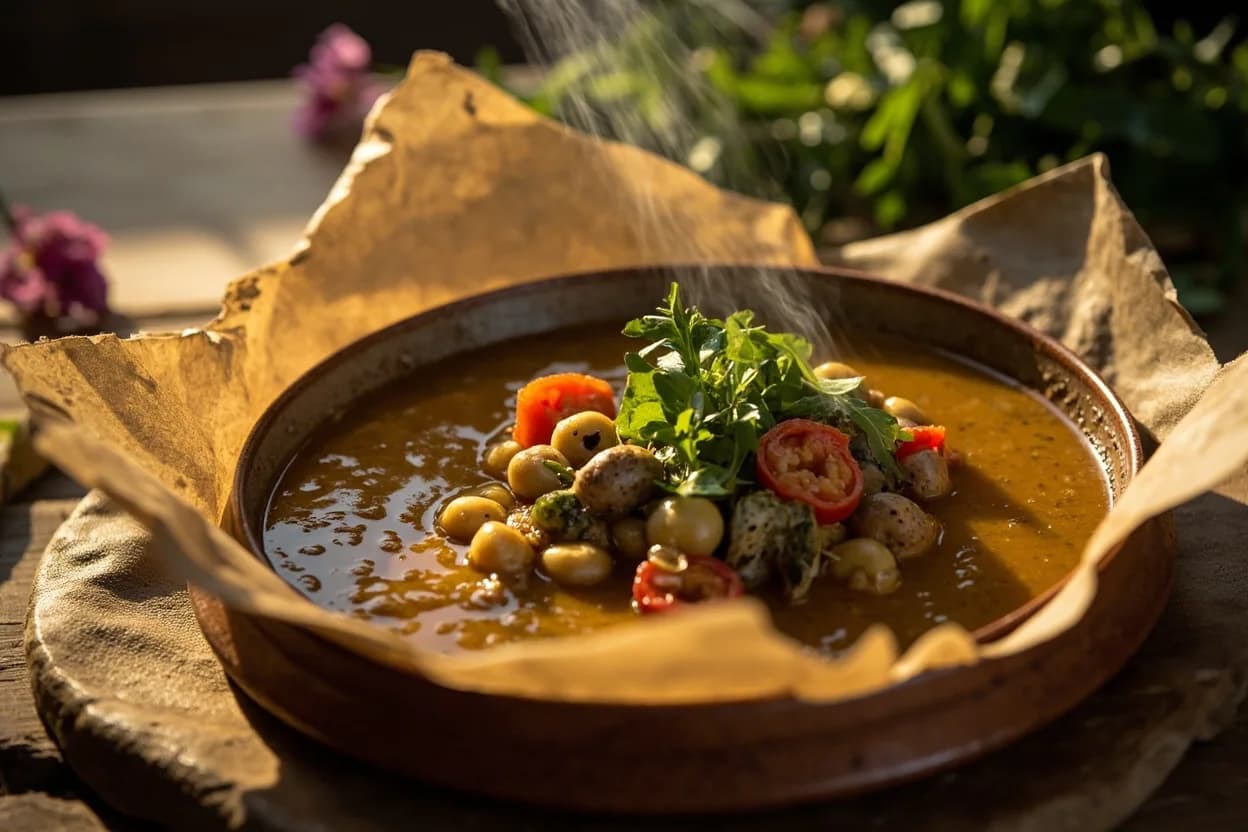
Appears in these dishes
Related

White Rice
Fluffy long-grain rice — the neutral base for almost any meal

White Bread
Soft sandwich loaf for toast, sandwiches, and crumbs
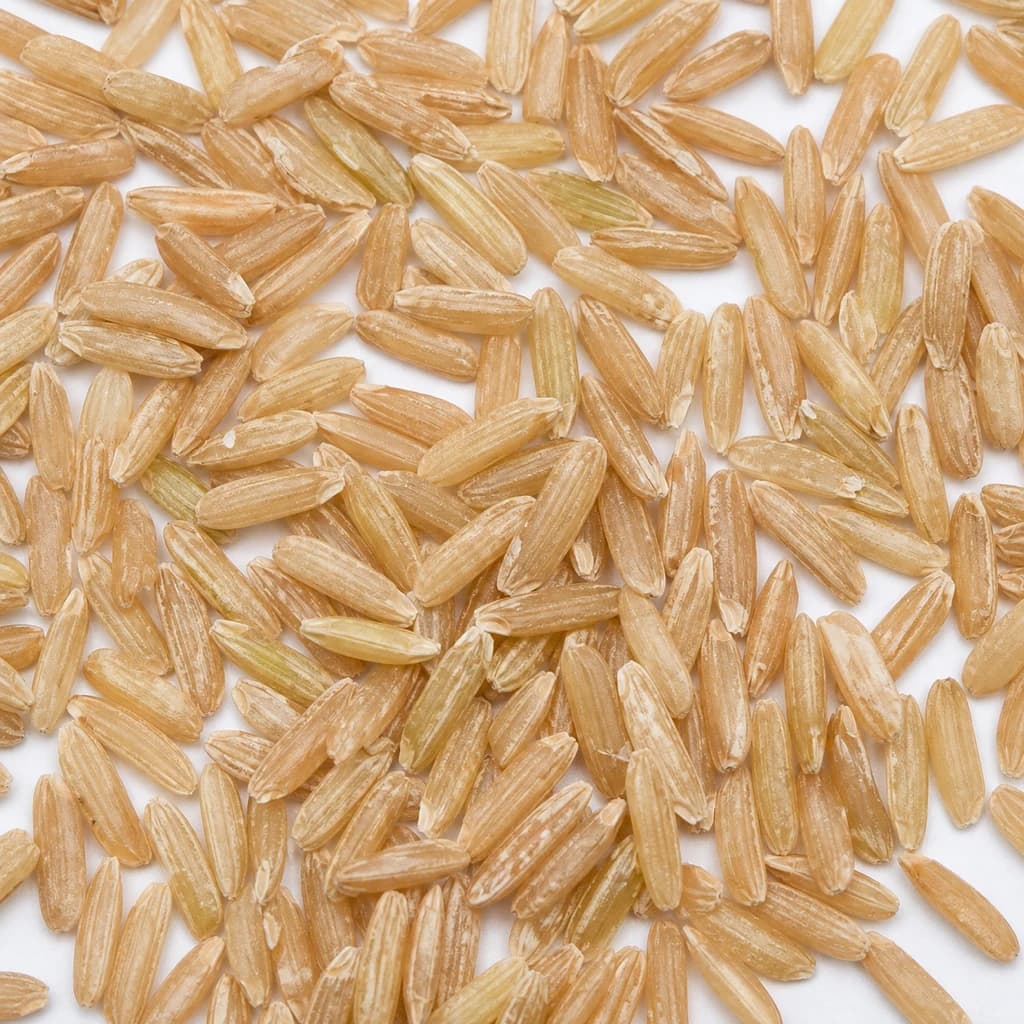
Brown Rice
Nutty, whole-grain rice with chew and extra fiber

Basmati Rice
Fragrant, long-grain rice that cooks up light and separate
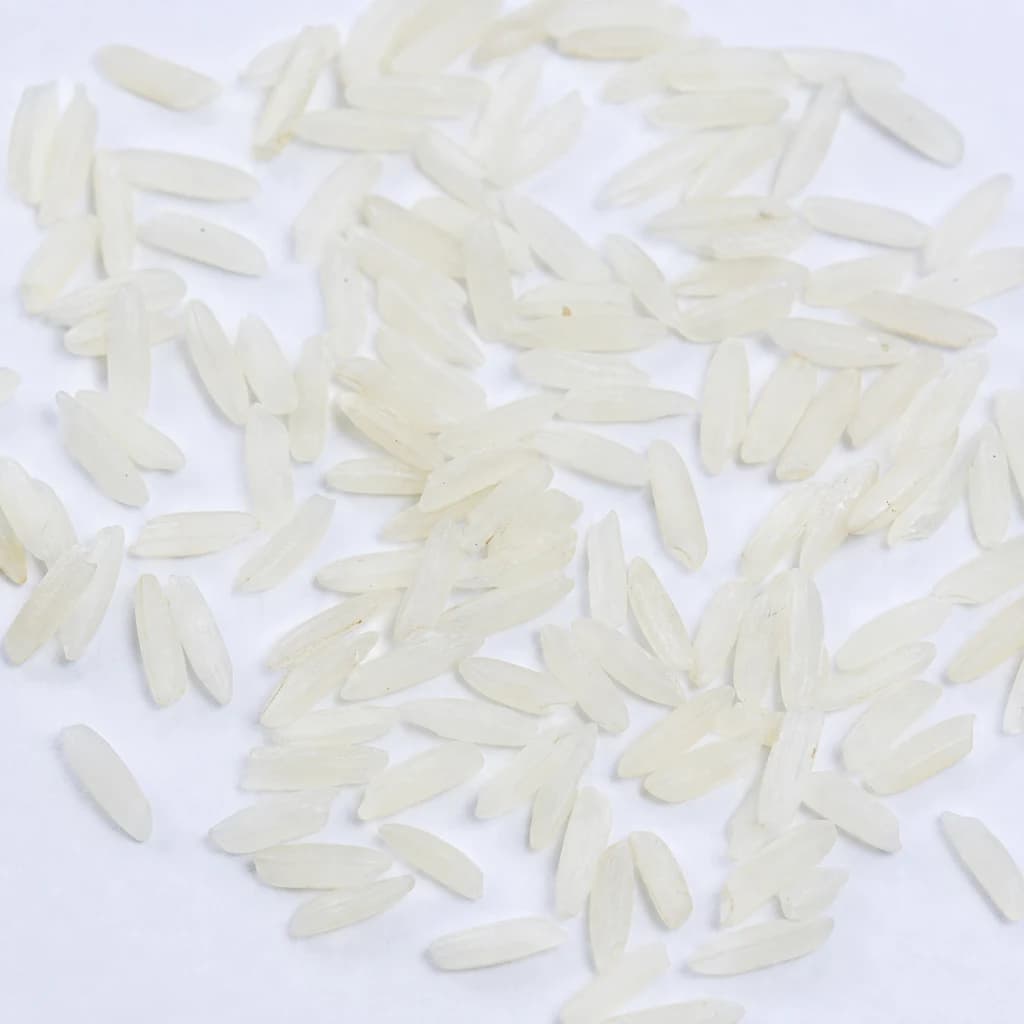
Jasmine Rice
Soft, floral-scented rice that's the pillar of Thai meals
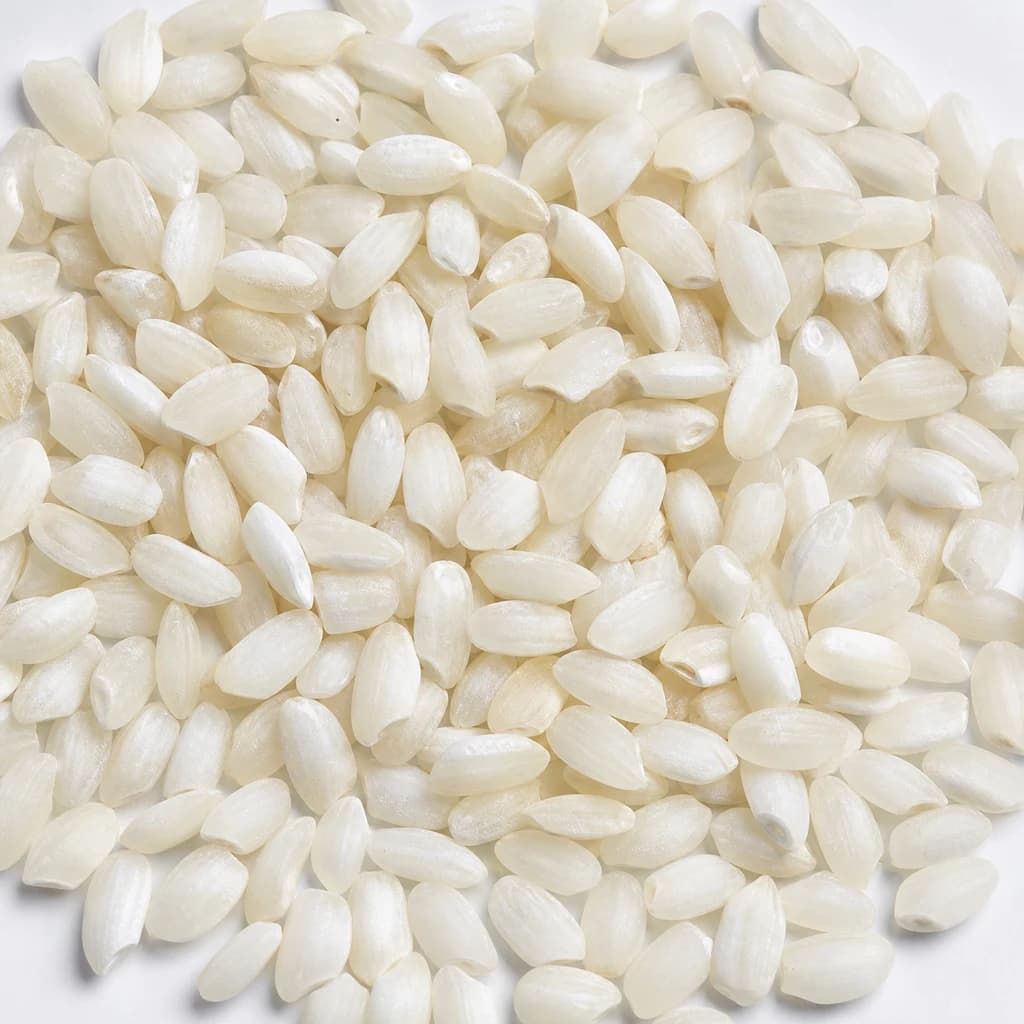
Arborio Rice
Plump, starchy rice that makes risotto creamy
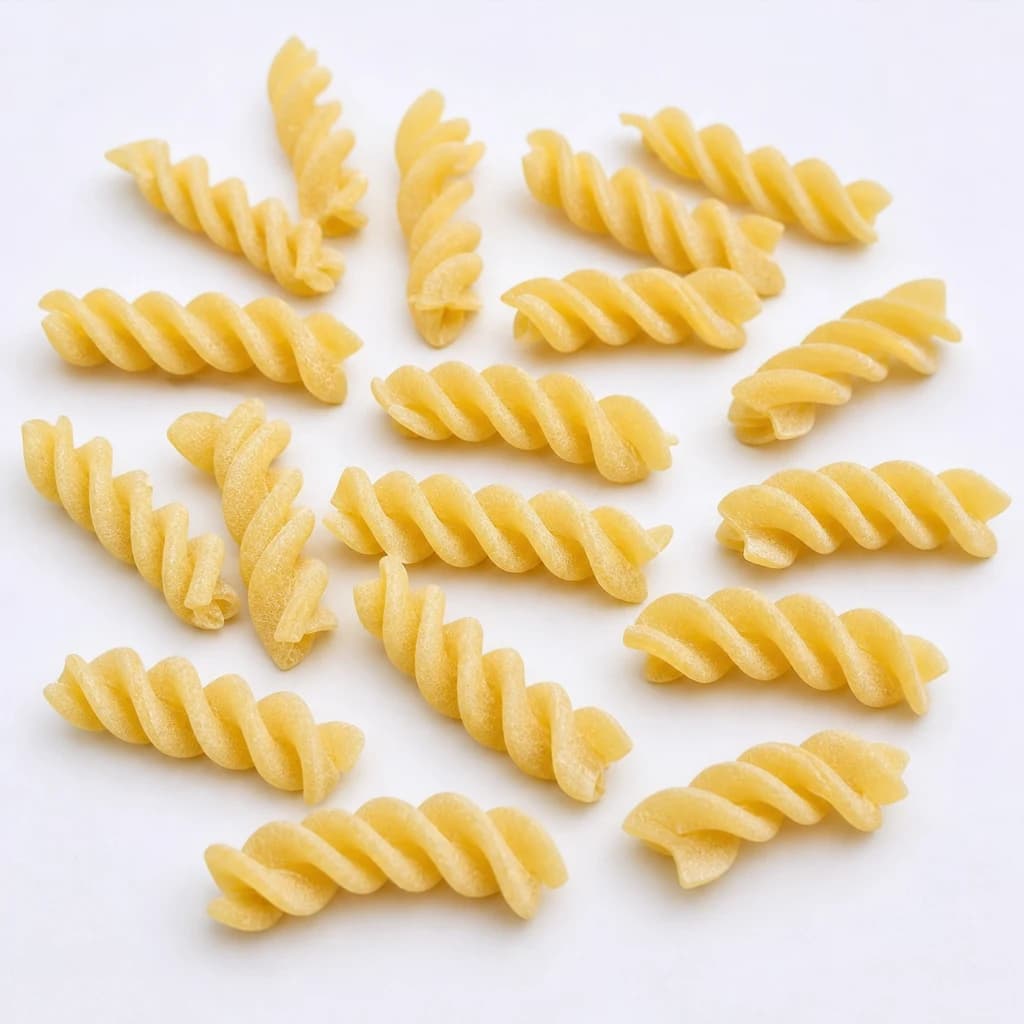
Fusilli
Spiraled pasta that twirls up sauce and dresses cold salads
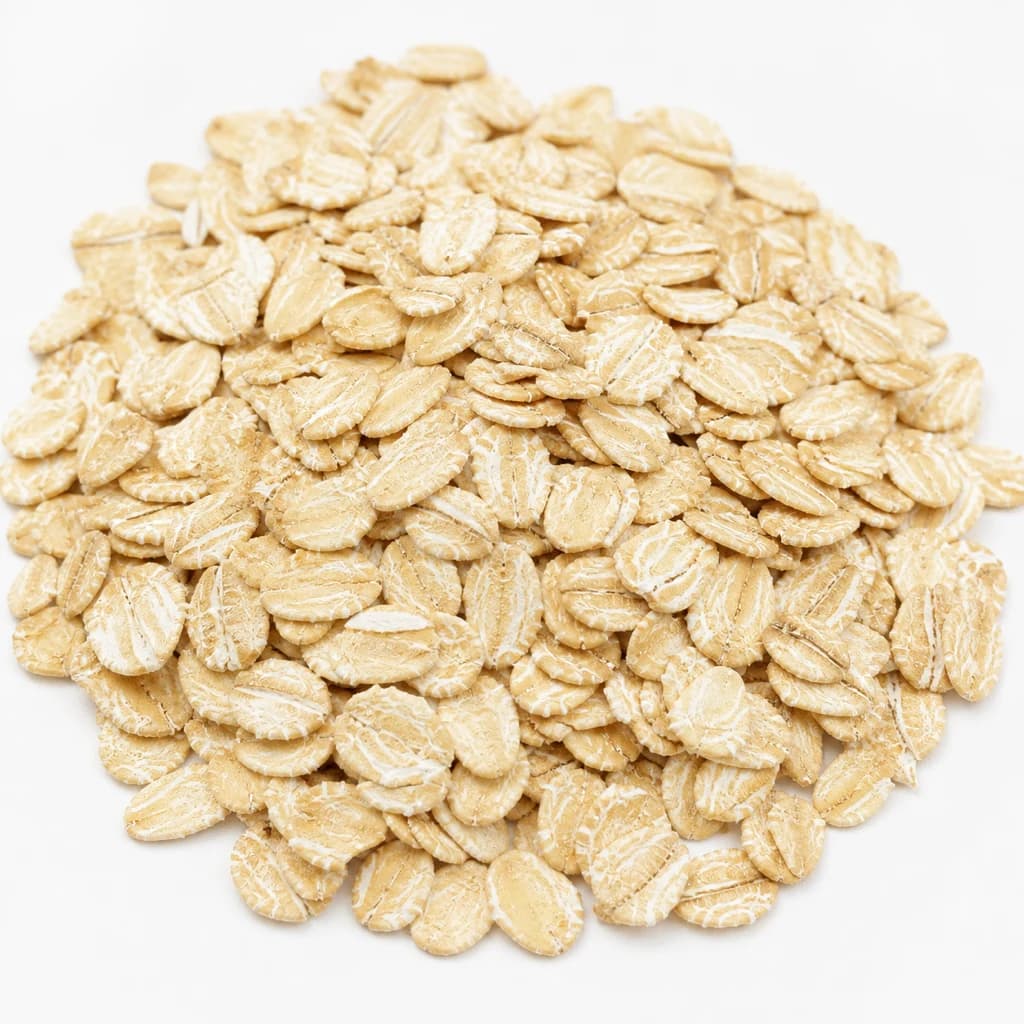
Rolled Oats
Hearty flakes for porridge, granola, and chewy cookies