Grains & Rice
Hard Red Wheat
High-protein wheat with a reddish bran, the standard for hearty yeast breads.
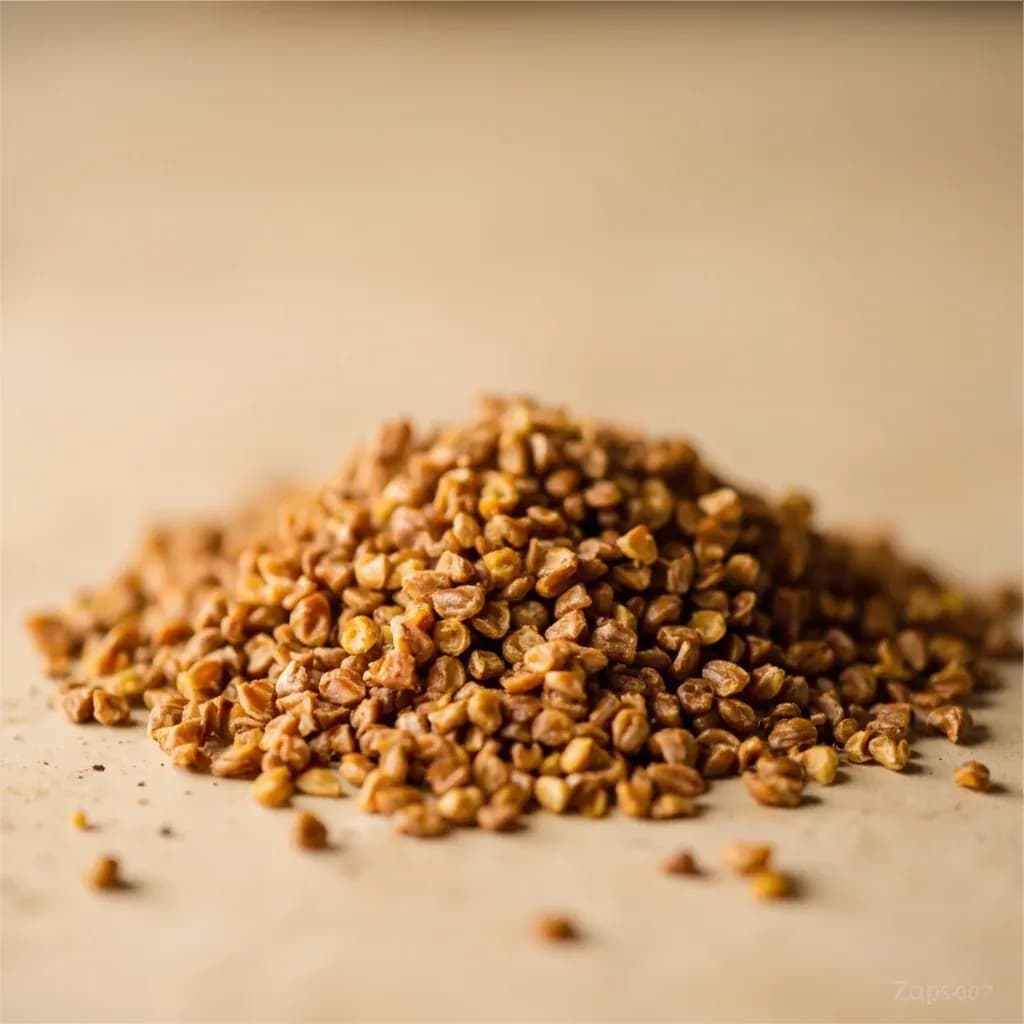
Hard red wheat is a high-protein, high-gluten wheat with a reddish-brown bran and a robust, slightly tannic flavor. Milled into bread flour, it produces strong, elastic dough ideal for crusty yeast loaves and whole-wheat baking. It comes in winter and spring varieties.
Hard red wheat is the backbone of American and much of global bread production, prized for protein content that exceeds any other common wheat class. The class encompasses two major varieties—Hard Red Winter and Hard Red Spring—each contributing distinct characteristics to the flour supply. The hard, dense endosperm grinds into a free-flowing, granular flour with a reddish-brown bran, producing a noticeably nuttier, more earthy flavor than the refined white flours most bakers default to. Understanding hard red wheat means understanding gluten: its 11–15% protein fraction builds the elastic networks that capture fermentation gases, hold shape during proofing, and deliver that satisfying chewy crumb in a well-made loaf.
The protein content is not incidental—it is the limiting factor in bread performance. High gluten potential translates directly to stronger doughs, superior oven spring, and an open, ragged crumb structure. This is why artisan bakers seek out Hard Red Spring for baguettes and pizza doughs where extensibility and spring matter most, while Hard Red Winter dominates commercial flour blends and sandwich bread production. The distinction between these two varieties is practical, not academic: HRS commands a premium and rewards the baker who wants gluten strength pushed to its limits.
Whole-berry hard red wheat is increasingly available from natural foods stores and directly from mills, making home milling practical for bread bakers who want the full flavor and nutritional benefits of the grain—something impossible with refined white flour. Fresh-milled flour retains more vitamins, lipids, and flavor compounds, but it also spoils faster; the germ's natural oils go rancid without the stabilizers added to commercial flour. The trade-off is real but worth it for the dedicated bread baker.
- Measured in
- g
- Storage
- Pantry
Allergens
Types & varieties
Planted in fall, harvested in late spring. Lower protein than HRS (11–13%). Tolerant of cold winters. Most widely produced wheat class in the U.S. Standard for commercial bread flour blends.
Planted in spring, harvested in late summer. Highest protein of common wheat classes (13–15%). Superior gluten development. Preferred for artisan breads, bagels, and pizza dough requiring strong structure.
Choosing Between HRW and HRS
The practical difference comes down to protein ceiling and price. HRW is the workhorse—reliable, abundant, and blended into most commercial bread flour. It performs well in straightforward bread formulas and is the economical choice for sandwich loaves and everyday baking. HRS costs more because it yields less per acre and is grown in smaller quantities, but its higher minimum protein makes it the only choice when dough strength is the limiting factor in your bread. For freeform hearth loaves with deep scoring, thick crispy crusts, and a gaping open crumb, HRS earns its premium. For standard sandwich bread, HRW suffices.
- Use HRW for everyday sandwich loaves, dinner rolls, and commercial-scale production
- Use HRS for artisan breads with heavy scoring, bagels, pizza dough, and anywhere maximum oven spring is desired
- Blend HRW and HRS 50:50 to tune protein to your specific formula
Home Milling Hard Red Wheat
Milling at home transforms the flavor and nutrition of your bread but requires adjusting expectations and technique. Whole-grain flour from hard red wheat behaves differently than the germ-and-bran-enriched whole-wheat mixes sold commercially, which are engineered for shelf stability over flavor.
- Grind just before use with a stone or impact mill for brightest flavor and highest nutrient retention
- Expect shorter shelf life than commercial flour—use within 2–4 weeks of milling, or freeze
- The germ and bran contribute intense flavor and shorten shelf life; sift if you want a lighter result
- Higher hydration is mandatory—increase liquid 5–10% compared to white flour formulas
Common uses
Tips & pitfalls
- When milling fresh, use a stone or impact mill; grind just before use for brightest flavor and highest nutrient retention.
- Hydration needs are higher than soft wheat—expect 65–75% water-to-flour ratio for standard lean breads.
- Do not substitute hard red wheat in tender baked goods; the high protein creates excessive chew in cakes, biscuits, or pie crusts.
- For whole-wheat bread, let the dough autolyse (rest) 20–40 minutes after mixing before kneading; this improves gluten development and reduces toughness.
- If grinding at home, sift for a lighter flour or use the whole berry for maximum nutrition; the germ and bran contribute distinct flavors and shorten shelf life.
- When storing berries, keep below 40°F and away from light to prevent rancidity of the natural oils in the germ.
Nutrition
Energy
1368 kJ · per 100 g
Where the calories come from
Protein
12.6g
25% DV
Carbs
71.2g
26% DV
Fat
1.5g
2% DV
Fiber
12.2g
44% DV
Sugars
0.4g
of which
Sodium
2mg
0% DV
Source · USDA FoodData Central · Wheat, hard red winter
View on FDC →In the shops
Matched grocery products
No matched grocery products for Hard Red Wheat yet.
Good to know
- Protein content
- 11–15%; higher than any other common wheat class
- Gluten potential
- High; ideal for strong, elastic doughs
- Bran color
- Reddish-brown; visually distinct from white or amber wheat
- Endosperm texture
- Hard and dense; grinds into a free-flowing, granular flour
- Primary origin
- U.S. Great Plains (Kansas, Nebraska, Oklahoma, North Dakota); also Canada, Russia, Australia
- Flavor profile
- Nutty, slightly earthy; more pronounced wheat flavor than white flour
- Shelf life (whole berry)
- 6–12 months in cool, dry, airtight storage; longer if refrigerated or frozen
- Milling yield
- Approximately 70–75% flour extraction from whole berry
Substitutes
- Bread flour — Commercial bread flour is typically milled from HRW or a blend; acceptable 1:1 substitute but often lower protein than true HRS.
- All-purpose flour (high-protein variety) — Some AP flours (e.g., King Arthur) run 11.7% protein and perform similarly to HRW; check label or protein percentage.
- Hard White Wheat — Same protein range as HRW but with lighter bran; yields milder-flavored bread. Use 1:1 in recipes.
Also called
Hard Red Winter Wheat · Hard Red Spring Wheat
Related

White Rice
Fluffy long-grain rice — the neutral base for almost any meal

White Bread
Soft sandwich loaf for toast, sandwiches, and crumbs
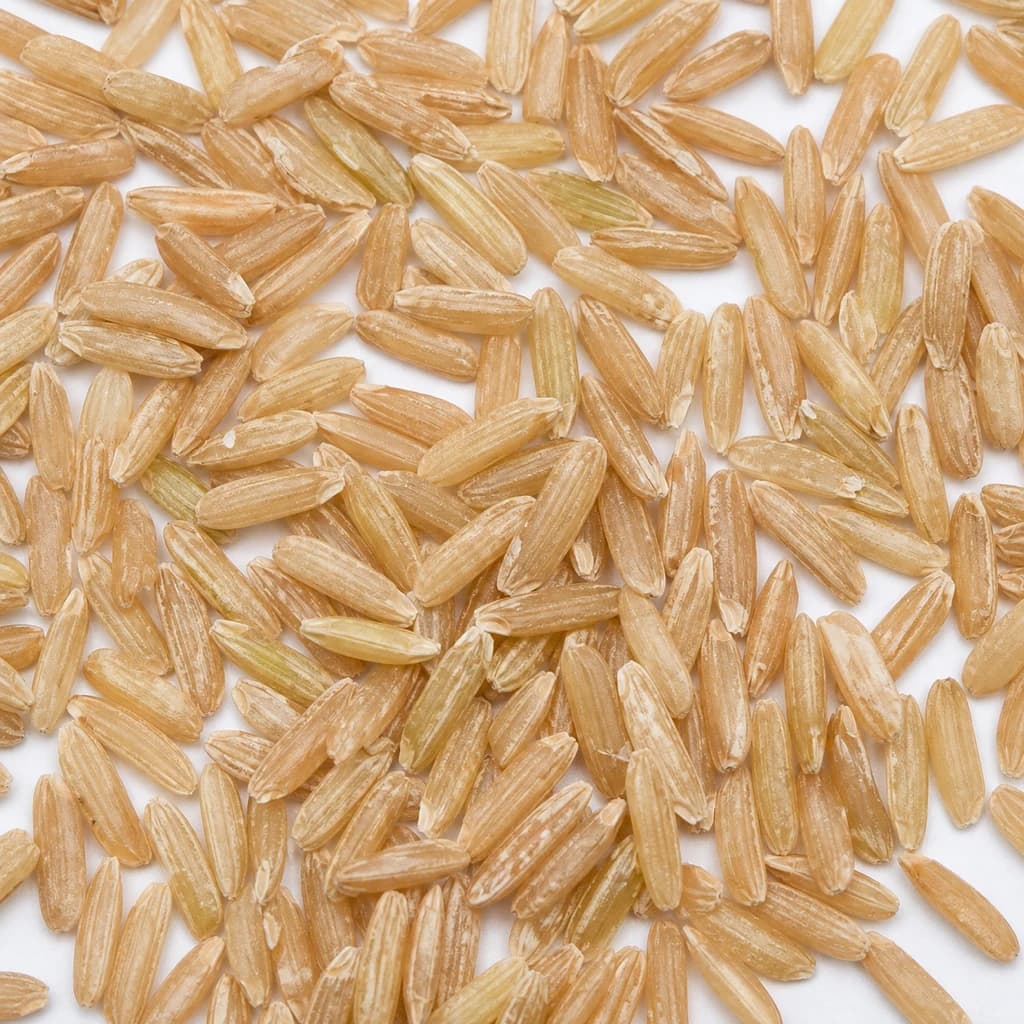
Brown Rice
Nutty, whole-grain rice with chew and extra fiber

Basmati Rice
Fragrant, long-grain rice that cooks up light and separate
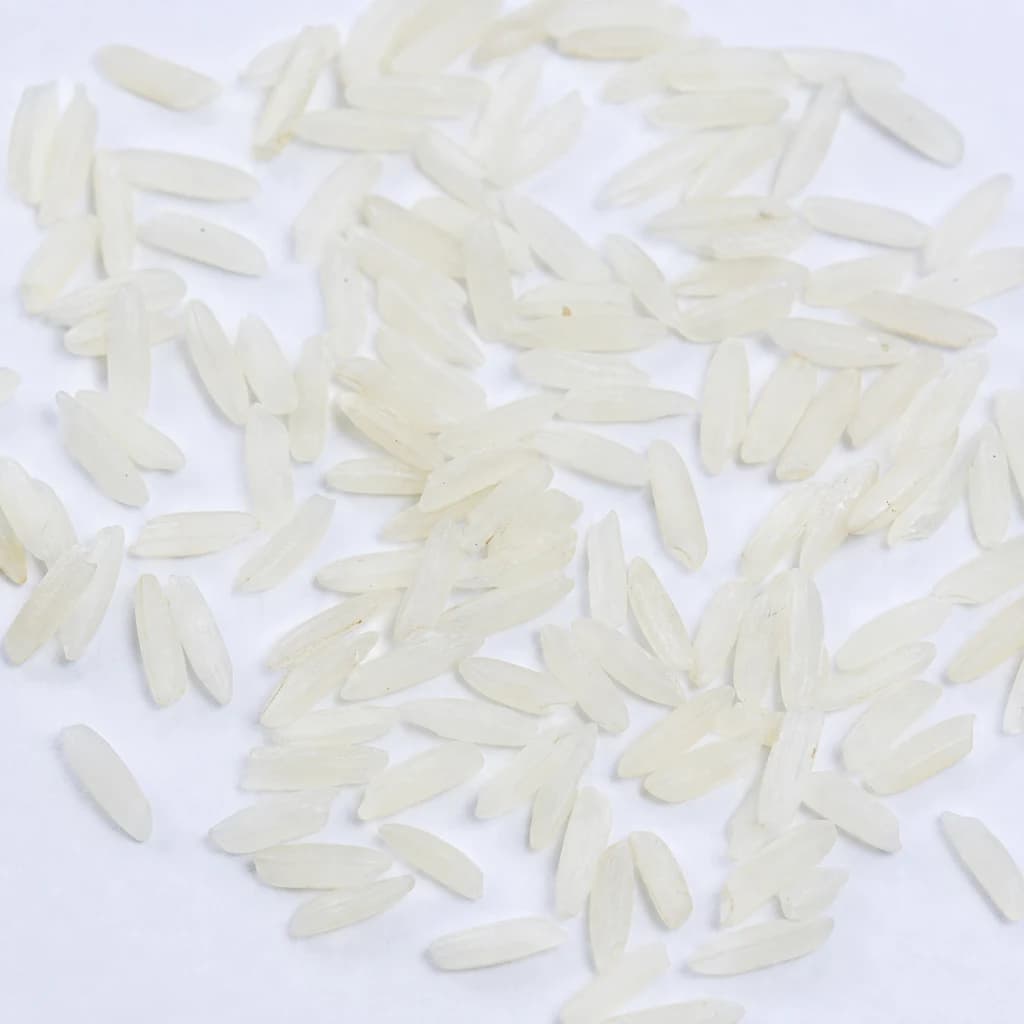
Jasmine Rice
Soft, floral-scented rice that's the pillar of Thai meals
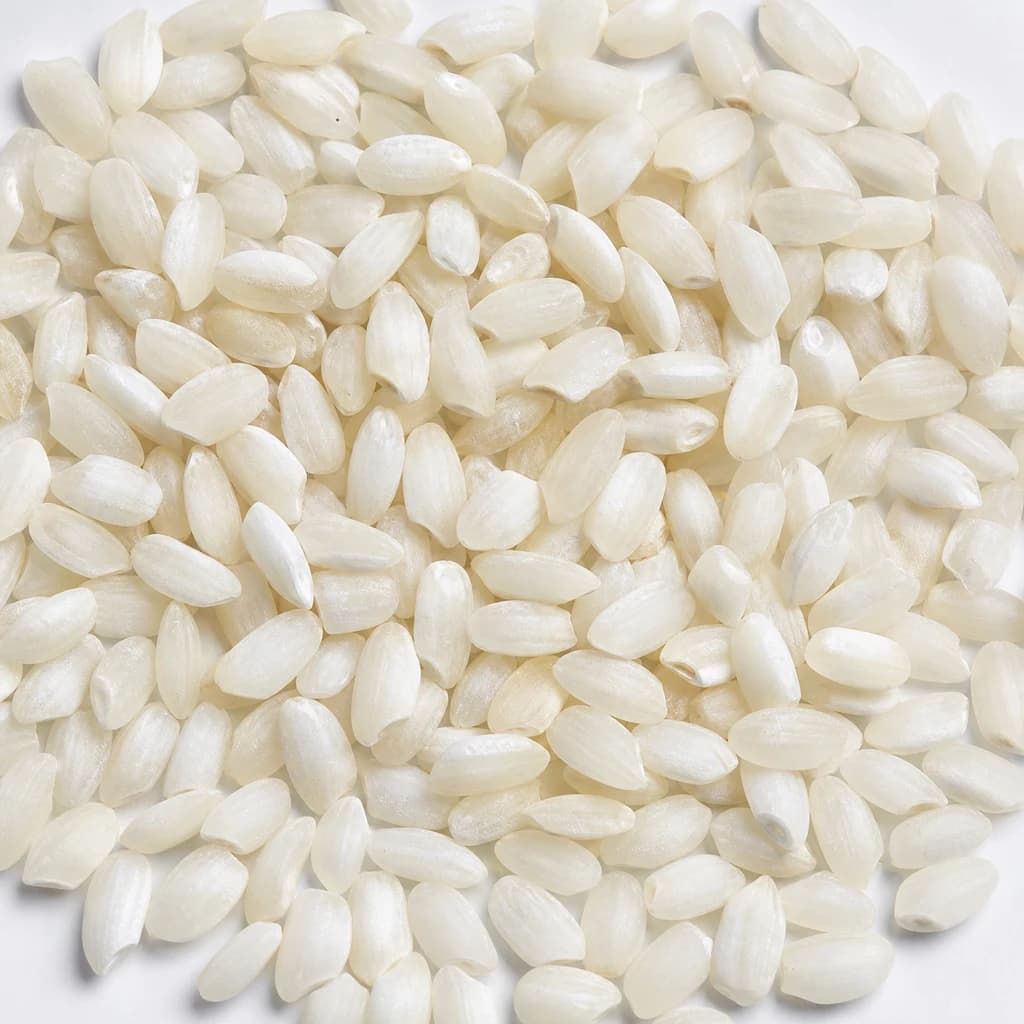
Arborio Rice
Plump, starchy rice that makes risotto creamy
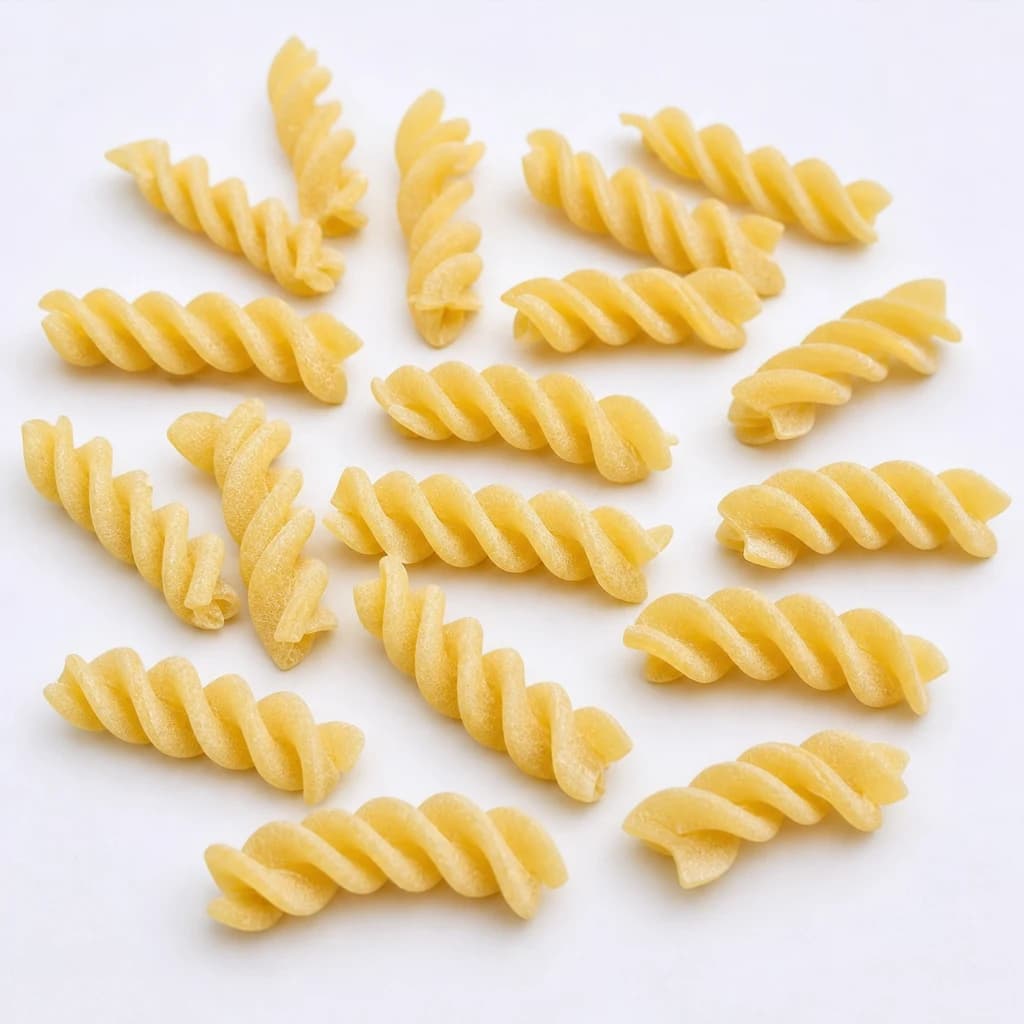
Fusilli
Spiraled pasta that twirls up sauce and dresses cold salads
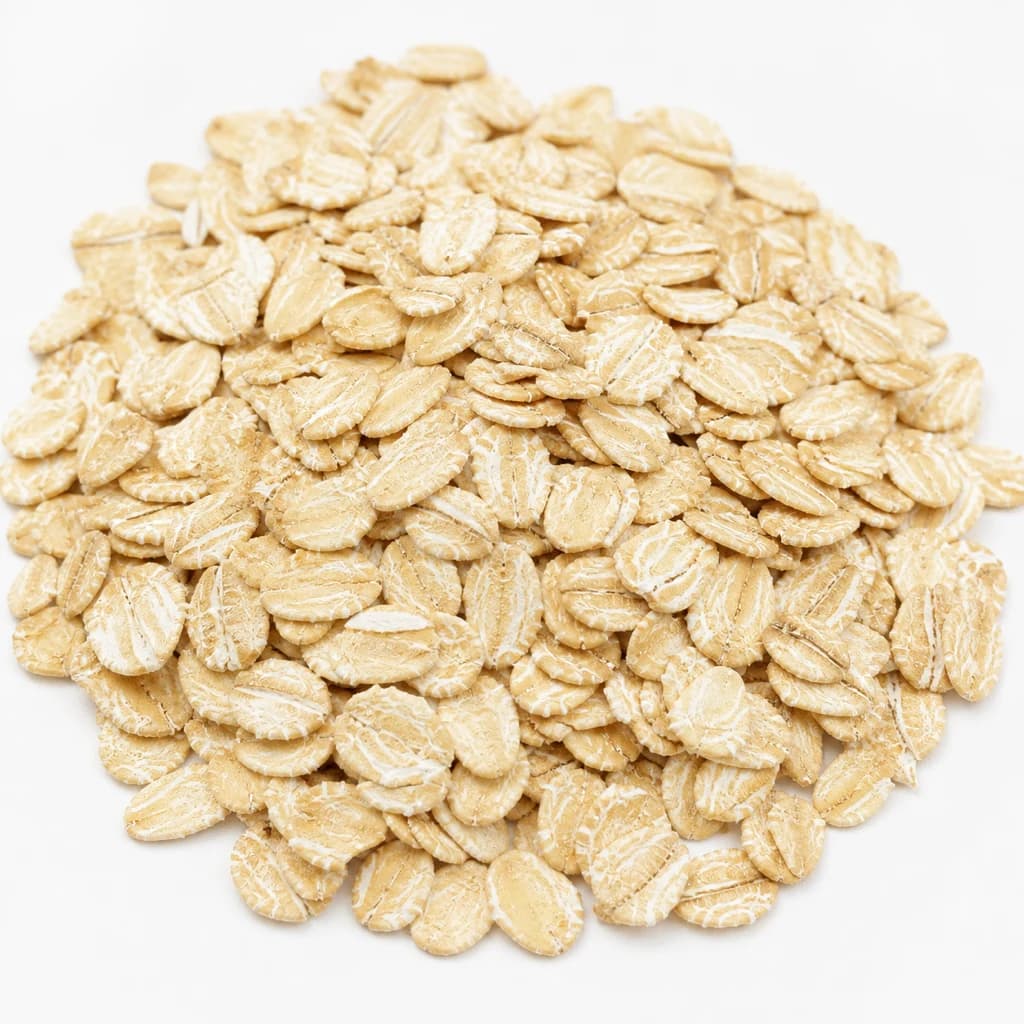
Rolled Oats
Hearty flakes for porridge, granola, and chewy cookies