
Stored
Dried mufushwa bundles store the season's leafy greens for months ahead.
Shows the preserved, ready-to-store form that defines this ingredient's identity and purpose.
Produce
Sun-Dried Vegetables (Mufushwa)
Sun-dried leafy greens or vegetables preserved for the dry season, rehydrated into stews and relishes.
Sun-dried vegetables are leafy greens or other vegetables dried in the sun to preserve them through lean seasons, known as mufushwa in Zimbabwe. They are soaked to rehydrate, then simmered with tomato, onion, and peanut butter into a savory relish eaten with sadza. Drying concentrates the flavor and creates a chewy, earthy character distinct from the fresh vegetable.
Mufushwa is a class of sun-dried vegetables that forms the backbone of dry-season cooking across Southern Africa's savanna regions. In Zimbabwe, Zambia, and Malawi, the months from May through October bring a genuine scarcity of fresh produce, and mufushwa-making evolved as a critical preservation technology that transforms perishable garden vegetables into shelf-stable provisions without salt, refrigeration, or electricity. Skilled cooks traditionally spread greens on elevated drying racks called mitoro, positioning them to catch maximum airflow and sunlight while protecting the crop from dust and insects. The slow desiccation concentrates flavors dramatically, yielding rehydrated vegetables with an earthy, slightly sweet intensity that fresh greens simply cannot match. When properly dried and stored, mufushwa keeps for one to two years—transforming a short harvest window into year-round access to essential nutrients. Beyond practicality, mufushwa carries deep cultural weight: the act of drying vegetables before the first frost is intertwined with maize harvest and preparations for the coming lean season, making it as much a ritual as a food-preservation strategy. The rehydrated product behaves quite differently from fresh vegetables, absorbing three to five times its weight in water and developing a texture that is tender but retains a pleasant chew, suited perfectly for long, slow simmers in relishes and stews rather than quick cooking.
- Measured in
- g
- Storage
- Pantry
Types & varieties
Dried rape (Brassica napus) leaves; the most common variety
Dried covo/collard greens; similar to rape in flavor and use
Dried pumpkin (Cucurbita) leaves; prized for rich, slightly bitter flavor
Dried cowpea (Vigna unguiculata) leaves; high in protein and iron
Dried okra slices; contribute thickening and a mild okra flavor
Mixed dried greens; a blend of two or more leaf types
Dried amaranth (Amaranthus) leaves; common in Zambia
Selection and Quality Indicators
When sourcing authentic mufushwa, examine dried leaves and vegetables carefully before purchasing. Consistent olive-to-dark-green color signals thorough drying, as does a papery, brittle texture that crumbles easily between your fingers. Avoid any product showing soft spots, discoloration, or flexibility—this indicates incomplete drying and high risk of mold development during storage. Dried tomato and pepper slices should display a deep red-orange color; any brown or gray patches suggest oxidation from improper drying or age. For leaf bundles, check that stems are fully desiccated and snap rather than bend. The aroma should be clean and vegetal, never musty or sour. Reputable sources often sell mufushwa in small mesh bags that allow continued airflow; this packaging method itself signals careful traditional handling.
- Choose leaves with uniform olive-to-dark-green color and papery texture
- Avoid any flexible, soft, or discolored pieces indicating incomplete drying
- Check dried sliced vegetables for consistent red-orange color without brown spots
- Select products sold in breathable packaging to ensure continued air circulation
The Role in Southern African Cuisine
Mufushwa occupies a unique position in the daily diet of millions across Southern Africa, functioning as both a nutritional lifeline and a flavor anchor during the long dry season. Unlike fresh greens that might be blanched briefly or eaten raw, mufushwa is always rehydrated and then long-cooked, typically in a relish preparation called muriwo. This cooking method extracts maximum nutrition from vegetables that have already undergone significant nutrient concentration during drying. The relish is then served alongside sadza, the dense maize porridge that forms the caloric foundation of the diet. Sadza provides carbohydrates; mufushwa relish supplies minerals, vitamins, and the textural contrast that makes the meal satisfying. In many households, the quality of the mufushwa relish is what distinguishes a memorable meal from an obligatory one, and skilled cooks develop distinct recipes based on which greens they dried and how they combined them with proteins and flavorings.
- Served as muriwo relish alongside sadza maize porridge in Zimbabwe and Zambia
- Combined with dried kapenta fish or hungwe dried meat for complete protein
- Cooked with groundnut or pumpkin seed flour for added richness and thickness
- Used as the vegetable component in sadza nemuriwo, integrating greens directly into the grain
Common uses
Tips & pitfalls
- Ensure complete, thorough drying before storage; any residual moisture causes mold within weeks
- Rehydrate in cool water, not boiling, to prevent uneven softening—20–30 minutes is usually sufficient
- Do not discard soaking water; cook the vegetables in it to retain concentrated flavor compounds
- Press rehydrated greens firmly to remove excess water before cooking, then sauté in hot oil
- Add rehydrated greens to stews in the last 10–15 minutes of cooking to preserve texture
- Store dried vegetables in small batches; open a new container rather than exposing all stock to humidity repeatedly
- For deeper flavor, briefly toast dried leaves in a dry pan over medium heat before rehydrating
Nutrition
Energy
255 kJ · per 100 g
Where the calories come from
Protein
1.1g
2% DV
Carbs
14.7g
5% DV
Fat
0.5g
1% DV
Fiber
3g
11% DV
Sugars
9g
of which
Sodium
3mg
0% DV
Source · USDA FoodData Central · approx. Kiwifruit, green, raw
View on FDC →In the shops
Matched grocery products
No matched grocery products for Sun-Dried Vegetables (Mufushwa) yet.
Good to know
- Origin
- Southern Africa (Zimbabwe, Zambia, Malawi)
- Traditional Season
- Made during dry season (May–October in Zimbabwe)
- Primary Vegetables
- Rape (colza), covo/kale, pumpkin leaves, cowpea leaves, okra, tomatoes, peppers
- Shelf Life
- 1–2 years when fully dried and stored in airtight containers in cool, dry place
- Rehydration Ratio
- Absorbs roughly 3–5× its weight in water
- Typical Soak Time
- 15–45 minutes depending on thickness and desired texture
- Flavor (rehydrated)
- Concentrated, earthy, slightly sweet; tender but retains some chew
- Common Form
- Hand-pressed or loosely stacked dried leaf bundles; also dried sliced vegetables
Substitutes
- Dried porcini or shiitake mushrooms — Provide concentrated umami and chewy texture; rehydrate similarly and cook in stews
- Freeze-dried leafy greens — Closest modern substitute; reconstitute quickly and use in same preparations
- Fresh leafy greens (kale, collards, spinach) — No rehydration needed; reduce cooking time and omit soaking step
- Salted dried vegetables — Rinse thoroughly before use; may require desalting step to avoid overly salty result
Pairs with
Also called
Mufushwa · Dried Greens · Sun-Dried Greens
Appears in these dishes

Related
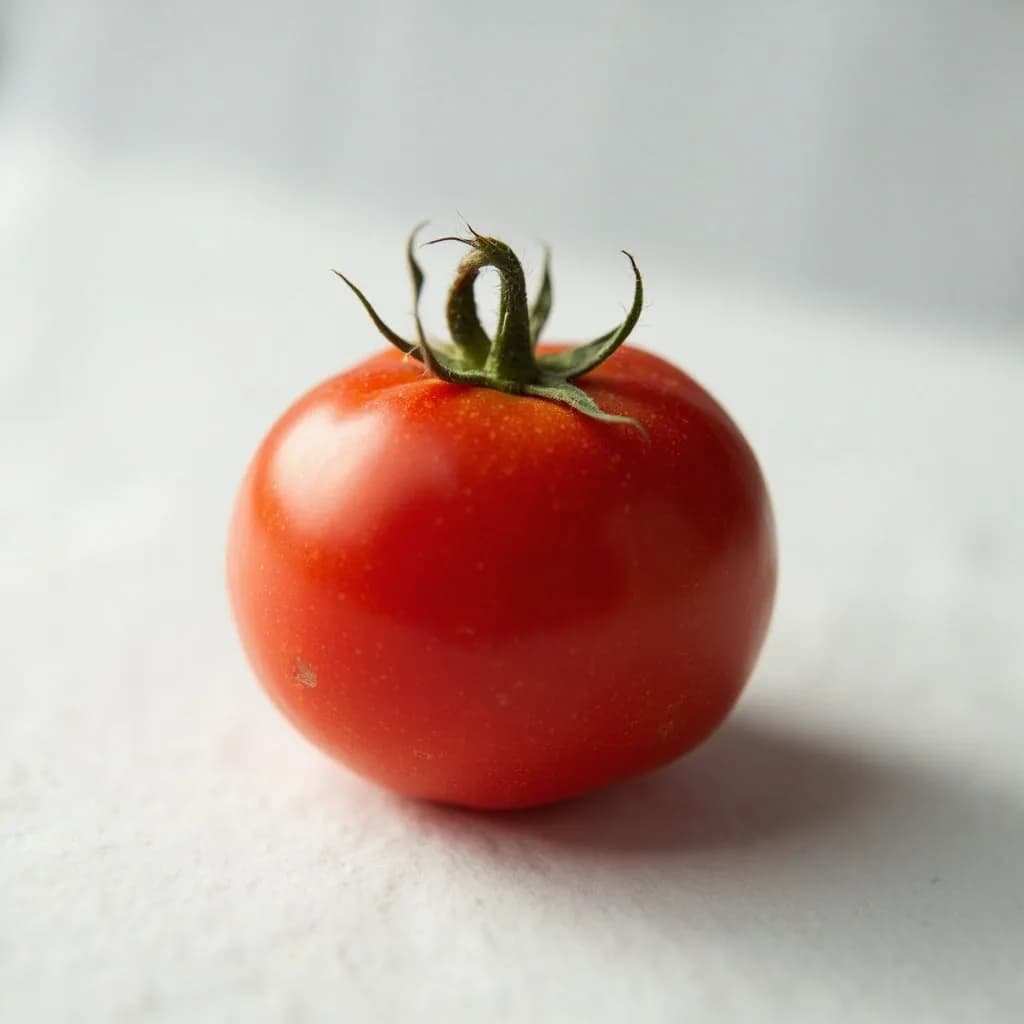
Tomato
Juicy, sun-sweet fruit for sauces, salads, and slow-cooked depth
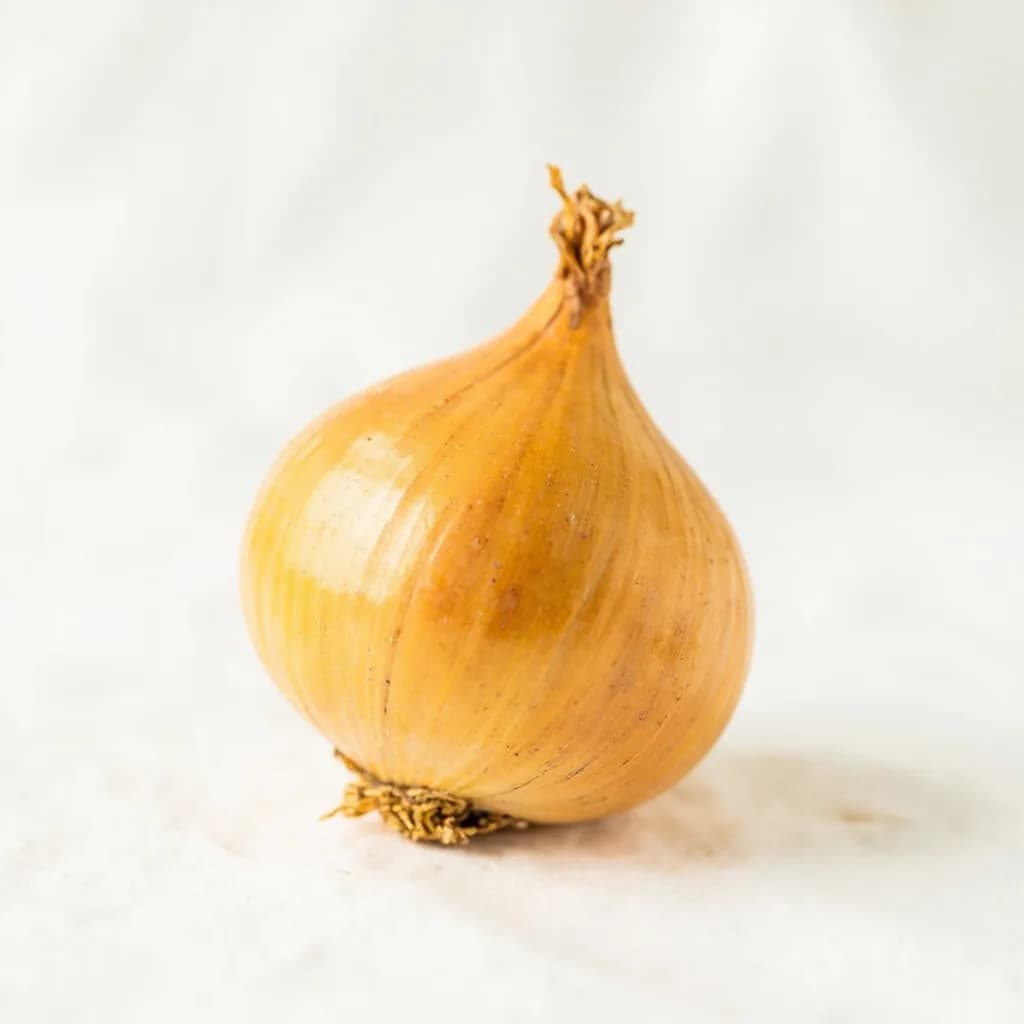
Yellow Onion
The aromatic backbone of soups, sofritos, and braises
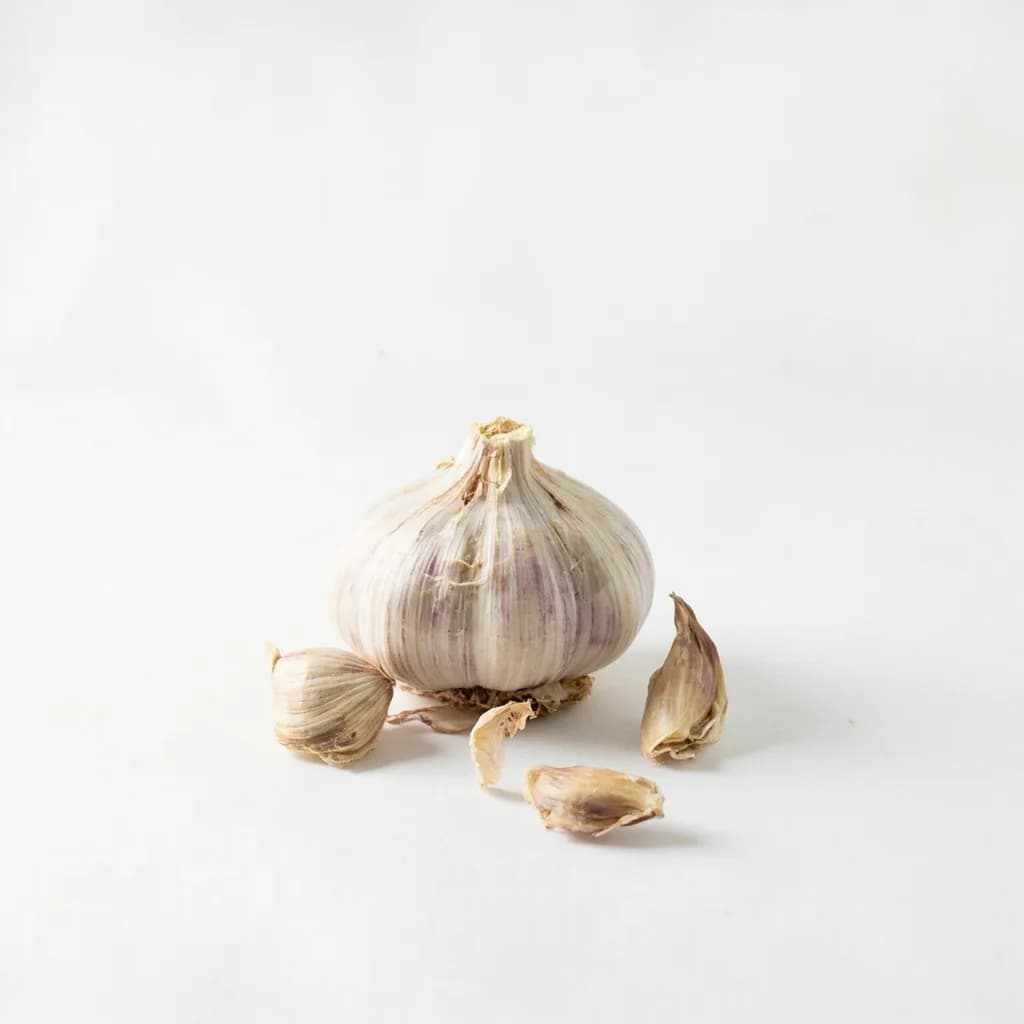
Garlic
Pungent cloves that perfume nearly every savory dish
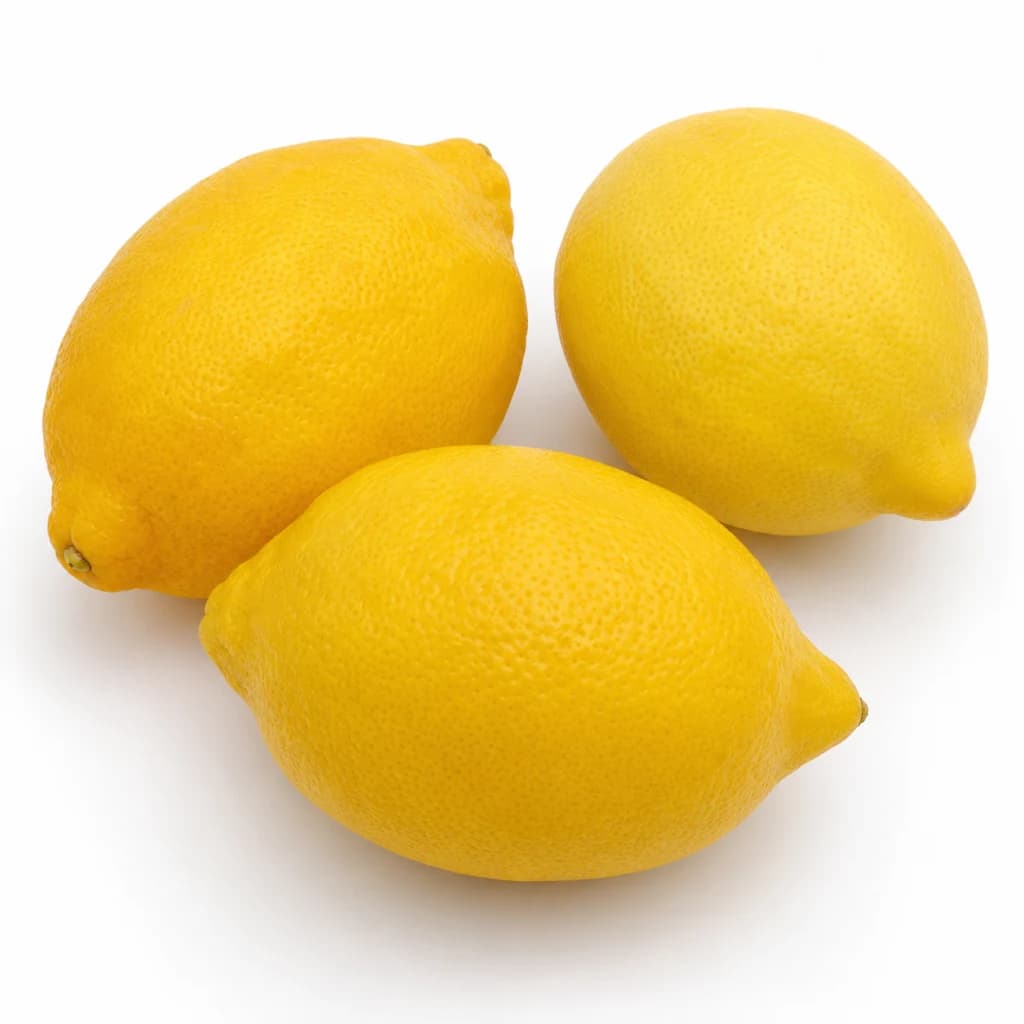
Lemon
Bright, acidic citrus that wakes up almost any dish
Potato
Humble, hearty staple — roast, mash, fry, or boil
Carrot
Sweet, crunchy root — raw, roasted, or the base of a sofrito
Cucumber
Cool, crisp, and watery — for salads, pickles, and tzatziki

Lettuce
Crisp leaves for salads, wraps, and a fresh crunch