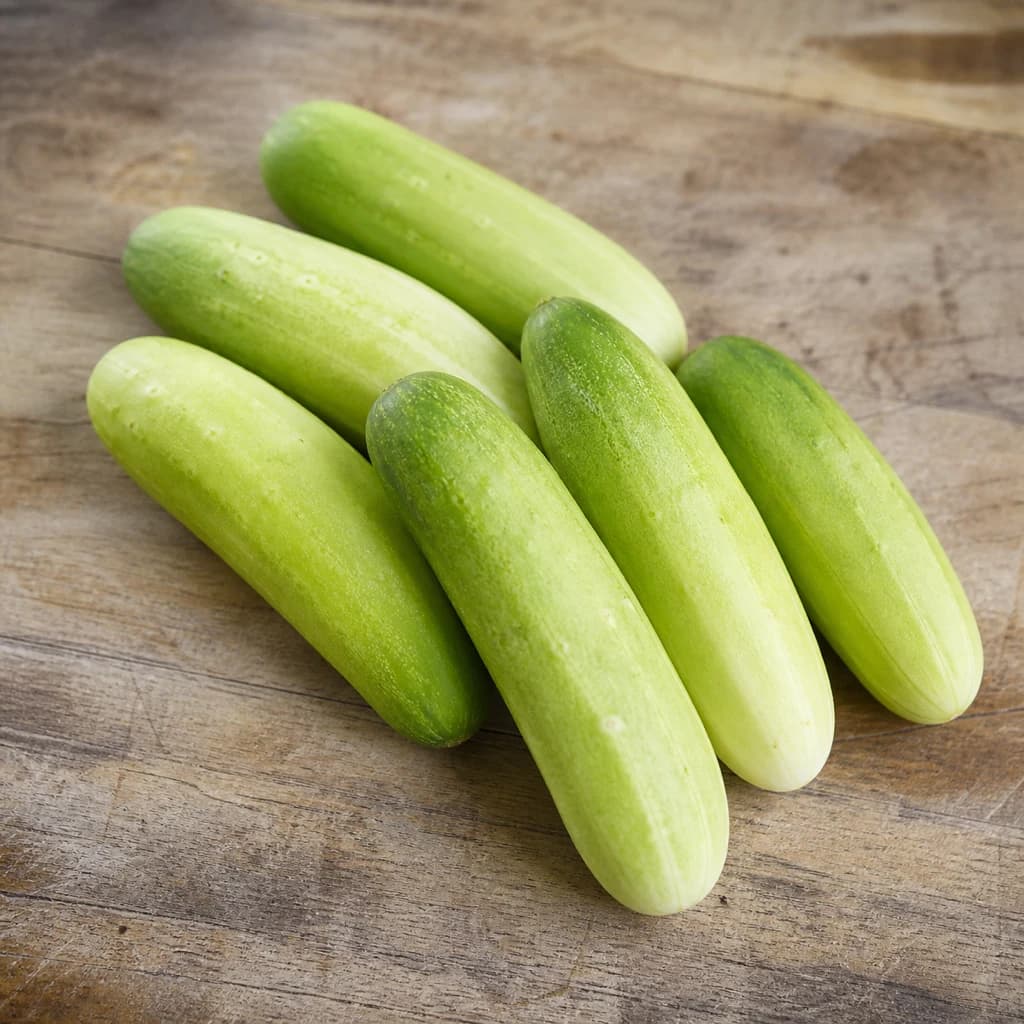
Natural form
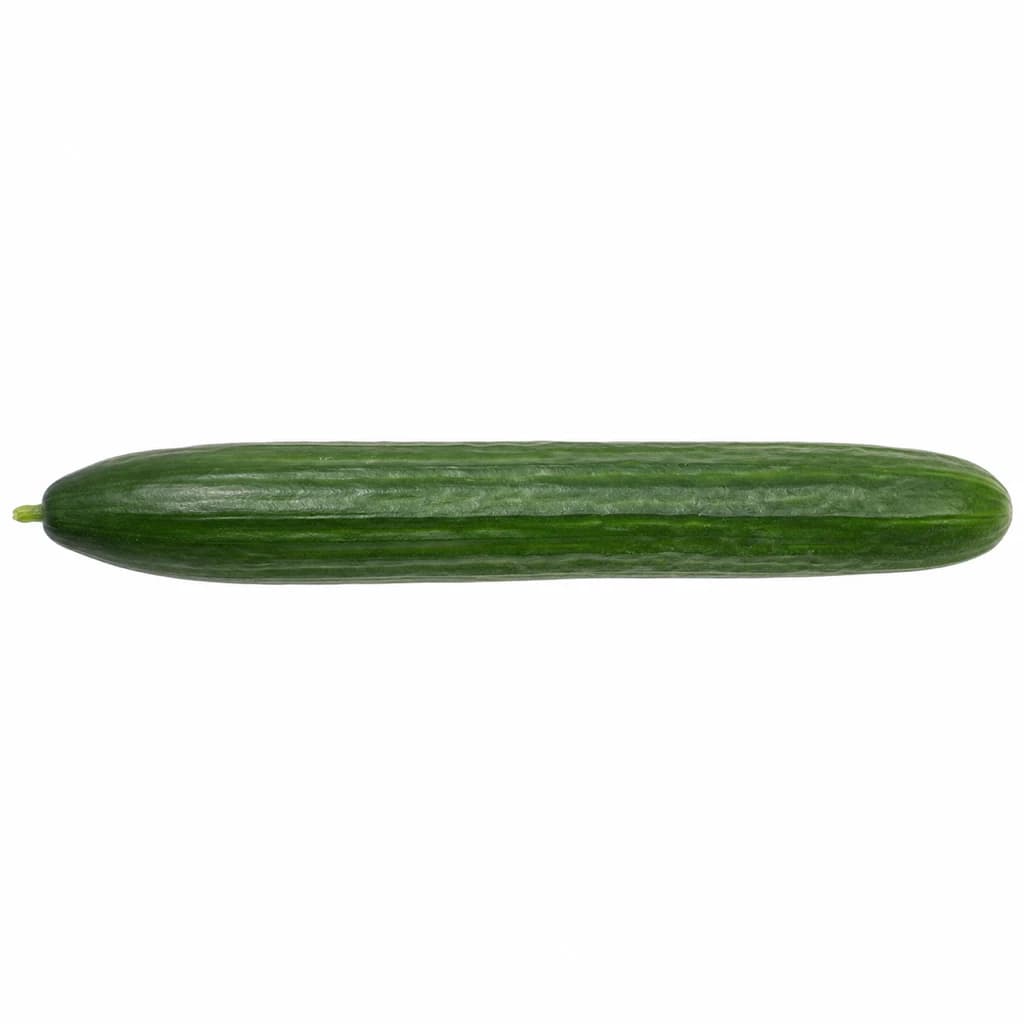
Whole Thai cucumbers showing their short, pale-green form and thin skin.
Shows the reader exactly what to look for when identifying this variety at a market or in a recipe.
Produce
Thai Cucumber (Taeng Kwa)
Short, thin-skinned cucumbers eaten raw with dips, in salads, and as a cooling side to spicy Thai food.
Thai cucumbers are short, pale-green cucumbers with thin skin, small seeds, and a crisp, juicy bite. They are eaten raw alongside nam prik dips and grilled dishes, sliced into the relish ajad for satay, and tossed into Thai salads. Their mild, refreshing crunch is valued as a cooling counterpoint to chili-heavy Thai cooking.
Thai cucumbers (แตงกวา, taeng kwa) are a distinct class of small cucumbers bred for tender, edible skin and a firm, nearly seedless flesh that holds up beautifully to raw preparations. Where Western cucumbers are bred for bulk and extended shelf life—often resulting in thick skins and mealy centers—taeng kwa are cultivated for immediate kitchen use: their thin, slightly bumpy skins need no peeling, their seed cavities remain small and gelatinous, and their flesh delivers a quietly sweet, refreshing snap that doesn't turn watery under dressing. In Thai cooking, this vegetable is not incidental but structural: it serves as the deliberate counterweight to the aggressive flavors that define the cuisine—fermented fish, bird's eye chilies, lime, and palm sugar. You will find cucumber cut into spears beside a plate of nam prik gaprao, tossed in som tam, or cooling a spoonful of gaeng som. Its presence is calculated, not decorative. The taeng kwa is the everyday cucumber of Thai markets, available year-round in tropical regions, and it rewards cooks who understand its behavior rather than substituting a standard cucumber and wondering why the dish feels off-balance.
- Measured in
- piece
- Storage
- Fridge
Types & varieties
Light green, slightly larger; the most common variety in central Thailand markets
Dark green, slender, and longer; prized for its exceptionally crisp texture in som tam
Why Thai Cucumbers Behave Differently
The difference between taeng kwa and a standard cucumber is not cosmetic—it is structural. Western cucumbers evolved under breeding programs that prioritized shipability and shelf life, selecting for thicker skins that resist bruising and higher water content that adds weight. This produces a cucumber that softens quickly once cut and dilutes dressings with exuded liquid. Thai cucumbers were bred for a completely different context: eating immediately, raw, often with potent sauces. Their thin skins are an asset, not a liability. Their lower water content means they absorb dressings without drowning them. And their small seed cavities—almost gelatinous rather than hollow—don't introduce the textural interruption that can make a cucumber salad feel uneven. When a recipe calls for taeng kwa, substituting a thick-skinned Western cucumber isn't simply a matter of swapping one cucumber for another; you're changing the dish's behavior fundamentally.
- Thin skin = more nutrients retained in the edible portion
- Small seed cavity = even texture throughout
- Lower water content = dressings cling instead of sliding off
- Firm flesh = holds up to salting and acid without going soft
Common uses
Tips & pitfalls
- Never peel Thai cucumbers—the skin is thin and tender, and peeling wastes the most nutritious part of the vegetable
- Salt sliced cucumber lightly and let it sit for 5–10 minutes before dressing to draw out excess water and prevent dilution of sauces in salads
- Pat dry after salting to ensure dressings and dips cling properly
- Use immediately after cutting for maximum crispness; cucumber softens quickly once dressed with acid
- Select firm cucumbers with even color and no soft spots or yellowing
- If unavailable, Persian cucumbers are the closest substitute—slice unpeeled and use 1:1
- Do not store Thai cucumbers near ethylene-producing fruits like bananas or tomatoes; the gas accelerates softening
Nutrition
Energy
63 kJ · per 100 g
Where the calories come from
Protein
0.7g
1% DV
Carbs
3.6g
1% DV
Fat
0.1g
0% DV
Fiber
0.5g
2% DV
Sugars
1.7g
of which
Sodium
2mg
0% DV
Source · USDA FoodData Central · approx. Cucumber, with peel, raw
View on FDC →In the shops
Matched grocery products
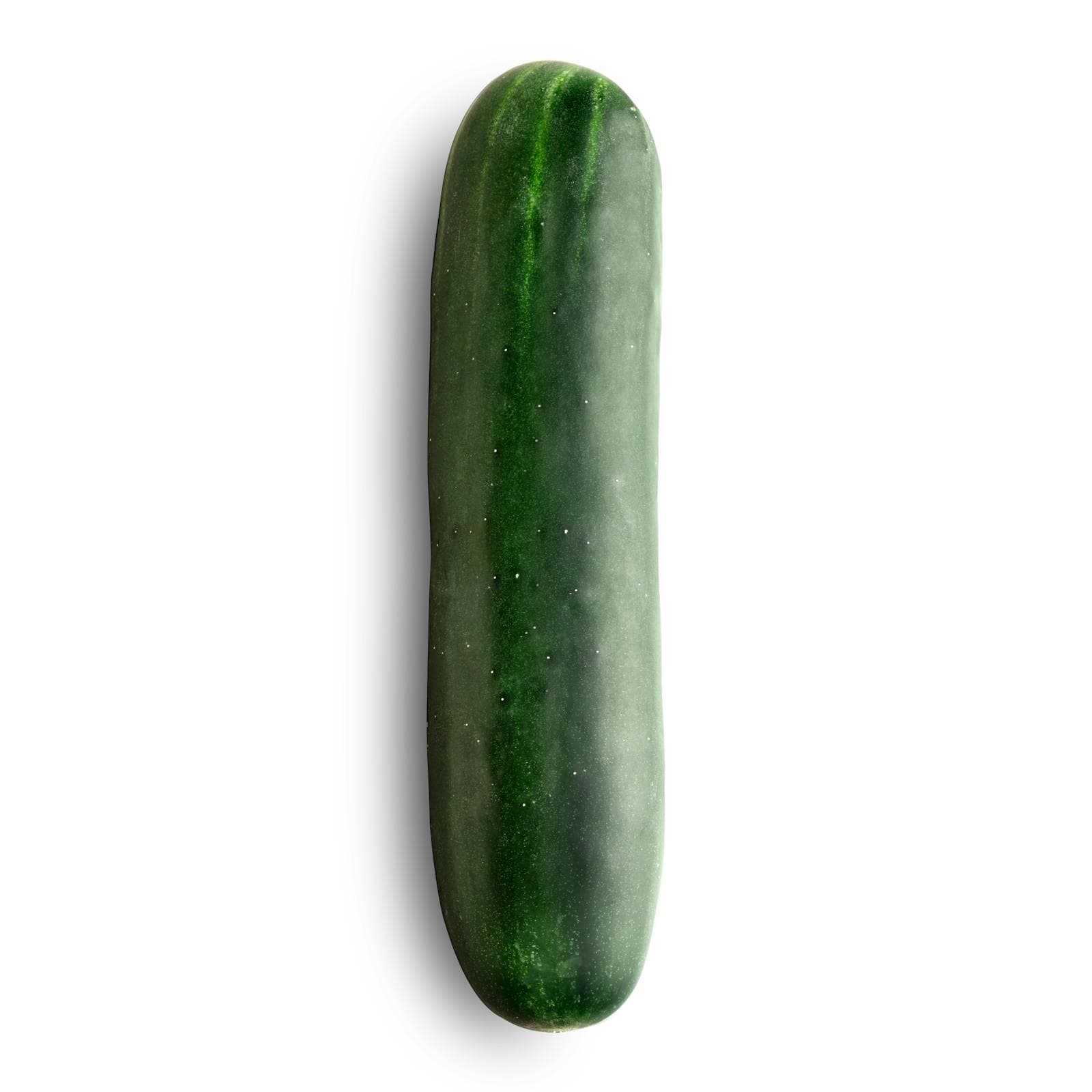 €0.40
€0.40Cucumber
210 g · Mercadona
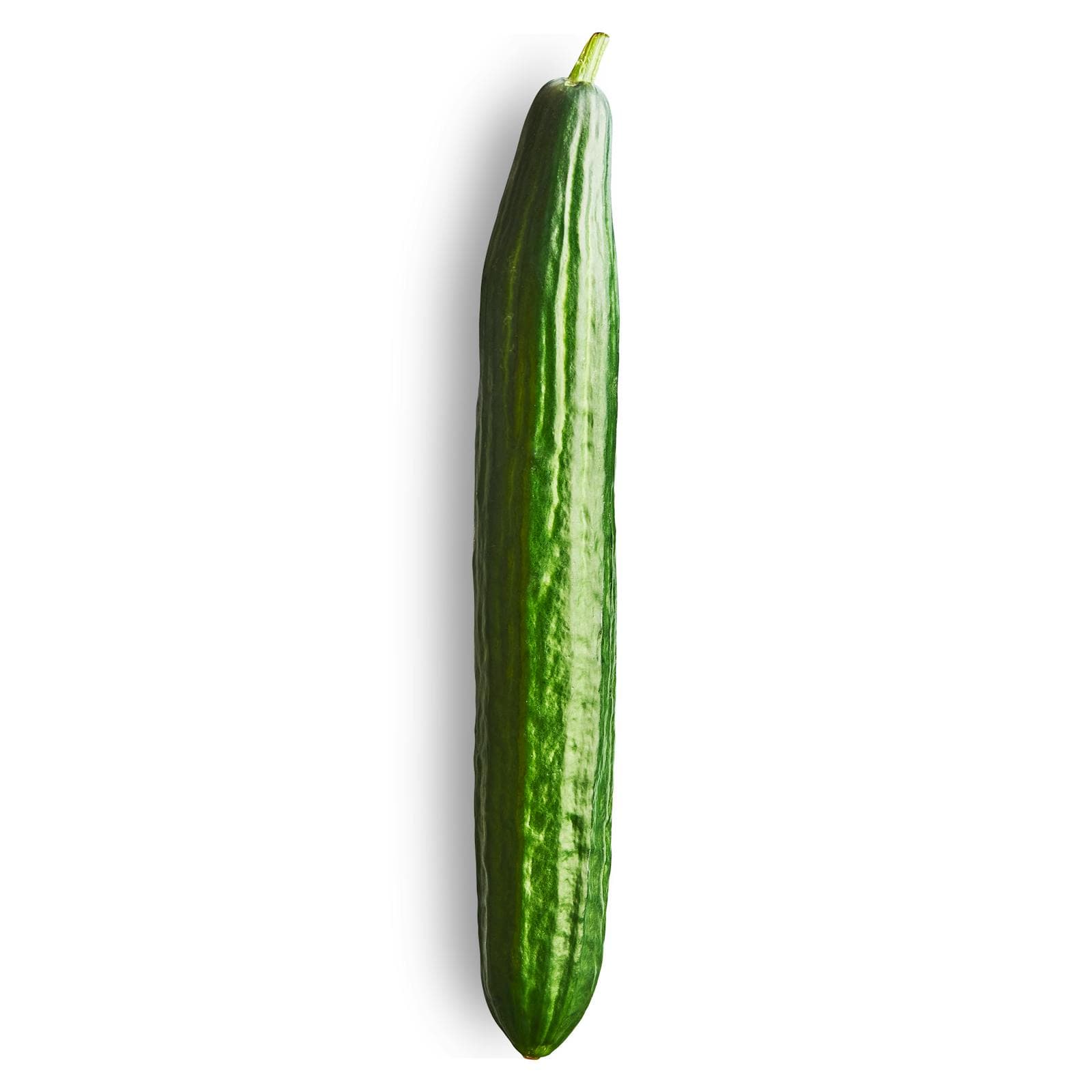 €1.13
€1.13Dutch Cucumber
425 g · Mercadona
 €0.59
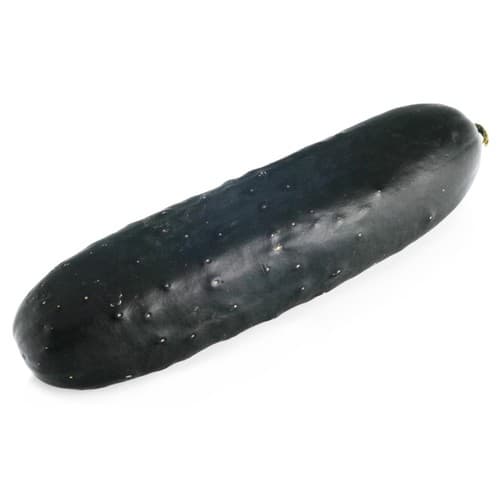
€0.59Cucumber 1 unit
Bonpreu
 €0.66
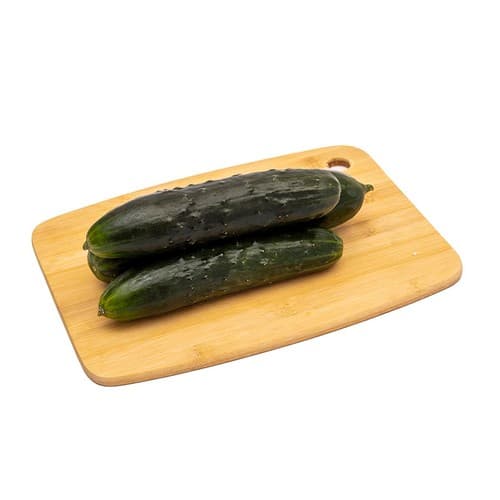
€0.66Cucumber 1 unit
ud · Bonpreu
 €3.39
€3.39La Collita Organic Cucumber Tray 600 g
LA COLLITA · kg · Bonpreu
Good to know
- Scientific Name
- Cucumis sativus
- Thai Name
- แตงกวา (Taeng Kwa)
- Origin
- Southeast Asia; extensively cultivated throughout Thailand
- Typical Size
- 10–15 cm (4–6 inches) long
- Skin
- Thin, edible, slightly bumpy; dark to medium green
- Texture
- Firm and crisp with a small seed cavity; minimal seeds
- Flavor
- Mildly sweet and refreshing; less watery than Western varieties
- Peak Season
- Year-round in tropical climates; summer in temperate regions
- Storage
- Refrigerate unwashed in a plastic bag up to 5 days; keep away from ethylene-producing fruits
- Yield
- Nearly 100% usable; skin is tender and edible, seeds are small and soft
Substitutes
- Persian Cucumber — Best substitute; thin skin, firm flesh, mild flavor. Use same quantity raw or lightly cooked.
- English Cucumber — Acceptable but larger and wetter; halve lengthwise, remove seeds, and salt before using to reduce water content.
- Japanese Cucumber — Good texture match; small spines may need rubbing off. Use same way as Thai cucumber.
Pairs with
Also called
Taeng Kwa · Asian Cucumber
Related
Tomato
Juicy, sun-sweet fruit for sauces, salads, and slow-cooked depth
Yellow Onion
The aromatic backbone of soups, sofritos, and braises
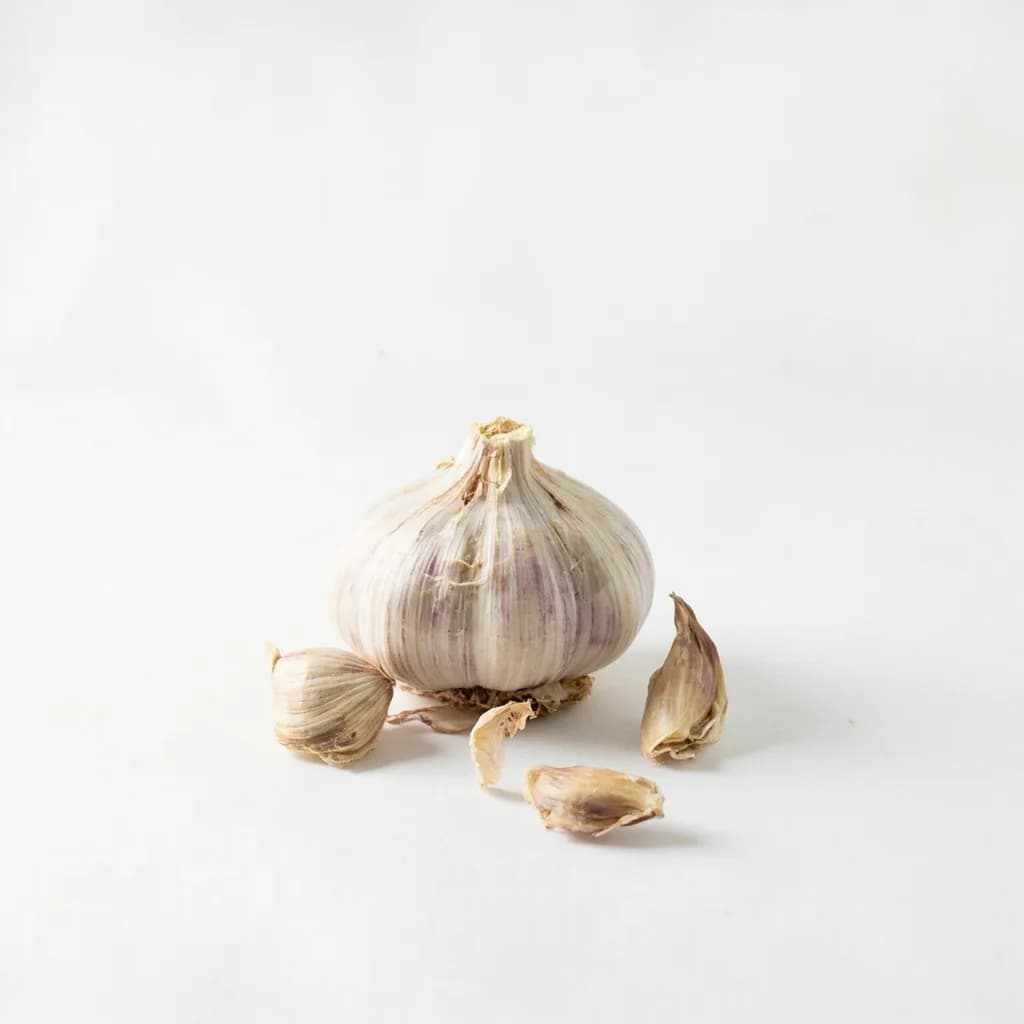
Garlic
Pungent cloves that perfume nearly every savory dish
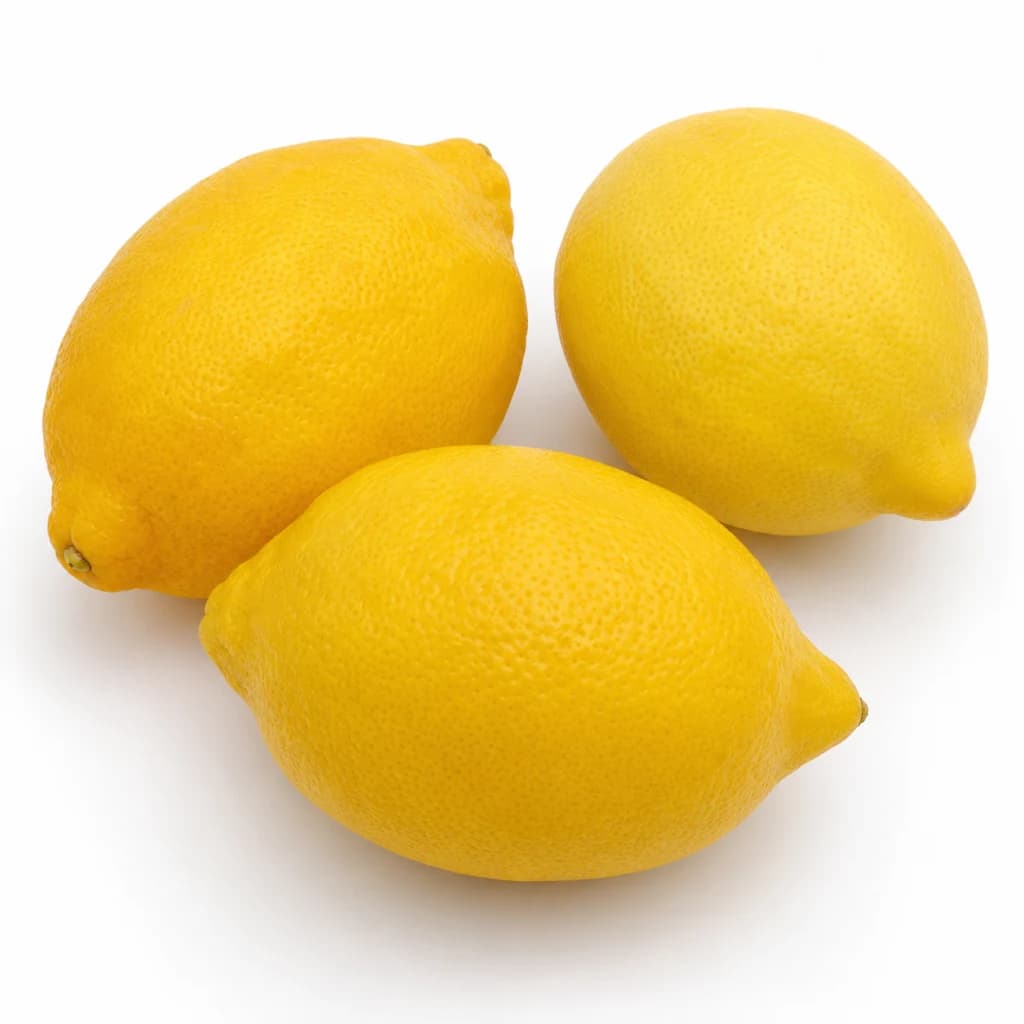
Lemon
Bright, acidic citrus that wakes up almost any dish
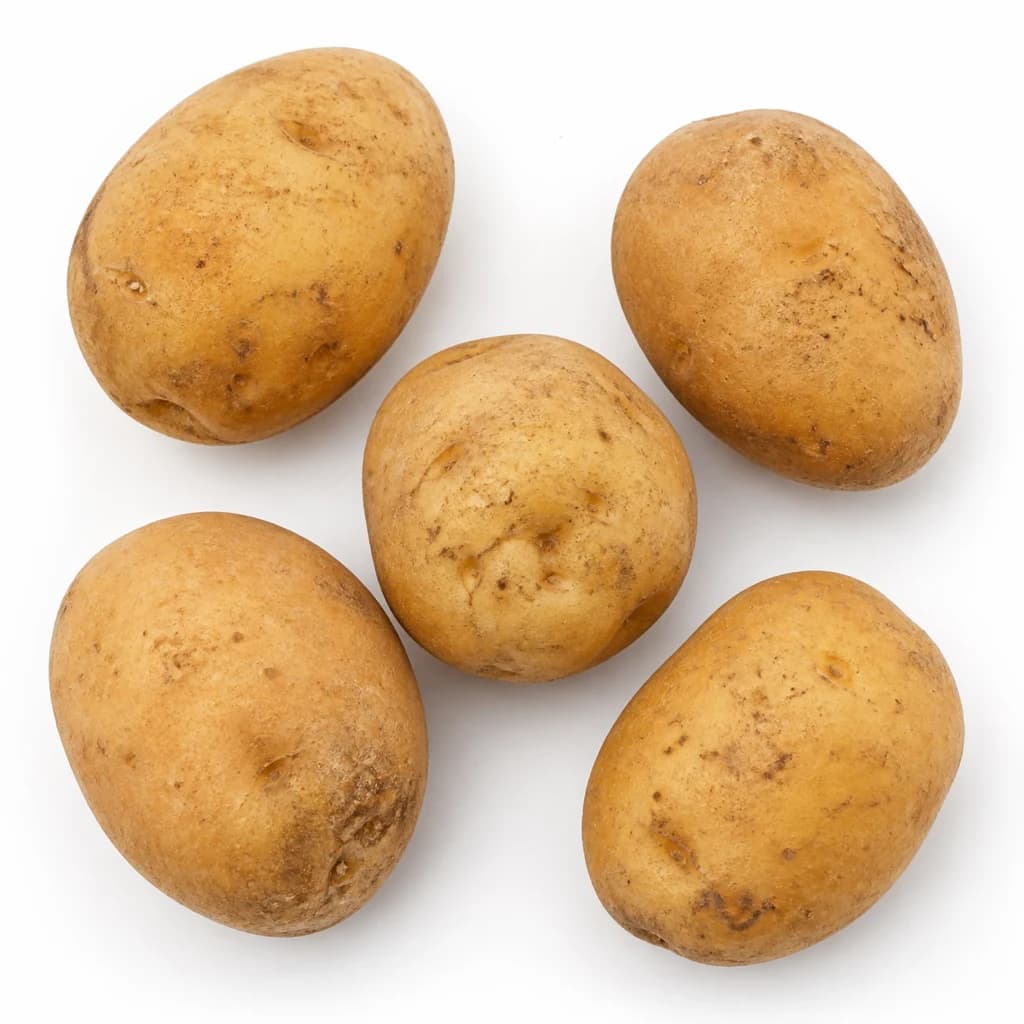
Potato
Humble, hearty staple — roast, mash, fry, or boil
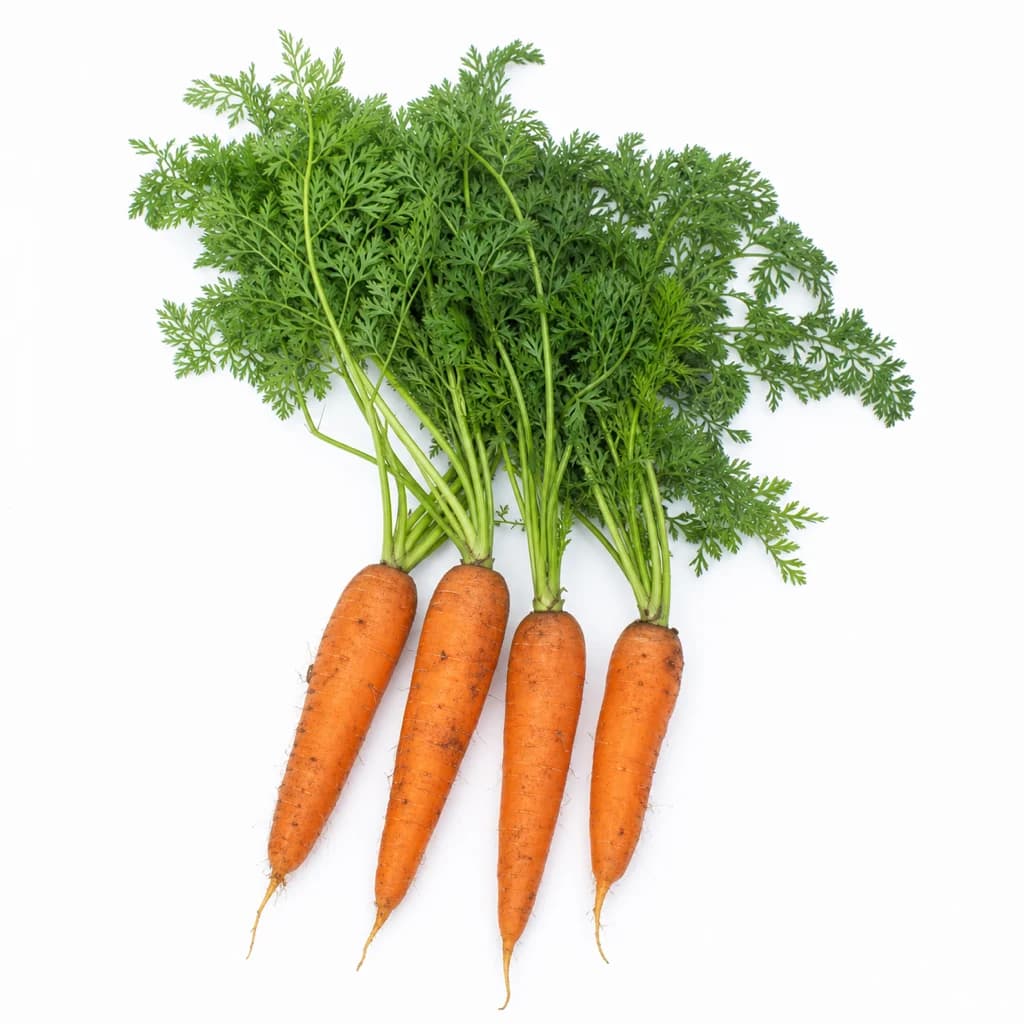
Carrot
Sweet, crunchy root — raw, roasted, or the base of a sofrito
Cucumber
Cool, crisp, and watery — for salads, pickles, and tzatziki

Lettuce
Crisp leaves for salads, wraps, and a fresh crunch