
Stored
UHT milk in sealed Tetra Pak cartons, shelf-stable and unrefrigerated until opened.
The distinctive aseptic carton packaging is the defining feature of UHT milk that sets it apart from fresh milk.
Dairy & Eggs
UHT Long-Life Milk
Ultra-pasteurized shelf-stable milk in cartons, used like fresh milk without refrigeration.
UHT milk is heated briefly to ultra-high temperature and aseptically packed so it keeps unrefrigerated for months until opened. It is used exactly like fresh milk in coffee, baking, sauces, and drinking, and is a pantry staple where reliable refrigeration or supply is limited. The process gives it a faintly cooked flavor compared to fresh milk.
UHT (Ultra-High Temperature) milk is pasteurized milk that has been heated to 135–150°C (275–302°F) for 1–4 seconds, a flash sterilization that kills 99.999% of microorganisms while preserving the milk itself. Packaged in sterile aseptic cartons, it remains shelf-stable for 6–12 months without refrigeration, making it a pantry workhorse. The rapid heating process causes partial protein denaturation—a subtle cooked or caramelized note from the intense heat. This flavor fades to imperceptibility in baked goods, sauces, and soups, while the altered protein structure benefits certain applications, improving texture in baked goods and stabilizing foams. UHT milk is not a lesser substitute for fresh milk; it is a different tool with distinct advantages suited to cooked applications and any situation where refrigeration is unavailable.
- Measured in
- ml
- Storage
- Pantry
Allergens
Types & varieties
3.25% milkfat; closest to fresh whole milk in baking applications
Versatile middle ground for drinking and cooking
0% fat; proteins shine in baking where structure and stability are key
Whips more stably and holds shape longer than fresh cream; ideal for piping
Common uses
Tips & pitfalls
- Reserve fresh milk for cold applications—cereal, smoothies, drinking—where the cooked flavor is noticeable; use UHT for all cooking and baking.
- Shake the carton vigorously before each use; fat and protein settle into a dense layer during storage that must be redistributed.
- For baked goods calling for sour milk (some pancakes or biscuits), UHT milk's slightly altered protein structure produces similar tenderizing effects without needing lemon juice or vinegar.
- UHT cream whips faster and more reliably than fresh cream, but overwhipping happens more suddenly—stop at soft peaks for best piping results.
- If a recipe emphasizes fresh dairy flavor—fresh pasta with cream sauce, panna cotta—fresh milk or cream will outperform UHT; the cooked note works against these delicate applications.
- Store unopened cartons away from direct sunlight and temperature extremes; heat accelerates off-flavors even in sealed packages.
- Once opened, treat UHT like fresh milk: refrigerate immediately and use within 5–7 days.
Nutrition
Energy
452 kJ · per 100 g
Where the calories come from
Protein
6g
12% DV
Carbs
5.4g
2% DV
Fat
7g
9% DV
Fiber
0g
0% DV
Sodium
44mg
2% DV
Source · USDA FoodData Central · approx. Milk, sheep, fluid
View on FDC →In the shops
Matched grocery products
No matched grocery products for UHT Long-Life Milk yet.
Good to know
- Processing
- Heated to 135–150°C (275–302°F) for 1–4 seconds, killing 99.999% of microorganisms
- Shelf Life
- 6–12 months unopened at room temperature; 5–7 days refrigerated after opening
- Packaging
- Aseptic multi-layer cartons that maintain sterility until opened
- Flavor Note
- Faint cooked or caramelized note from rapid heat treatment
- Protein Effect
- Partially denatured proteins improve texture in baked goods and stabilize foams
- Fat Behavior
- Fat settles during storage; always shake thoroughly before using
- Calories
- Whole: ~150 kcal/cup; 2%: ~120 kcal/cup; Skim: ~80 kcal/cup
- Origin
- Commercial process developed in the 1960s; widely adopted in Europe since the 1970s
Substitutes
- Fresh Pasteurized Milk — Substitute 1:1 in all applications; use for cold beverages and dishes where dairy freshness is the dominant flavor note
- Evaporated Milk — Unsweetened; dilute 1:1 with water to approximate fresh milk volume; the concentrate works for sauces needing richness without thinning
- Powdered Milk — Reconstitute according to package directions; acceptable for baking but adds a noticeable powdery note to beverages and sauces
- Fresh Heavy Cream — For UHT cream: fresh cream whips but holds shape for less time; use immediately after whipping
Pairs with
Also called
Long-Life Milk · Shelf-Stable Milk Carton · Shelf-Stable Milk · UHT Milk
Related

Whole Milk
Rich, full-fat milk for drinking, coffee, sauces, and baking
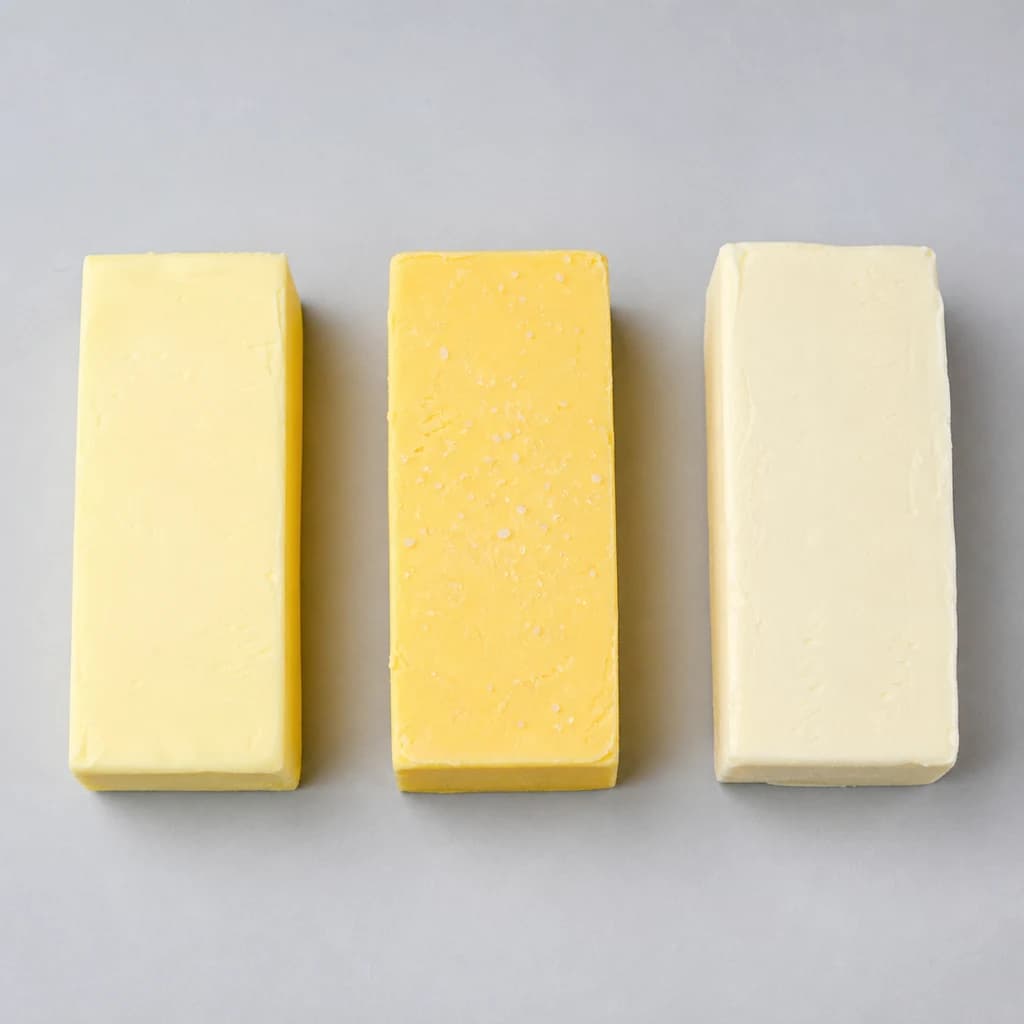
Butter
Golden fat for searing, baking, and finishing a sauce
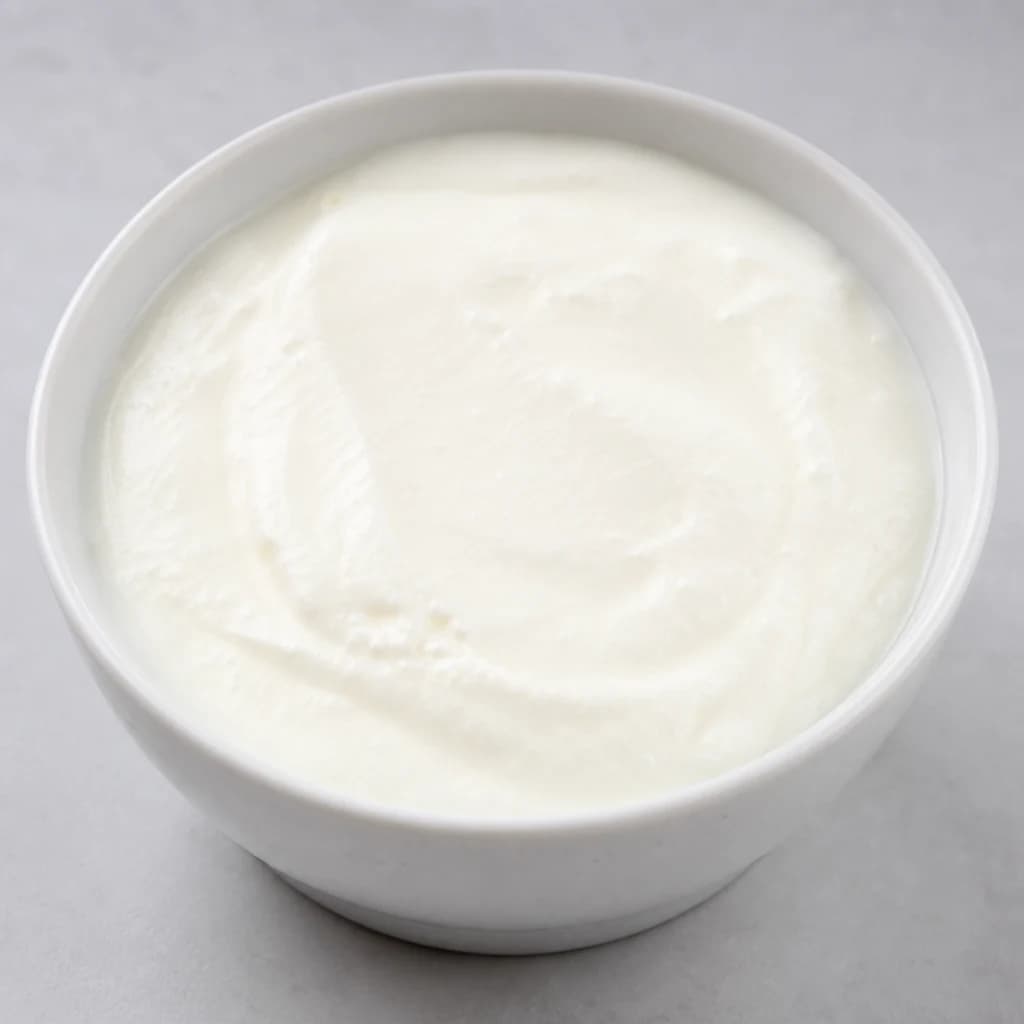
Yogurt
Tangy, creamy culture for breakfast, sauces, and marinades
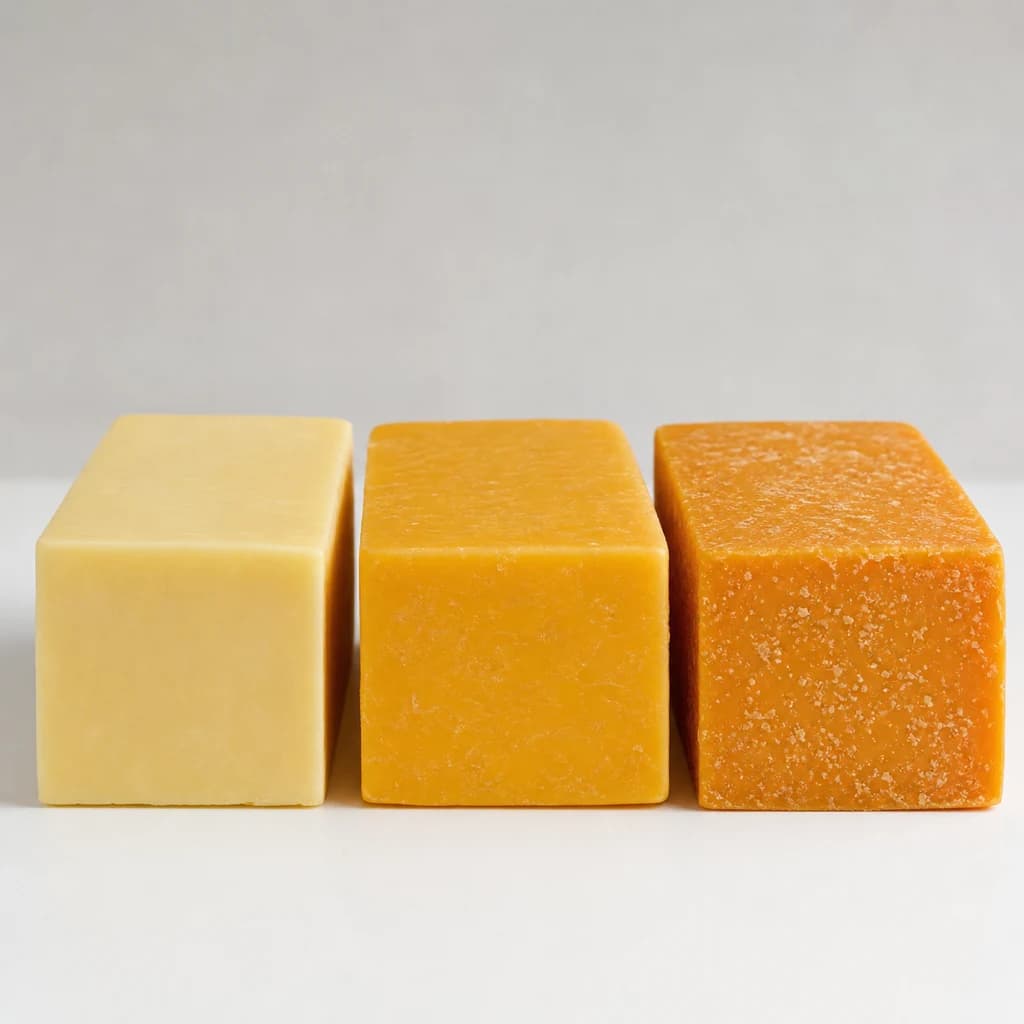
Cheddar Cheese
Sharp, melty cheese for sandwiches, gratins, and grating
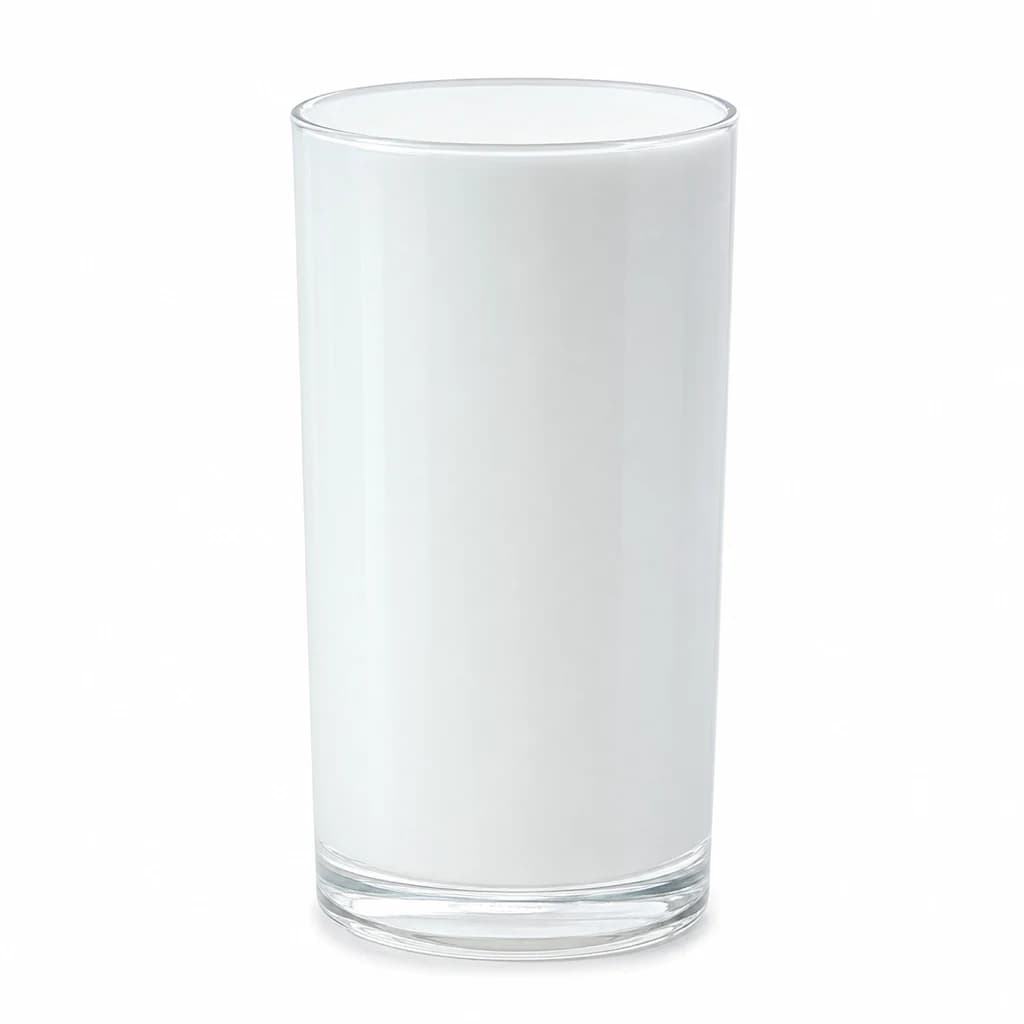
Skim Milk
Fat-free milk for lighter drinking, coffee, and cooking
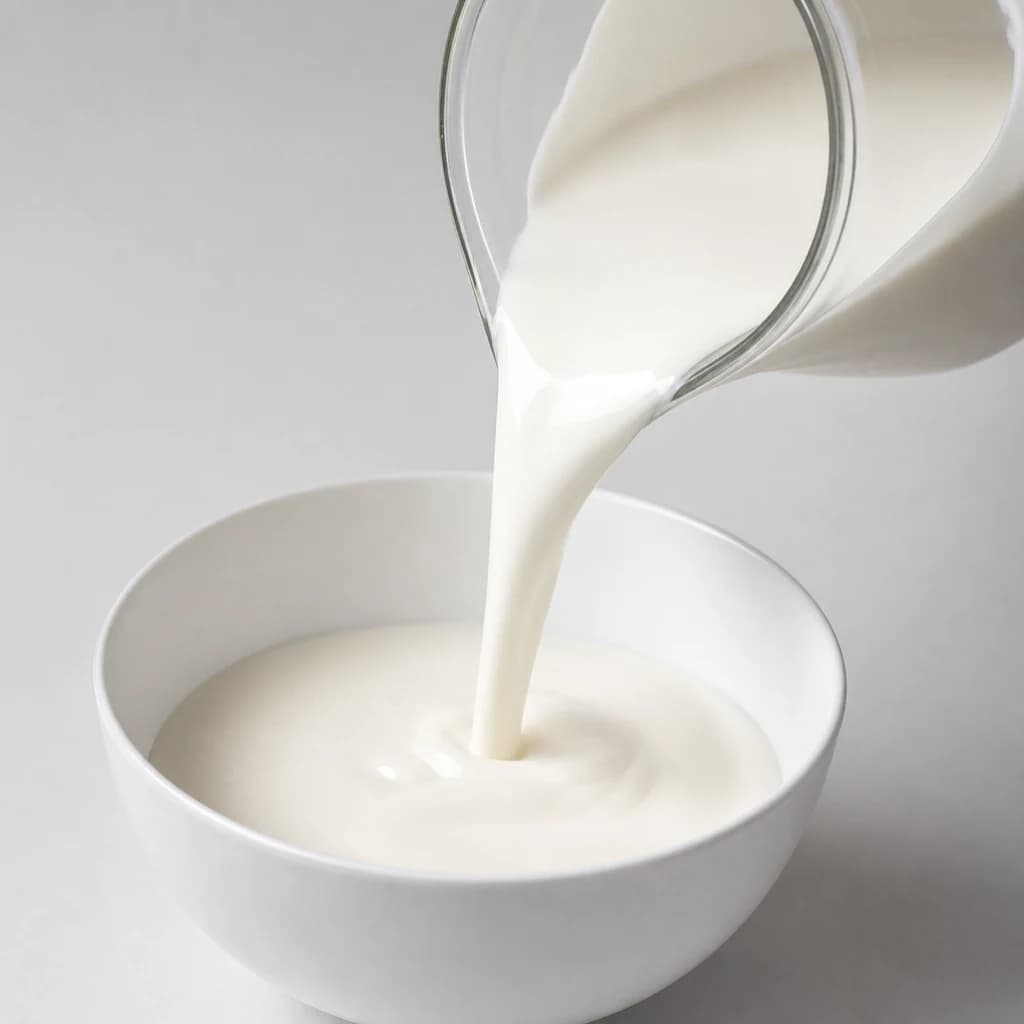
Heavy Cream
Rich cream that whips, enriches sauces, and sets ganache

Sour Cream
Tangy, thick cream for dolloping, baking, and dips
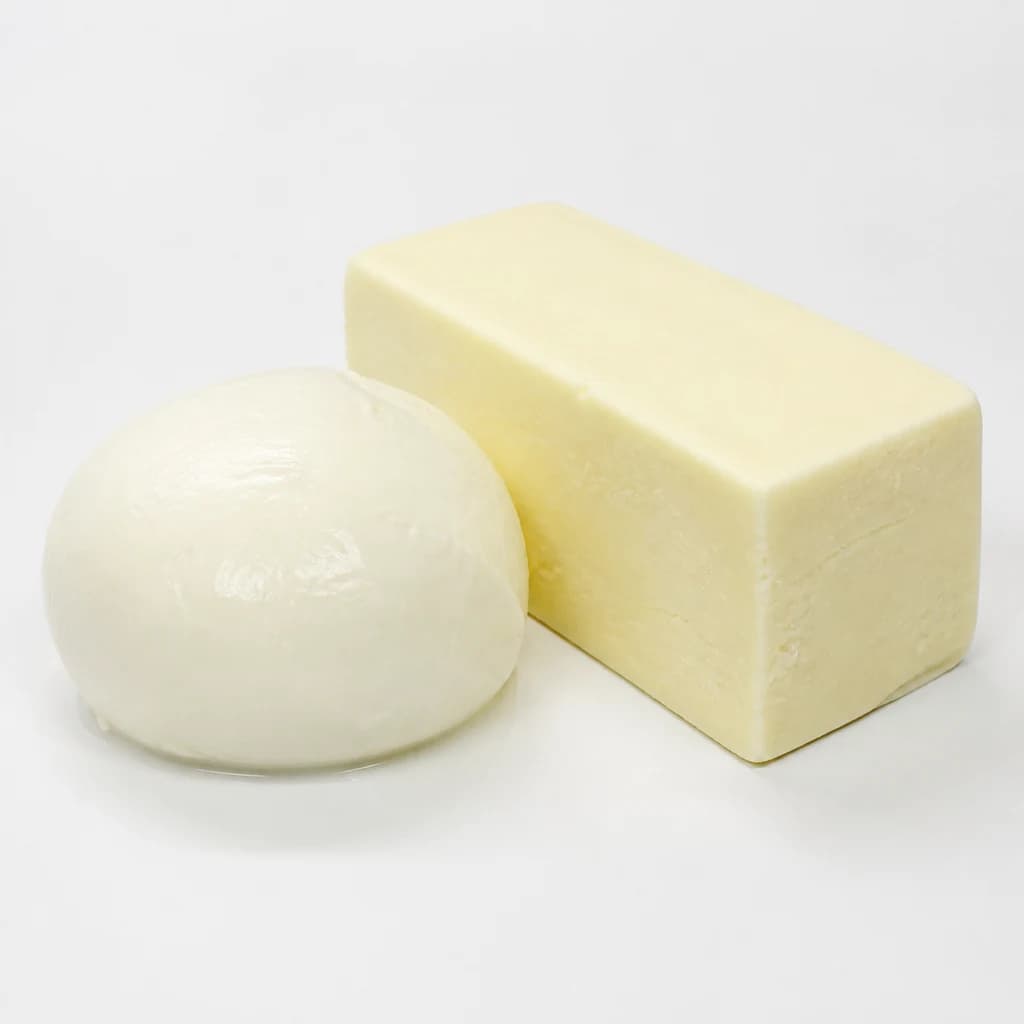
Mozzarella
Soft, milky cheese that melts into stretchy pizza pulls