Natural form
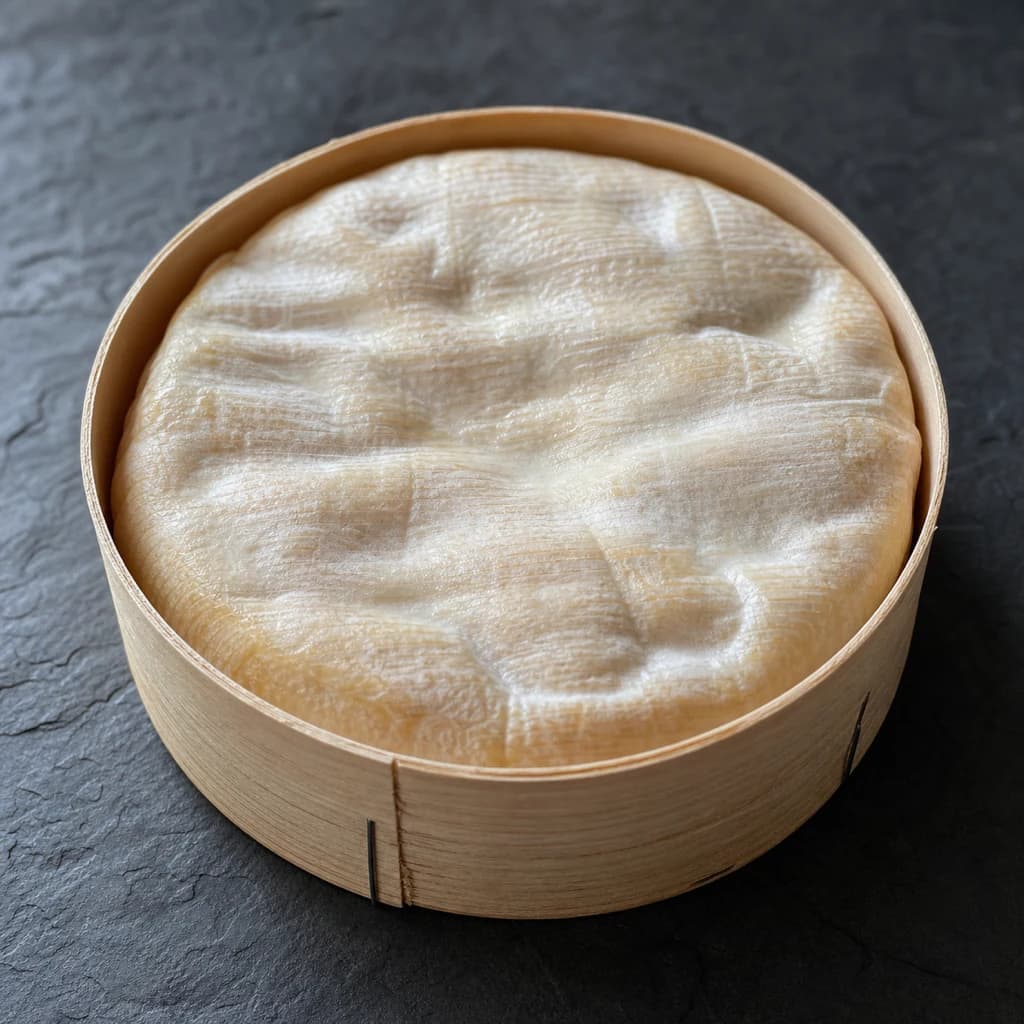
Vacherin Mont d'Or in its spruce-bark band and round wooden box, ripe and ready.
Shows the cheese's defining form — the spruce-bark girdle, round wooden box, and pale bloomy rind — so readers recognize it instantly at a shop.
Dairy & Eggs
Vacherin Mont d'Or
Seasonal soft Alpine cow's cheese bound in spruce bark, baked and scooped.
Vacherin Mont d'Or is a soft, washed-rind cow's-milk cheese from the Swiss-French Jura, made in autumn and winter and encircled by a spruce-bark band. When ripe it becomes spoonably runny with woodsy, earthy aromas. It is famously baked in its box and scooped onto bread and boiled potatoes.
Vacherin Mont d'Or is a soft, washed-rind cow's milk cheese from the Haut-Doubs region straddling the French-Swiss Jura Mountains, where it has been produced under AOC protection since 1981. Unlike the more familiar hard Alpine cheeses, Vacherin is distinctive for its spoonable, almost liquid interior when fully ripe—a consequence of its high moisture content and brief aging period of just three weeks minimum. The cheese is bound in a band of spruce bark, which serves a practical purpose: the soft paste needs structural support, and the bark imparts subtle resinous, woody notes that distinguish authentic Vacherin from any imitation.
The seasonal constraint is fundamental, not cosmetic. Production runs only from September 1 through April 30, when the cows have descended from the highest Alpine pastures. During summer, the dairy herds graze the high-elevation meadows, and the milk composition shifts—making the characteristic runny texture impossible to achieve with traditional methods. This timing makes Vacherin a winter treasure, a cheese that anchors holiday tables and cold-weather gatherings in the Francophone Jura region.
The communal ritual of serving Vacherin defines its character. Presented in its wooden box or bark wrapping, the cheese is pierced at the table, and diners scoop the molten interior with bread. This is not merely a serving suggestion but the only practical approach—slicing is impossible once ripe. The experience is intimate and participatory, the entire round fitting comfortably on a small plate, the bread essentially a utensil for capturing what flows from the rind.
- Measured in
- g
- Storage
- Fridge
Allergens
Types & varieties
The protected designation; must be bound with spruce bark and aged a minimum of 3 weeks
Alternative official name for the same AOC-protected cheese
The most celebrated producer; cave-aged in Fort Saint-Antoine, considered the benchmark against which all others are judged
Understanding Ripeness
The difference between a good Vacherin and a disappointing one hinges almost entirely on ripeness. Unlike hard cheeses that improve with age, Vacherin must be consumed at its peak—which is a narrow window of just a few days.
- Press the center gently before purchasing: it should yield like a ripe brie, not spring back
- The rind should show a slight depression at the apex when the cheese tilts
- Smell for a clean, mushroomy aroma; avoid any sharp ammonia scent, which signals over-the-hill cheese
- If in doubt, buy from a specialty shop with high turnover rather than a supermarket with uncertain cold-chain history
The Spruce Bark Question
The spruce bark band is not decorative or traditional flourish—it is structural and functional. It contains the soft paste as it ripens and releases faint resinous compounds into the cheese over time.
- Never remove the bark before baking; the cheese will collapse and lose its character
- The bark is fully edible and contributes subtle forest-floor notes
- If your Vacherin arrives without bark (this happens with some Swiss producers), place it in a small ramekin for baking to contain the runny paste
Common uses
Tips & pitfalls
- Press the center gently before purchasing: it should yield easily like a ripe brie; firmness indicates under-ripeness
- Smell for a clean, mushroomy aroma; avoid any ammonia smell, which indicates over-the-hill cheese
- When baking, score the top rind in a cross pattern, pour in a splash of white wine or kirsch, and bake at 180°C (350°F) for 15–20 minutes until bubbling
- The spruce bark band holds the soft cheese together and infuses subtle resinous flavor—do not remove it before baking
- Do not attempt to slice Vacherin; its runny texture makes scooping the only practical service method
- Bring to room temperature for at least 30 minutes before serving for optimal aroma and flavor development
- Once opened, consume within 24–48 hours; the cheese oxidizes and dries quickly after the rind is breached
- If the cheese arrives frozen (sometimes shipped this way), thaw slowly in the refrigerator for 24 hours before using
- Common mistake: buying pre-baked or vacuum-sealed versions, which sacrifice the fresh, runny character that defines the cheese
- Common mistake: serving it too cold, which mutes the aroma and makes the texture chalky rather than unctuous
Nutrition
Nutrition
No USDA FoodData Central match for Vacherin Mont d'Or yet. We surface a per-100 g profile once a generic whole-food entry is matched and verified.
In the shops
Matched grocery products
No matched grocery products for Vacherin Mont d'Or yet.
Good to know
- Origin
- Jura Mountains, French/Swiss border (French AOC since 1981)
- Milk
- Raw cow's milk from herds grazing summer Alpine pastures
- Season
- September 1 through April 30 only
- Size
- Approximately 500–700 g per round; sold in wooden boxes or wrapped in spruce bark
- Rind
- Natural washed rind with white and rust-colored patches; blue-green penicillium veins typical
- Texture
- Firm exterior, runny and nearly liquid when ripe; a spoon should sink in effortlessly
- Flavor
- Buttery, creamy, mushroomy with earthy, woody notes from spruce bark; slightly pungent at peak ripeness
- Storage
- Refrigerate in original wrapping; best consumed within 3–5 days of purchase
Substitutes
- Époisses de Bourgogne — Similar soft, runny consistency and intensity; more pungent and brick-colored; also Burgundy
- Camembert au Calvados — Baked Camembert comes closest in preparation style; still less runny than true Vacherin
- Langres — Another soft, wash-rind French cheese; can be baked similarly; slightly firmer texture
- Raclette — Melts beautifully but holds more structure; acceptable for baked applications where runny texture is secondary
Pairs with
Also called
Vacherin Mont d'Or
Related

Whole Milk
Rich, full-fat milk for drinking, coffee, sauces, and baking
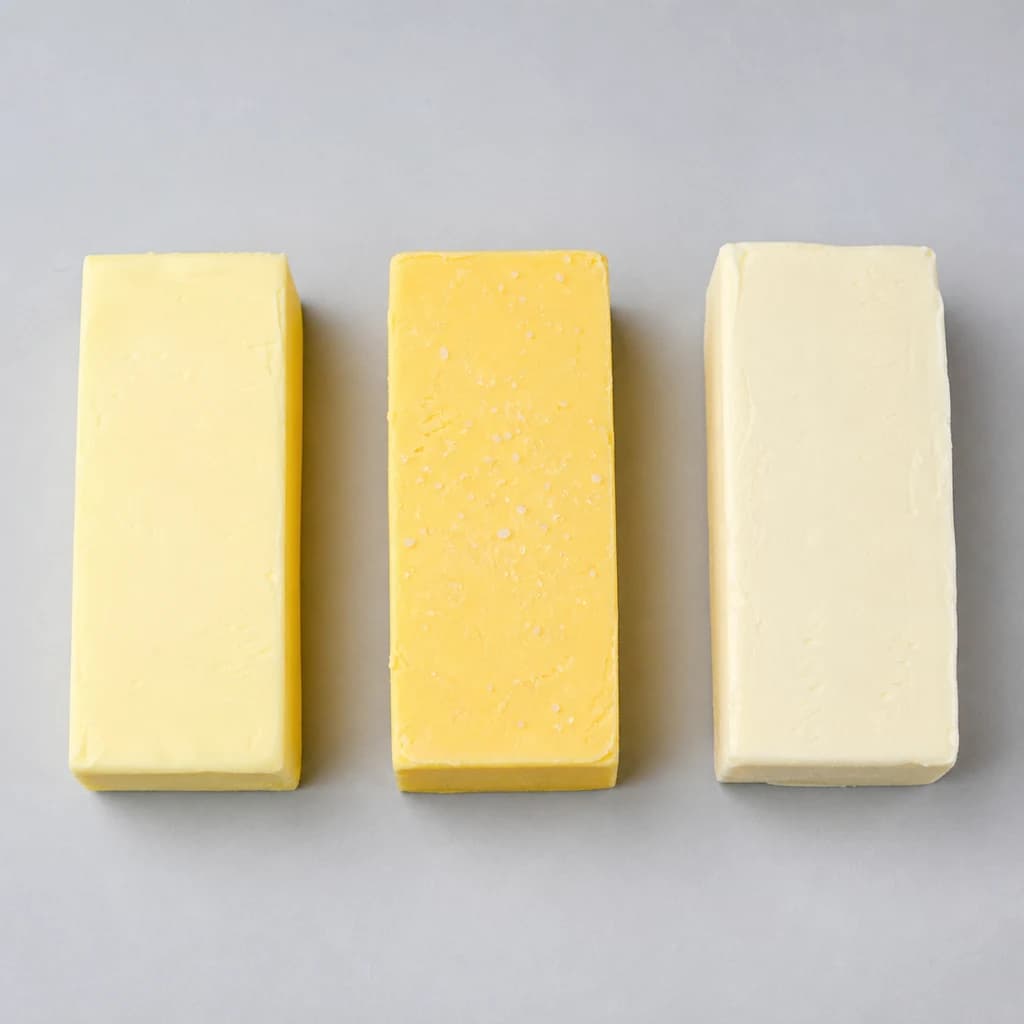
Butter
Golden fat for searing, baking, and finishing a sauce
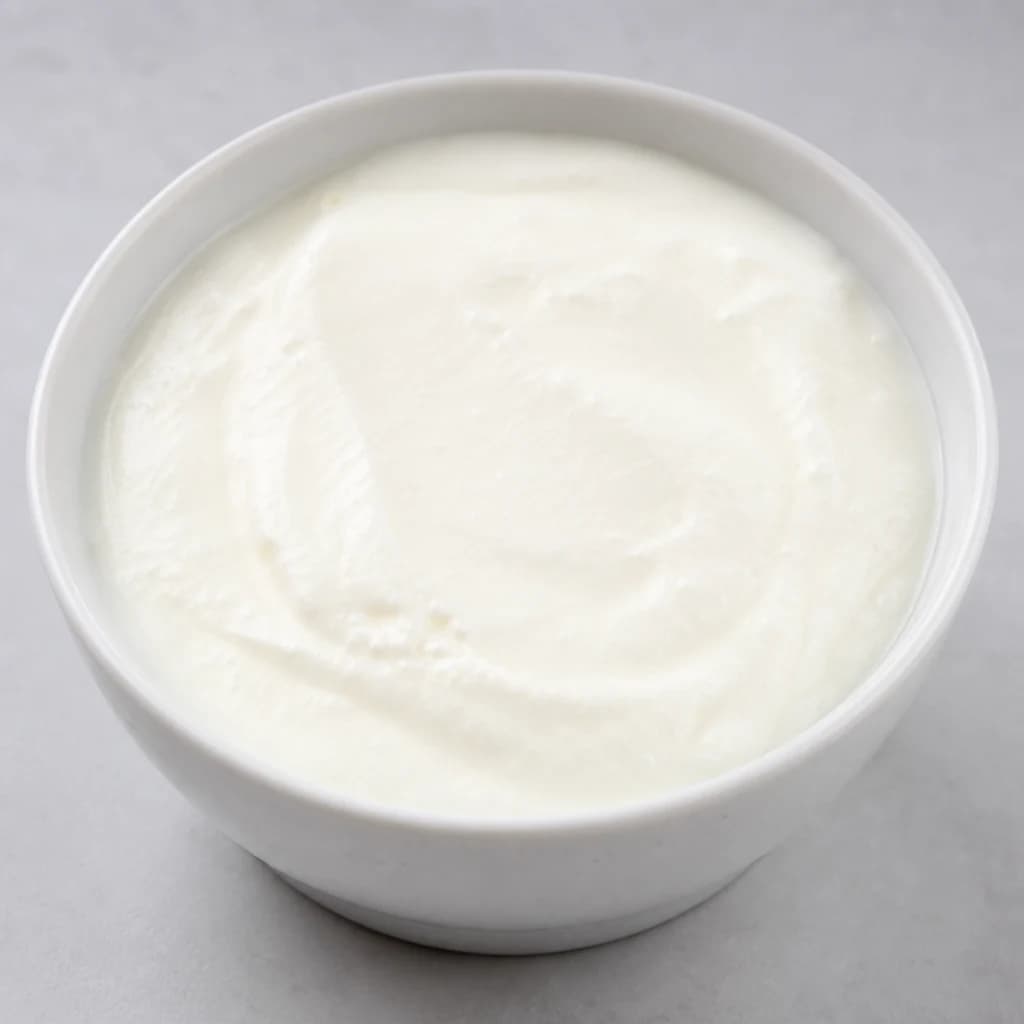
Yogurt
Tangy, creamy culture for breakfast, sauces, and marinades
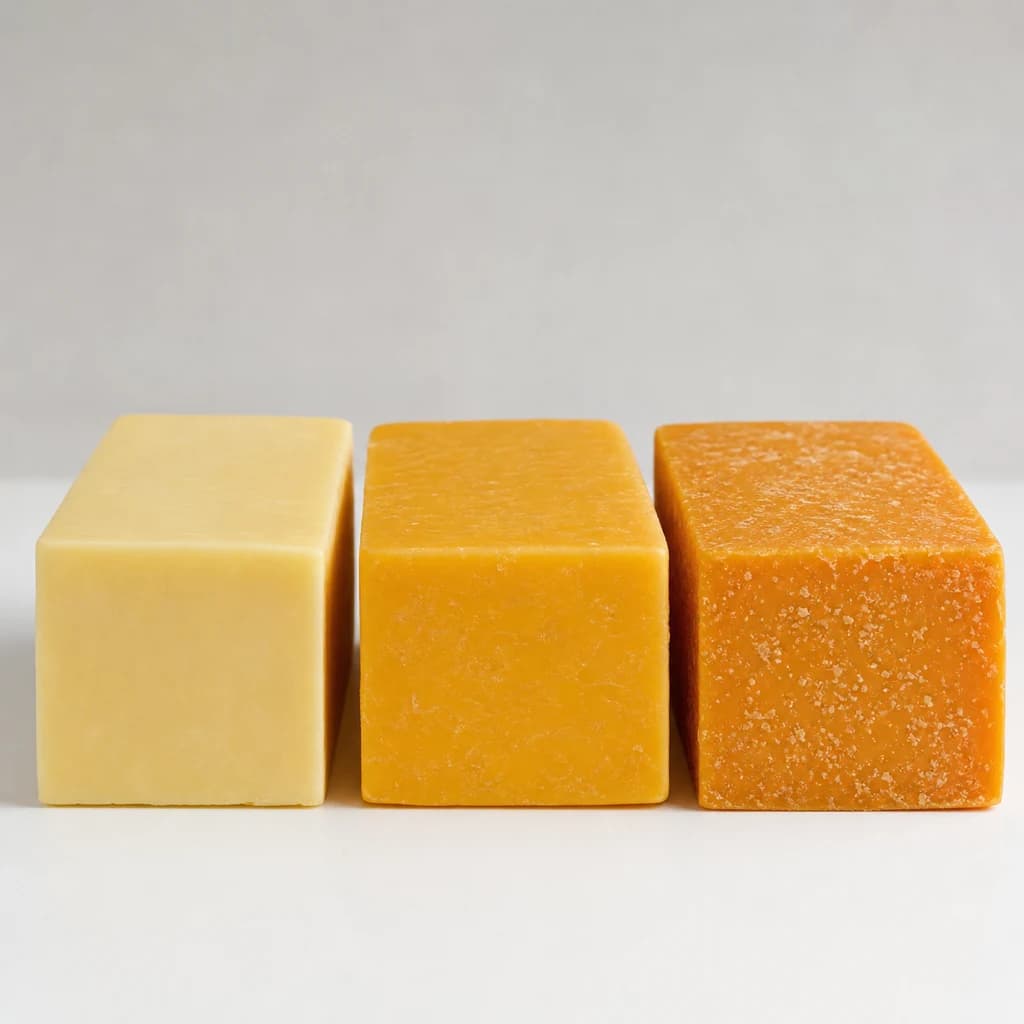
Cheddar Cheese
Sharp, melty cheese for sandwiches, gratins, and grating
Skim Milk
Fat-free milk for lighter drinking, coffee, and cooking
Heavy Cream
Rich cream that whips, enriches sauces, and sets ganache

Sour Cream
Tangy, thick cream for dolloping, baking, and dips
Mozzarella
Soft, milky cheese that melts into stretchy pizza pulls