 British
Medium · Warm
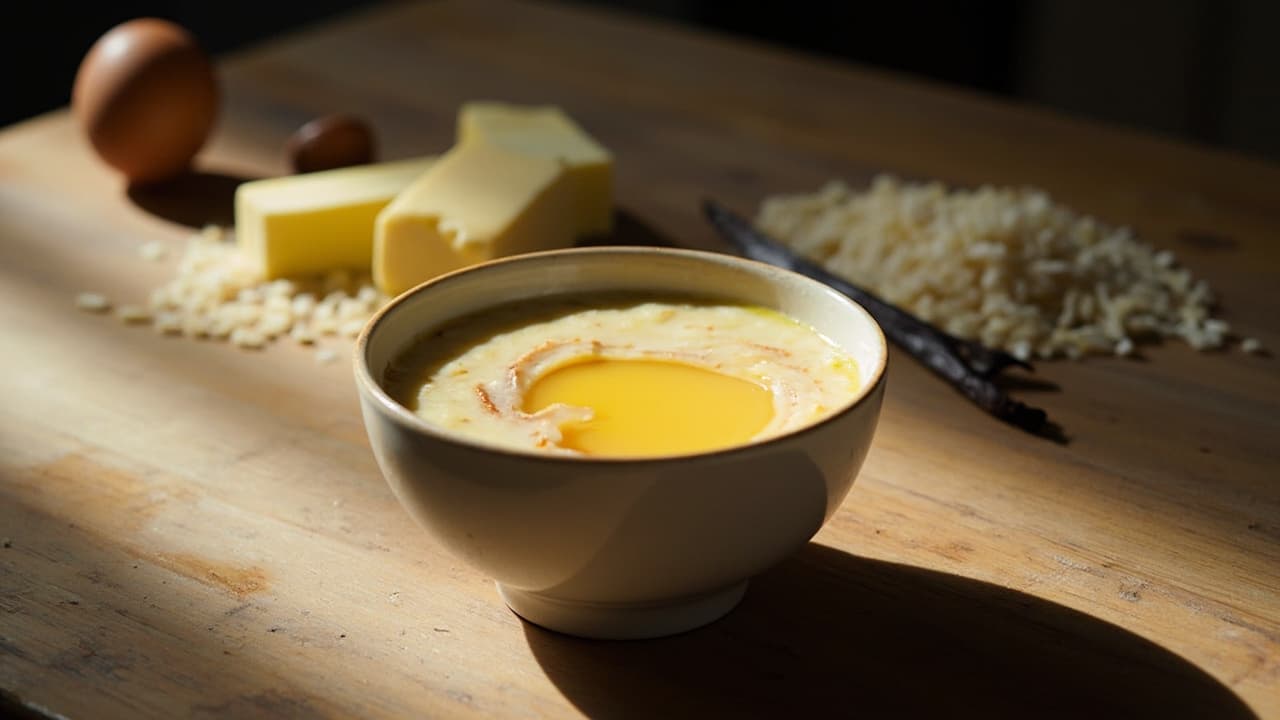
Classic British Rice Pudding with Egg and Vanilla
A comforting traditional British pudding made with slowly cooked rice in creamy milk, enriched with egg and fragrant vanilla, creating a silky custard-like finish.
Prep
10 min
Cook
1h 15m
Total
1h 25m
Method
1
Combine white-rice, whole-milk, and salt in a heavy-based saucepan. Place over medium heat and bring to a gentle simmer, stirring occasionally to prevent sticking.
2
Reduce heat to low and cook, stirring every 5 minutes, for 55-60 minutes until the rice is completely tender and the mixture has thickened to a porridge consistency. The milk should be nearly fully absorbed.
3
4
5
Remove the rice from heat. Pour the tempered egg mixture into the saucepan, stirring constantly until fully incorporated.
6
Add butter and stir until melted and evenly distributed through the pudding.
7
8
Remove from oven and allow to cool for 5 minutes. Serve warm in bowls, with an extra drizzle of milk if desired.
C
Nutri-Score
Fair balance
A–E · lower is better · score 3
Calories
412
per serving
Source of protein · 14g
Protein
14g
Carbs
56g
Fat
14g
Sat. fat
9g
Fiber
0g
Sugar
25g
Sodium
454mg
Balanced MacrosComfort Food
Nutri-Score is a general nutritional-balance guide, not medical or dietary advice.
C
Environmental impact
Moderate impact
A–E · lower is better · includes estimates
kg CO2e
1.2
per serving
CCarbonAEU all-round· carbon sets the grade
Water
0.7m³
Land
36Pt
Runoff
0.07g P
Whole Milk drives 70% of this recipe’s estimated footprint.
Carbon from Poore & Nemecek 2018; water, land & runoff from Agribalyse — modelled averages for comparing recipes, not a measurement of your groceries.
Flavor Profile
4
Umami
6
Sweet
3
Salty
2
Sour
1
Bitter
0
Spicy
Textures
CreamySilkySmoothTender
Aromas
CaramelCustardDairyVanilla
Kitchen Equipment
Primary Tool
Heavy Based SaucepanSafety & Storage
Handling
When tempering eggs, add the hot rice mixture gradually while whisking constantly to prevent the eggs from scrambling and ensure a smooth custard texture.
Cooking Temperature
Bake the pudding at 180C until fully set at the edges. The residual heat will continue cooking the center; the surface should appear lightly firm with golden coloring.
Use a food thermometer to confirm the pudding reaches an internal temperature of at least 160°F (71°C) to ensure egg safety. The center should be fully set with no liquid running.
Storage
Transfer any leftovers to an airtight container and refrigerate within 2 hours of serving. Consume within 3 days for optimal quality and food safety.
High Risk Population
This dish contains eggs and milk. Pregnant individuals, young children, elderly persons, and those with compromised immune systems should only consume if the eggs were fully cooked during the baking process.
Allergen Warning
This recipe contains milk and eggs. Verify all equipment and surfaces are free from allergen residue before preparation if cooking for individuals with severe allergies.
Cross Contamination
Use separate utensils and mixing bowls when combining ingredients. Do not taste the pudding with utensils that have been used for raw egg mixture before cooking.
Pro Tips
Technique
When tempering your egg mixture, be patient and add the hot rice very gradually—whisking each addition in thoroughly before adding more. This slow introduction of heat is what prevents scrambling and creates that beautiful, silky custard texture we want.
Equipment
A heavy-based saucepan is absolutely essential here, not a luxury. Thin-bottomed pans create hot spots that will scorch the milk before your rice is properly tender. I keep my copper boiling pot for exactly this sort of work—it distributes heat so evenly, you'll never rush or worry.
Storage
This pudding keeps beautifully in the refrigerator for up to three days. The texture actually tightens overnight as the rice continues to absorb the custard, making it all the more delicious the next day.
Reheating
To restore that fresh-from-the-oven silkiness, add a splash of milk when reheating gently on the hob. Stir frequently until warmed through, and you'll have that just-made quality restored in minutes.
From the chef
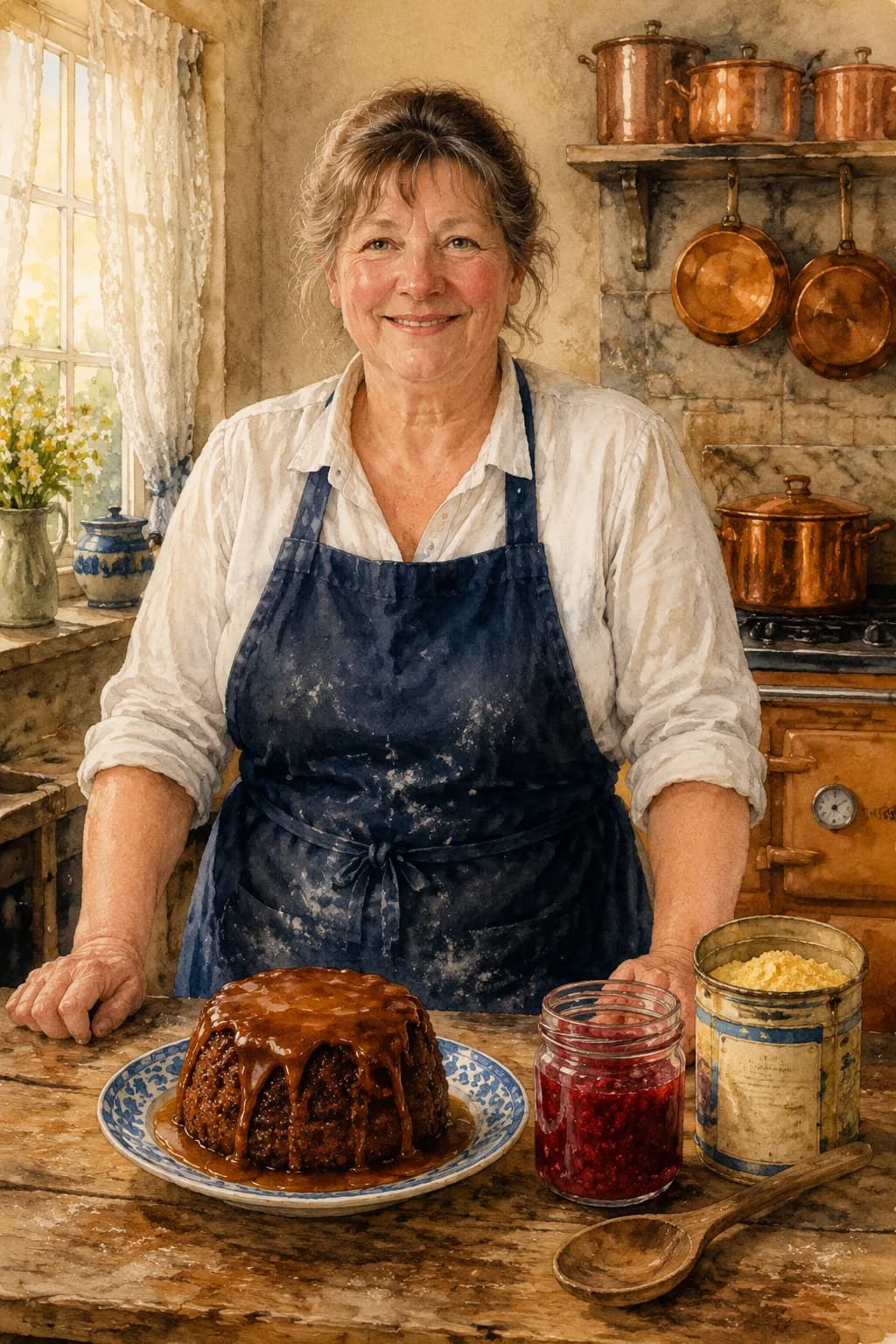
A proper rice pudding cannot be rushed — the milk must be given nearly an hour to work into the rice before an egg-and-vanilla custard is folded through, giving the finished dish its silky, yielding texture. The tempering step is non-negotiable: a few spoonfuls of hot rice whisked into the egg before it meets the pot keeps everything smooth rather than scrambled. A brief bake sets the surface to a pale gold at the edges. There is something rather wonderful about transforming rice, milk, and a handful of honest ingredients into something that feels genuinely nourishing.
TagsBritishTraditionalComfort FoodMilk BasedEgg CustardVanillaSlow CookedButterEgg
AllergensMilkEggs
Source: generated · June 13, 2026