Central Mexico
Bajío (Guanajuato / Querétaro)
Also: Bajío cuisine, cocina del Bajío, cocina guanajuatense, cocina queretana
Colonial silver-city cooking from the agricultural heart of Mexico—nopales, enchiladas mineras, and a mestizo tradition shaped by mining wealth and Franciscan religious kitchens.
The Bajío (the 'lowland basin') of central Mexico—comprising Guanajuato, Querétaro, and parts of Michoacán—is Mexico's agricultural breadbasket and the cradle of its independence movement. The cuisine reflects this dual identity: deeply mestizo (blending Spanish and indigenous Otomí, Chichimec, and Purépecha elements), heavily agricultural (an extraordinary variety of vegetables, legumes, and grains from irrigated valleys), and inflected by the colonial prosperity of silver-mining cities like Guanajuato and San Miguel de Allende. Enchiladas mineras—the miners' enchilada, cheese-stuffed and served with pickled jalapeños and carrots—is the region's signature dish. Nopales (prickly pear cactus pads) appear across the cuisine in salads, soups, and stews. Querétaro adds a wine and cheese tradition (the state produces Mexico's most notable domestic wines and artisan cheeses).
The flavour base
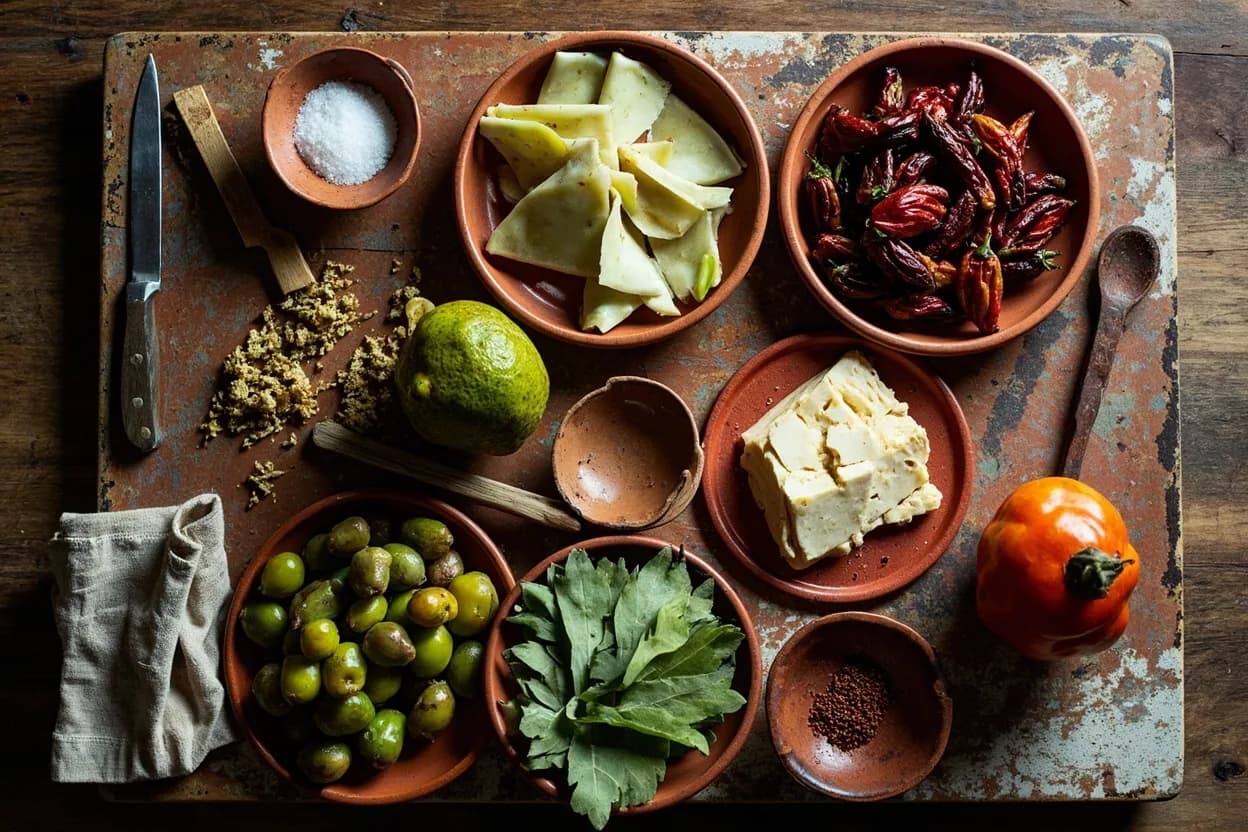
Dried chiles (ancho, mulato, chile de árbol), nopal, tomatillo, and lard-based sofrito form the base; Spanish-colonial influences include generous cheese, vinegar-pickled vegetables, and wheat bread alongside corn.
Pantry staples
Key ingredients
Signature techniques
Signature dishes
Bajío (Guanajuato / Querétaro) on the table

At the table
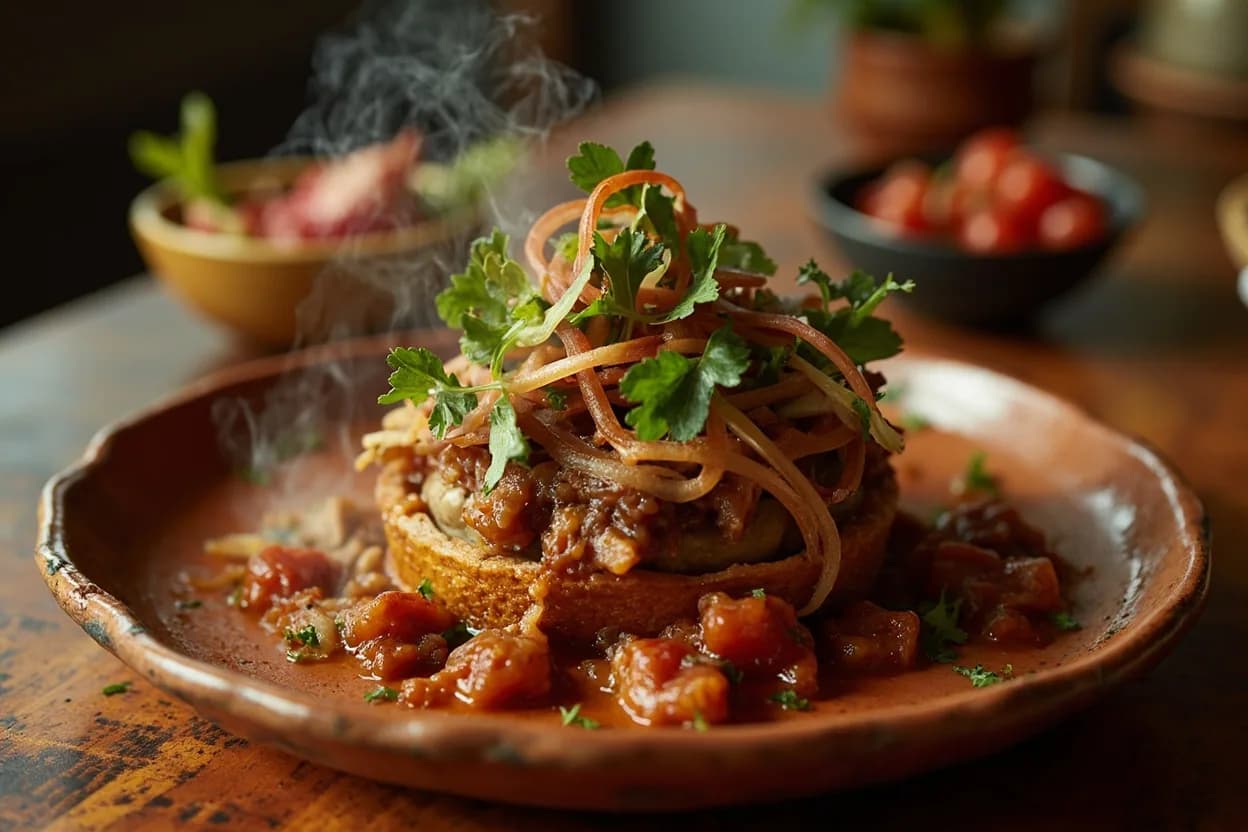
Bajío meals follow a conservative Mexican middle-class structure: desayuno (eggs, beans, pan dulce, atole or coffee), comida (three to four courses including sopa de pasta or rice, main stew or grilled meat, beans, tortillas), and cena (light supper). Sunday comida is the most elaborate. Street-food culture centers on the mercado—guajolotas for breakfast, enchiladas mineras for the midday rush, carnitas sold by the kilo on weekends.
History & context
The Bajío valley was settled by nomadic Chichimec peoples whose resistance to Spanish colonization ('the Chichimec War', 1550–1590) was prolonged and brutal. After pacification, Franciscan missions and Jesuit haciendas established agricultural estates producing wheat, livestock, and vegetables in the region's rich alluvial soil. The silver mines of Guanajuato (Valenciana mine, discovered 1760) made it one of the richest cities in the Americas by 1800. Colonial convent culture in Guanajuato, San Miguel de Allende, and Querétaro produced elaborate sweet and savory traditions that merged Moorish-Spanish technique with indigenous ingredients. The War of Independence launched here in 1810 (Dolores Hidalgo, Guanajuato), and the region's cuisine subsequently became a symbol of Mexican national identity. Querétaro's wine industry developed seriously in the late 20th century, the region's semi-arid highlands proving climatically favorable.
Regional variations
- Guanajuato City / León
Enchiladas mineras, guajolotas, and pan dulce are defining street foods; carnitas from Leon's pork-rich hinterland; Irapuato strawberries consumed fresh and in aguas frescas.
- San Miguel de Allende
Strong convent sweet tradition; chiles en nogada made here with exceptional care; expatriate and culinary-tourism influence has elevated restaurant cooking while preserving market-stall traditions.
- Querétaro
Most wine-focused Mexican state; artisan cheeses (manchego-style, panela); romeritos used in lenten stews; colonial aristocratic food culture distinct from the mining towns.
- Salvatierra / Celaya (agricultural Bajío)
Celaya is famous for its cajeta (goat's-milk caramel) and most of Mexico's production originates here; also a major wheat-producing area with strong bread tradition.
Related cuisines
Western neighbor with shared carnitas tradition and Purépecha cultural influence on both sides of the state border.
- Poblana (Puebla)
Shares colonial convent cooking tradition and chile-based mole grammar; Puebla's version is more complex and internationally celebrated.
- Zacatecan
Northern mining neighbor; parallel silver-city cuisine with similar dried-chile and livestock-based cooking and convent-influenced sweets.
Canonical recipes
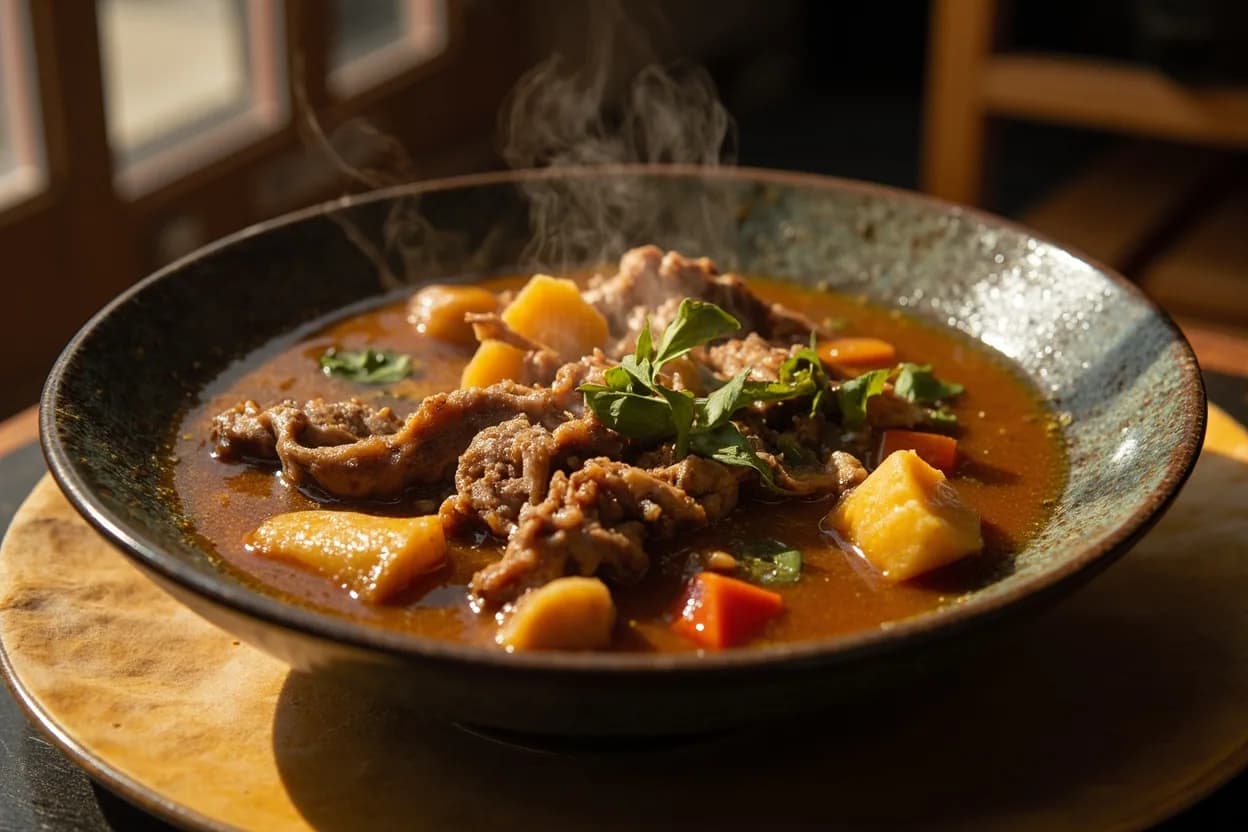
The dishes that define Bajío (Guanajuato / Querétaro), documented in the Canon.
References
- 1.Diana Kennedy, 'The Essential Cuisines of Mexico' (2000)
- 2.Josefina Velázquez de León, 'Cocina de Guanajuato' (1970s regional series)
- 3.CONACULTA, 'Cocina Familiar en el Estado de Guanajuato' (2001)
- 4.CONACULTA, 'Cocina Familiar en el Estado de Querétaro' (2001)
Confidence: high
Notes
Enchiladas mineras
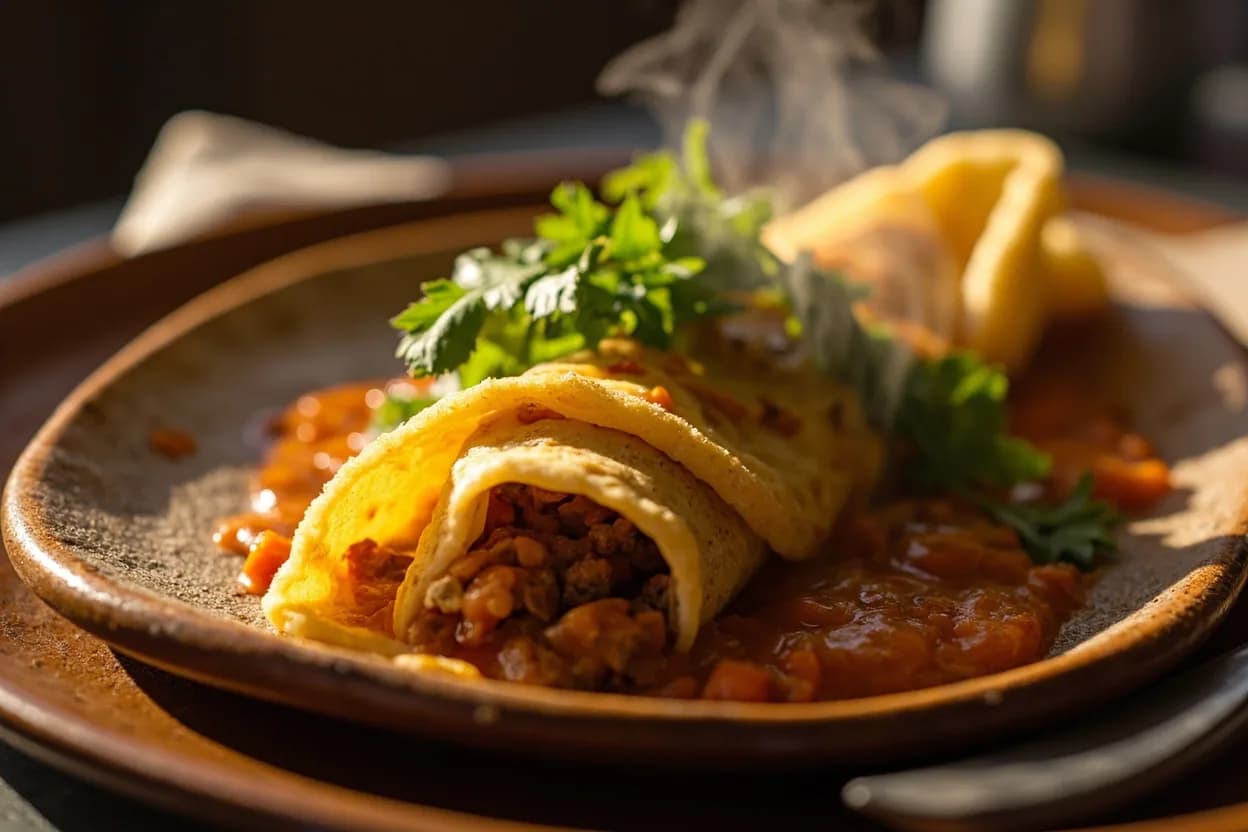
Enchiladas mineras ('miners' enchiladas') are filled with queso fresco, dipped in ancho chile salsa, pan-fried, and served with pickled jalapeños and carrots. The name references the silver miners of Guanajuato who ate this fortifying dish. They are structurally simpler than mole-based enchiladas elsewhere—the chile sauce is direct and uncomplex, the cheese abundant, the pickled vegetables providing acidity to cut the fat.
Cajeta de Celaya
Celaya's cajeta—a slow-cooked goat's-milk caramel—is so associated with the Bajío that it was awarded a geographical indication (Denominación de Origen) in 2005. Made in copper pots over hours of stirring, it is the canonical Mexican dulce de leche and ships nationwide. The goat dairy tradition in the Bajío dates to Spanish colonial introduction of the animal in the 16th century.