Northern Europe
Baltic (Estonian, Latvian, Lithuanian)
Also: Baltic cuisine, Estonian cuisine, Latvian cuisine, Lithuanian cuisine, Balti köök
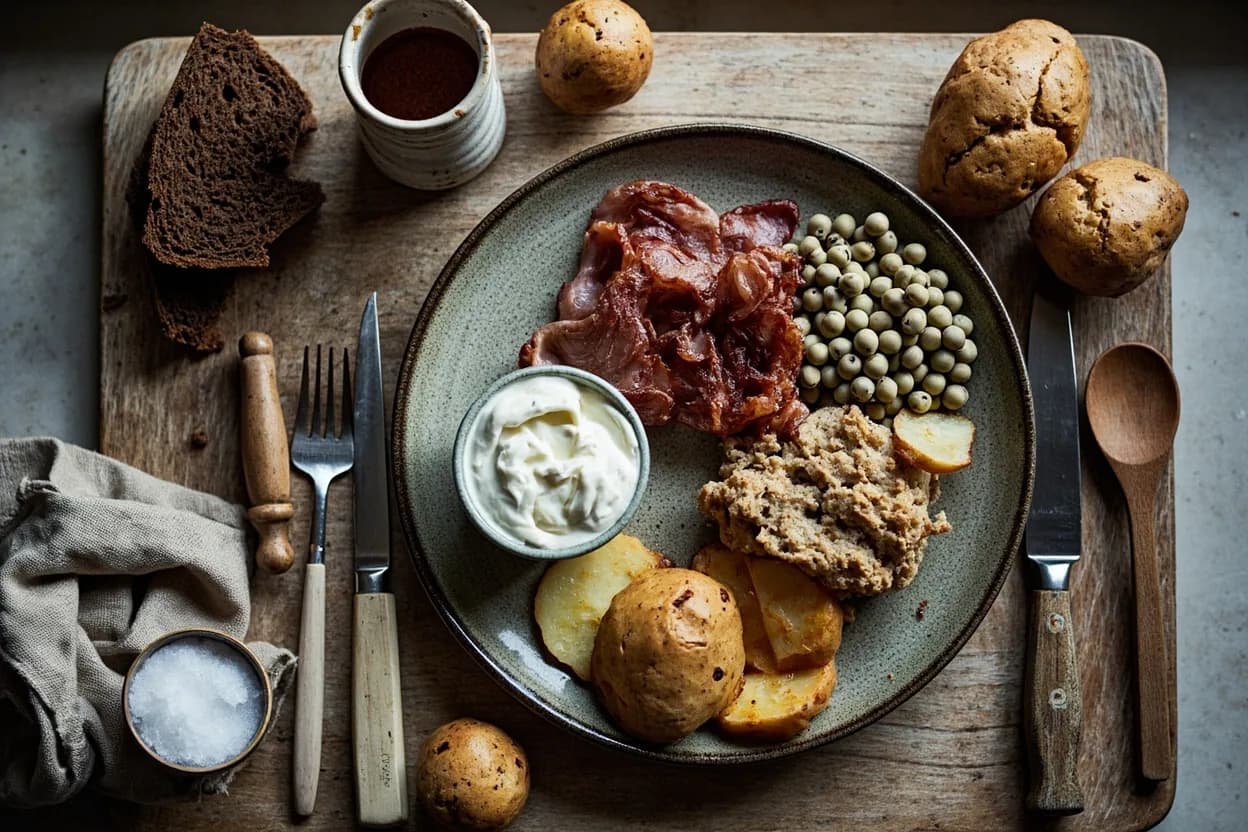
A forager's and farmer's cuisine of rye bread, cold-smoked fish, grey peas with bacon, and forest mushrooms — austere, ancient, and deeply tied to the Baltic Sea and boreal landscape.
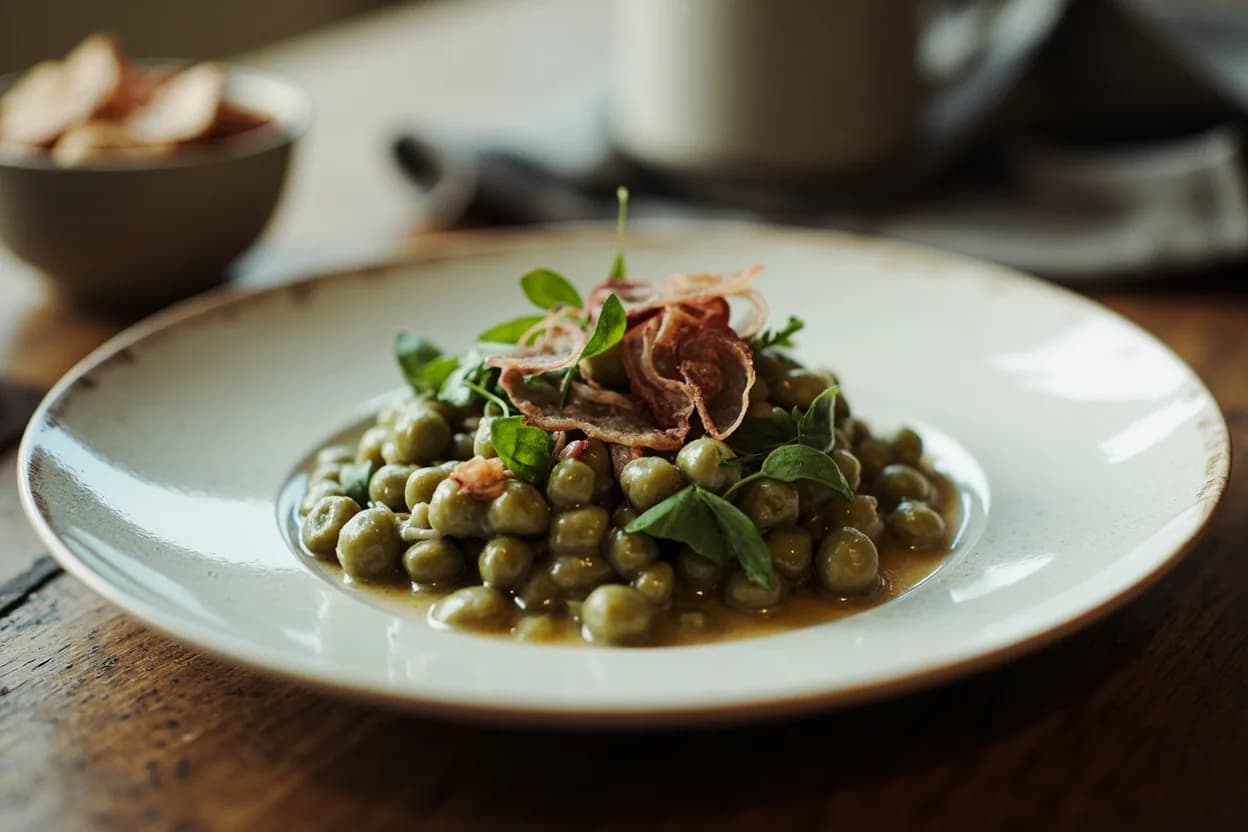
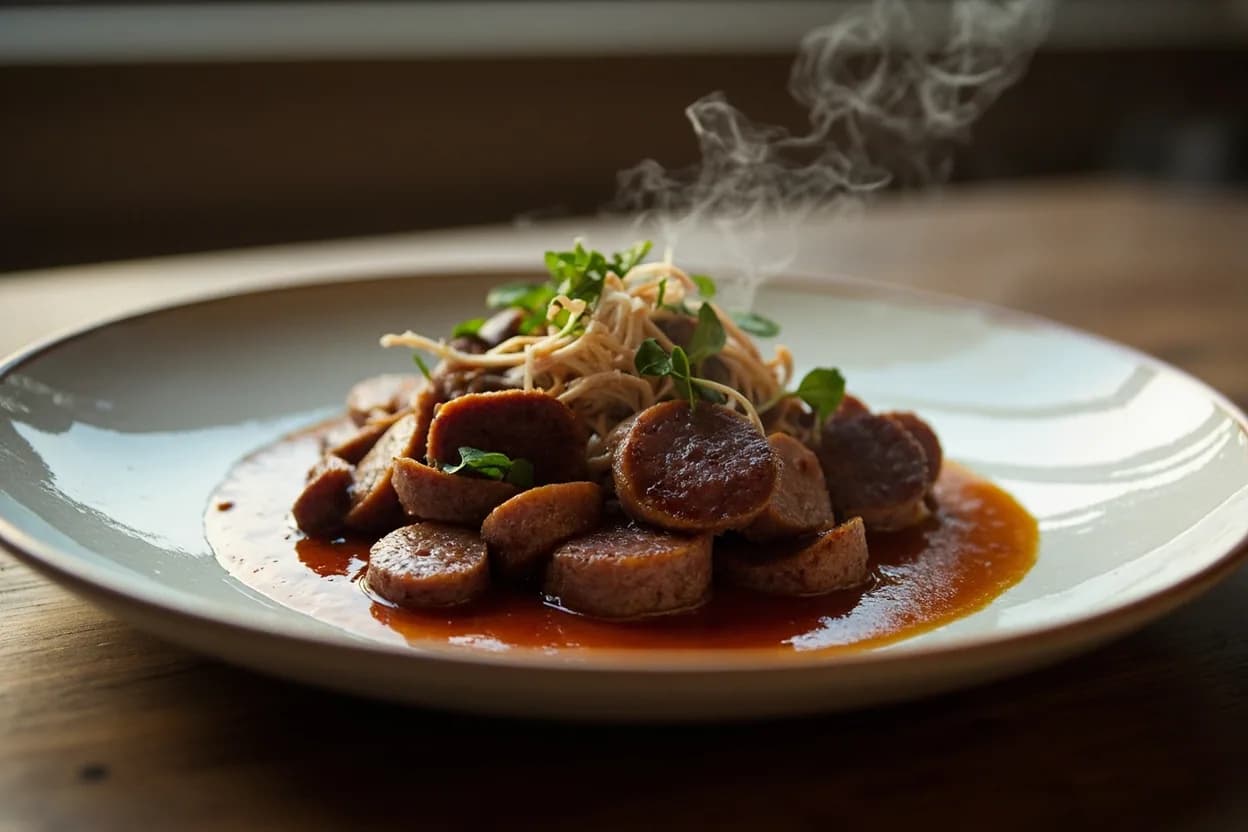
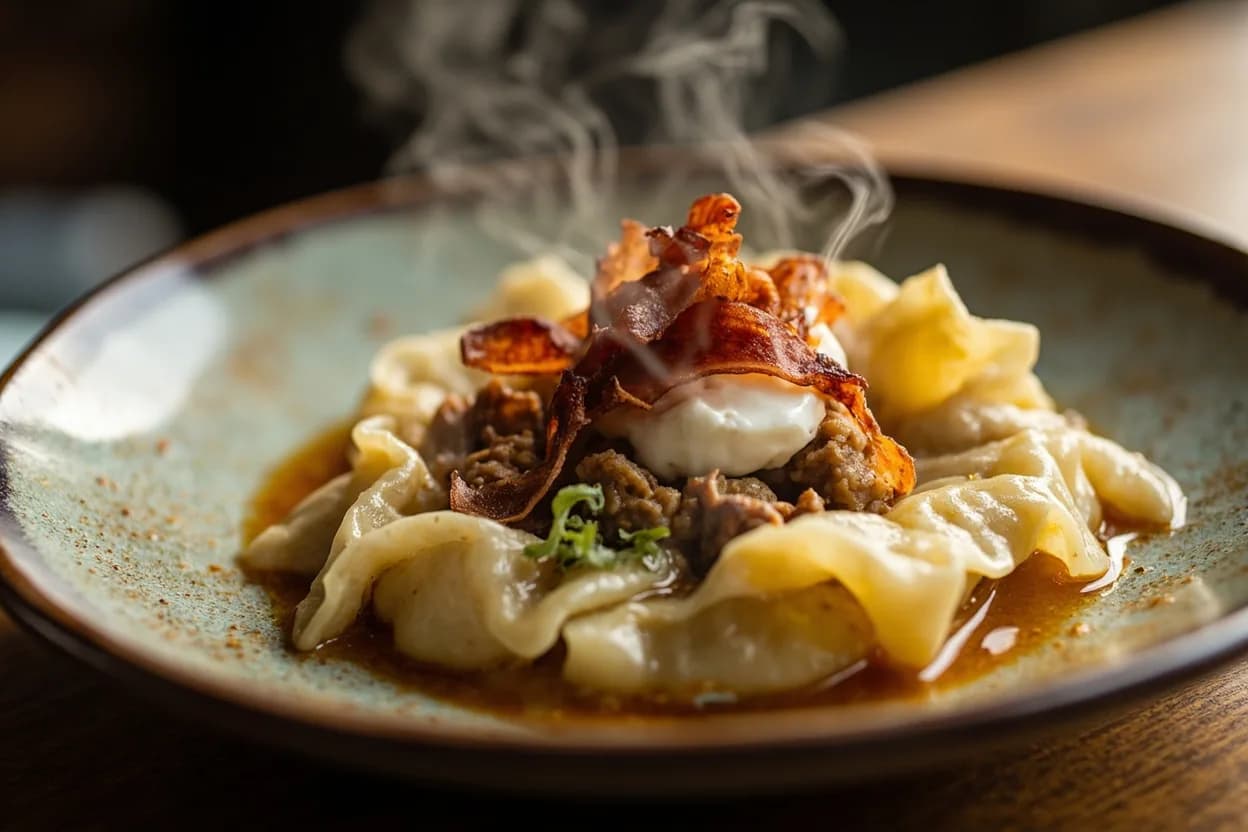
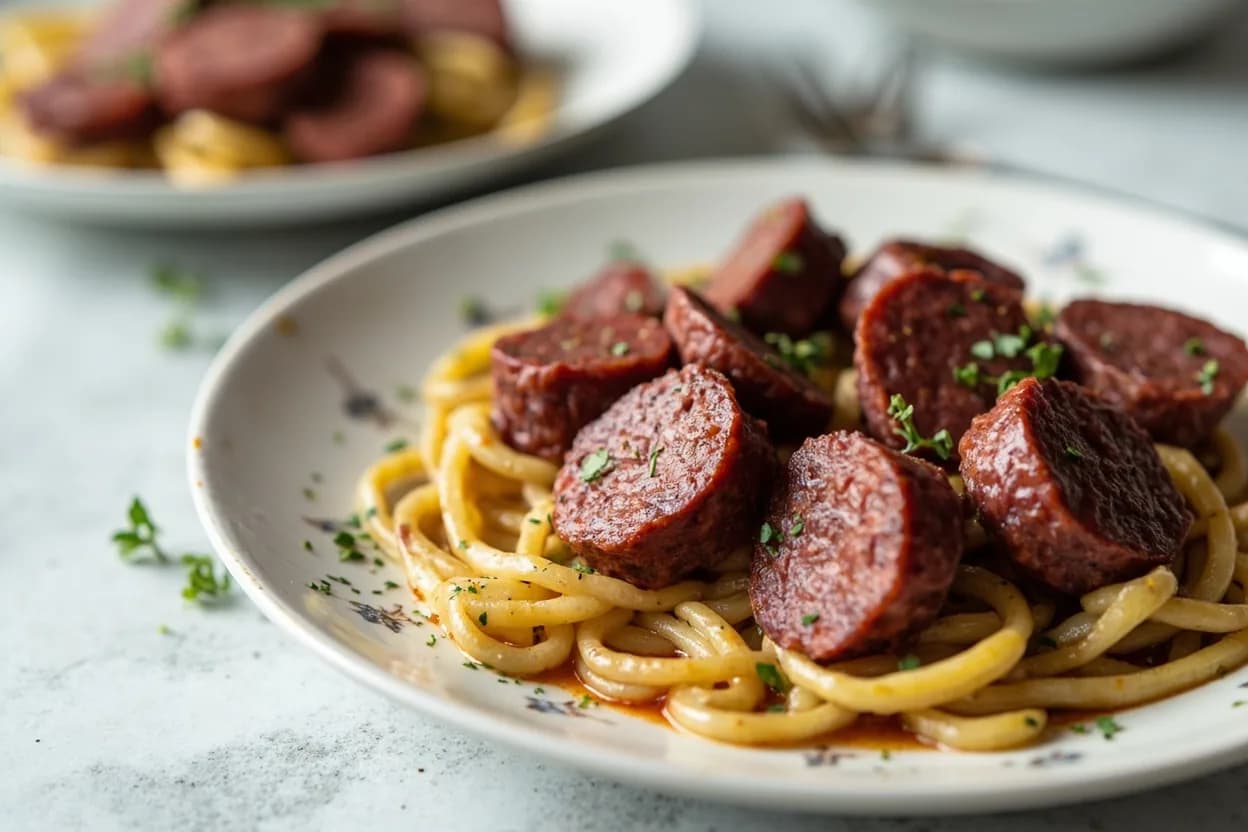
The Baltic cuisines of Estonia, Latvia, and Lithuania share a common Northern European agricultural and foraging foundation: dark rye bread as daily bread, pork as the dominant meat, dairy in fermented and fresh forms, and a deep tradition of gathering mushrooms, berries, and wild herbs from boreal forests. Cold smoking and salt-curing preserve fish from the Baltic Sea and freshwater lakes. Each nation has a distinct signature — Lithuania's cepelinai potato dumplings, Latvia's grey peas with smoked bacon, Estonia's blood sausage and mulgipuder barley porridge — while all three share the same pantry DNA and landscape.
The flavour base
Rendered smoked bacon fat with onion; rye sourdough ferment as background flavor; smetana or kohuke (curd) as dairy enricher; dill as the universal fresh herb.
Pantry staples
Key ingredients
Signature techniques
Signature dishes
Baltic (Estonian, Latvian, Lithuanian) on the table
At the table
Meals are built around a main of pork or fish with dark rye bread, a potato or grain side, and pickled vegetables. Soup (often pea, potato, or sorrel) often precedes the main. Dairy — sour cream, fresh curd cheese — appears at every meal. Christmas Eve is the Baltic culinary high point: blood sausages, sauerkraut, grey peas, and smoked pork define the feast in all three countries.
History & context
Baltic food cultures descend from ancient Baltic and Finno-Ugric peoples whose forest-farm-sea subsistence economy survived remarkably intact through centuries of German (Hanseatic and Baltic German noble) rule, which introduced beer culture, dairy techniques, and certain pastry traditions. Russian Imperial rule (18th–early 20th century) added some Slavic influences without displacing the local pantry. Soviet collectivization (1940–1991) suppressed culinary identity but preserved household traditions; independence allowed a vibrant revival. Today, Tallinn, Riga, and Vilnius host a new generation of chefs mining foraging, fermentation, and heritage grain traditions for contemporary cuisine.
Regional variations
- Estonia
The most Finno-Ugric and Scandinavian-inflected Baltic kitchen; mulgipuder barley porridge, verivorst blood sausage, kohuke curd snacks, and a strong beer and kama (toasted grain flour) tradition.
- Latvia
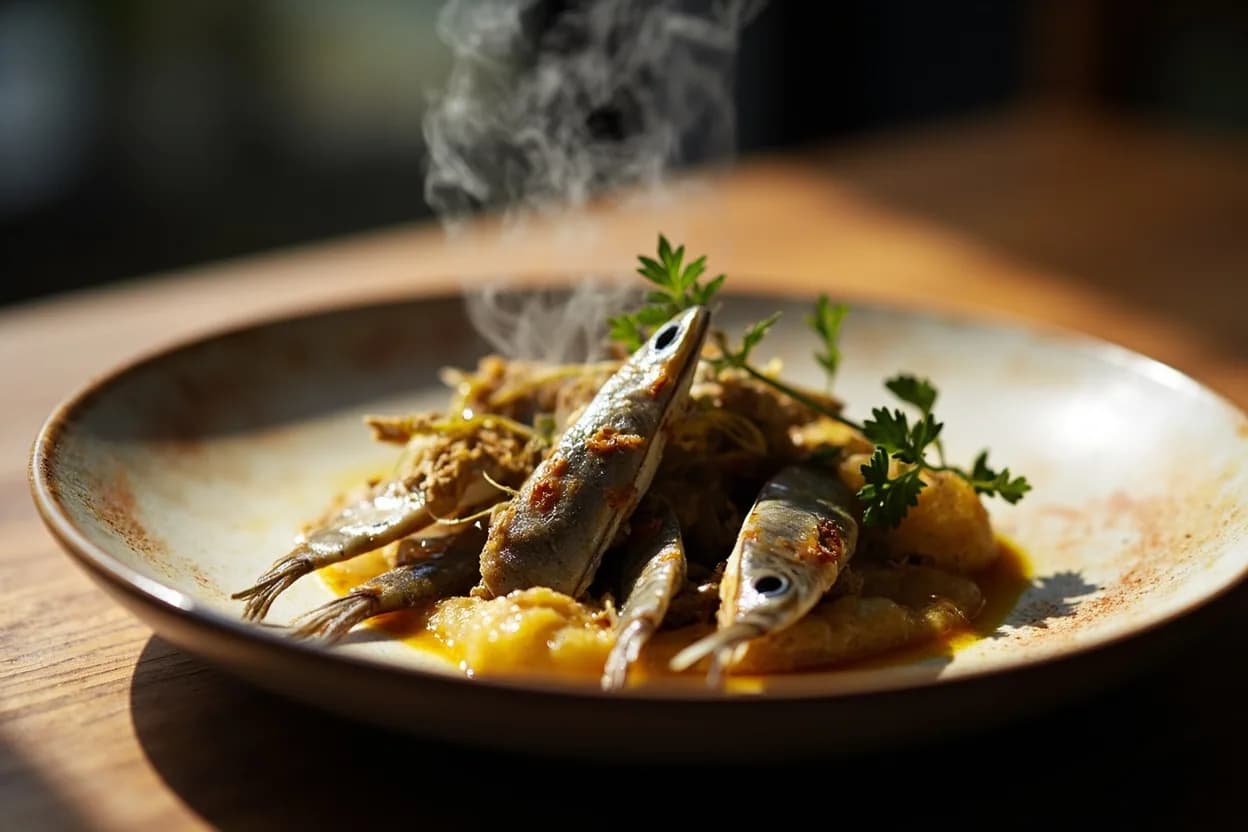
Grey peas with smoked bacon (pelēkie zirņi ar speķi) is the national dish; rupjmaize dark rye bread with butter is a cultural cornerstone; cold-smoked Rīga sprats are world-famous.
- Lithuania
Potato dominates more than in Estonia or Latvia: cepelinai dumplings, kugelis potato pudding, and didžkukuliai are all potato-based. Kibinai pastries from the Karaite minority add a distinct thread.
- Coastal (Kurzeme/Saaremaa/Palanga)
Smoked and salted fish (sprats, flounder, pike), seaweed-inflected traditions, and cold-smoked eel distinguish the Baltic Sea coastal communities.
Related cuisines
Shared Finno-Ugric roots with Estonia; similar smoked fish, rye bread, and berry cultures.
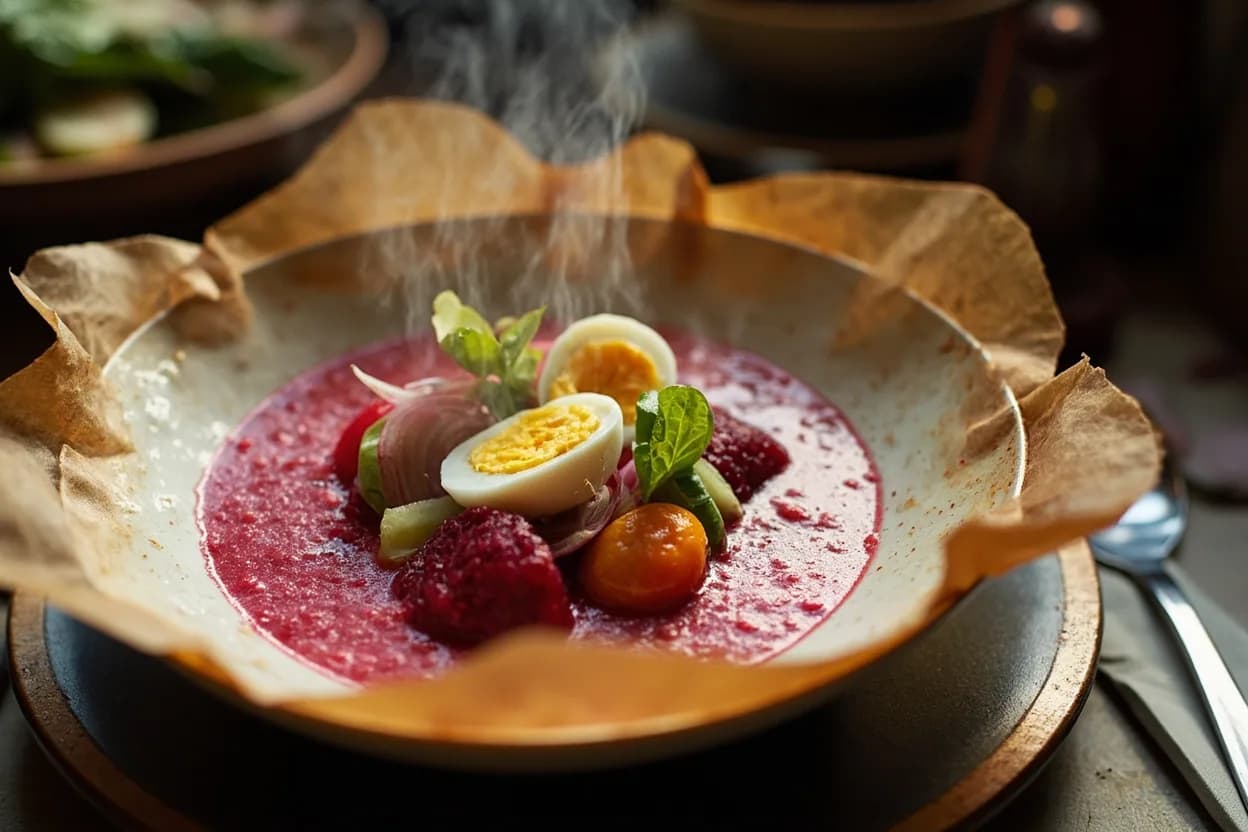
Lithuania's long union with Poland (Polish-Lithuanian Commonwealth) produced shared pierogi/cepelinai traditions and a shared beet culture.
- Scandinavian
Cold-smoked fish, pickling traditions, and open-faced bread conventions connect the Baltic to Scandinavian food culture via the Hanseatic trade network.
Soviet-era standardization imposed Russian canteen dishes, which persist in Baltic comfort food alongside reclaimed local traditions.
Canonical recipes
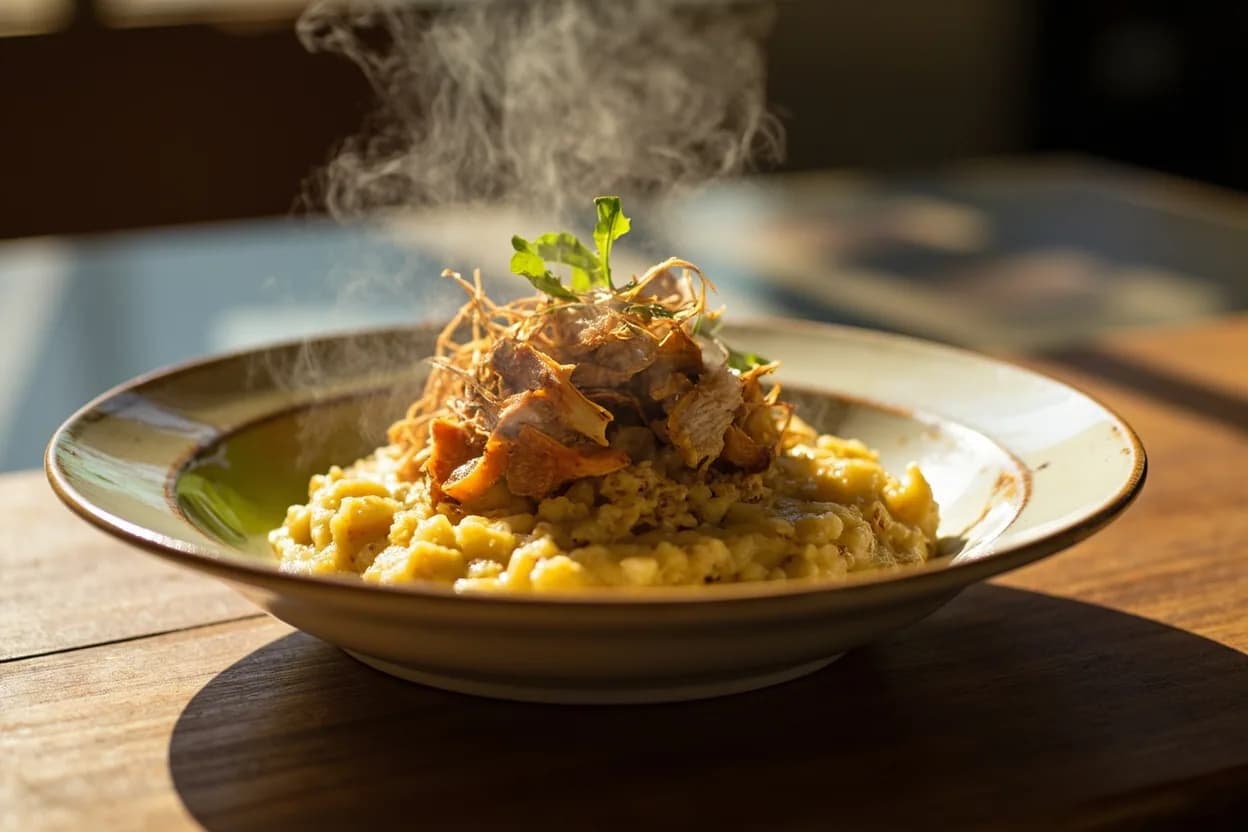
The dishes that define Baltic (Estonian, Latvian, Lithuanian), documented in the Canon.
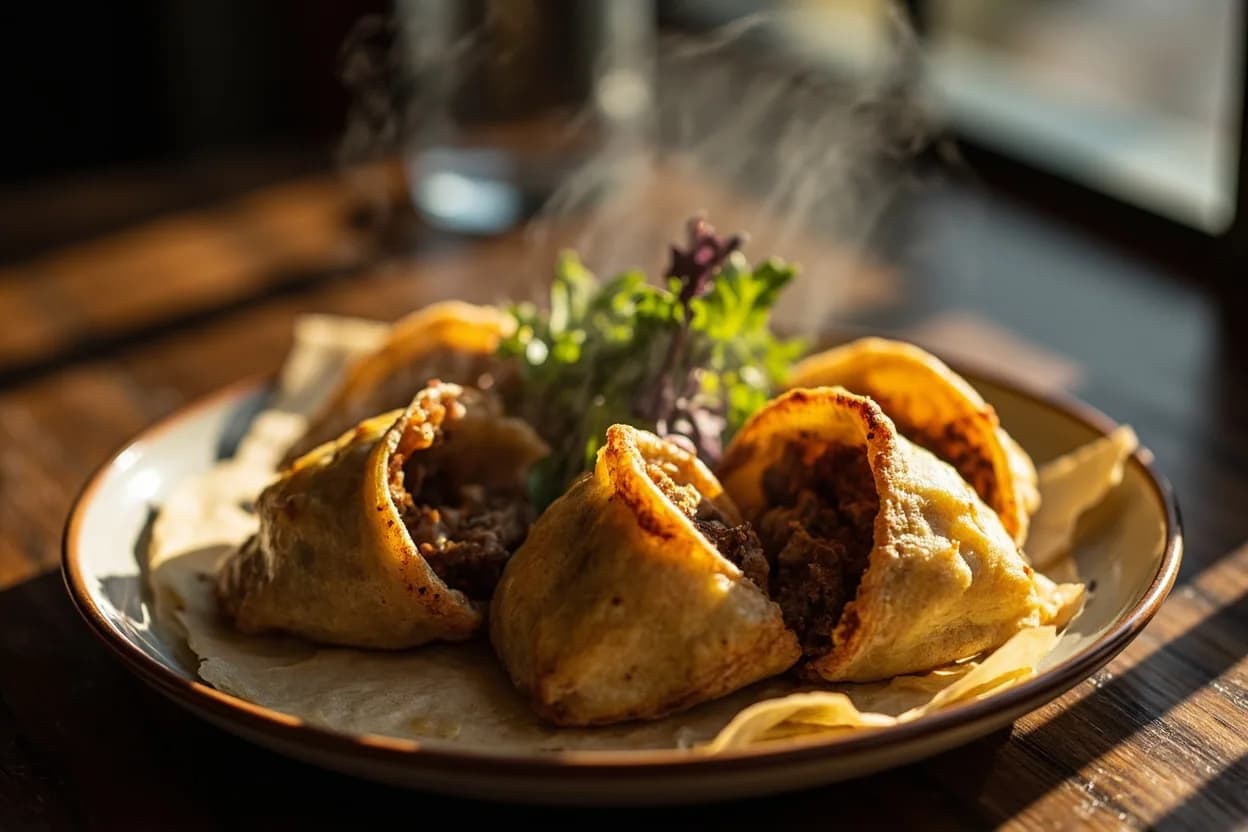
References
- 1.The Baltic Kitchen — Aleksandra Apolinarska (2024)
- 2.Eating the Baltic — Maris Jansons, in Oxford Companion to Food (2nd ed., Alan Davidson)
- 3.The Nordic Cookbook — Magnus Nilsson (2015)
- 4.Food and Cooking in the Baltic States — Laura Mason (in European Food History, ed. Mennell, 1992)
Confidence: high
Notes
Rye bread as cultural spine
In all three Baltic countries, dark sourdough rye bread is not an accompaniment but the center of eating identity. Latvian rupjmaize (a moist, dense, slightly sweet rye) is served with butter, cold cuts, and cheese; Lithuanians eat rye at every meal; Estonian households bake or buy rye weekly. Supermarket white bread is viewed with mild cultural suspicion.
Foraging as living tradition
Baltic families forage chanterelles, porcini, bilberries, lingonberries, and cloudberries as a seasonal rhythm — not a restaurant trend. Mushrooms are dried, pickled in brine, or sautéed in butter with sour cream. The forest larder is integrated into everyday cooking at a level unusual in contemporary Europe.